German Pinscher Dogs for Adoption in Pahrump, NV

Your guide to finding and caring for a German Pinscher in Pahrump

39 German Pinschers available in Pahrump and nationwide

Give a German Pinscher a home

While we don't have enough dogs near Pahrump, keep in mind that many rescues may offer transport.

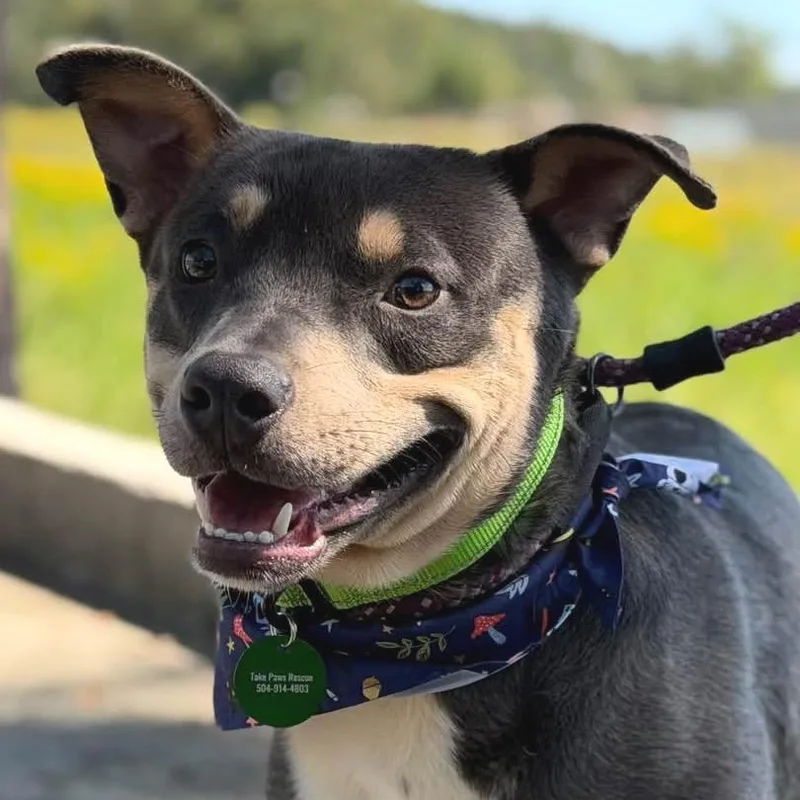
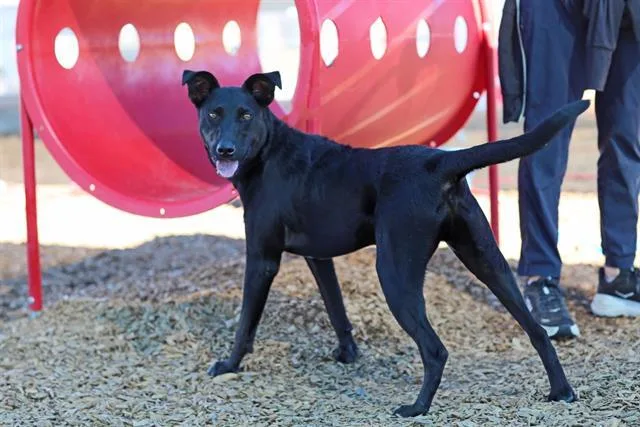
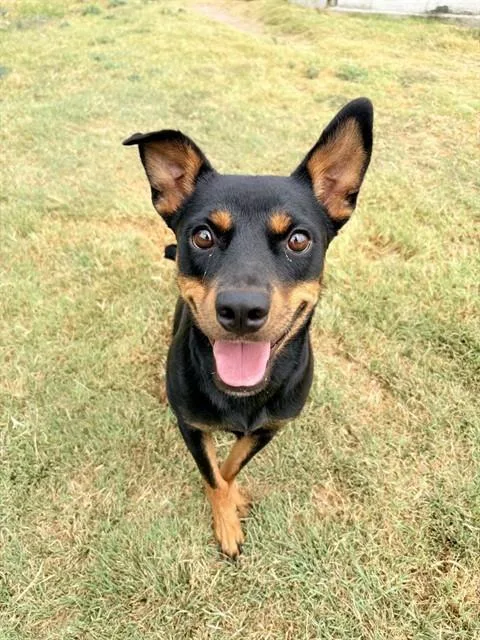
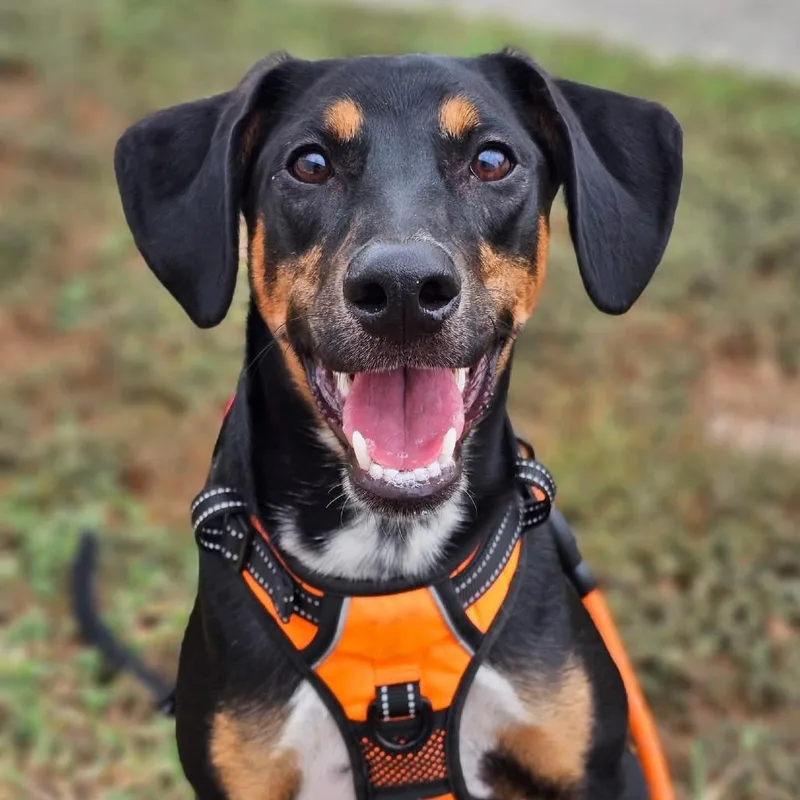
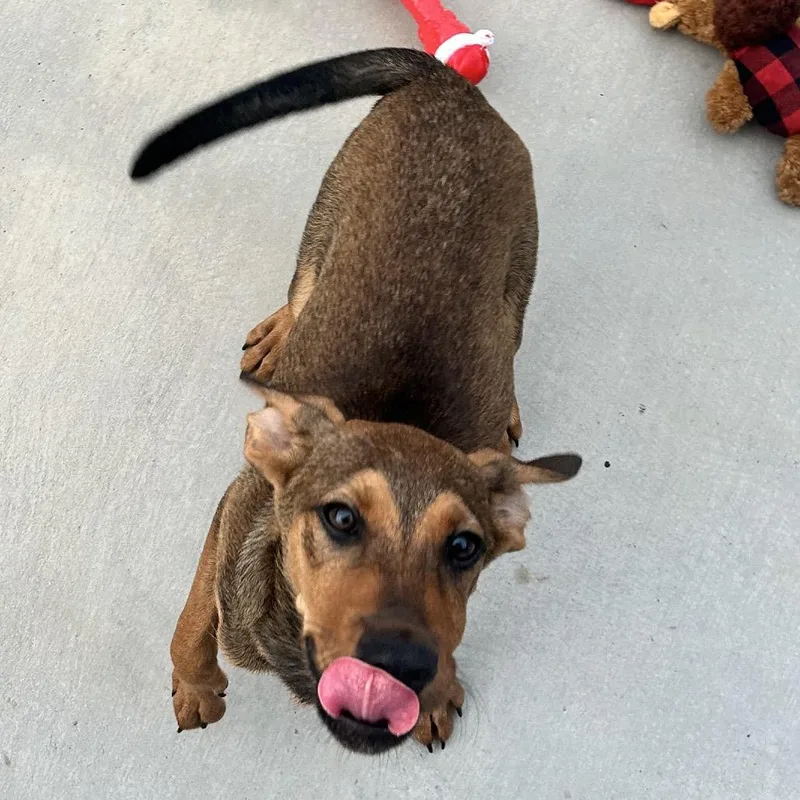
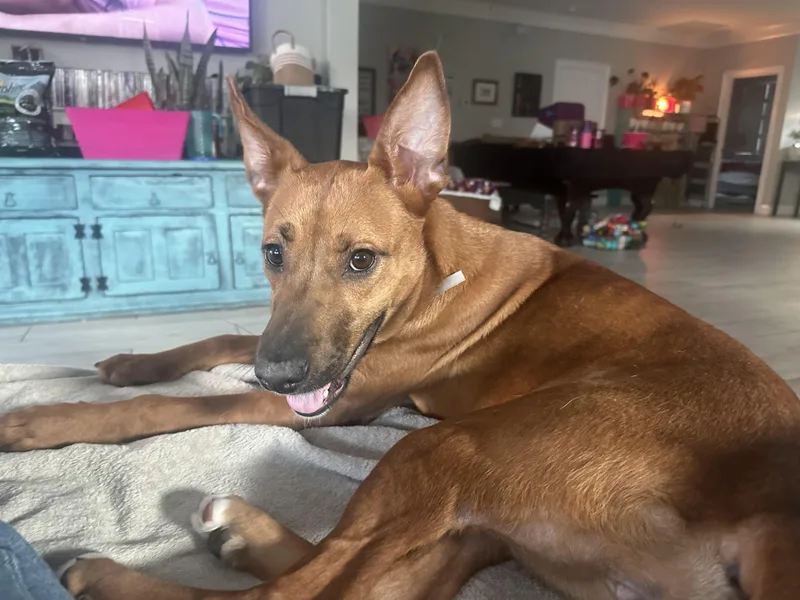
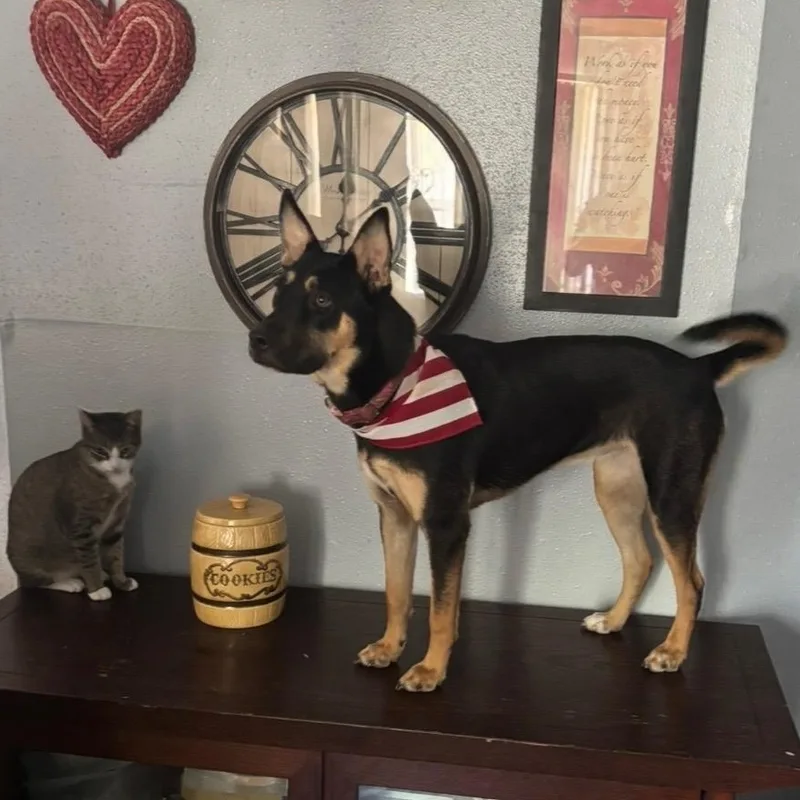
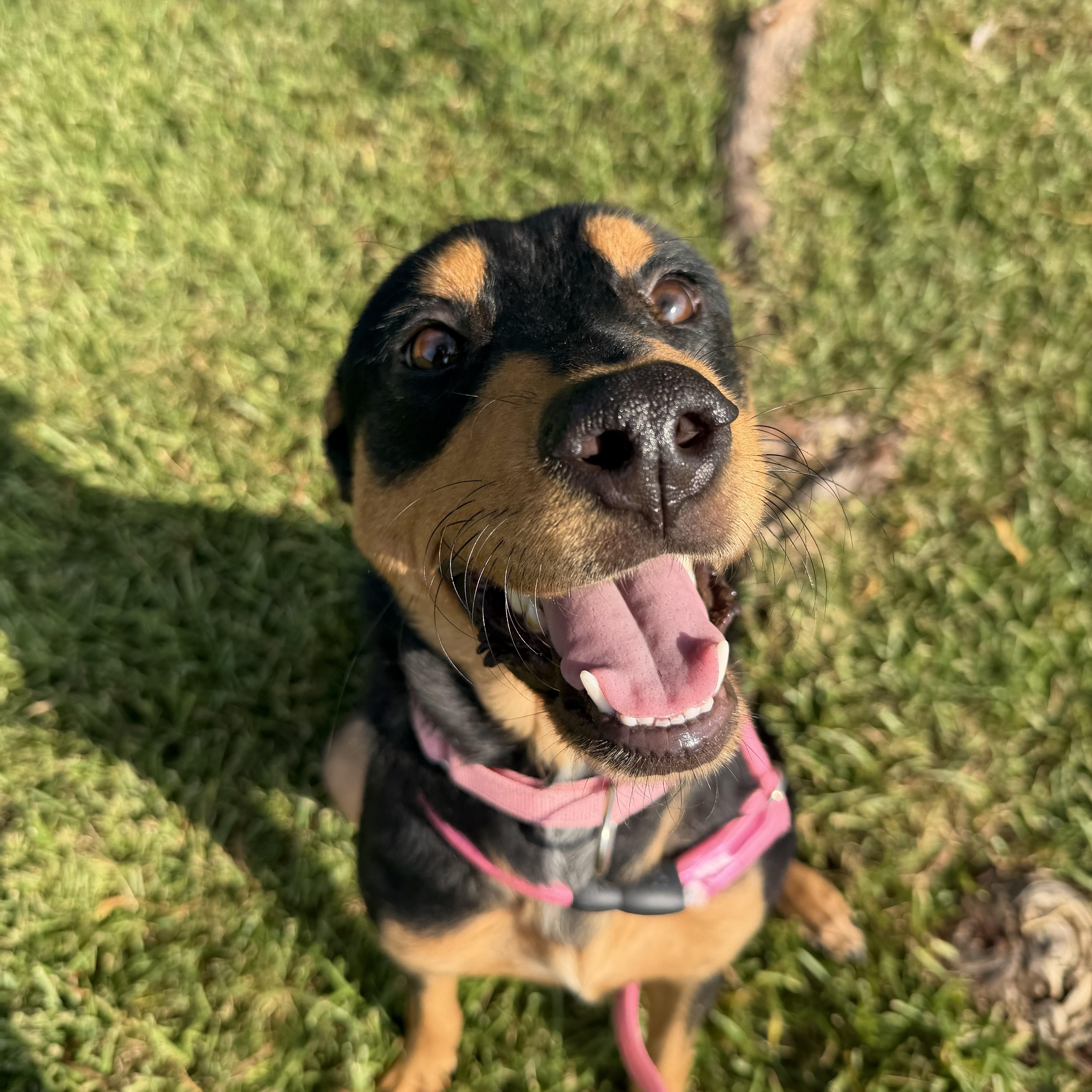
German Pinschers Available for Adoption Near Pahrump

About the German Pinscher breed

The German Pinscher is a sleek, medium-sized German farm dog once kept to catch rats in stables and guard carriages, and it is the smooth-coated cousin of the Standard Schnauzer. It helped give rise to the Doberman and Miniature Pinscher, yet nearly vanished after World War II before a small group of enthusiasts rebuilt it. Today it remains uncommon, with a short, glossy coat in red or black and rust and a square, muscular frame.

German Pinschers are often described as alert, fearless and quick-witted, affectionate with their own people and watchful with strangers. They tend to be energetic and determined, with a strong prey drive and a talent for finding loopholes in rules. In homes that offer daily exercise, firm but kind training and close companionship, many are devoted, playful and easy-to-groom partners.

Weight
25–45 lbs
Height
17–20 in
Lifespan
12–14 yrs
Temperament
Alert, Energetic, Intelligent, Protective
Group
Working
Shedding
Low to Moderate

Owning a German Pinscher in Pahrump

Having a German Pinscher in Pahrump

A German Pinscher combines a ratter's quick reactions with a watchdog's vigilance and an easy wash-and-wear coat. Its energy, independence and prey drive shape the kind of training, exercise and household routine that help this rare breed thrive.

Temperament

German Pinschers tend to be confident, curious and closely bonded to their families, often wary of strangers until introduced. Many are playful and affectionate at home but quick to test boundaries. Some are pushy with other dogs, and most chase small animals. Calm, consistent training and early socialization help channel their intelligence and alertness.

Exercise Needs

Most German Pinschers need daily brisk walks plus chances to run, play and use their brains. Fetch, flirt-pole games, agility, scent work and obedience training suit them well. Without enough activity many become restless, destructive or noisy. A secure fence and leash are wise, since prey drive can override recall when a squirrel bolts.

Health Considerations

German Pinschers are generally sturdy, but hip dysplasia, cataracts and von Willebrand's disease, an inherited bleeding disorder, are documented in the breed. Because von Willebrand's affects clotting, a veterinarian should know a dog's status before surgery. Having a veterinarian check the hips and eyes and keeping regular checkups helps catch problems early.

Living Space

A German Pinscher can live in an apartment or a house when it gets enough daily exercise and attention. A securely fenced yard is useful, but this agile breed can jump or climb low fences. Its short coat offers little protection from cold, so it should live indoors with the family and may appreciate a sweater in winter.

What it costs to own a German Pinscher

ExpenseTypical costPer year
Food$35 to $70 per month$420 to $840
Pet insurance$45 to $85 per month$540 to $1,020
Routine vet care$225 to $450 per year$225 to $450
Other*$440 to $1,190 per year$440 to $1,190
Estimated yearly total (after year one)$1,625 to $3,500

Other costs are national averages for German Pinschers; we don't have costs specific to Pahrump yet.

* Flea, tick and heartworm prevention, a dental cleaning allowance, a dog license, toys and bedding, and occasional baths and brushing; license fees vary by city.

Adopt a German Pinscher in Pahrump.

Now that you know more, let’s find you a new best friend. These rescues and shelters below currently have German Pinschers available.

Rescues in Pahrump with German Pinschers Available

Here are the rescues & shelters in the Pahrump area where you can find German Pinschers and other dogs available for adoption.

Frequently Asked Questions

Yes, German Pinschers shed, but only lightly to moderately. Their short, smooth coat drops small hairs year-round, with slightly more during seasonal changes. Weekly brushing with a rubber curry or grooming mitt removes most loose hair and keeps the coat shiny. Compared with double-coated breeds, cleanup is easy, though short hairs can still cling to fabric.

German Pinschers are not aggressive by nature, and the breed standard penalizes unprovoked attacks. They are fearless, protective and wary of strangers, though, and some can be pushy or reactive with other dogs. Good socialization from an early age, steady training and enough exercise make a big difference. An adopted adult's history is the best guide to its behavior.

German Pinschers can be good family dogs for active households. Many are playful, affectionate and protective of their families, and they enjoy being involved in daily life. Their energy and quick reactions suit older children better than toddlers, and their prey drive makes cats and small pets a risk. Consistent rules and supervision help everyone get along.

German Pinschers are medium-sized dogs, ideally standing 17 to 20 inches at the shoulder. Most adults weigh roughly 25 to 45 pounds, with males usually larger. They are built square, about as long as they are tall, with a lean but muscular frame. That puts them between the Miniature Pinscher and the much larger Doberman in size.

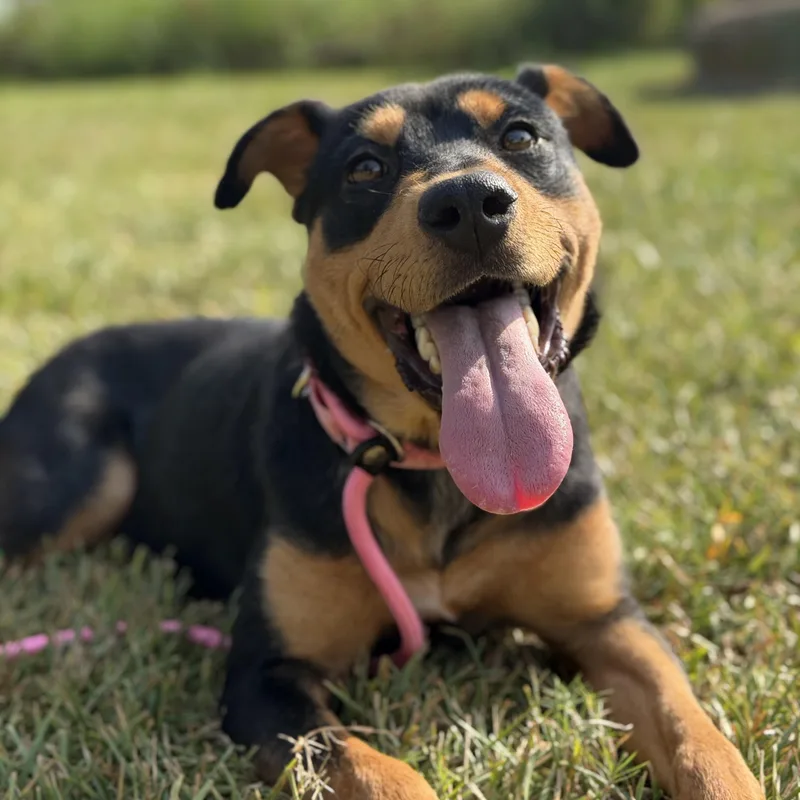
A German Pinscher is a sleek, square, muscular dog with a long wedge-shaped head, dark oval eyes and a short, glossy coat. It comes in red shades, from fawn to deep stag red, or black or blue with rust markings. Ears may be cropped to stand erect or left natural as small folded or upright ears, giving a Doberman-like look.

No, German Pinschers are not hypoallergenic, and no dog breed truly is. Their short coat sheds lightly, and they produce allergens in dander, saliva and urine like all dogs. Some people with mild allergies tolerate short-coated, light-shedding dogs better than heavy shedders, but spending time with a specific dog before adopting is the safest test.

German Pinschers usually bark to alert, not constantly. The breed standard describes them as lively but not excessive barkers, and many sound off when someone approaches the house or something seems out of place. Boredom, isolation or lack of exercise can increase barking. Teaching a quiet cue and meeting their exercise needs usually keeps noise manageable.

Pinscher is the German name for this family of dogs, and it has no single settled meaning. It is often linked to the English word pinch, describing how these dogs seized vermin, or to the old practice of clipping their ears and tail. In German usage, pinscher simply refers to the smooth-coated terrier-like farm dogs.

A German Pinscher is a medium-sized working dog from Germany, originally kept on farms and in stables to kill rats and guard property. It shares its roots with the Standard Schnauzer and contributed to the Doberman and Miniature Pinscher. The American Kennel Club recognized it in the Working Group in 2003. Many are energetic, intelligent and watchful companions.

We have 1 rescue with German Pinschers available: Never Forgotten Animal Society, Inc.. You can see every rescue with German Pinschers available in the list above these questions, or scroll to the top to see the German Pinschers near Pahrump.