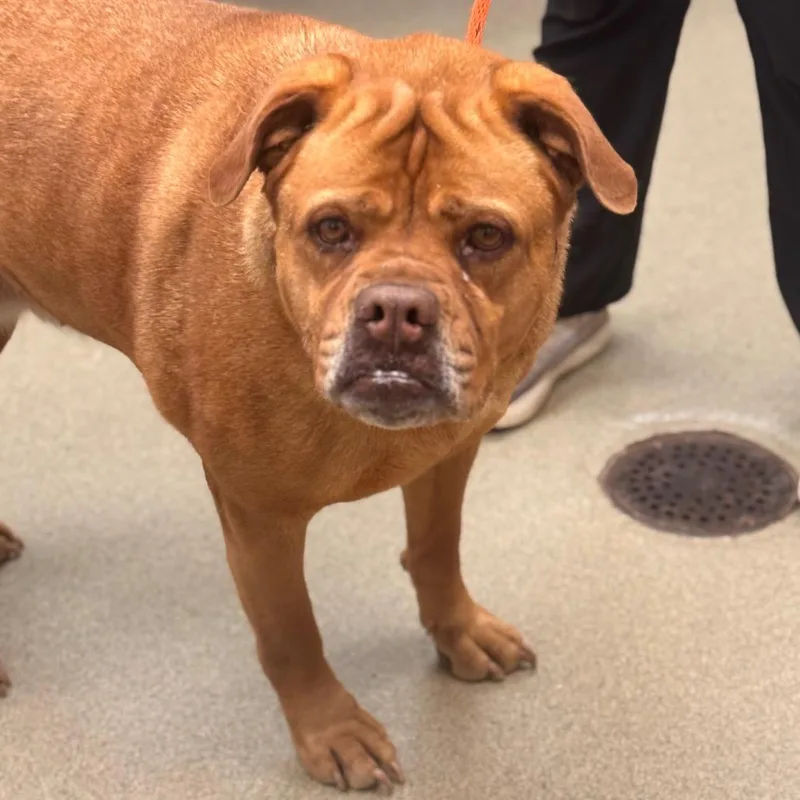
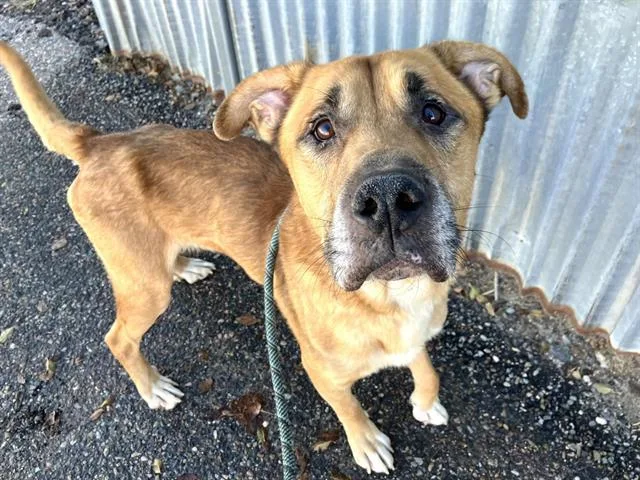
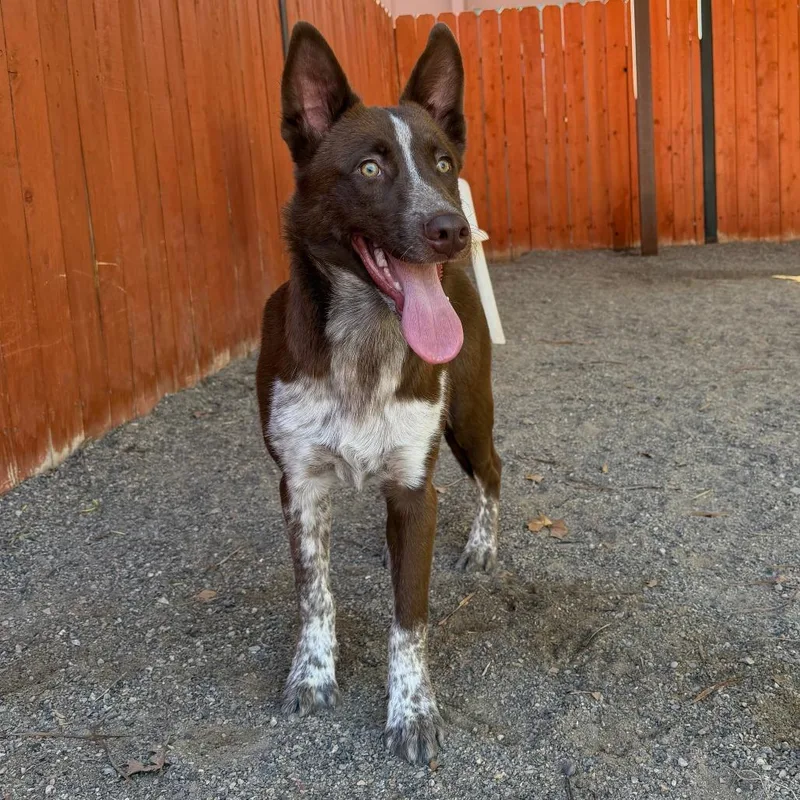
Dogue de Bordeaux Dogs for Adoption in Albuquerque, NM

Your guide to finding and caring for a Dogue de Bordeaux in Albuquerque

A Dogue de Bordeaux fits Albuquerque best in a house with room to sprawl and a cool floor to sprawl on. Westside neighborhoods like Taylor Ranch and Ventana Ranch have the single-family homes and quiet streets that suit a calm, 100-pound-plus dog, and the walks there are flat and unhurried, which is the pace this breed likes. Summer afternoons belong to the air conditioning, so save outings for early morning. Dogues are mellow at home but big, so expect drool and a strong pull on the leash.

27 Dogue de Bordeaux available in Albuquerque and nationwide

Find your forever Dogue de Bordeaux

While we don't have enough dogs near Albuquerque, keep in mind that many rescues may offer transport.

Dogue de Bordeaux Available for Adoption Near Albuquerque

About the Dogue de Bordeaux breed

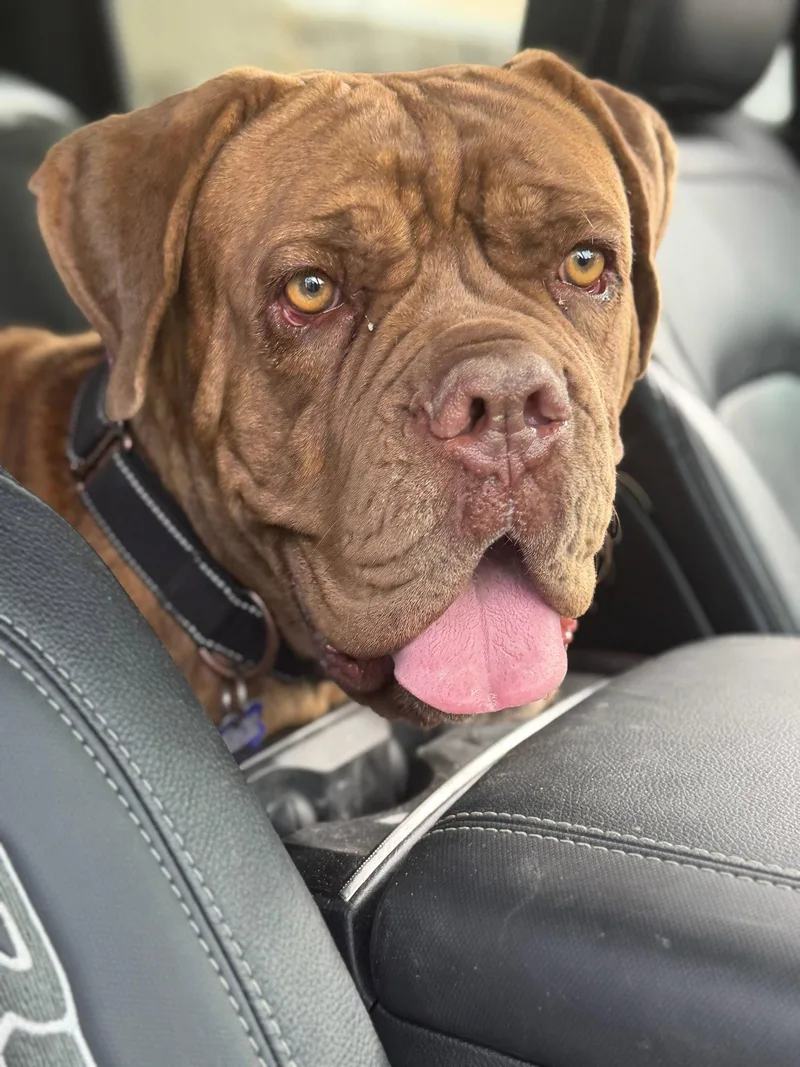
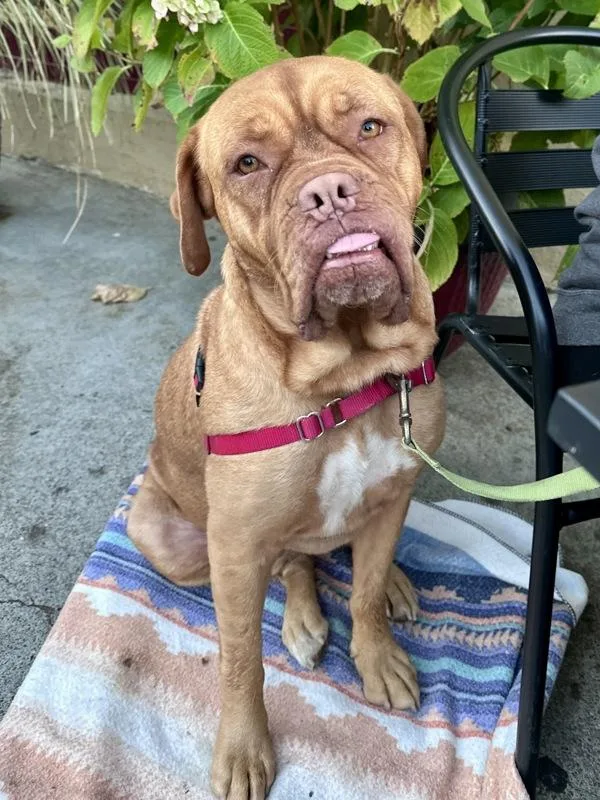
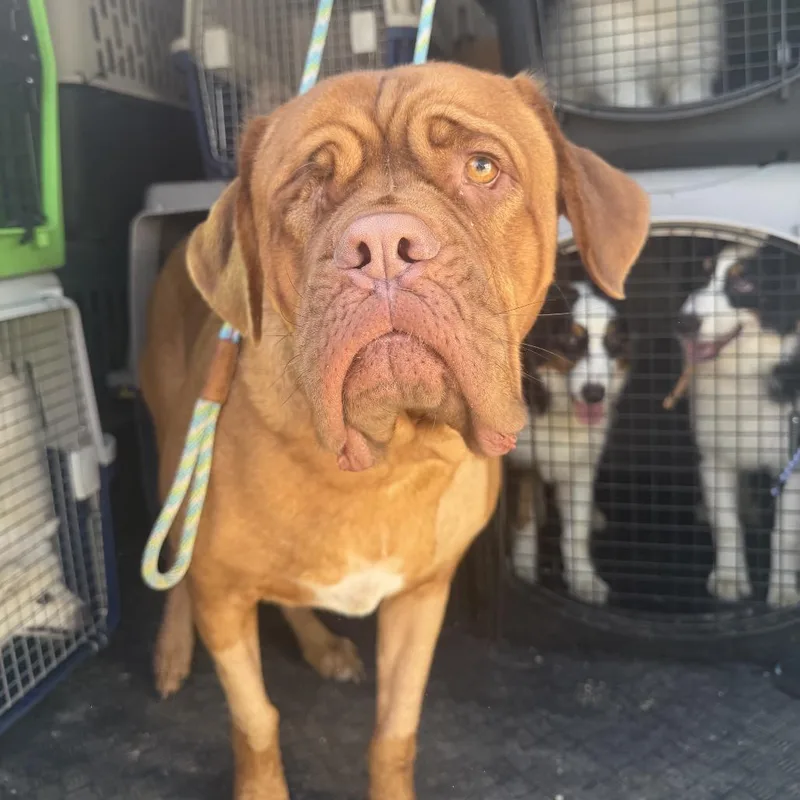
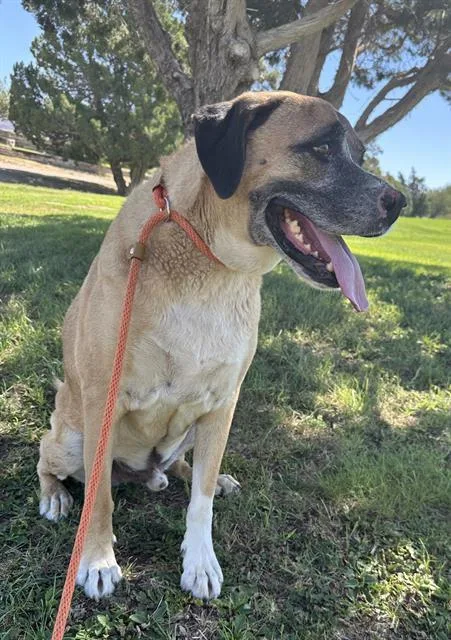
Often called the French Mastiff, the Dogue de Bordeaux is one of France's oldest breeds, long used around Bordeaux as an estate guardian and drover. It has a short fawn-to-mahogany coat, a wrinkled brow and one of the largest heads, proportionally, of any dog. Adults typically weigh 99 to 145 pounds.

Many Dogues are calm, devoted and sensitive, yet watchful with strangers, so early, gentle, consistent training matters. In Albuquerque that means good leash manners at busy trailheads and a plan for dry heat and strong sun. Expect heavy drooling, year-round shedding and giant-dog expenses. Lifespan is often under ten years, though each dog varies in temperament and health.

Weight
99–145 lbs
Height
23–27 in
Lifespan
5–9 yrs
Temperament
Protective, Loyal, Calm, Devoted
Group
Working
Shedding
Moderate to High

Owning a Dogue de Bordeaux in Albuquerque

Having a Dogue de Bordeaux in Albuquerque

A Dogue's gentle home manners come with real size, heat sensitivity and serious health risks. In Albuquerque, hot summer afternoons, strong high-elevation sun and leash rules on Open Space trails shape daily life more than exercise demands, which stay moderate.

Temperament

Dogues tend to be calm and devoted at home but watchful with strangers and unfamiliar dogs, and each dog differs. Busy Albuquerque trailheads and dog parks can be a lot for a wary giant, so start with quiet, controlled introductions and reward-based training. Harsh methods backfire with this sensitive breed.

Exercise Needs

Adult Dogues need moderate daily exercise: a couple of walks plus some training or play. The flat, paved Paseo del Bosque Trail suits an easy leashed stroll. At about 5,300 feet with strong sun, skip midday outings in summer. Puppies should avoid stairs and hard jumping until about 18 months.

Health Considerations

Dogues face aortic stenosis and other heart disease, cancer, bloat, hip and elbow dysplasia, and breathing trouble from the short face. Heat makes airway problems worse, which matters in Albuquerque's dry summers. Clean skin folds regularly, schedule early heart and joint checks with a veterinarian, and learn the signs of bloat, which needs emergency care.

Living Space

A Dogue is calm indoors but needs room to stretch out, air conditioning in summer and few stairs. Albuquerque's Westside and Northeast Heights single-family homes suit one well. An apartment can work with a ground-floor unit and a landlord who accepts giant dogs. This dog should live indoors with the family.

What it costs to own a Dogue de Bordeaux in Albuquerque

ExpenseTypical costPer year
Food$80 to $160 per month$960 to $1,920
Pet insurance$85 to $170 per month$1,020 to $2,040
Routine vet care$250 to $500 per year$250 to $500
Other*$575 to $1,650 per year$575 to $1,650
Estimated yearly total (after year one)$2,805 to $6,110

Other costs are estimates and vary with size, age and health.
* Giant-size flea, tick and heartworm prevention, a dental cleaning allowance, sturdy toys and bedding, basic coat care, and skin-fold care and joint supplements; Albuquerque has no city dog license fee.

Adopt a Dogue de Bordeaux in Albuquerque.

Now that you know more, let’s find you a new best friend. These rescues and shelters below have dogs available in and near Albuquerque.

Frequently Asked Questions

Yes. Albuquerque has no breed-specific rules, and its dangerous-dog rules look at a dog's behavior, not its breed. Adoptions through the city shelters include sterilization, a microchip and a rabies vaccine. Other New Mexico towns can set their own breed rules, so confirm local rules before moving a Dogue to a neighboring municipality.

It can, if the unit has air conditioning, cool floors and few stairs, but size limits are the main hurdle. Many landlords cap dog weight or breed, so get pet terms in writing. Ground-floor units near a dog park help. Westside and Northeast Heights homes with yards generally give a Dogue more room.

Yes, with careful management, though they overheat faster than most dogs. Walk at dawn or after sunset, keep the dog in air conditioning by midday, and always provide water and shade. Heavy panting, unusual drooling or wobbliness can signal heatstroke, which needs veterinary care right away. Hot pavement can also burn paws.

The flat, paved Paseo del Bosque Trail is the easiest fit for a heavy Dogue, with Elena Gallegos Open Space and Rinconada Canyon in Petroglyph National Monument for variety. Leashes are required, up to eight feet in Open Space and six at Petroglyph. Go early, since sand and pavement burn paws in summer.

No. ABQ RIDE buses, including ART, allow only service animals, not pets. The Rail Runner also bars pets, allowing comfort animals only in a lap-size carrier, which rules out a giant breed. Plan on traveling by car, and never leave the dog parked in it during warm weather.

Only to patios, and only where the restaurant chooses to allow dogs. New Mexico law lets restaurants welcome leashed dogs in designated outdoor areas, with a posted sign, and dogs must stay off chairs and tables. Indoor dining is limited to service animals. A Dogue's size and drool make a quiet corner and water bowl worth planning for.

Less than most breeds, but skin folds need regular care. Use a rubber curry weekly to manage year-round shedding, wipe facial wrinkles weekly or even daily, and bathe about every four weeks. Albuquerque's dry air can irritate skin, so avoid over-bathing. Basic coat care is a small part of the yearly Other costs, since most owners groom at home.

A Dogue de Bordeaux is not inherently dangerous, but it is a powerful guardian breed whose size and protective instincts demand responsible handling. Most are gentle and affectionate with their families. Poor socialization, rough training or weak containment raise the risk of problems with strangers or other dogs. Early training and an experienced owner make a big difference.

The Dogue de Bordeaux is not banned nationally in the United States, but some cities, landlords, homeowners associations and insurers restrict mastiff-type or large guardian breeds. A few jurisdictions abroad also place it on restricted-dog lists. Before adopting, check local ordinances, your lease and your homeowner's or renter's insurance policy to avoid surprises.

A Dogue de Bordeaux in Albuquerque typically costs about $2,800 to $6,100 a year, counting food, insurance, routine vet care and other expenses such as parasite prevention and dental cleanings. Food and insurance are the largest shares. The city has no dog license fee, but emergency care for bloat or heart disease can add substantially.