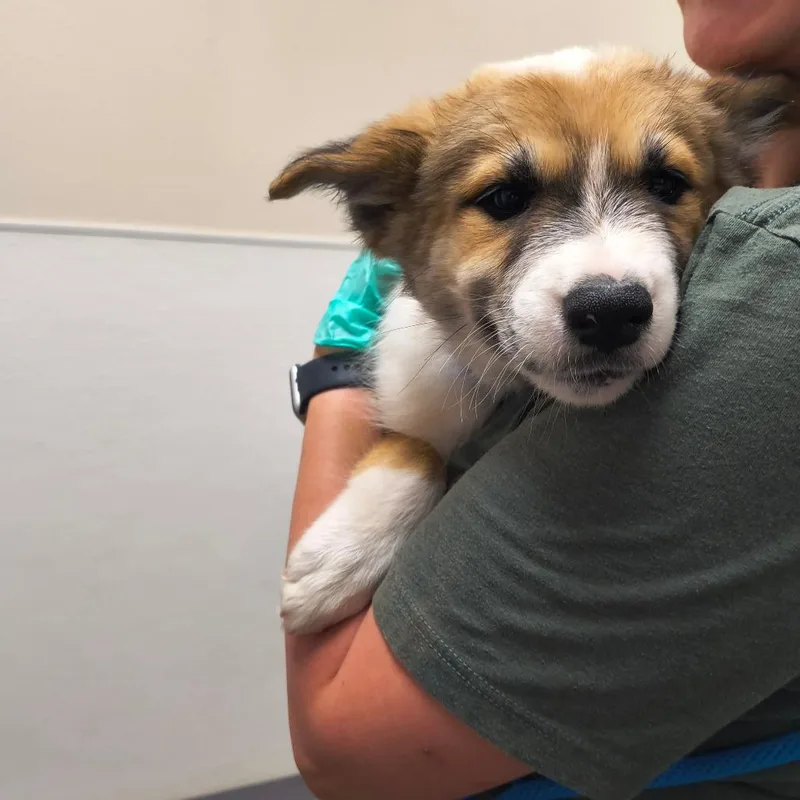
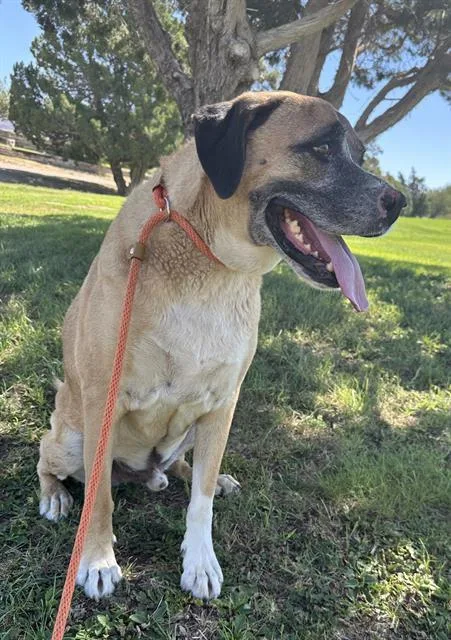
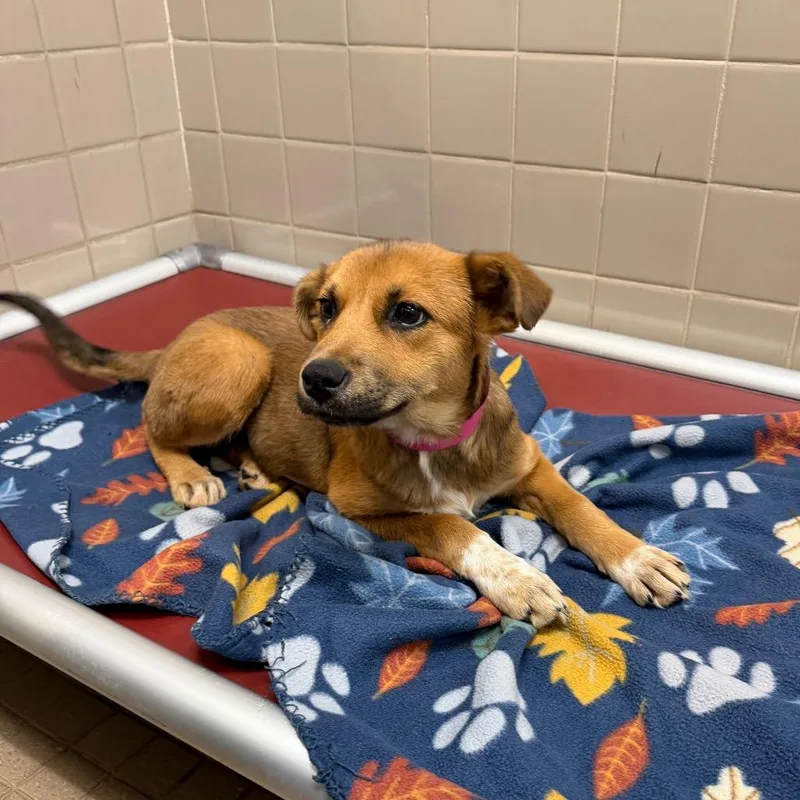
Akbash dog

Akbash Dogs for Adoption in Albuquerque, NM

Your guide to finding and caring for an Akbash in Albuquerque

An Akbash suits the roomy, fenced lots of Albuquerque's far Northeast Heights far better than a city apartment. Up near Sandia Heights and North Albuquerque Acres, where lots run from three-quarters of an acre to a full acre, a guardian dog has real ground to patrol. Akbash dogs tend to be calm and quiet with their own people, watchful with strangers, and prone to barking at night. If you're considering one in Albuquerque, plan on tall fencing and neighbors who'll hear a dog doing its job.

62 Akbashes available in Albuquerque and nationwide

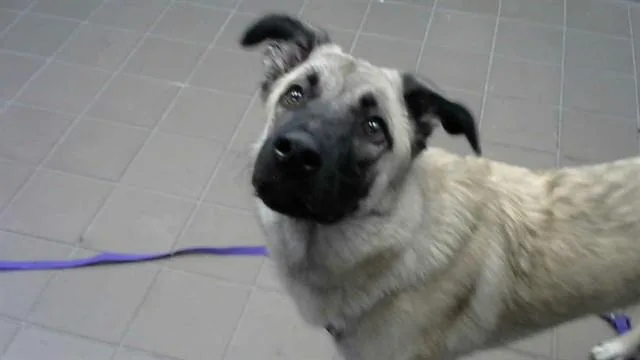
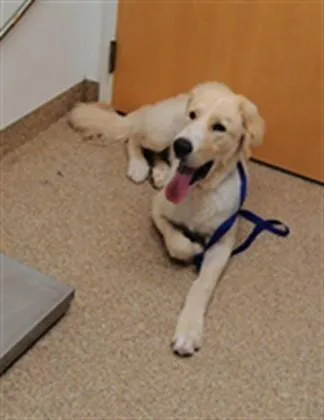
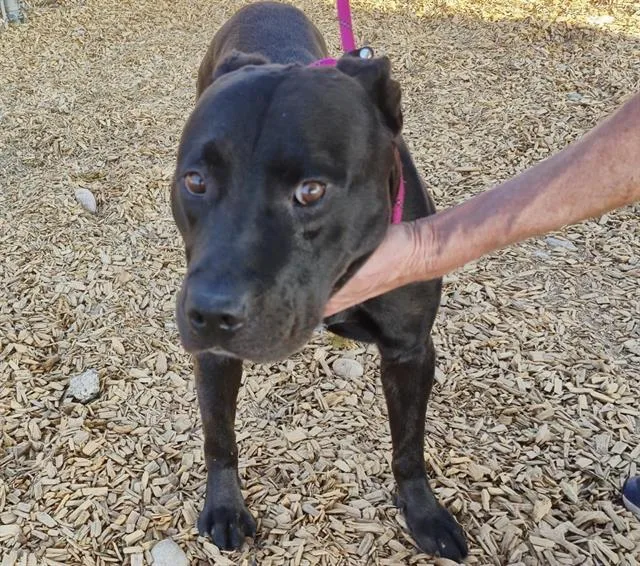
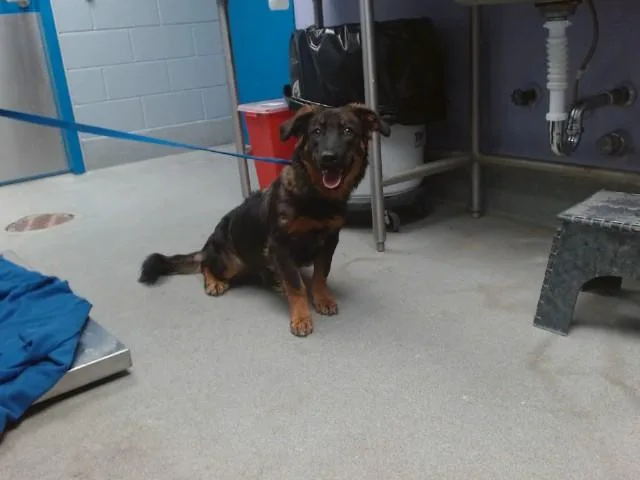
Meet your next Akbash

While we don't have enough dogs near Albuquerque, keep in mind that many rescues may offer transport.

Akbashes Available for Adoption Near Albuquerque

About the Akbash breed

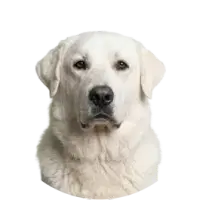
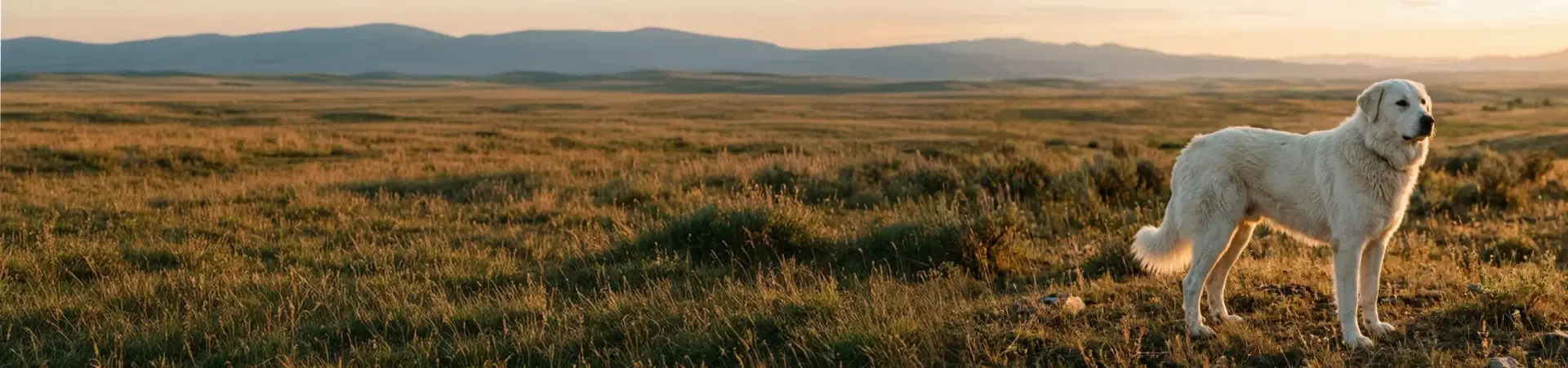
The Akbash is a white livestock guardian from western Turkey, where shepherds relied on it to live with flocks and drive off wolves. The name akbaş means white head. Dogs were imported to the US from the 1970s and later worked in a federal predator control program. Tall, lean and long-legged, it pairs mastiff power with sighthound speed, and its dense double coat comes in medium or long lengths and blows out heavily once a year.

Many Akbash dogs are quiet and gentle with their family, yet aloof toward strangers and unfamiliar dogs. They think for themselves and mature slowly, often taking two to three years. In Albuquerque, where coyotes live along the Bosque and foothills and a leash is the rule almost everywhere, an Akbash needs secure fencing, early socialization and an owner who understands guardian breeds.

Weight
75–140 lbs
Height
27–34 in
Lifespan
10–12 yrs
Temperament
Protective, Calm, Independent, Loyal
Group
Working
Shedding
Moderate to High

Owning an Akbash in Albuquerque

Having an Akbash in Albuquerque

Akbash dogs are working guardians, so independence, watchfulness and night barking shape daily life more than their gentle home manner does. In Albuquerque, fenced space, a plan for the neighbors and a cool place to rest matter most.

Temperament

Akbash dogs are often calm, steady and quietly affectionate with their own family, but wary of strangers and quick to challenge unfamiliar dogs. That matters on busy Albuquerque sidewalks and at crowded trailheads. They think independently, so training takes patience and consistency. Early, ongoing socialization helps, though each dog's personality varies.

Exercise Needs

Expect moderate daily exercise: long leashed walks plus time patrolling a fenced yard. Walk early in the morning when summer pavement is cool, and keep the leash at eight feet or shorter on Albuquerque's trails. Akbash dogs are fast and may roam, so off-leash time belongs only in tall, secure fencing.

Health Considerations

Giant-breed risks include hip dysplasia, bloat, osteochondritis dissecans and hypothyroidism. Keep the dog lean, learn the signs of bloat and have a veterinarian check the hips after adoption. Some guardian breeds are sensitive to anesthesia, so mention the breed before any procedure. Rattlesnake season here runs April through October, so ask your vet about a snakebite plan.

Living Space

An Akbash is a poor match for most apartments. A house with tall, secure fencing and room to patrol suits it far better, such as the larger lots in the Northeast foothills or on the Westside mesa. Expect barking at night, and bring the dog indoors with the family the rest of the time.

What it costs to own an Akbash in Albuquerque

ExpenseTypical costPer year
Food$80 to $160 per month$960 to $1,920
Pet insurance$85 to $170 per month$1,020 to $2,040
Routine vet care$250 to $500 per year$250 to $500
Other*$675 to $1,850 per year$675 to $1,850
Estimated yearly total (after year one)$2,905 to $6,310

Other costs are estimates and vary with size, age and health.

* Flea, tick and heartworm prevention, a dental cleaning allowance, durable toys and bedding, brushing through the heavy annual undercoat shed, and joint supplements for a giant breed; Albuquerque has no city pet license.

Akbash dog

Adopt an Akbash in Albuquerque.

Now that you know more, let’s find you a new best friend. These rescues and shelters below have dogs available in and near Albuquerque.

Frequently Asked Questions

Yes, Albuquerque has no breed bans or breed-specific rules, and its dangerous-dog rules look at a dog's behavior. Expect a rabies vaccine, a microchip, spay or neuter after six months unless you hold an intact permit, an eight-foot leash limit and a four-dog household cap. There's no city license. Other New Mexico towns may differ, so confirm before moving.

An Akbash is rarely a good apartment dog. At 75 to 140 pounds, it needs room to patrol and tends to bark at night, which carries through shared walls. Albuquerque's noise complaint process starts with a letter giving the owner seven days to resolve the problem. A house with a tall fence, like those on the Westside or in the foothills, fits far better.

Leashed walks suit an Akbash best. The 16-mile Paseo del Bosque Trail is paved and uninterrupted by roads, Elena Gallegos Open Space opens onto foothill trails, and Rinconada Canyon at Petroglyph National Monument allows leashed dogs. Open Space leashes can be eight feet, but Petroglyph's limit is six. Pets aren't allowed on the Boca Negra Canyon viewing trails.

Usually yes, with sensible routines. Summer highs often reach the 90s, but 100-degree days are only two or three a year, and nights cool into the 60s. The dense coat insulates, so don't shave it. Walk at dawn or dusk, provide shade and water, and watch for heavy panting, drooling or vomiting, which can signal heatstroke.

No. ABQ RIDE buses, including the ART line on Central Avenue, allow only service animals, not pets. The Rail Runner also bars pets, and comfort animals must fit in a carrier on your lap. A giant Akbash can't ride either, so plan on a car for vet visits and trailheads, with the dog safely secured.

Plan on weekly brushing most of the year and daily brushing during the heavy annual undercoat blow, often as the weather warms. Albuquerque's dry air and spring dust mean occasional baths and wiping the face and ears. Professional grooming isn't required, and brushing supplies fit within the Other line of the cost table. Don't shave the coat, since it insulates against heat.

Only to patios, and only where the restaurant allows dogs. New Mexico law lets restaurants welcome leashed dogs in outdoor dining areas, with a posted sign, and dogs must stay off chairs and tables. Indoors is limited to service animals. A giant, wary guardian may be more comfortable at home, so try quiet times first.

Akbash dogs are not typically aggressive toward their own family, but they are protective guardians that may act aggressively toward threats. The breed is described as gentle and quietly affectionate at home, aloof and suspicious with strangers, and watchful of unfamiliar dogs on its territory. Thorough socialization, secure fencing and careful introductions help prevent protective behavior from becoming a problem.

An Akbash is a large white livestock guardian dog from western Turkey, bred to live with sheep and protect them from wolves and other predators. It combines a mastiff's strength with a sighthound's long legs and speed. The breed is recognized by the United Kennel Club, though not by the American Kennel Club. Many are calm, independent and protective.

Plan on roughly $2,900 to $6,300 a year for an adult Akbash, or about $240 to $525 a month. That covers food, insurance, routine vet care and other yearly costs like parasite prevention, dental cleaning and joint supplements. Fencing and emergency care are extra. Giant breeds eat more and cost more to treat.