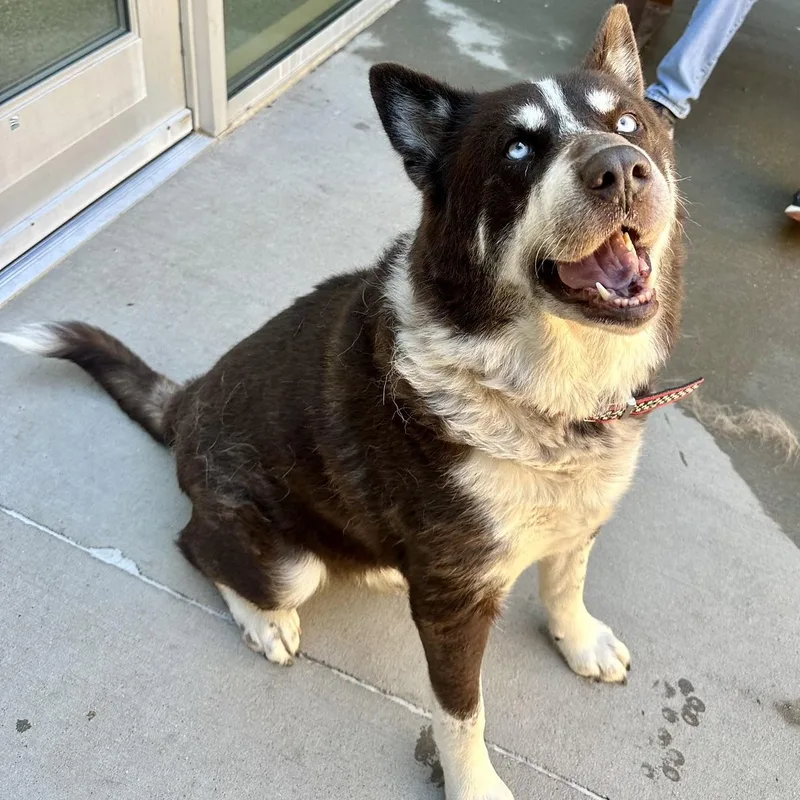
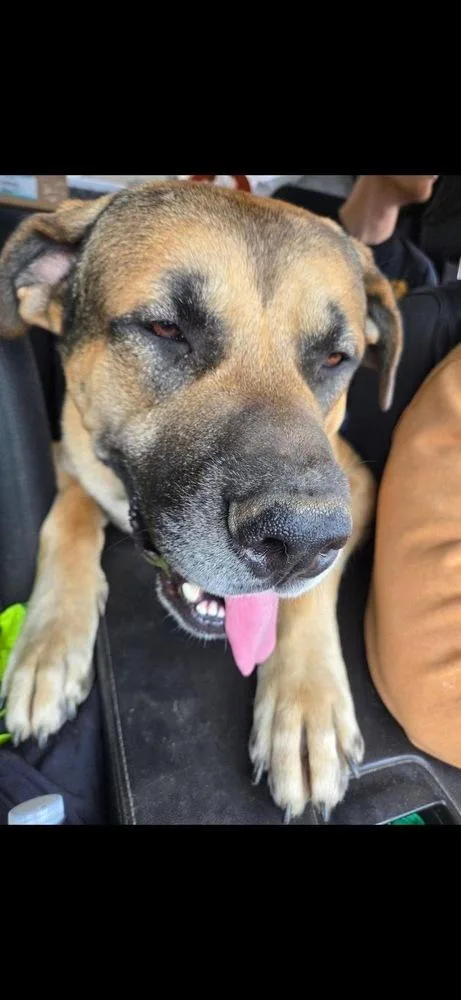
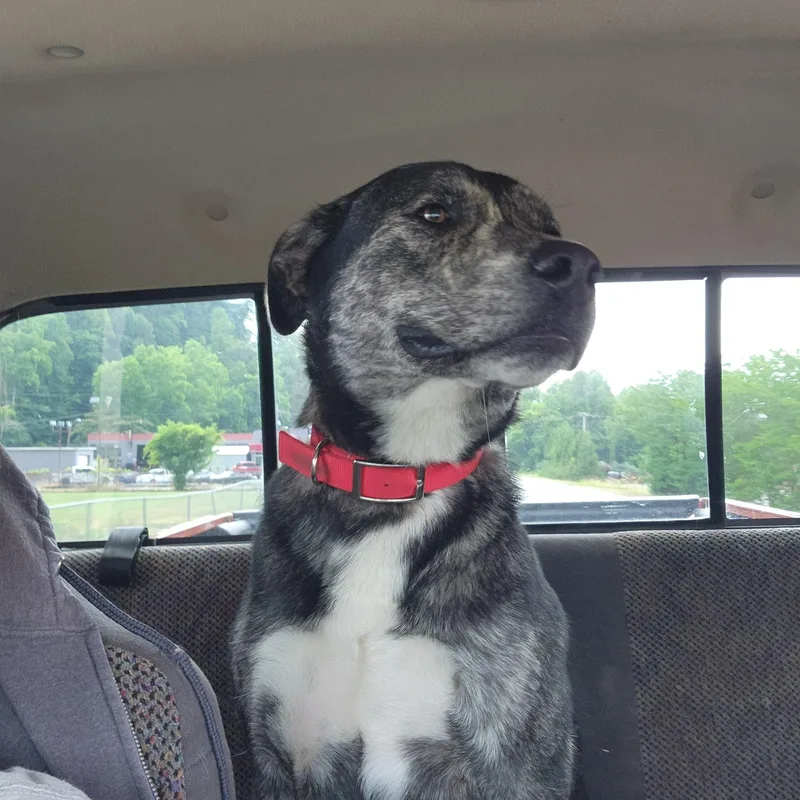
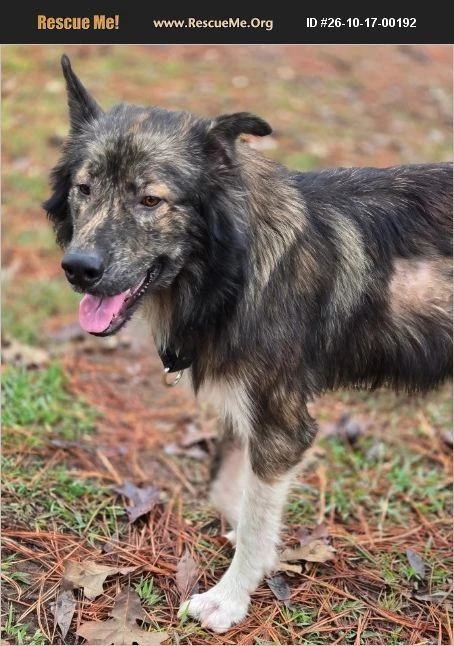
Alaskan Malamute dog

Alaskan Malamute Dogs for Adoption in Newfoundland, NJ

Your guide to finding and caring for an Alaskan Malamute in Newfoundland

213 Alaskan Malamutes available in Newfoundland and nationwide

Adopt an Alaskan Malamute today

While we don't have enough dogs near Newfoundland, keep in mind that many rescues may offer transport.

Alaskan Malamutes Available for Adoption Near Newfoundland

About the Alaskan Malamute breed

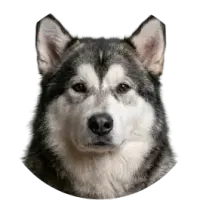
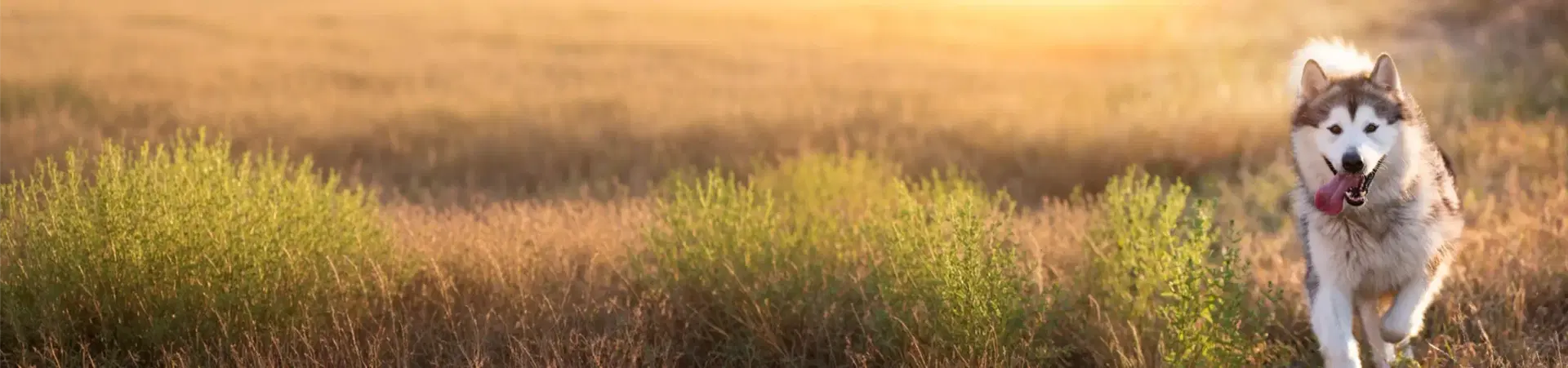
The Alaskan Malamute is one of the oldest Arctic sled dogs, developed by the Mahlemiut Inupiaq people of northwestern Alaska to haul heavy loads over long distances. Built for strength and endurance rather than speed, it has heavy bone, a deep chest, snowshoe feet and a thick, coarse double coat, with a plumed tail carried over the back. Most adults weigh roughly 75 to 95 pounds.

Malamutes are usually affectionate and friendly with people, which makes them poor guard dogs but engaging companions. They also tend to be independent, strong-willed and food-motivated, with a powerful prey drive and a talent for digging and escaping. Many need firm, patient training, plenty of daily exercise, careful introductions to other dogs and small pets, and a cool place to rest, since their coat is designed for snow rather than heat.

Weight
70–95 lbs
Height
23–26 in
Lifespan
10–14 yrs
Temperament
Affectionate, Friendly, Independent, Loyal
Group
Working
Shedding
High

Owning an Alaskan Malamute in Newfoundland

Having an Alaskan Malamute in Newfoundland

A Malamute combines a freight dog's power with a sociable, sometimes stubborn personality. Its strength, heavy shedding, heat sensitivity and independent streak shape training, exercise and housing far more than its friendly face suggests, so these traits deserve a close look.

Temperament

Malamutes tend to greet people warmly and are rarely one-person dogs. They are also independent thinkers that may ignore commands they see no point in, so training needs consistency and motivation. Many have a strong prey drive, and some, especially males, can be intolerant of dogs of the same sex. Individual history matters greatly.

Exercise Needs

Most Malamutes need substantial daily exercise, such as long walks, hiking, or pulling sports like carting and skijoring. They were bred for stamina, not sprints. Mental work matters too: training, food puzzles and scent games help curb boredom digging, chewing and howling. Exercise should shift to cool mornings and evenings in warm weather.

Health Considerations

Conditions reported in Malamutes include hip dysplasia, hypothyroidism, inherited chondrodysplasia (dwarfism), polyneuropathy and day blindness, along with cataracts. Keeping a Malamute lean protects its joints, and regular thyroid checks may be suggested as dogs age. Ask about any health history and discuss screening and preventive care with a veterinarian.

Living Space

Malamutes usually do best in homes with a securely fenced yard, since many dig and climb. Apartment life is possible only with very reliable daily exercise and tolerance for shed hair and howling. Space matters less than climate control: they need shade, air conditioning in hot weather and time indoors with their family.

What it costs to own an Alaskan Malamute

ExpenseTypical costPer year
Food$55 to $110 per month$660 to $1,320
Pet insurance$65 to $130 per month$780 to $1,560
Routine vet care$250 to $500 per year$250 to $500
Other*$590 to $1,490 per year$590 to $1,490
Estimated yearly total (after year one)$2,280 to $4,870

Other costs are national averages for Alaskan Malamutes; we don't have costs specific to Newfoundland yet.

* Flea, tick and heartworm prevention, a dental cleaning allowance, a dog license, toys and bedding, and brushing and baths for a heavy seasonal coat blow; license fees vary by city.

Adopt an Alaskan Malamute in Newfoundland.

Now that you know more, let’s find you a new best friend. These rescues and shelters below currently have Alaskan Malamutes available.

Rescues in Newfoundland with Alaskan Malamutes Available

Here are the rescues & shelters in the Newfoundland area where you can find Alaskan Malamutes and other dogs available for adoption.

Frequently Asked Questions

Alaskan Malamutes are large dogs, typically standing about 23 to 26 inches at the shoulder, with males around 25 inches and females around 23. Their heavy bone, deep chest and thick coat make them look even bigger. Most reach full height by about a year old but keep filling out until two or three, so a young adult may still be broadening.

Most Alaskan Malamutes weigh about 75 to 95 pounds, and the breed standard describes ideal freighting weights of about 85 pounds for males and 75 for females. Individual dogs can be lighter or heavier depending on bone, sex and body condition. A fit Malamute has a visible waist under its coat, so feeling for ribs is more reliable than looking.

An Alaskan Malamute is a large, powerful Arctic sled dog from Alaska, bred to pull heavy freight over long distances. It belongs to the AKC Working Group and is Alaska's official state dog. Malamutes are typically friendly, independent and energetic, with a thick double coat, plumed tail and a strong appetite for both food and activity.

An Alaskan Malamute looks like a sturdy, heavy-boned sled dog, with erect ears, a broad head, brown almond eyes and a plumed tail curled over its back. Its thick, coarse coat comes in gray, black, sable or red, always with white on the underbody, legs and face mask, and some dogs are solid white. Large snowshoe feet complete the look.

Alaskan Malamutes usually live about 10 to 14 years, and UK data put the breed's average a little above 11 years. Lifespan depends on genetics, weight, exercise and veterinary care. Keeping a Malamute lean, protecting it from heat and catching conditions like hypothyroidism early can all help a dog reach the upper end of that range.

Alaskan Malamutes are not typically aggressive toward people; most are friendly and outgoing with family and strangers alike. Aggression is more likely to show up toward other dogs, especially of the same sex, or toward small animals because of strong prey drive. Socialization, training, neutering and a dog's history all influence behavior, so individual temperament matters more than breed.

Alaskan Malamutes rarely make good guard dogs. They tend to be friendly with strangers and are more likely to welcome a visitor than confront one. Their size and howling may deter some people, but the breed was developed for hauling, not protection. Anyone wanting a dedicated guardian should look elsewhere, and Malamutes should never be trained for aggression.

The Alaskan Malamute can be a good family dog for active households that are ready for its size, strength and grooming needs. Many are affectionate and tolerant with respectful children, but their exuberance can knock over toddlers. Families with cats or small pets need caution because of prey drive, and everyone should be prepared for training, exercise and heavy shedding.

Alaskan Malamutes can make loving pets for experienced, active owners who enjoy outdoor time and accept plenty of fur. They usually adore people and are playful well into adulthood. They are not easy dogs, though: many dig, pull, howl, escape and test rules. Owners who provide exercise, structure and companionship tend to find them deeply rewarding.

We have 1 rescue with Alaskan Malamutes available: Just Keep Rescuing Canines & Cats -JKRC Rescue. You can see every rescue with Alaskan Malamutes available in the list above these questions, or scroll to the top to see the Alaskan Malamutes near Newfoundland.