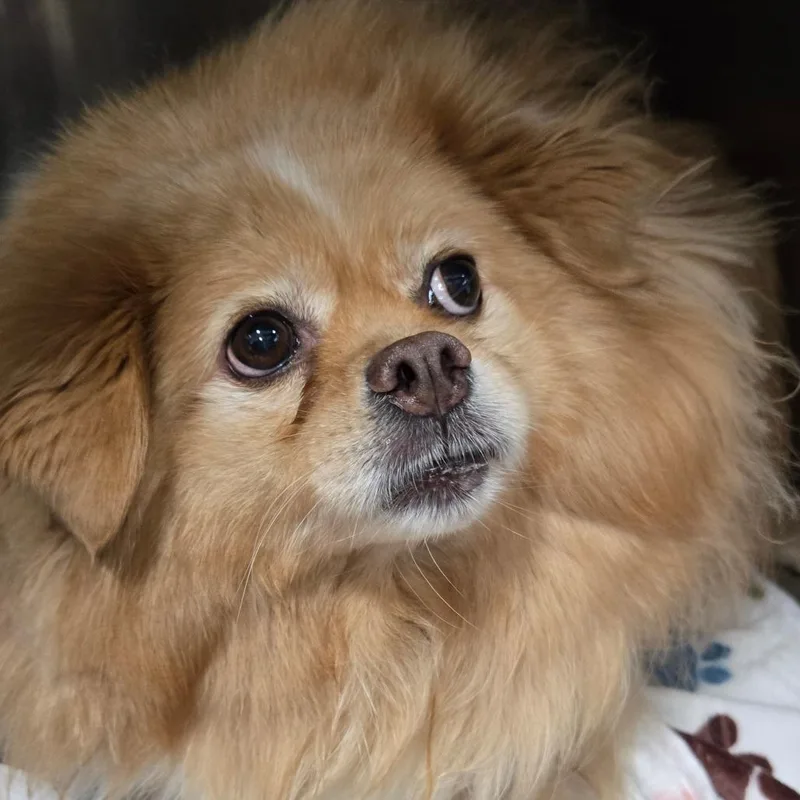
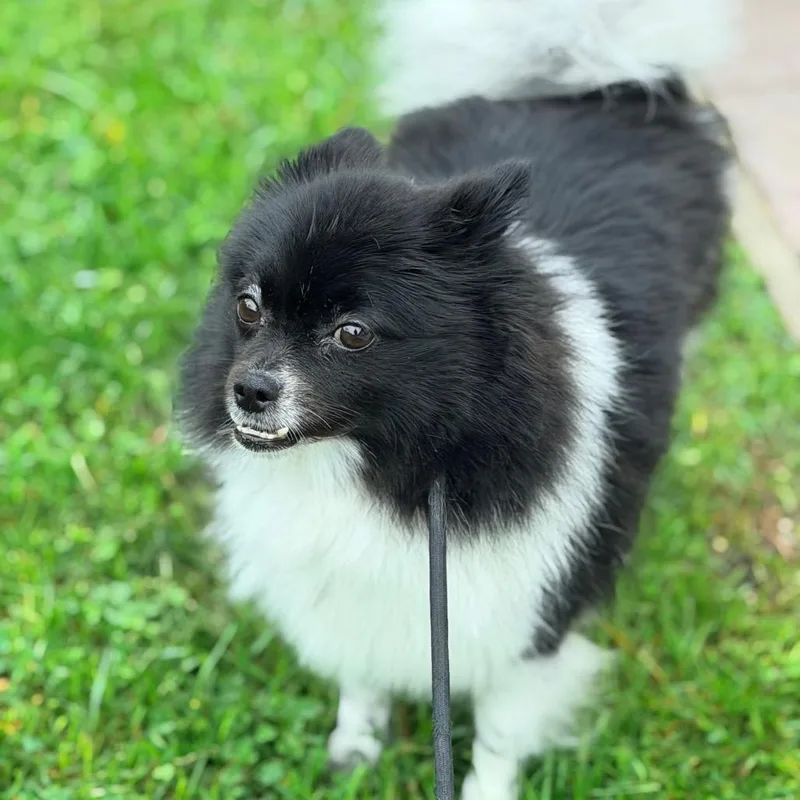
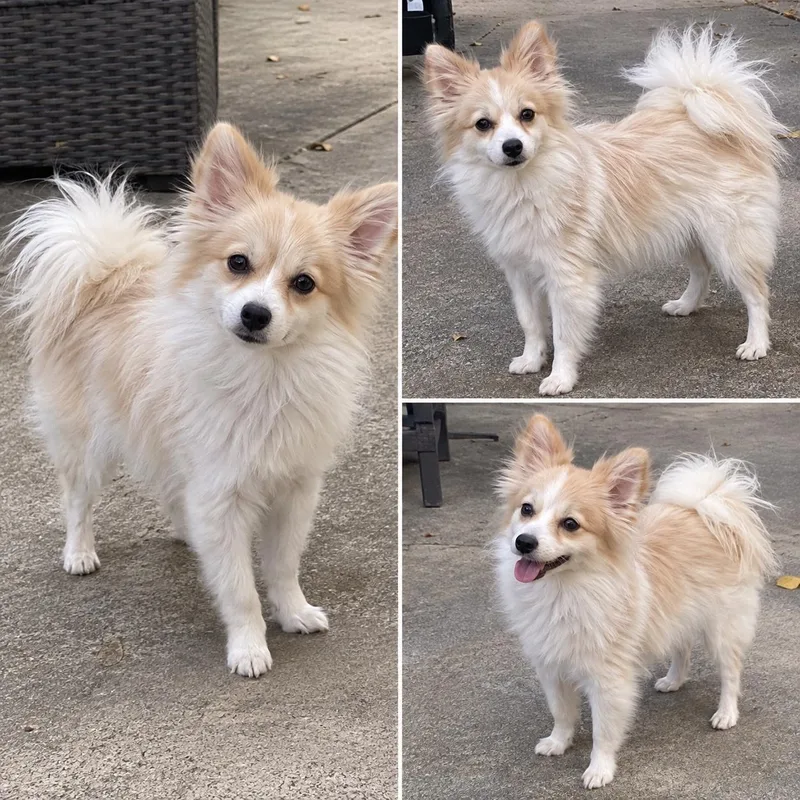
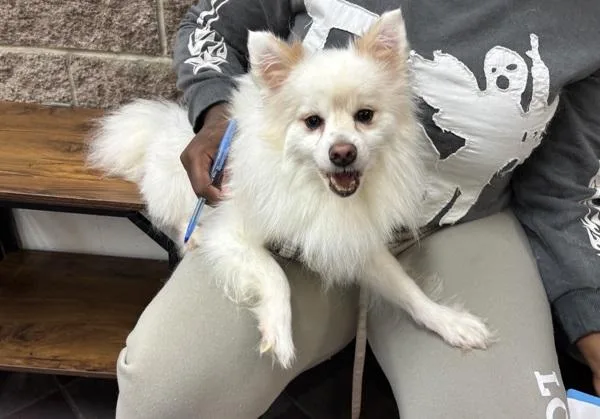
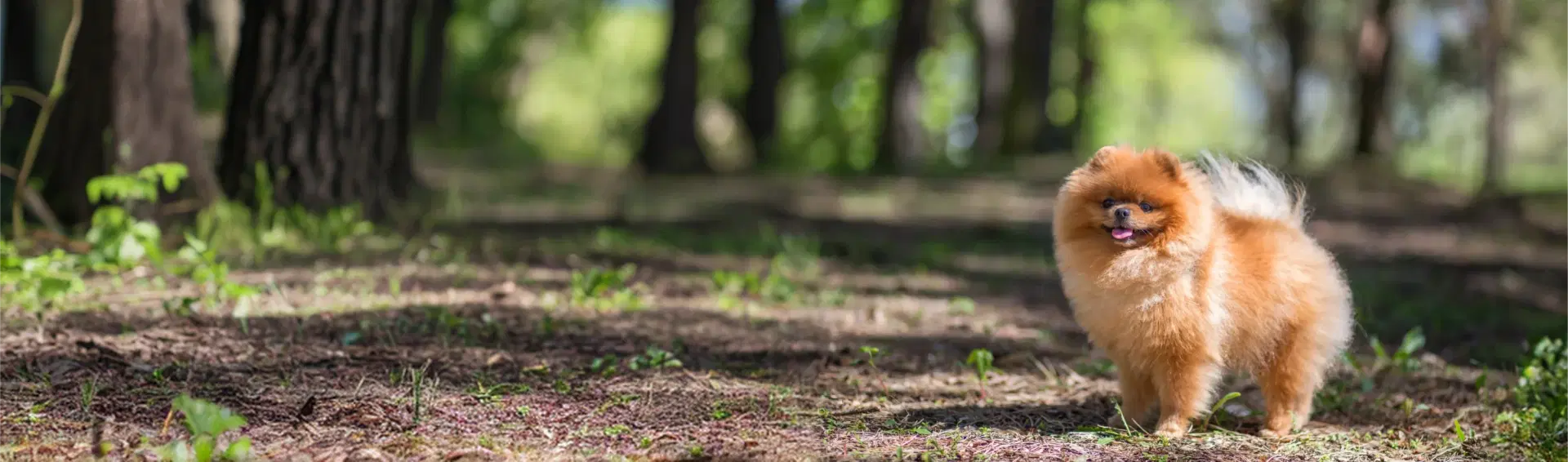
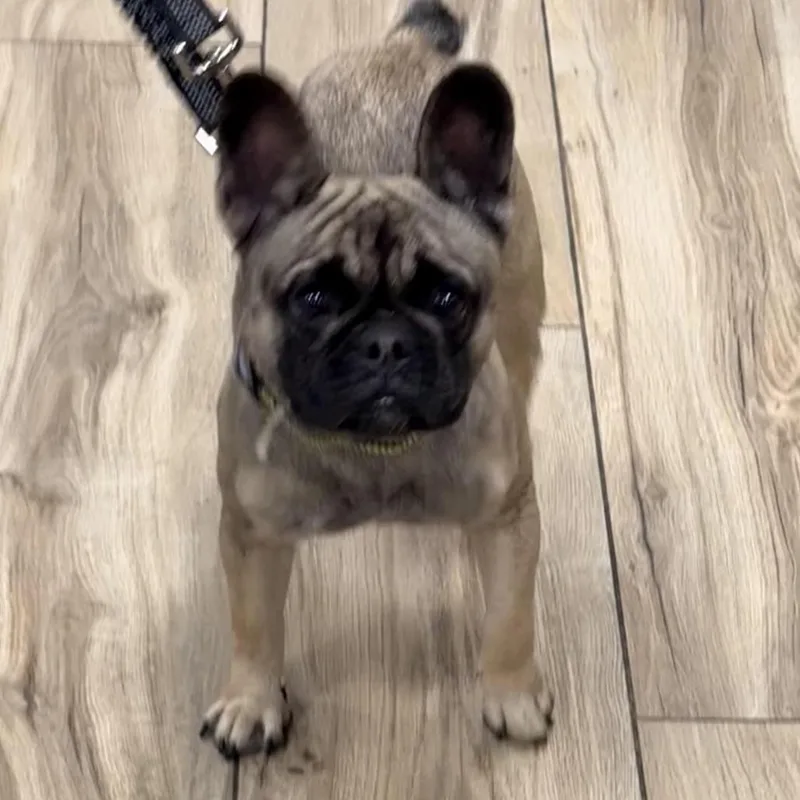
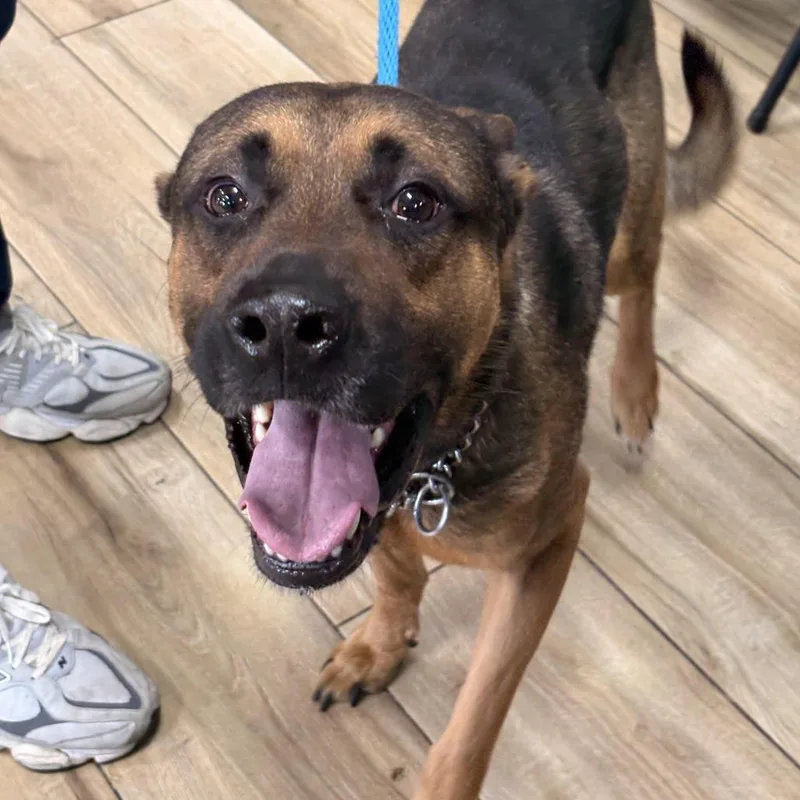
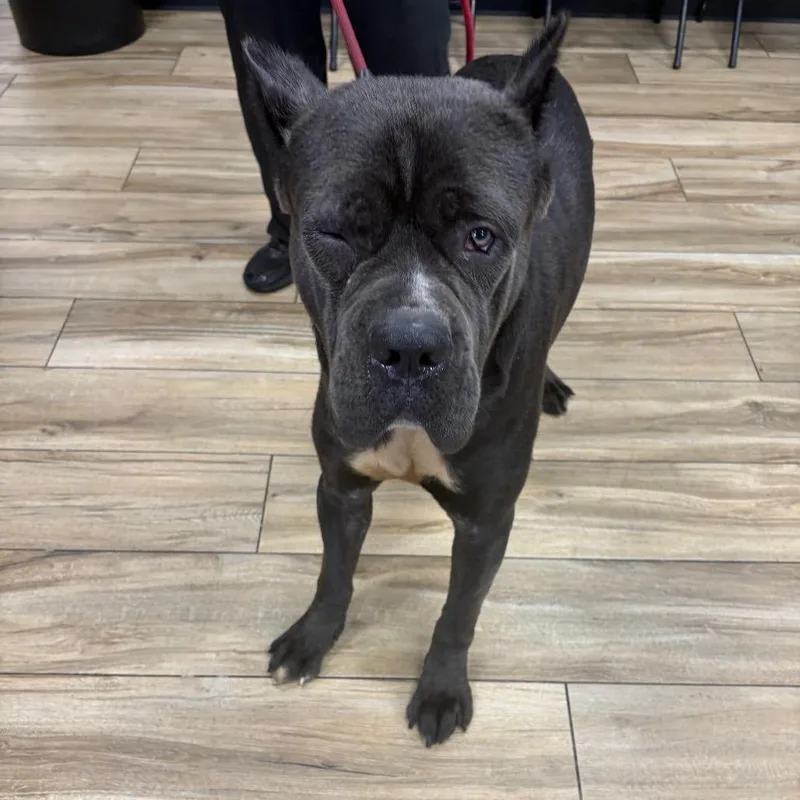
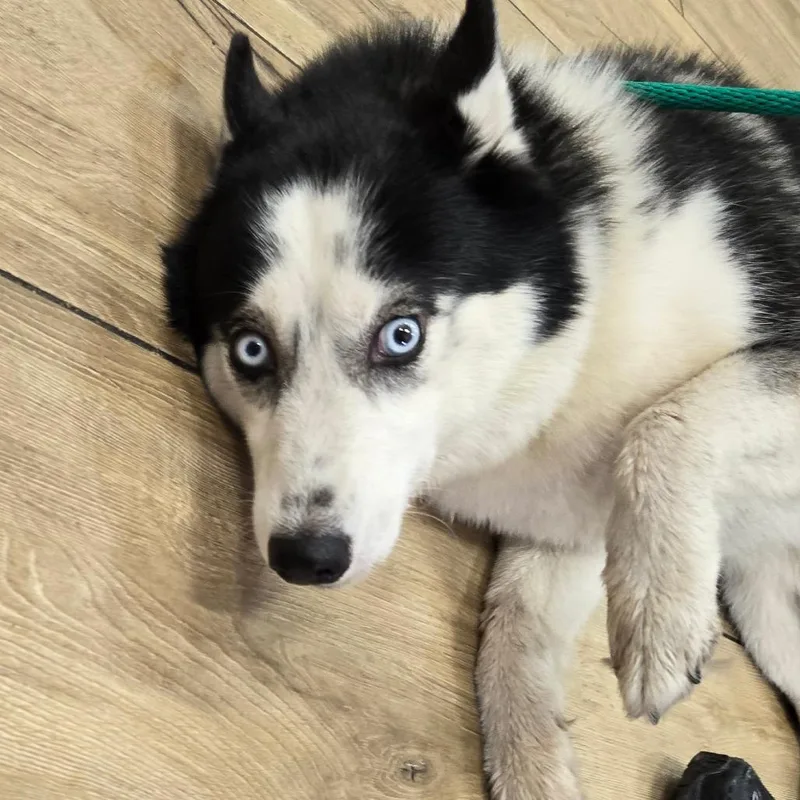
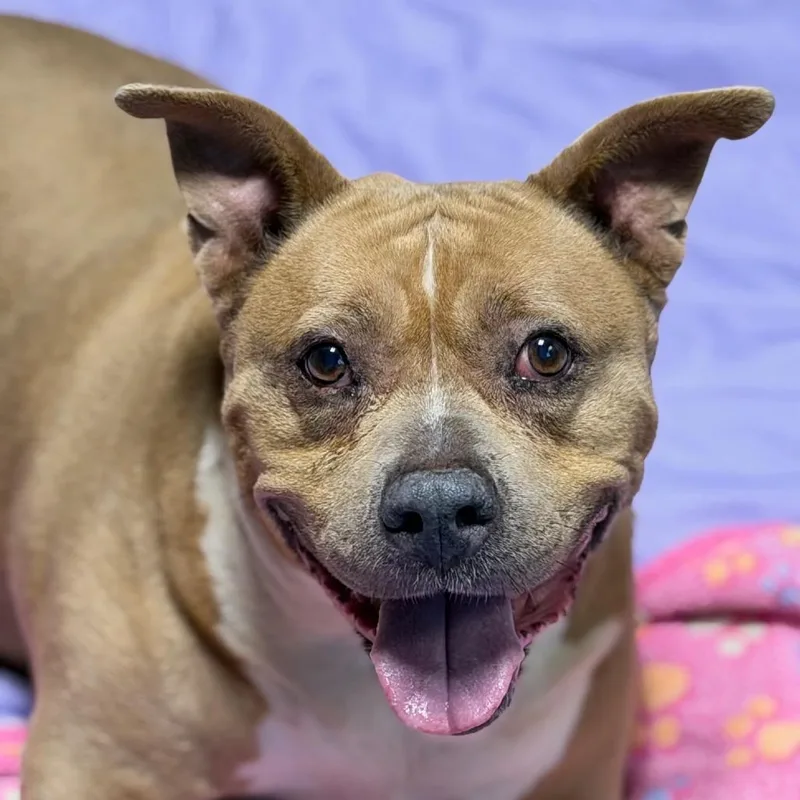
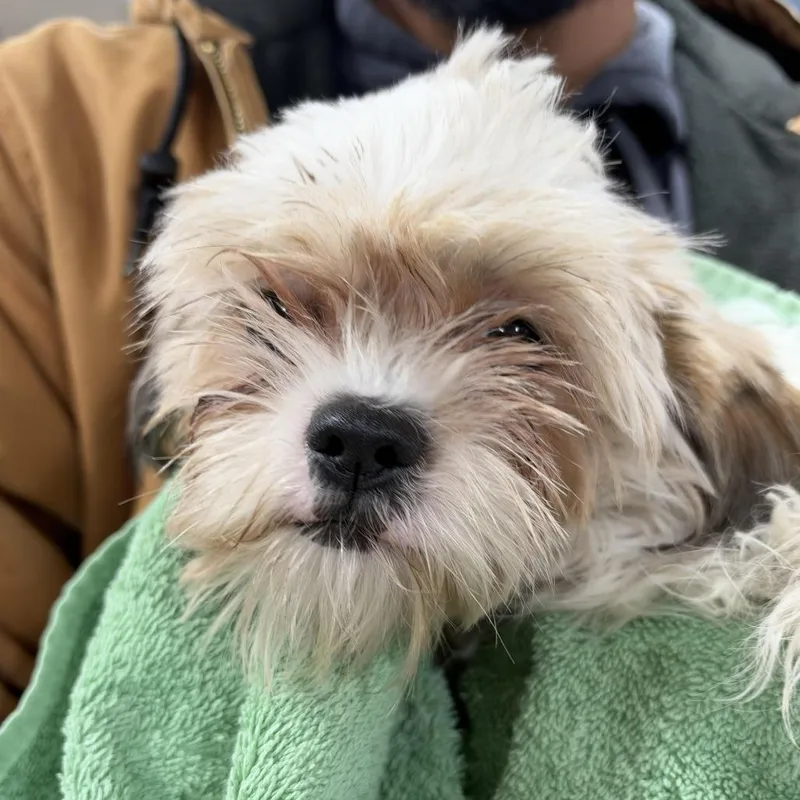
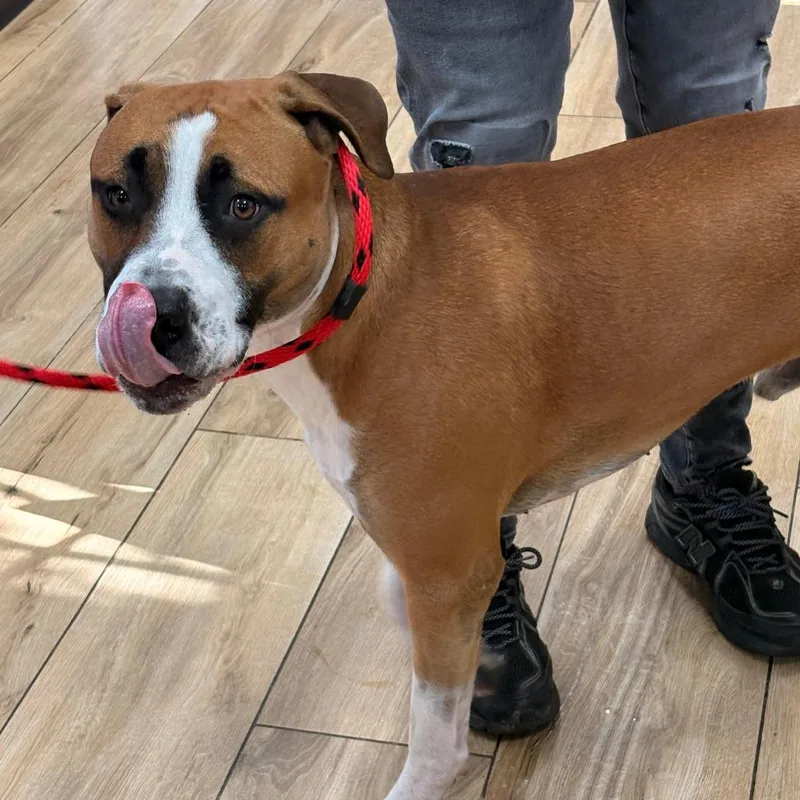
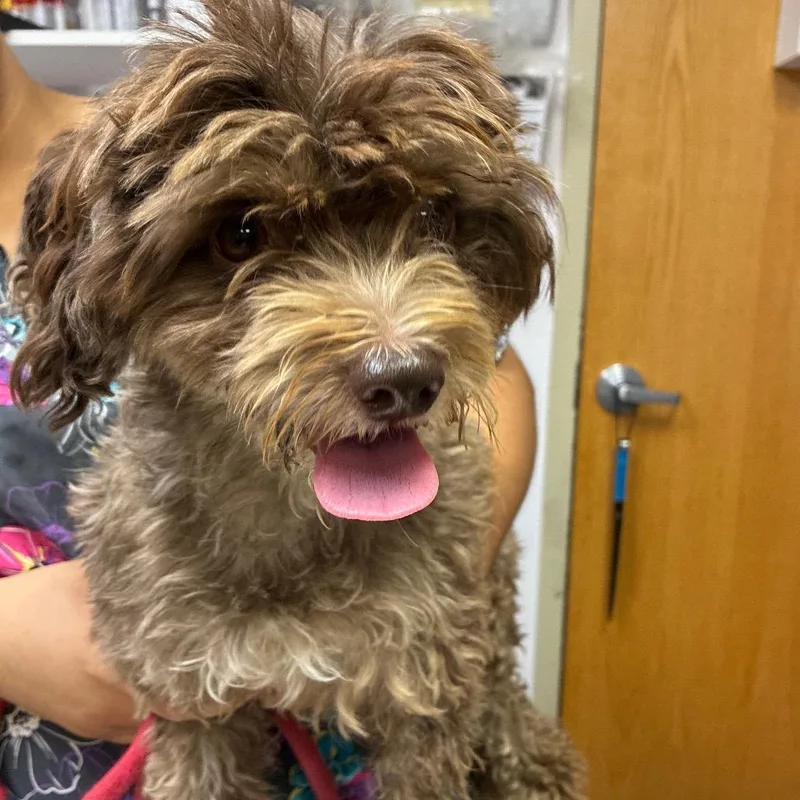
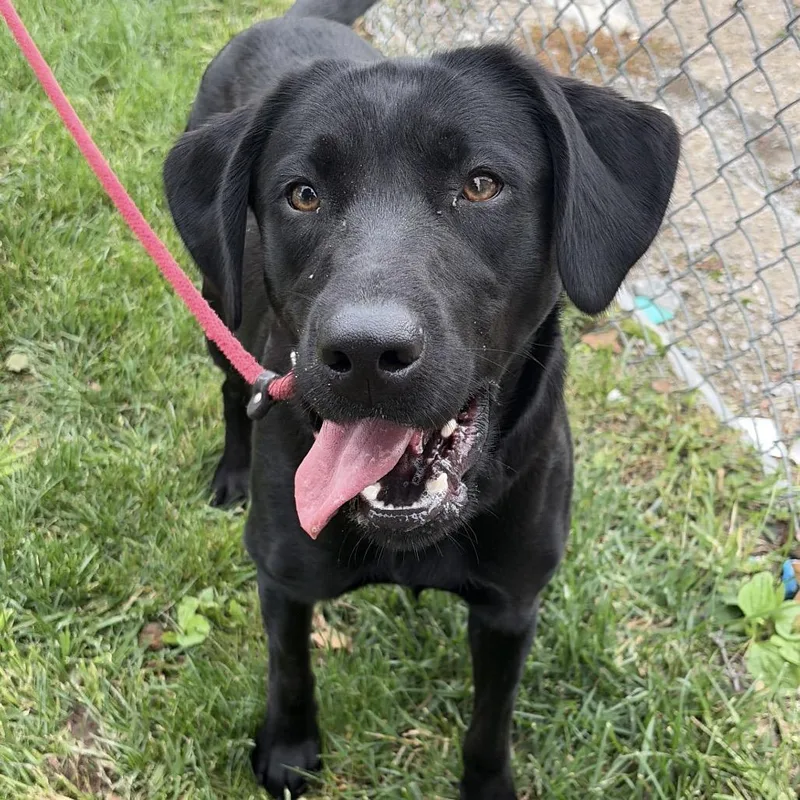
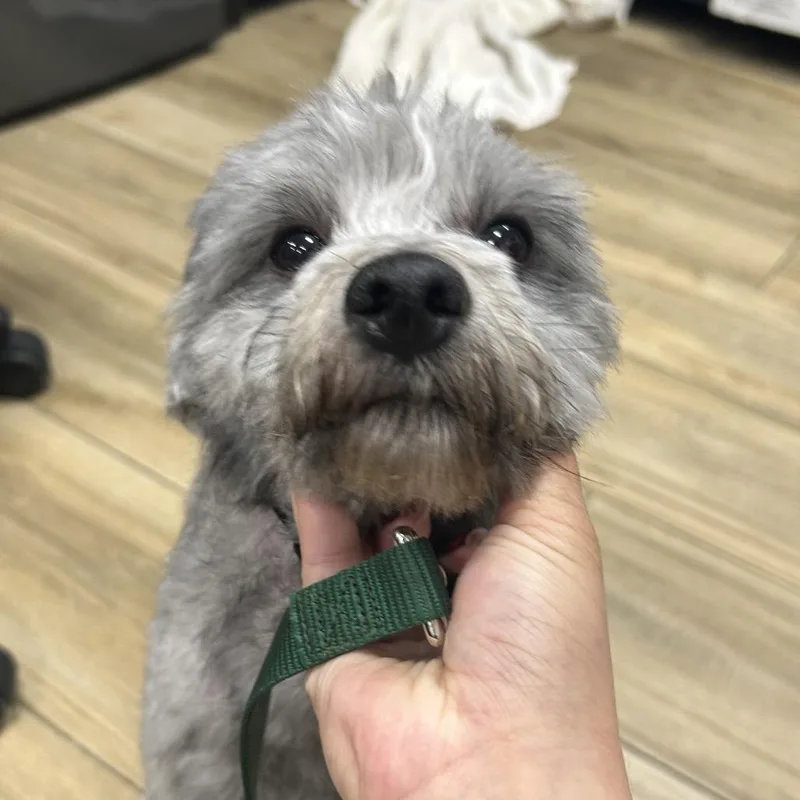
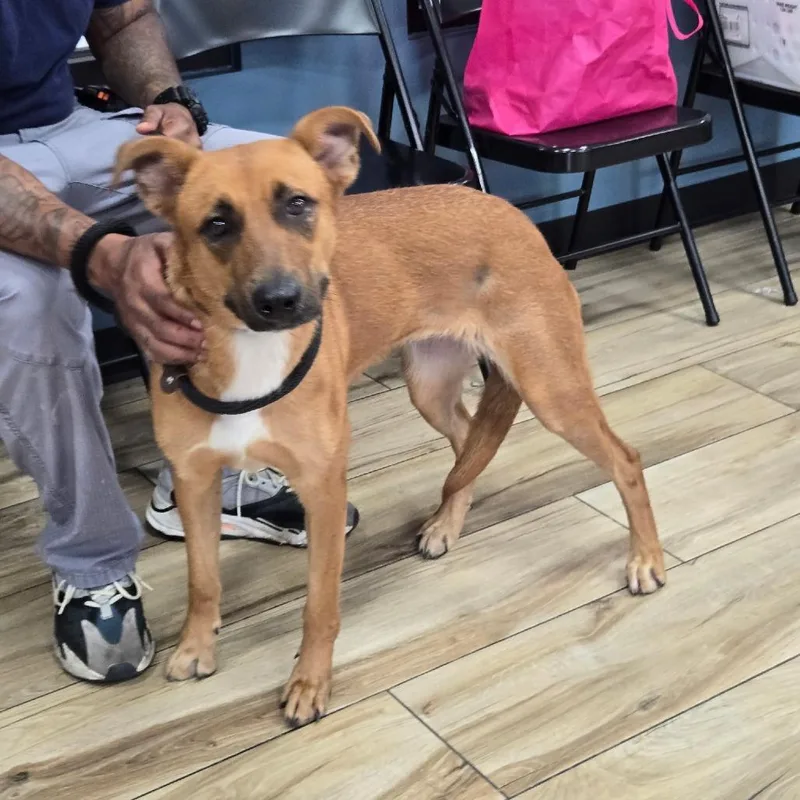
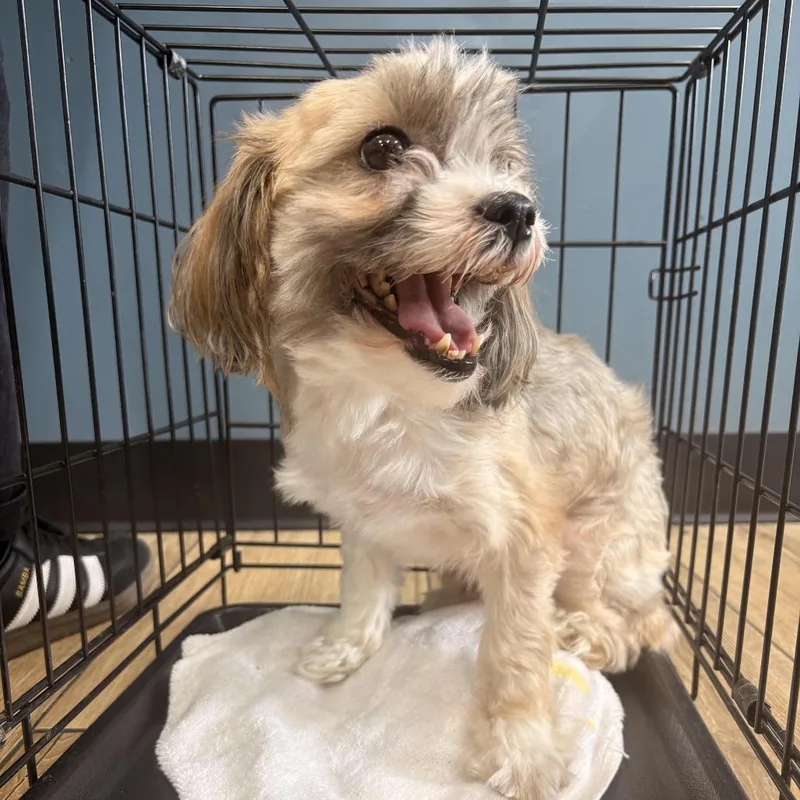
Pomeranian dog

Pomeranian Dogs for Adoption in Newark, NJ

Your guide to finding and caring for a Pomeranian in Newark

A Pomeranian fits Newark's walk-ups and two-family houses better than most dogs. A few laps around a Roseville block or a hallway in a Lower Broadway tower cover most of a Pom's daily exercise, and it will happily claim the best spot on the couch. Barking is the catch, since thin walls and shared stairwells carry every alert. A Pom is also small enough to carry up three flights when a snowy sidewalk turns icy.

713 Pomeranians available in Newark and nationwide

Bring home a Pomeranian

Pomeranians Available for Adoption Near Newark

About the Pomeranian breed

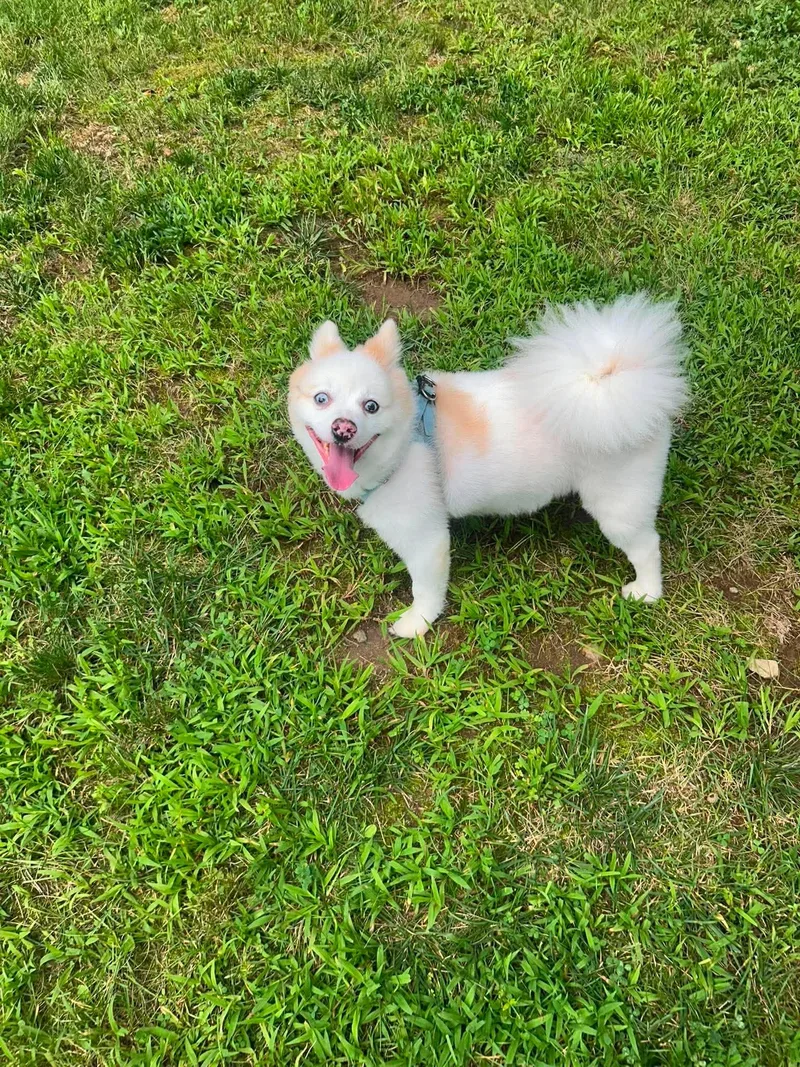
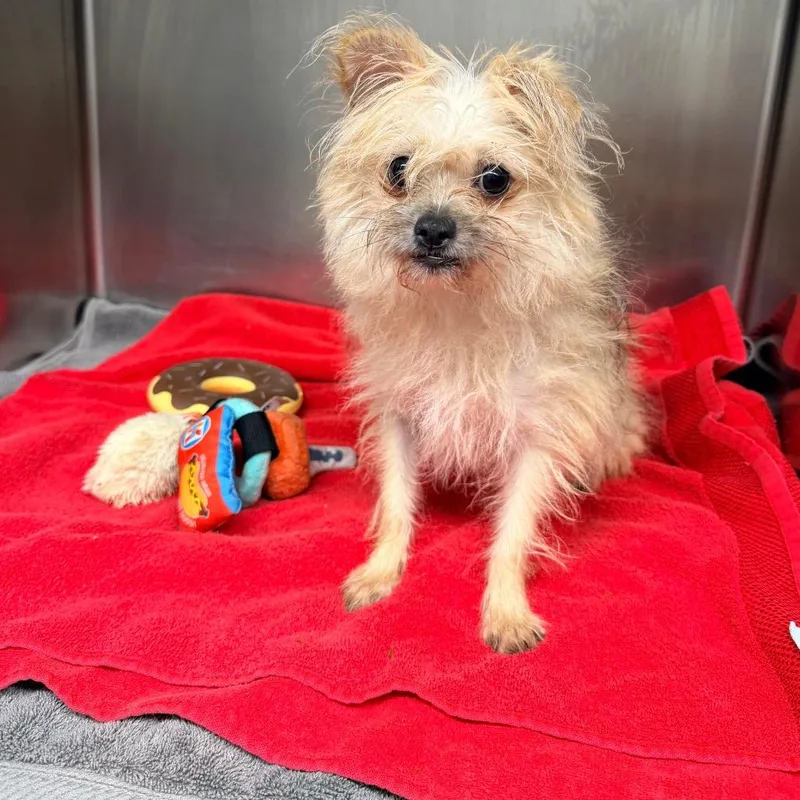
Pomeranians descend from larger German Spitz dogs and take their name from Pomerania, a Baltic region. Queen Victoria's small sable Pom helped shrink the breed in the late 1800s, and today's dog typically weighs 3 to 7 pounds under a standoff double coat, with a plumed tail over its back. Many dogs in shelters run heavier than that, so size varies.

In Newark, a Pom's big-dog attitude meets crowded sidewalks and busy buildings. Many are bold, alert and attached to one or two people, which makes for a devoted companion and a reliable doorbell. Expect regular brushing, daily tooth care and some work on barking. Because they're fragile, they need protection from falls, rough play and loose large dogs.


Weight
3–7 lbs
Height
6–11 in
Lifespan
12–16 yrs
Temperament
Lively, Alert, Curious, Bold
Group
Toy
Shedding
Moderate to High

Owning a Pomeranian in Newark

Having a Pomeranian in Newark

Pomeranians pair a small frame with a thick coat and a lot of opinions. Grooming, dental care, barking and delicate joints shape daily life more than space does, and those needs play out a little differently in a city of stairs, shared walls and four distinct seasons.

Temperament

Many Pomeranians are bold, curious and quick to announce visitors, which shows up fast in a building with a buzzer and close neighbors. They often bond tightly with one or two people and can bristle at bigger dogs. Early socialization and reward-based training help, and each dog's history and personality matter more than the breed label.

Exercise Needs

Expect two or three short walks a day plus indoor play, tricks or puzzle toys. A harness protects the trachea better than a collar. On Newark sidewalks, keep walks brief when ice and road salt are down in winter and when asphalt heats up in summer, and carry a Pom down stairs rather than letting it jump.

Health Considerations

Pomeranians are prone to luxating kneecaps, collapsing trachea and dental disease, and some develop alopecia X, a coat-loss condition. A veterinarian can check knees, teeth and heart after adoption. Daily tooth brushing and a lean weight help. The thick coat and humid summers also raise heat risk, so watch for heavy panting.

Living Space

Many Newark homes are small multifamily buildings, and a Pomeranian fits well in a walk-up or two-family house without needing a yard. Barking carries through shared walls and stairwells, so plan on training. Gate steep stairs and watch open doors, since a Pom can slip out or end up underfoot.

What it costs to own a Pomeranian in Newark

ExpenseTypical costPer year
Adoption fee$650, one time$650 in year one
Food$15 to $35 per month$180 to $420
Pet insurance$35 to $70 per month$420 to $840
Routine vet care$200 to $400 per year$200 to $400
Other*$590 to $1,440 per year$590 to $1,440
Estimated yearly total (after year one)$1,390 to $3,100
First-year total (with adoption fee)$2,040 to $3,750

Adoption fee is the fee on Pomeranian listings in Newark on GetBuddy today. Other costs are estimates and vary with size, age and health.

* Flea, tick and heartworm prevention, a dental allowance, the Newark dog license, toys and bedding, and brushing and baths for the double coat.

Pomeranian dog

Adopt a Pomeranian in Newark.

Now that you know more, let’s find you a new best friend. These rescues and shelters below currently have Pomeranians available.

Rescues in Newark with Pomeranians Available

Newark's shelter and rescue community lists adoptable dogs here, and small breeds like Pomeranians appear as availability changes. Here are the rescues & shelters in the Newark area where you can find Pomeranians and other dogs available for adoption.

Frequently Asked Questions

Yes, you can own a Pomeranian in Newark, and the city's code names no breed restrictions. New Jersey's dangerous-dog law looks at a dog's behavior, not its breed. You'll need a dog license with proof of rabies vaccination, a leash of six feet or less in public, and a bag for every cleanup.

Branch Brook Park and Vailsburg Park both have off-leash dog parks with small-dog areas, which keeps a Pomeranian away from larger dogs. For leashed walks, Weequahic Park's 2.2-mile lake loop and Branch Brook's paths work well. Dogs in the dog parks must be licensed and vaccinated, and a small Pom should stay in the small-dog side.

Yes, if the Pomeranian is inside a carry-on travel cage. NJ Transit allows only service animals, police dogs and small pets in carriers on its trains, buses and the Newark Light Rail. A Pom's size makes a carrier realistic, so practice at home first. PATH rules may differ, so look up its current policy before riding.

Yes, with precautions. Newark sees about 28 days a year at 90°F, and humidity makes the heat feel worse. Keep midday outings short, offer fresh water, use air conditioning during heat alerts, and stay off hot pavement. The double coat insulates against heat when it's brushed out, so don't shave it.

Usually not. New Jersey's food code bars pet dogs from restaurant premises, with exceptions for service animals, and it has no outdoor-dining exception. Some patios may allow dogs, but policies vary and aren't guaranteed. Plan on takeout, or a walk with your Pom afterward, rather than counting on a table.

Plan on brushing a few times a week, daily during spring and fall shedding, plus a bath every few weeks. In Newark, wipe off winter road salt and dry the coat fully after humid summer rain to prevent mats. Grooming falls within the $590 to $1,440 yearly Other costs, alongside dental care and prevention.

It can be, if you're home often and willing to train around barking. Walk-ups, short sidewalk walks and nearby parks meet a Pom's exercise needs, but noisy buildings, icy winters and loose large dogs on busy streets take planning. A Pomeranian works best with adults or older children who handle small dogs gently.

Pomeranians come from the Pomerania region along the Baltic Sea, now part of northern Poland and northeastern Germany, where its larger German Spitz ancestors developed. The breed as we know it was shaped in England, where royals including Queen Charlotte and Queen Victoria kept them in the 1700s and 1800s and the dogs grew steadily smaller. The first English breed club formed in 1891.

We have 2 rescues with Pomeranians available: Associated Humane Societies and Root Rescue. You can see every rescue with Pomeranians available in the list above these questions, or scroll to the top to see the Pomeranians near Newark.

Plan on roughly $1,400 to $3,100 a year for a Pomeranian in Newark. That covers food at $15 to $35 a month, insurance at $35 to $70 a month, routine vet care at $200 to $400 a year, and other costs at $590 to $1,440 a year. Emergencies and one-time supplies come on top.