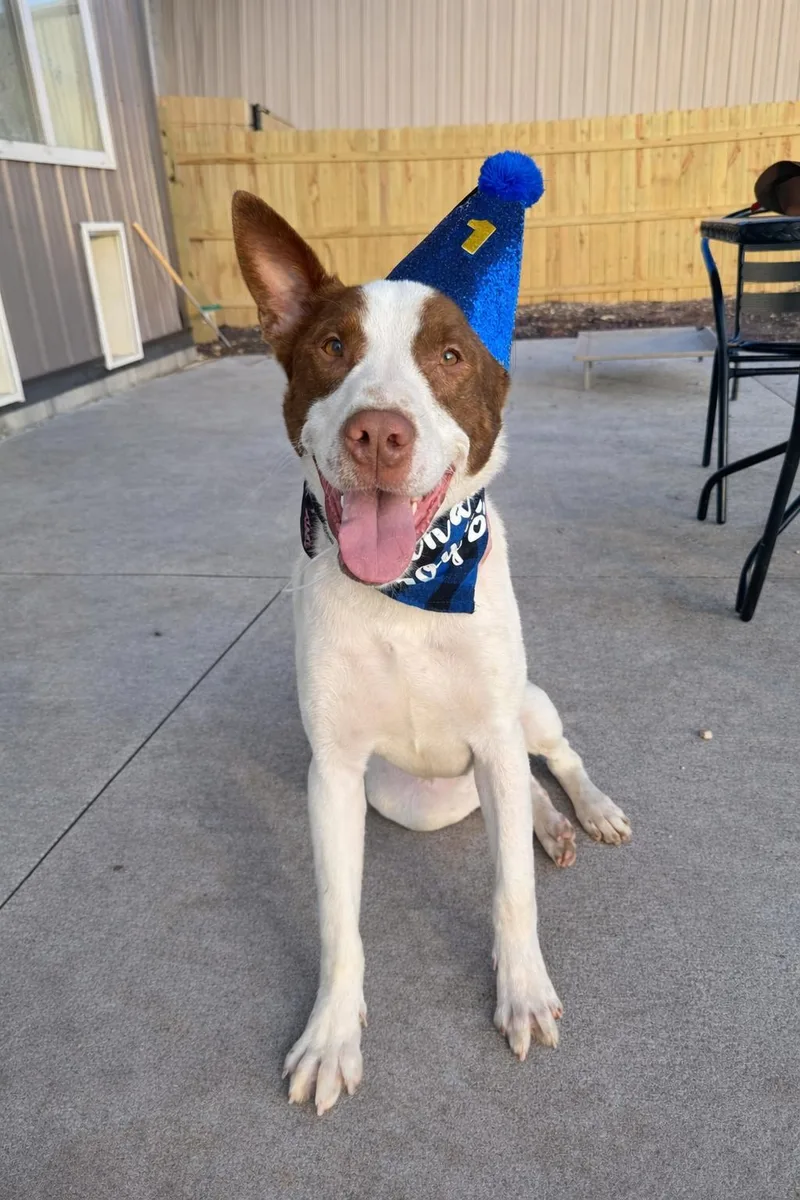
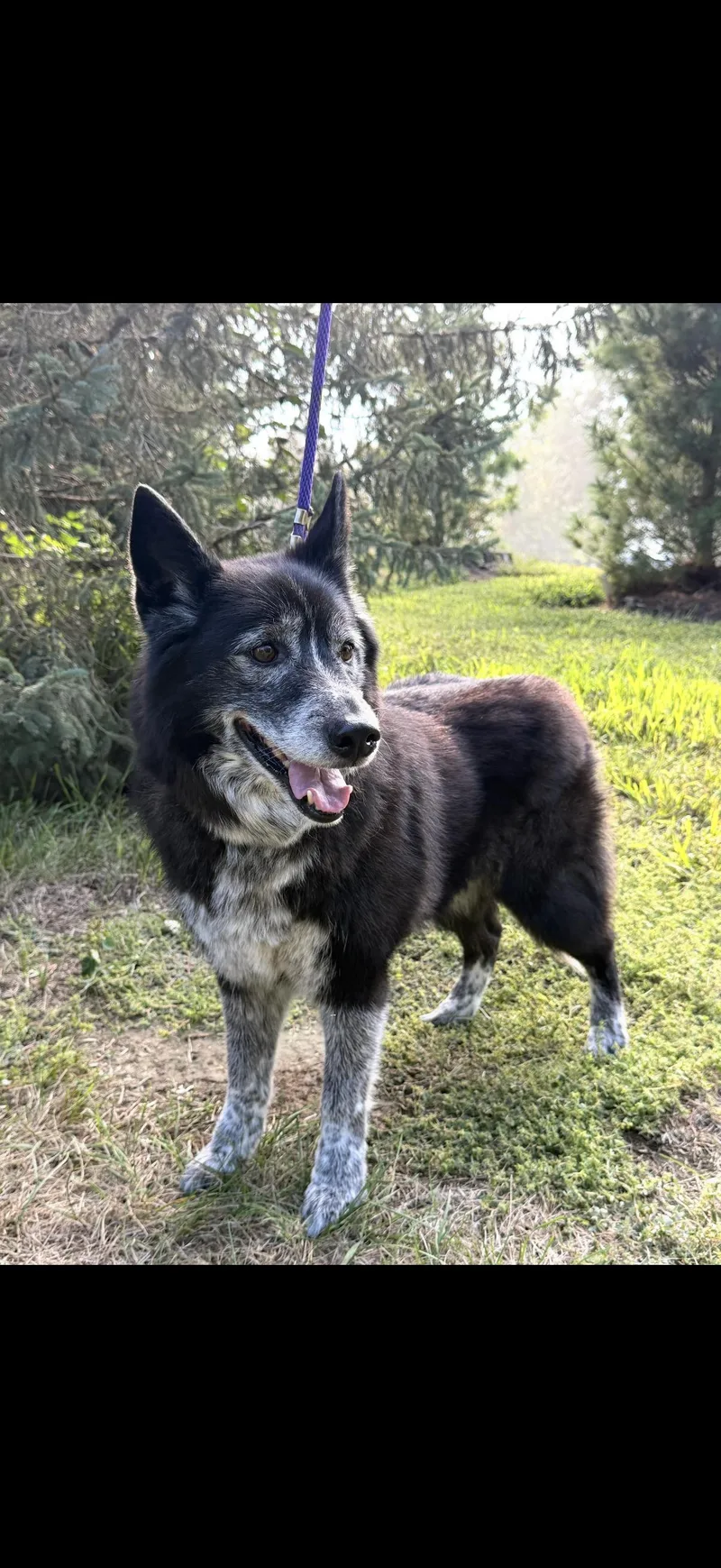
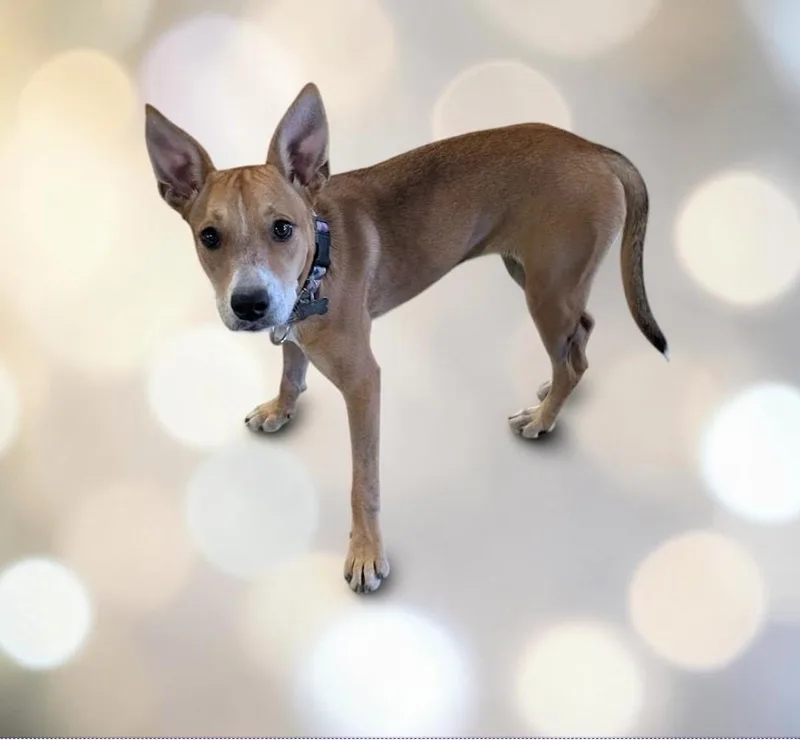
Australian Cattle Dog / Blue Heelers for Adoption in Lincoln, NE

Your guide to finding and caring for an Australian Cattle Dog / Blue Heeler in Lincoln

A Blue Heeler fits Lincoln best when its person is outside every day. The MoPac Trail runs past McAdams Park in East Campus, so a morning jog with a heeler is easy to turn into a routine. These dogs have stamina to spare and a brain that needs a job. A duplex with a fenced yard in Arnold Heights, or a long loop along the edge of Wilderness Park, suits one far better than a quiet afternoon on the couch.

4377 Australian Cattle Dog / Blue Heelers available in Lincoln and nationwide

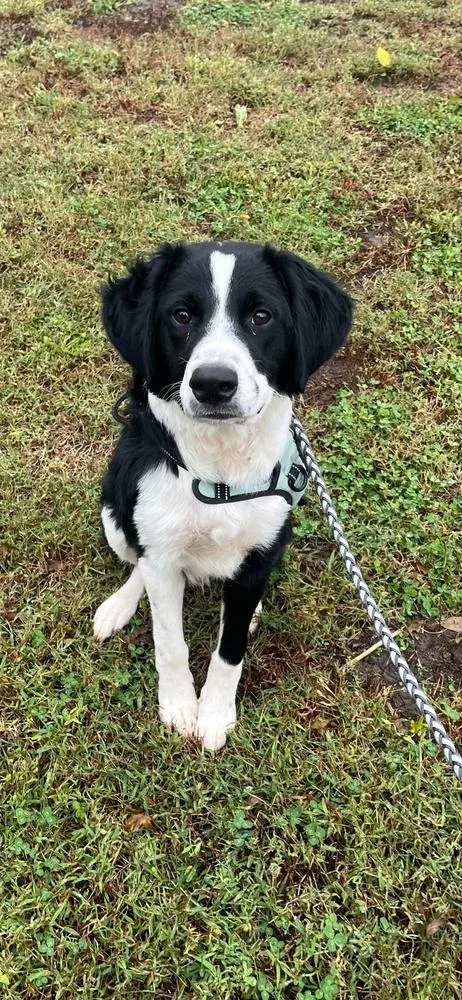
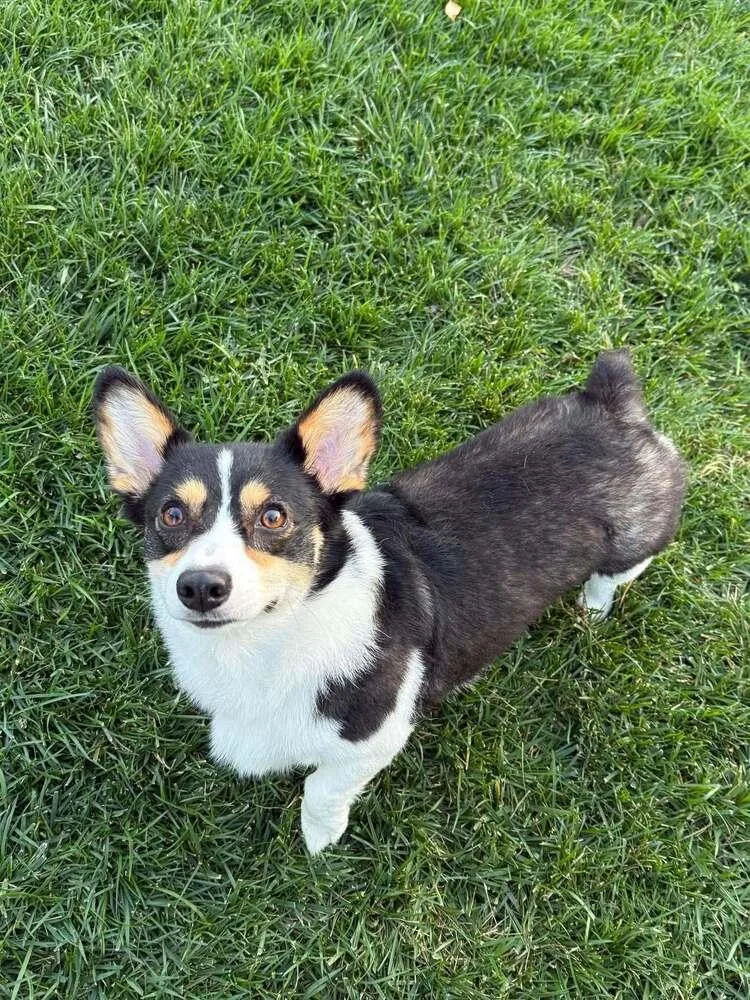
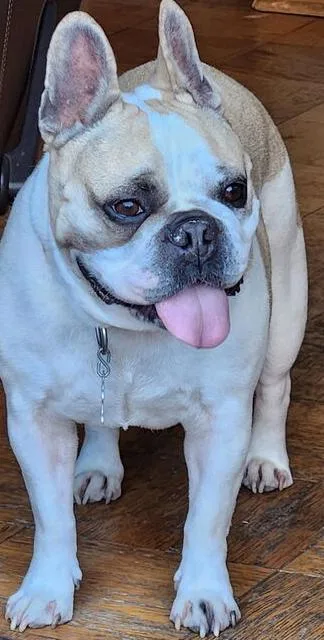
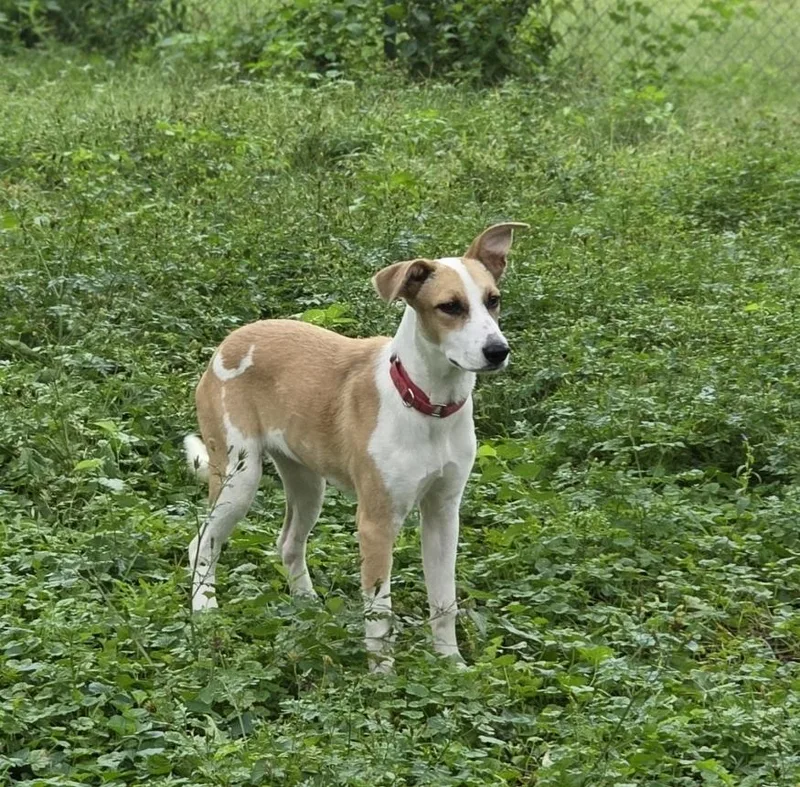
Say hello to your Blue Heeler

Australian Cattle Dog / Blue Heelers Available for Adoption Near Lincoln

About the Australian Cattle Dog / Blue Heeler breed

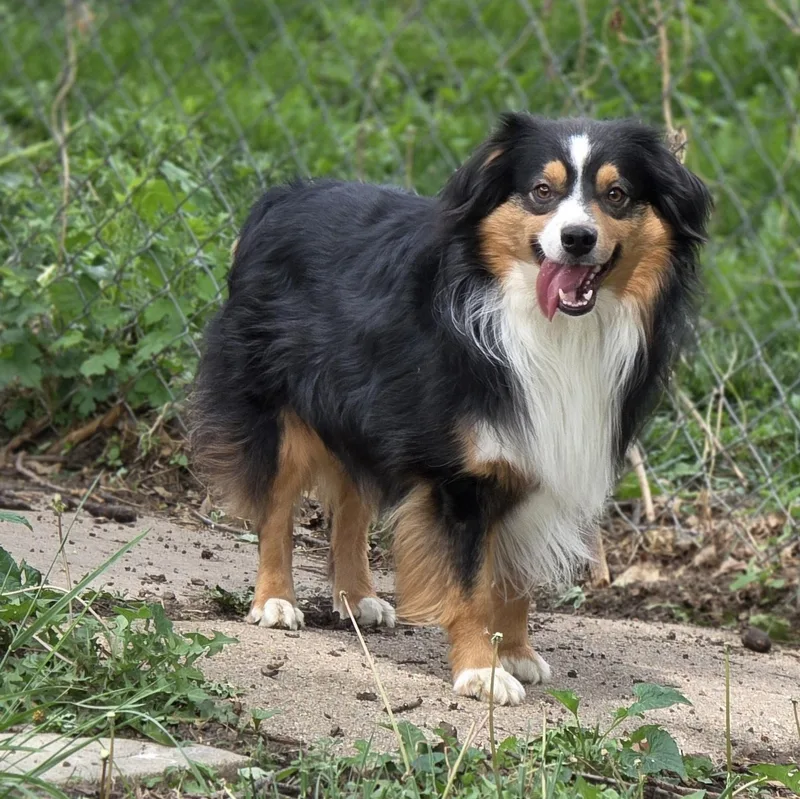
Australian Cattle Dogs, also called Blue Heelers or Queensland Heelers, were developed in nineteenth-century Australia to drive cattle over long distances in heat and dust. Settlers crossed collie-type herding dogs with dingoes to produce a tough, quiet worker that nips at heels to move stock. Heelers are compact and muscular, usually 35 to 50 pounds, with a short, weatherproof double coat in blue or red speckle.

Heelers tend to be loyal, alert and clever, often bonding closely with one person and staying wary of strangers. Their urge to chase and herd can show up as nipping at kids, bikes or other pets, which matters on shared Lincoln trails. With training and a real outlet for their drive, many are devoted, hardy companions that live 12 to 16 years. The coat blows once or twice a year.

Weight
35–50 lbs
Height
17–20 in
Lifespan
12–16 yrs
Temperament
Energetic, Intelligent, Loyal, Alert
Group
Herding
Shedding
Moderate

Owning an Australian Cattle Dog / Blue Heeler in Lincoln

Having an Australian Cattle Dog / Blue Heeler in Lincoln

Stamina, a sharp mind and a strong herding instinct define this breed more than size does. In Lincoln, that means a Blue Heeler does best with people who have trails, time and a plan for mental work in every season.

Temperament

Heelers are often loyal, alert and confident, bonding tightly with one person and staying reserved with strangers. On busy Lincoln trails, a heeler may chase bikes or nip at passing runners, so reward-based training and early socialization matter. Drive varies from dog to dog, so a breed label only tells part of the story.

Exercise Needs

Plan on an hour or more of vigorous activity daily, plus mental work like training games, scent games or puzzle toys. Lincoln's 185 miles of trails give a heeler plenty of room to run, though trail rules call for a short leash and keeping your dog at the edge when others pass. Dog runs allow off-leash play.

Health Considerations

Documented concerns include congenital deafness, progressive retinal atrophy, primary lens luxation, and hip and elbow dysplasia. A veterinarian can test hearing and check eyes and joints, which is worth doing soon after adoption. Ticks are abundant in places like Wilderness Park, so year-round parasite prevention and a check after each walk are good habits.

Living Space

Heelers usually do best with a securely fenced yard, but a Lincoln apartment can work when long daily exercise is guaranteed. They're alert watchdogs and may bark at footsteps in a hallway or passersby outside. They also prefer to stay close to their people instead of spending long hours alone or left outdoors.

What it costs to own an Australian Cattle Dog / Blue Heeler in Lincoln

ExpenseTypical costPer year
Adoption fee$400, one time$400 in year one
Food$35 to $70 per month$420 to $840
Pet insurance$55 to $100 per month$660 to $1,200
Routine vet care$225 to $450 per year$225 to $450
Other*$460 to $1,185 per year$460 to $1,185
Estimated yearly total (after year one)$1,765 to $3,675
First-year total (with adoption fee)$2,165 to $4,075

Adoption fee is the fee on Australian Cattle Dog / Blue Heeler listings in Lincoln on GetBuddy today. Other costs are estimates and vary with size, age and health.

* The $35 Lincoln license for an altered dog, flea, tick and heartworm prevention, a dental cleaning allowance, durable toys and bedding, and light home grooming for a short coat.

Adopt an Australian Cattle Dog / Blue Heeler in Lincoln.

Now that you know more, let’s find you a new best friend. These rescues and shelters below currently have Australian Cattle Dog / Blue Heelers available.

Rescues in Lincoln with Australian Cattle Dog / Blue Heelers Available

Lincoln has a city-contracted shelter and local rescue groups that help dogs of all breeds and mixes find homes. Here are the rescues & shelters in the Lincoln area where you can find Australian Cattle Dog / Blue Heelers and other dogs available for adoption.

Frequently Asked Questions

Yes, you can own a Blue Heeler in Lincoln. No known breed-specific rules apply, and the city's dangerous-dog rules turn on a dog's behavior rather than its breed. A dog declared dangerous or potentially dangerous must be spayed or neutered, microchipped and registered within set deadlines. Rules can differ outside Lincoln's city limits, so keep that in mind if you move.

A Blue Heeler is a good fit for Lincoln if you'll use the trails daily and enjoy training. The city's dog runs and trail network give a heeler room to burn energy, and the coat handles the seasons well. It's a weaker fit if you're away long hours or want a low-key pet, since a bored heeler may chew, dig or nip.

Rickman's Run at Holmes Lake Park is the biggest place for off-leash running, with 22.25 acres for large dogs. For a heeler that needs a job, a long leashed outing on the Rock Island Trail toward Wilderness Park, or the Bison Trail toward Pioneers Park, works well. Bring a leash for every dog run entrance and exit.

Usually not. StarTran buses allow service animals with their handler, but other pets must ride in an enclosed carrier, and a 35 to 50 pound heeler is generally too big for one. Any animal that acts unsafe or out of control can be refused. Lincoln has no subway or rail, so a car or a good walk is the practical choice.

Yes, a Blue Heeler can live in a Lincoln apartment if you can supply long daily exercise and mental work. Barking at hallway noise is the usual problem, and city code bars keeping an animal whose loud or frequent noise disturbs neighbors. A well-exercised, crate-trained heeler tends to settle much better indoors.

Possibly, but only on a patio and only where the restaurant allows it. Nebraska lets restaurants choose to admit pet dogs to designated outdoor dining areas, so access is up to each business. Service animals are allowed in dining areas under the ADA. Keep a heeler leashed and settled, since a wary dog may react to passing strangers.

A Blue Heeler needs little grooming. Brush the short, weatherproof coat weekly, and several times a week during the heavy shed that comes once or twice a year. Bathe only when needed and trim nails regularly. Check for ticks after trail walks. Most owners handle all of this at home, so professional grooming is optional.

Blue Heelers typically live about 12 to 16 years, and a recent UK study put the breed's average life expectancy at about 14 years, longer than many purebreds. A famous Australian Cattle Dog named Bluey reportedly lived over 29 years, though such records are hard to verify. Staying lean and active and getting regular checkups support a long life.

We have 1 rescue with Australian Cattle Dog / Blue Heelers available: Max Raven Animal Rescue. You can see every rescue with Australian Cattle Dog / Blue Heelers available in the list above these questions, or scroll to the top to see the Australian Cattle Dog / Blue Heelers near Lincoln.

Expect roughly $1,765 to $3,675 a year for a Blue Heeler in Lincoln. Food runs $35 to $70 a month, insurance $55 to $100 a month, routine vet care $225 to $450 a year, and other costs such as parasite prevention, dental care, the license and supplies $460 to $1,185 a year. Emergencies and illness are extra.