American Eskimo Dogs for Adoption in Charlotte, NC

Your guide to finding and caring for an American Eskimo Dog in Charlotte

American Eskimo Dogs suit Charlotte's bungalow streets, as long as someone is home to keep them company. A small Eskie can settle into a Plaza Midwood bungalow or a Cotswold townhome, and a loop around Veterans Park gives that quick mind plenty to watch. They bark at anything new, so shared walls in a Ballantyne apartment will test the neighbors. Thick white coats and humid July afternoons don't mix, though. If you're considering an Eskie here, plan on a lot of time together.

64 American Eskimo Dogs available in Charlotte and nationwide

An American Eskimo Dog is ready for you

While we don't have enough dogs near Charlotte, keep in mind that many rescues may offer transport.

American Eskimo Dogs Available for Adoption Near Charlotte

About the American Eskimo Dog breed

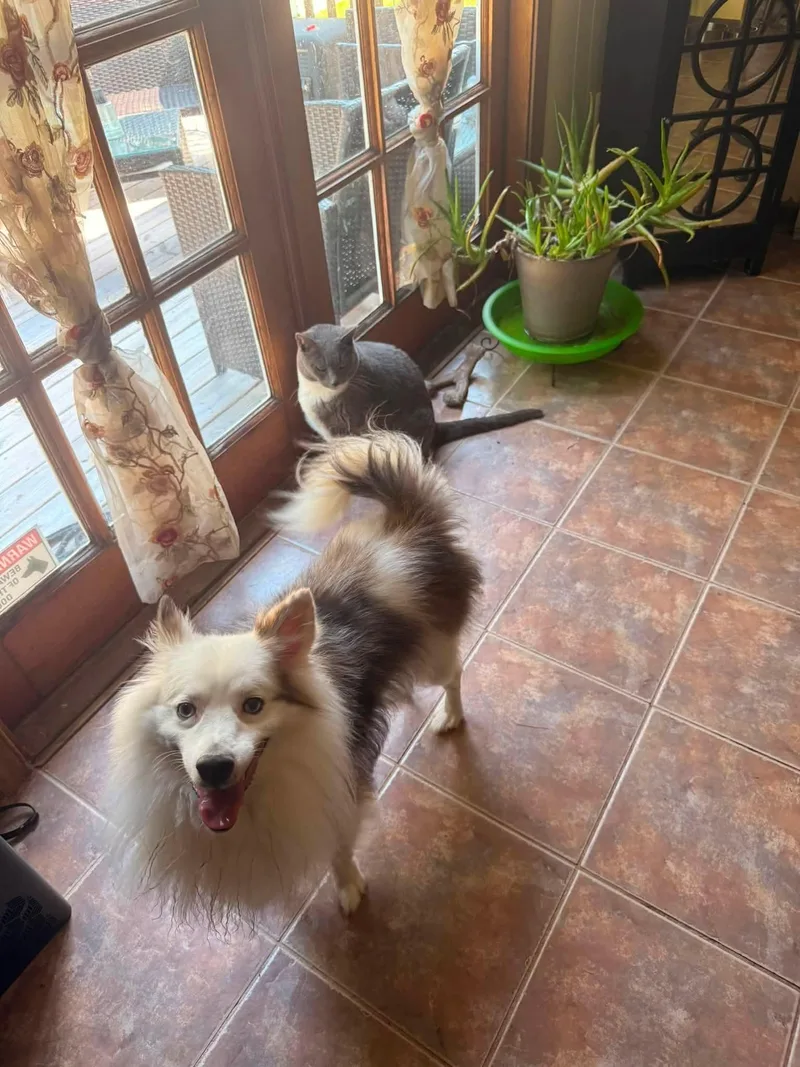
The American Eskimo Dog has nothing to do with Arctic sled dogs. Its roots are in the white German Spitz dogs that immigrants brought to the United States in the early 1900s, and the name changed during the anti-German feeling around World War I. Eskies later became circus performers, and that showmanship still shows in how quickly many of them learn tricks. They come in toy, miniature and standard sizes, from roughly 6 to 35 pounds.

The look is a white double coat, a lion-like ruff and a plumed tail. The personality is usually bright, playful and devoted, with a watchdog streak that makes many Eskies reserved with strangers and quick to bark. Expect heavy shedding, regular brushing and daily activity. Dogs vary, and a lonely or bored Eskie may get noisy, so a steady routine with plenty of company helps.

Weight
6–35 lbs
Height
9–19 in
Lifespan
13–15 yrs
Temperament
Intelligent, Alert, Playful, Vocal
Group
Non-Sporting
Shedding
High

Owning an American Eskimo Dog in Charlotte

Having an American Eskimo Dog in Charlotte

Eskies bring a sharp mind and a showy white coat to Charlotte, along with heavy shedding, a loud alert bark and a need for daily mental work. Size matters too, since toy and miniature dogs fit city homes differently than standards do.

Temperament

Eskies tend to be affectionate and lively with their families and often follow their people from room to room. Many are reserved with strangers and bark at new sounds, which matters on busy Charlotte sidewalks and greenways. Positive training and early socialization help. Dogs vary, and a lonely Eskie may become anxious or noisy.

Exercise Needs

Plan on a daily walk plus play or trick training. Leashed loops at Freedom Park or along the Little Sugar Creek Greenway work well, and county dog parks offer fenced space with separate small-dog areas. Puzzle toys help burn mental energy. In summer, walk early or late and keep sessions short.

Health Considerations

Conditions seen in Eskies include progressive retinal atrophy, hip dysplasia, kneecap luxation, juvenile cataracts and diabetes. In Charlotte, ticks and copperheads in yards make year-round parasite prevention and regular checkups worthwhile. A veterinarian can check the eyes and joints and catch problems early.

Living Space

Toy and miniature Eskies often do fine in Charlotte apartments, while standards may prefer a house with a fenced yard. Barking carries through shared walls, so daily exercise and a calm routine matter. Eskies do best indoors with their family, not left alone for long hours, with a cool place to rest.

What it costs to own an American Eskimo Dog in Charlotte

ExpenseTypical costPer year
Food$20 to $45 per month$240 to $540
Pet insurance$35 to $70 per month$420 to $840
Routine vet care$200 to $400 per year$200 to $400
Other*$485 to $1,260 per year$485 to $1,260
Estimated yearly total (after year one)$1,345 to $3,040

Other costs are estimates and vary with size, age and health.

* The $10 Charlotte dog license for a spayed or neutered dog, flea, tick and heartworm prevention, a dental cleaning, toys and bedding, and brushing and bath supplies or grooming for the double coat.

Adopt an American Eskimo Dog in Charlotte.

Now that you know more, let’s find you a new best friend. These rescues and shelters below have dogs available in and near Charlotte.

Frequently Asked Questions

Yes, Charlotte has no breed ban or breed-specific rules, so you can own an American Eskimo Dog. You'll need an annual license once the dog is four months old, with proof of rabies vaccination, and a leash or fence outside dog parks. Dangerous-dog rules exist, but they're based on a dog's behavior, not its breed.

Yes, with planning, since Charlotte summers are hot and humid but not extreme. About 49 days a year reach 90°F, mostly June through September. Walk at dawn or after dark, keep fresh water and air conditioning available, and skip shaving, which removes the coat's insulation. Never leave the dog in a parked car, even in shade.

Davie Dog Park in south Charlotte, at 5 acres, is the county's biggest off-leash area, and Barkingham Park at Reedy Creek and Shuffletown Dog Park also have fenced small-dog space. For leashed walks, try Freedom Park and the Little Sugar Creek Greenway. County dog parks are free but require a rabies tag plus DHLPP and Bordetella vaccines.

Generally no. The CATS code of conduct bars animals from its vehicles, including buses and LYNX light rail, unless they're service animals or in training, and it lists no carrier exception for pets. Violations can bring a $50 civil penalty. Even a toy-sized Eskie is better off traveling by car or on a walkable route.

Sometimes, on patios only. North Carolina rules let restaurants allow leashed dogs in outdoor dining areas as long as they don't pass through indoor spaces, but each restaurant decides. Indoors, only service animals are allowed. Keep your Eskie leashed and settled, and be ready for barking at passing dogs or strangers.

Often yes, for people who are home a fair amount. Charlotte's mild winters, long spring and fall, and many leashed parks and greenways suit an active Eskie, though summer heat calls for early walks and air conditioning. Barking can be an issue in shared buildings, and Eskies don't enjoy long days alone, so match the dog to your routine.

American Eskimo Dogs typically live about 13 to 15 years, and some reach their late teens. Smaller toy and miniature Eskies often live slightly longer than standards, as is common in dogs. Good nutrition, a healthy weight, dental care and regular veterinary checkups help, and early screening for eye disease and diabetes can catch problems before they become serious.

American Eskimo Dogs come in three sizes. Toys stand about 9 to 12 inches and weigh roughly 6 to 10 pounds, miniatures stand 12 to 15 inches and weigh about 10 to 20 pounds, and standards stand 15 to 19 inches and weigh around 25 to 35 pounds. Shelter Eskies of unknown background may fall between these ranges.

Yes, American Eskimo Dogs shed a lot. Their thick double coat drops hair year-round and sheds heavily, often called blowing coat, about once or twice a year. Brushing several times a week, and daily during heavy sheds, keeps loose fur and mats under control. Expect white hair on clothes and furniture even with good grooming.

Expect roughly $1,345 to $3,040 a year for an Eskie in Charlotte. That covers food at $20 to $45 a month, insurance at $35 to $70 a month, routine vet care of $200 to $400 a year, and other costs of $485 to $1,260 a year. Toy-sized dogs usually land near the low end.