German Pinscher Dogs for Adoption in Kansas City, MO

Your guide to finding and caring for a German Pinscher in Kansas City

German Pinschers fit Kansas City best in neighborhoods where a daily walk is easy, like Waldo and Brookside. The Trolley Track Trail runs through both, giving a medium-sized, high-energy dog miles of leashed walking, and the area's apartments and bungalows suit a dog this size. They're uncommon, so you won't see one at every trailhead. Expect an alert, short-coated dog that wants a job, plus a sweater for January walks.

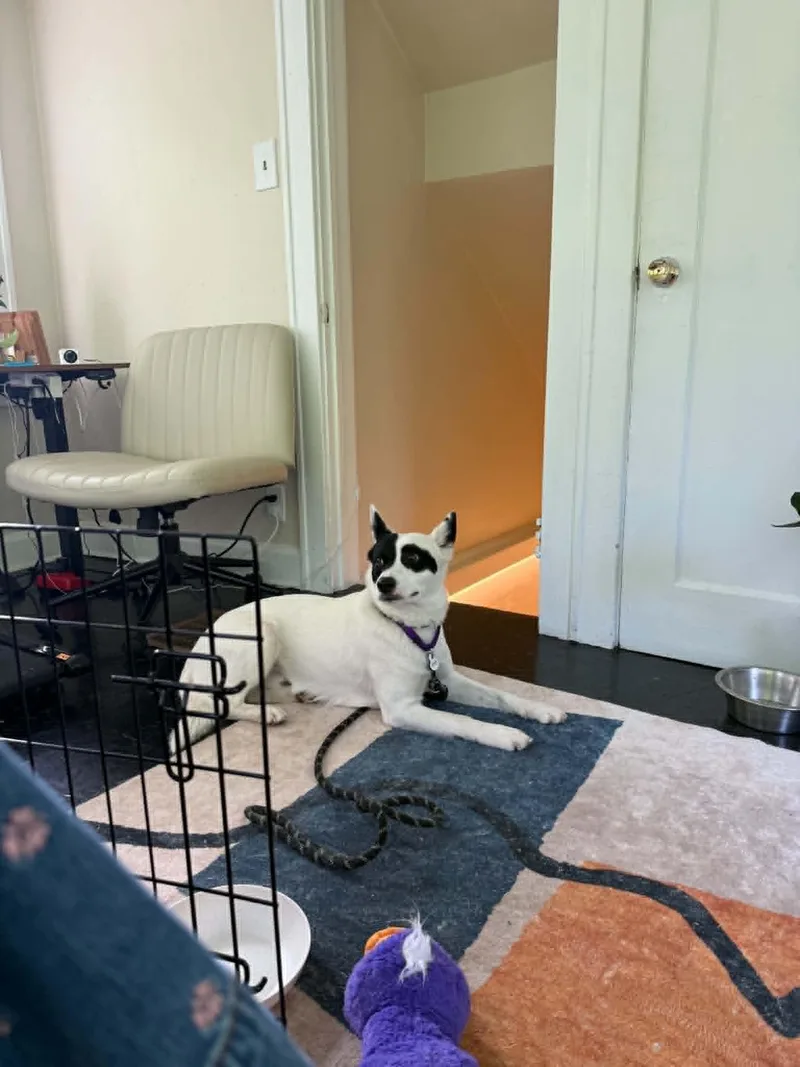
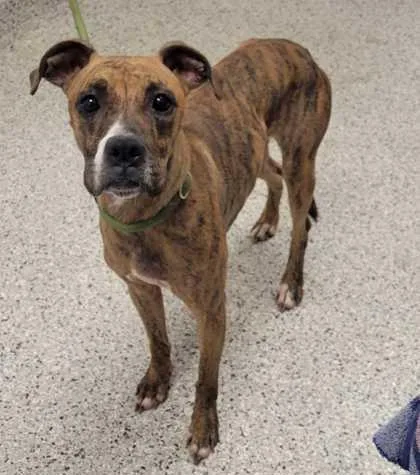
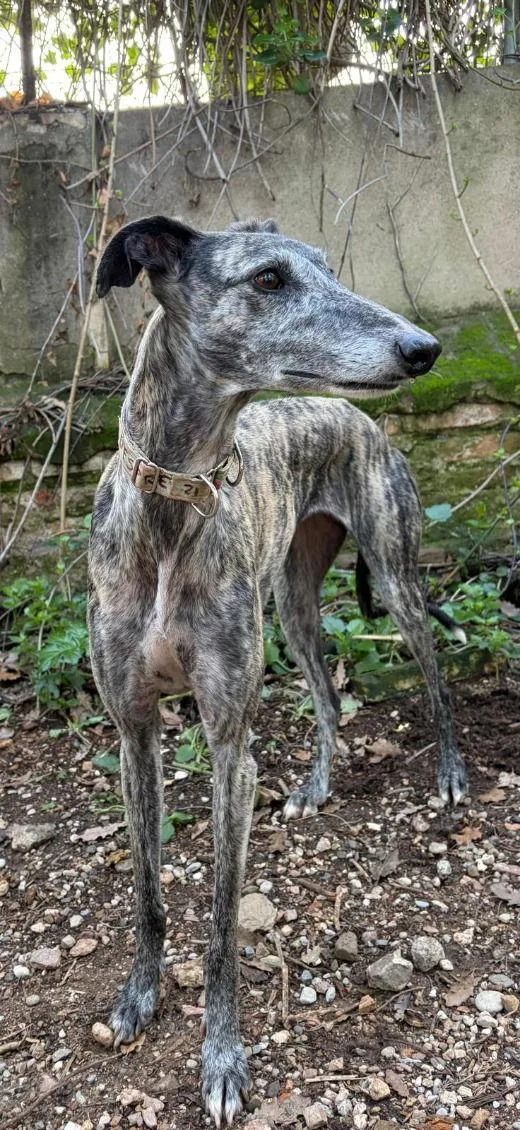
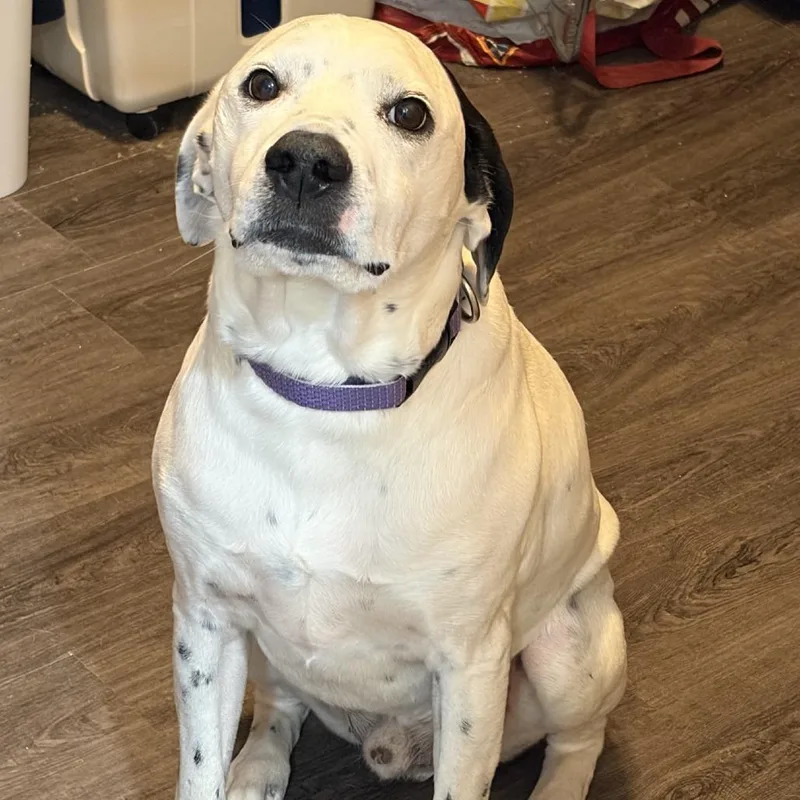
68 German Pinschers available in Kansas City and nationwide

Give a German Pinscher a home

While we don't have enough dogs near Kansas City, keep in mind that many rescues may offer transport.

German Pinschers Available for Adoption Near Kansas City

About the German Pinscher breed

The German Pinscher is a sleek, medium-sized German farm dog once kept to catch rats in stables and guard carriages. It's the smooth-coated cousin of the Standard Schnauzer and an ancestor of the Doberman and Miniature Pinscher. The breed nearly disappeared after World War II and is still uncommon, with a short, glossy coat in red or black and rust over a square, muscular frame.

Many German Pinschers are alert, quick-witted and devoted to their people, and watchful with strangers. They're energetic, with a strong prey drive and a knack for testing rules, so Kansas City squirrels and rabbits can be a real temptation on walks. With daily exercise, firm but kind training and plenty of company, many make playful, low-fuss companions, though each dog varies.

Weight
25–45 lbs
Height
17–20 in
Lifespan
12–14 yrs
Temperament
Alert, Energetic, Intelligent, Protective
Group
Working
Shedding
Low to Moderate

Owning a German Pinscher in Kansas City

Having a German Pinscher in Kansas City

This is an alert, athletic dog with a wash-and-wear coat and a mind that needs work. Expect a watchful housemate with energy to spare, where training and exercise matter far more than grooming.

Temperament

German Pinschers tend to be confident, curious and closely bonded to their families, often wary of strangers until introduced. In Kansas City, busy sidewalks and friendly neighbors are good socialization practice. Many are playful at home but test boundaries, and some are pushy with other dogs. Calm, consistent training helps, and temperament varies from dog to dog.

Exercise Needs

Plan on a brisk daily walk plus time to run and play, and some mental work like scent games or agility. The Trolley Track Trail through Brookside and Waldo and the Line Creek Trail in the Northland offer long leashed routes. Keep a leash on, since prey drive can beat recall.

Health Considerations

Hip dysplasia, cataracts and von Willebrand's disease, an inherited bleeding disorder, are documented in German Pinschers. A veterinarian should know a dog's clotting status before any surgery. Regular checkups, including hip and eye exams, help catch problems early, and steady flea, tick and heartworm prevention suits Kansas City's warm, humid months.

Living Space

A German Pinscher can do well in an apartment or a house when it gets enough exercise and attention. A fenced yard helps, but this agile dog can jump or climb low fences, so aim for a tall, secure one. Its short coat offers little cold protection, so it should live indoors with the family.

What it costs to own a German Pinscher in Kansas City

ExpenseTypical costPer year
Food$35 to $70 per month$420 to $840
Pet insurance$45 to $85 per month$540 to $1,020
Routine vet care$225 to $450 per year$225 to $450
Other*$437 to $1,162 per year$437 to $1,162
Estimated yearly total (after year one)$1,622 to $3,472

Other costs are estimates and vary with size, age and health.

* The Kansas City dog license, a dental cleaning allowance, flea, tick and heartworm prevention, toys and bedding, and occasional baths and brushing.

Adopt a German Pinscher in Kansas City.

Now that you know more, let’s find you a new best friend. These rescues and shelters below have dogs available in and near Kansas City.

Frequently Asked Questions

Yes, you can own a German Pinscher in Kansas City. The city requires a license and a veterinarian's rabies certificate for dogs over 120 days old, and dogs must be leashed or fenced off your property except in off-leash parks. Households can have up to four dogs, cats or potbellied pigs combined, and adopted dogs usually come already spayed or neutered.

Yes, a German Pinscher can live in a Kansas City apartment if it gets daily exercise. At 25 to 45 pounds, it's compact enough for most units, but a bored dog may bark or chew. Look for a building near a trail or park, such as the Trolley Track Trail corridor, and confirm any breed or weight limits in the lease first.

German Pinschers do well at Penn Valley Off-Leash Dog Park near Downtown, Swope Park's five-acre off-leash park and Kemp Off-Leash Dog Park on Downtown's east side. For leashed walks, try the Trolley Track Trail, the Line Creek Trail in the Northland or the Riverfront Heritage Trail. Prey drive can override recall, so favor fenced off-leash areas over open trails.

Mostly yes, with some adjustments. Kansas City's hot, humid summers and freezing winters both matter for a short-coated dog. In summer, walk early or late and watch for overheating. In winter, use a sweater and wipe salt from paws. Fall and spring are easiest for long outings, though spring storms can upset noise-sensitive dogs.

Only in limited ways. RideKC buses allow only service animals and small pets in cages or carriers, and most German Pinschers, at 25 to 45 pounds, are too big for a carrier. The KC Streetcar doesn't allow pets other than service animals. Plan on walking or driving, and secure your dog with a crash-tested restraint in the car.

Only at places that allow it. In Kansas City, dogs are allowed on a restaurant patio only if the restaurant holds a health-department dog-friendly patio variance, and pet dogs aren't allowed in dining rooms. Look for posted signs and ask before you sit. A German Pinscher that's wary of strangers may do better in a quiet corner with a mat and water.

Very little. A German Pinscher's short, smooth coat needs a weekly brush to lift loose hair and an occasional bath, even through Kansas City's humid summers. Check ears and trim nails regularly. Professional grooming is optional, and the yearly cost, up to about $100, falls within the Other line of the cost table.

Yes, German Pinschers shed, but only lightly to moderately. Their short, smooth coat drops small hairs year-round, with slightly more during seasonal changes. Weekly brushing with a rubber curry or grooming mitt removes most loose hair and keeps the coat shiny. Compared with double-coated breeds, cleanup is easy, though short hairs can still cling to fabric.

German Pinschers are not aggressive by nature, and the breed standard penalizes unprovoked attacks. They are fearless, protective and wary of strangers, though, and some can be pushy or reactive with other dogs. Good socialization from an early age, steady training and enough exercise make a big difference. An adopted adult's history is the best guide to its behavior.

A German Pinscher typically costs about $1,600 to $3,500 a year in Kansas City. That covers food at $35–$70 a month, insurance at $45–$85 a month, routine vet care at $225–$450 a year, and other costs of $437–$1,162 a year. Adoption fees appear on the current listings.