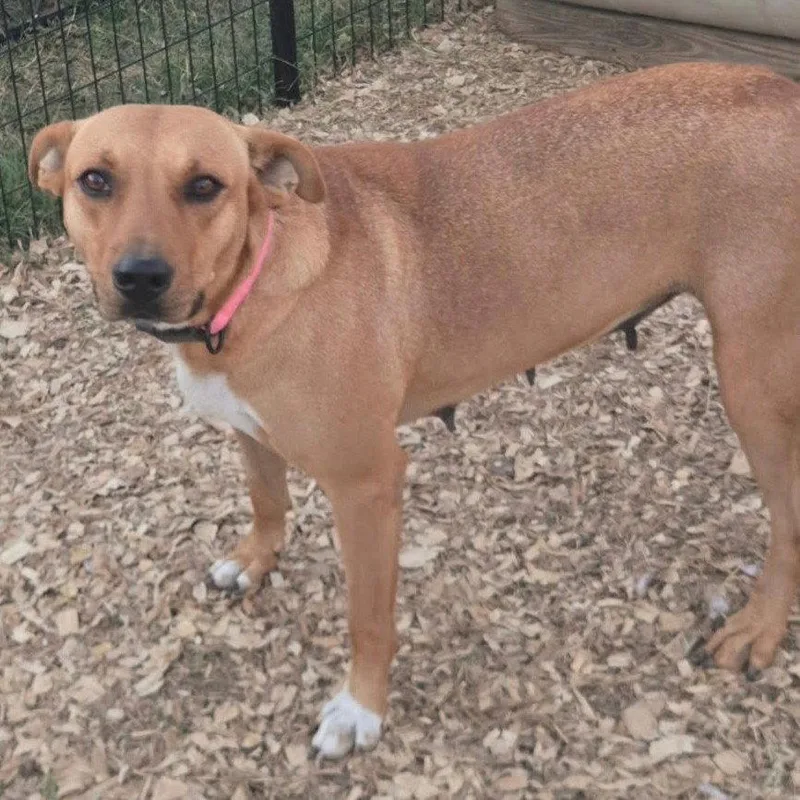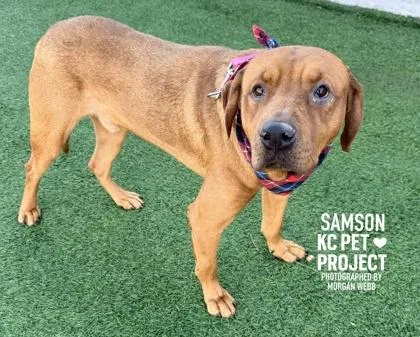





Dogue de Bordeaux Dogs for Adoption in Kansas City, MO

Your guide to finding and caring for a Dogue de Bordeaux in Kansas City

A Dogue de Bordeaux suits Kansas City best when the home stays cool and the daily walk is gentle. Brookside and Waldo are a natural match: the Trolley Track Trail follows an old streetcar line for about six miles, which is easy going for a heavy, slow-moving dog. The Dogue is calm indoors, but July humidity makes midday walks a bad idea, so plan on early mornings and evenings. Expect a big, drooly, devoted companion who wants to be wherever you are.

27 Dogue de Bordeaux available in Kansas City and nationwide

Find your forever Dogue de Bordeaux

While we don't have enough dogs near Kansas City, keep in mind that many rescues may offer transport.

Dogue de Bordeaux Available for Adoption Near Kansas City

About the Dogue de Bordeaux breed

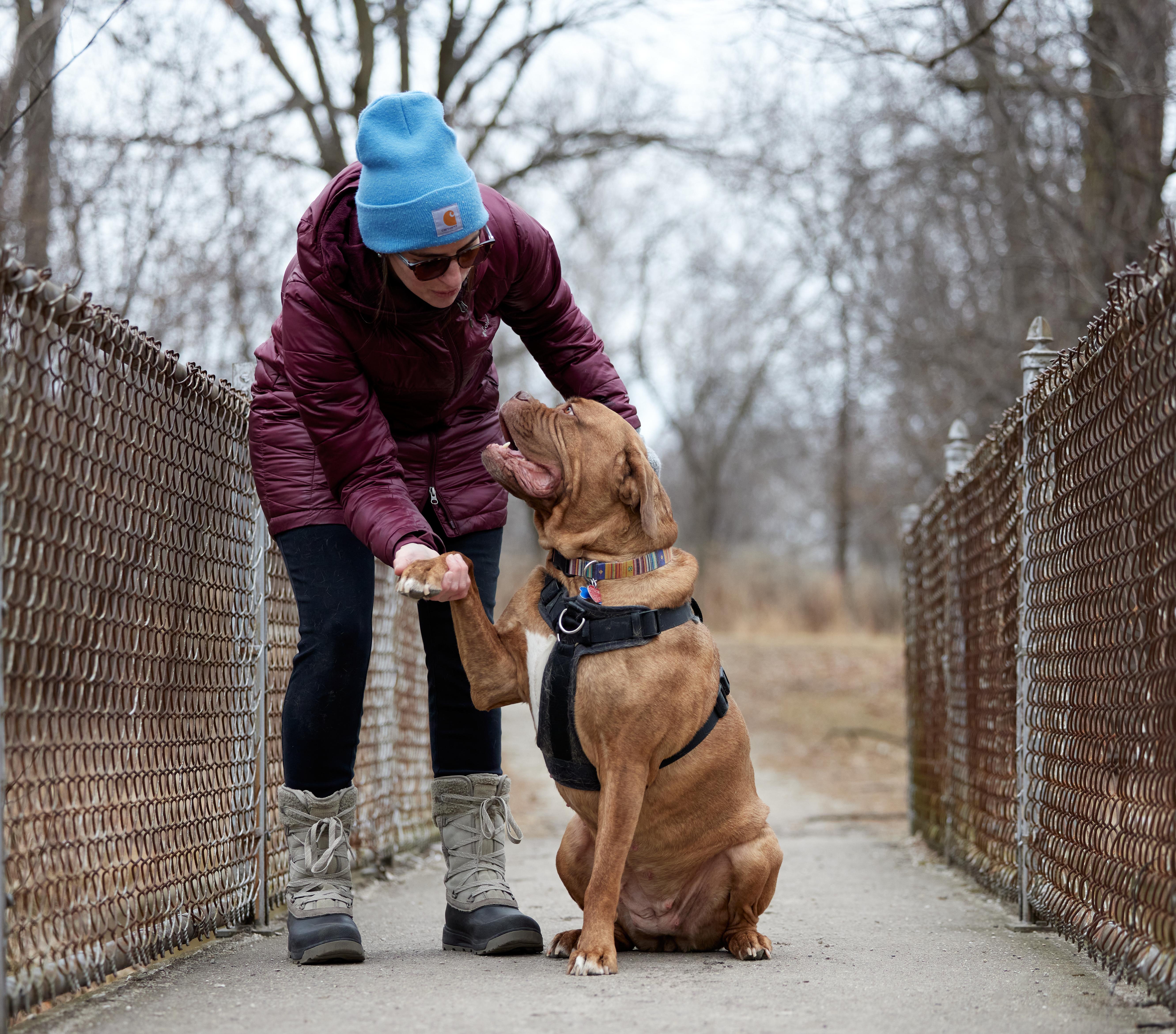
Often called the French Mastiff, the Dogue de Bordeaux is one of France's oldest breeds, long used around Bordeaux as a guardian, drover and estate dog. Numbers fell to a few hundred worldwide by the early 1980s, and many Americans first met the breed in Turner & Hooch. Adults weigh roughly 99 to 145 pounds, with a short fawn to mahogany coat, a wrinkled brow and a famously large head.

Many Dogues are calm and deeply attached to their families but watchful with strangers, and they need early, gentle, consistent training. In Kansas City, that means planning for drool, year-round shedding, giant-dog expenses and summer heat, along with a lifespan that is often under ten years.

Weight
99–145 lbs
Height
23–27 in
Lifespan
5–9 yrs
Temperament
Protective, Loyal, Calm, Devoted
Group
Working
Shedding
Moderate to High

Owning a Dogue de Bordeaux in Kansas City

Having a Dogue de Bordeaux in Kansas City

Gentle at home and watchful outside it, the Dogue de Bordeaux is a giant dog with moderate exercise needs. In Kansas City, humid summers, heart and joint risks, and the need for early, steady training matter more than mileage.

Temperament

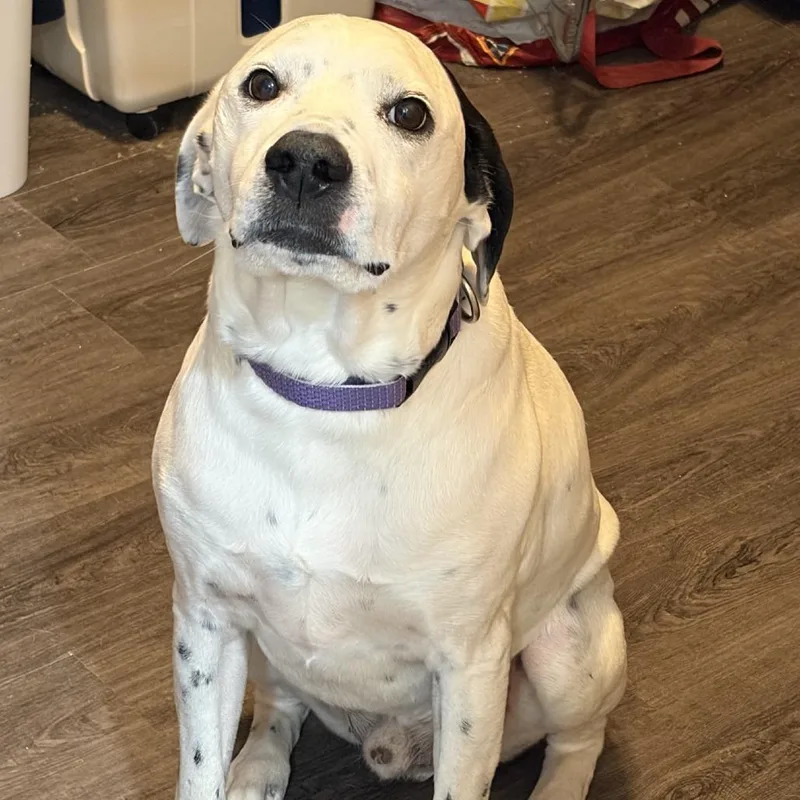
Many Dogues are calm, affectionate and devoted, happiest leaning against their people. They're also watchful with strangers and can be wary of unfamiliar dogs, which matters on busy Kansas City sidewalks and at off-leash parks. Sensitive dogs respond badly to harsh handling, so early socialization and steady, reward-based training help. Each dog varies.

Exercise Needs

Adults need moderate daily exercise: a couple of easy walks plus some play or puzzle work. Gentle, level routes like the Trolley Track Trail suit a heavy dog better than hilly ones. Walk early or late in summer, since the breed overheats fast. Puppies should skip stairs and high-impact play until about 18 months.

Health Considerations

Heart disease, cancer, bloat, hip and elbow dysplasia and breathing trouble tied to the short face are the main concerns, and lifespan is often under ten years. Skin folds need regular cleaning. After adoption, a veterinarian can check the heart, joints and airway and help set up a screening and bloat-prevention plan.

Living Space

A Dogue can live in a Kansas City house or apartment if it has room to stretch out, reliable air conditioning and few stairs. It's calm indoors but heavy, and the drool comes with the size. A fenced yard helps, though the dog should live inside with the family, not outdoors.

What it costs to own a Dogue de Bordeaux in Kansas City

ExpenseTypical costPer year
Food$80 to $160 per month$960 to $1,920
Pet insurance$85 to $170 per month$1,020 to $2,040
Routine vet care$250 to $500 per year$250 to $500
Other*$585 to $1,662 per year$585 to $1,662
Estimated yearly total (after year one)$2,815 to $6,122

Other costs are estimates and vary with size, age and health.

* The $10 Kansas City dog license (plus a $2 administrative fee), giant-size flea, tick and heartworm prevention, a dental cleaning allowance, sturdy toys and bedding, basic coat care, and skin-fold care and joint supplements.

Adopt a Dogue de Bordeaux in Kansas City.

Now that you know more, let’s find you a new best friend. These rescues and shelters below have dogs available in and near Kansas City.

Frequently Asked Questions

Yes. Kansas City has no known ban on Dogues de Bordeaux, and its dangerous-dog rules are behavior-based: a dog declared dangerous after an unprovoked serious injury must be enclosed, muzzled and kept on a leash of 48 inches or less outside, with a $250,000 liability bond or policy. For a giant, protective breed, early socialization and secure fencing are the practical safeguards.

Yes, a calm Dogue can live in a Kansas City apartment if the building allows giant breeds. Look for a ground-floor or elevator unit, cool floors and reliable air conditioning, and budget for a pet deposit or monthly pet rent, which Missouri's deposit cap doesn't limit. Dogs can't be tethered in the shared yards of multi-unit buildings, so plan on leashed walks.

With care, yes, but summer is the hardest season. Kansas City sees roughly 36 to 47 days a year at 90°F or higher, and humidity makes panting less effective for a short-faced breed. Keep the dog indoors with air conditioning, walk at dawn or dusk, test pavement with the back of your hand for 10 seconds, and never leave a dog in a parked car.

Swope Park's five-acre off-leash park has a separate large-dog section, and Penn Valley's off-leash area has a 2.7-acre section for larger dogs. For leashed walks, the Trolley Track Trail through Brookside and Waldo and Cliff Drive's wooded bluff route suit a heavy dog. Go early in summer, and skip off-leash areas if your Dogue is wary of other dogs.

Yes, for patient, home-based adopters. Kansas City's four seasons are manageable for a Dogue that lives indoors. Spring storms may upset thunder-shy dogs, so keep an interior room ready, and July 4 fireworks are illegal in the city yet still heard widely, so keep tags and microchip details current. Expect giant-breed costs, and a steady routine matters most.

Not in practice. RideKC buses allow only service animals and small pets in cages or carriers, so a giant Dogue doesn't qualify unless it's a service animal. The free KC Streetcar allows no pets at all except ADA service animals. Plan transportation for vet visits and trail trips around a vehicle that fits a 100-plus-pound dog.

Only to patios of restaurants that hold a city Health Department dog-friendly patio variance. Otherwise the food code keeps pet dogs out of dining areas, and indoor dining rooms are off limits except for service animals. Look for posted signage rather than assuming. A giant Dogue also needs shade, water and room under the table, so short, cool-weather visits work best.

Brush weekly with a rubber curry to handle year-round shedding, and clean the facial wrinkles weekly or even daily, drying them well after humid summer days or wet spring walks. A bath about every four weeks is typical. Most of this is done at home, so grooming adds little to the yearly Other costs.

A Dogue de Bordeaux is not inherently dangerous, but it is a powerful guardian breed whose size and protective instincts demand responsible handling. Most are gentle and affectionate with their families. Poor socialization, rough training or weak containment raise the risk of problems with strangers or other dogs. Early training and an experienced owner make a big difference.

Plan on roughly $2,800 to $6,100 a year for a Dogue in Kansas City, covering food, insurance, routine vet care and other costs. Food and insurance are the biggest items, while giant-size parasite prevention, dental care and joint or skin-fold care add up. Emergency care for bloat or heart problems costs extra.