
Rottweiler dog

Rottweiler Dogs for Adoption in Traverse City, MI

Your guide to finding and caring for a Rottweiler in Traverse City

Rottweilers suit Traverse City's snowy winters well, as long as they get a daily job to do. A leashed hike through Hickory Meadows or a long loop of the tree-lined streets in Central Neighborhood gives a Rottie the steady exercise it needs. They're reserved with strangers, so the July Cherry Festival crowds downtown call for training and some distance. If you're thinking of adopting one here, plan on a daily routine before anything else.

1605 Rottweilers available in Traverse City and nationwide

Give a Rottweiler a home

While we don't have enough dogs near Traverse City, keep in mind that many rescues may offer transport.

Rottweilers Available for Adoption Near Traverse City

About the Rottweiler breed

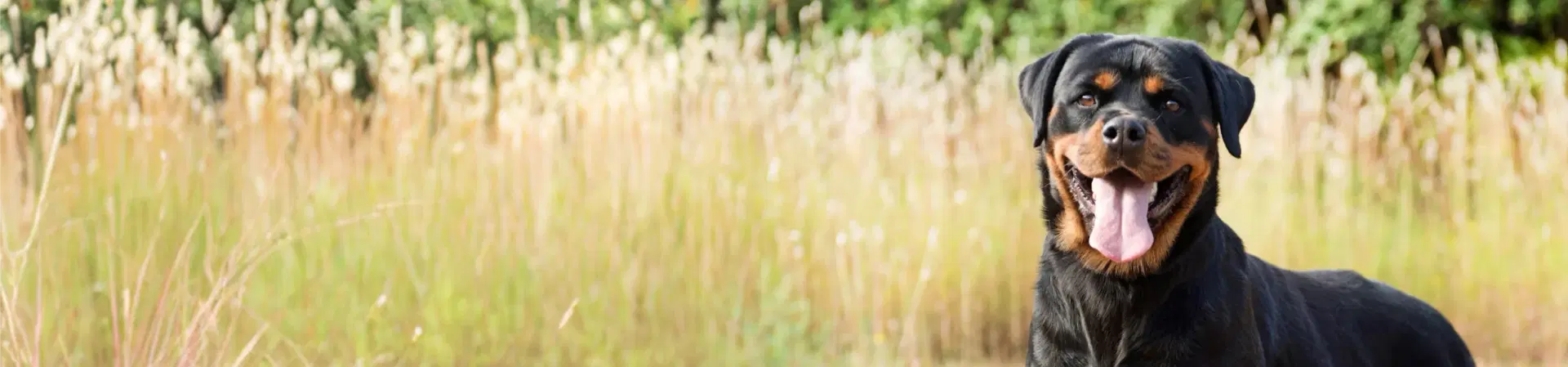
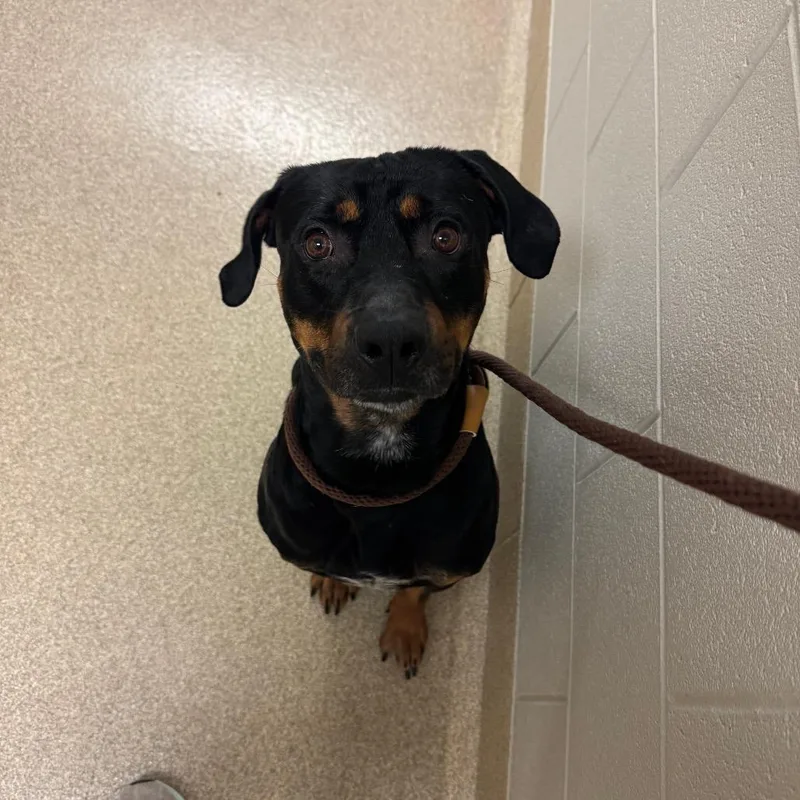
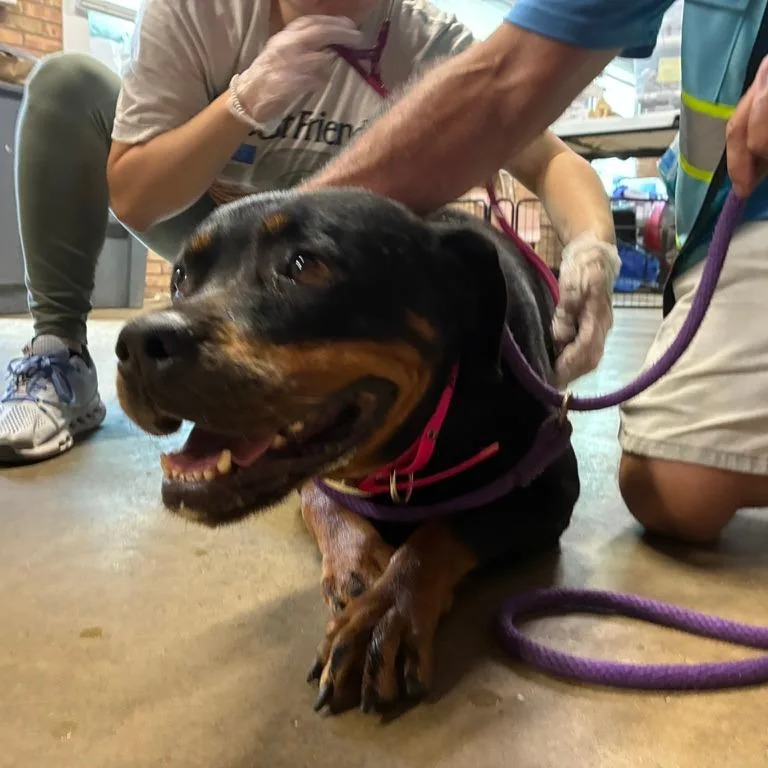
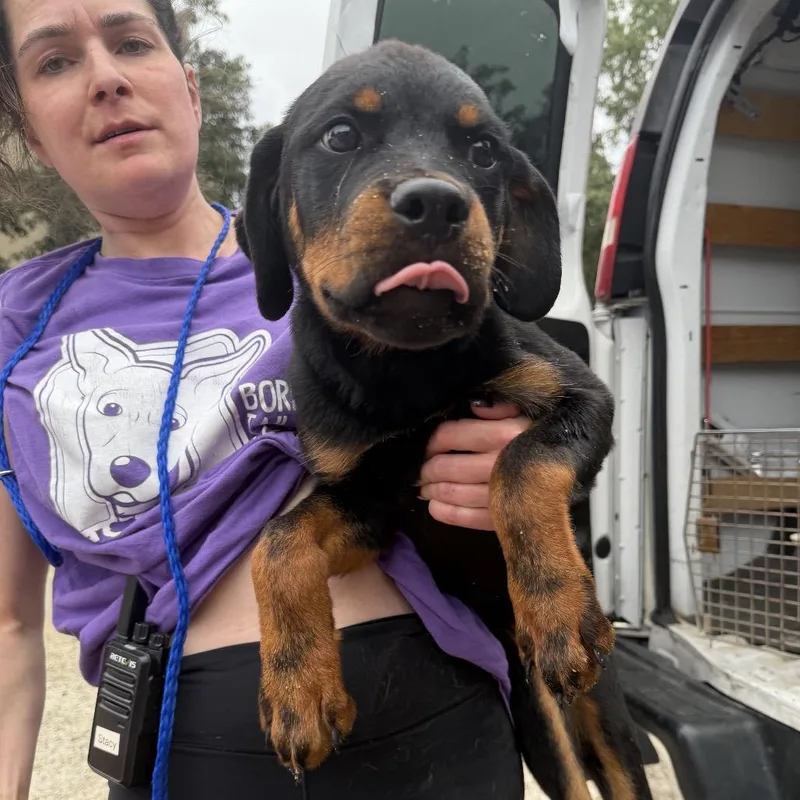
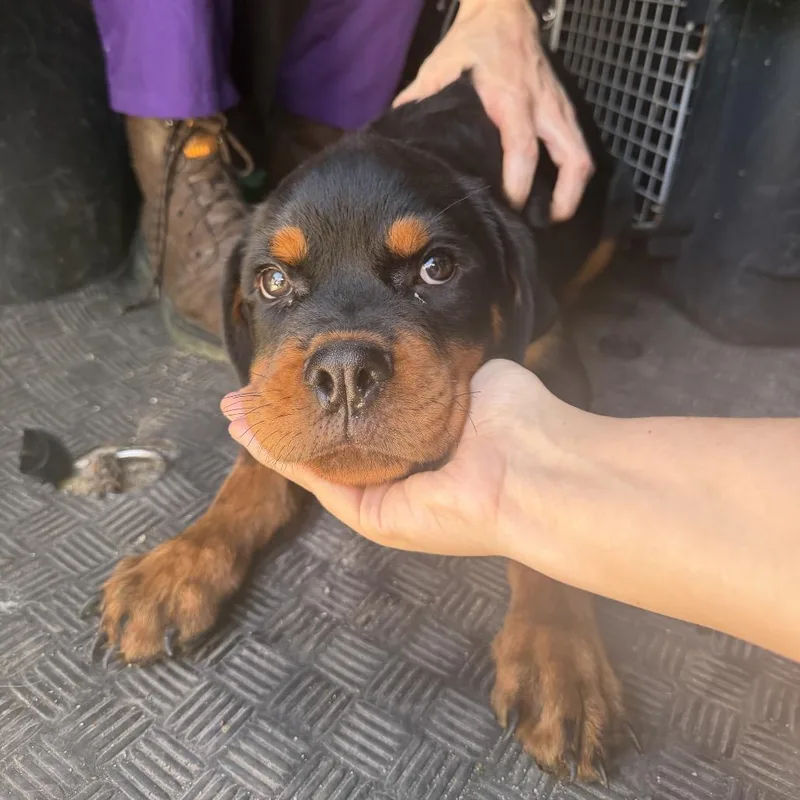
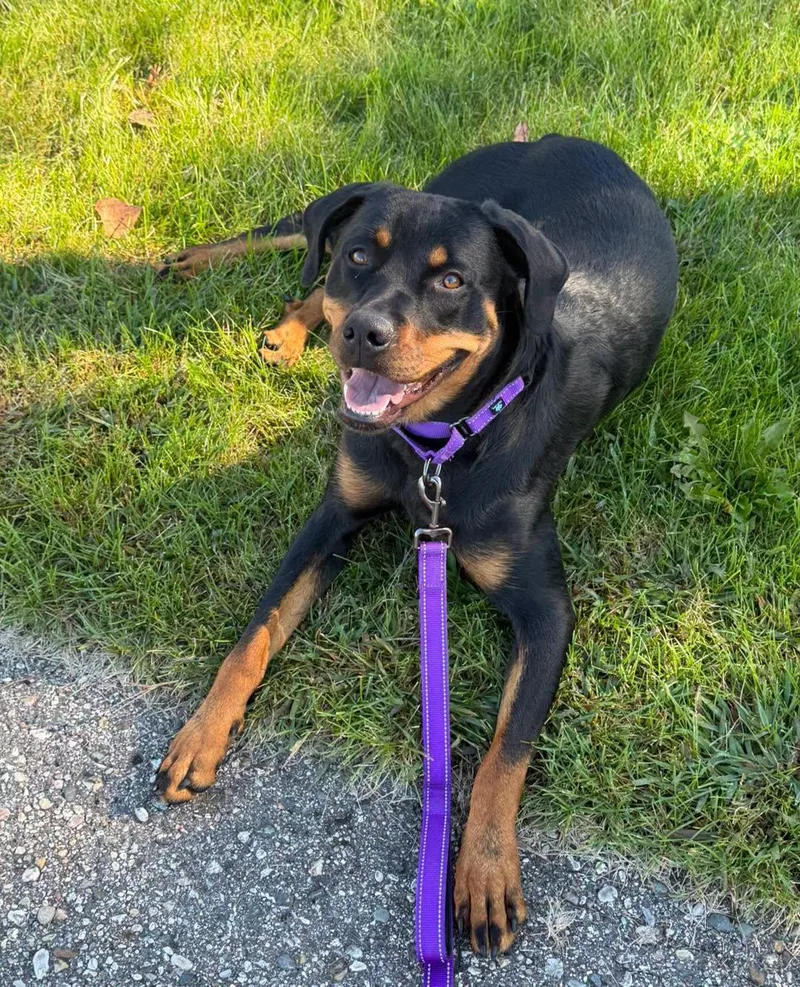
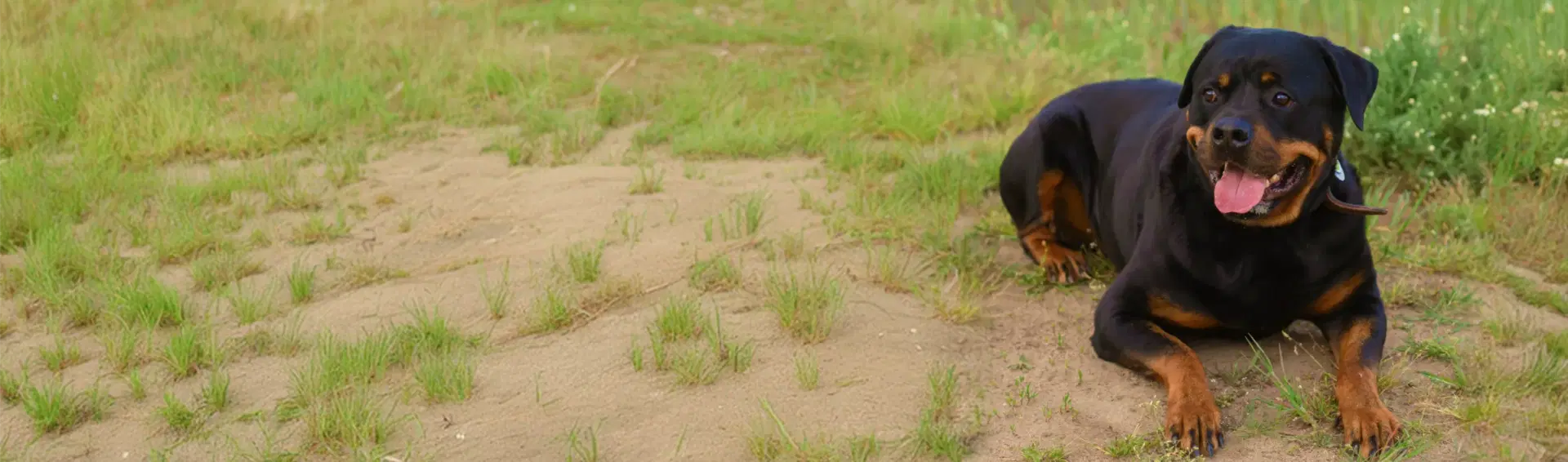
Rottweilers descend from drover dogs that followed Roman legions and later moved cattle to market around the German town of Rottweil. The breed is large and muscular, with a short black coat, rust markings and a broad head. Adults commonly weigh from about 75 to 135 pounds, with males usually the heavier.

Most Rotties are loyal, self-assured and a little aloof with new people, and many are goofy and affectionate at home. Their strength and protective streak mean early socialization and consistent, reward-based training matter. They usually fill out slowly, often until two or three years old. Dogs vary, so a Rottweiler's own history and personality tell you more than the breed label does.

Weight
75–135 lbs
Height
22–27 in
Lifespan
8–11 yrs
Temperament
Confident, Loyal, Protective, Calm
Group
Working
Shedding
Moderate

Owning a Rottweiler in Traverse City

Having a Rottweiler in Traverse City

Rottweilers pair steady confidence with a strong attachment to family. In Traverse City, their cold tolerance and love of having a job suit the outdoors, while their size, strength and guarding instinct call for training and enough room.

Temperament

Many Rottweilers are calm and watchful, taking a wait-and-see approach to strangers while staying affectionate with their own people. In a small city where neighbors often meet on sidewalks and trails, steady socialization helps a Rottie stay relaxed around visitors, other dogs and busy downtown streets. Each dog's personality differs.
Exercise Needs

Most Rottweilers need a good daily walk plus training, play or scent games to stay settled. Hickory Meadows allows leashed dogs on its trails, and the Boardman Lake Loop is a roughly three-mile option. Keep the leash at 8 feet or less in city parks. A bored Rottie can get destructive, so mix in mental work.

Health Considerations

Rottweilers are prone to hip and elbow dysplasia, cruciate ligament injuries, heart conditions such as subaortic stenosis, and several cancers. Keep a Rottie lean to protect the joints, especially on icy winter sidewalks. Tick checks after trail walks are worth doing from spring through fall, and a veterinarian can check hips, elbows and heart.

Living Space

A Rottweiler can do well in a house or a roomy apartment when it gets daily exercise and time with the family. Traverse City has many older homes on modest lots, and a securely fenced yard helps with a young dog. Rotties should live indoors, and their size matters around small children or frail adults.

What it costs to own a Rottweiler in Traverse City

ExpenseTypical costPer year
Food$55 to $110 per month$660 to $1,320
Pet insurance$65 to $130 per month$780 to $1,560
Routine vet care$250 to $500 per year$250 to $500
Other*$490 to $1,280 per year$490 to $1,280
Estimated yearly total (after year one)$2,180 to $4,660

Other costs are estimates and vary with size, age and health.

* The $15 to $30 Grand Traverse County dog license, a dental cleaning allowance, flea, tick and heartworm prevention, toys and bedding, and basic brushing supplies for a short coat.

Rottweiler dog

Adopt a Rottweiler in Traverse City.

Now that you know more, let’s find you a new best friend. These rescues and shelters below currently have Rottweilers available.

Rescues in Traverse City with Rottweilers Available

Traverse City and Grand Traverse County have a mix of shelters and foster-based rescues working to place dogs in homes. Here are the rescues & shelters in the Traverse City area where you can find Rottweilers and other dogs available for adoption.

Frequently Asked Questions

Yes, there's no known breed ban in the city or Grand Traverse County, and Michigan's dangerous-dog law is based on a dog's behavior, not its breed. Dogs 4 months and older need a county license and a current rabies vaccination. Some other Michigan towns do regulate by breed, so confirm township rules before moving to a neighboring area.

Yes, most Rottweilers handle Traverse City winters well, since the breed tolerates cold better than heat. Expect about 60 days a year that never get above freezing and heavy lake-effect snow. Wipe salt and ice from their paws, shorten walks in deep cold, and keep the dog indoors with a warm spot during outages.

Wags West dog park at Slabtown Corner is the city's off-leash option, with licensed, vaccinated dogs only, no more than three dogs per adult and a main enclosure suited to a Rottie. Hickory Meadows and the Brown Bridge Quiet Area allow leashed dogs. Keep the leash at 8 feet or less, and skip the groomed beaches.

Yes, a Rottweiler can live in a roomy apartment if it gets daily walks and training. About 36% of Traverse City households rent, and median rent is around $995. Landlords may set size or breed limits, so confirm the policy in writing. Michigan caps deposits at 1.5 months' rent, including refundable pet deposits.

Generally no. Traverse City's transit is BATA buses, and pets may ride only if they're fully enclosed in a cage, case or carrier that fits on a lap or the floor. A Rottweiler is far too large for that. Only a trained service animal can ride unenclosed, so plan on car trips.

Plan on leaving your Rottweiler at home. Michigan law currently bars pet dogs from restaurants, including outdoor seating, with service animals excepted, though lawmakers have considered changes. Patio policies can vary, so don't count on one. The Farmers' Market area also bars pets during market hours, so build in dog-friendly outings elsewhere.

Not much. A Rottweiler's short, dense coat needs brushing about weekly, more often in spring and fall when shedding picks up, plus occasional baths and nail trims. The winter undercoat can grow thicker in Traverse City's cold. Most owners groom at home, so grooming adds little to the yearly Other cost.

Rottweilers typically live about 8 to 11 years, which is shorter than average for dogs. Recent UK veterinary studies put the breed's typical life expectancy between roughly 8 and 10.6 years, and cancer is the leading cause of death reported by breed clubs. Keeping a Rottie lean, active and up to date on veterinary checkups gives it the best chance at a full life.

We have 1 rescue with Rottweilers available: Great Lakes Humane Society. You can see every rescue with Rottweilers available in the list above these questions, or scroll to the top to see the Rottweilers near Traverse City.

A Rottweiler typically costs roughly $2,200 to $4,700 a year. Food runs about $55 to $110 a month and pet insurance about $65 to $130 a month. Routine vet care is about $250 to $500 a year, and other yearly costs come to roughly $490 to $1,280, plus one-time supplies and any emergency care.

Explore Other Breeds in Traverse City

Looking for a different breed? Browse other dogs available for adoption in Traverse City.