Pharaoh Hound Dogs for Adoption in Baltimore, MD

Your guide to finding and caring for a Pharaoh Hound in Baltimore

A Pharaoh Hound fits Baltimore best when it has a steady route, like the paved loop around Lake Montebello. These lean, tan sprinters are calm indoors once they've run, so a rowhouse in Ednor Gardens or a house in Lauraville near Herring Run Park can work well. The catch is prey drive: squirrels and rabbits in the stream-valley parks can trigger a sprint, so the leash stays on. If you're thinking of adopting one, plan on a daily walk plus a fenced place to run.

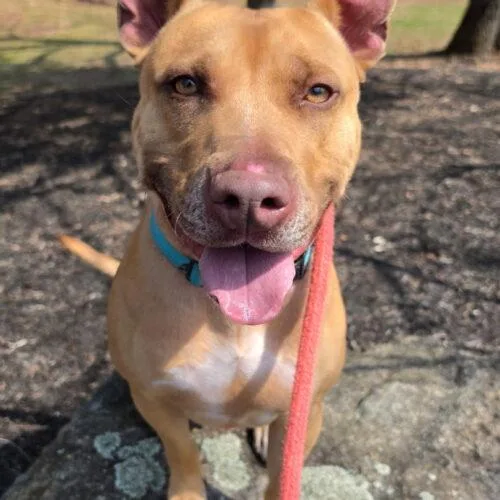
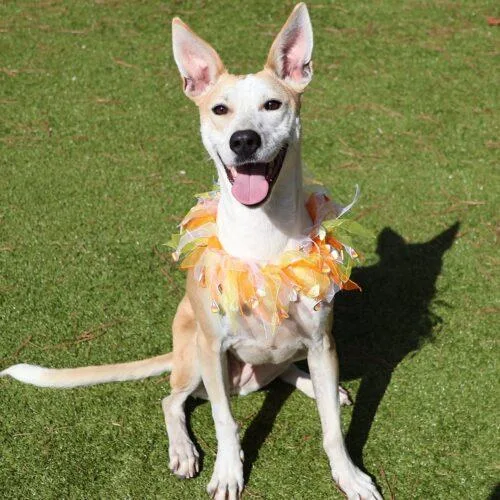
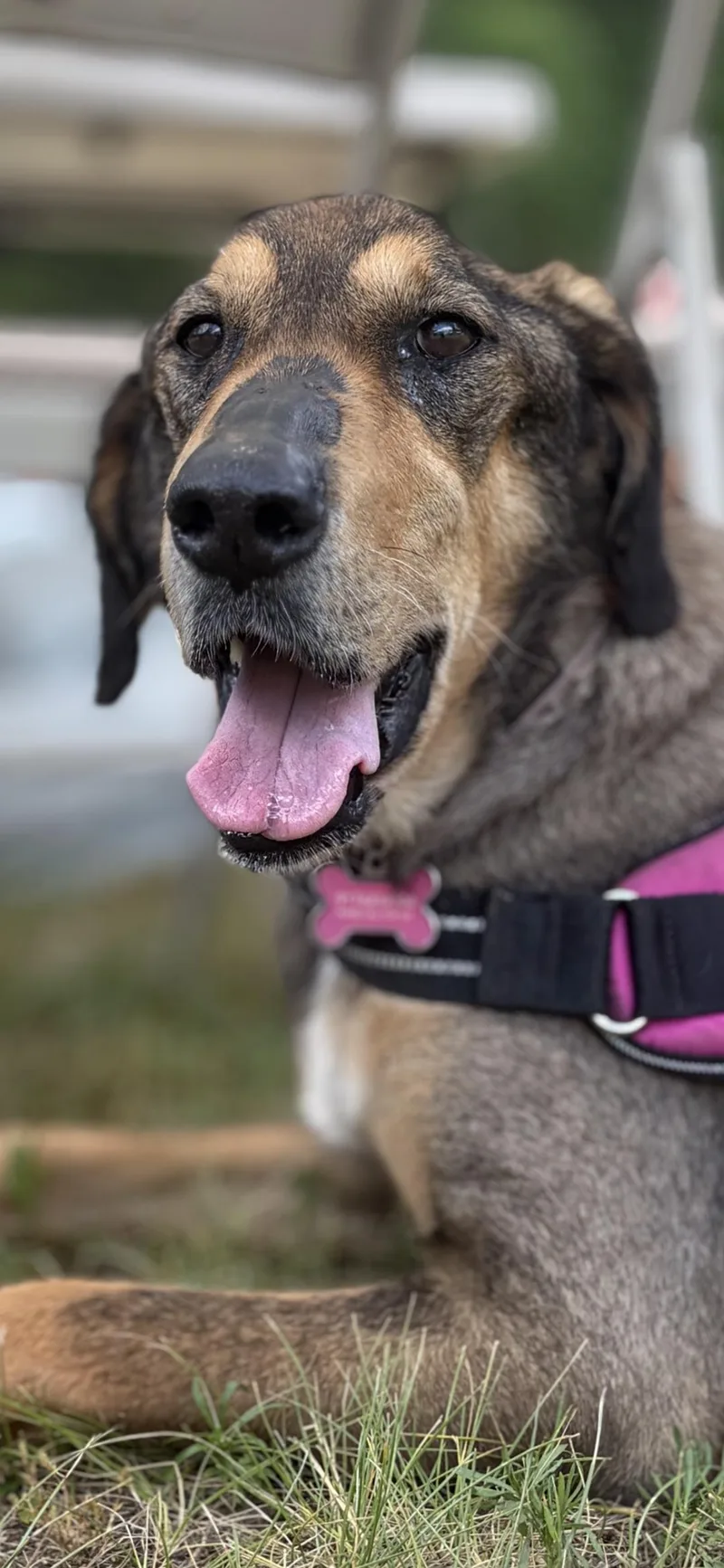
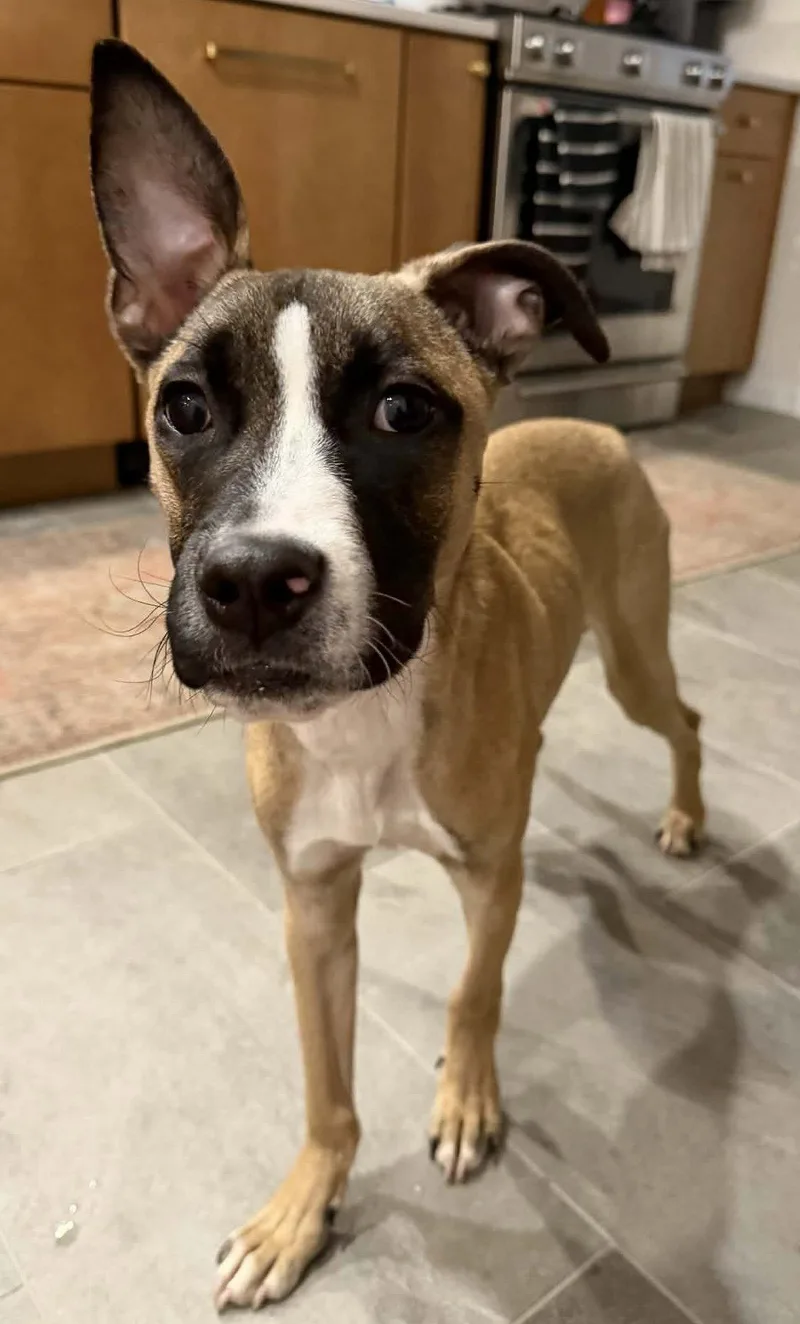
22 Pharaoh Hounds available in Baltimore and nationwide

Find your Pharaoh Hound

While we don't have enough dogs near Baltimore, keep in mind that many rescues may offer transport.

Pharaoh Hounds Available for Adoption Near Baltimore

About the Pharaoh Hound breed

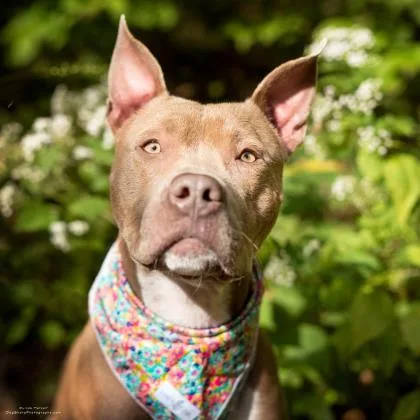
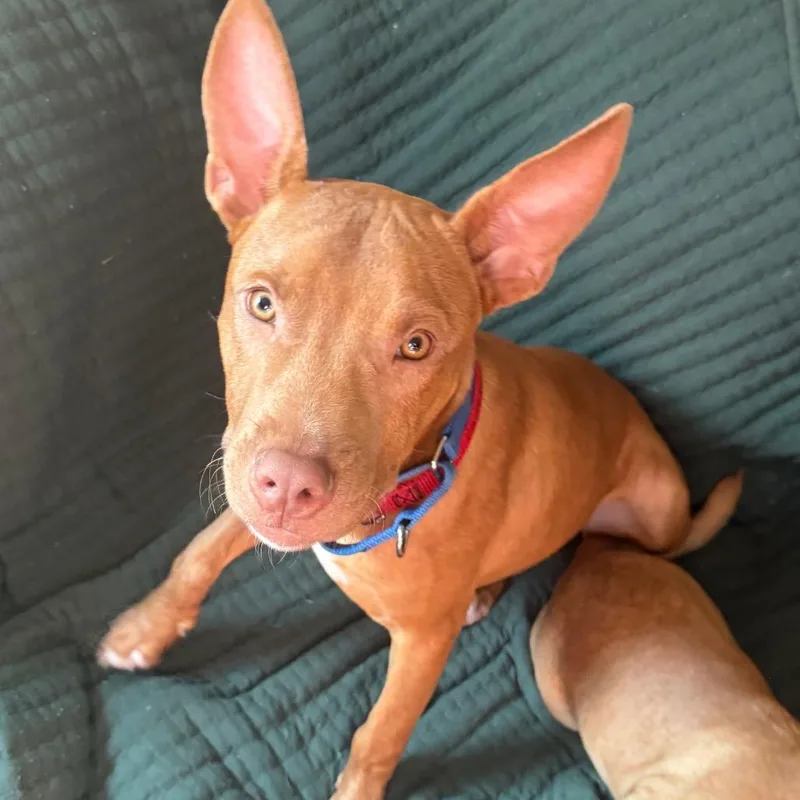
Known in Malta as Kelb tal-Fenek, the rabbit dog, the Pharaoh Hound was built to chase quarry over rocky island terrain, often at night, using sight and scent. Its name and its look in Egyptian art suggest a Nile origin, but genetic studies point to a more recent development on Malta. It's a tall, lean dog with a tan to chestnut coat, amber eyes and big upright ears, and its nose and ears flush pink when it's excited.

Indoors, many are affectionate, playful and fairly calm once exercised, with a clownish streak and a tendency to vocalize. Outdoors, small animals can set off a sprint that no recall will stop. In Baltimore, that makes leashed walks and tall fencing the norm. The short coat sheds little, but it offers scant protection from cold. Dogs vary, so a Pharaoh Hound's own personality matters more than the breed description.

Weight
45–55 lbs
Height
21–25 in
Lifespan
11–14 yrs
Temperament
Affectionate, Playful, Alert
Group
Hound
Shedding
Low

Owning a Pharaoh Hound in Baltimore

Having a Pharaoh Hound in Baltimore

Pharaoh Hounds pair a sprinter's body and strong hunting drive with a gentle, often comical presence indoors. Prey drive, a need to run, sensitivity to cold and anesthesia, and an easy-care coat shape daily life, and Baltimore's park rules and four seasons add a few local details.

Temperament

Many Pharaoh Hounds are friendly, playful and affectionate with family, and some are reserved with strangers at first. They tend to be sensitive and independent, so patient, upbeat training works better than harsh handling. Strong prey drive means cats and small pets need careful introductions. Vocal dogs matter on shared rowhouse walls, where Baltimore treats repeated disturbing barking as a nuisance.

Exercise Needs

Most Pharaoh Hounds need daily walks plus regular chances to sprint in a securely fenced space, since they rarely stay reliable off leash. Baltimore parks require a leash of 6 feet or less, so the fenced neighborhood dog parks are where a Pharaoh can really run. Scent games and short training sessions add mental work.

Health Considerations

The breed is generally healthy, though hip dysplasia and eye conditions occasionally appear. Pharaoh Hounds can be sensitive to anesthesia and some insecticides, so every veterinarian should know the breed. Rabies has turned up in raccoons and foxes in city neighborhoods, so keep the rabies vaccine current, as city and state law require. Thin coats also chill easily.

Living Space

A Pharaoh Hound can do well in a Baltimore rowhouse or apartment if it gets daily exercise and a safe place to run. A tall, secure fence matters more than yard size, since many can jump or scramble over low barriers, so a small rowhouse back yard deserves a close look. Indoors, they want soft bedding and warmth.

What it costs to own a Pharaoh Hound in Baltimore

ExpenseTypical costPer year
Food$35 to $70 per month$420 to $840
Pet insurance$45 to $85 per month$540 to $1,020
Routine vet care$225 to $450 per year$225 to $450
Other*$485 to $1,480 per year$485 to $1,480
Estimated yearly total (after year one)$1,670 to $3,790

Other costs are estimates and vary with size, age and health.

* The Baltimore dog license ($10 spayed or neutered, $30 unaltered), flea, tick and heartworm prevention, a dental cleaning allowance, toys and bedding, minimal grooming, and coats or sweaters for cold weather.

Adopt a Pharaoh Hound in Baltimore.

Now that you know more, let’s find you a new best friend. These rescues and shelters below have dogs available in and near Baltimore.

Rescues and Shelters in or near Baltimore

Baltimore's rescue community includes an open-admission city shelter and nonprofit groups, and the dogs listed here change often. Here are the rescues & shelters in the Baltimore area with dogs available for adoption, worth asking whether a Pharaoh Hound is coming in.

Frequently Asked Questions

Yes, you can get a Pharaoh Hound in Baltimore, because the city has no breed ban. Dangerous-dog rules depend on a dog's behavior, and Maryland's dog-bite law applies without regard to breed. Plan on a city license and rabies vaccination once the dog is over 4 months, and expect your lease, not the city, to set any pet limits.

Yes, a Pharaoh Hound can live in a Baltimore apartment or rowhouse if it gets daily exercise. Indoors they're often calm after a good run, but they can be vocal, so thin shared walls are worth considering. Look for a place with quick access to a leashed walking route or a fenced dog park, since lean sprinters need real running time.

Pharaoh Hounds can handle a Baltimore winter with some help. Their short coat and low body fat offer little warmth, so they need a coat on walks and a warm bed indoors. The city sees about 52 freezing nights a year. Maryland law limits unattended outdoor time to 30 minutes without suitable shelter when it's below 32°F.

Pair leashed trails for steady miles with fenced dog parks for sprinting. Herring Run Park has a 5.7-mile loop and the Gwynns Falls Trail is a 15-mile system, both leashed at 6 feet or less. Stream-valley trails can flood in summer cloudbursts, so skip them after heavy rain. The fenced runs at Patterson Park are where a Pharaoh can run free.

Probably not, so don't count on it. Baltimore has a Metro SubwayLink, but the only pet rule MTA publishes is for Commuter Bus, where only small pets in closed containers are allowed. A 45-to-55-pound hound won't fit in a carrier, so check MTA's current rules before riding, and plan on walks or car trips instead.

Sometimes, on a patio. Maryland lets restaurants choose whether to allow dogs in outdoor dining areas, and each one decides and posts its own policy. Where dogs are allowed, yours must stay leashed at your table, can't pass through indoor space and can't be left alone. A well-exercised Pharaoh Hound does best, but watch for squirrels.

Very little. A Pharaoh Hound's short, glossy coat needs a weekly brush at most, an occasional bath and regular nail trims, and it sheds lightly. In Baltimore's humid summers and muddy springs, wipe off paws and legs, and rinse paws after winter sidewalk salt. Grooming is only a small part of the yearly Other costs.

Pharaoh Hounds are not typically aggressive toward people. Most are friendly and affectionate with their families, and some are aloof with strangers until they warm up. Their strongest instinct is to chase, so small animals like cats, rabbits and squirrels can trigger intense pursuit. Early socialization and calm, reward-based training help a Pharaoh Hound stay relaxed in new situations.

Pharaoh Hounds can be good family dogs for active households that can meet their exercise needs. Many are playful and gentle with respectful children and enjoy being part of family life. They do best with adults who supervise interactions, keep doors and gates closed against escapes, and provide daily running. Homes with small pets need extra caution because of prey drive.

A Pharaoh Hound in Baltimore typically costs about $35 to $70 a month for food and $45 to $85 for insurance. Routine vet care runs $225 to $450 a year, and other yearly costs, such as prevention, dental care, supplies and cold-weather gear, run $485 to $1,480. That's roughly $1,670 to $3,790 a year in all.