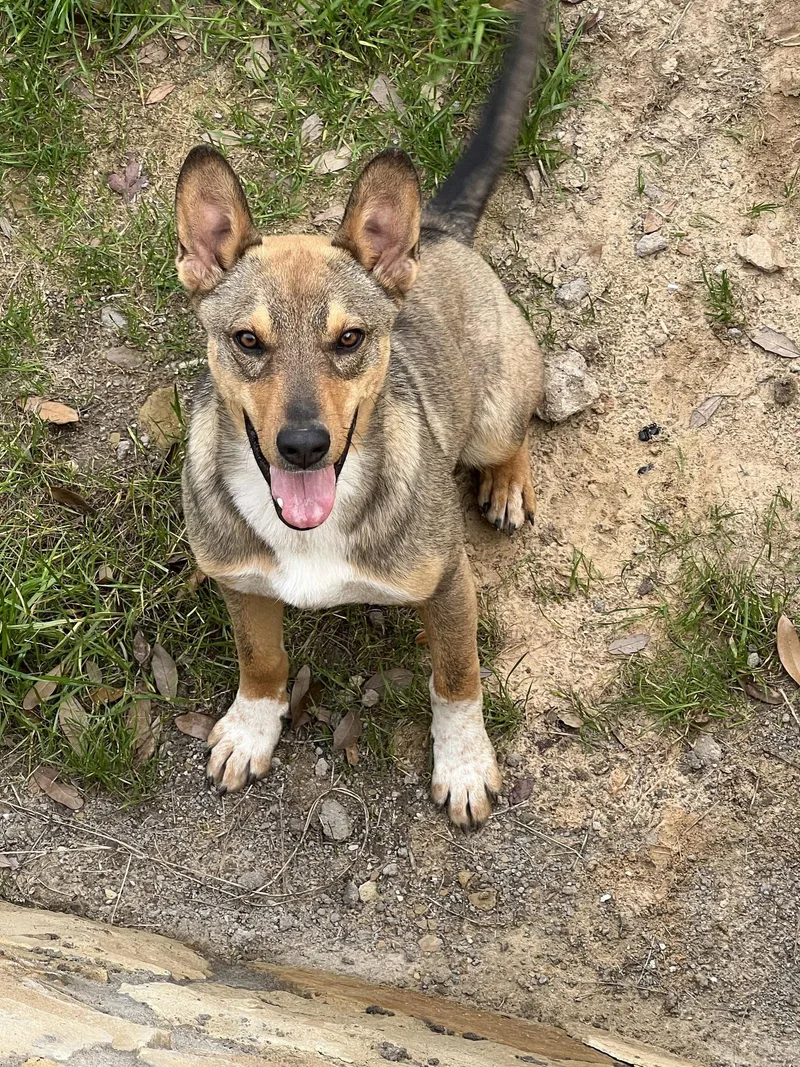
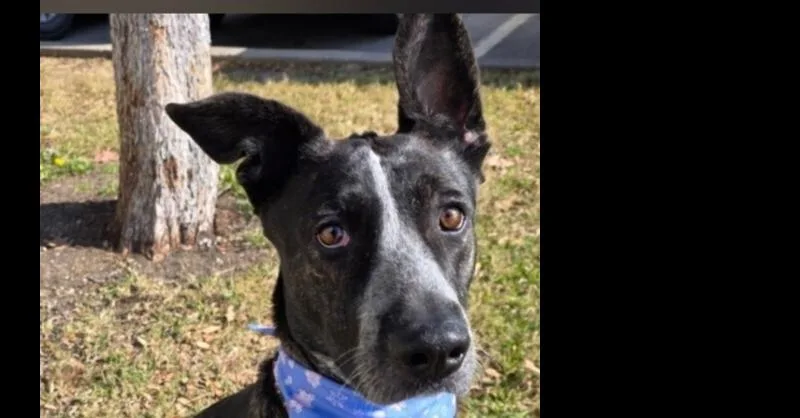
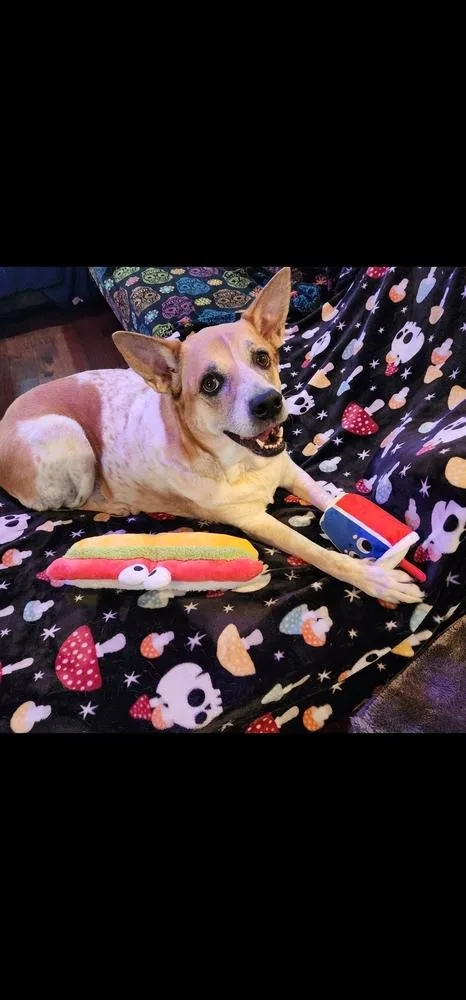
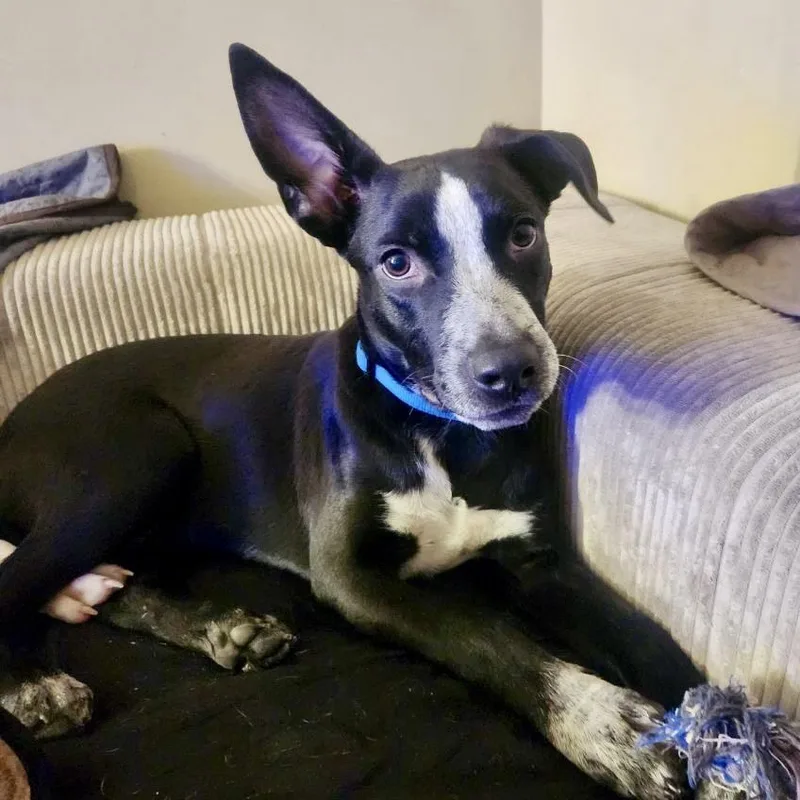
Lancashire Heeler Dogs for Adoption in New Orleans, LA

Your guide to finding and caring for a Lancashire Heeler in NOLA

A Lancashire Heeler is a good size for a Bywater shotgun double or a Freret rental. At 9 to 17 pounds, it doesn't need much room, but it does want a real walk every day, along the Crescent Park riverfront or the quiet blocks of Broadmoor. Heelers are alert and talkative, and a porch-lined street gives them plenty to announce. In NOLA's humid summers, they do best with short walks at dawn or after dark.

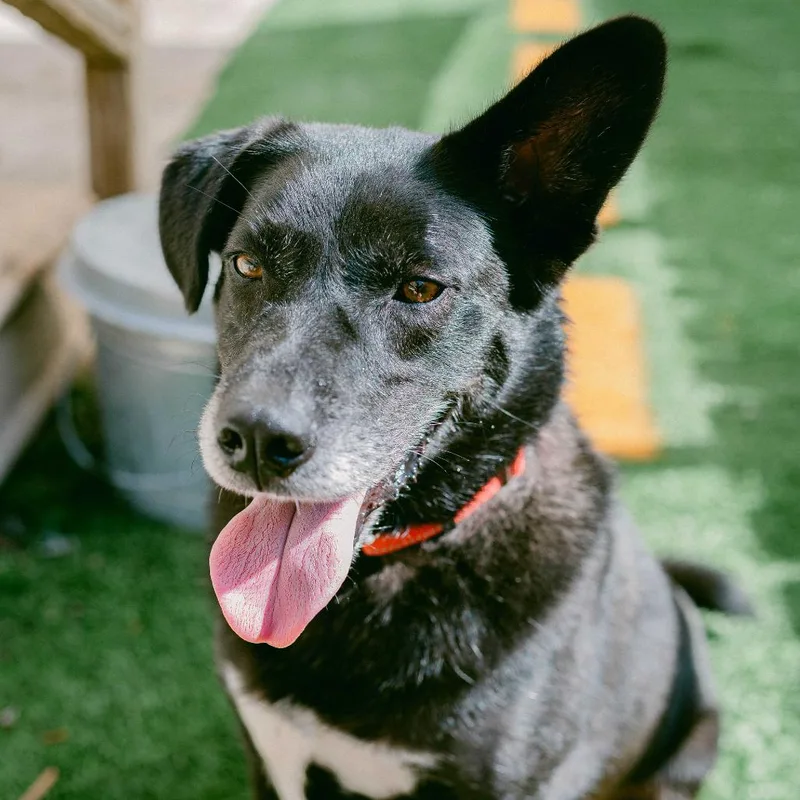
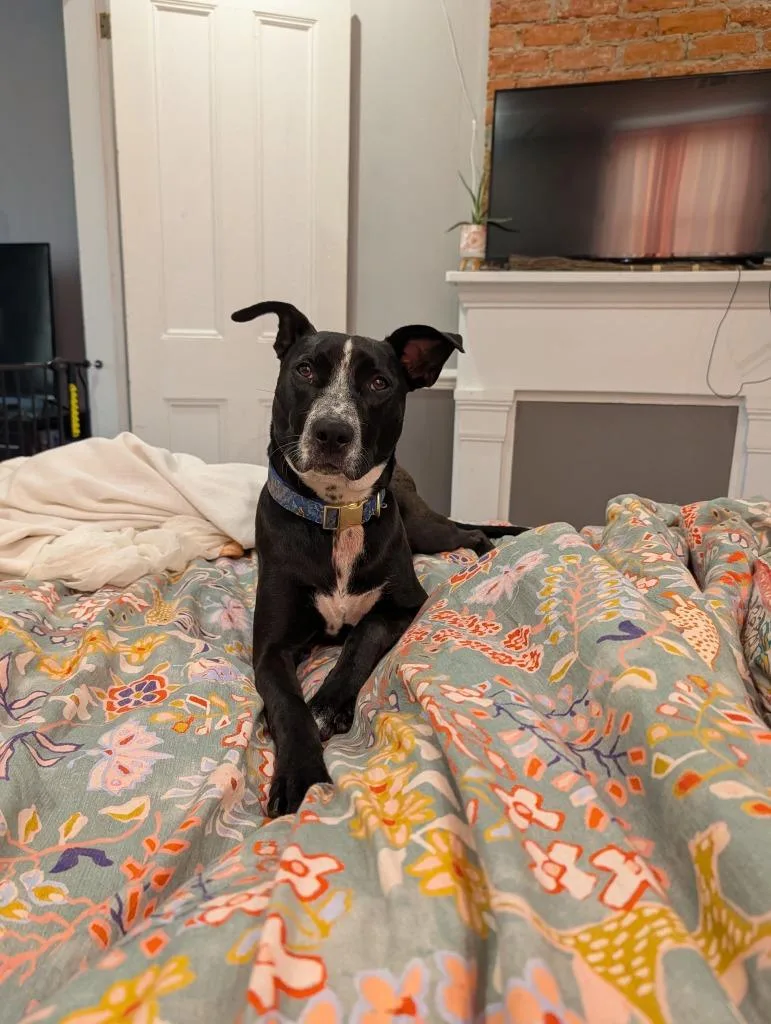
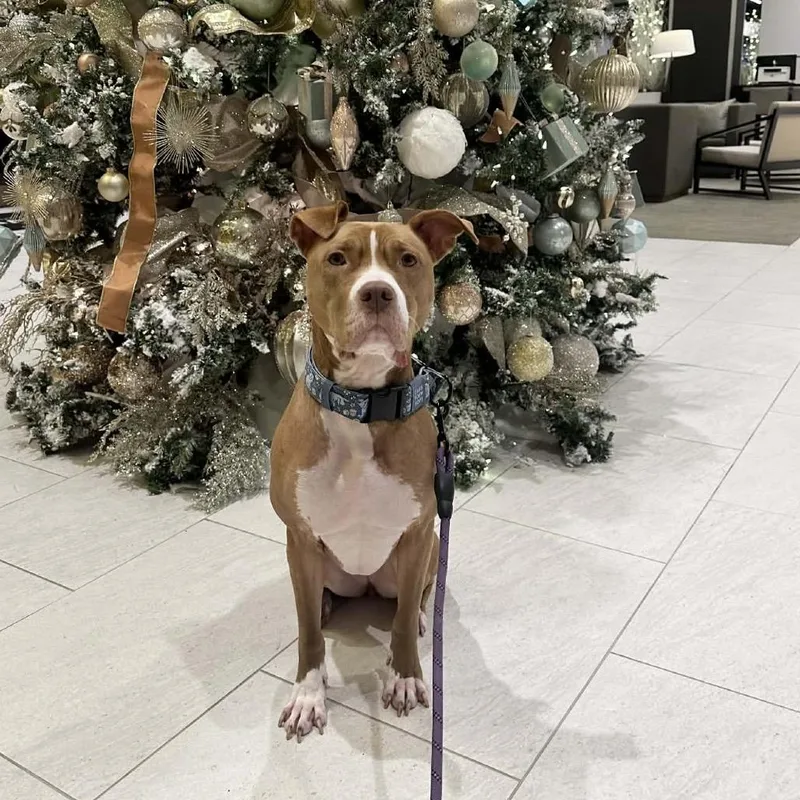
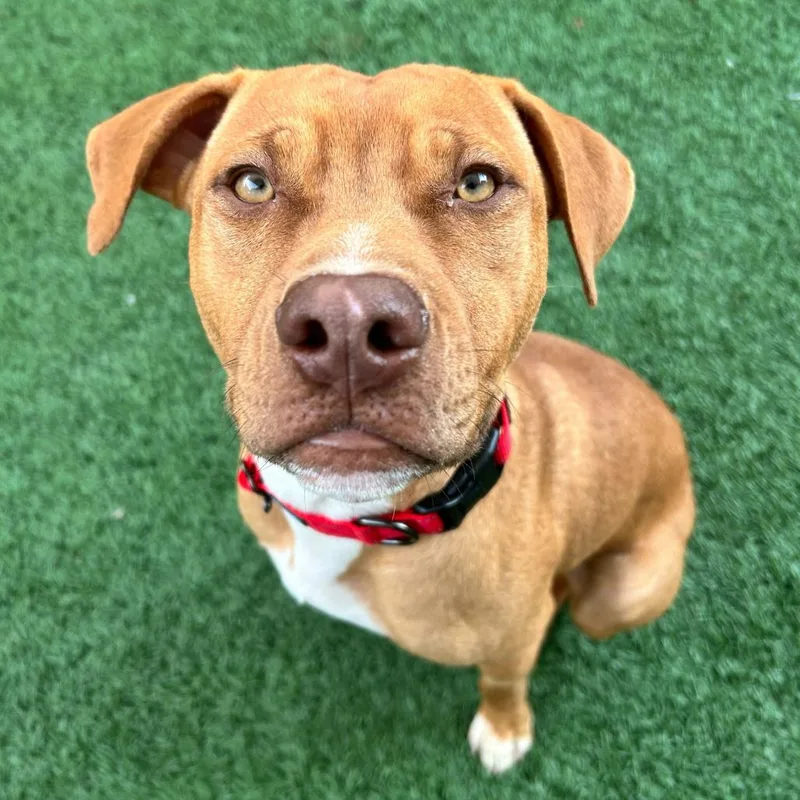
26 Lancashire Heelers available in New Orleans and nationwide

Find your forever Lancashire Heeler

While we don't have enough dogs near New Orleans, keep in mind that many rescues may offer transport.

Lancashire Heelers Available for Adoption Near New Orleans

About the Lancashire Heeler breed

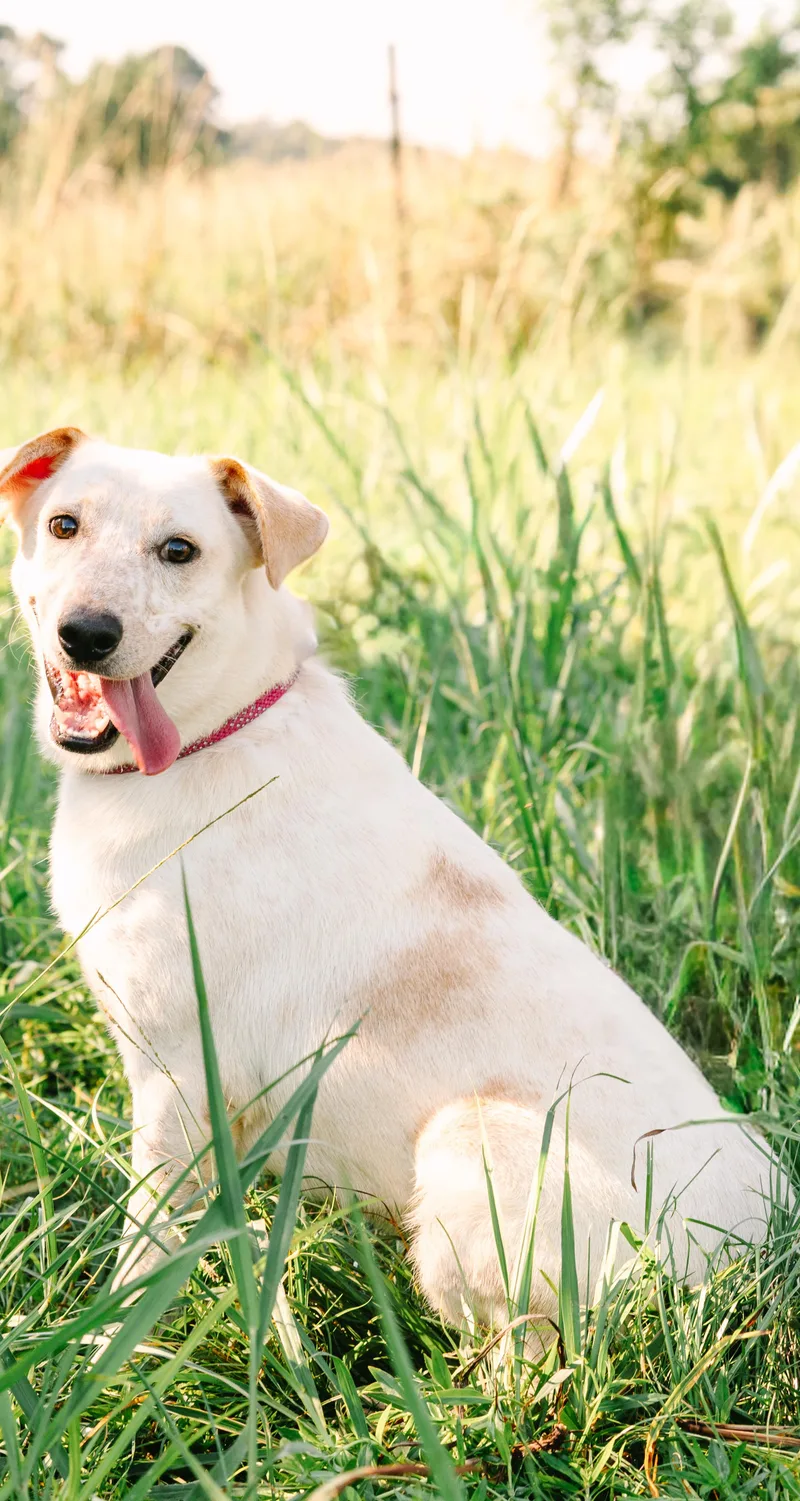
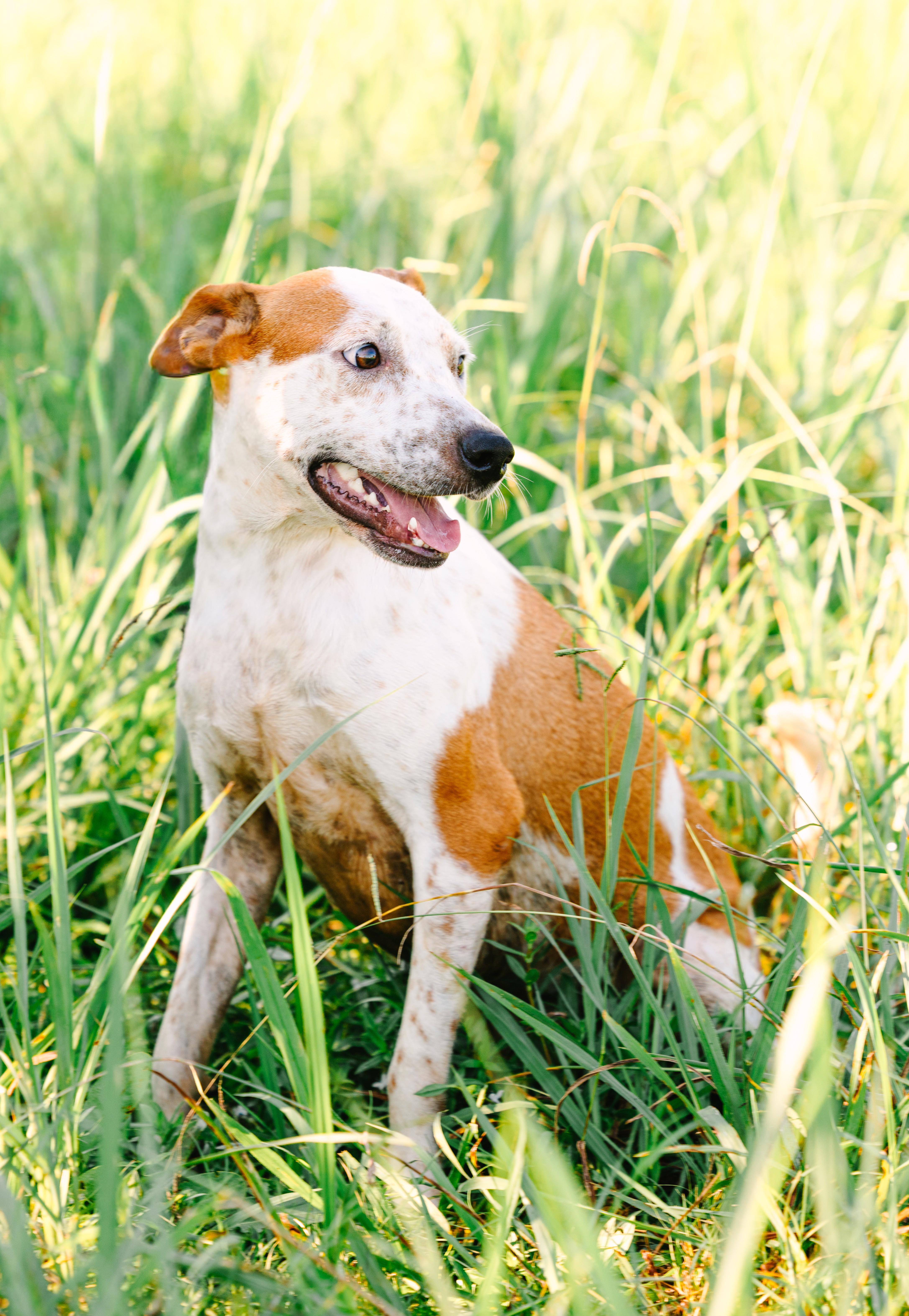
The Lancashire Heeler is a small herding dog from northwest England, built low and sturdy for nipping at cattle heels and clearing barns of rats. Its smooth, weather-resistant coat comes in black and tan or liver and tan, and many Heelers greet people with a lip-parting "smile." The AKC added the breed to its Herding Group in 2024.

Heelers tend to be affectionate with their families, quick to learn and busy, with a herder's urge to chase and a ratter's prey drive. They need daily exercise and mental work, and the short coat means light grooming and low to moderate shedding. They're uncommon in shelters, so watch the listings on this page and look at similar breeds or nearby cities while you wait. Temperament varies from dog to dog.

Weight
9–17 lbs
Height
10–12 in
Lifespan
12–16 yrs
Temperament
Alert, Energetic, Affectionate, Intelligent
Group
Herding
Shedding
Low to Moderate

Owning a Lancashire Heeler in New Orleans

Having a Lancashire Heeler in NOLA

A compact dog with a cattle dog's drive and a terrier's spark, the Heeler is easy to house but not always easy to entertain. Energy, a talkative streak and a few inherited eye conditions shape daily life, and NOLA's heat adds a seasonal twist.

Temperament

Heelers are often alert, affectionate and devoted to their families, and reserved with strangers. Many announce visitors, which matters in a NOLA double where neighbors share a wall. Herding instincts can show up as heel-nipping or chasing, and some Heelers chase small pets. Early socialization and reward-based training help, and each dog varies.

Exercise Needs

Plan on daily walks plus active play like fetch, tug or a flirt pole, along with training or scent games. In NOLA's warm months, keep leashed walks to dawn or evening, and stay back from lagoon and bayou edges. Bored Heelers often turn to barking, digging or herding family members.

Health Considerations

Heelers are often long-lived, but they can inherit eye conditions such as primary lens luxation, collie eye anomaly and persistent pupillary membranes. A veterinarian can examine the eyes and discuss DNA screening. In NOLA's warm, humid climate, year-round heartworm prevention matters, along with regular checkups and dental care.

Living Space

A Heeler's size suits New Orleans' shotgun doubles, Creole cottages and apartments, as long as exercise and enrichment are covered. Barking may matter more to neighbors than square footage does, especially through shared walls. A securely fenced yard helps, since prey drive can override recall. Indoors, it does best as part of the family.

What it costs to own a Lancashire Heeler in New Orleans

ExpenseTypical costPer year
Food$20 to $45 per month$240 to $540
Pet insurance$35 to $70 per month$420 to $840
Routine vet care$200 to $400 per year$200 to $400
Other*$385 to $1,064 per year$385 to $1,064
Estimated yearly total (after year one)$1,245 to $2,844

Other costs are estimates and vary with size, age and health.

* The $10 New Orleans dog license for a spayed or neutered dog, flea, tick and year-round heartworm prevention, a dental cleaning allowance, toys and bedding, and light grooming.

Adopt a Lancashire Heeler in New Orleans.

Now that you know more, let’s find you a new best friend. These rescues and shelters below have dogs available in and near New Orleans.

Frequently Asked Questions

Yes, New Orleans has no breed-specific rules, and dangerous-dog decisions are based on behavior rather than breed. Dogs need a yearly city license tag with proof of rabies vaccination, and dogs over six months must be spayed or neutered or covered by an intact permit. Rules in neighboring towns can differ, so confirm them before you move.

Yes, with planning. NOLA summers bring highs near 90°F, warm nights and heavy humidity, and the hot season runs from May into September. Walk at dawn or after dark, carry water, test pavement with your hand, and keep the dog in air conditioning through the afternoon. Never leave a dog in a parked car, and have a plan for power outages.

Yes. At 9 to 17 pounds, a Heeler fits NOLA apartments, doubles and cottages, but barking is the bigger issue through shared walls. Heelers are alert and talkative, so plan on daily walks, puzzle toys and short training sessions to keep the dog from announcing every passerby. A fenced or shared yard helps for quick breaks.

It can be, if you offer daily walks, company and indoor enrichment, and can work around the heat. Heelers suit people who are home often and enjoy training, and suit them less if the dog is alone all day. Add a hurricane plan with a carrier, records and a current microchip registration. Each dog's energy and temperament vary.

Leashed Heelers are welcome on City Park's 24 miles of trails, Audubon Park's 1.8-mile loop, the Lafitte Greenway and the banks of Bayou St. John. NOLA City Bark in City Park is permit-only and requires dogs to be six months or older, spayed or neutered and up to date on vaccines. Stay away from lagoon edges, where alligators live.

Only in a carrier. RTA allows pets on its buses and streetcars only when they travel in a carrier that fits on your lap, which a smaller Heeler may manage if it's used to one. New Orleans has streetcars rather than a subway. Service animals are exempt from the carrier rule. Practice with the carrier at home first.

Very little. The short, harsh coat needs a weekly brushing, more often during the seasonal undercoat shed. In NOLA's heat, brush out loose undercoat instead of shaving, and dry the dog and wipe paws after rainy walks. Add nail trims and tooth care. Most owners skip the salon, so grooming is a small part of the yearly Other costs.

Maybe on a patio, but never count on it. Louisiana has no state law allowing dogs in outdoor dining areas, so access is up to each venue, and indoor dining rooms generally don't admit pet dogs. A small Heeler is easy to settle under a table, though its habit of barking at passersby may test a busy patio.

A Lancashire Heeler is a small, sturdy herding dog from northwest England, about 10 to 12 inches tall and 9 to 17 pounds, originally used to drive cattle and catch rats on farms. It has a short black-and-tan or liver-and-tan coat, an alert, cheerful personality and plenty of energy. The AKC recognized the breed in 2024.

Expect roughly $1,250 to $2,850 a year for a Heeler in New Orleans. Food runs about $20 to $45 a month and insurance $35 to $70 a month. Routine vet care is $200 to $400 a year, and other costs such as prevention, dental care, the license and supplies add $385 to $1,064. Emergencies and illness aren't included.