
Dogue de Bordeaux Dogs for Adoption in New Orleans, LA

Your guide to finding and caring for a Dogue de Bordeaux in NOLA

A Dogue de Bordeaux fits New Orleans best in a house with a yard, like the post-war bungalows around Pontchartrain Park. These big, calm dogs are happy with a couple of moderate walks and long stretches of lounging, so they don't need acres to run. What they do need is air conditioning, because a NOLA summer is hard on a short-faced giant. Expect drool on the floors and plenty of attention from neighbors when you walk the block.

27 Dogue de Bordeaux available in New Orleans and nationwide

Find your forever Dogue de Bordeaux

While we don't have enough dogs near New Orleans, keep in mind that many rescues may offer transport.

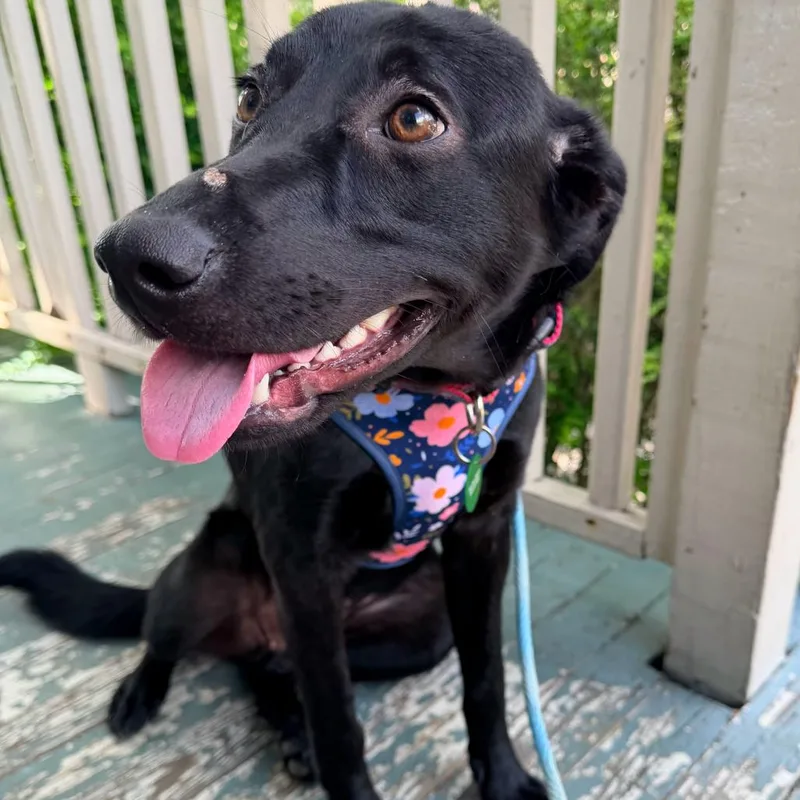
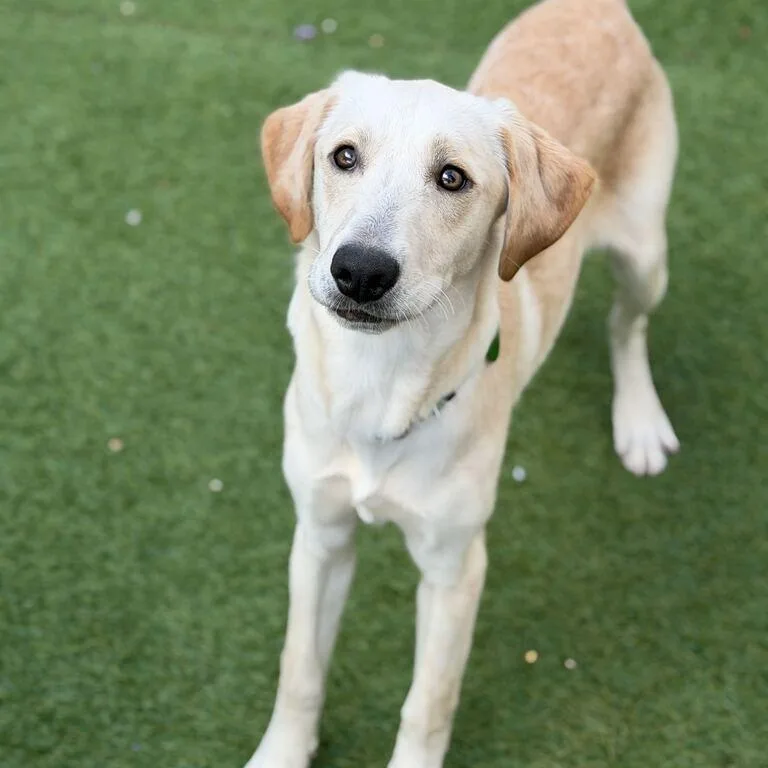
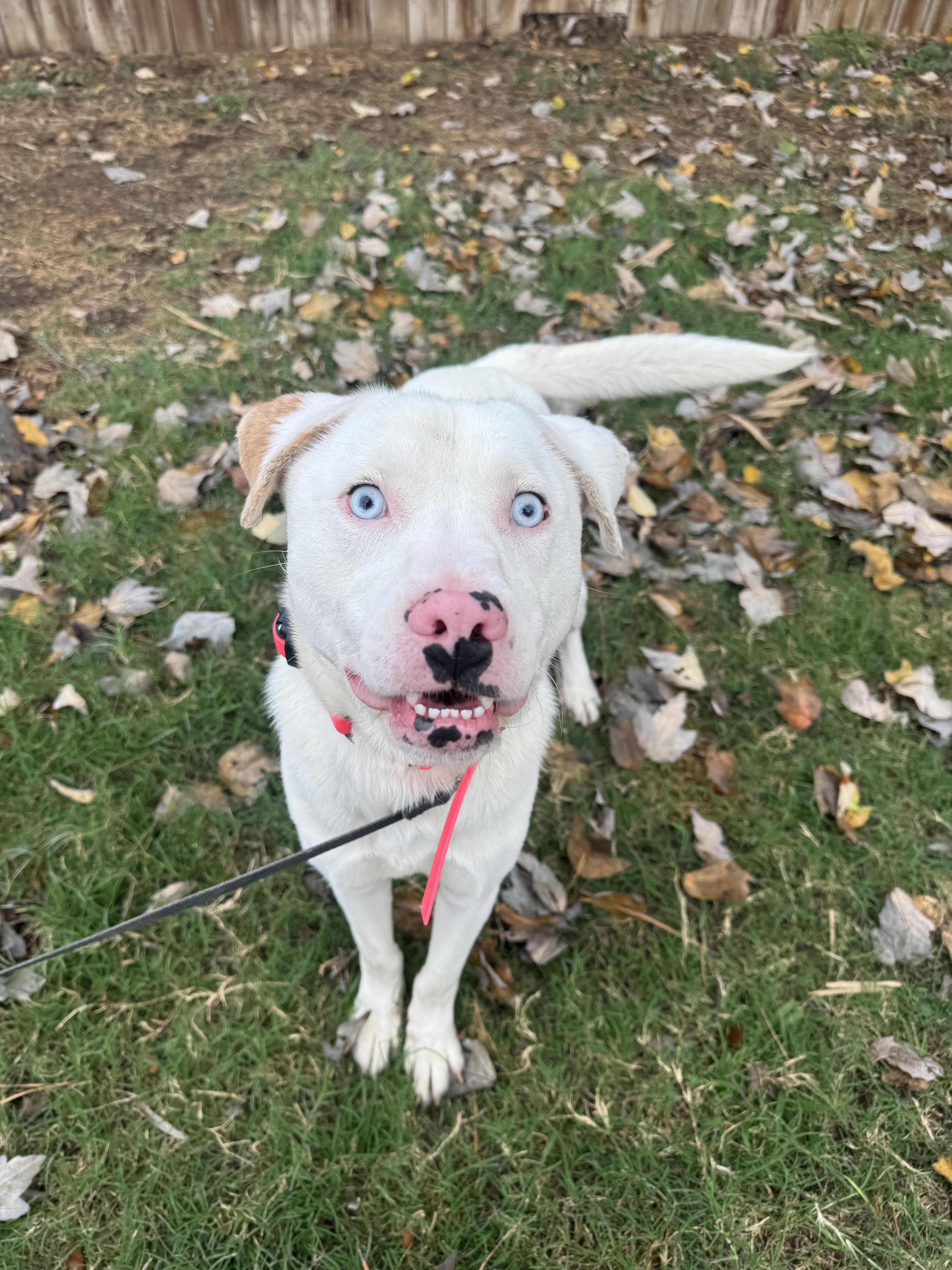
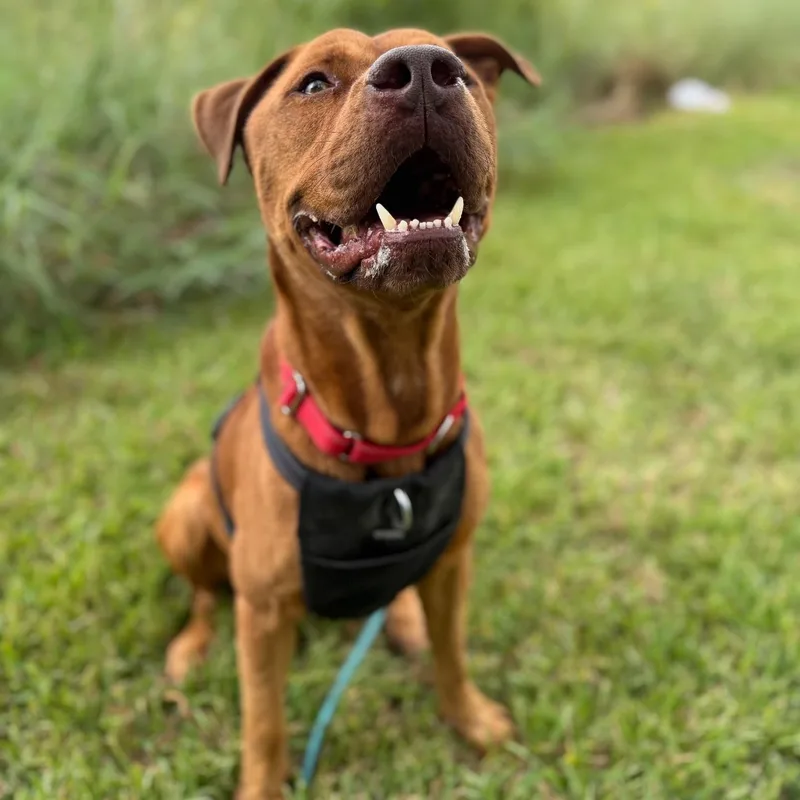
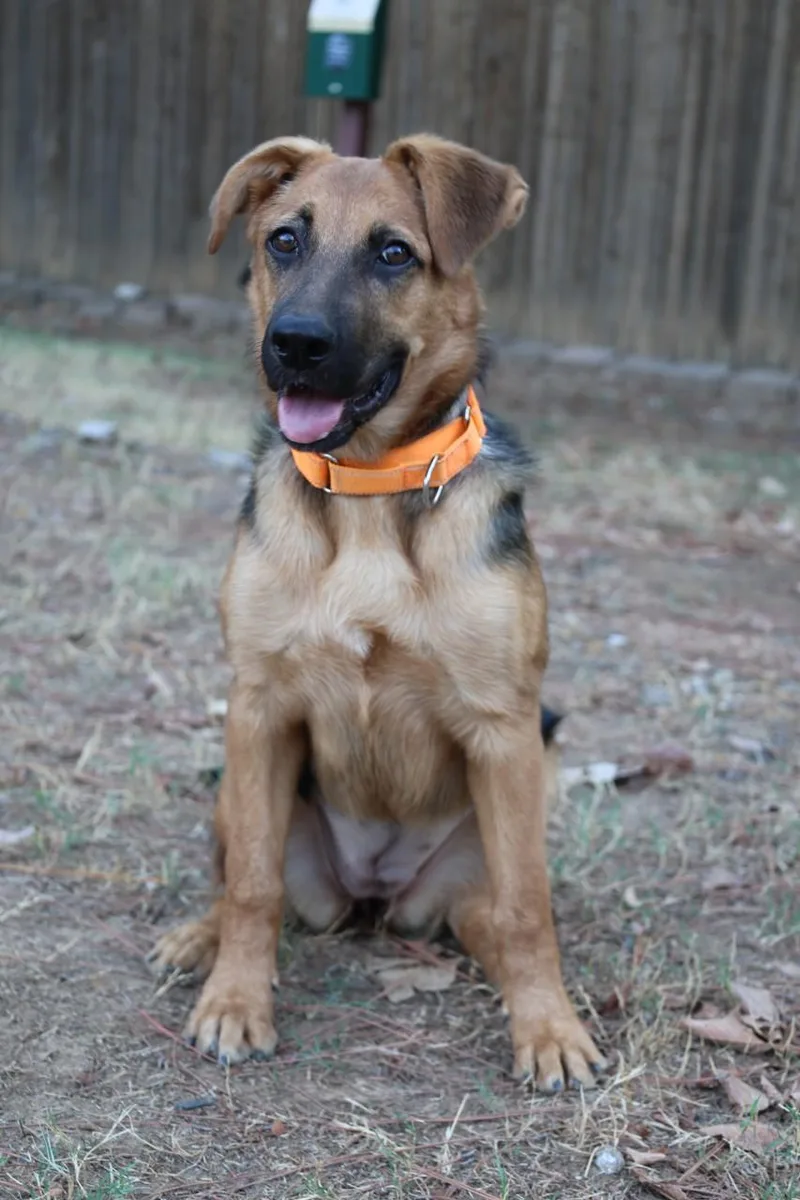
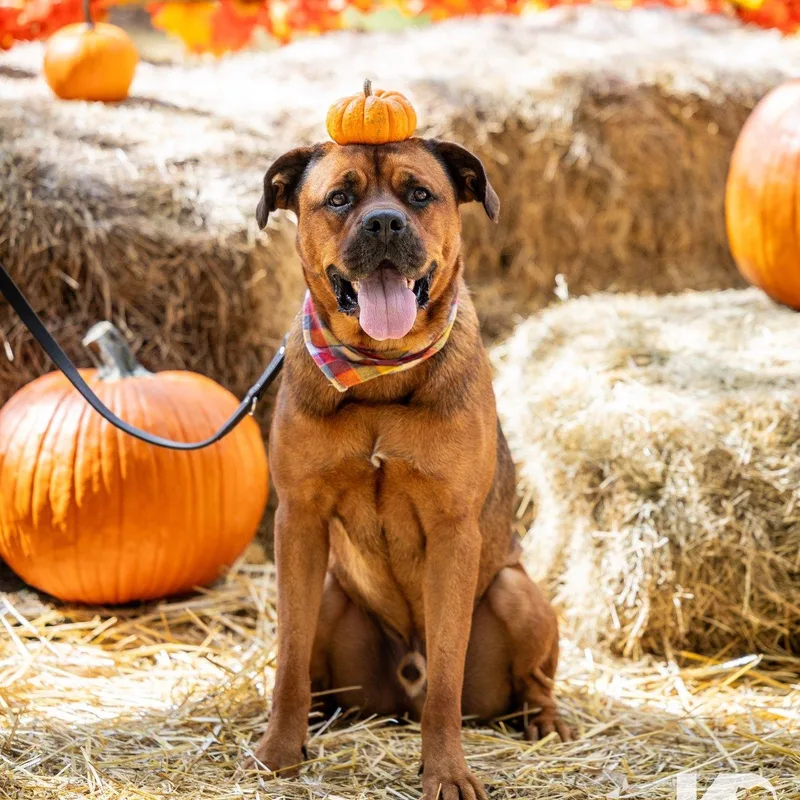
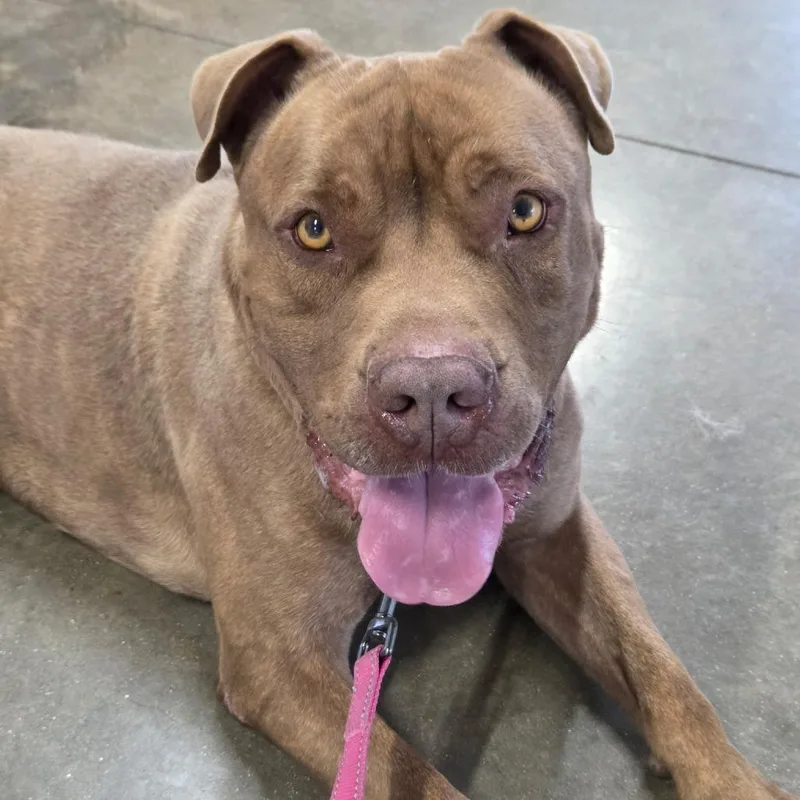
Dogue de Bordeaux Available for Adoption Near New Orleans

About the Dogue de Bordeaux breed

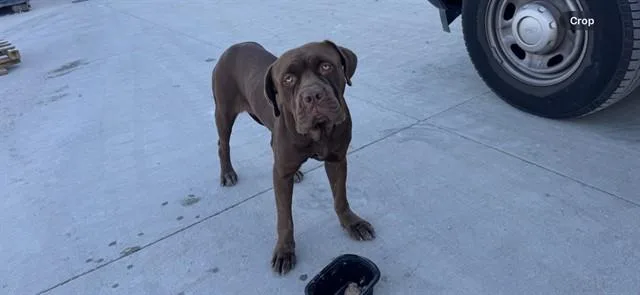
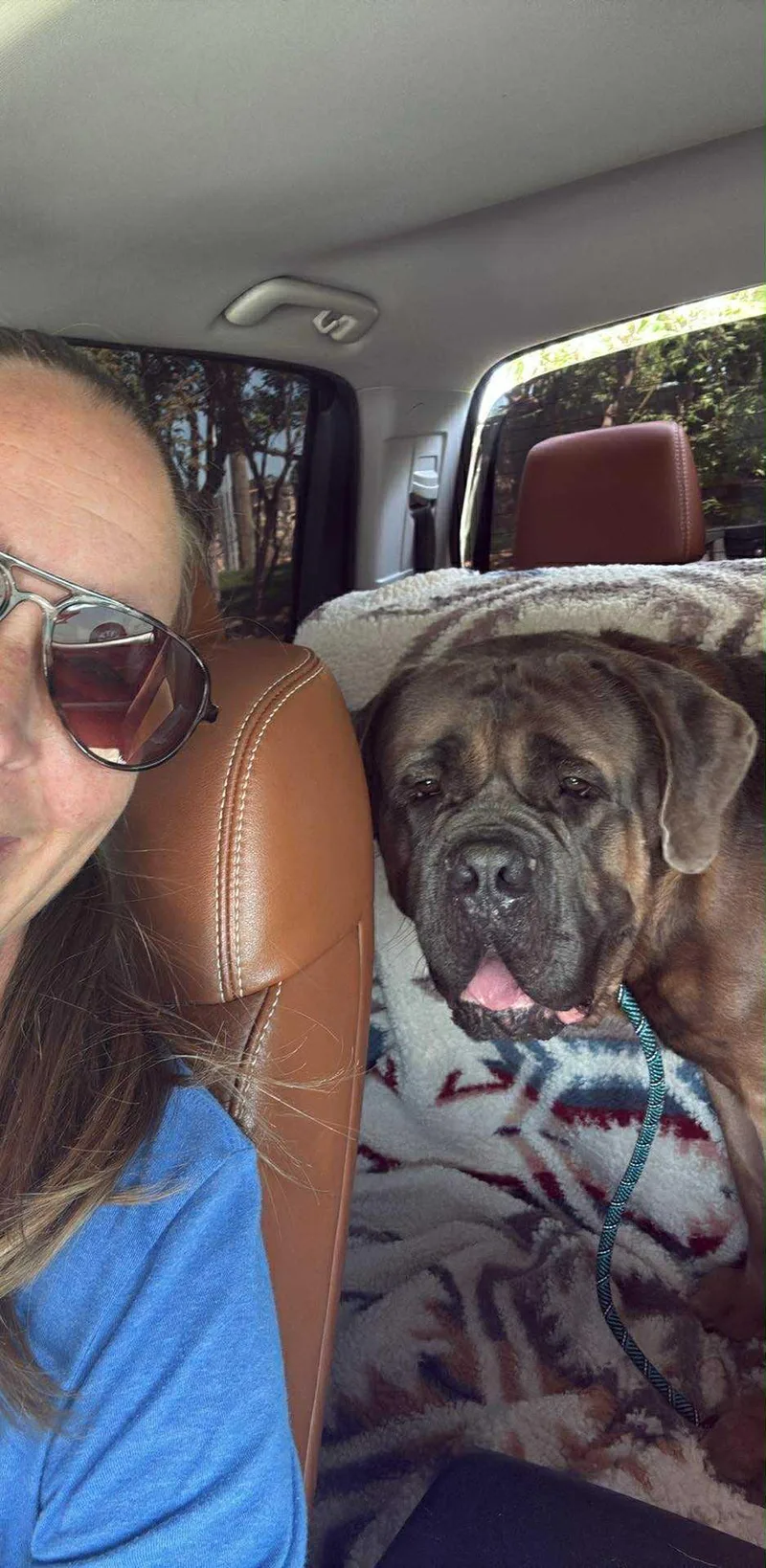
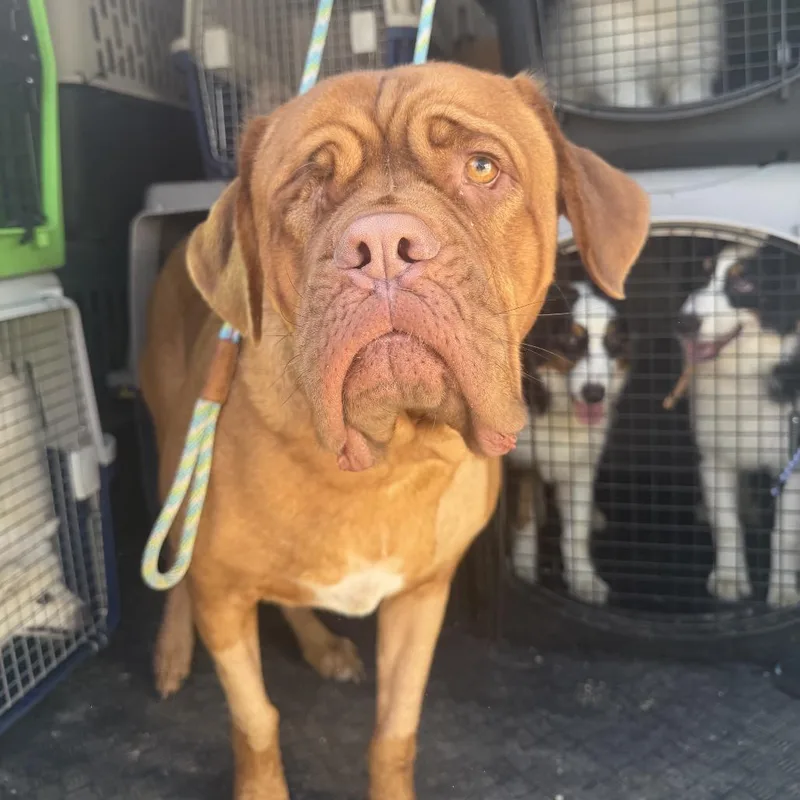
Often called the French Mastiff, the Dogue de Bordeaux is one of France's oldest breeds, used for centuries around Bordeaux as a guardian, drover and estate dog. Its numbers fell to a few hundred by the early 1980s, and many Americans first met one in the film Turner & Hooch. The short fawn to mahogany coat, wrinkled brow and enormous head make it easy to spot on any street.

Many Dogues are calm, sensitive and devoted to their families, yet watchful with strangers and strong enough to need early, gentle, consistent training. In a city where neighbors pass by on porches and sidewalks, that watchfulness benefits from steady socialization. Plan for heavy drooling, giant-dog expenses and a lifespan often under ten years, though each dog differs.

Weight
99–145 lbs
Height
23–27 in
Lifespan
5–9 yrs
Temperament
Protective, Loyal, Calm, Devoted
Group
Working
Shedding
Moderate to High

Owning a Dogue de Bordeaux in New Orleans

Having a Dogue de Bordeaux in NOLA

The Dogue pairs a gentle home personality with a guardian's alertness and great strength. In New Orleans, heat, humidity, drool and health risks shape daily life more than its moderate exercise needs do.

Temperament

Dogues tend to be affectionate and devoted, though watchful with strangers and unfamiliar dogs. That matters on busy NOLA sidewalks and porches, where every leashed walk is a chance to practice calm greetings. Sensitive dogs respond to reward-based guidance, not harsh correction. Temperament varies from dog to dog, so match your household to the dog in front of you.

Exercise Needs

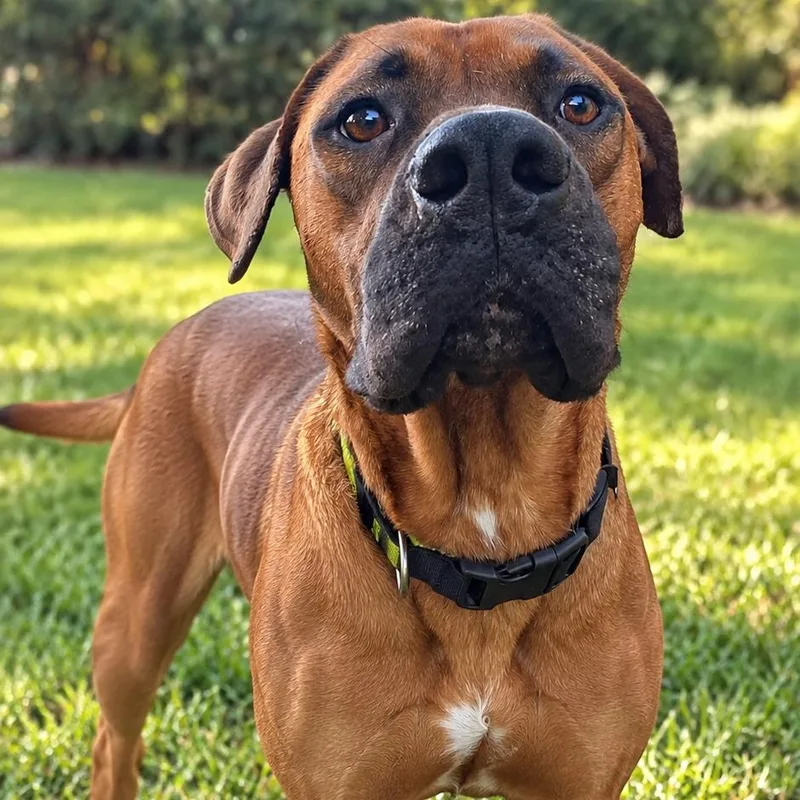
Adults usually need moderate exercise: a couple of unhurried walks, some play and a little training. In NOLA, schedule walks around sunrise or after dark, and keep to leashed routes in open areas. Skip lagoon and bayou edges, where alligators live. Puppies should stay with low-impact activity until about 18 months.

Health Considerations

Serious risks include heart disease such as aortic stenosis, cancer, bloat, hip and elbow dysplasia, and breathing trouble from the short face. Skin folds need regular cleaning, which matters more in humid weather. Year-round heartworm prevention makes sense in New Orleans. A veterinarian can check the heart, joints and airway after adoption.

Living Space

A Dogue can live in a house or apartment with air conditioning, room to stretch out and few stairs. Shotgun doubles and raised homes often have front steps, which are hard on a heavy dog's joints. A fenced yard helps, but the dog should live indoors with the family, not outside.

What it costs to own a Dogue de Bordeaux in New Orleans

ExpenseTypical costPer year
Food$80 to $160 per month$960 to $1,920
Pet insurance$85 to $170 per month$1,020 to $2,040
Routine vet care$250 to $500 per year$250 to $500
Other*$585 to $1,664 per year$585 to $1,664
Estimated yearly total (after year one)$2,815 to $6,124

Other costs are estimates and vary with size, age and health.

* The $10 to $14 New Orleans dog license, giant-size flea, tick and heartworm prevention, a dental cleaning allowance, sturdy toys and bedding, basic coat care, and skin-fold care and joint supplements.

Adopt a Dogue de Bordeaux in New Orleans.

Now that you know more, let’s find you a new best friend. These rescues and shelters below have dogs available in and near New Orleans.

Frequently Asked Questions

Yes, New Orleans has no breed-specific rules, so a Dogue de Bordeaux is treated like any other dog. You'll need a rabies vaccination, a yearly city license tag, a leash of six feet or less off your property, and spay or neuter for dogs over six months unless you hold an intact permit. Nearby parishes and towns set their own rules.

They can with careful management, but summer is the hardest season. Highs reach about 90 with warm, humid nights, and a short-faced giant overheats quickly. Walk at dawn or late evening, keep the dog in air conditioning, offer water and shade, and never leave it in a car. Have a backup cooling plan for storm-related power outages.

Yes, if the unit is cool, on the ground floor or has few stairs, and the lease allows a giant dog. Many local rentals are older doubles with front steps, which are tough on a heavy dog's joints. Get breed and weight limits and pet fees in writing, and keep the air conditioning running through the long summer.

City Park's trails, including the Couturie Forest path, are a good bet for leashed walks, and Audubon Park's 1.8-mile loop works in cooler hours. The free fenced runs at Wisner Playground and Crescent Park suit a calm Dogue. Stay away from lagoon edges, since alligators live there, and remember NOLA City Bark requires a permit.

Not on RTA buses or streetcars, unless the dog is a service animal. RTA allows pets only in a carrier that fits on your lap, which rules out a giant breed. New Orleans has streetcars rather than a subway. For vet visits and errands, plan on a car or a ride that accepts large dogs.

Not much, though humidity adds a little work. Brush weekly with a rubber curry to handle year-round shedding, wipe face wrinkles weekly or daily so trapped moisture doesn't cause infection, and bathe about monthly. Most owners can do this at home, so grooming adds little to the Other costs in the budget above.

It can be, for a home with air conditioning, a heat plan and time for early training. Mild winters and easy walks suit the breed's moderate exercise needs, but summers and hurricane season take planning. Under the City-Assisted Evacuation plan, larger pets travel on a separate bus from their owners, so a giant dog needs a backup evacuation plan.

Don't count on it. Louisiana has no state law allowing dogs on restaurant patios, so access depends on each venue, and you should assume dining rooms indoors are off limits. A drooling giant breed is also a tight fit at small patio tables. Stick to places that clearly welcome dogs, and bring water and a mat.

A Dogue de Bordeaux is not inherently dangerous, but it is a powerful guardian breed whose size and protective instincts demand responsible handling. Most are gentle and affectionate with their families. Poor socialization, rough training or weak containment raise the risk of problems with strangers or other dogs. Early training and an experienced owner make a big difference.

Budget roughly $2,800 to $6,100 a year, counting food at $80–$160 a month, pet insurance at $85–$170 a month, routine vet care at $250–$500 a year and other costs of about $585–$1,664. Giant-dog food and higher insurance premiums drive most of the total. Emergency care for bloat or heart problems would be on top.