Black and Tan Coonhound Dogs for Adoption in New Orleans, LA

Your guide to finding and caring for a Black and Tan Coonhound in NOLA

A Black and Tan Coonhound does best in a New Orleans house with a fenced yard, like the post-war homes of Pontchartrain Park, rather than a shotgun double with a shared wall. These big, mellow hounds will happily sprawl on a porch or sofa, but that deep bay carries down a block. Plan on long, sniff-heavy walks on a leash, a tall solid fence, and a dog who naps hard afterward.

181 Black and Tan Coonhounds available in New Orleans and nationwide

Fall for a Black and Tan Coonhound

While we don't have enough dogs near New Orleans, keep in mind that many rescues may offer transport.

Black and Tan Coonhounds Available for Adoption Near New Orleans

About the Black and Tan Coonhound breed

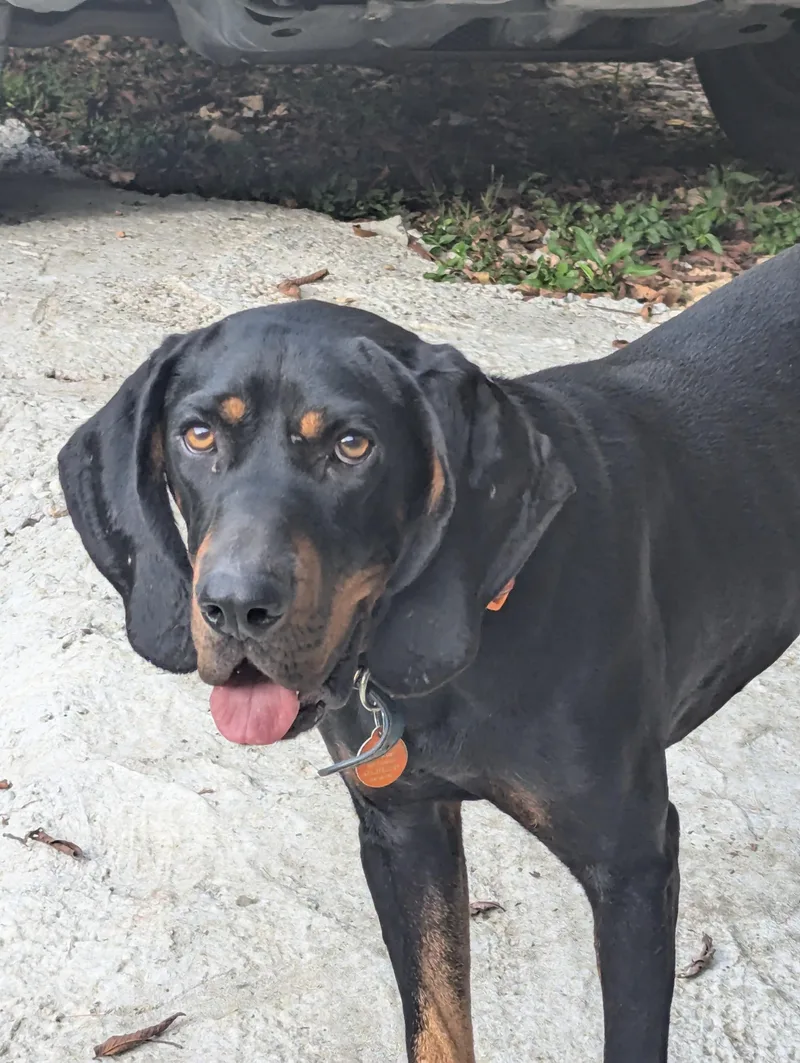
The Black and Tan Coonhound was developed in the American South to trail raccoons through the night by scent and hold them at a tree. It descends from colonial-era foxhounds with Bloodhound influence, and the AKC recognized it in 1945. Adults are big, rangy hounds, often 50 to 100 pounds, with a short coal-black coat, rich tan markings and long ears that fold well past the nose.

At home, many are mellow and friendly, easy company for people and other dogs. Outside, the nose leads, and recall can vanish once a trail turns up, so leashes and tall fencing matter in a city where busy streets and bayou edges sit close to many yards. Expect a deep, carrying voice and moderate shedding. Each hound is different, so judge the dog in front of you.

Weight
50–100 lbs
Height
23–27 in
Lifespan
10–12 yrs
Temperament
Easygoing, Friendly, Vocal
Group
Hound
Shedding
Moderate

Owning a Black and Tan Coonhound in New Orleans

Having a Black and Tan Coonhound in NOLA

Black and Tans pair a relaxed, sociable manner indoors with a powerful nose and a big voice outdoors. In NOLA, size, noise and scent drive most decisions: a secure yard, leashed walks, and a home where a bay won't strain relations with close neighbors.

Temperament

Most Black and Tans are even-tempered and sociable, and because they were bred to work in packs, many enjoy other dogs. Some are reserved with strangers. Independence is part of the package: a hound may weigh your cue against an interesting smell. In dense neighborhoods, expect the bay to announce visitors, squirrels and passing dogs.

Exercise Needs

Plan on a long daily walk with plenty of time to sniff, plus play in a fenced yard. In New Orleans, leashed loops in City Park, Audubon Park's 1.8-mile path or the Lafitte Greenway work well. Keep the leash at six feet or less, since a fresh scent can override recall. Scent games add easy mental work.

Health Considerations

Watch for hip dysplasia, ear infections in the long folded ears, eye problems and hypothyroidism. Deep-chested hounds carry some bloat risk, so learn its warning signs. Heartworm is a real concern in Louisiana's warm, humid climate, so year-round prevention is wise, and a veterinarian can test and advise. Keep the dog lean to protect the joints.

Living Space

A house with a tall, solid, dig-proof fence suits a Black and Tan best, such as the bungalows of Lakeview or Gentilly. Shotgun doubles and condos can work with long daily walks, but the bay travels through shared walls. Indoors, many are calm and content to sprawl near their people.

What it costs to own a Black and Tan Coonhound in New Orleans

ExpenseTypical costPer year
Adoption fee$300, one time$300 in year one
Food$55 to $110 per month$660 to $1,320
Pet insurance$55 to $110 per month$660 to $1,320
Routine vet care$250 to $500 per year$250 to $500
Other*$485 to $1,264 per year$485 to $1,264
Estimated yearly total (after year one)$2,055 to $4,404
First-year total (with adoption fee)$2,355 to $4,704

Adoption fee is the fee on Black and Tan Coonhound listings in New Orleans on GetBuddy today. Other costs are estimates and vary with size, age and health.

* The $10 New Orleans dog license for a spayed or neutered dog, year-round flea, tick and heartworm prevention, a dental cleaning allowance, toys and bedding, and basic home grooming with ear cleaning.

Adopt a Black and Tan Coonhound in New Orleans.

Now that you know more, let’s find you a new best friend. These rescues and shelters below currently have Black and Tan Coonhounds available.

Frequently Asked Questions

Yes, New Orleans has no breed-specific rules, so a Black and Tan Coonhound is treated like any other dog. Dogs need rabies vaccination, a yearly city license tag, and spaying or neutering after six months unless an intact permit is held. Keep the leash at six feet or less off your property. Neighboring towns can differ, so confirm their rules before moving.

Leashed walks on City Park's 24 miles of trails, Audubon Park's 1.8-mile loop and the Lafitte Greenway suit a hound whose nose can override recall. For off-leash play, NOLA City Bark needs a paid permit, while Wisner Playground and Crescent Park have free fenced runs. Stay clear of lagoon and bayou edges, where alligators live.

With care, yes. Summer highs reach about 90°F and nights stay in the upper 70s, so walk at dawn or after dark, carry water and test pavement with your hand. The short coat helps, but heavy panting, drooling or red gums mean cooling the dog and calling a vet. Never leave a dog in a parked car.

It's possible but not ideal. Black and Tans are calm indoors, yet a 50-to-100-pound hound with a loud, carrying bay can strain relations in doubles and condos with shared walls. A ground-floor unit, long daily sniff walks and scent games make it easier. Confirm weight limits and pet fees before applying.

Generally not. RTA allows pets on buses and streetcars only in a carrier that fits on your lap, and a Black and Tan Coonhound is far too big. Service animals are the exception. New Orleans has streetcars rather than a subway, so plan on walking or driving for outings with your hound.

Very little. The short, dense coat needs a weekly hound-mitt brushing, with a bit more during seasonal sheds. In New Orleans' heat and humidity, check and clean the long ears weekly and dry them after rain or baths. Never shave the coat. Home grooming costs little, and a professional bath is optional.

Only where a venue chooses to allow it. Louisiana has no state law permitting dogs in outdoor dining areas, so patio access depends on each restaurant, and dining rooms are generally off-limits. Bring water and a mat, and expect a baying hound to draw attention. A calm, well-exercised dog does best.

Black and Tan Coonhounds typically live about 10 to 12 years. Lifespan depends on genetics, weight, exercise and veterinary care, and keeping one lean is among the most useful things an owner can do, since extra pounds strain the hips and joints of a large hound. Regular ear care and learning the signs of bloat also help protect a coonhound's health over the years.

We have 1 rescue with Black and Tan Coonhounds available: Take Paws Rescue. You can see every rescue with Black and Tan Coonhounds available in the list above these questions, or scroll to the top to see the Black and Tan Coonhounds near New Orleans.

Expect roughly $2,050 to $4,400 a year for a Black and Tan in New Orleans. That covers food ($55–$110 a month), pet insurance ($55–$110 a month), routine vet care ($250–$500 a year) and other costs ($485–$1,264 a year). New adopters should also budget for a crate, a sturdy leash and fence repairs.

Find Black and Tan Coonhounds in Nearby Cities

Expand your search to find Black and Tan Coonhounds available for adoption near New Orleans.