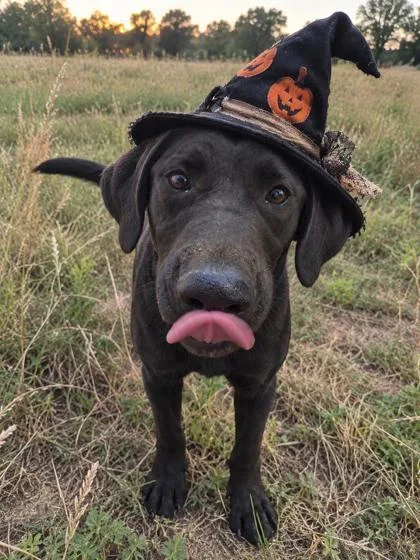
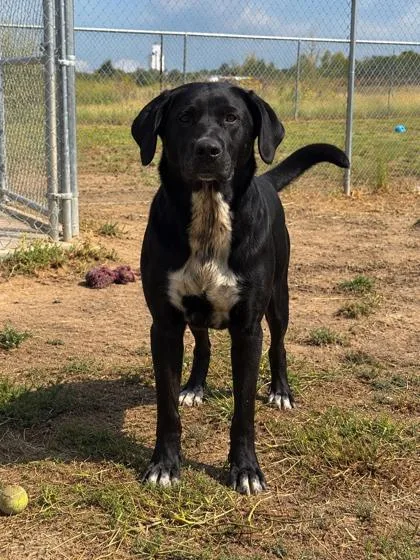
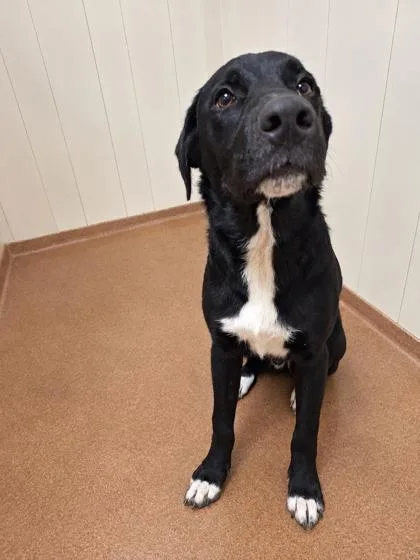
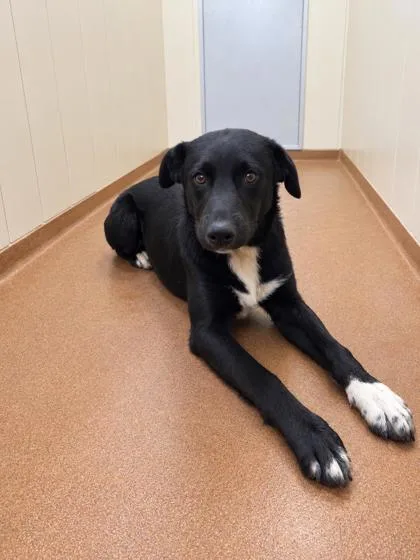
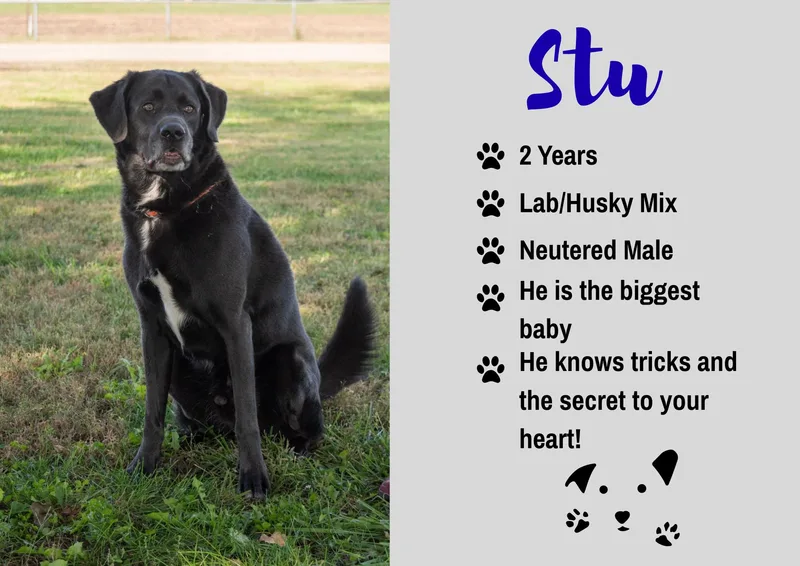
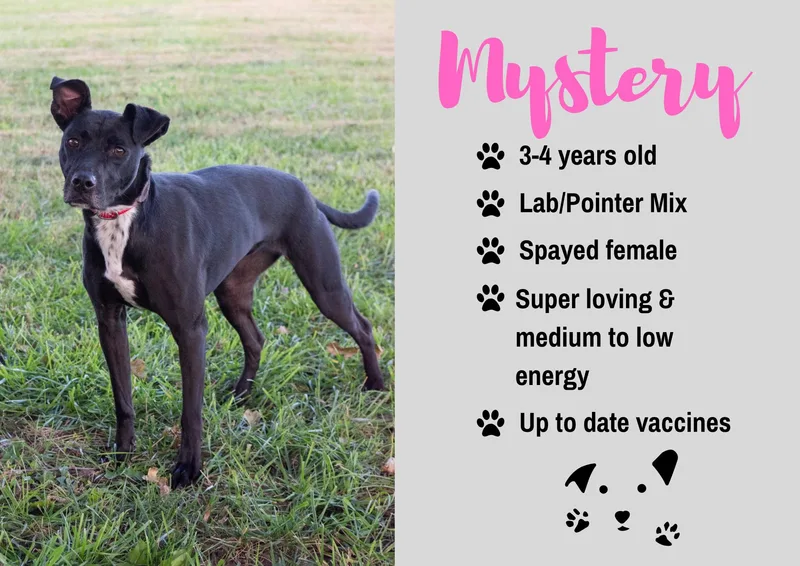
Black Labrador Retriever Dogs for Adoption in Wichita, KS

Your guide to finding and caring for a Black Labrador Retriever in Wichita

Black Labs suit Wichita's yard-and-river-path neighborhoods, as long as someone has time to wear them out. In Riverside or Benjamin Hills, a Lab can get a backyard romp and a long walk toward the Arkansas River Path in the same day. Labs love company, so they do best with households that are home a fair amount rather than gone ten hours. Their dark coats soak up the sun, so July afternoons call for shade and a full water bowl.

2940 Black Labrador Retrievers available in Wichita and nationwide

Find your Black Labrador Retriever

While we don't have enough dogs near Wichita, keep in mind that many rescues may offer transport.

Black Labrador Retrievers Available for Adoption Near Wichita

About the Black Labrador Retriever breed

A black Lab is a Labrador Retriever in the breed's original color, not a separate breed. Labs descend from the St. John's water dogs of Newfoundland and were refined in Britain as gun dogs, which explains the water-resistant double coat, otter tail and athletic frame. Adults usually weigh 55 to 80 pounds and stand 21 to 25 inches tall.

Color doesn't change personality. Black Labs tend to be friendly, food-motivated and eager to please, and they mature slowly through a bouncy adolescence. In Wichita, that means planning for daily exercise, steady training, measured meals and plenty of brushing when the coat sheds. Some Labs are leaner and more driven than others, so a dog's age and energy matter more than its coat.

Weight
55–80 lbs
Height
21–25 in
Lifespan
10–14 yrs
Temperament
Friendly, Outgoing, Active
Group
Sporting
Shedding
Moderate to High

Owning a Black Labrador Retriever in Wichita

Having a Black Labrador Retriever in Wichita

Energy, appetite and heavy seasonal shedding shape life with a black Lab far more than coat color does. Wichita's hot summers and cold winters add timing questions for exercise, so match a dog's age and drive to your routine.

Temperament

Black Labs tend to be outgoing and affectionate with family, guests and other dogs, which suits friendly Wichita neighborhood walks. Young dogs can be mouthy and boisterous, and strong enough to knock over small children. Food motivation makes reward-based training effective. A Lab's history and socialization matter more than breed reputation or coat color.
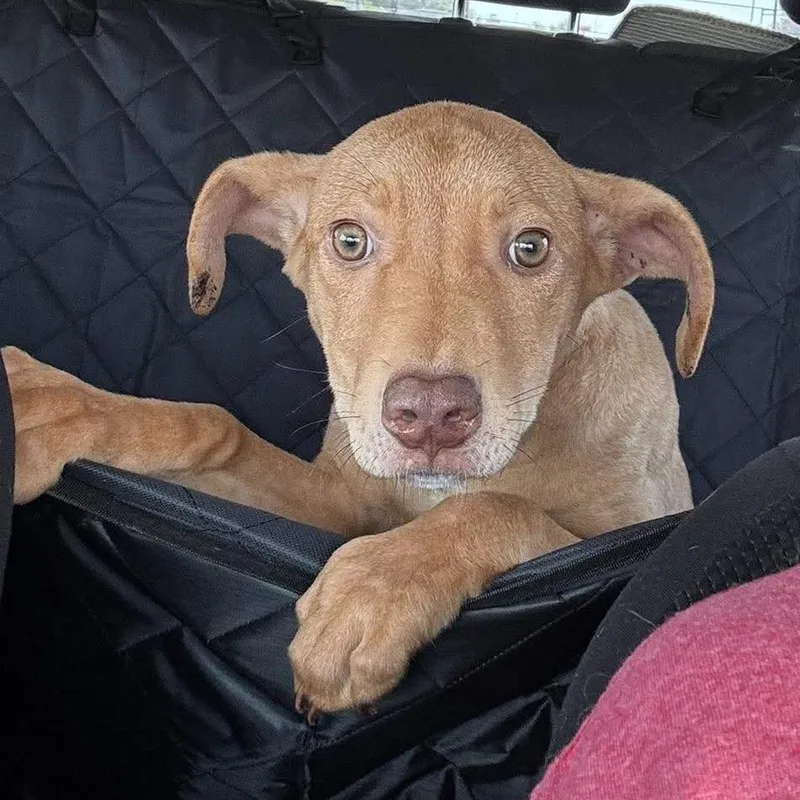
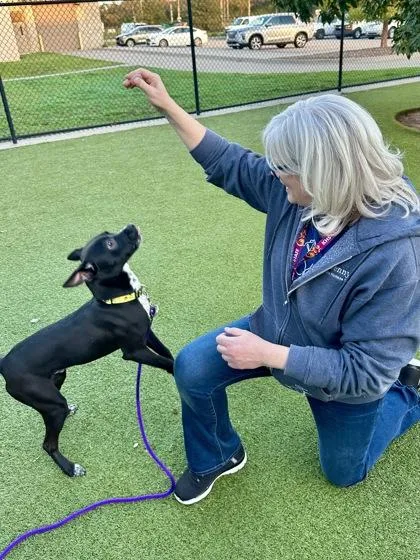
Exercise Needs

Most adult black Labs need an hour or more of vigorous activity daily. In Wichita, that can mean leashed miles on the roughly 10-mile Arkansas River Path, or fetch at the fenced K-9 Rooster Dog Park. In summer, shift runs to early morning, and use scent games or training on icy days.

Health Considerations

Labs can face hip and elbow dysplasia, cruciate ligament tears, exercise-induced collapse, progressive retinal atrophy, ear infections and skin allergies. Obesity is common, so measure meals and weigh regularly. A veterinarian can check hips, elbows and weight at the first visit. Heartworm and tick prevention matter for Wichita's grassy trails.

Living Space

Wichita's neighborhoods of houses with yards suit a Lab well, though a fence doesn't replace walks and company. Apartments can work when daily exercise is covered. Expect shed hair, a sweeping tail and a dog that wants to live indoors with the family rather than alone in the yard.

What it costs to own a Black Labrador Retriever in Wichita

ExpenseTypical costPer year
Adoption fee$250, one time$250 in year one
Food$55 to $110 per month$660 to $1,320
Pet insurance$65 to $130 per month$780 to $1,560
Routine vet care$250 to $500 per year$250 to $500
Other*$590 to $1,465 per year$590 to $1,465
Estimated yearly total (after year one)$2,280 to $4,845
First-year total (with adoption fee)$2,530 to $5,095

Adoption fee is the fee on Black Labrador Retriever listings in Wichita on GetBuddy today. Other costs are estimates and vary with size, age and health.

* The $15 Wichita dog license for a spayed or neutered dog, flea, tick and heartworm prevention, a yearly dental cleaning, supplies, and grooming for heavy seasonal shedding.

Adopt a Black Labrador Retriever in Wichita.

Now that you know more, let’s find you a new best friend. These rescues and shelters below currently have Black Labrador Retrievers available.

Rescues in Wichita with Black Labrador Retrievers Available

Wichita's shelters and rescues stay busy year-round, and the ones below list dogs for adoption as pets come in. Here are the rescues & shelters in the Wichita area where you can find Black Labrador Retrievers and other dogs available for adoption.

Frequently Asked Questions

Yes. Wichita applies the same rules to Labs as to other dogs, and none single out the breed. Every dog and cat five months or older must be microchipped, and households can keep up to three dogs without an animal maintenance permit. Dog licenses start at five months, so renew yours when the rabies vaccine is due.

Yes, if its daily exercise is covered. Choose a building near green space or the river path, plan midday breaks, and confirm the lease has no weight limit for a dog of 55 to 80 pounds. Labs want company and shed a lot, so long days alone can lead to chewing and barking.

Yes, with precautions. A black coat absorbs heat, so exercise at dawn or after dark, provide shade and water, and keep your Lab indoors on 100-degree afternoons. Call a veterinarian if you see heavy panting, a staggering gait or unresponsiveness. Never leave a dog in a parked car, even briefly.

K-9 Rooster Dog Park, 8.1 acres along the Arkansas River, gives a Lab room to run off leash. The roughly 10-mile Arkansas River Path suits long leashed walks, and Pawnee Prairie Park has marked loops. Off-leash parks require neutered, licensed, vaccinated dogs at least 5 months old, and hours run 6 a.m. to midnight.

Not easily. Wichita Transit runs buses only, and pets that aren't service animals must ride in an approved, fully enclosed carrier. Adult Labs typically weigh 55 to 80 pounds, too big for one, so plan on car trips. Service animals are permitted but must be declared when boarding.

Sometimes, on patios. Kansas law lets restaurants admit leashed, well-behaved dogs to outdoor areas, and microbreweries may allow dogs indoors, but each business decides. Dogs can't sit on tables or be fed from restaurant dishes. Bring a mat and your own water bowl, and expect a Lab to settle best after a long walk.

Plan on weekly brushing most of the year and near-daily brushing during the heavy spring and fall sheds. A bath every month or two is plenty. Professional deshedding sessions are optional and fall under the Other line in the cost table. Dry winter air can cause itchy skin, so watch for scratching.

A Labrador Retriever is a large sporting dog developed to retrieve game for hunters, especially from water. Labs have a short, dense double coat, a thick otter tail and a broad head, and they come in black, yellow and chocolate. Many are friendly, food-motivated and eager to work, which makes them common family, guide and service dogs.

We have 1 rescue with Black Labrador Retrievers available: Beauties and Beasts Rescue. You can see every rescue with Black Labrador Retrievers available in the list above these questions, or scroll to the top to see the Black Labrador Retrievers near Wichita.

Expect roughly $2,280 to $4,845 a year for a black Lab in Wichita. That covers food at $55 to $110 a month, insurance at $65 to $130 a month, routine vet care at $250 to $500 a year, and other costs at $590 to $1,465 a year. Emergencies, boarding and training are extra.