Lancashire Heeler Dogs for Adoption in Indianapolis, IN

Your guide to finding and caring for a Lancashire Heeler in Indy

Lancashire Heelers suit Indianapolis's bungalow neighborhoods, since a small dog with a lot of drive can burn energy on a short loop. In Irvington, a walk past the porches to Ellenberger Park and onto the Pleasant Run Greenway makes an easy daily routine. They're alert, chatty dogs who'll announce every delivery driver, so a house or ground-floor unit works better than a quiet shared hallway. Winter here is cold enough that a 15-pound Heeler wants a coat by January.

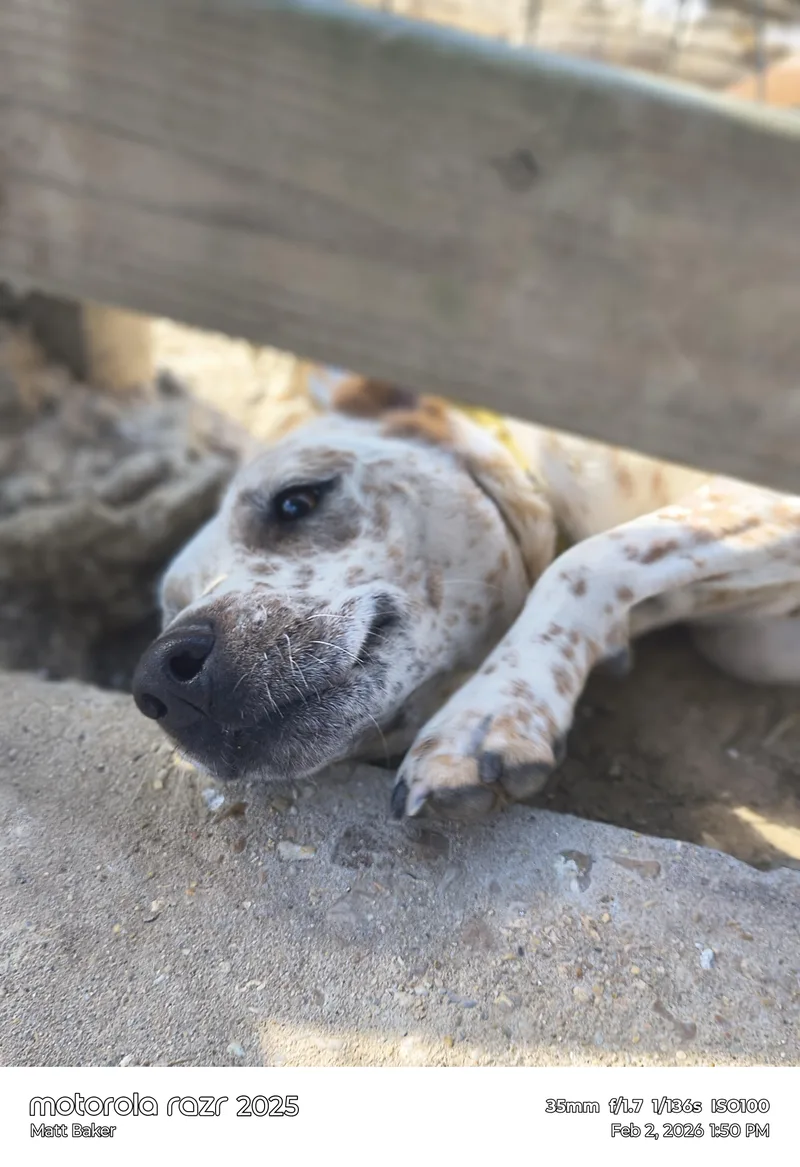
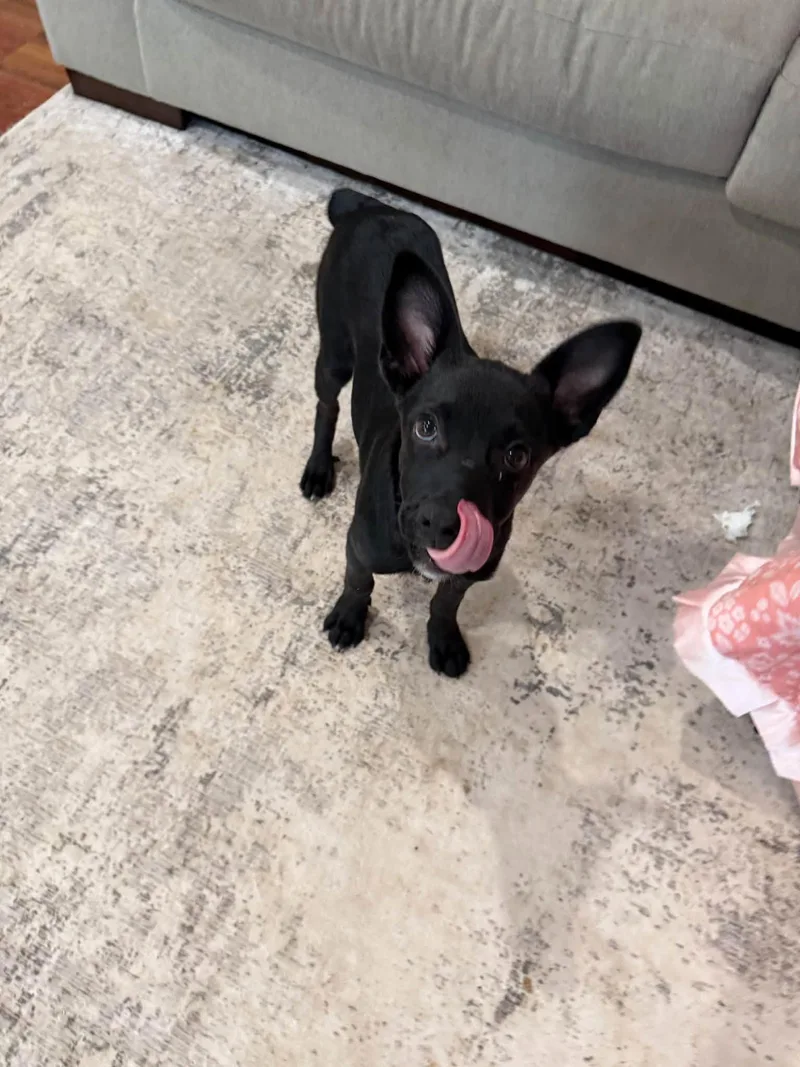
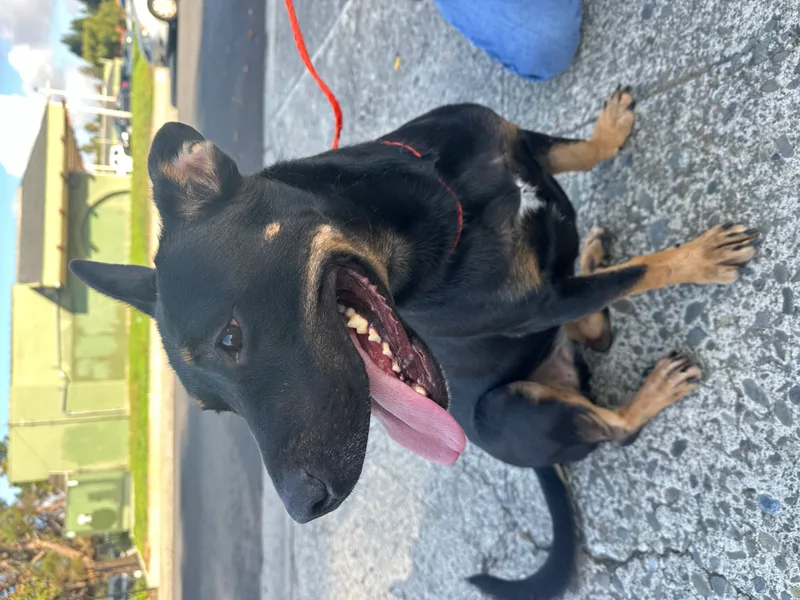
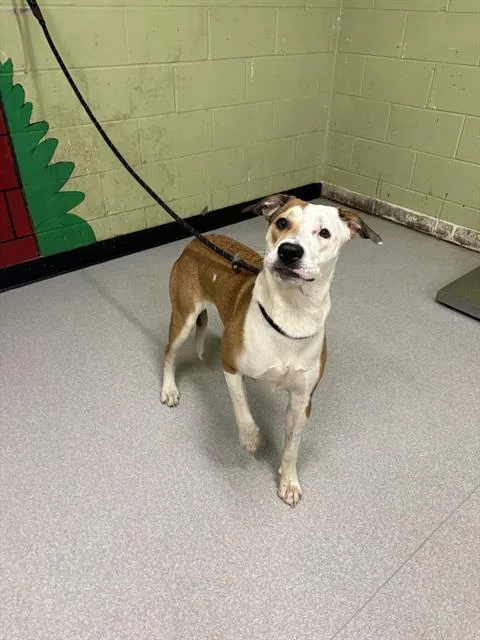
26 Lancashire Heelers available in Indianapolis and nationwide

Find your forever Lancashire Heeler

While we don't have enough dogs near Indianapolis, keep in mind that many rescues may offer transport.

Lancashire Heelers Available for Adoption Near Indianapolis

About the Lancashire Heeler breed

The Lancashire Heeler is a short-legged herding dog from northwest England, generally thought to descend from Welsh Corgis and Manchester Terriers. Adults weigh about 9 to 17 pounds and stand 10 to 12 inches tall, with a smooth, weather-resistant coat in black and tan or liver and tan. The AKC added the breed to its Herding Group in 2024.

Many Heelers are cheerful, affectionate and sharp, with a herder's urge to chase and a ratter's prey drive. In Indy, that makes a secure leash and fence important, since squirrels and rabbits along greenways can override recall. The coat sheds low to moderately, with a heavier seasonal undercoat shed, and lifespans of 12 to 16 years are common. Dogs vary, so adoption is a long commitment worth planning for.

Weight
9–17 lbs
Height
10–12 in
Lifespan
12–16 yrs
Temperament
Alert, Energetic, Affectionate, Intelligent
Group
Herding
Shedding
Low to Moderate

Owning a Lancashire Heeler in Indianapolis

Having a Lancashire Heeler in Indy

A Heeler's compact size and busy mind suit Indianapolis homes, as long as daily exercise and enrichment are part of the routine. Prey drive, a talkative streak and inherited eye conditions are the traits to plan around, whether you rent or own.

Temperament

Many Lancashire Heelers are affectionate with their families and reserved with strangers, and they tend to be vocal. In Indy's closely spaced neighborhoods, that can mean barking at passersby, and city noise rules cover unreasonable animal noise. Chasing or heel-nipping can appear, and temperament varies by dog, so reward-based socialization helps.

Exercise Needs

Plan on daily walks plus play such as fetch, tug or scent games. Indy's greenways, including the Monon Trail and Pleasant Run Greenway, offer plenty of leashed miles, and Eagle Creek Park has a fenced bark park for off-leash running with a pass or daily fee. Mental work like training and puzzles matters as much as distance.

Health Considerations

Heelers are often long-lived but can inherit eye conditions such as primary lens luxation and collie eye anomaly, so a veterinarian's eye exam soon after adoption is worthwhile. Keep up dental care and vaccines. Indiana requires rabies vaccination from three months of age, and Indianapolis requires permanent identification such as a microchip.

Living Space

At 9 to 17 pounds, a Heeler fits Indy apartments, bungalows and suburban houses alike. Barking matters more than square footage, so a quieter building or a ground-floor unit helps. A fenced yard is a plus, but a dog left outside needs a plan for the coldest and hottest days.

What it costs to own a Lancashire Heeler in Indianapolis

ExpenseTypical costPer year
Food$20 to $45 per month$240 to $540
Pet insurance$35 to $70 per month$420 to $840
Routine vet care$200 to $400 per year$200 to $400
Other*$375 to $1,050 per year$375 to $1,050
Estimated yearly total (after year one)$1,235 to $2,830

Other costs are estimates and vary with size, age and health.

* Flea, tick and heartworm prevention, a dental cleaning allowance, toys and bedding, and light grooming for a short coat; Indianapolis has no dog license fee.

Adopt a Lancashire Heeler in Indianapolis.

Now that you know more, let’s find you a new best friend. These rescues and shelters below have dogs available in and near Indianapolis.

Frequently Asked Questions

It can be for active people who are home a fair amount. Indianapolis offers greenways and fenced bark parks, while winter cold and city noise rules mean a Heeler needs a coat and some barking management. Prey drive means a leash outside. Because Heelers are uncommon, watch the listings on this page, similar breeds and nearby cities.

Broad Ripple Bark Park and Eagle Creek's Gordon Gilmer Bark Park give a Heeler fenced off-leash space, which suits a dog with strong prey drive. Elsewhere, the Monon Trail, Pleasant Run Greenway and Eagle Creek Park's trails work on a leash. Bark parks require a pass or $5 daily fee and proof of rabies, distemper, parvo and bordetella vaccines.

Yes, with some help. A Heeler's weather-resistant coat has an undercoat, but at 9 to 17 pounds it chills fast, and Indy gets about 105 freezing nights and 25 inches of snow a year. Use a coat on the coldest days, rinse salt from paws, and keep outdoor time short and supervised.

Yes, in a carrier. IndyGo allows service animals and other pets in a carrying case on its buses, including the Red and Purple Line rapid-transit routes; Indianapolis has no subway. A Heeler's 9 to 17 pounds suits a carrier, but a dog walking on a leash won't qualify. Practice carrier time at home, since Heelers can be vocal.

Yes, if its exercise and noise are covered. At 9 to 17 pounds, a Heeler needs little space, but daily walks and games are essential and many bark at hallway sounds. Indiana sets no cap on pet deposits or pet rent, so compare total monthly cost. A ground-floor unit near the Monon Trail or Cultural Trail makes daily outings easier.

Very little. The short, weather-resistant coat needs brushing a couple of times a week, more during the heavier seasonal undercoat shed in spring and fall. In Indy, wipe salt from paws after winter walks and towel off after humid summer rain. Grooming costs are minimal and fit within the light-grooming allowance in the Other cost line.

A Lancashire Heeler is a small, sturdy herding dog from northwest England, about 10 to 12 inches tall and 9 to 17 pounds, originally used to drive cattle and catch rats on farms. It has a short black-and-tan or liver-and-tan coat, an alert, cheerful personality and plenty of energy. The AKC recognized the breed in 2024.

The Lancashire Heeler's roots likely go back several centuries in Lancashire, England, with some accounts dating it to the 1600s, when farmers and butchers used small heelers to drive cattle. The modern breed was revived in the 1960s, its club formed in 1978, and The Kennel Club recognized it in 1981. The AKC followed in 2024.

Train a Lancashire Heeler with short, upbeat sessions using treats, toys and praise, since these clever dogs learn quickly but bore easily. Start early with recall, leash manners and a quiet cue, and redirect herding nips toward toys. Avoid harsh corrections, which can make them stubborn. Sports like agility and scent work keep training fun.

A Heeler's yearly costs are modest: food runs about $20 to $45 a month, insurance $35 to $70 a month, and routine vet care $200 to $400 a year. Other costs such as parasite prevention, dental care and supplies add roughly $375 to $1,050 a year. Indianapolis has no dog license fee. Emergencies and eye care aren't included.