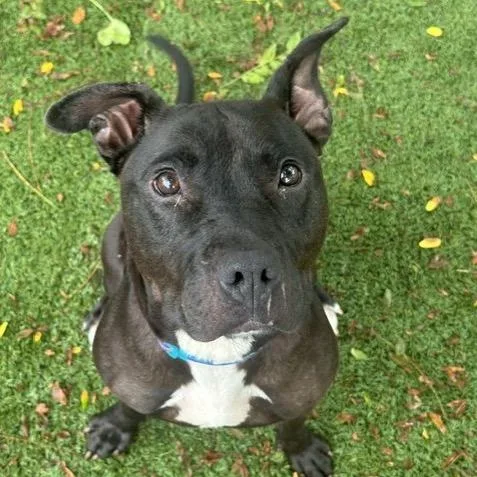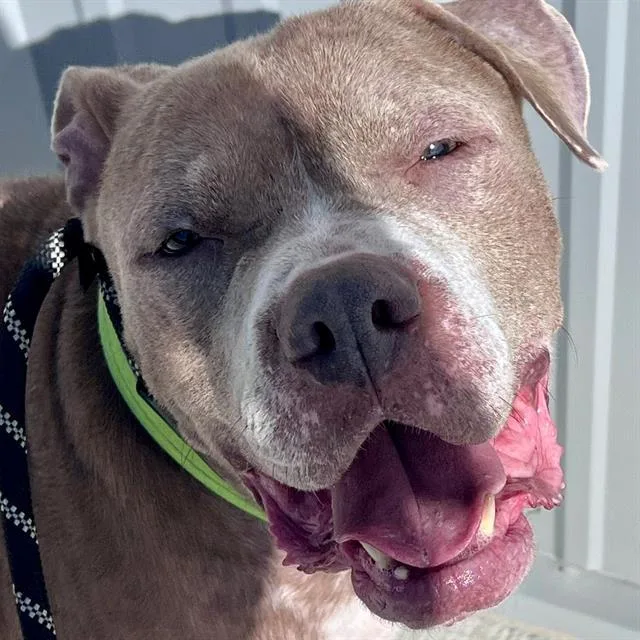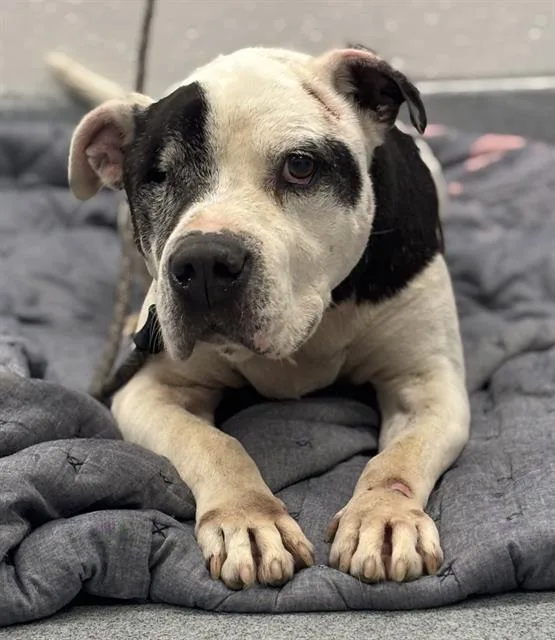
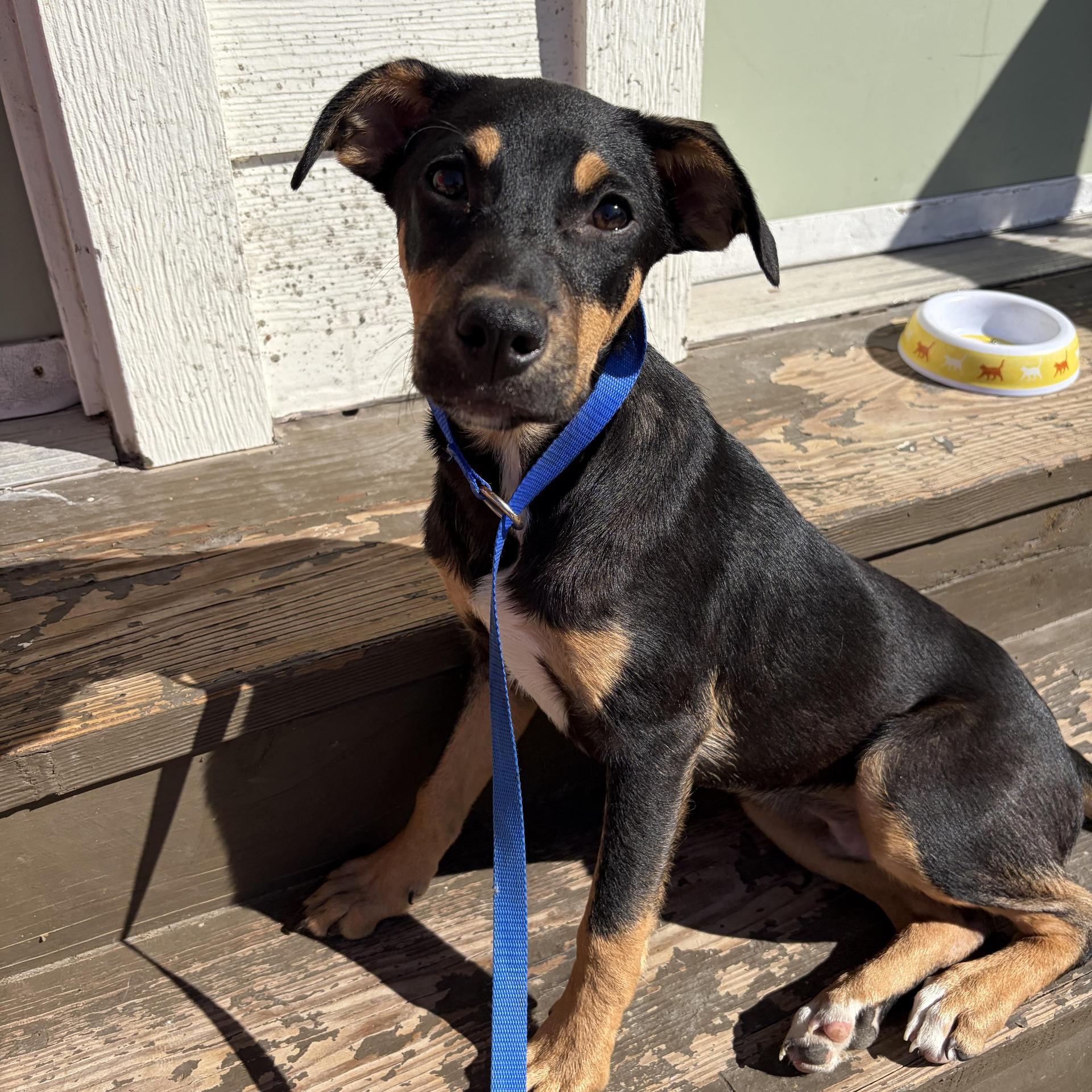



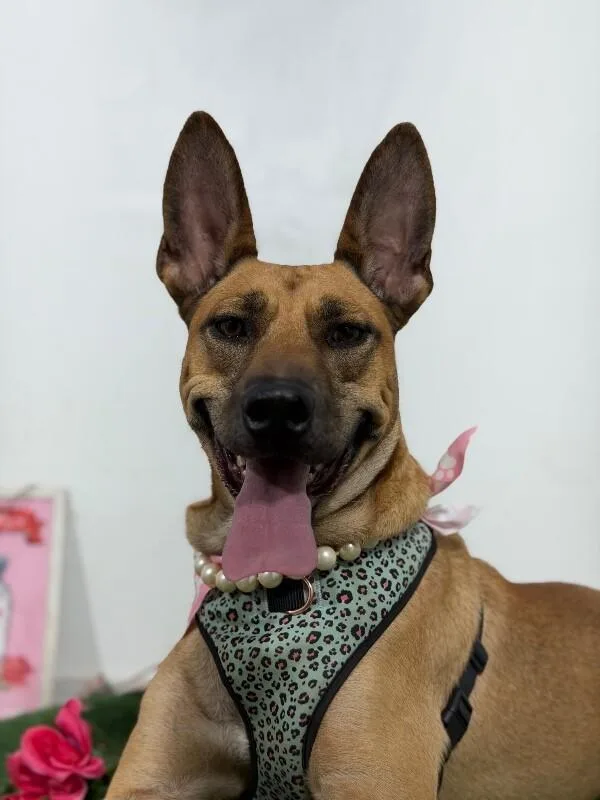
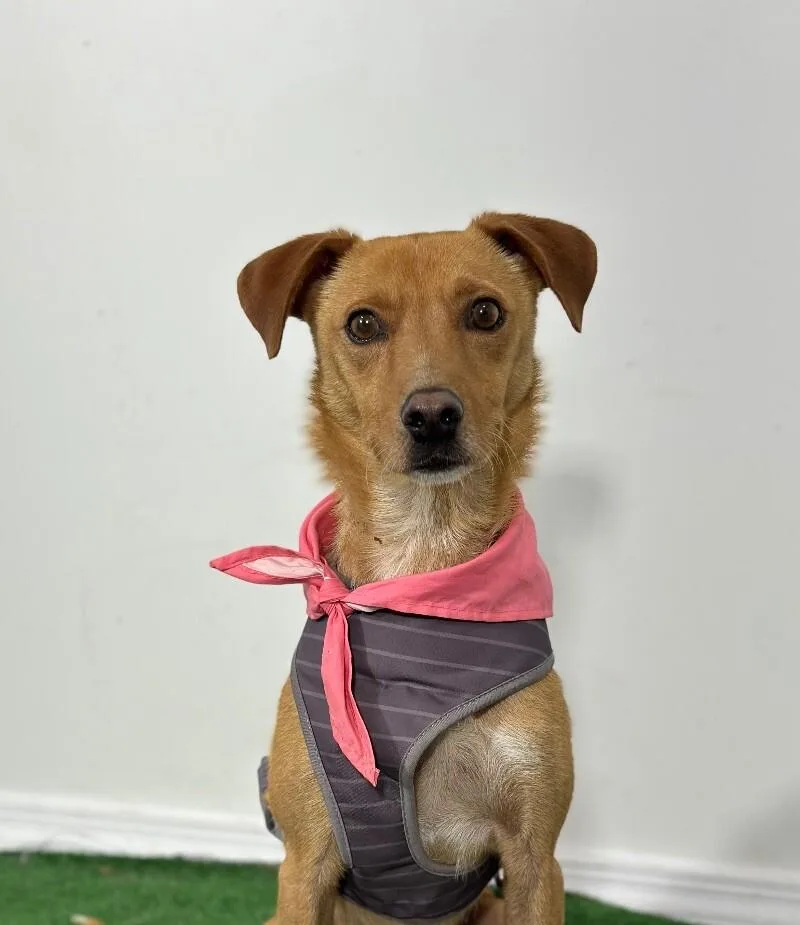
German Pinscher Dogs for Adoption in Indianapolis, IN

Your guide to finding and caring for a German Pinscher in Indy

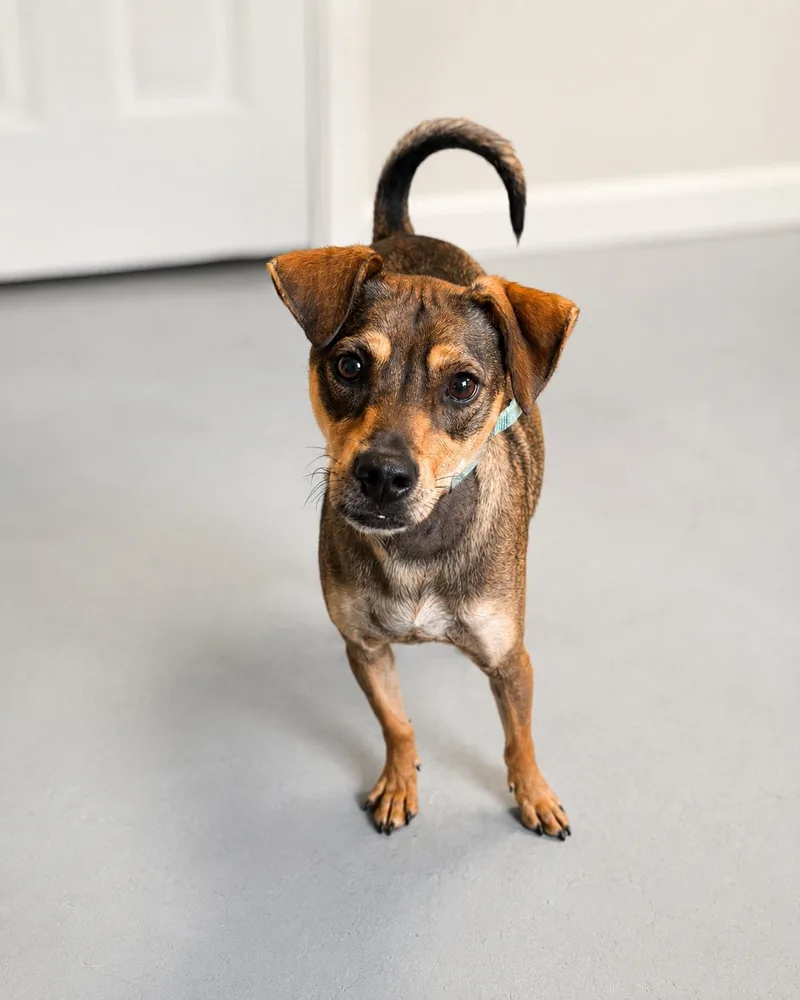
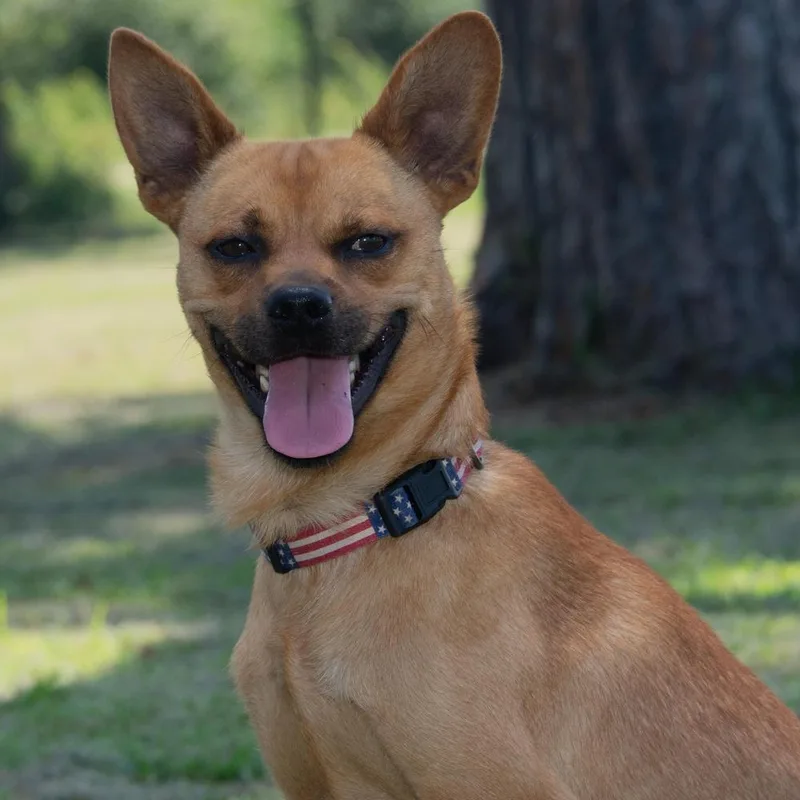
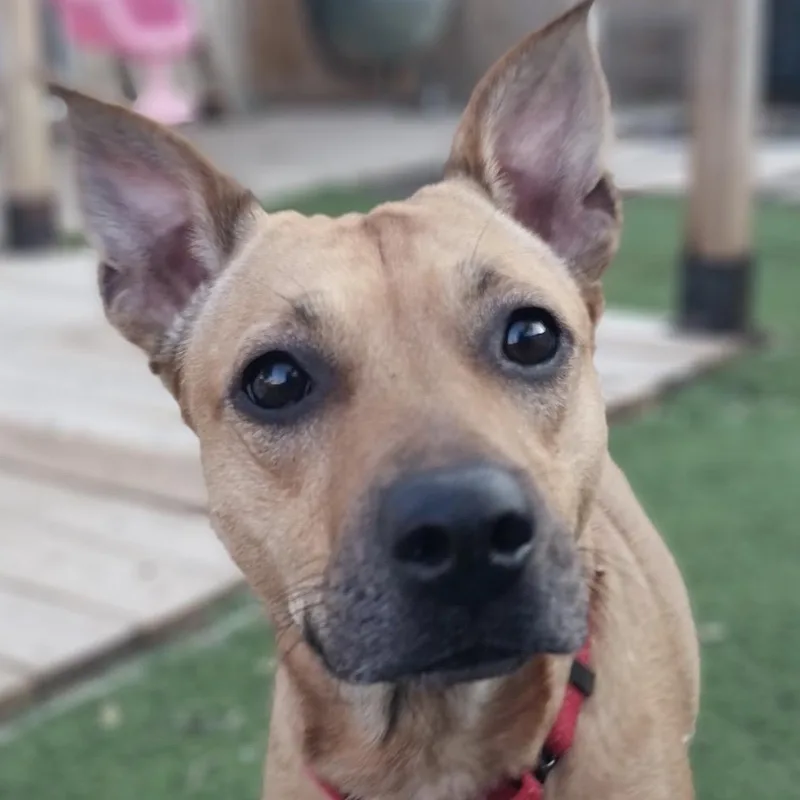
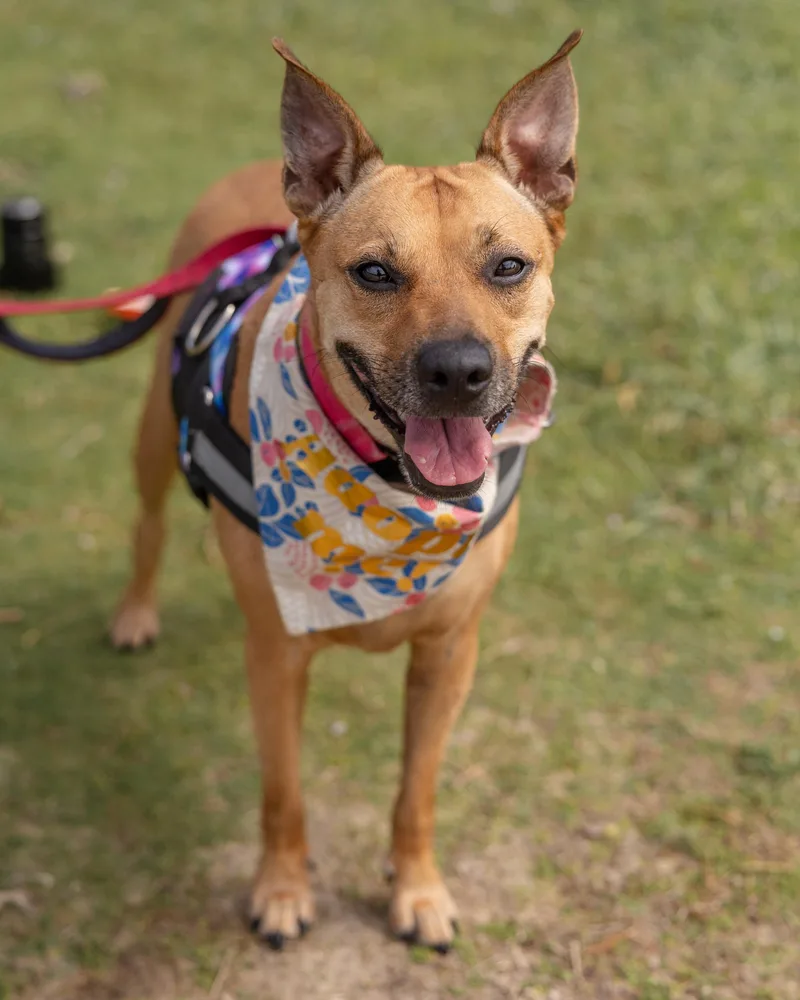
A German Pinscher fits Irvington's bungalow streets and the Pleasant Run Greenway better than you might think. This medium-sized, short-coated dog is quick and alert, so a brisk loop from Ellenberger Park and a few minutes of fetch go a long way. It will also announce every visitor on the porch. A Pinscher suits someone who's home a good part of the day, enjoys training, and doesn't mind a dog that watches the street.

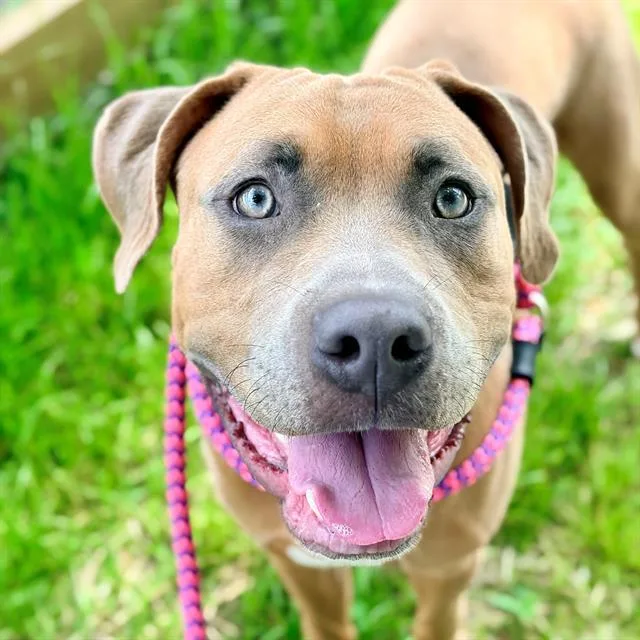
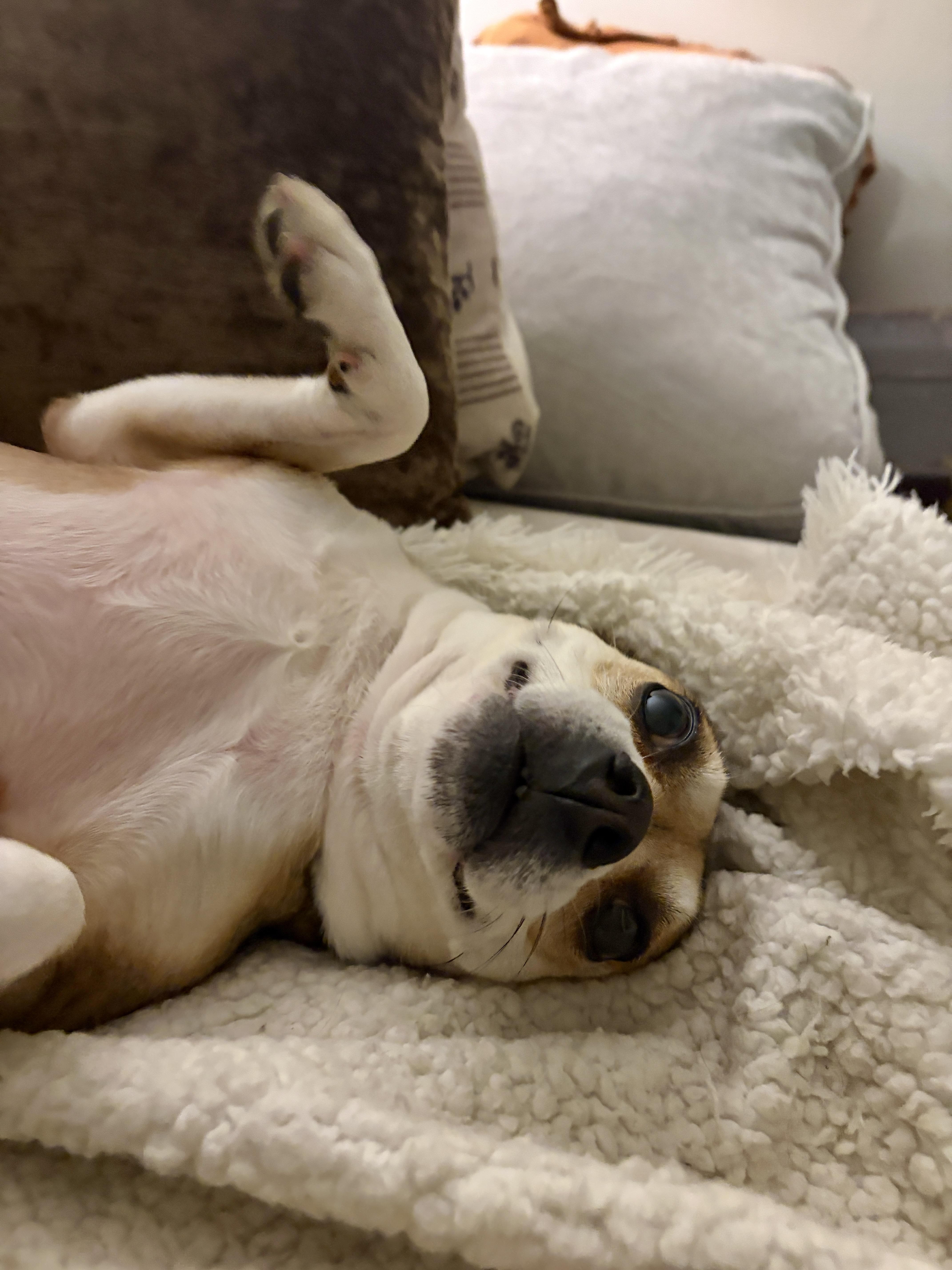
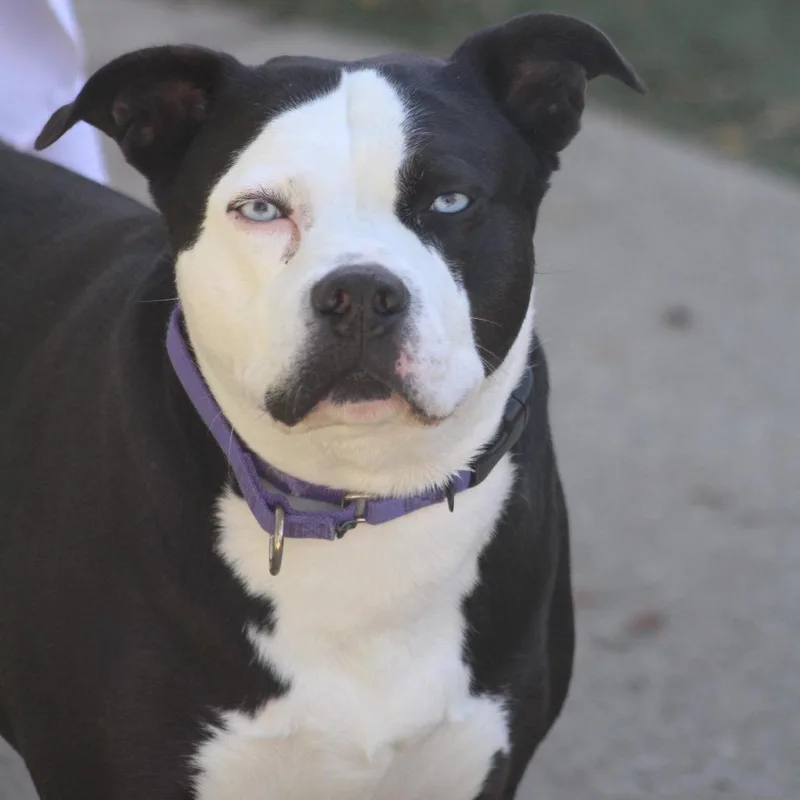
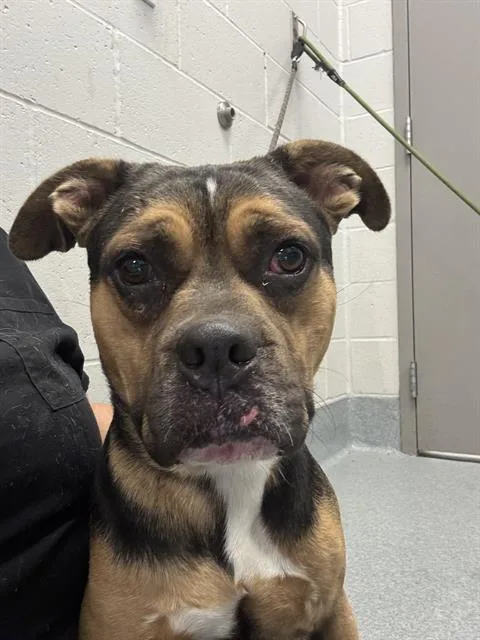
68 German Pinschers available in Indianapolis and nationwide

Give a German Pinscher a home

While we don't have enough dogs near Indianapolis, keep in mind that many rescues may offer transport.

German Pinschers Available for Adoption Near Indianapolis

About the German Pinscher breed

The German Pinscher is a medium-sized farm dog from Germany, once kept in stables to catch rats and guard carriages. It's the smooth-coated cousin of the Standard Schnauzer and helped give rise to the Doberman and Miniature Pinscher. The breed nearly disappeared after World War II and is still uncommon, with a short, glossy coat in red or black and rust over a square, muscular frame.

In Indy, that means a quick, athletic dog that needs real daily activity, whether it's laps on the Monon Trail or games in a fenced yard. Most are affectionate with their own people and watchful with strangers, with a strong prey drive and a stubborn streak. Dogs vary, so plan for training and exercise no matter which Pinscher you meet.

Weight
25–45 lbs
Height
17–20 in
Lifespan
12–14 yrs
Temperament
Alert, Energetic, Intelligent, Protective
Group
Working
Shedding
Low to Moderate

Owning a German Pinscher in Indianapolis

Having a German Pinscher in Indy

A German Pinscher pairs a ratter's quick reactions with a watchdog's vigilance and a low-fuss coat. Energy, independence and prey drive decide how much training and exercise it needs, and Indy's cold winters shape the rest of its routine.

Temperament

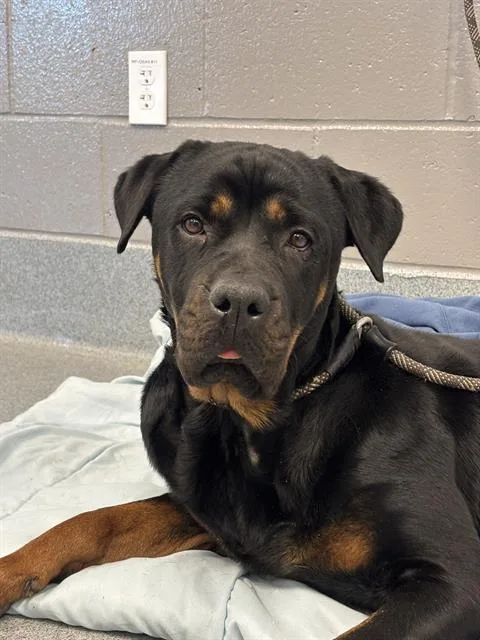
German Pinschers tend to be confident, curious and closely bonded to their families, often wary of strangers until introduced. Many are playful at home but quick to test boundaries, and most chase small animals. On busy Indy sidewalks, calm, consistent training and early socialization help channel their alertness. Each dog's personality still varies.
Exercise Needs

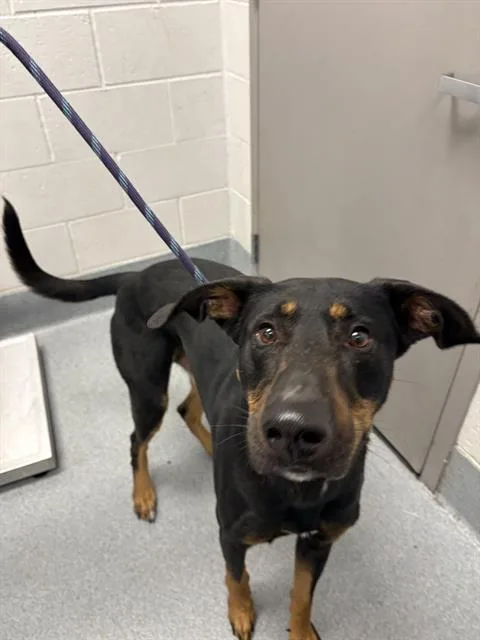
Most German Pinschers need a daily brisk walk plus time to run and use their brains. In Indy, the Monon Trail, Fall Creek Greenway and Pleasant Run Greenway offer leashed miles, and fetch or flirt-pole games fill gaps. Prey drive can override recall when a squirrel bolts, so keep the leash on outside fenced areas.

Health Considerations

German Pinschers are generally sturdy, but hip dysplasia, cataracts and von Willebrand's disease, an inherited bleeding disorder, are documented in the breed. Because von Willebrand's affects clotting, a veterinarian should know a dog's status before any surgery. Regular checkups of the hips and eyes help catch problems early, and year-round parasite prevention is worthwhile in Indiana.

Living Space

A German Pinscher can do well in an Indy apartment or a house when it gets enough daily exercise and attention. A fenced yard helps, but this agile breed can jump or climb low fences. The short coat gives little protection from cold, so this dog lives indoors with the family and may like a sweater in winter.

What it costs to own a German Pinscher in Indianapolis

ExpenseTypical costPer year
Food$35 to $70 per month$420 to $840
Pet insurance$45 to $85 per month$540 to $1,020
Routine vet care$225 to $450 per year$225 to $450
Other*$425 to $1,150 per year$425 to $1,150
Estimated yearly total (after year one)$1,610 to $3,460

Other costs are estimates and vary with size, age and health.

* Flea, tick and heartworm prevention, a dental cleaning allowance, toys and bedding, and occasional baths and brushing; Indianapolis has no general dog license fee.

Adopt a German Pinscher in Indianapolis.

Now that you know more, let’s find you a new best friend. These rescues and shelters below have dogs available in and near Indianapolis.

Frequently Asked Questions

Yes, Indianapolis has no breed ban or breed-specific rules, and dangerous-dog rules are based on behavior. You'll need permanent ID such as a microchip, and Indiana requires rabies vaccination from three months old. There's no general dog license, and unaltered dogs must be registered for free. Keep the dog leashed or securely confined.

Yes, with some help. German Pinschers have a short coat with little insulation, and Indy averages about 105 freezing nights a year. Use a sweater, keep walks short on the coldest days, and wipe paws after salted sidewalks. Dogs confined outside must come indoors at 20°F or below, so a Pinscher should live inside.

Yes, as long as it gets daily exercise and mental work. About 44% of Indianapolis households rent, and a medium dog of 25 to 45 pounds fits many apartments. Expect some alert barking at hallway noise, and read lease terms for breed or weight limits. Indiana sets no cap on pet deposits or pet rent.

Broad Ripple Bark Park and the other Indy Parks bark parks give a Pinscher fenced room to run, with a pass or $5 daily fee and proof of vaccines. For leashed walks, try the Monon Trail, Fall Creek Greenway or Pleasant Run Greenway. Eagle Creek Park requires a leash outside its bark park.

Mostly no. IndyGo allows service animals and other pets in a carrying case, but a German Pinscher weighs 25 to 45 pounds, which is too big for most lap carriers. IndyGo runs buses and rapid-transit lines, not a subway. Check current IndyGo rules before planning a trip, and plan on driving or walking.

It can be, for active people who are home often. Indy offers leashed greenways, bark parks and a manageable summer for this short-coated dog. Winter takes more planning, and a Pinscher's prey drive and watchfulness need steady training. It may suit you less if you're away long hours or want an easygoing dog.

Very little. The short, smooth coat needs a weekly brush to handle light to moderate shedding, plus an occasional bath. In Indy, winter salt means a quick paw rinse, and humid summers may call for a wipe-down after walks. Nail trims and teeth care matter too. Grooming costs sit in the Other line of the cost table.

Don't count on it. Indiana's food code is strict about animals other than service animals in restaurants, and whether a patio welcomes dogs is up to each restaurant. A German Pinscher's watchfulness around strangers can also make crowded patios stressful. Dog-friendly outings on the greenways or at a bark park are easier.

Yes, German Pinschers shed, but only lightly to moderately. Their short, smooth coat drops small hairs year-round, with slightly more during seasonal changes. Weekly brushing with a rubber curry or grooming mitt removes most loose hair and keeps the coat shiny. Compared with double-coated breeds, cleanup is easy, though short hairs can still cling to fabric.

A German Pinscher in Indy typically costs about $35 to $70 a month for food and $45 to $85 for pet insurance. Routine vet care runs about $225 to $450 a year, and other costs about $425 to $1,150. That puts a typical year at roughly $1,610 to $3,460, before emergencies.