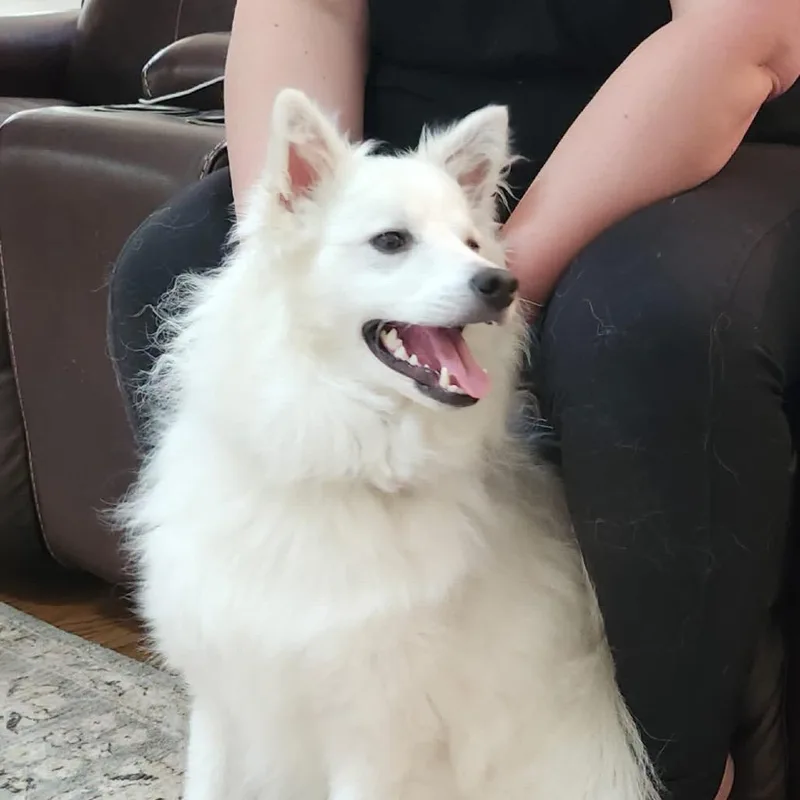
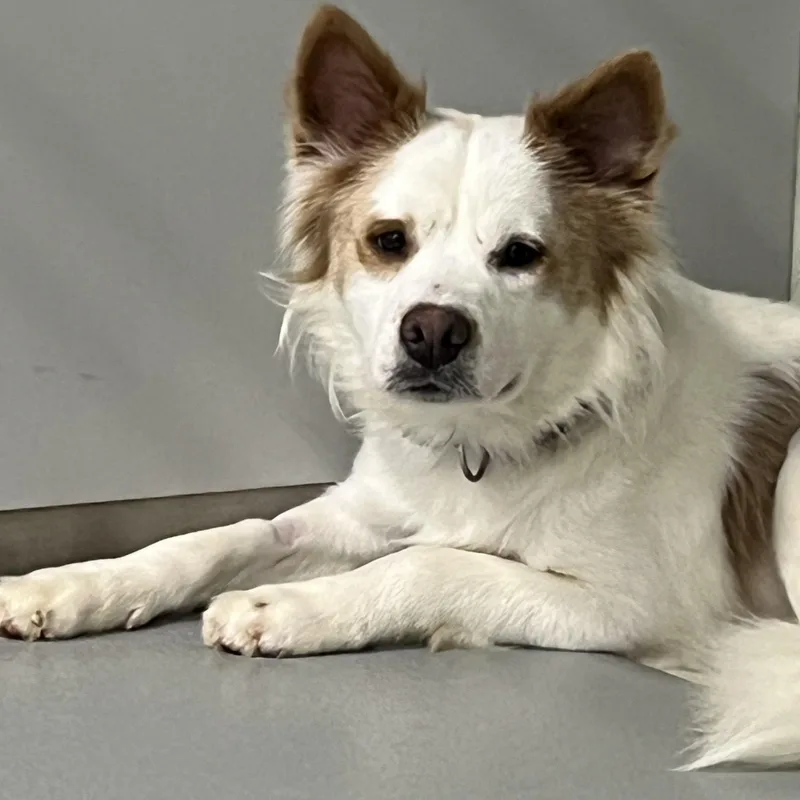
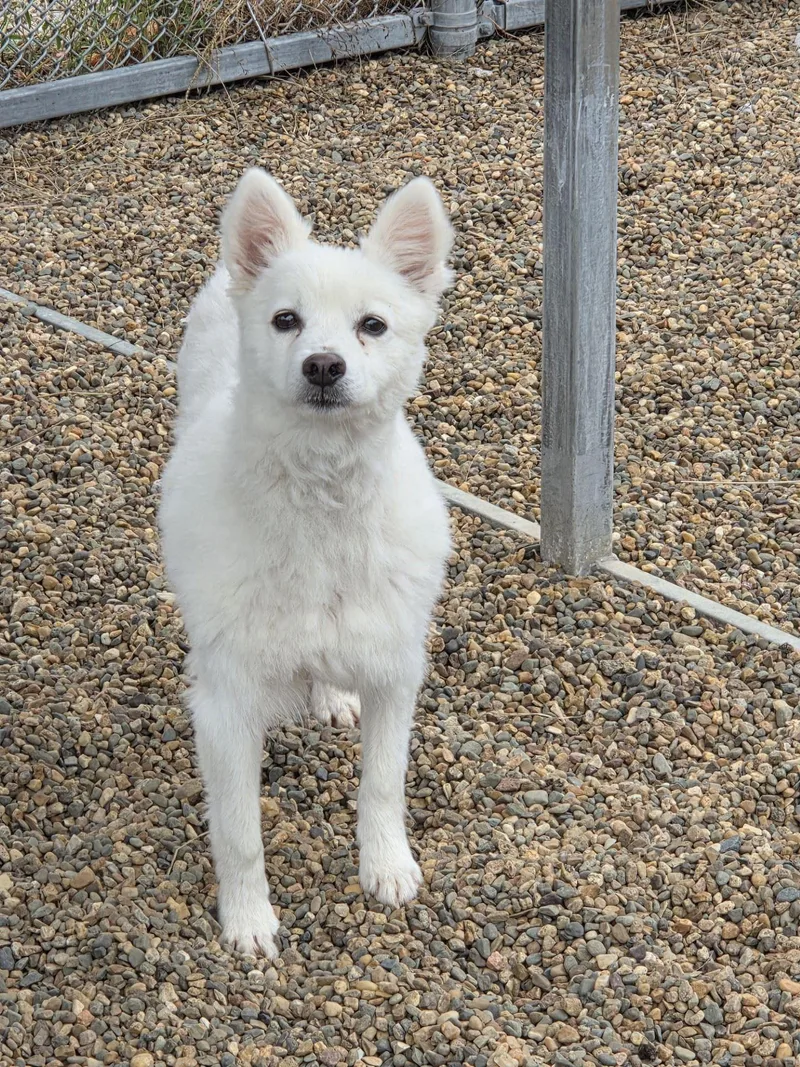
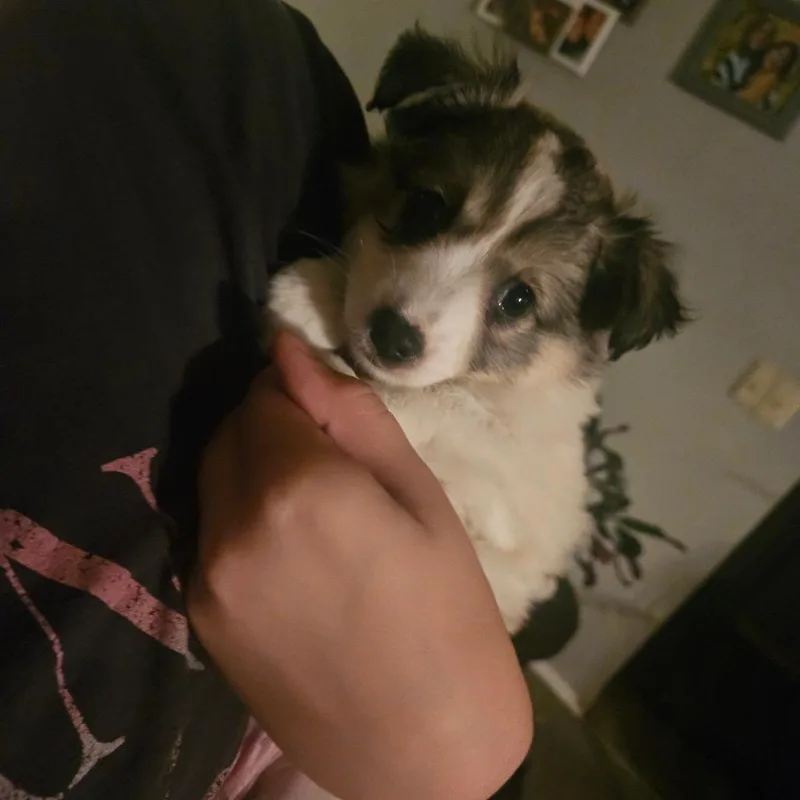
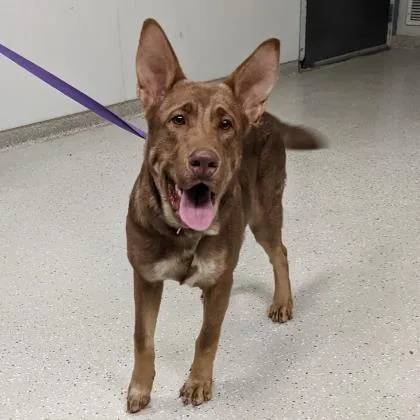
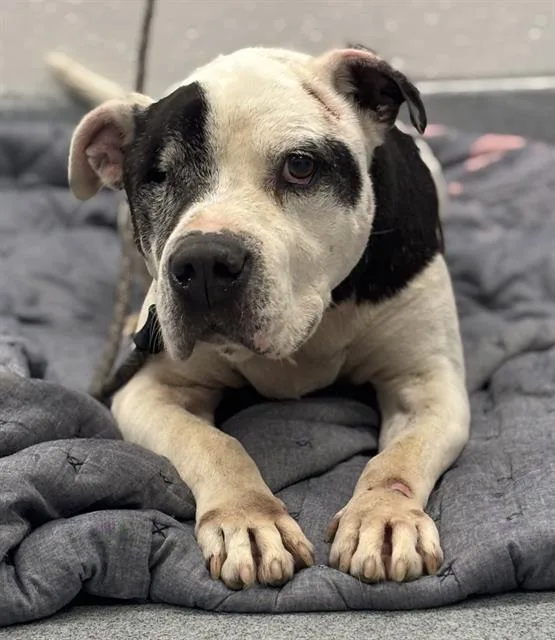
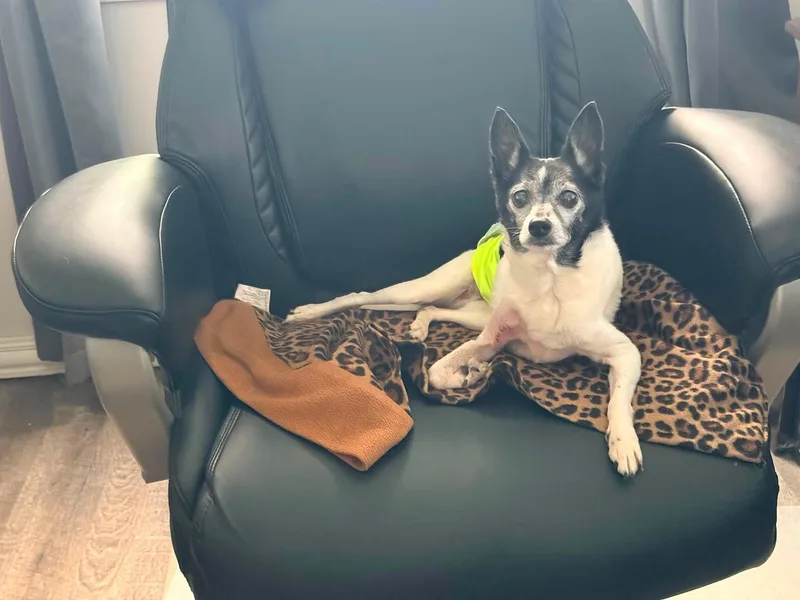
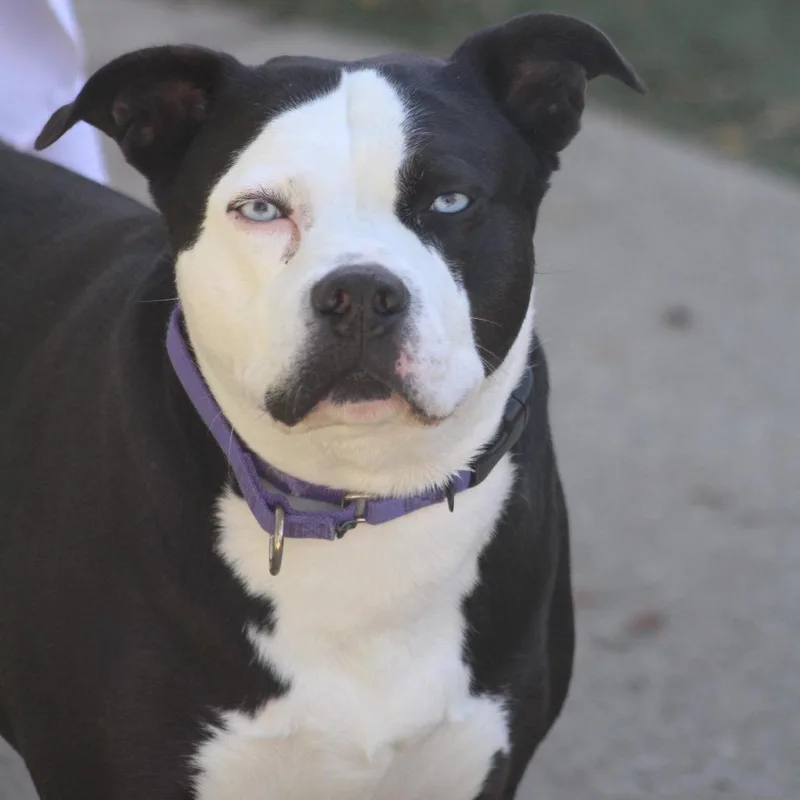
American Eskimo Dogs for Adoption in Indianapolis, IN

Your guide to finding and caring for an American Eskimo Dog in Indy

An American Eskimo Dog is a good match for a walker in Indianapolis, as long as you don't mind a little barking. Eskies are small, alert and happiest close to their people, so a Mapleton-Fall Creek duplex or a Fall Creek Place house on a narrow tree-lined street works well. Daily laps on the Fall Creek Greenway give a standard-sized Eskie room to move, and the thick white coat handles January better than most. Expect plenty of brushing, since that coat sheds heavily.

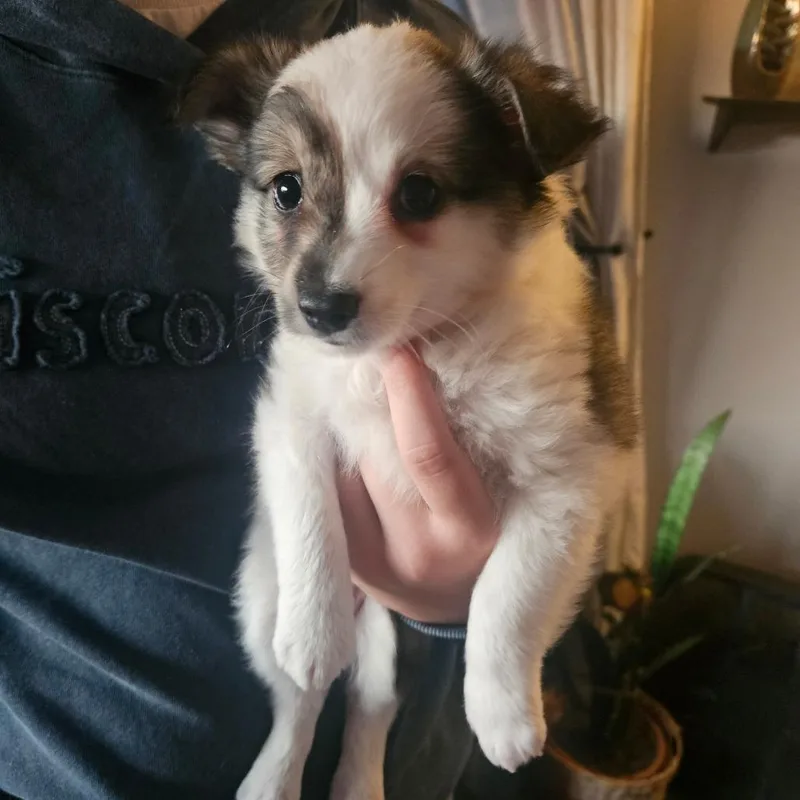
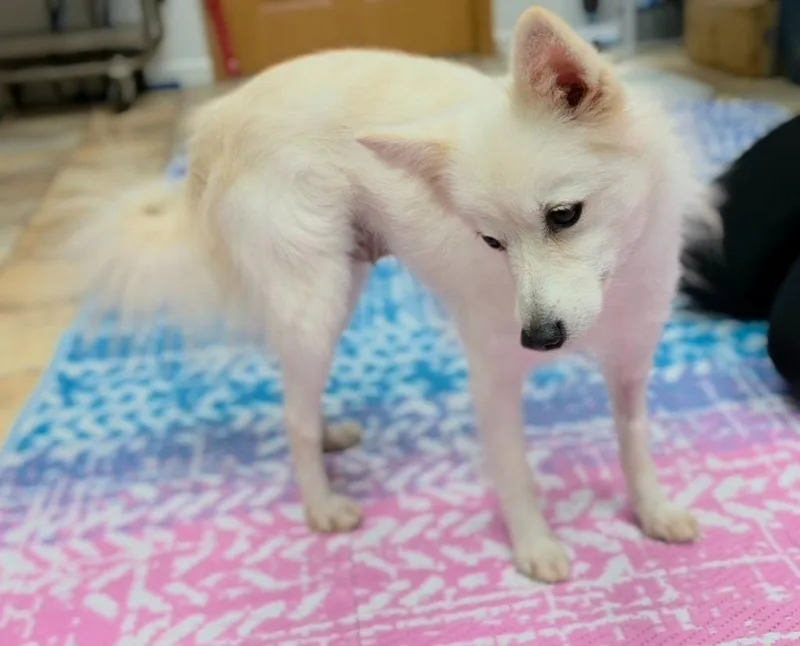
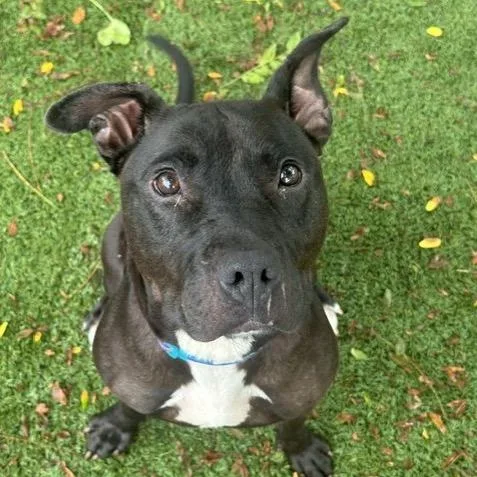
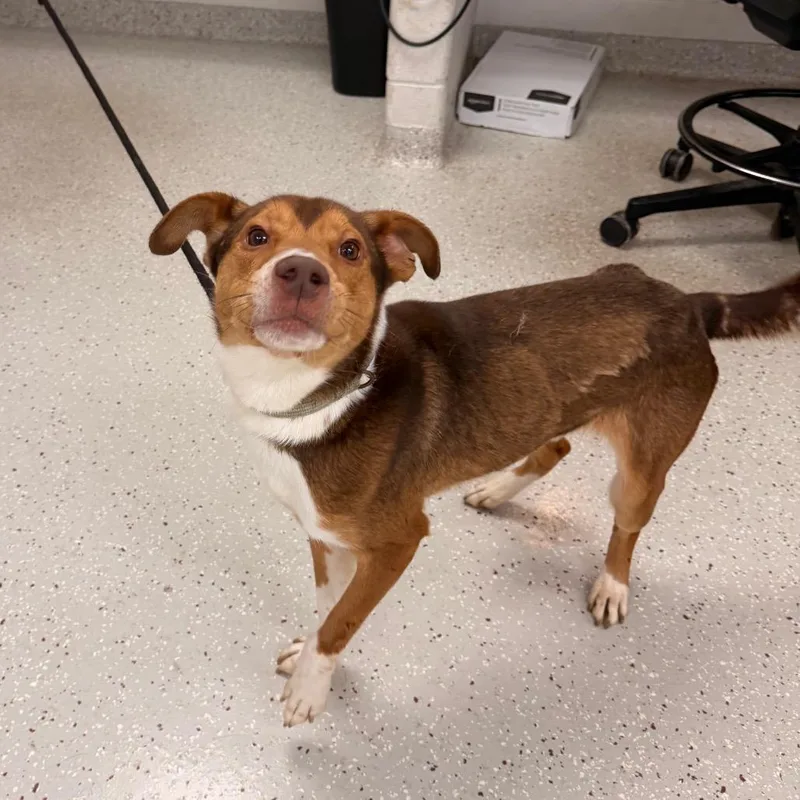
64 American Eskimo Dogs available in Indianapolis and nationwide

An American Eskimo Dog is ready for you

While we don't have enough dogs near Indianapolis, keep in mind that many rescues may offer transport.

American Eskimo Dogs Available for Adoption Near Indianapolis

About the American Eskimo Dog breed

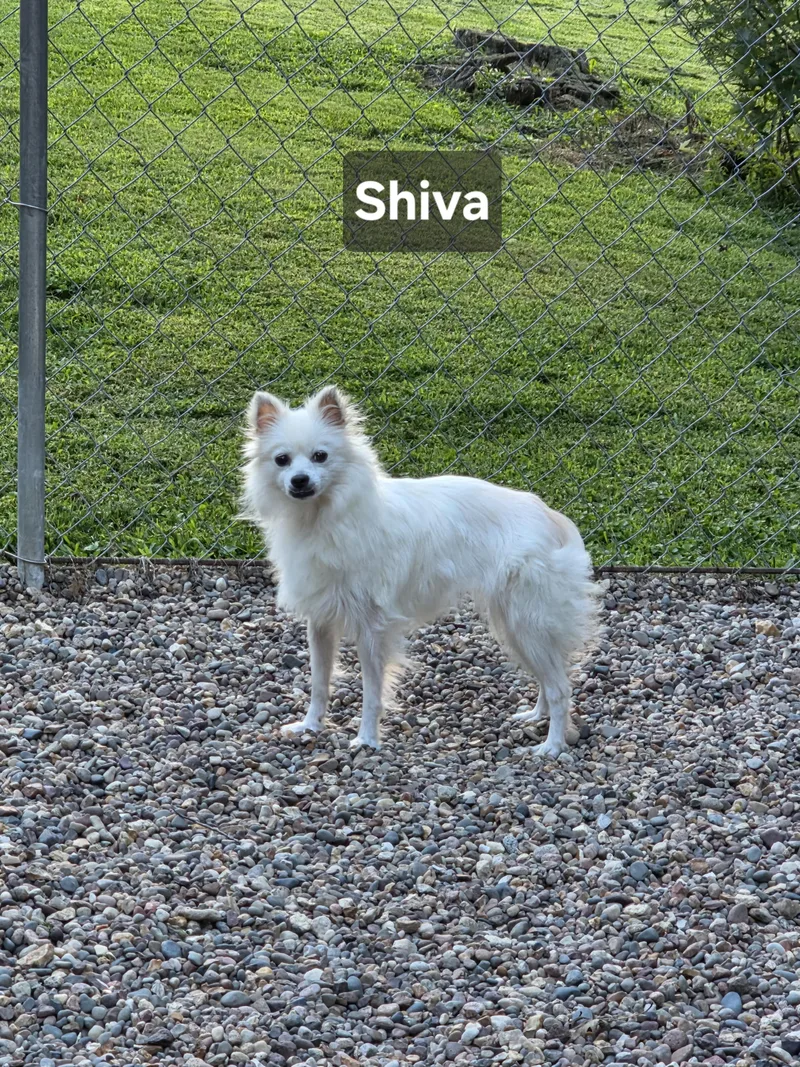
The American Eskimo Dog descends from white German Spitz dogs that immigrants brought to the United States in the early 1900s, and it has no connection to Arctic sled dogs. Eskies were circus favorites in the 1920s and 1930s, and that showman streak remains: many are quick learners who like tricks, puzzle toys and having a job. They come in toy, miniature and standard sizes, roughly 6 to 35 pounds, so there's an Eskie for a small flat or a home with more room.

In Indianapolis, the stand-off double coat is a real asset in winter, but it means heavy shedding and regular brushing, with extra during the seasonal blow. Eskies are alert watchdogs that bark readily and can be reserved with strangers, which matters in a duplex or apartment building with shared walls. Dogs vary, but most do best with company, daily activity and gentle, consistent training.

Weight
6–35 lbs
Height
9–19 in
Lifespan
13–15 yrs
Temperament
Intelligent, Alert, Playful, Vocal
Group
Non-Sporting
Shedding
High

Owning an American Eskimo Dog in Indianapolis

Having an American Eskimo Dog in Indy

Eskies pair a sharp mind and showy white coat with real care needs: frequent brushing, daily mental work and a habit of announcing visitors. In Indy, the coat suits the cold months, while shared walls and humid summers call for some planning.

Temperament

Eskies tend to be bright, playful and devoted, often following their people from room to room. Many are reserved with strangers and quick to bark at new sounds, which shows up on busy Indy sidewalks and in shared buildings. Positive training and early socialization help, and each dog's personality and history differ.

Exercise Needs

Plan on daily walks plus active play or training. Leashed loops on the Monon Trail, Pleasant Run Greenway or Central Canal Towpath work well, and the Indy Parks bark parks offer fenced off-leash time with a paid pass or daily fee. Puzzle toys and trick practice fill in on rainy days.

Health Considerations

Conditions seen in the breed include progressive retinal atrophy, hip dysplasia, kneecap luxation, juvenile cataracts and diabetes. Tear staining and skin allergies also appear. Ask a veterinarian to check the eyes and joints at the first visit, and keep up yearly exams. Indiana requires rabies vaccination from three months of age.

Living Space

Toy and miniature Eskies often do well in Indy's apartments and rentals, while standards may prefer a fenced yard. Barking carries through shared walls, so exercise and company matter. Eskies belong indoors with the family, and Indianapolis rules limit leaving dogs outside in extreme cold or heat.

What it costs to own an American Eskimo Dog in Indianapolis

ExpenseTypical costPer year
Food$20 to $45 per month$240 to $540
Pet insurance$35 to $70 per month$420 to $840
Routine vet care$200 to $400 per year$200 to $400
Other*$475 to $1,250 per year$475 to $1,250
Estimated yearly total (after year one)$1,335 to $3,030

Other costs are estimates and vary with size, age and health.

* Flea, tick and heartworm prevention, a dental cleaning allowance, toys and bedding, and regular brushing and baths for a heavy-shedding double coat.

Adopt an American Eskimo Dog in Indianapolis.

Now that you know more, let’s find you a new best friend. These rescues and shelters below have dogs available in and near Indianapolis.

Frequently Asked Questions

Mostly yes. Indy's cold winters, with about 105 freezing nights and 25 inches of snow a year, suit the double coat. Summers are the harder part: about 20 days reach 90°F and humidity lingers, so walk early or late and keep the coat unshaved. City rules bring outdoor dogs in at 20°F or below and at 90°F or above.

Yes. Indianapolis has no breed restrictions, and dangerous-dog rules are based on behavior, not breed. You'll need permanent ID such as a microchip and a rabies vaccine from three months old, and the city sets no fixed cap on pets per household. Landlords may set their own limits, so read your lease before adopting.

Eagle Creek Park has about 30 miles of trails plus its Gordon Gilmer Bark Park, and Broad Ripple Park pairs a bark park with Monon Trail access. Shade and water matter in summer for a thick-coated Eskie. Dogs must stay leashed outside the fenced bark parks, Eagle Creek charges a gate fee, and there's no dog beach.

It can be, if you're home often and don't mind brushing. Indy's greenways, bark parks and cold winters suit Eskies, while shared walls and close neighbors make barking worth planning for. Dogs vary, so think about your schedule, since many Eskies get anxious or noisy when they're alone for long hours.

Only small ones in a carrier. IndyGo buses, including the Red and Purple Line rapid-transit routes, allow service animals and pets in a carrying case. A toy or small miniature American Eskimo Dog may fit a carrier on your lap, but a standard Eskie won't. Indianapolis has no subway or rail system, so most Eskie outings happen by car or on foot.

Plan on brushing a few times a week and daily during the spring and fall coat blows, with baths as needed. In Indy, winter salt and slush mean wiping paws and bellies, and humid summers make a damp coat more likely, so dry it well. Never shave it. Brushes and baths fit within the yearly Other costs listed above.

Don't assume so. Indiana's food code has historically barred pet dogs from restaurants apart from service animals, and patio access depends on each restaurant and the health department. Look for a clearly posted dog-friendly patio, and plan outings around trails and parks instead, where leashed dogs are a common sight.

American Eskimo Dogs typically live about 13 to 15 years, and some reach their late teens. Smaller toy and miniature Eskies often live slightly longer than standards, as is common in dogs. Good nutrition, a healthy weight, dental care and regular veterinary checkups help, and early screening for eye disease and diabetes can catch problems before they become serious.

American Eskimo Dogs come in three sizes. Toys stand about 9 to 12 inches and weigh roughly 6 to 10 pounds, miniatures stand 12 to 15 inches and weigh about 10 to 20 pounds, and standards stand 15 to 19 inches and weigh around 25 to 35 pounds. Shelter Eskies of unknown background may fall between these ranges.

Plan on roughly $20 to $45 a month for food, $35 to $70 for insurance, $200 to $400 a year for routine vet care and $475 to $1,250 a year for other costs. That works out to about $1,335 to $3,030 a year, with toy-sized Eskies near the low end. Indianapolis has no dog license fee.

Find American Eskimo Dogs in Nearby Cities

Expand your search to find American Eskimo Dogs available for adoption near Indianapolis.