Puli Dogs for Adoption in South Elgin, IL

Your guide to finding and caring for a Puli in South Elgin

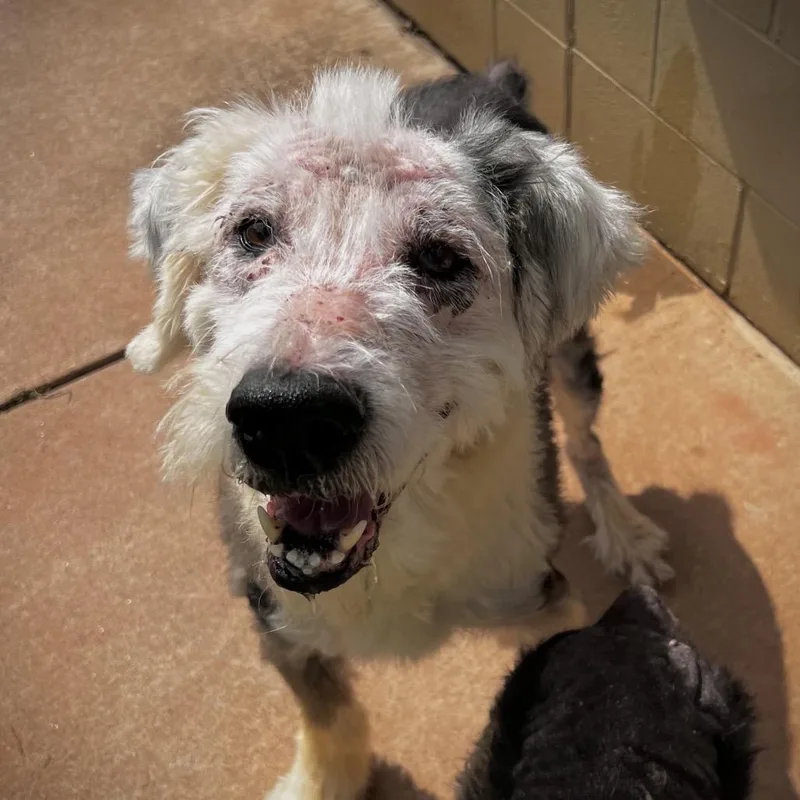
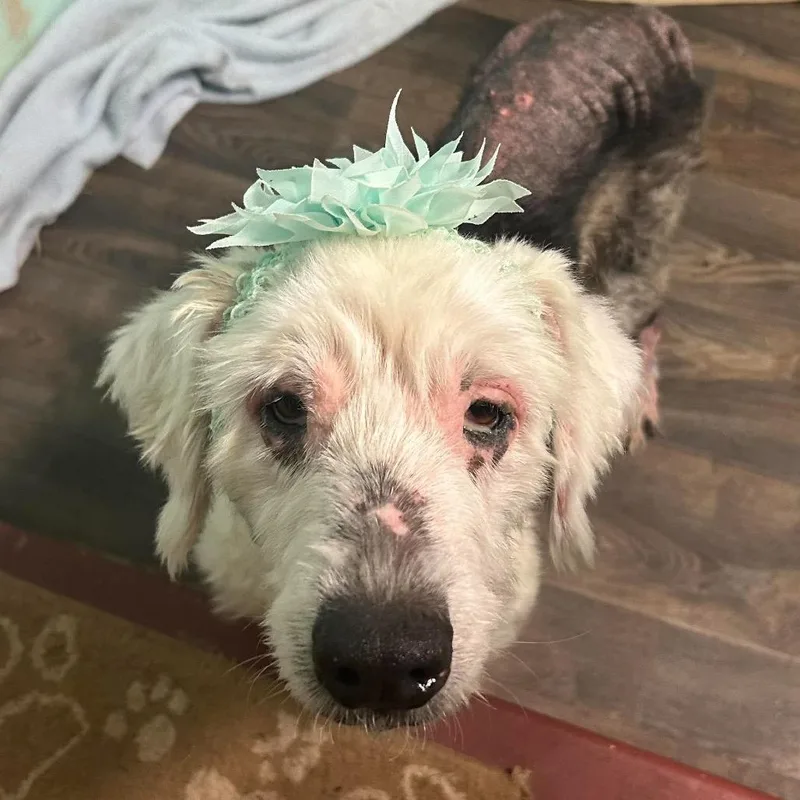
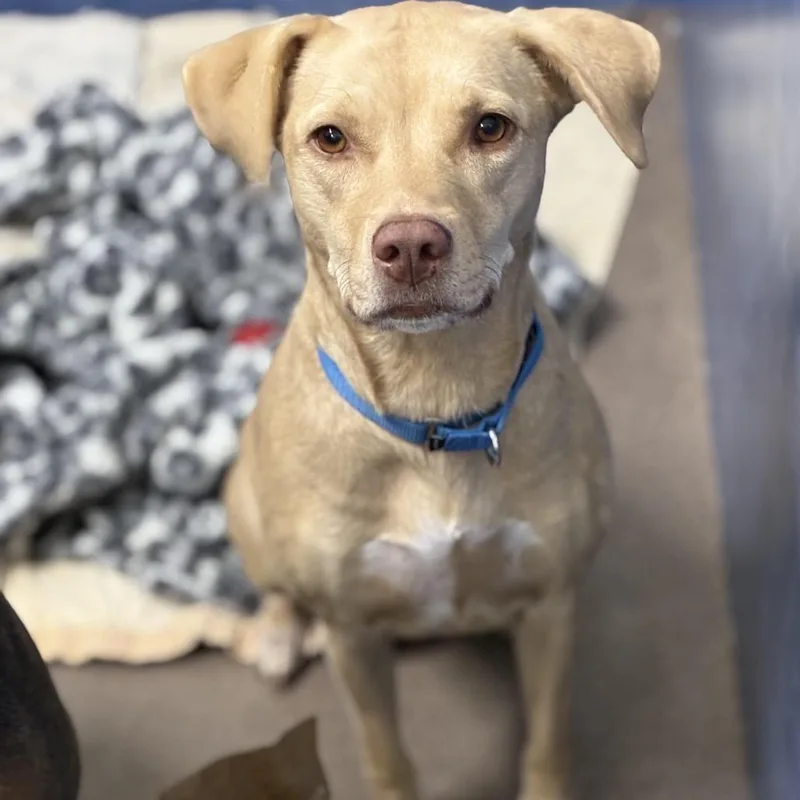
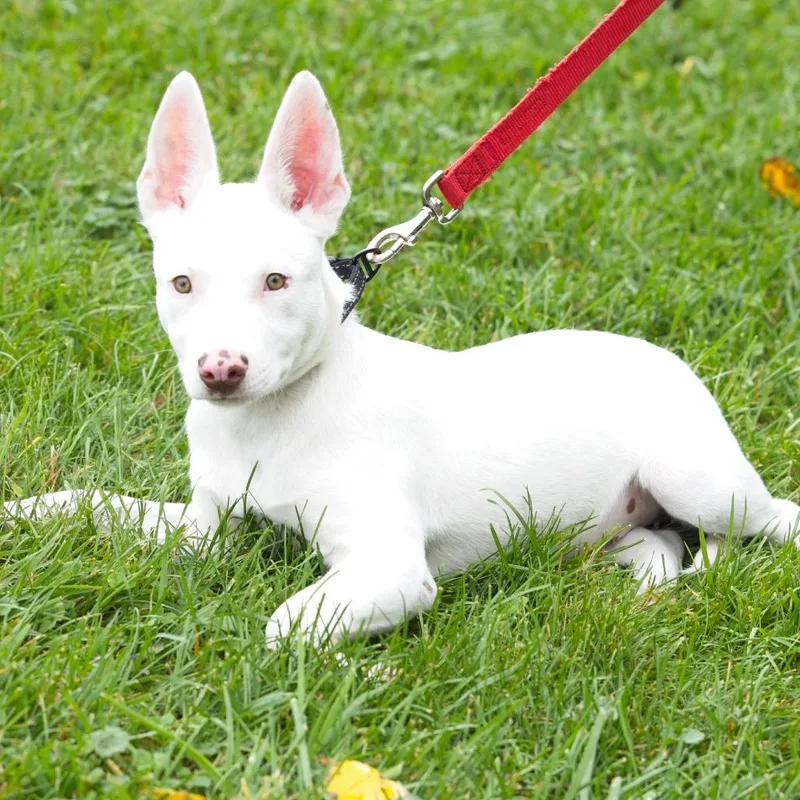
71 dogs similar to Puli available in South Elgin and nationwide

Open your home to a Puli

While we don't have enough dogs near South Elgin, keep in mind that many rescues may offer transport.

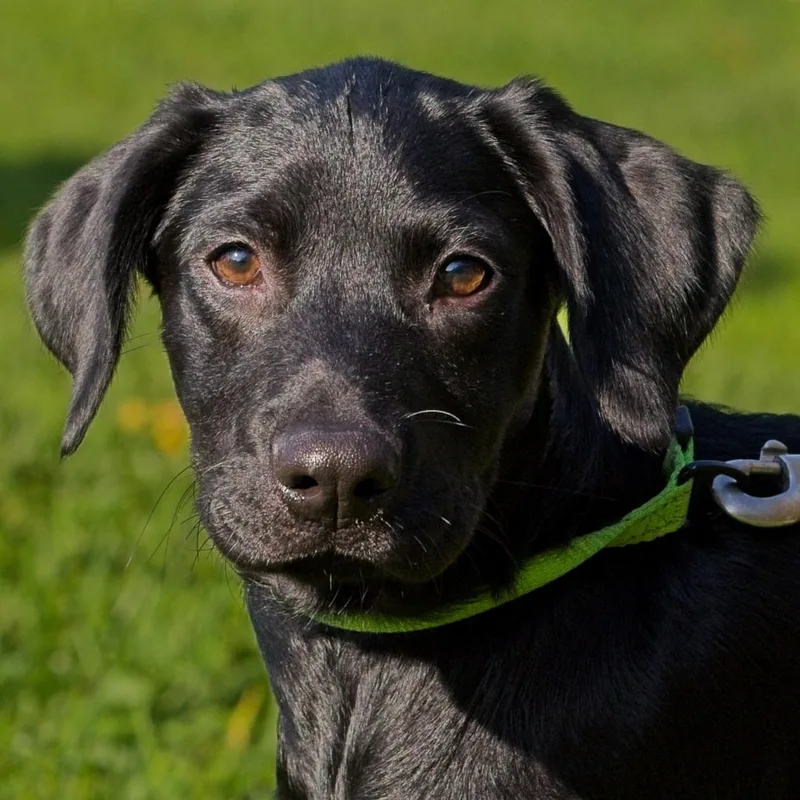
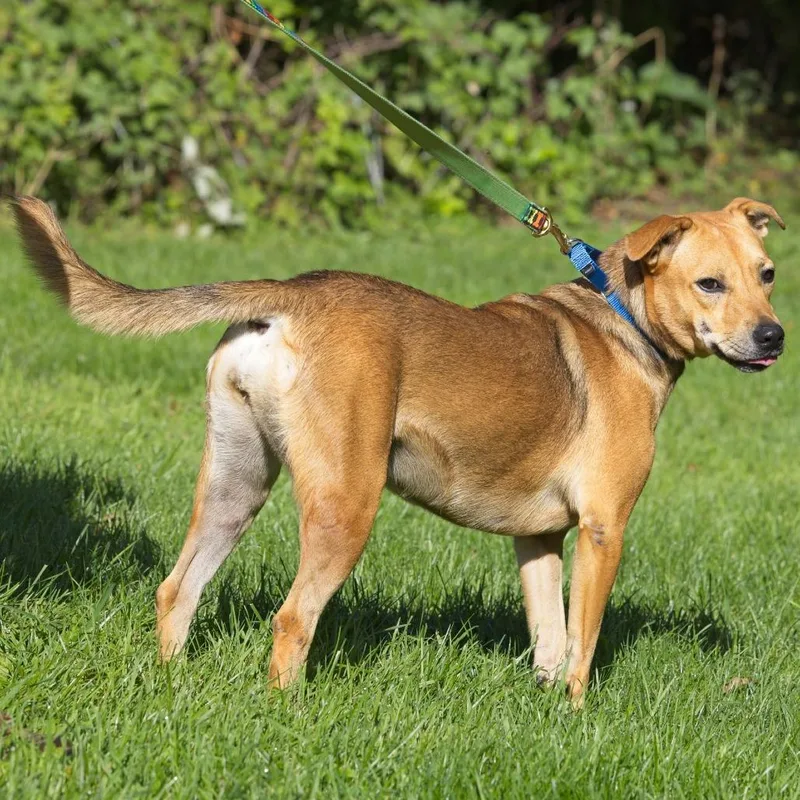
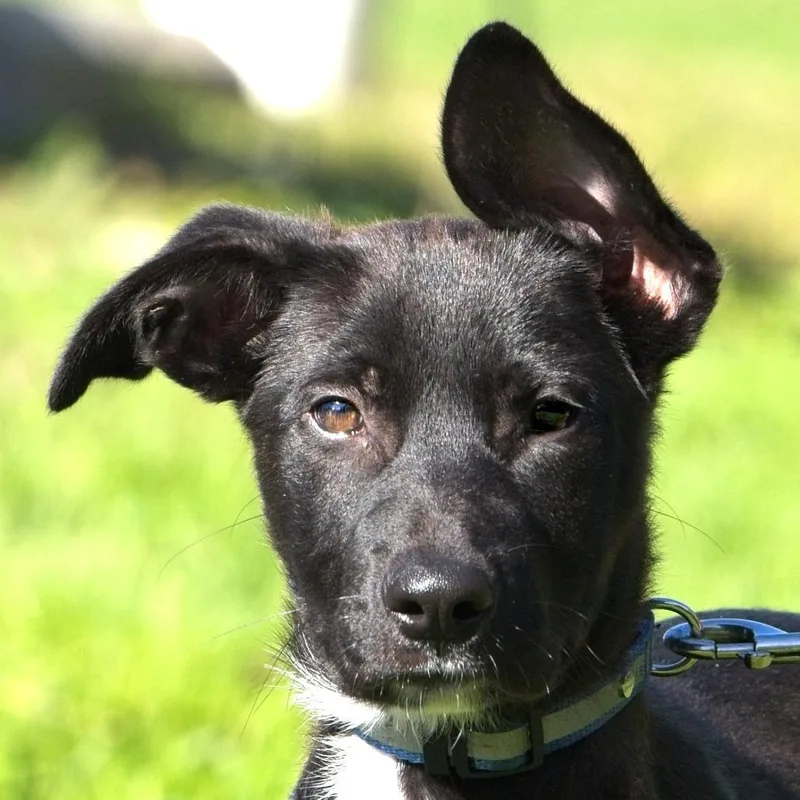
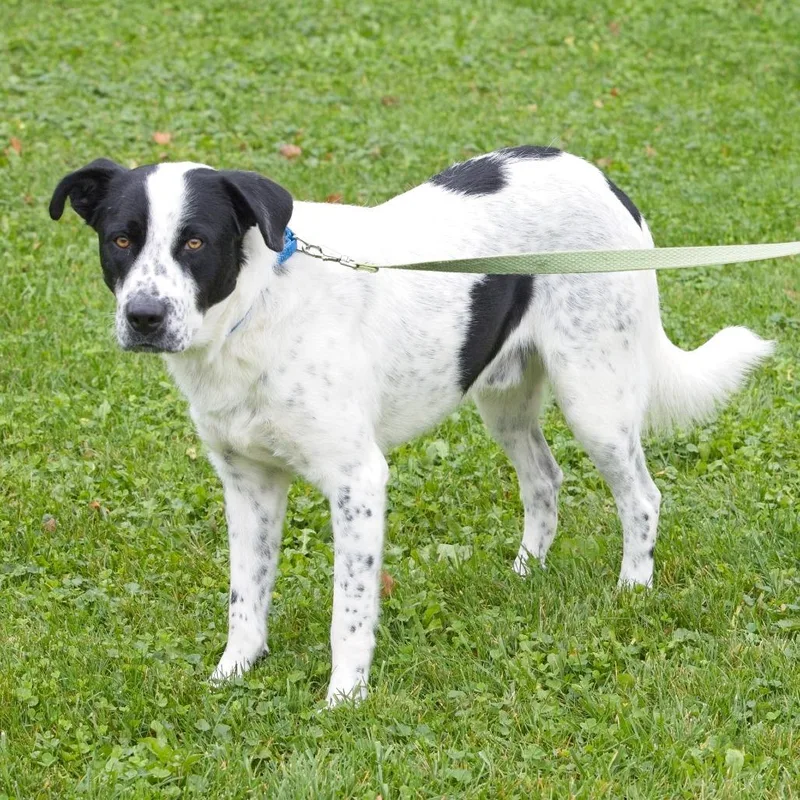
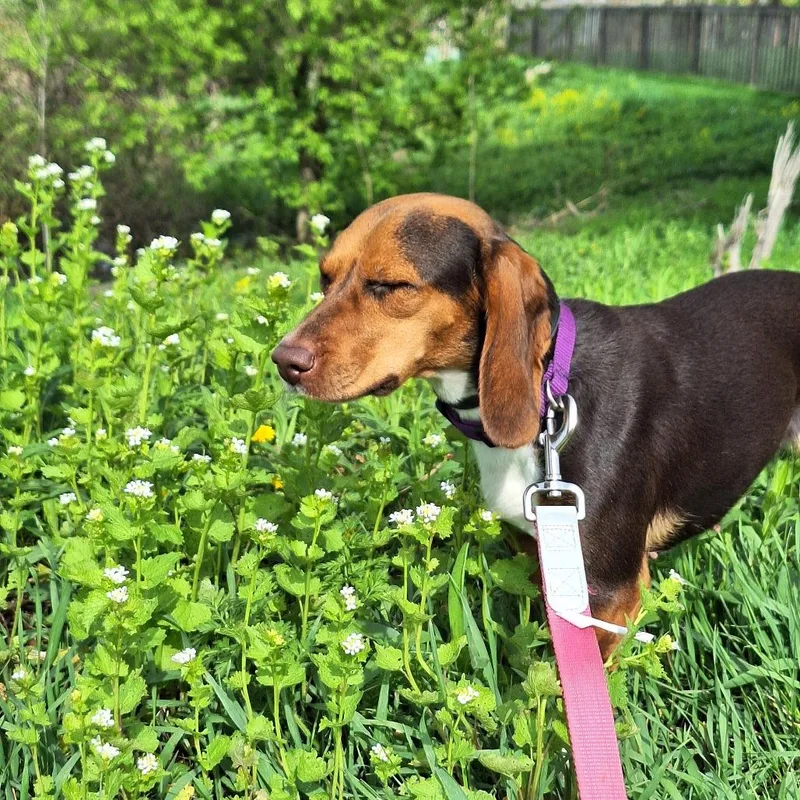
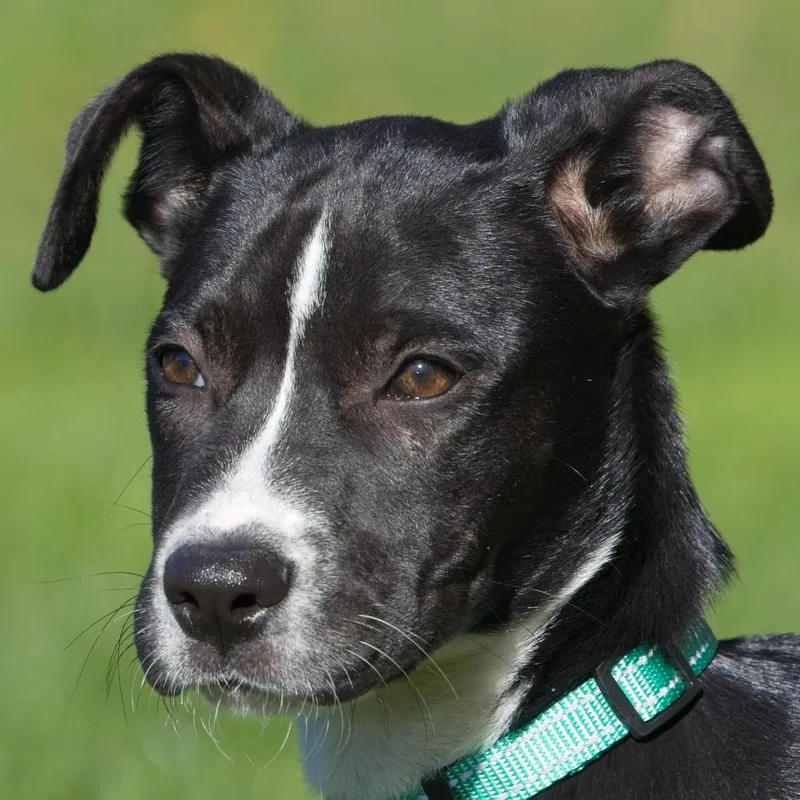
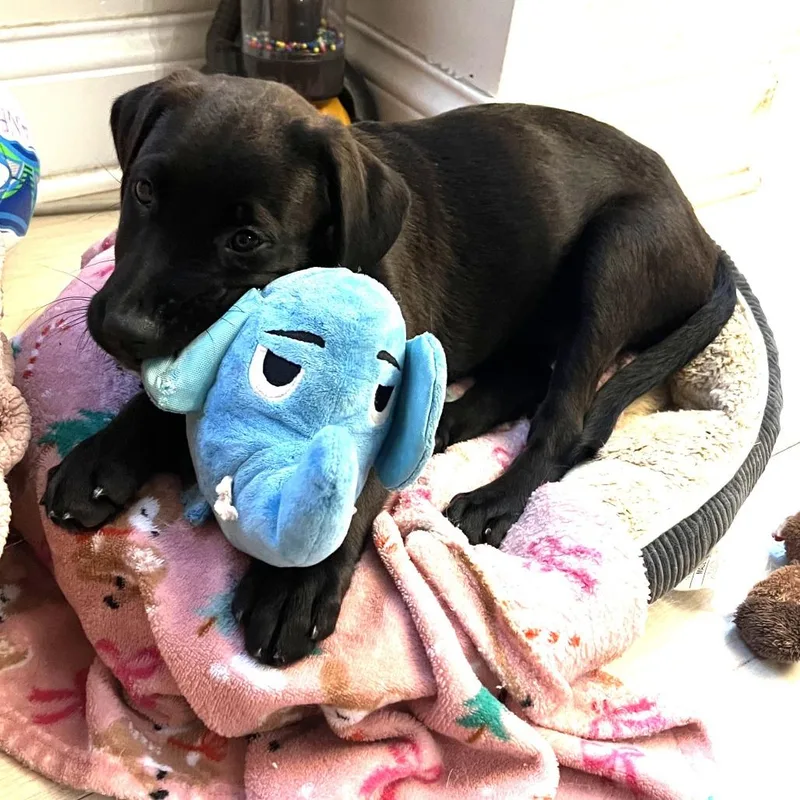
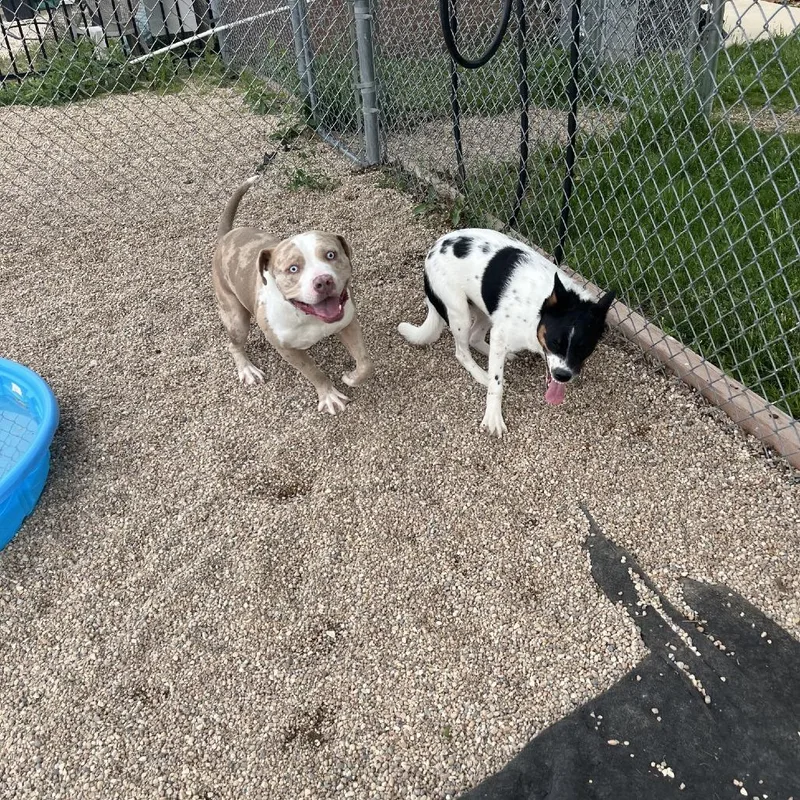
Pulis and Similar Breeds Available for Adoption Near South Elgin

About the Puli breed

Few dogs are as recognizable as the Puli, the Hungarian sheepdog whose dense coat twists naturally into long cords that look like dreadlocks. Shepherds on the Hungarian plains relied on these quick, compact herders for centuries, letting the small Puli move the flock by day while larger Komondors guarded it at night. Underneath the coat is a square, light-footed dog of about 16 to 17 inches, usually black, though gray and white Pulik exist.

Pulik tend to be lively, clever and fiercely devoted to their families, with a watchdog's suspicion of strangers and a herder's urge to keep everyone in line. Many stay playful well into old age. The coat sheds little but demands real time, from separating cords as they form to day-long drying after baths, so adopters should plan for grooming as seriously as for exercise.

Weight
25–35 lbs
Height
15–18 in
Lifespan
12–16 yrs
Temperament
Intelligent, Lively, Loyal, Alert
Group
Herding
Shedding
Low

Owning a Puli in South Elgin

Having a Puli in South Elgin

A Puli brings together a herder's speed and smarts, a watchdog's vigilance and one of the most demanding coats in the dog world. These traits shape how much exercise, training and grooming time adopters should expect to invest each week.

Temperament

Pulik tend to be affectionate, playful and closely bonded to their families, often aloof or suspicious with strangers. Many are bold, vocal watchdogs and quick to herd children or pets. They can be independent and sensitive, so harsh handling backfires. Early socialization and consistent, reward-based training help a Puli stay confident rather than wary.

Exercise Needs

Most Pulik need at least an hour of activity a day, such as brisk walks, running, fetch or herding and agility training. They are agile, fast and quick to change direction. Mental challenges matter as much as physical ones, because a bored Puli often barks or invents its own jobs. Seniors still enjoy daily outings at a gentler pace.

Health Considerations

Pulik are generally healthy and long-lived, but hip dysplasia is the main inherited concern, and eye disease, patellar luxation and degenerative myelopathy are screened for in the breed. The heavy coat can hide skin problems, weight changes and parasites, so feel through the cords during grooming. Keep regular checkups.

Living Space

A Puli can adapt to an apartment or house when it gets daily exercise and attention, though its barking may challenge close neighbors. A securely fenced yard is helpful for play. Cords pick up leaves, burrs and dirt outdoors, so a mudroom or towel station helps. Pulik do best living indoors as part of the family.

What it costs to own a Puli

ExpenseTypical costPer year
Food$35 to $70 per month$420 to $840
Pet insurance$45 to $85 per month$540 to $1,020
Routine vet care$225 to $450 per year$225 to $450
Other*$890 to $2,290 per year$890 to $2,290
Estimated yearly total (after year one)$2,075 to $4,600

Other costs are national averages for Pulis; we don't have costs specific to South Elgin yet.

* Cord care and professional bathing and drying, flea, tick and heartworm prevention, a dental cleaning allowance, a dog license, and toys and bedding; license fees vary by city.

Adopt a Puli in South Elgin.

Now that you know more, let’s find you a new best friend. These rescues and shelters below currently have Pulis available.

Rescues in South Elgin with Pulis Available

Here are the rescues & shelters in the South Elgin area where you can find Pulis and other dogs available for adoption.

Frequently Asked Questions

A Puli is a medium-small herding dog from Hungary, best known for its dense coat that forms long cords resembling dreadlocks. Shepherds used Pulik for centuries to herd sheep across the Hungarian plains. The breed belongs to the American Kennel Club's Herding Group. Many Pulik are agile, clever, vocal and devoted to their families, with a watchdog's caution around strangers.

Grooming a Puli depends on the coat style. A corded coat needs its cords separated by hand as they form, then regular checks for debris, mats and skin problems, plus thorough baths followed by hours of drying. A brushed-out coat needs brushing every day or two to prevent mats. Many owners also keep the hair around the eyes, feet and rear trimmed.

Yes, a Puli's cords form naturally, but they need human help. The soft undercoat and wavy outer coat tangle together as the adult coat grows in, and owners must split these clumps into separate cords by hand. Without that work, the coat mats into a solid felted mass. A Puli can also be kept brushed out instead of corded.

Pulik shed very little. Loose undercoat hair gets trapped in the cords rather than falling around the house, which is part of why the coat mats if neglected. That means less hair on furniture but more grooming work for the owner. A brushed-out Puli releases more hair during brushing, but still sheds less than most double-coated breeds.

A clean, well-kept Puli should not smell strongly, but the corded coat can develop a musty odor if it stays damp or traps dirt. Drying the cords completely after baths or rain is essential, since moisture deep in the coat can mildew. A bad smell can also signal skin infection, ear problems or dental disease, which a veterinarian should check.

A Puli is a compact, square dog of about 16 to 17 inches, with a coat that forms long, rope-like cords covering its whole body, often down to the ground in older dogs. Most are solid black or rusty black, though gray and white also occur. When it moves, the coat bounces and sways, and the eyes peek out from the hair.

Yes, Pulik are high-maintenance dogs, mainly because of their coat. Cords need regular separating and checking, and bathing and drying a full coat can take most of a day. Pulik also need daily vigorous exercise, training and companionship, and many bark readily. They reward that effort with loyalty and fun, but they are not a low-effort breed.

No, Pulik are not truly hypoallergenic; no dog is, because allergens come from dander and saliva as well as hair. Pulik shed very little, though, so some people with mild allergies find them easier to live with. The coat also traps dust and pollen from outdoors. Spending time with a specific Puli before adopting is the best way to test your reaction.

Yes, Pulik can see through their cords. The hair over the eyes falls in strands, and the dog looks out between them, much as people see through long bangs. Many owners still trim or tie back the hair around the eyes to help vision and keep the area clean. Any squinting, discharge or bumping into things deserves a veterinary check.

We have 1 rescue with Pulis available: Anderson Animal Shelter. You can see every rescue with Pulis available in the list above these questions.