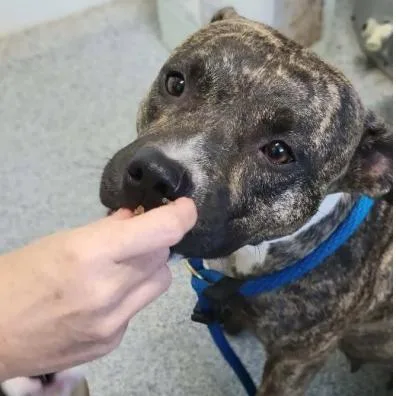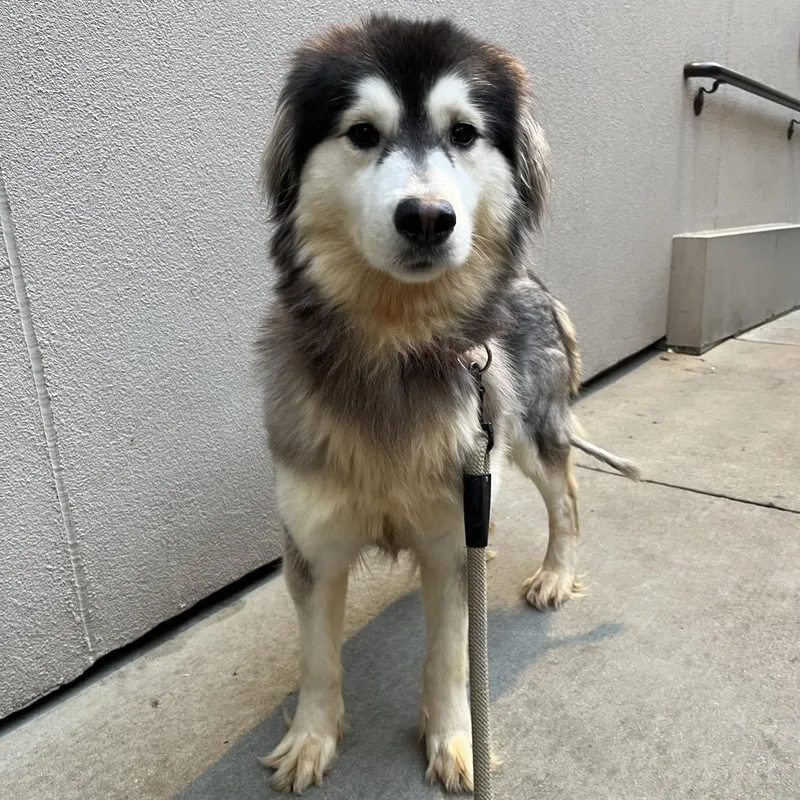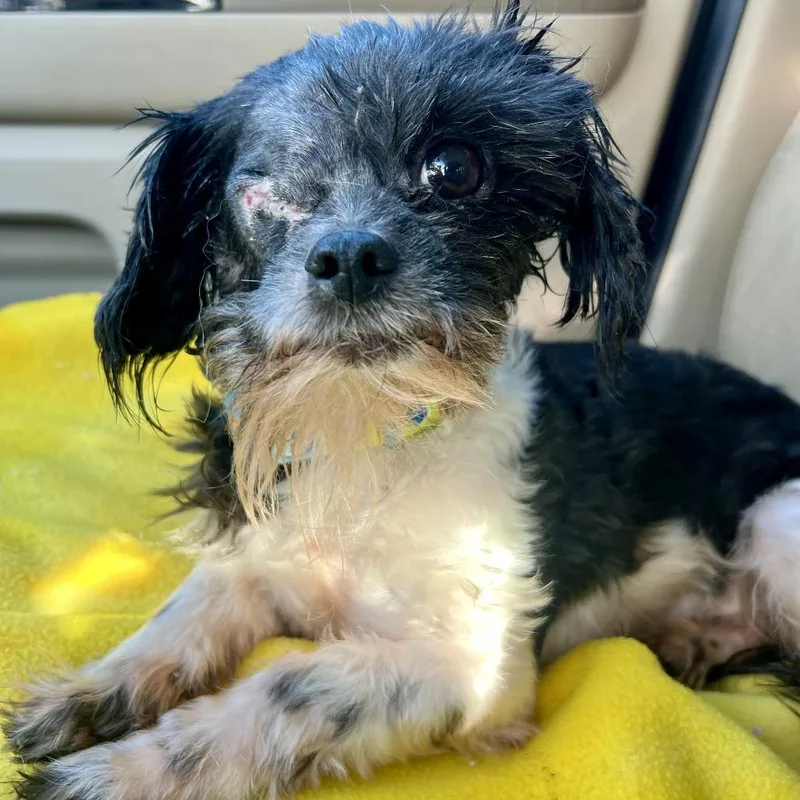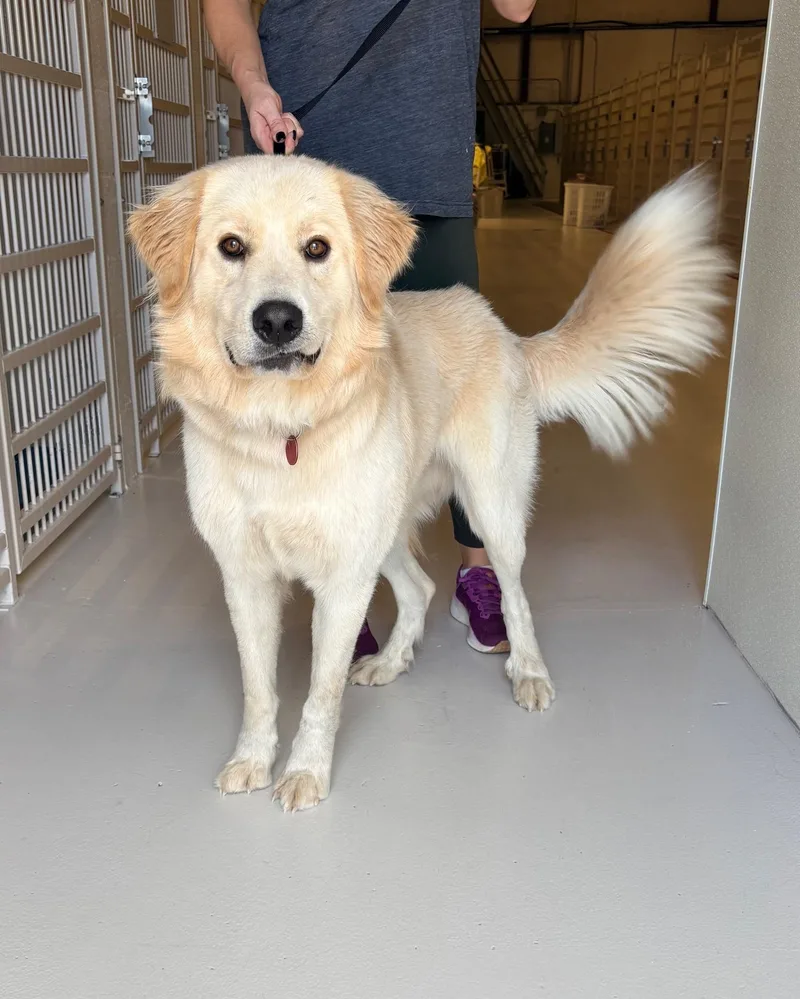
Curly-Coated Retriever Dogs for Adoption in Chicago, IL

Your guide to finding and caring for a Curly-Coated Retriever in Chicago

A Curly-Coated Retriever suits Chicago's bungalow belt, where a fenced yard gives a tall, active dog room to burn off energy. In Portage Park, a long morning walk and an afternoon at the Portage off-leash area cover a lot of ground. Curlies are reserved with strangers and smart enough to argue with a dull routine, so they reward owners who enjoy training. Daily exercise matters more than square footage.

15109 dogs similar to Curly-Coated Retriever available in Chicago and nationwide

Bring home a Curly-Coated Retriever

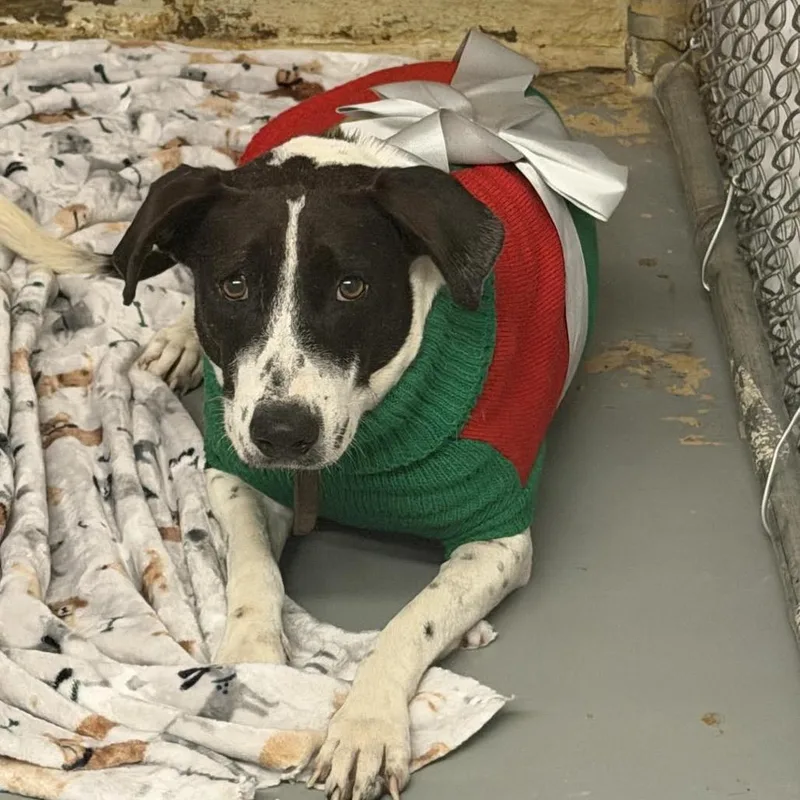
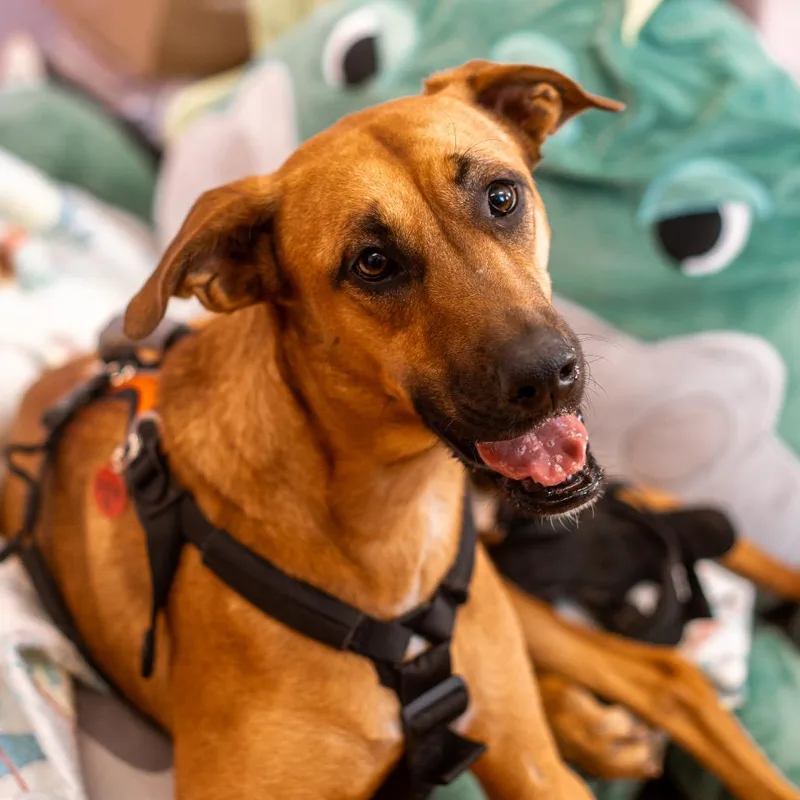
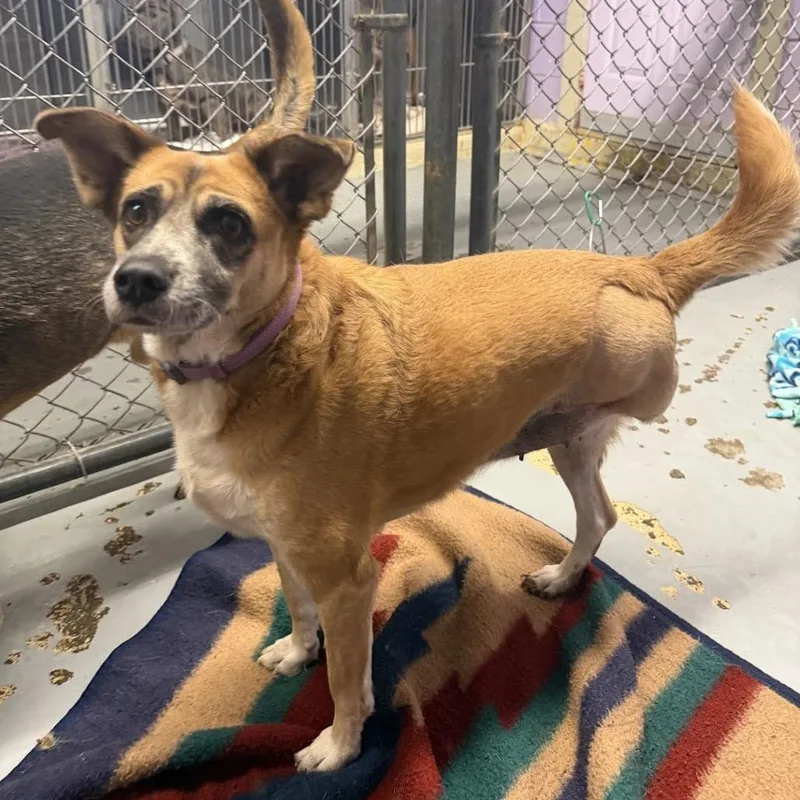
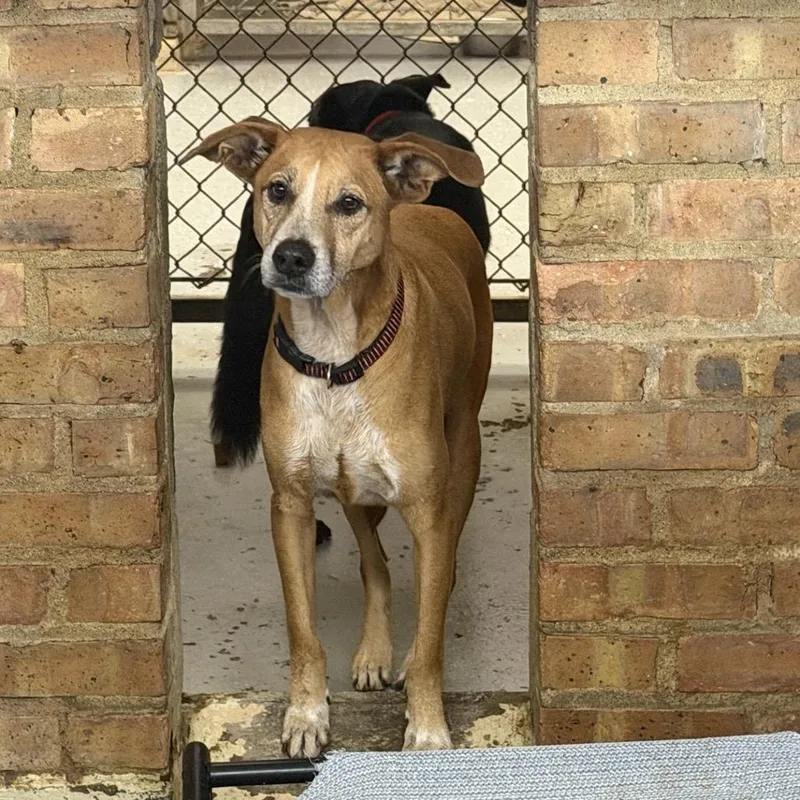
Curly-Coated Retrievers and Similar Breeds Available for Adoption Near Chicago

About the Curly-Coated Retriever breed

The Curly-Coated Retriever is among the oldest retriever breeds, developed in England for waterfowl and upland birds and shown by about 1860. It's the tallest retriever, usually 23 to 27 inches and 60 to 95 pounds, with a coat of tight, crisp curls that shed water and brambles. Curlies come in black or liver, and the face and front legs stay smooth.

Many Curlies are more reserved and independent than Labs or Goldens. With family they tend to be affectionate and gentle, and they often stay playful for two or three years. In Chicago, that means a dog that needs steady training, daily exercise and a household that enjoys a retriever with opinions. Dogs vary, so judge each one on its own personality.

Weight
60–95 lbs
Height
23–27 in
Lifespan
10–12 yrs
Temperament
Confident, Intelligent, Independent
Group
Sporting
Shedding
Low to Moderate

Owning a Curly-Coated Retriever in Chicago

Having a Curly-Coated Retriever in Chicago

A Curly pairs working-retriever stamina with a slow-maturing, self-possessed streak. In Chicago, the coat, the size and the need for daily activity shape routines more than the breed's reserve does, especially through long winters and humid summers.

Temperament

Curlies are often devoted with their own people and politely aloof with strangers, which can suit a busy Chicago sidewalk once the dog is well socialized. They're clever and independent, so short, varied, reward-based training works better than drills. Expect puppyish behavior into the second or third year, and remember that personalities differ.
Exercise Needs

Plan on vigorous daily exercise, such as long walks, running and retrieving games, plus mental work like scent games or classes. In Chicago, the Lakefront Trail and The 606 offer leashed miles, and Park District off-leash areas allow free play with a permit. A bored Curly invents its own entertainment.

Health Considerations

Breed concerns include hip and elbow dysplasia, exercise-induced collapse, glycogen storage disease type IIIa, an inherited form of progressive retinal atrophy, heart disease and coat loss from follicular dysplasia. Deep-chested dogs can bloat, so skip hard exercise right after meals. Regular veterinary checkups help catch problems early, and winter salt makes paw checks worthwhile.

Living Space

Curlies do best with a securely fenced yard, which Chicago's bungalow and single-family areas often provide. A committed owner can manage in an apartment with enough daily exercise, but a 60-to-95-pound dog with an active tail needs floor space. They want to live inside with the family, not out in a yard or kennel.

What it costs to own a Curly-Coated Retriever in Chicago

ExpenseTypical costPer year
Food$55 to $110 per month$660 to $1,320
Pet insurance$65 to $130 per month$780 to $1,560
Routine vet care$250 to $500 per year$250 to $500
Other*$490 to $1,265 per year$490 to $1,265
Estimated yearly total (after year one)$2,180 to $4,645

Other costs are estimates and vary with size, age and health.

* Flea, tick and heartworm prevention, a dental cleaning allowance, the $5 Chicago dog license for a sterilized dog, the $10 Dog Friendly Area permit, toys and bedding, and light coat care with occasional trims.

Adopt a Curly-Coated Retriever in Chicago.

Now that you know more, let’s find you a new best friend. These rescues and shelters below have dogs available in and near Chicago.

Frequently Asked Questions

Yes. Chicago has no breed-specific rules, and Illinois law bars cities from regulating dogs by breed. You'll need to register your dog with the city once it's four months old, which costs $5 a year for a sterilized dog, and add a Cook County rabies tag. Landlords can still set their own size limits, so read your lease.

It can, if you commit to daily exercise. About 54% of Chicago households rent, but a 60-to-95-pound dog needs floor space and long outings. Look for buildings without weight limits, and budget for pet rent or fees, which Illinois doesn't cap. A unit near a park or the Lakefront Trail makes the routine easier.

Yes, most do well. The dense, water-shedding curls suit cold and snow, and Chicago winters average 22 to 35°F, with a few below-zero nights in January. Keep exercising daily, wipe salt off paws, and don't leave the dog outside unsupervised in the cold. On icy days, indoor scent games keep a Curly busy.

For off-leash play, try Montrose Dog Beach, the largest Dog Friendly Area at 3.83 acres, or Puptown and Clarendon nearby in Uptown. For long leashed outings, the Lakefront Trail and The 606 give a Curly the miles it needs. Every dog needs a $10 yearly Dog Friendly Area permit, and other city beaches don't allow dogs.

Usually not. CTA buses and 'L' trains allow only small pets in a closed carrier that one person can carry and that fits under a seat, so a 60-to-95-pound Curly doesn't qualify unless it's a service animal. Plan on walking or driving, and check each ride service's pet policy before you go.

It can be for active owners. Chicago offers leashed trails and small off-leash areas, but a Curly needs daily exercise in every kind of weather, and a reserved dog benefits from early socialization on busy streets. If your days are long, a Curly's slow maturity and energy can be hard, so be honest about your schedule.

Less than many curly breeds, but regularly. Don't brush the coat dry, which frizzes it; dampen and finger the curls, and trim occasionally. In Chicago, rinse salt from legs and paws in winter and check for mud, burrs and mats in spring and fall. Light coat care is included in the yearly other costs.

Don't count on it. Service animals are always allowed, but Chicago's rules on pet dogs at restaurants are unsettled, and where patio access exists it's the business's choice. Dogs aren't allowed indoors. A 60-to-95-pound Curly also takes up real space under a patio table, so parks make easier outings.

Yes, Curly-Coated Retrievers shed, but usually less than most retrievers for much of the year. Many have one or two heavier seasonal sheds when the curls loosen and drop hair, and intact females may shed more after a heat cycle. Owners generally avoid brushing, which frizzes the curls, and instead dampen the coat and work loose hair out by hand.

Expect roughly $2,200 to $4,600 a year for a Curly in Chicago. Food runs $55 to $110 a month and insurance $65 to $130. Routine vet care is $250 to $500 a year, and other costs, from parasite prevention to dental care and the city license, add $490 to $1,265.