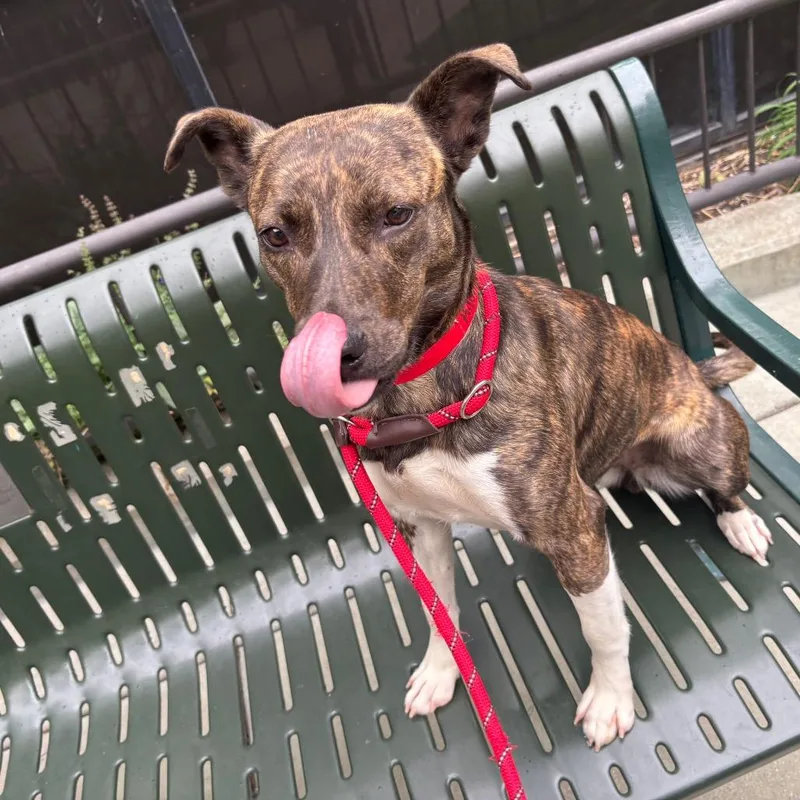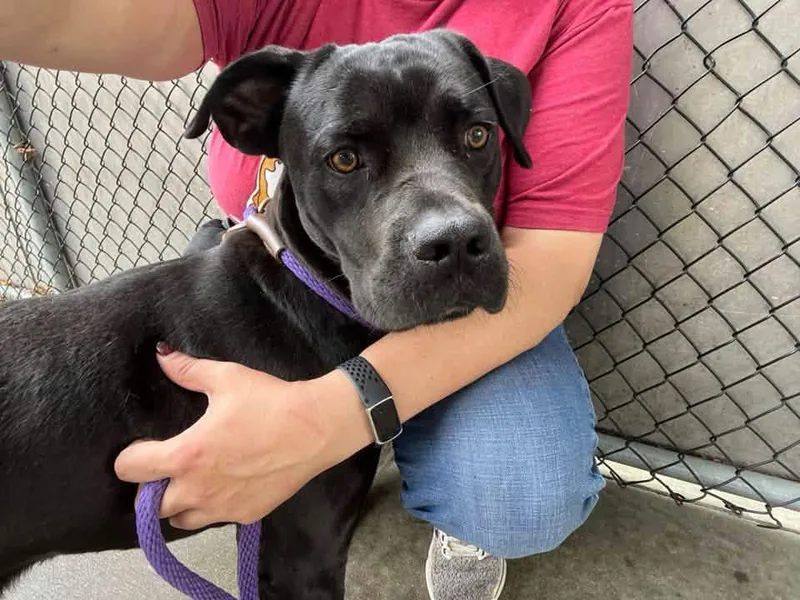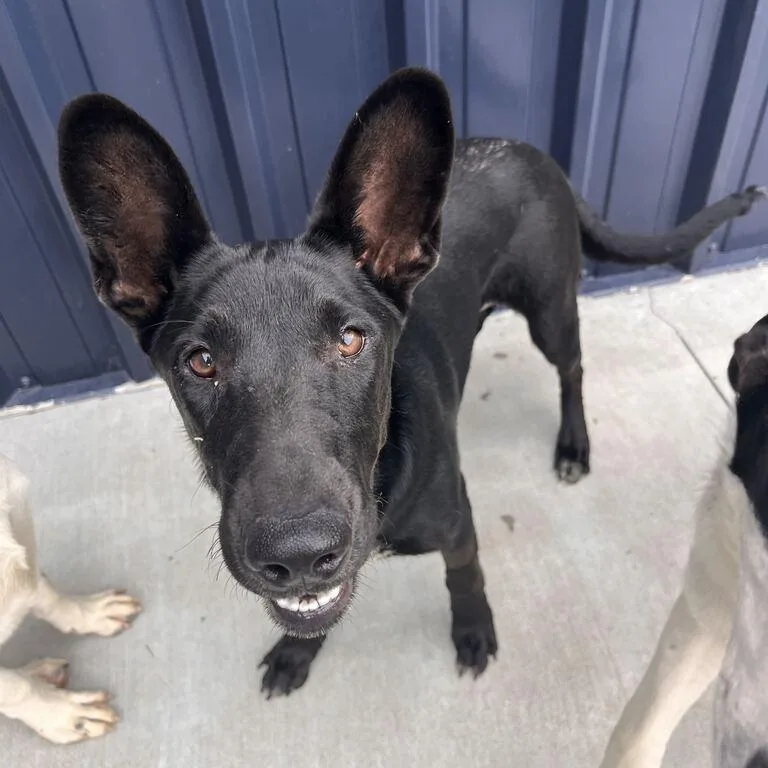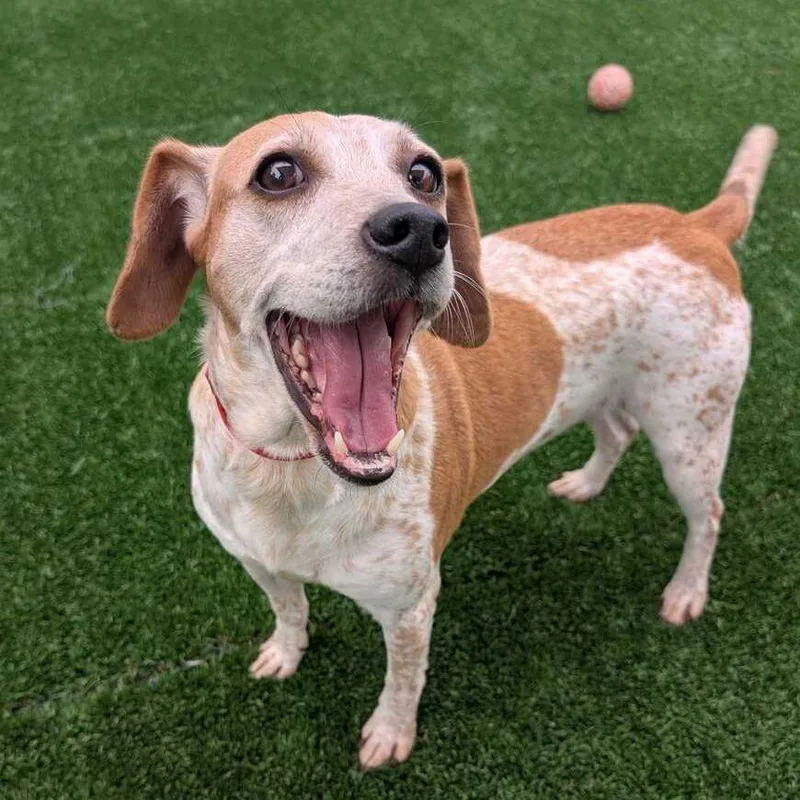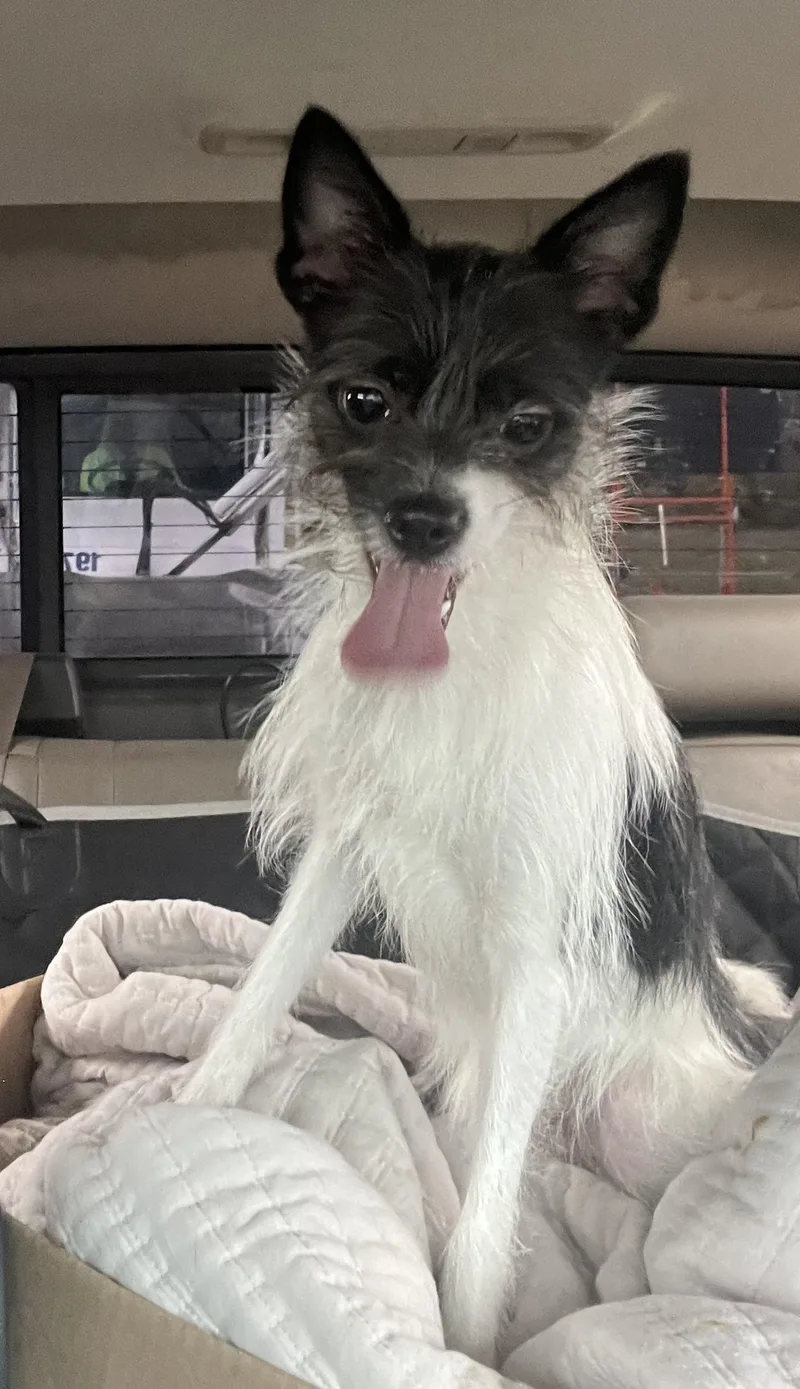
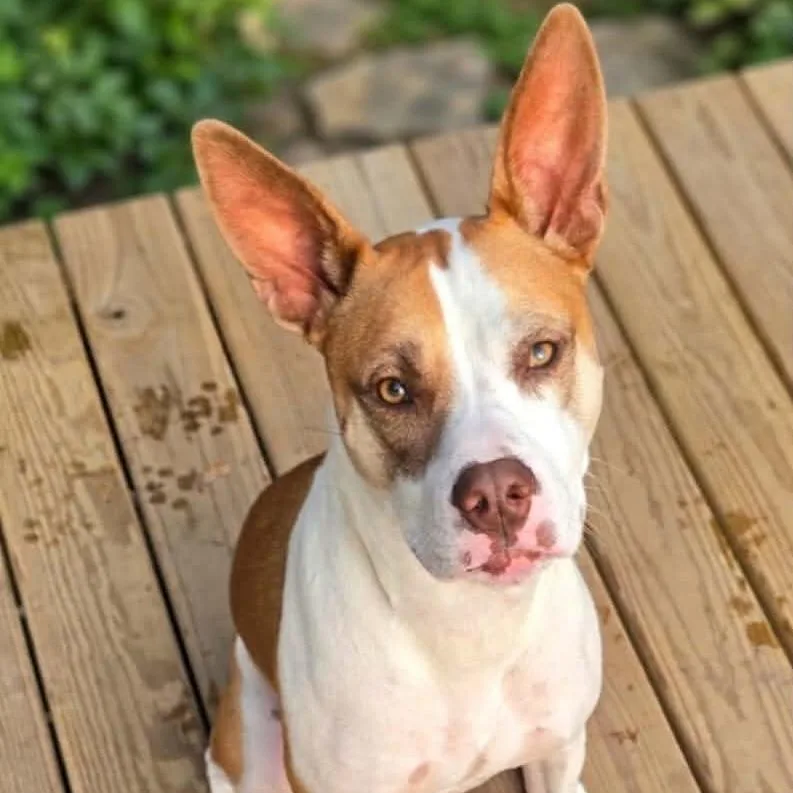
Basenji Dogs for Adoption in Chicago, IL

Your guide to finding and caring for a Basenji in Chicago

A Basenji suits Chicago's apartment buildings better than most hounds, because it doesn't bark. In Edgewater, where high-rises line Sheridan Road and neighbors share walls, that matters, though a Basenji will still yodel when it's excited. What it can't skip is exercise: a brisk daily leash walk, plus time in a fenced dog-friendly area, since its chase instinct makes open-park off-leash time a bad idea. Many Basenjis hate the cold, so winter walks here tend to be short and bundled up.

155 Basenjis available in Chicago and nationwide

Fall for a Basenji

While we don't have enough dogs near Chicago, keep in mind that many rescues may offer transport.

Basenjis Available for Adoption Near Chicago

About the Basenji breed

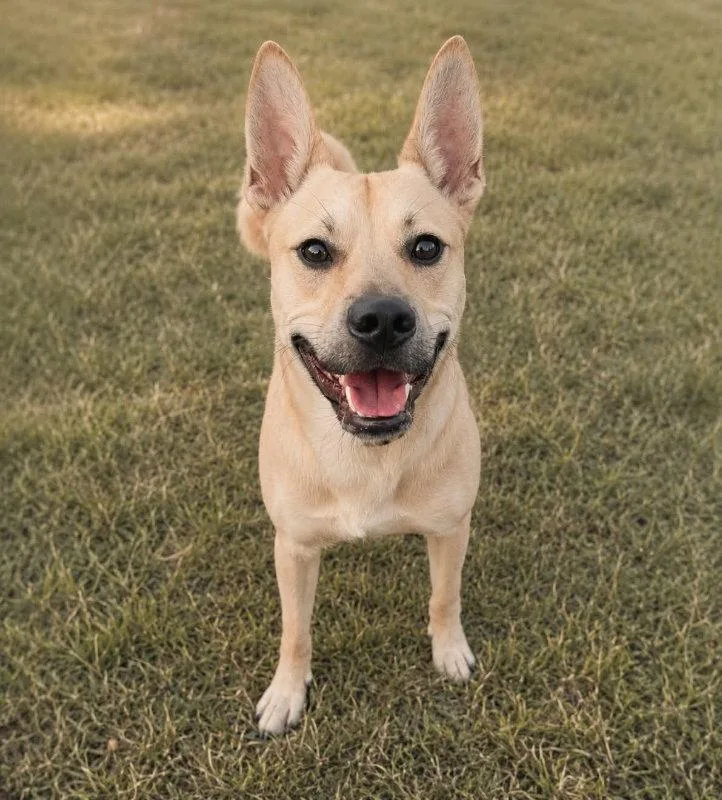
The Basenji is a small hunting dog from Central Africa, where village hunters used it to find small game and drive it into nets. Genetic studies place it among the oldest dog lineages. It stands about 15 to 18 inches tall, weighs roughly 20 to 26 pounds, and has a short, fine coat, a wrinkled forehead, upright ears and a tightly curled tail.

Instead of barking, Basenjis yodel, howl and make a sound called a baroo. They groom themselves like cats, shed little and have little odor, which makes shared hallways and small homes easier. They're clever, independent and often reserved with strangers, and they chew and escape with real skill. Expect a dog that thinks for itself, and plan on patient training and secure doors, windows and gates.

Weight
20–26 lbs
Height
15–18 in
Lifespan
12–15 yrs
Temperament
Independent, Intelligent, Alert, Affectionate
Group
Hound
Shedding
Low

Owning a Basenji in Chicago

Having a Basenji in Chicago

A Basenji pairs a hunter's drive with a cat's independence and an unusual voice. In Chicago, that means planning around leash-only streets, cold winters and small-space living, while giving a smart, restless dog enough to do every day.

Temperament

Basenjis are usually affectionate with their families, alert and often aloof with strangers. They think for themselves and may ignore commands that seem pointless, so training takes patience. A strong prey drive can make squirrels and small pets a challenge on busy Chicago blocks. Each dog differs, and some enjoy other dogs while others prefer to be the only one.

Exercise Needs

Plan on a brisk daily walk or run, plus play and mental work like puzzle toys and scent games. Off-leash running is legal only in Chicago's Park District dog-friendly areas, which suit a Basenji's chase instinct better than open parks. Leashed walks along the lakefront add variety and help burn off energy.

Health Considerations

Basenjis are often long-lived but can inherit Fanconi syndrome, a kidney disorder, plus progressive retinal atrophy, pyruvate kinase deficiency and hypothyroidism. Not every dog develops these. A veterinarian can discuss DNA testing, periodic urine screening and regular checkups to catch problems early. In Chicago, wipe paws after walks on salted winter sidewalks.

Living Space

A Basenji can do well in a Chicago apartment or two-flat if its exercise needs are met, and its lack of barking helps with thin walls. Security matters more than square footage: it climbs, squeezes through gaps and chews. Keep balcony doors, windows and gates secure, and give it a warm bed.

What it costs to own a Basenji in Chicago

ExpenseTypical costPer year
Food$20 to $45 per month$240 to $540
Pet insurance$40 to $85 per month$480 to $1,020
Routine vet care$200 to $400 per year$200 to $400
Other*$386 to $1,061 per year$386 to $1,061
Estimated yearly total (after year one)$1,306 to $3,021

Other costs are estimates and vary with size, age and health.

* The $5 Chicago license for a spayed or neutered dog, a Cook County rabies tag, a dental cleaning, flea, tick and heartworm prevention, a winter coat, chew toys and bedding, and light grooming.

Adopt a Basenji in Chicago.

Now that you know more, let’s find you a new best friend. These rescues and shelters below have dogs available in and near Chicago.

Frequently Asked Questions

Yes, you can own a Basenji in Chicago, since Illinois law bars breed-specific rules. Register your dog with the city once it's four months old, at $5 a year if spayed or neutered, and add a Cook County rabies tag. Keep the dog leashed off your property; fines start at $300. Your landlord or condo association may still set its own size or breed rules.

A Basenji can be a good fit for Chicago if you're active and patient. Its quiet voice suits shared buildings, and its small size works in apartments. The challenges are strict leash rules, cold winters and a hunter's chase drive, so you'll want a secure routine and plenty of daily walks. Households away all day may struggle with a bored, chewing Basenji.

They can, but they need help. Chicago winters bring about 106 to 121 freezing nights a year and roughly 38 inches of snow, and a Basenji's short, thin coat gives little warmth. Use a fitted coat, keep walks brief on the coldest days, and wipe paws after salted sidewalks. Many Basenjis dislike cold, so a warm indoor routine matters.

The best off-leash options are the Park District's dog-friendly areas, such as Montrose Dog Beach, Puptown and Clarendon in Uptown, or Churchill and Walsh near The 606. They're the only legal off-leash spots and require a $10 yearly permit tag. Because Basenjis chase, stick to enclosed areas and keep the dog leashed everywhere else.

Only if the dog fits in a carrier. The CTA allows pets on buses and 'L' trains only in a closed carrier that one person can carry and that fits under a seat without blocking aisles. At 20 to 26 pounds, many adult Basenjis will be a tight fit, so plan on walking or driving for most trips. Service animals are always permitted.

Don't count on it. Service animals are always allowed, but access for pet dogs is unsettled. Some restaurants and bars welcome dogs on patios in warm months, and that's the business's choice, while dogs aren't allowed indoors at food businesses. A Basenji's chase drive and wariness of strangers can make a busy patio tricky, so keep the leash short.

Very little. A Basenji's short coat is self-cleaning, so a weekly soft-brush session and an occasional bath are plenty, and light grooming is already counted in the yearly Other costs. In Chicago, the main extras are wiping salt from paws in winter, trimming nails, and watching for dry skin when indoor heating dries the air.

A Basenji is a small, ancient hunting dog from Central Africa, famous for not barking. It belongs to the AKC Hound Group and was recognized in 1943. Basenjis are lean and elegant, with a wrinkled forehead, upright ears and a tightly curled tail. They tend to be clever, independent, clean and energetic, with a strong instinct to chase.

A Basenji looks like a small, athletic dog with a short, fine coat, upright pointed ears, a wrinkled forehead and a tail curled tightly over its back. Common colors are chestnut red, black, tricolor and brindle, always with white feet, chest and tail tip. It moves with a quick, springy trot often compared to a trotting racehorse.

Expect food at about $20 to $45 a month, insurance at $40 to $85 a month, and routine vet care of $200 to $400 a year. Other yearly costs run about $386 to $1,061, covering the license, rabies tag, parasite prevention, dental care and supplies. Insurance is worth pricing early because of the breed's inherited kidney and eye conditions.

Find Basenjis in Nearby Cities

Expand your search to find Basenjis available for adoption near Chicago.