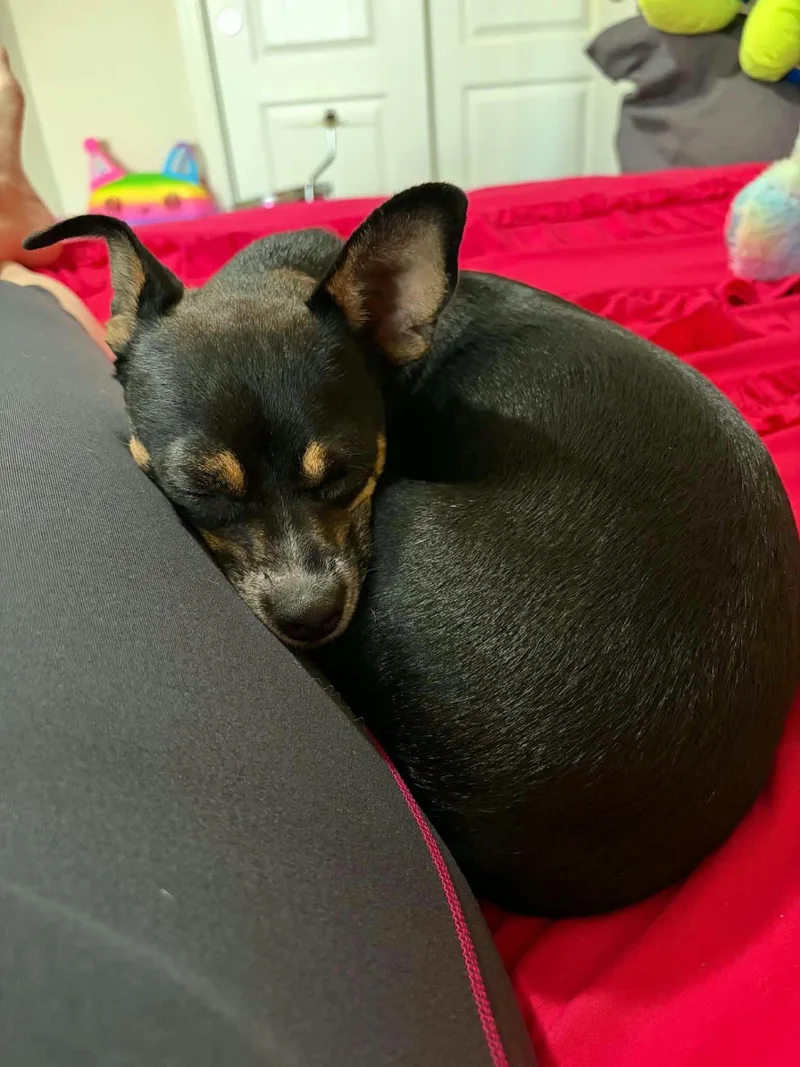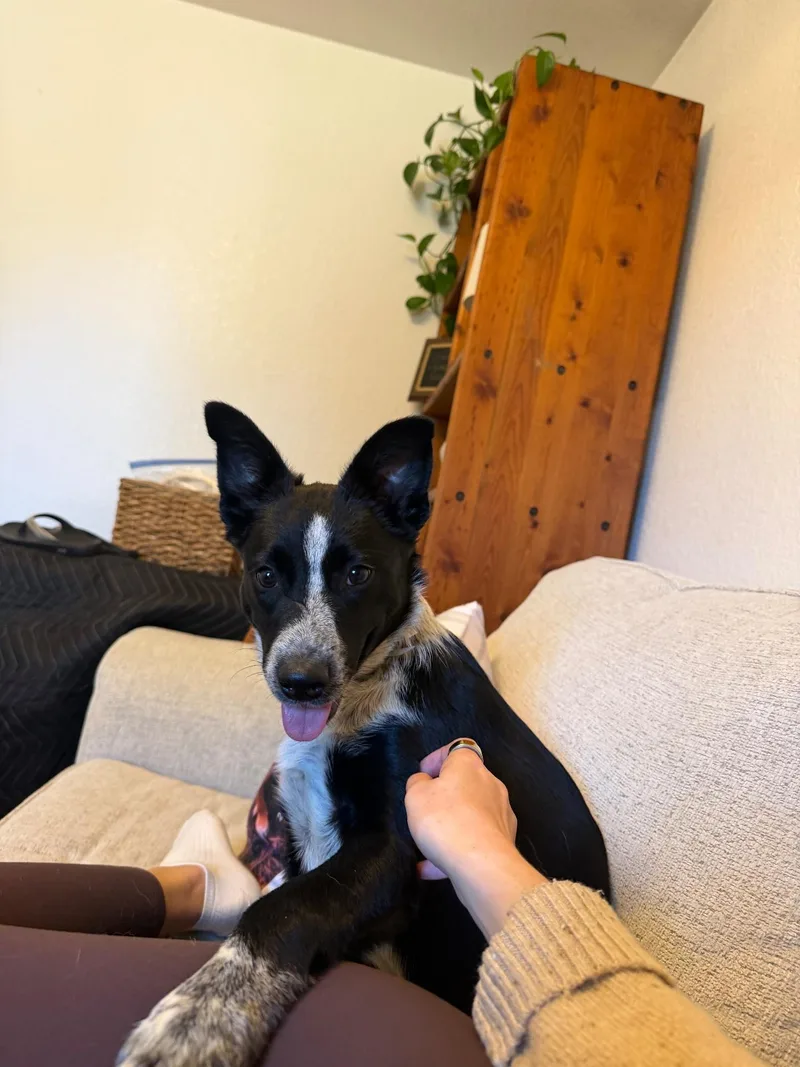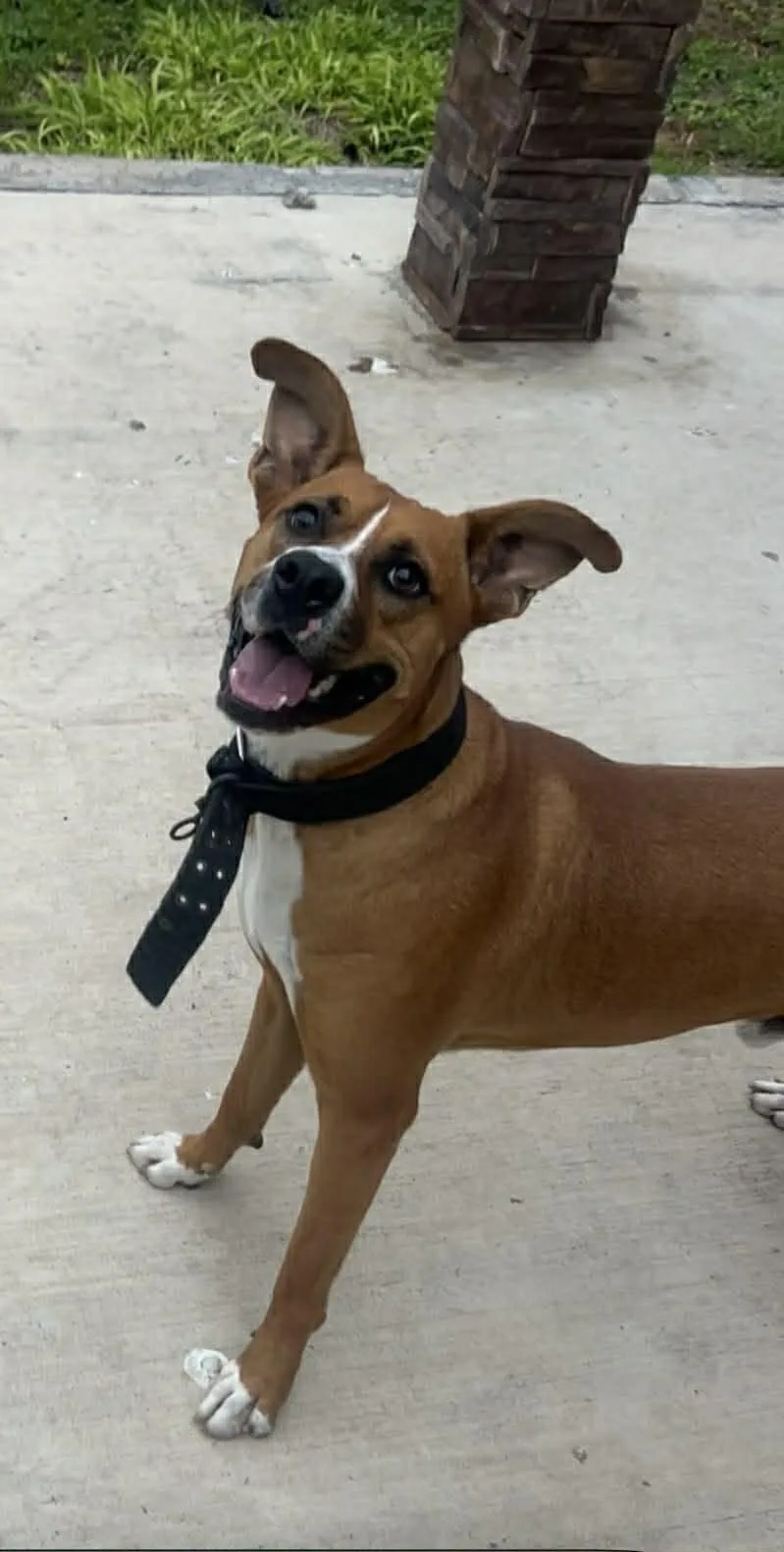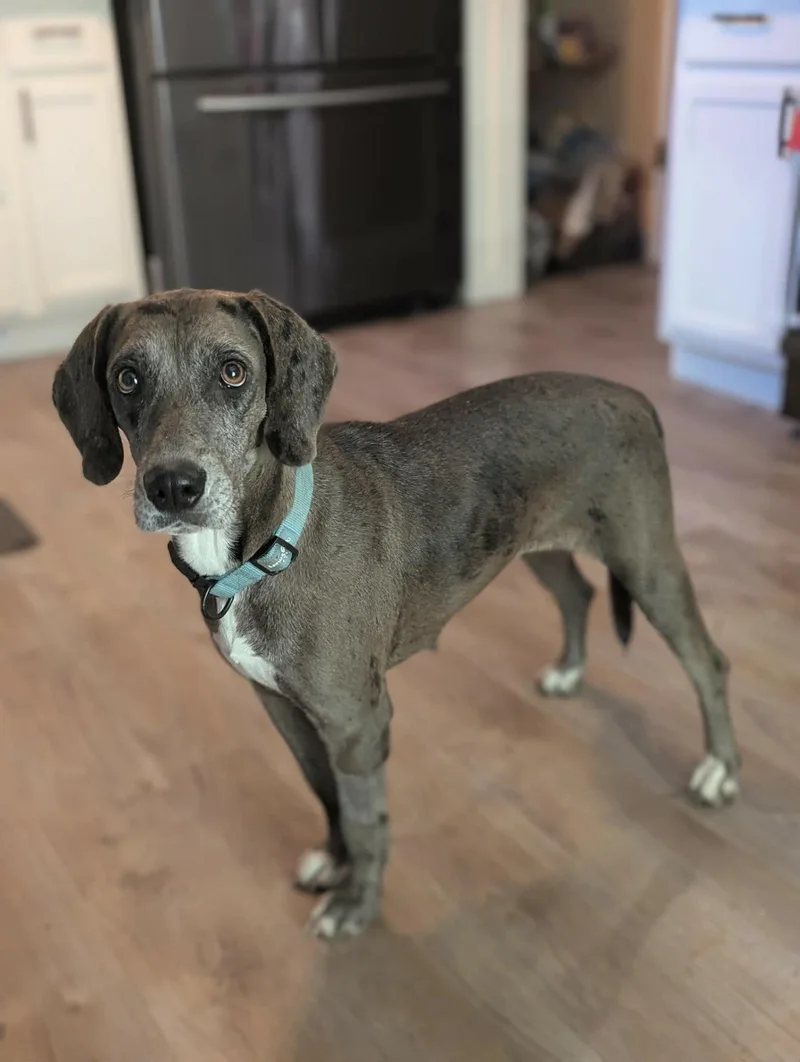








English Setter Dogs for Adoption in Boise, ID

Your guide to finding and caring for an English Setter in Boise

English Setters suit Boise best when there's room to run and a trail nearby. In Collister or Southwest Boise, where most homes are single-family and many have yards, a setter can burn off energy in a fenced yard and then head out to the Foothills. They're sweet and sociable at home, but that bird-dog nose means a leash matters on trails. Plan on a daily outing and a weekly brushing routine.

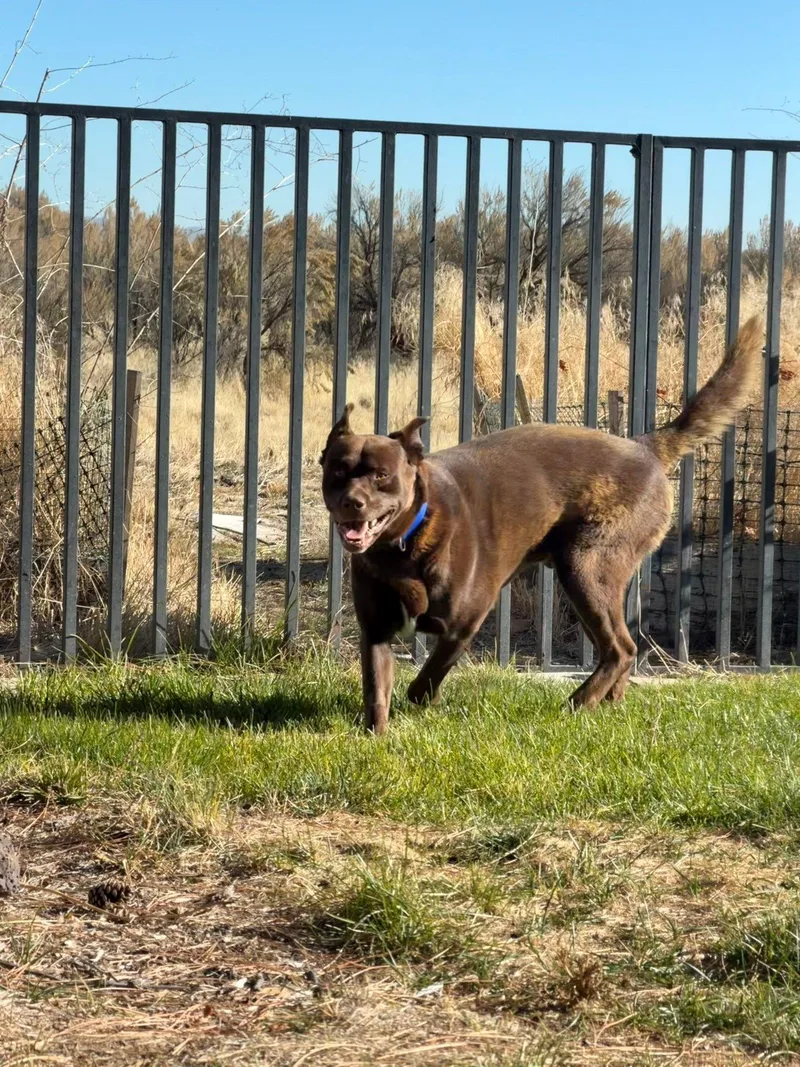
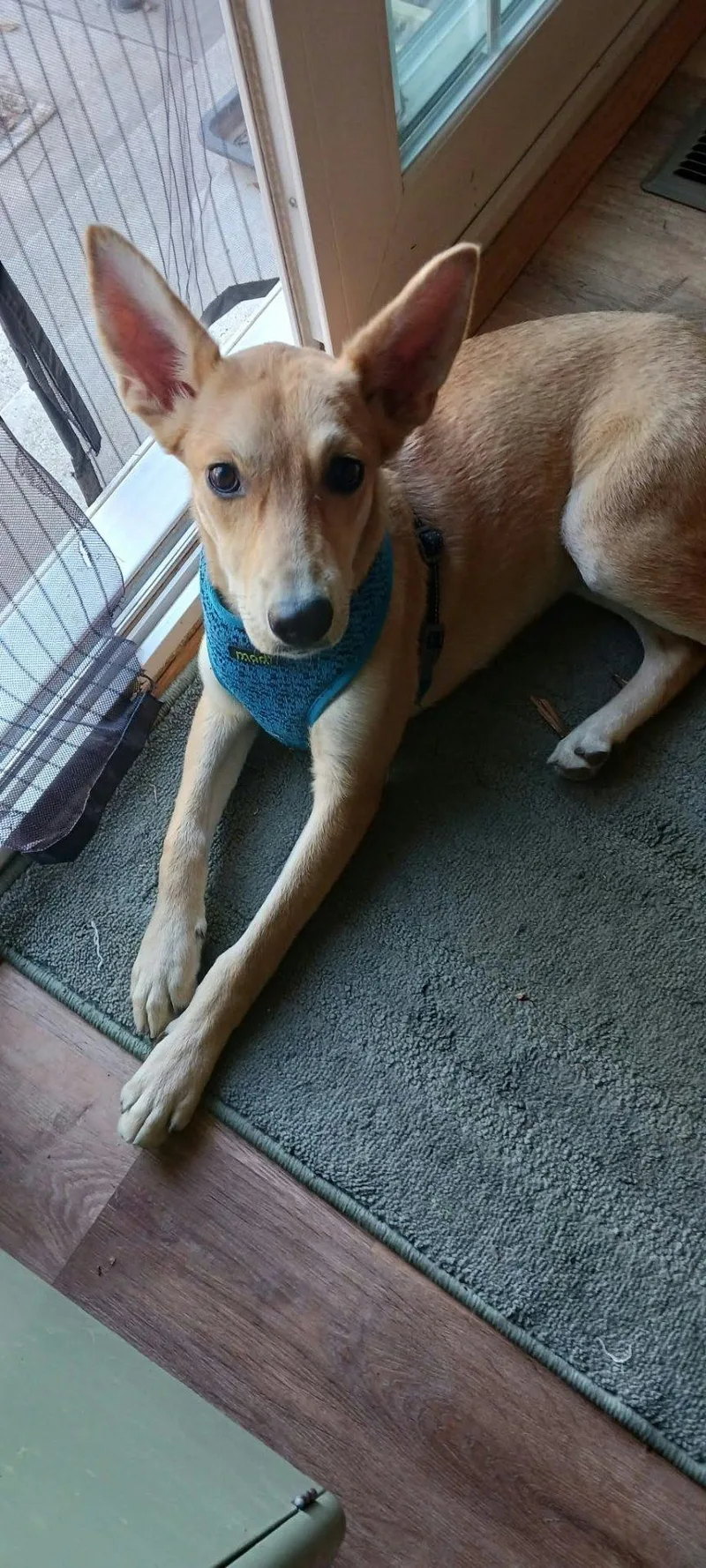
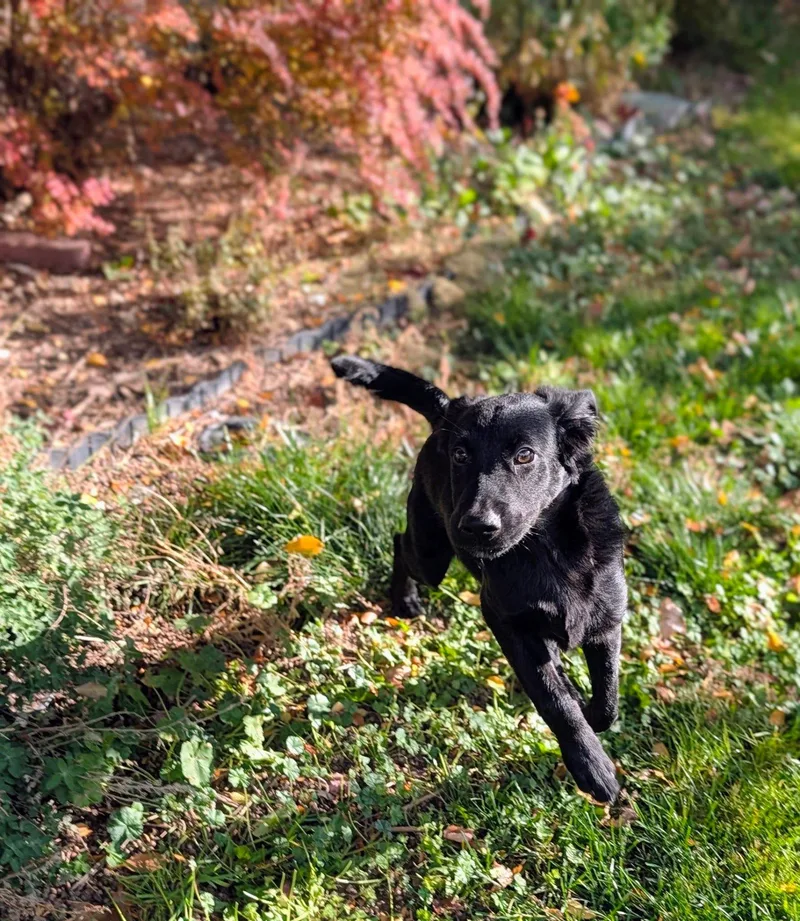
51 English Setters available in Boise and nationwide

Bring home an English Setter

While we don't have enough dogs near Boise, keep in mind that many rescues may offer transport.

English Setters Available for Adoption Near Boise

About the English Setter breed

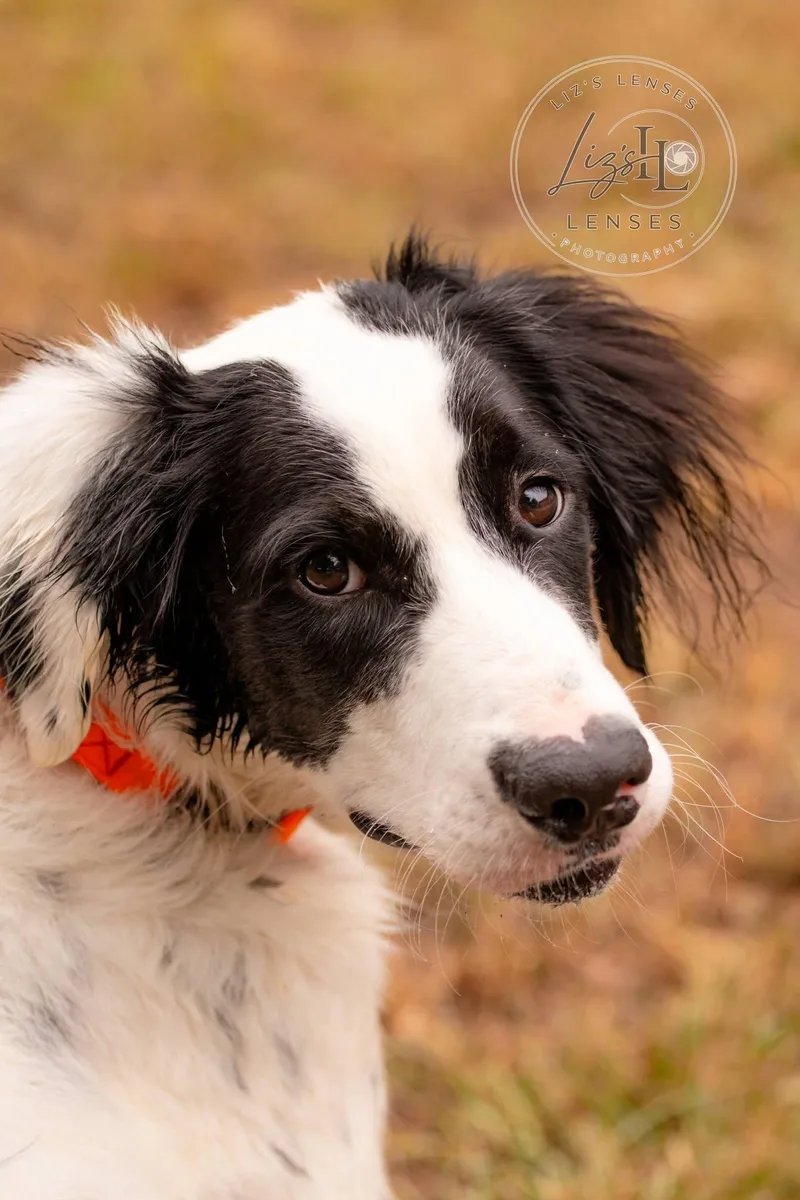
English Setters were developed on English country estates roughly four centuries ago to find game birds by scent and freeze, or "set," until the hunter arrived. Their long, silky coat is flecked in a pattern called belton, in blue, orange, lemon, liver or tricolor, with feathering on the ears, chest, legs and tail.

Show-type setters tend to be larger and heavier-coated, while field-type dogs are often smaller and leaner, so two setters can differ a lot. In Boise, that feathering picks up cheatgrass seeds on Foothills trails, and the bird drive makes a securely fenced yard valuable. Many setters are mellow indoors but stay playful for two or three years, so patient training pays off.

Weight
45–80 lbs
Height
23–27 in
Lifespan
10–13 yrs
Temperament
Gentle, Friendly, Energetic
Group
Sporting
Shedding
Moderate

Owning an English Setter in Boise

Having an English Setter in Boise

English Setters pair a bird dog's stamina and nose with a soft, people-oriented nature. In Boise, the fit comes down to daily running room, a plan for hot summer afternoons and a routine for brushing out a long, feathered coat.

Temperament

Setters are usually gentle, friendly and sociable, which helps at Boise dog parks and on busy Greenbelt paths. Many stay boisterous for years and can be sensitive or a bit stubborn, so calm, positive training works best. A strong bird instinct can pull attention away from you outdoors, and each dog's history and line shape how these traits show up.

Exercise Needs

Plan on vigorous daily exercise, such as a run in a fenced dog park, a hike or a long leashed walk. Many Foothills trails allow controlled off-leash dogs, but a setter's nose can lead it astray, so keep it close and carry a leash. Young setters should skip long, high-impact runs until about two years old.

Health Considerations

Setters can be prone to hip and elbow dysplasia, congenital deafness, hypothyroidism and bloat, a sudden stomach emergency. Their long ears need regular checks. In Boise, look over ears and between the toes after Foothills outings, since cheatgrass seeds can lodge there. A veterinarian can test hearing and advise on preventive care.

Living Space

A securely fenced yard suits a setter best, and much of Boise's housing outside downtown is single-family. Apartments can work with committed daily exercise elsewhere. Indoors, setters are usually calm and want to be near their people, but expect shed hair, burr-collecting feathers and a tail that clears a coffee table.

What it costs to own an English Setter in Boise

ExpenseTypical costPer year
Food$55 to $110 per month$660 to $1,320
Pet insurance$65 to $130 per month$780 to $1,560
Routine vet care$250 to $500 per year$250 to $500
Other*$940 to $2,390 per year$940 to $2,390
Estimated yearly total (after year one)$2,630 to $5,770

Other costs are estimates and vary with size, age and health.

* Flea, tick and heartworm prevention, a dental cleaning allowance, the Boise dog license (about $20 a year for a spayed or neutered dog), toys and bedding, and regular professional trims for the long feathered coat.

Adopt an English Setter in Boise.

Now that you know more, let’s find you a new best friend. These rescues and shelters below have dogs available in and near Boise.

Rescues and Shelters in or near Boise

Shelters and rescues around Boise care for dogs of every size and background, from active sporting breeds to couch companions. Here are the rescues & shelters in the Boise area with dogs available for adoption, worth asking whether an English Setter is coming in.

Frequently Asked Questions

Yes, you can own an English Setter in Boise. There are no known breed-specific rules, and dangerous-dog designations depend on a dog's behavior. Dogs over 16 weeks need a city license, about $20 a year if spayed or neutered, plus a rabies vaccination by 4 months. Dogs must be leashed in public outside posted off-leash areas, and keeping more than four requires a kennel license.

Dog Island at Ann Morrison Park offers a 5.4-acre fenced area with a pond for swimming, and Military Reserve Dog Park opens onto Foothills trails. Most Ridge to Rivers trails allow controlled off-leash dogs within 30 feet, but a setter's nose can wander, so keep a leash handy. On the Greenbelt, leashes must be 8 feet or shorter.

Yes, with planning. Boise summers are hot and dry, with about 55 days a year at 90°F or higher, mostly in July and August, but nights cool to around 62°F. Exercise a setter at dawn or in the evening, carry water and skip midday trails. Late-summer wildfire smoke can also cancel outdoor runs, so keep indoor games ready.

Generally no. Valley Regional Transit buses require pets to ride in a carrier small enough to rest on your lap or fit under the seat, and service animals are exempt. A full-grown English Setter weighs roughly 45 to 80 pounds, so it won't fit. Boise has buses only, with no rail, so plan on driving or walking.

An English Setter fits Boise well if you're active and have a fenced yard or reliable access to running room, such as the Foothills trails and the Greenbelt. It's a harder match if you're away for long days or can't exercise a dog daily through July and August heat. Setters are usually sociable, though each dog's energy and history vary.

Plan on weekly brushing plus periodic trims. In Boise's dry climate, coat care is mostly about seeds: after Foothills walks, check the feathering, ears and between the toes for cheatgrass. Professional grooming of the long coat is the largest part of the $940–$2,390 yearly "Other" cost, which also covers prevention and dental care.

Yes, English Setters shed a moderate amount year-round, with somewhat heavier seasonal shedding. Their long, silky coat and feathering release hair onto floors and furniture and also pick up burrs and tangles. Brushing at least once a week, plus a bath every month or so, keeps shedding manageable and helps prevent uncomfortable mats from forming.

English Setters often make lovely family dogs for active households. Many are affectionate, gentle and tolerant, and they usually get along well with visitors and other dogs. Their exuberance can bowl over small children, and they need daily running time and company. Families who are home often and enjoy outdoor activity tend to be the best match.

English Setters typically live about 10 to 13 years, and the AKC lists an average of around 12. Lifespan varies with genetics, weight and overall care. Keeping a setter lean, protecting young joints from overuse, recognizing the signs of bloat and keeping up regular veterinary checkups all help give an individual dog the best chance at a long life.

Expect roughly $55–$110 a month for food, $65–$130 a month for pet insurance, $250–$500 a year for routine vet care and $940–$2,390 a year for everything else. Professional grooming of the long feathered coat is the biggest piece of that last figure. Costs vary with a dog's size, age and health.