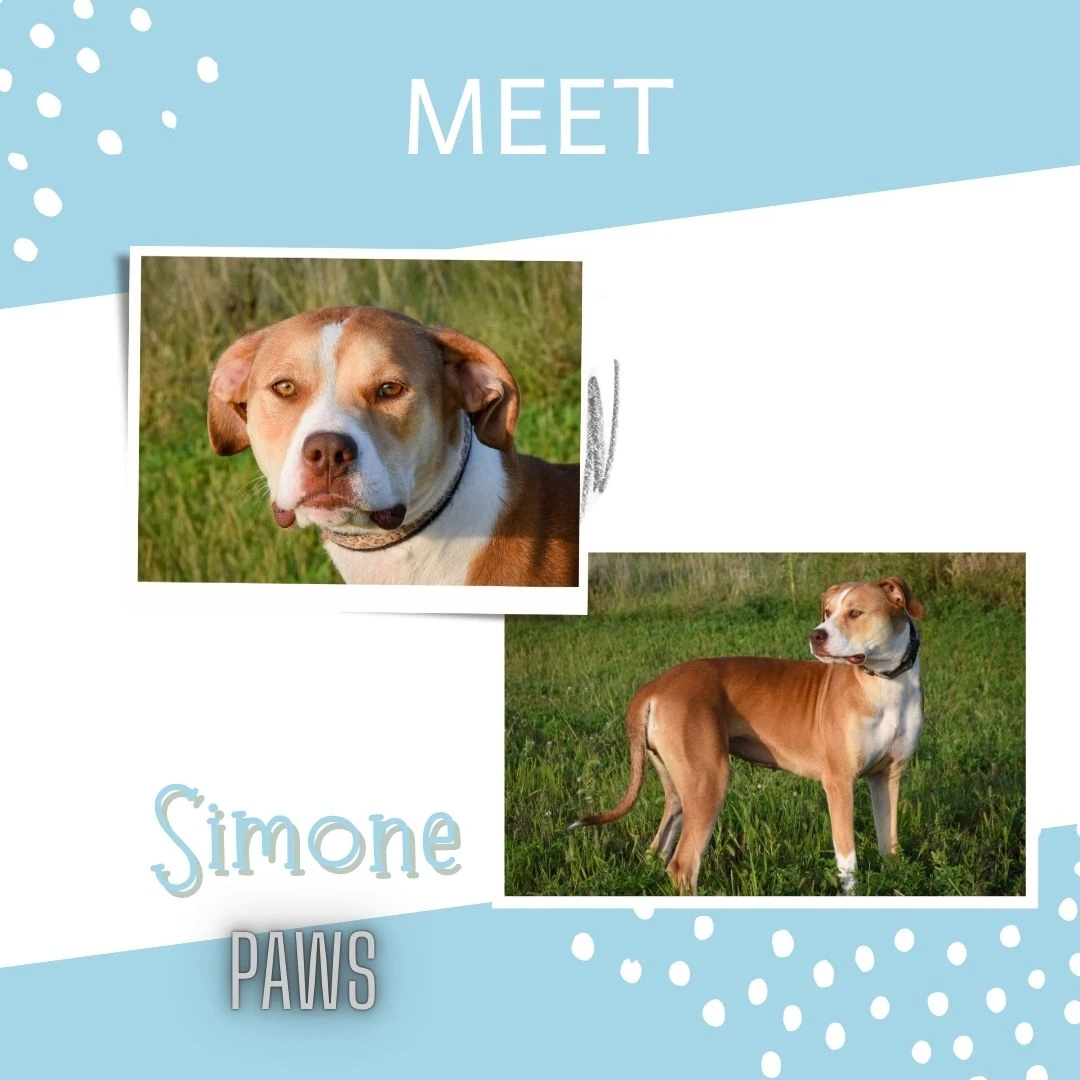
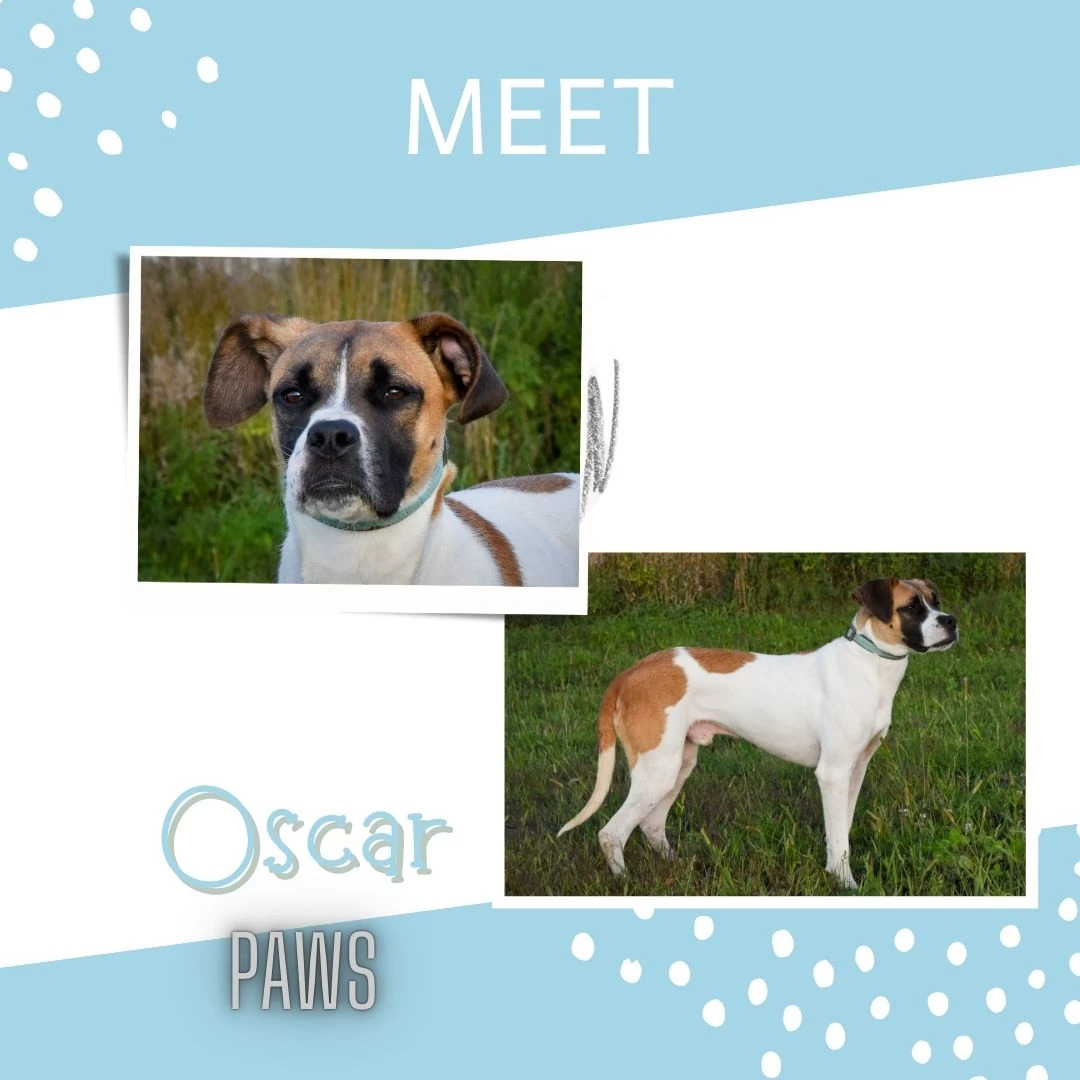
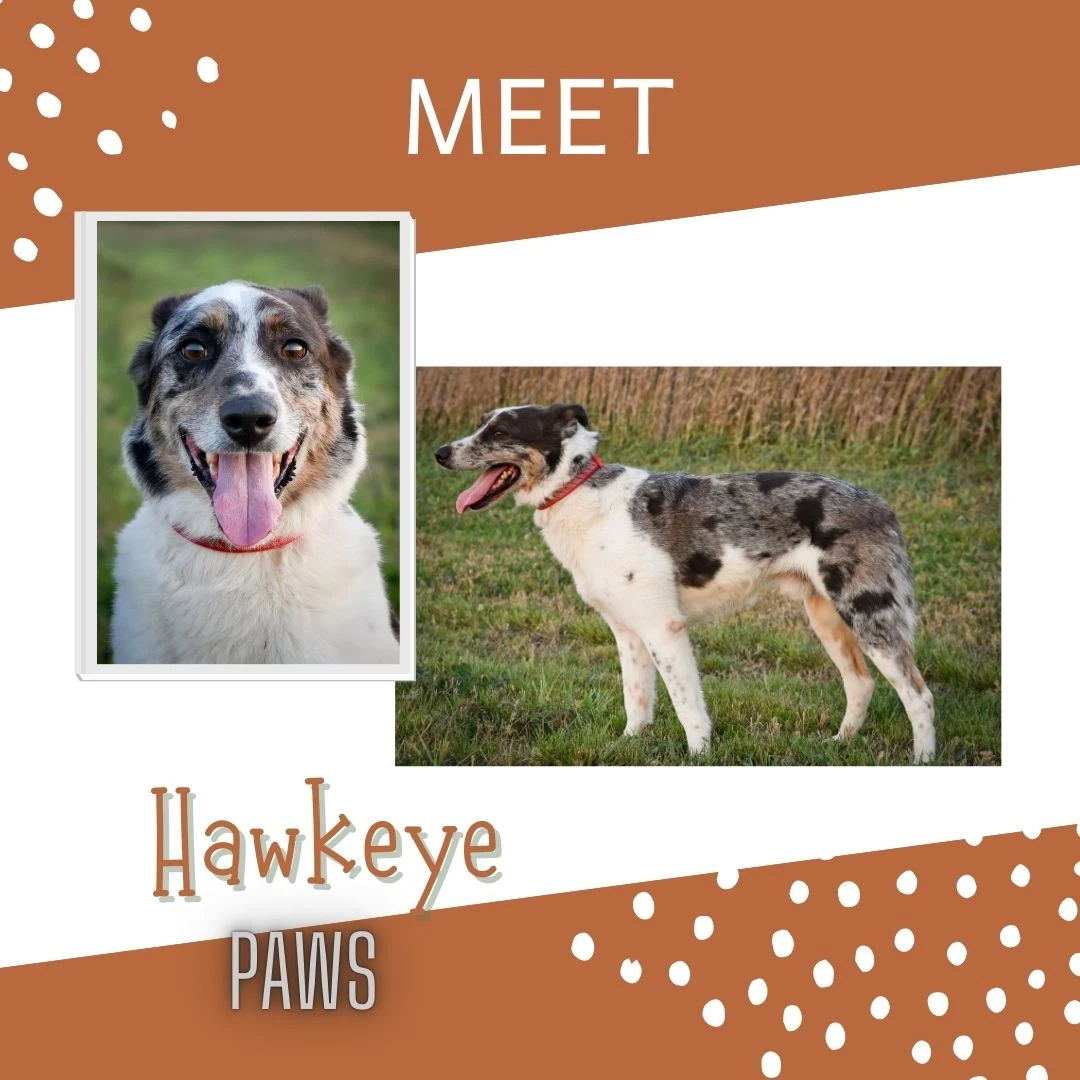
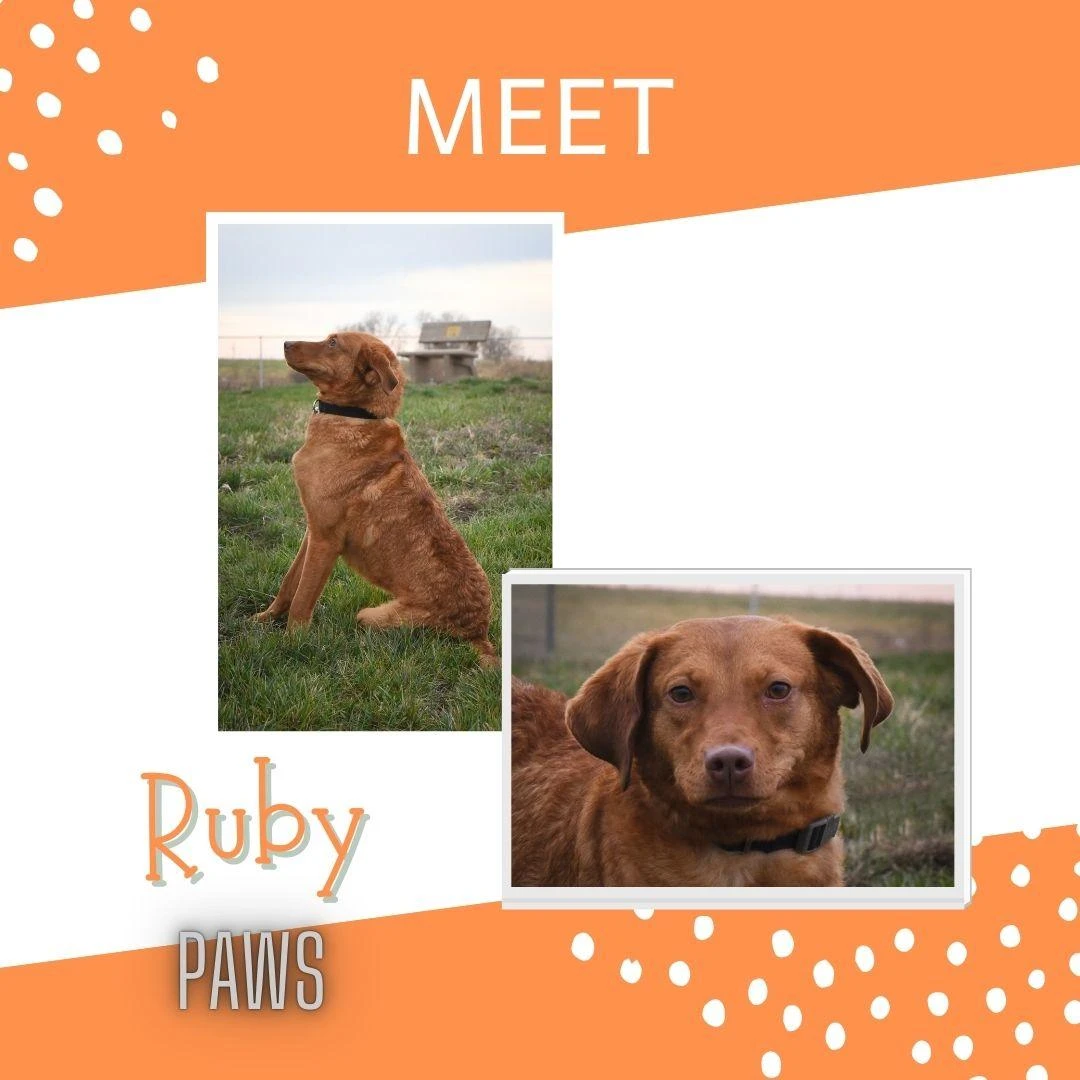
Mixed Breed Dogs for Adoption in Indianola, IA

Your guide to finding and caring for a Mixed Breed in Indianola

29257 Mixed Breeds available in Indianola and nationwide

Find your perfect mixed breed dog

While we don't have enough dogs near Indianola, keep in mind that many rescues may offer transport.

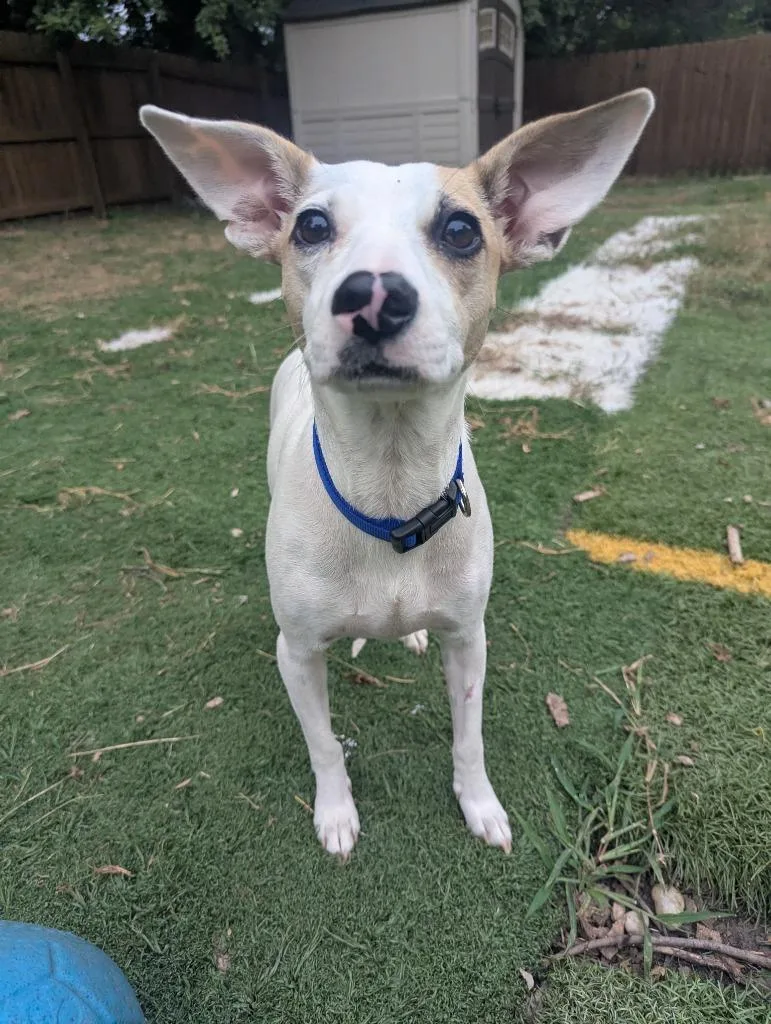
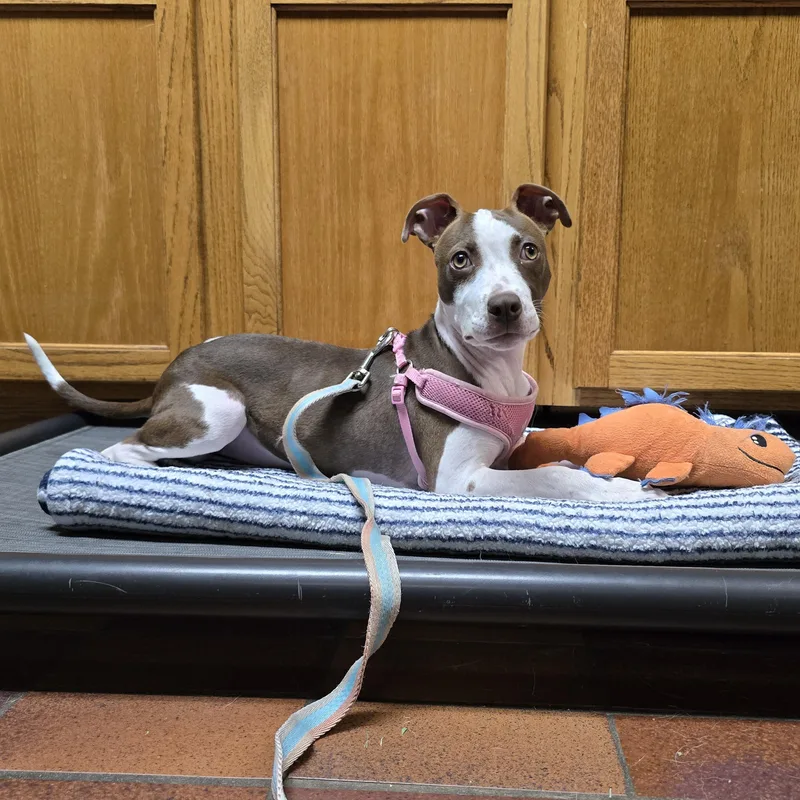
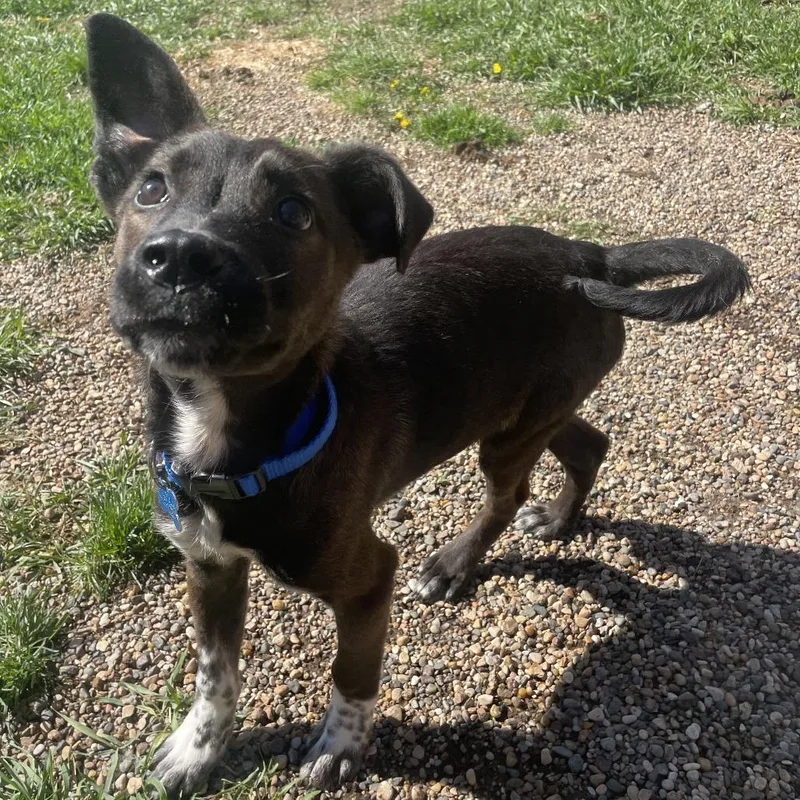
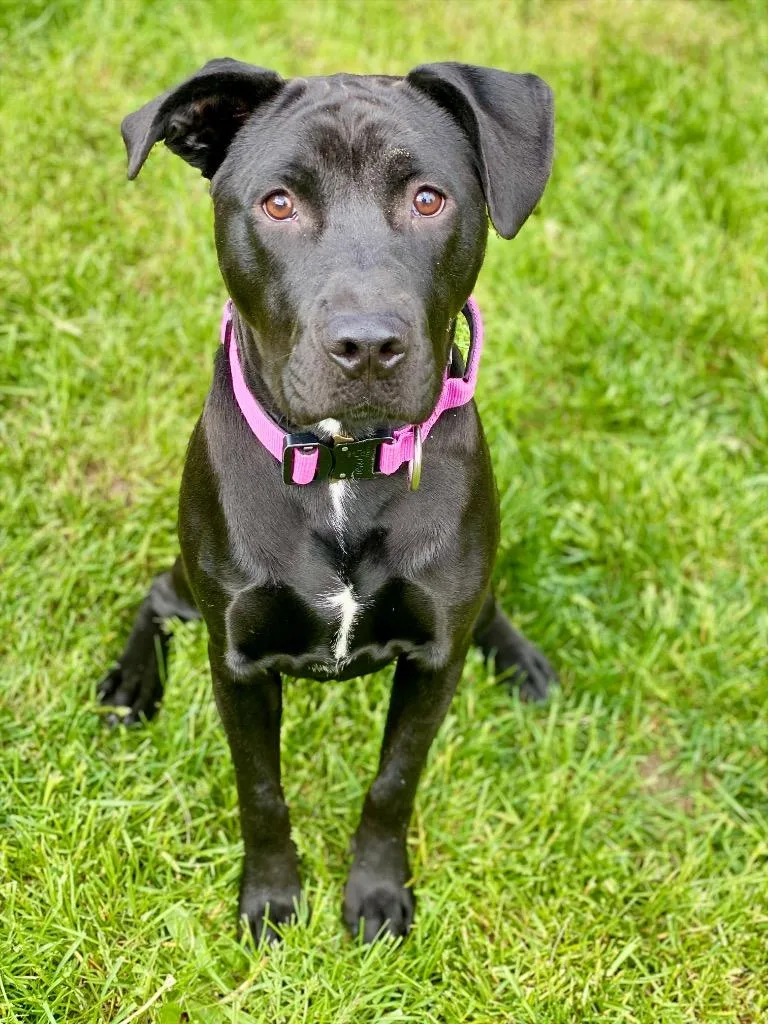
Mixed Breeds Available for Adoption Near Indianola

About the Mixed Breed breed

Mixed Breed is not a breed at all but a label for any dog whose ancestry combines two or more breeds, or is simply unknown. These dogs make up a large share of the animals waiting in shelters and rescues, and they range from compact terrier mixes under 20 pounds to shepherd, hound or retriever mixes topping 70. Coat, color, ears and build can take after any branch of the family tree, so no two look quite alike.

Because ancestry varies, the most reliable guide to a mixed breed dog is the individual in front of you: its size, energy, history and how it responds to people and other animals. Adopters who meet a few dogs and choose on personality rather than looks often find a companion that fits their life remarkably well.

Weight
20–70 lbs
Height
15–25 in
Lifespan
10–15 yrs
Temperament
Adaptable, Affectionate, Loyal
Shedding
Moderate

Owning a Mixed Breed in Indianola

Having a Mixed Breed in Indianola

With a mixed breed dog, traits come from the individual rather than a breed description. Looking closely at a dog's size, energy, coat and known history tells adopters far more than guessing at ancestry, and helps match the right dog to the right home.

Temperament

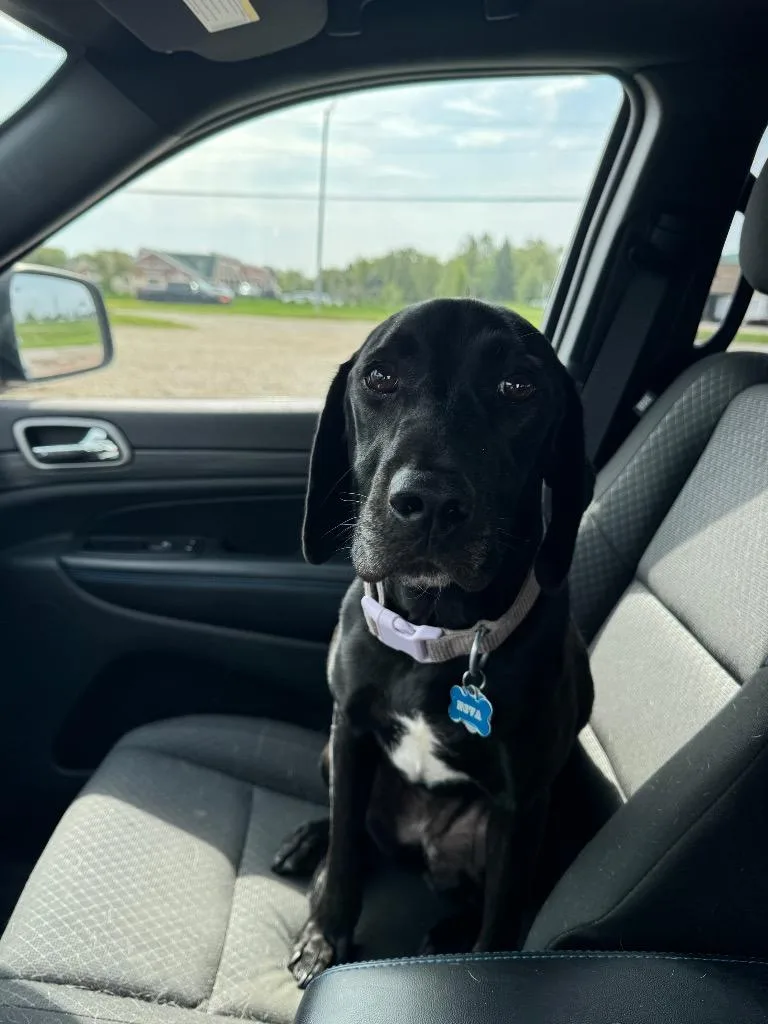
Mixed breed dogs show the full range of canine personalities, from calm couch companions to busy, driven dogs. Ancestry may nudge tendencies, such as herding or hunting instincts, but research suggests breed explains only a small part of individual behavior. Meeting an individual dog is the best way to see how it behaves with children, strangers and other animals.
Exercise Needs

Exercise needs depend on the dog's size, age and background. Many mixes do well with daily walks and play, while those with herding, sporting or terrier ancestry may want more running, sniffing and problem-solving. Mental enrichment, such as food puzzles and short training sessions, helps most dogs settle. Adjust activity as you learn what your dog enjoys.

Health Considerations

Mixed breed dogs have lower rates of some inherited conditions seen in purebreds, but they are not immune to illness. Obesity, dental disease, skin allergies, arthritis and cruciate ligament injuries are common, and larger dogs face more joint problems. Review the shelter's medical records and schedule a veterinary exam soon after adoption.

Living Space

Whether a mixed breed dog suits an apartment or a house depends on the dog's size, energy and noise level. A small, calm adult may thrive in a studio, while a young, energetic large mix may need more room and a secure yard. Ask about barking, crate habits and leash manners before deciding.

What it costs to own a Mixed Breed

ExpenseTypical costPer year
Adoption fee$250, one time$250 in year one
Food$35 to $70 per month$420 to $840
Pet insurance$45 to $85 per month$540 to $1,020
Routine vet care$225 to $450 per year$225 to $450
Other*$440 to $1,190 per year$440 to $1,190
Estimated yearly total (after year one)$1,625 to $3,500
First-year total (with adoption fee)$1,875 to $3,750

Adoption fee is the fee on Mixed Breed listings in Indianola on GetBuddy today. Other costs are national averages for Mixed Breeds; we don't have costs specific to Indianola yet.

* Flea, tick and heartworm prevention, a dental cleaning allowance, a dog license, toys and bedding, and basic grooming; costs vary with the individual dog's size and coat.

Adopt a Mixed Breed in Indianola.

Now that you know more, let’s find you a new best friend. These rescues and shelters below currently have Mixed Breeds available.

Rescues in Indianola with Mixed Breeds Available

Here are the rescues & shelters in the Indianola area where you can find Mixed Breeds and other dogs available for adoption.

Frequently Asked Questions

A mutt is a dog whose ancestry includes more than one breed, often through several generations of unplanned mixing, so its exact background is unknown. Mutts make up a large share of the dogs in shelters and rescues. They come in every size, coat and personality, which is why meeting the individual dog matters more than guessing at its family tree.

A purebred dog has parents of the same recognized breed and a documented pedigree tracing that breed back many generations. Purebreds tend to be predictable in size, coat and general tendencies, because each breed is bred toward a written standard. Purebred dogs also end up in shelters and breed-specific rescues, so adopting is an option whichever kind of dog you prefer.

Mixed breed dogs stop growing on a timeline set mostly by their adult size. Small mixes usually finish around 9 to 12 months, medium mixes around 12 to 15 months, and large mixes may keep growing and filling out until 18 months to two years. Paw size is an unreliable predictor, so ask your veterinarian to estimate adult size.

Mixed breed dogs often live slightly longer than purebreds on average, with one US study finding a difference of about a year. Size matters more than ancestry, though: small dogs generally outlive large ones whether mixed or purebred. A small purebred may easily outlive a large mix, and diet, weight, dental care and veterinary attention all shape a dog's lifespan.

Most mixed breed dogs live about 10 to 15 years, and many small mixes reach their late teens. Large and giant mixes tend toward the shorter end of that range. Keeping a dog at a healthy weight, maintaining dental care, staying current on preventive care and catching problems early at regular checkups give any mixed breed dog its best chance of a long life.

A dog is called a mutt when its ancestry combines more than one breed and isn't documented in a pedigree. That can mean two different purebred parents, but the word usually describes dogs with several generations of mixing, where no single breed dominates. Appearance alone can mislead, since many mutts strongly resemble one breed while carrying several others.

A hybrid dog, often called a designer dog, is an intentional cross between two purebred breeds, such as a Labradoodle or Puggle. Hybrids are mixed breed dogs, not recognized breeds, and their size, coat and temperament can vary widely even within one litter. Many end up in shelters and rescues, so adopters can often find them available for adoption.

A canine DNA test is the most reliable way to identify your dog's breed mix. Consumer kits use a cheek swab and compare your dog's DNA with reference breeds, often also screening for some genetic health markers. Accuracy varies between companies and for rare breeds. Visual guesses, even by experienced professionals, frequently miss the breeds that actually appear in DNA results.

A mutt can look like almost anything. Mixed breed dogs range from tiny to large, with smooth, wiry, curly or fluffy coats, upright or floppy ears, and every color and pattern. Some strongly resemble one breed, while others blend features in unexpected ways. Their adult appearance can be hard to predict in puppies, so meeting an adult shows what you'll get.

We have 1 rescue with Mixed Breeds available: Forever Home Dog Rescue. You can see every rescue with Mixed Breeds available in the list above these questions, or scroll to the top to see the Mixed Breeds near Indianola.

Explore Other Breeds in Indianola

Looking for a different breed? Browse other dogs available for adoption in Indianola.