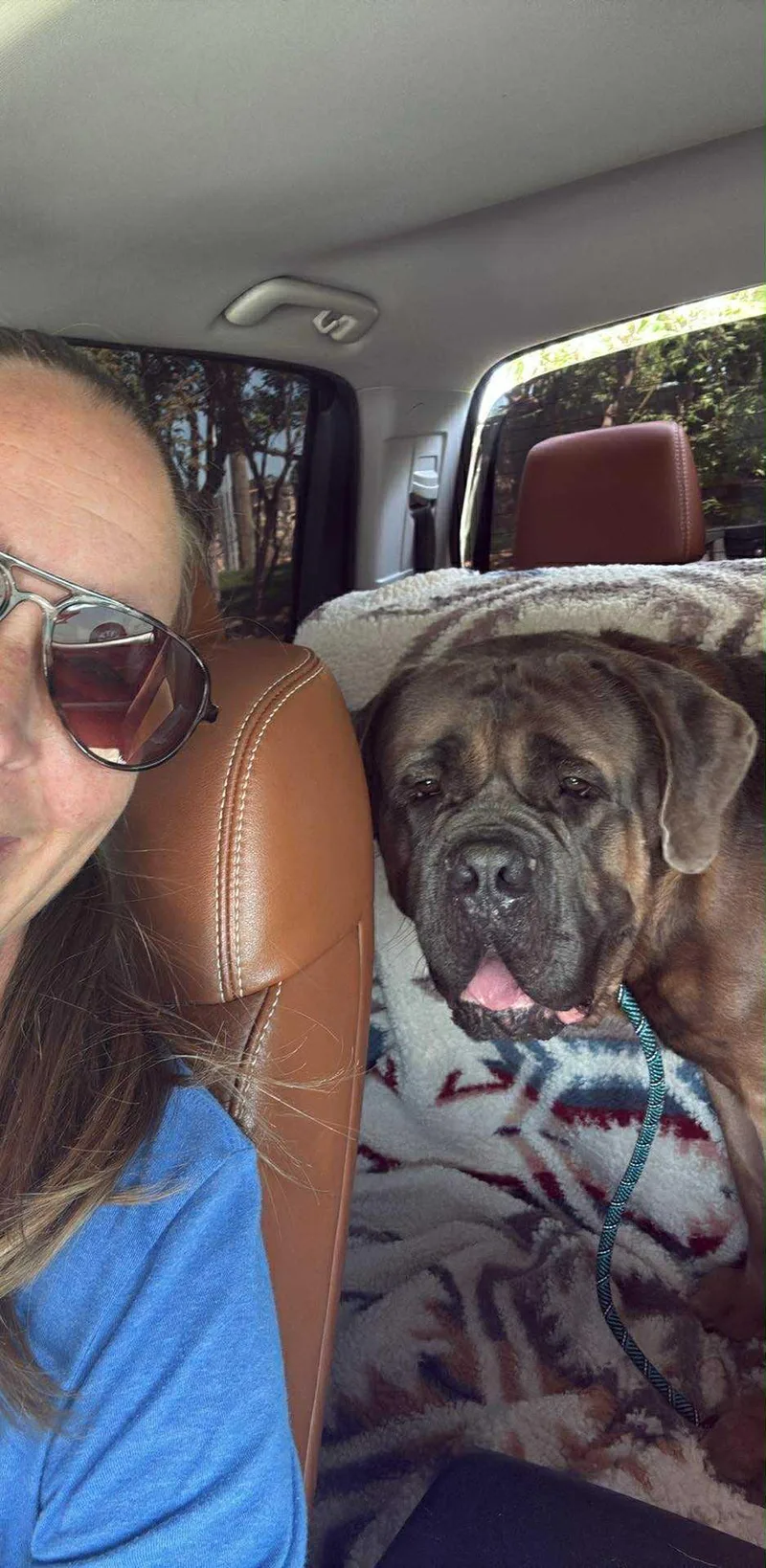
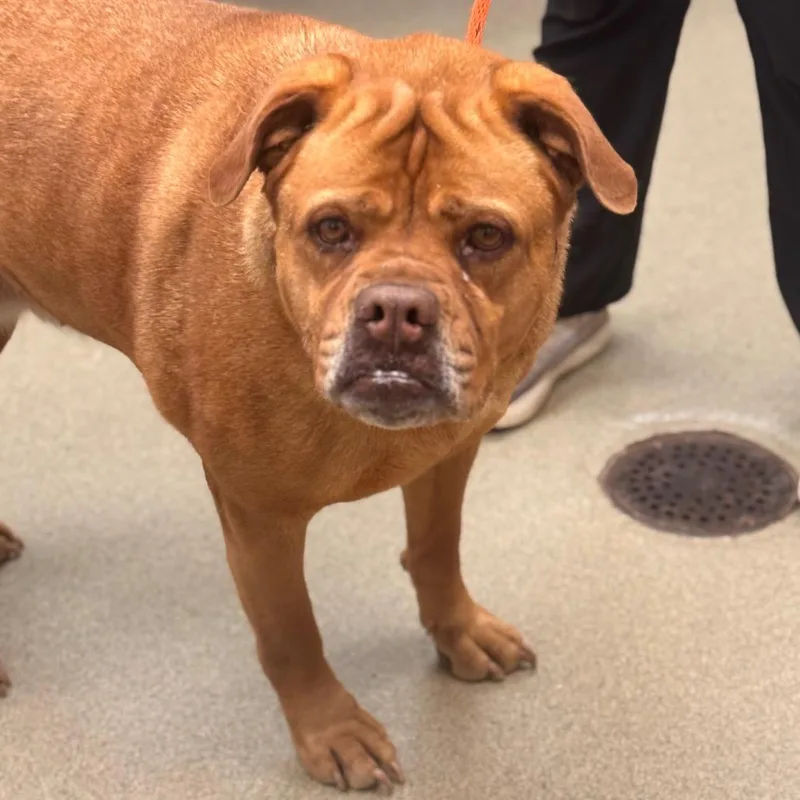
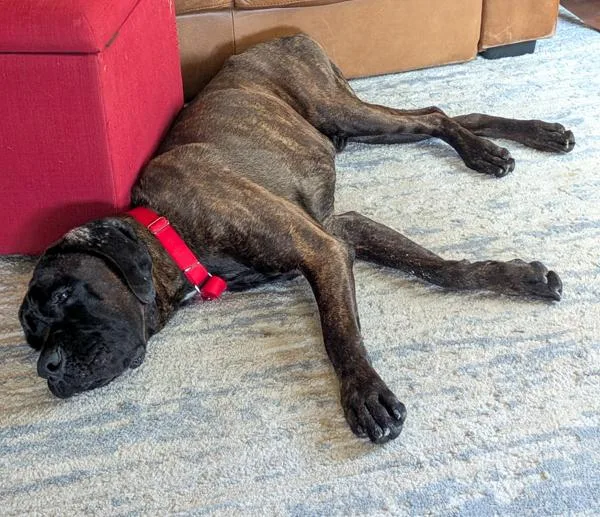
Dogue de Bordeaux Dogs for Adoption in Des Moines, IA

Your guide to finding and caring for a Dogue de Bordeaux in Des Moines

A Dogue de Bordeaux does best in Des Moines in a home with room to sprawl, like the post-war ranches around Waveland Park. Dogues are calm indoors, so a couple of easy walks a day usually does it, whether that's the Gray's Lake loop or Beaverdale's grid of bungalow streets. They drool, they take up half the couch, and many don't love long days alone. If you want a big, devoted housemate and don't mind a towel in every room, this breed is worth a look.

27 Dogue de Bordeaux available in Des Moines and nationwide

Find your forever Dogue de Bordeaux

While we don't have enough dogs near Des Moines, keep in mind that many rescues may offer transport.

Dogue de Bordeaux Available for Adoption Near Des Moines

About the Dogue de Bordeaux breed

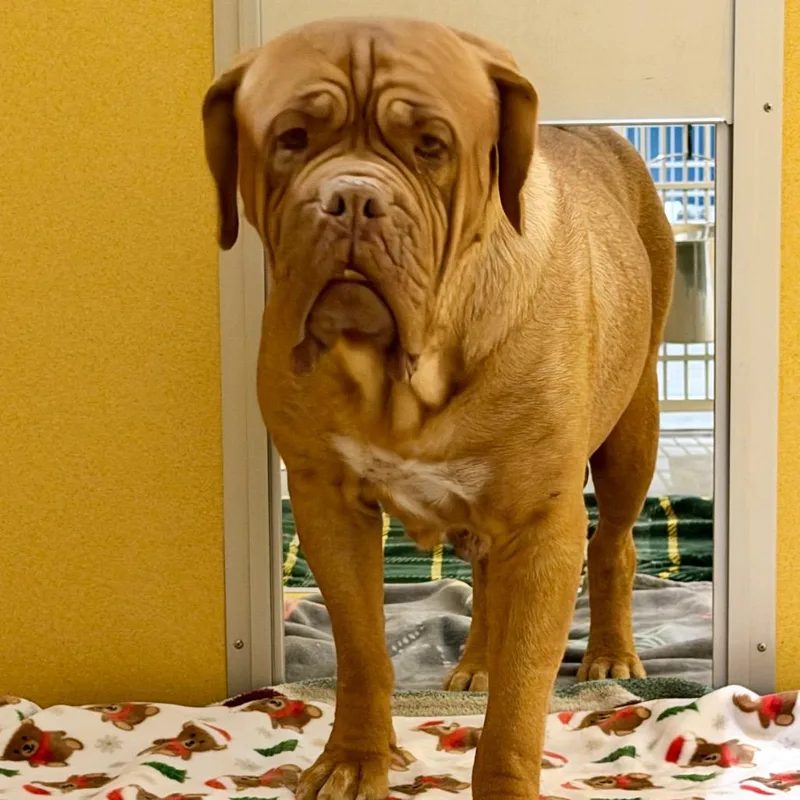
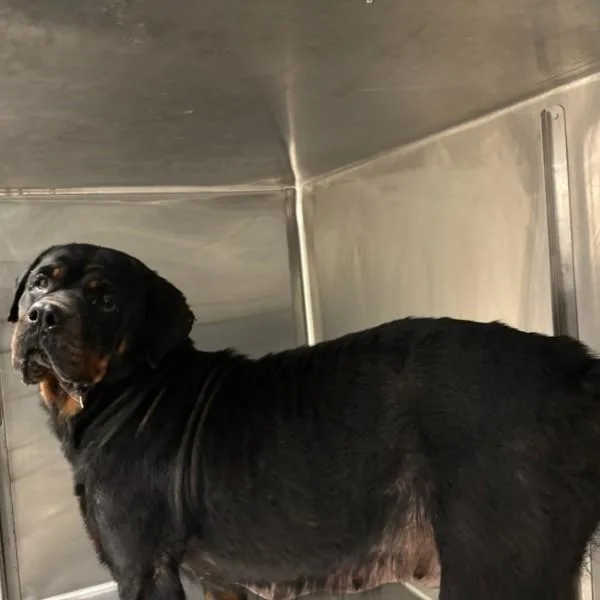
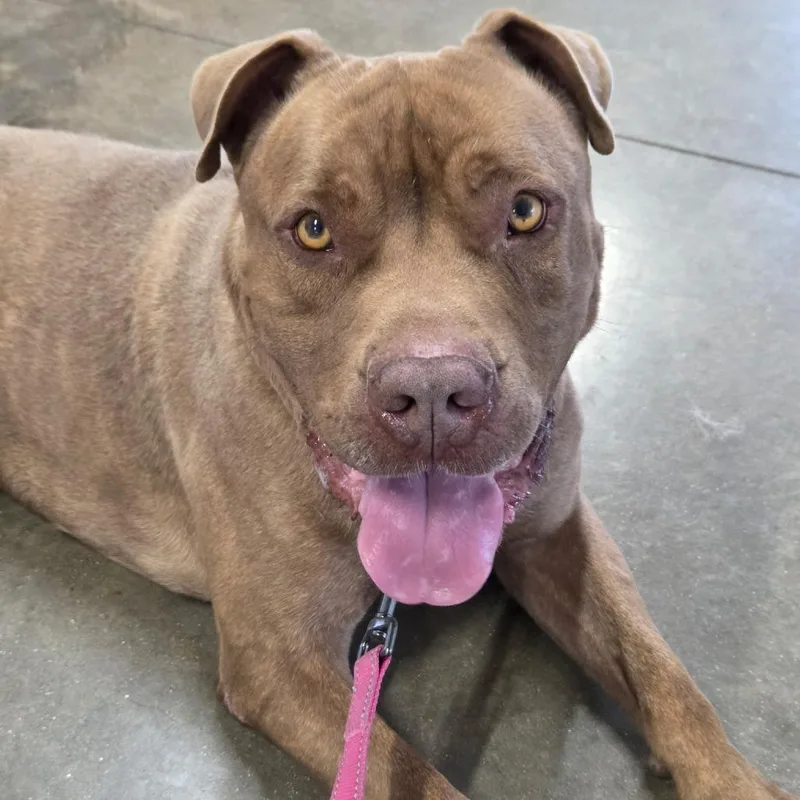
Often called the French Mastiff, the Dogue de Bordeaux is one of France's oldest breeds, a guardian, drover and estate dog around Bordeaux for centuries. Its numbers fell to a few hundred worldwide by the early 1980s, and many Americans first met one in the 1989 film Turner & Hooch. Adults have a short fawn to mahogany coat, a wrinkled brow and a proportionally enormous head.

Many Dogues are calm, sensitive and devoted to their families, yet watchful with strangers and strong enough to need early, gentle, consistent training. In Des Moines, that means planning for a giant dog on six-foot-leash walks, a cool indoor spot for July and August, and the expenses of a giant breed. Lifespans are often under ten years, so adopters should go in with eyes open.

Weight
99–145 lbs
Height
23–27 in
Lifespan
5–9 yrs
Temperament
Protective, Loyal, Calm, Devoted
Group
Working
Shedding
Moderate to High

Owning a Dogue de Bordeaux in Des Moines

Having a Dogue de Bordeaux in Des Moines

Gentle at home, vigilant outside and very strong, the Dogue de Bordeaux is a giant breed whose drool, heat sensitivity and health risks shape daily life more than its exercise needs do. Each dog differs, so watch how a particular dog behaves, not just its breed.

Temperament

Dogues are typically affectionate and calm with their people, but watchful with strangers and sometimes with unfamiliar dogs. They're sensitive, so harsh training backfires. In Des Moines, where sidewalks and dog parks mean close encounters, early socialization and steady reward-based training help a Dogue stay relaxed, though each dog's personality varies.

Exercise Needs

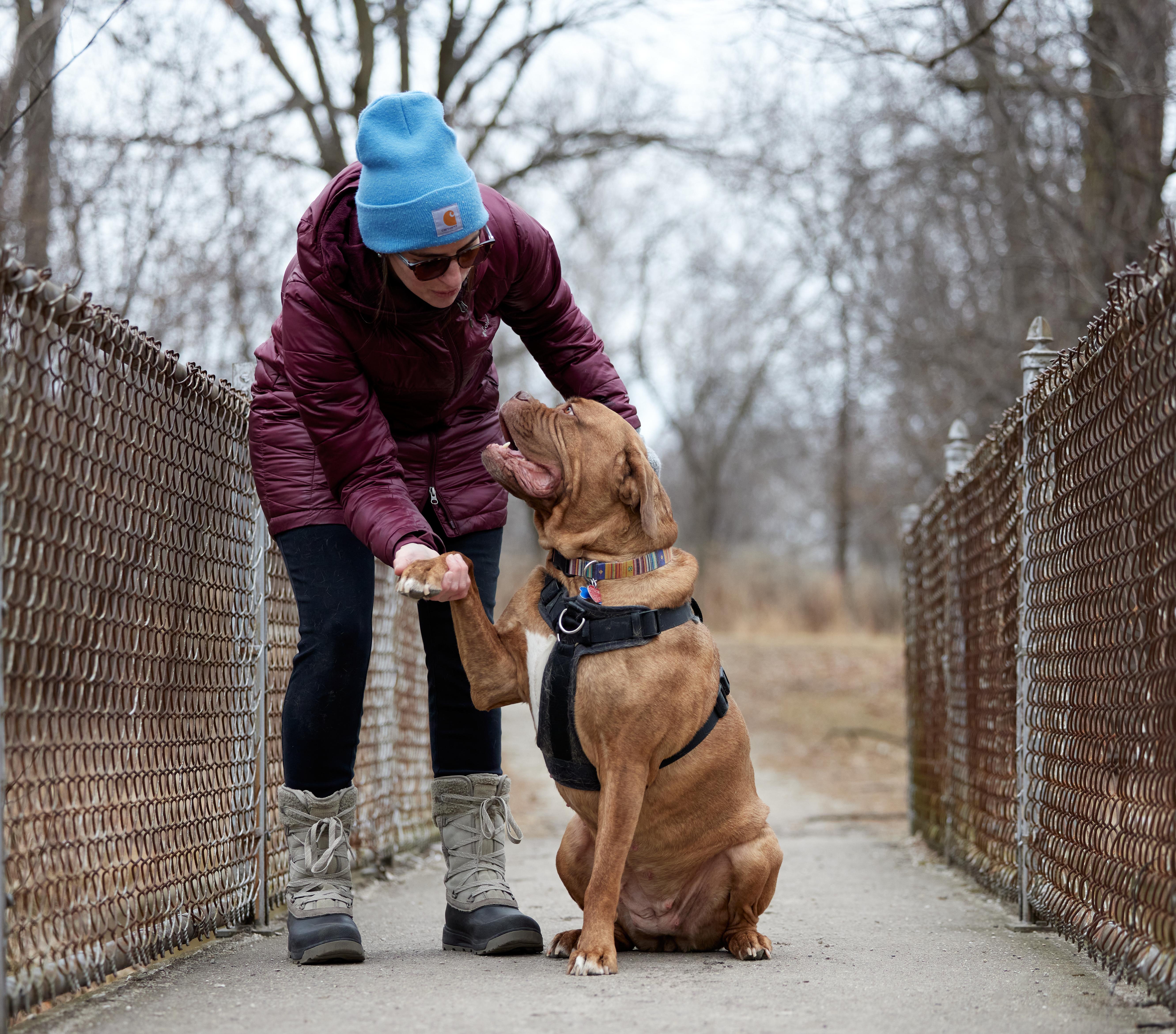
Adults need moderate exercise: daily walks, short play sessions and some puzzle work. In Des Moines, the 1.9-mile Gray's Lake loop or a neighborhood stroll suits them, always on a leash of six feet or less. Keep summer outings short and cool, and spare puppies stairs and hard jumping until about 18 months.

Health Considerations

Main risks include heart disease such as aortic stenosis, cancer, bloat, hip and elbow dysplasia, and breathing trouble from the short face. Skin folds need regular cleaning. A veterinarian can listen to the heart and check joints and breathing soon after adoption, and pricing pet insurance early is wise.

Living Space

A Dogue can live in a house or apartment if it has room to stretch out, air conditioning for summer and few stairs. One-level ranches like those around Waveland Park suit a heavy dog better than a walk-up. A fenced yard helps, but the dog should live indoors with its family.

What it costs to own a Dogue de Bordeaux in Des Moines

ExpenseTypical costPer year
Food$80 to $160 per month$960 to $1,920
Pet insurance$85 to $170 per month$1,020 to $2,040
Routine vet care$250 to $500 per year$250 to $500
Other*$590 to $1,690 per year$590 to $1,690
Estimated yearly total (after year one)$2,820 to $6,150

Other costs are estimates and vary with size, age and health.

* The Des Moines dog license ($15 if spayed or neutered, $35 if not), giant-size flea, tick and heartworm prevention, dental cleanings, sturdy toys and bedding, basic coat care, and skin-fold care and joint supplements.

Adopt a Dogue de Bordeaux in Des Moines.

Now that you know more, let’s find you a new best friend. These rescues and shelters below have dogs available in and near Des Moines.

Rescues and Shelters in or near Des Moines

The Animal Rescue League of Iowa runs Des Moines animal control, and other rescues also list dogs here. Here are the rescues & shelters in the Des Moines area with dogs available for adoption, worth asking whether a Dogue de Bordeaux is coming in.

Frequently Asked Questions

Yes. Des Moines's breed-specific "high risk" rules cover pit bull-type breeds, so a Dogue isn't on that list. The main requirements are a city license and rabies certificate once the dog is six months old, plus a leash of six feet or less off your property. The bigger hurdles are usually rental weight limits and the cost of a giant dog.

Yes, if the apartment suits a giant dog. A Dogue is fairly calm indoors but heavy, so a ground-floor or elevator unit, air conditioning and room to stretch out matter most. Rentals can come with weight limits, so confirm the policy before applying. Plan on daily leashed walks and floors that can handle drool.

Yes, with some care. Des Moines winters are long and cold, and a Dogue's short coat gives little protection, so keep outings brief, consider a coat and wipe off salt and ice. Summer heat matters even more for this short-faced breed, but it's usually manageable with cool-hour walks and air conditioning.

Beyond Gray's Lake, try the Principal Riverwalk loop downtown or the paved Neal Smith Trail along the river north of Birdland Park, all on a leash. For fenced off-leash time, Reno Memorial Dog Park has 4.2 acres and Riverwalk Dog Park about four, both open 6 a.m. to 10 p.m. Dogues wary of other dogs may prefer leashed trails.

No. DART, Des Moines's bus system, doesn't allow pets other than service animals, and that includes dogs in carriers, which a Dogue wouldn't fit in anyway. Plan vet trips and outings by car, with air conditioning on warm days, and never leave the dog in a parked car, where temperatures climb fast.

Only to some patios. Iowa allows leashed pet dogs at outdoor restaurant seating that meets state conditions, such as a separate outdoor entrance, but each restaurant decides whether to allow them, and pet dogs can't go inside. A Dogue takes up a lot of floor, so pick a roomy, shaded patio and skip the hottest afternoons.

Very little coat care, but regular skin-fold care. A rubber curry once or twice a week handles year-round shedding, face wrinkles need wiping weekly or even daily, and a bath about every four weeks suits most Dogues. In Des Moines, dry the folds after wet spring walks and wipe paws after winter salt. Most of this is done at home.

It can be, for adopters who are home often and want a calm, devoted giant. Des Moines offers leashed trail walks and one-level homes with room to spread out, while cold winters and warm summers make indoor comfort important. It's a tougher match if you're away long hours or can't budget for giant-dog costs.

A Dogue de Bordeaux is not inherently dangerous, but it is a powerful guardian breed whose size and protective instincts demand responsible handling. Most are gentle and affectionate with their families. Poor socialization, rough training or weak containment raise the risk of problems with strangers or other dogs. Early training and an experienced owner make a big difference.

Expect roughly $2,800 to $6,150 a year for a Dogue in Des Moines. Food runs $80 to $160 a month and insurance $85 to $170, with routine vet care at $250 to $500 a year and other costs at $590 to $1,690. Bloat surgery, heart care and other emergencies can add far more, so keep a savings cushion.