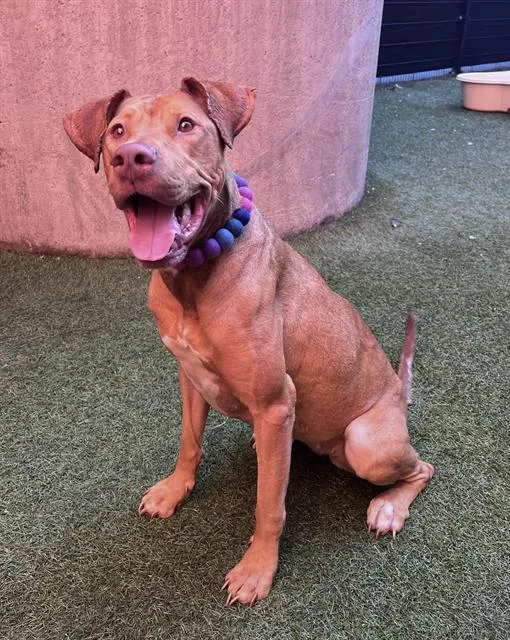
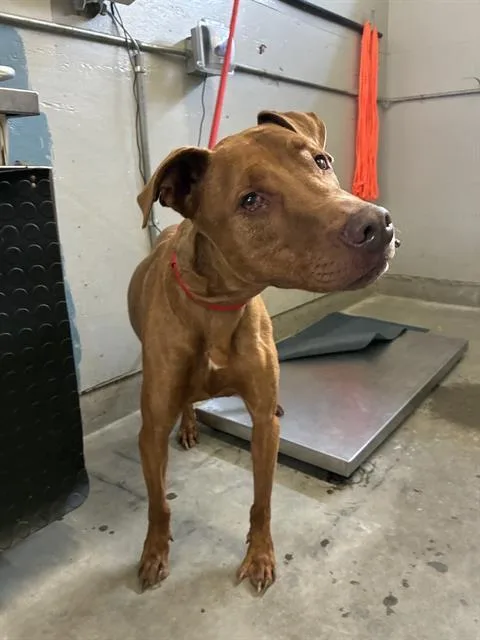
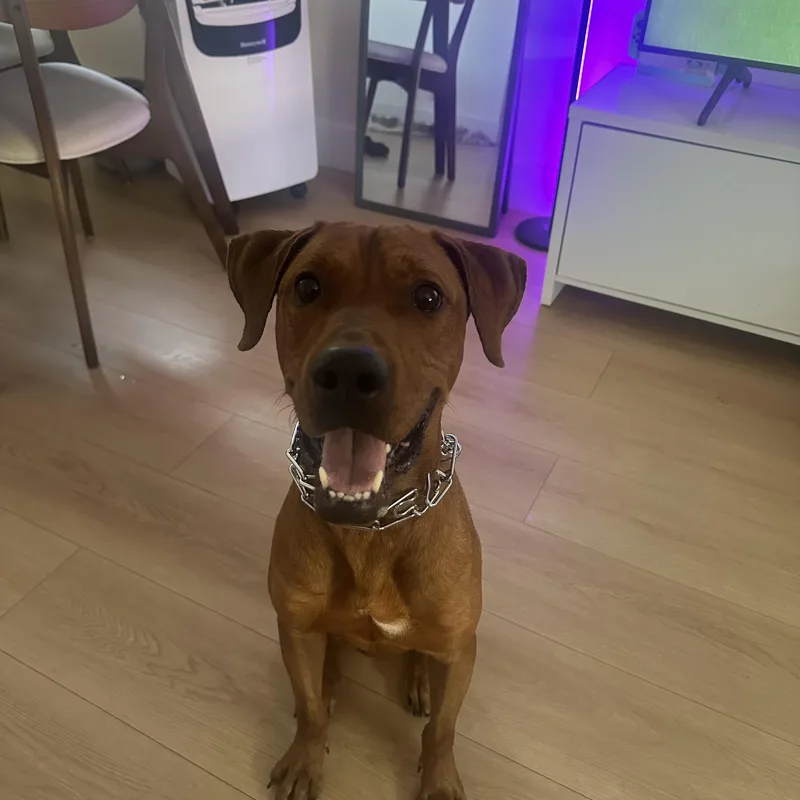
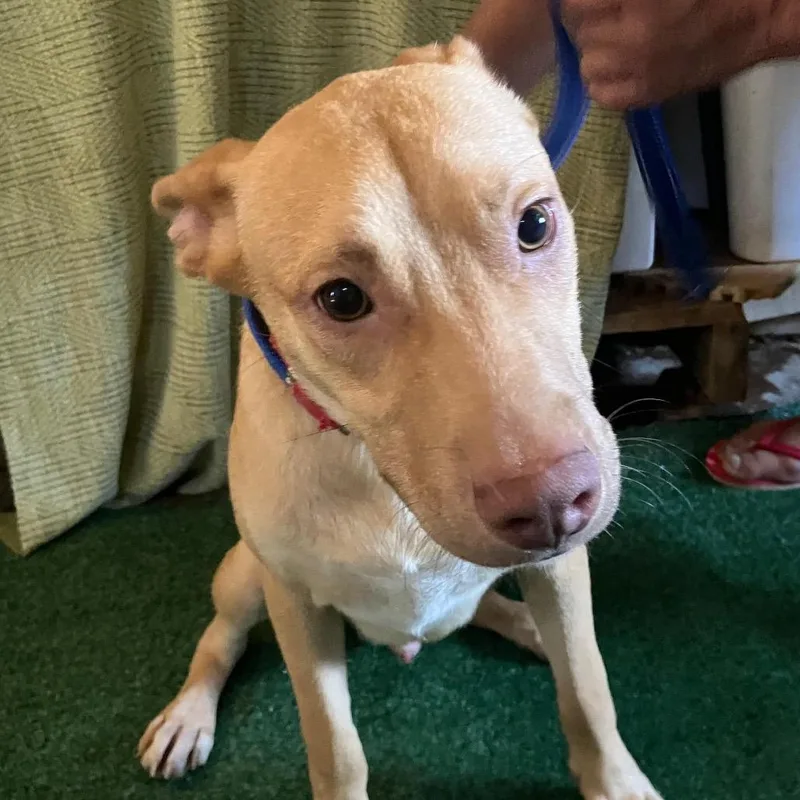
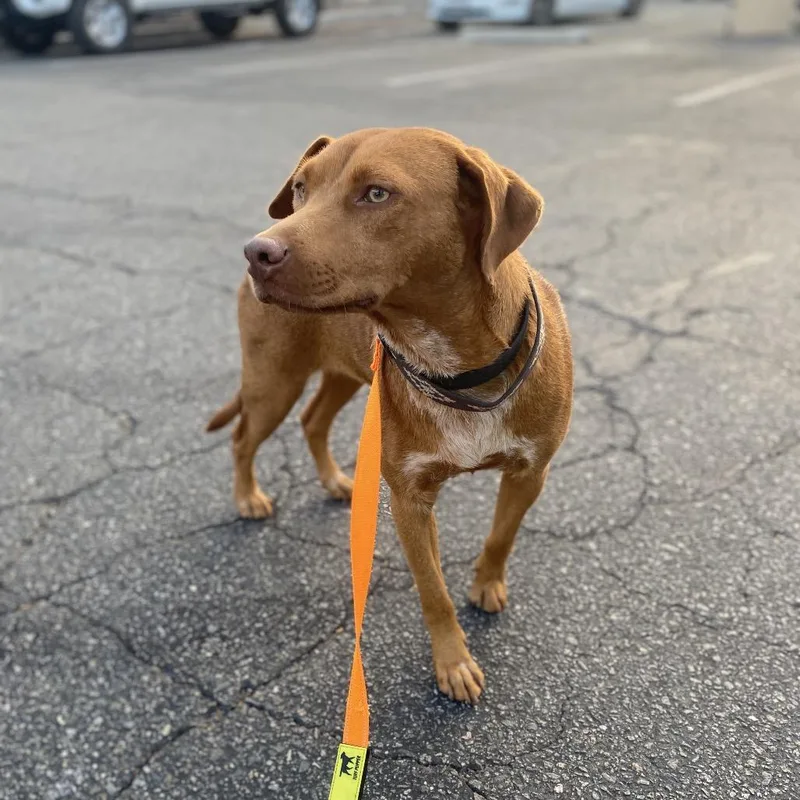
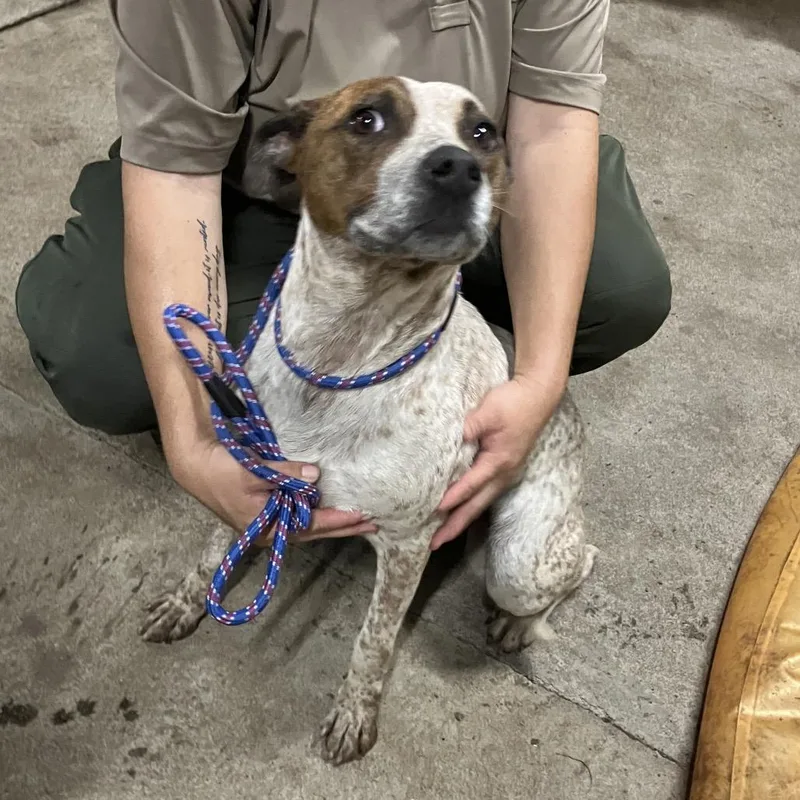
Vizsla Dogs for Adoption in Volcano, HI

Your guide to finding and caring for a Vizsla in Volcano

109 Vizslas available in Volcano and nationwide

Meet a Vizsla who needs you

While we don't have enough dogs near Volcano, keep in mind that many rescues may offer transport.

Vizslas Available for Adoption Near Volcano

About the Vizsla breed

Hungary's national pointer appears in a 14th-century illustrated chronicle and was long the hunting partner of the Magyar nobility, valued for working close to the hunter and both pointing and retrieving game. The breed nearly vanished after the World Wars, survived through a small number of dedicated owners, reached the United States around 1950 and joined the AKC Sporting Group in 1960.

Vizslas are lean, medium-size athletes with a short, golden-rust coat that has no woolly undercoat. Many are gentle, sensitive and intensely affectionate, earning the nickname velcro dog for the way they shadow their people. That closeness comes with high energy and a strong need for company, so a Vizsla left alone for long days or under-exercised can become anxious, vocal or destructive.

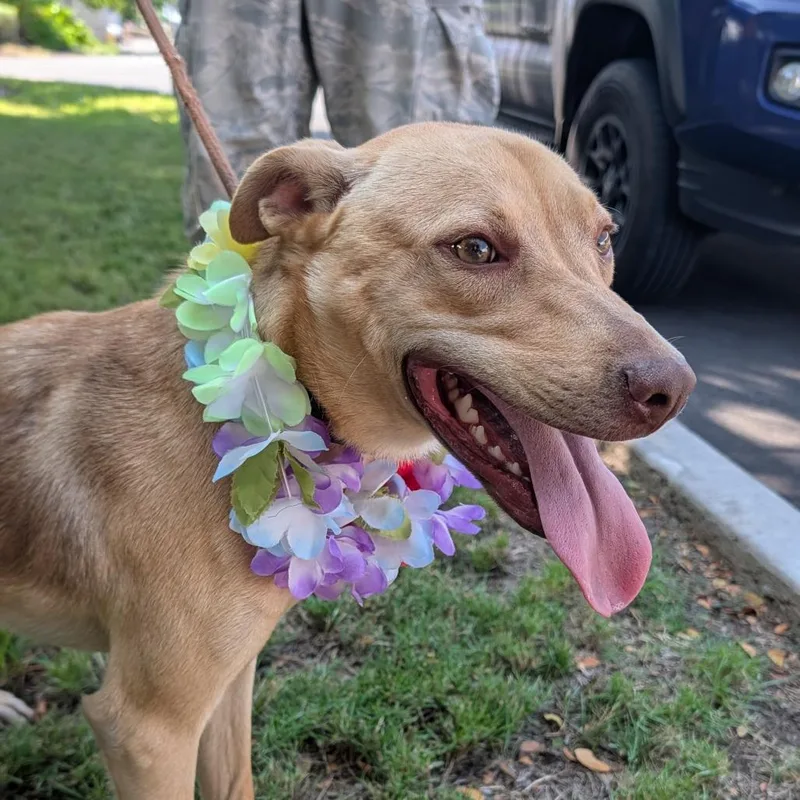
Weight
44–60 lbs
Height
21–24 in
Lifespan
12–14 yrs
Temperament
Affectionate, Energetic, Gentle
Group
Sporting
Shedding
Low to Moderate

Owning a Vizsla in Volcano

Having a Vizsla in Volcano

Vizslas combine a tireless hunting dog's engine with an unusually soft, people-focused heart. Their exercise needs, attachment to their owners, thin coat and a few notable health risks shape daily life, and understanding them helps adopters judge whether their routine can keep one content.

Temperament

Vizslas tend to be loving, gentle and sensitive, bonding closely with their family and often following them everywhere. Many are friendly with strangers and other dogs. They respond poorly to harsh handling and may become anxious when left alone for long periods. Prey drive varies, so small pets need careful introductions, and individual history matters.

Exercise Needs

This is a high-energy sporting breed that usually needs vigorous daily exercise, such as off-leash running in safe areas, long hikes, swimming or jogging once fully grown. Mental work matters too: scent games, retrieving and training sessions. Without enough activity, many Vizslas become restless, vocal or destructive. Senior dogs still benefit from steady, gentler movement.

Health Considerations

Vizslas are generally healthy, but the breed has documented risks of epilepsy, hip dysplasia, hypothyroidism, sebaceous adenitis and several cancers, especially hemangiosarcoma and lymphoma. Breed club surveys point to cancer as a leading cause of death. Keep regular veterinary checkups to catch problems early.

Living Space

Vizslas can live in apartments or houses if their exercise needs are met every day, though a securely fenced yard makes life easier. They are indoor dogs that want to be near their people, often on the sofa. Their thin coat makes cold weather uncomfortable, and their strong attachment means long hours alone are hard for many.

What it costs to own a Vizsla

ExpenseTypical costPer year
Adoption fee$150, one time$150 in year one
Food$35 to $70 per month$420 to $840
Pet insurance$45 to $85 per month$540 to $1,020
Routine vet care$225 to $450 per year$225 to $450
Other*$490 to $1,490 per year$490 to $1,490
Estimated yearly total (after year one)$1,675 to $3,800
First-year total (with adoption fee)$1,825 to $3,950

Adoption fee is the fee on Vizsla listings in Volcano on GetBuddy today. Other costs are national averages for Vizslas; we don't have costs specific to Volcano yet.

* Flea, tick and heartworm prevention, a dental cleaning allowance, a dog license, toys and bedding, occasional baths for a short coat, and a winter coat for a breed with no undercoat.

Adopt a Vizsla in Volcano.

Now that you know more, let’s find you a new best friend. These rescues and shelters below currently have Vizslas available.

Rescues in Volcano with Vizslas Available

Here are the rescues & shelters in the Volcano area where you can find Vizslas and other dogs available for adoption.

Frequently Asked Questions

A Vizsla is a medium-size Hungarian hunting dog bred to point and retrieve game birds. It has a lean, athletic build and a short, golden-rust coat. Vizslas are known for being affectionate, gentle and energetic, and they belong to the AKC Sporting Group. Their tendency to stay glued to their owners earns them the nickname velcro dog.

No, Vizslas are not typically aggressive. The breed is known for being gentle, sensitive and friendly with people and other dogs. Fearful or under-socialized dogs may bark or retreat, and frustration from too little exercise can cause rough behavior. Early socialization, plenty of activity and reward-based training help Vizslas stay the easygoing companions they usually are.

Yes, Vizslas are hunting dogs. They were developed in Hungary as versatile pointers and retrievers, locating game birds, holding a point and bringing birds back from land or water. Many still hunt and compete in field trials and hunting tests today. Even pet Vizslas typically show strong scenting and pointing instincts during walks.

Vizslas are wonderful dogs for active people who want a close, affectionate companion. They are gentle, eager to please and usually friendly with people and other dogs. The challenge is their energy and their need for company: they generally require vigorous daily exercise and do not cope well with long hours alone. In the right home, they are delightful.

Vizslas are from Hungary. Their ancestors are thought to have accompanied the Magyar tribes, and dogs resembling them appear in a Hungarian illustrated chronicle from the 1300s. Hungarian nobles refined them as hunting dogs suited to the country's open plains. After nearly disappearing during the World Wars, the breed reached the United States around 1950.

Vizslas are not usually excessive barkers, but they are vocal in other ways. Many whine, groan, grumble or make talking noises to communicate, and they may bark at visitors or when excited. Barking often increases when a Vizsla is bored, under-exercised or left alone too long, so meeting its exercise and companionship needs helps.

Many Vizslas can live peacefully with cats, especially when raised with them or introduced slowly. As bird dogs, they have prey drive, and some will chase cats or small animals, particularly outdoors. Supervised introductions, teaching a solid leave-it and giving the cat safe spaces help. A shelter's notes on an individual dog's history with cats are valuable.

Vizslas are used primarily as hunting dogs, pointing and retrieving upland birds and waterfowl. Their versatility and trainability also make them successful in field trials, hunting tests, agility, obedience, tracking and dock diving. Some work as therapy, search and rescue or assistance dogs. Most today are family companions who still love using their noses.

Yes, Vizslas are smart, trainable dogs that learn quickly, especially with positive, reward-based methods. They were bred to work closely with hunters, so many are responsive and eager to please. Their intelligence also means they get bored easily and can invent mischief, so training games, scent work and new challenges are important parts of their routine.

We have 1 rescue with Vizslas available: Action 4 Animals Hawaii. You can see every rescue with Vizslas available in the list above these questions, or scroll to the top to see the Vizslas near Volcano.

Explore Other Breeds in Volcano

Looking for a different breed? Browse other dogs available for adoption in Volcano.