Tibetan Terrier Dogs for Adoption in Honolulu, HI

Your guide to finding and caring for a Tibetan Terrier in Honolulu

Tibetan Terriers do well in Honolulu's walkable neighborhoods, provided the coat is kept practical. In Kaimukī, a loop around Puʻu o Kaimukī and a play session at the Diamond Head dog park give a medium-sized dog plenty to sniff, and a condo plenty of calm afterward. They're devoted and a little reserved, so most stick close rather than greet every stranger. The catch is that long double coat: in Honolulu's humidity it needs regular brushing or a short clip.

11 Tibetan Terriers available in Honolulu and nationwide

Fall for a Tibetan Terrier

While we don't have enough dogs near Honolulu, keep in mind that many rescues may offer transport.

Tibetan Terriers Available for Adoption Near Honolulu

About the Tibetan Terrier breed

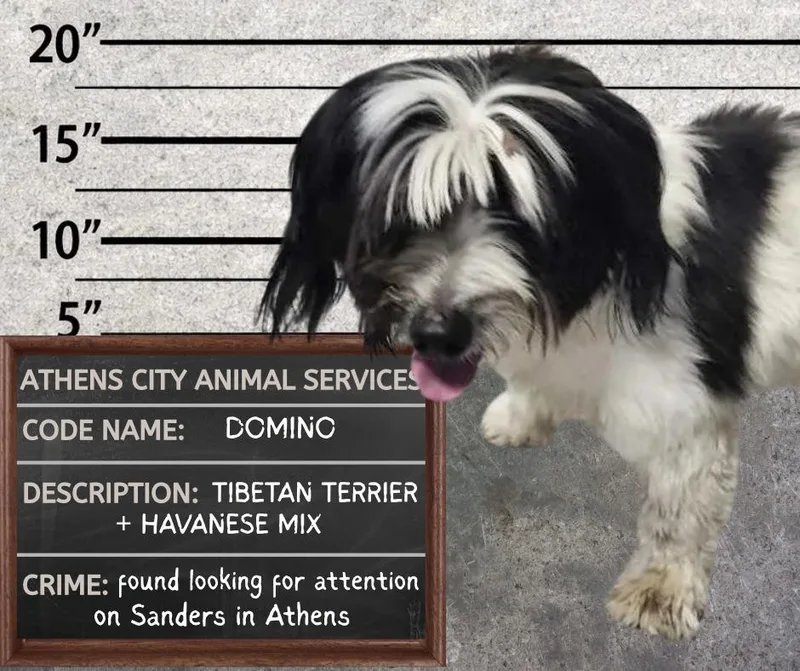
Despite the name, the Tibetan Terrier isn't a terrier. It came from Tibet, where monasteries and herding families kept it as a companion and all-purpose dog, and the terrier label came later from Europeans because of its size. The double coat, fall of hair over the eyes and large flat snowshoe feet were built for mountain weather, a long way from Oʻahu's trade-wind coast.

Expect a loyal, sensitive dog that's often reserved with strangers and quick to bark at anything unusual. Many are agile, playful and clever enough to be stubborn. Shedding is low to moderate, but loose hair stays in the coat and tangles, so brushing is routine. Adults usually weigh 18 to 30 pounds, which suits most Honolulu homes.


Weight
18–30 lbs
Height
14–17 in
Lifespan
12–16 yrs
Temperament
Devoted, Affectionate, Intelligent
Group
Non-Sporting
Shedding
Low to Moderate

Owning a Tibetan Terrier in Honolulu

Having a Tibetan Terrier in Honolulu

Tibetan Terriers pair mountain-dog agility with a coat that works against them in tropical heat. In Honolulu, routines around walks, shade, grooming and quiet apartment living matter more than any single trait.

Temperament

Tibetan Terriers are often devoted, gentle and playful at home, and many bond closely with one person. They can be reserved with strangers and bark at unfamiliar sounds, which shows up in busy buildings with thin walls. Sensitive dogs respond best to calm, gentle training. Each dog's history and socialization shape how outgoing it becomes.

Exercise Needs

Many Tibetan Terriers need about an hour of activity a day, split between walks and play, though energy varies with age. In Honolulu, walk early or after sunset, when pavement has cooled. Sniffing walks, training games and puzzle toys cover mental exercise, and fenced off-leash parks give them room to run.

Health Considerations

Tibetan Terriers can inherit eye conditions such as primary lens luxation and progressive retinal atrophy, plus a rare neurological disorder called NCL, and some have hip or knee problems, thyroid disease or skin allergies. In Honolulu, ask a veterinarian about leptospirosis vaccination and keep the dog out of streams and post-storm puddles.

Living Space

A Tibetan Terrier can be content in a Honolulu condo or a house in Mililani or Hawaiʻi Kai, as long as daily exercise and company are part of the day. Barking matters in shared buildings, and many dislike long stretches alone. A cool, shaded spot to rest is more useful than a big yard.

What it costs to own a Tibetan Terrier in Honolulu

ExpenseTypical costPer year
Food$35 to $70 per month$420 to $840
Pet insurance$55 to $100 per month$660 to $1,200
Routine vet care$225 to $450 per year$225 to $450
Other*$875 to $2,250 per year$875 to $2,250
Estimated yearly total (after year one)$2,180 to $4,740

Other costs are estimates and vary with size, age and health.

* Professional grooming every 6 to 8 weeks, a dental cleaning allowance, flea, tick and heartworm prevention, and toys and bedding; Honolulu requires a microchip rather than a dog license.

Adopt a Tibetan Terrier in Honolulu.

Now that you know more, let’s find you a new best friend. These rescues and shelters below have dogs available in and near Honolulu.

Rescues and Shelters in or near Honolulu

Oʻahu has a large open-admission shelter plus foster-based rescues, and the dogs listed below change often. Here are the rescues & shelters in the Honolulu area with dogs available for adoption, worth asking whether a Tibetan Terrier is coming in.

Frequently Asked Questions

Yes, you can own a Tibetan Terrier in Honolulu. The city has no known breed bans, and Hawaiʻi's dangerous-dog law says breed can't be considered; status depends on a dog's behavior. Dogs three months and older need a registered microchip instead of a license, and they must be leashed off your property. Read your building's own pet rules before you adopt.

Most can, with adjustments. Honolulu summers reach the upper 80s with humidity and strong sun, and nights stay near 75°F, which is hard on a double coat. Keep the coat clipped short and brushed, walk early or after sunset, test pavement with the back of your hand, and provide shade, fresh water and a cool indoor spot at midday.

Yes, a Tibetan Terrier can live in a Honolulu apartment if it gets daily walks and company. Barking is the main hurdle: a dog that barks continuously for ten minutes can be a nuisance under city rules. Many dislike long hours alone, so consider your schedule. Hawaiʻi allows a pet deposit of up to one month's rent beyond the regular deposit.

For off-leash play, try the Elaine Dobashi Hawaiʻi Kai Dog Park, Kalo Place in Mōʻiliʻili, the Mililani dog park or Kahua O Waikalua in Kāneʻohe. Kailua Beach Park and Sandy Beach allow leashed dogs. Makiki Valley Loop is a popular leashed-dog hike, and park leashes must be eight feet or shorter. Diamond Head State Monument doesn't allow pets.

Plan on brushing several times a week, down to the skin, because loose hair stays in the coat and mats. A practical short clip suits Honolulu's heat and humidity, but it still needs brushing. Trim hair between the pads and dry the coat fully after rain. Professional grooming every 6 to 8 weeks is part of the yearly Other cost.

Probably not, for most of them. TheBus allows pets only in a small enclosed container on your lap or under the seat, and Skyline requires a cage or carrier that fits under the seat or on your lap. Tibetan Terriers usually weigh 18 to 30 pounds, so most won't fit. Service animals are permitted on both.

Sometimes, on the patio. Since August 2025, Hawaiʻi lets restaurants allow pet dogs in outdoor dining areas, but it's optional for each restaurant, so look for posted signage. Dogs can't walk through the indoor dining room, and indoor seating stays off-limits. A reserved Tibetan Terrier may settle best in a quiet corner with a mat and water.

Tibetan Terriers shed very little compared with most breeds, but they are not shed-free. Their double coat releases hair that tends to get trapped in the long outer coat rather than falling on the floor, which is why they mat easily. Many shed more noticeably during coat changes, especially as puppies mature. Regular brushing removes loose hair.

No dog is truly hypoallergenic, but Tibetan Terriers are often tolerated better by allergy sufferers because they shed little. They still produce allergens in dander, saliva and urine, and reactions vary from person to person. Frequent grooming and bathing may help. Spend time with a specific Tibetan Terrier before adopting if anyone in your home has allergies.

Budget roughly $35 to $70 a month for food and $55 to $100 a month for pet insurance, with $225 to $450 a year for routine vet care. Other yearly costs, mostly professional grooming, dental care and parasite prevention, run about $875 to $2,250. Honolulu has no dog license fee, though a microchip is required.