Klee Kai Dogs for Adoption in Honolulu, HI

Your guide to finding and caring for a Klee Kai in Honolulu

A Klee Kai suits Honolulu's condo neighborhoods, since a dog under 22 pounds fits easily in a Mōʻiliʻili apartment. It still needs a real workout every day, and Kalo Place Mini Park has an off-leash area close by. Expect a talker, though, with husky-style howls that carry through thin walls. Afternoons are better spent in the air conditioning than on a sun-baked sidewalk, because that thick double coat holds heat.

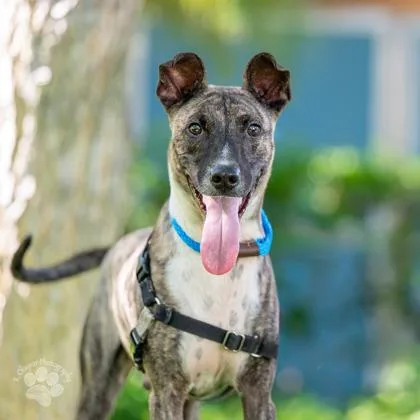
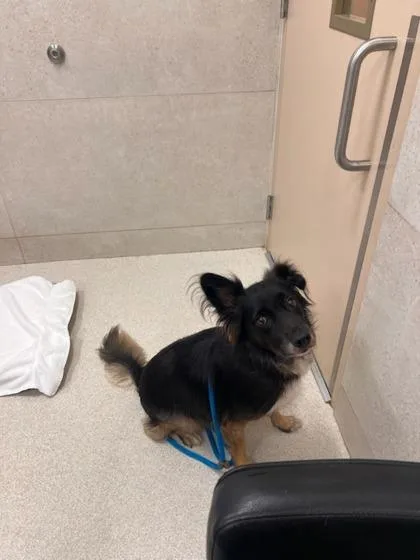
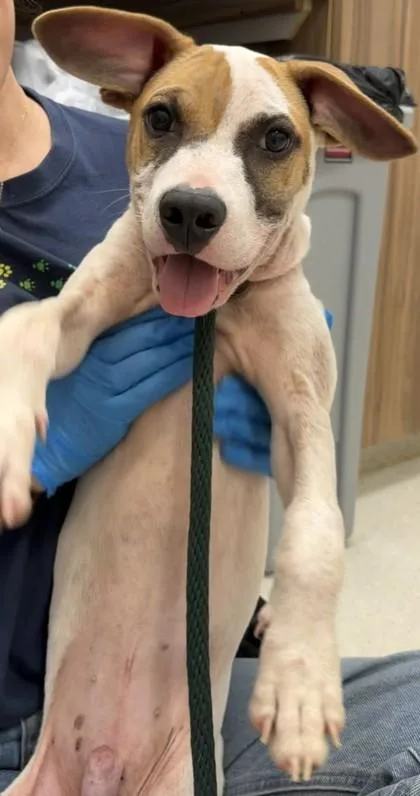
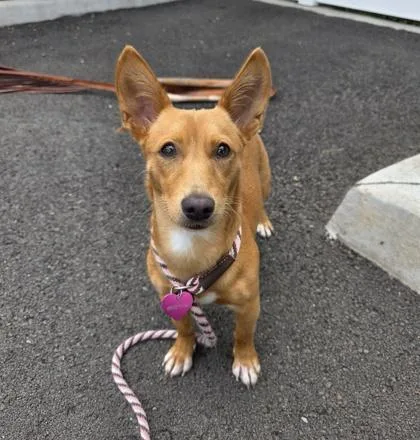
17 Klee Kais available in Honolulu and nationwide

Your Klee Kai is waiting

While we don't have enough dogs near Honolulu, keep in mind that many rescues may offer transport.

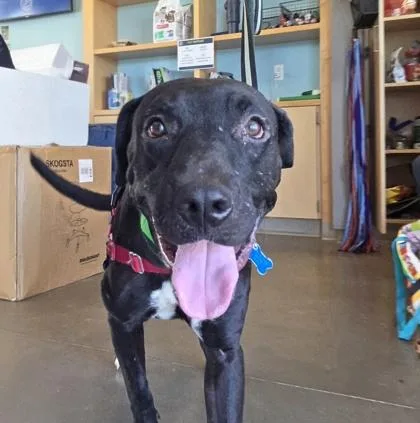
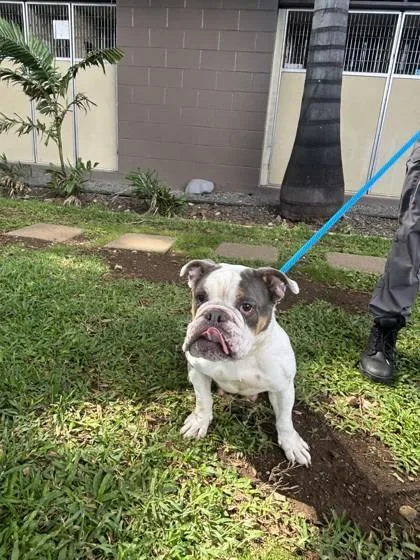
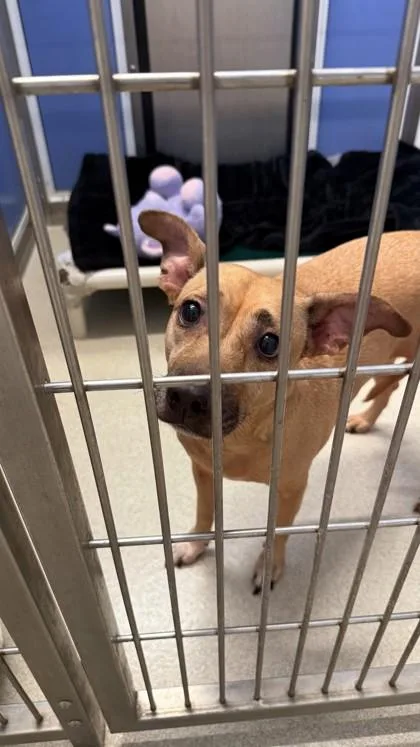
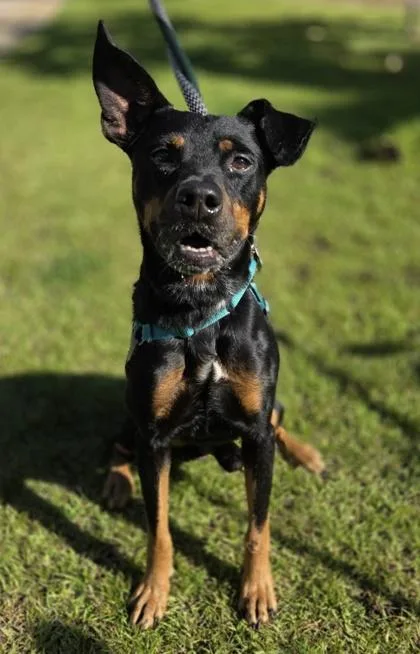
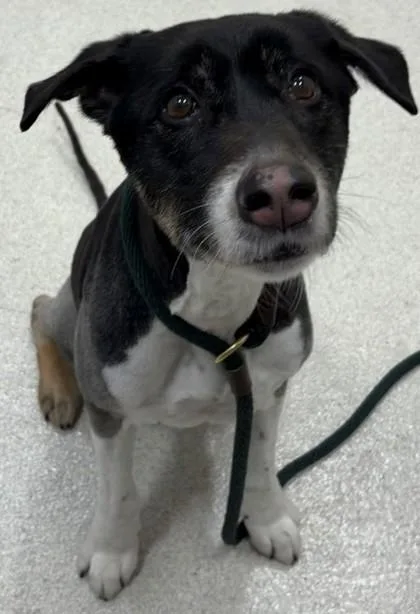
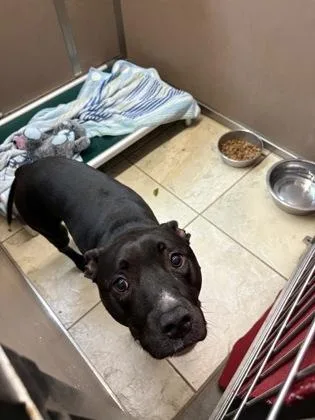
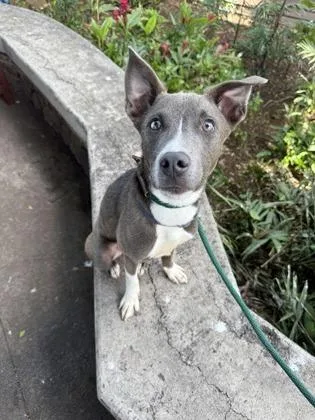
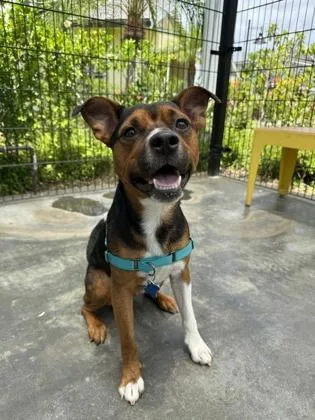
Klee Kais Available for Adoption Near Honolulu

About the Klee Kai breed

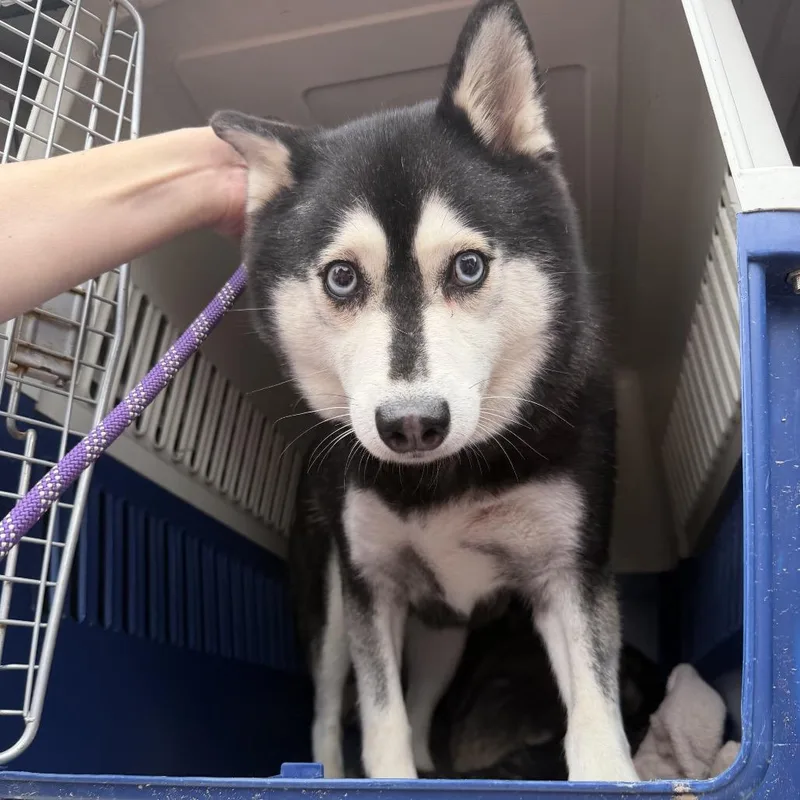
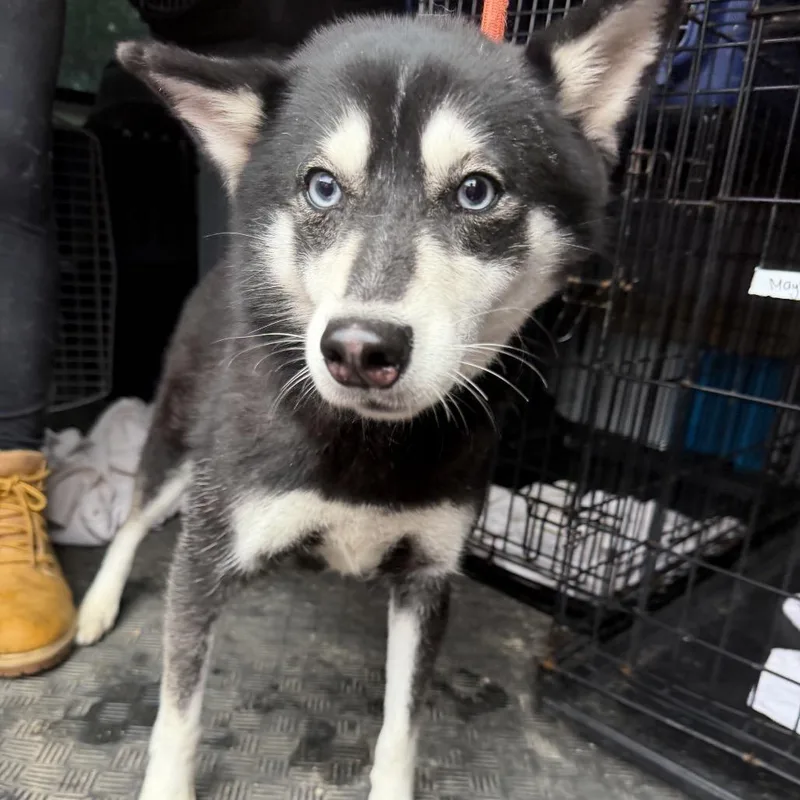
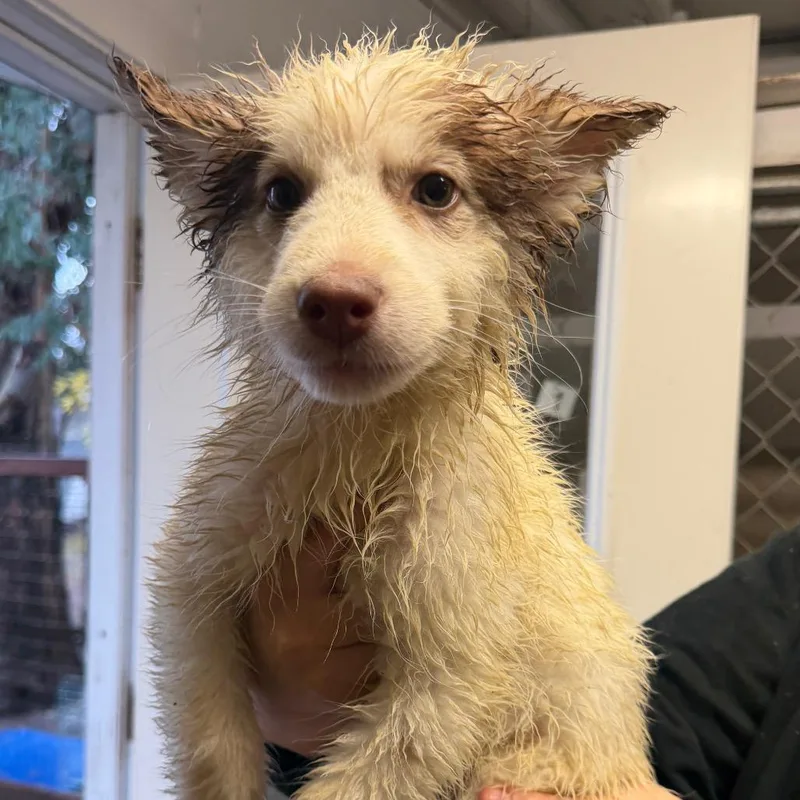
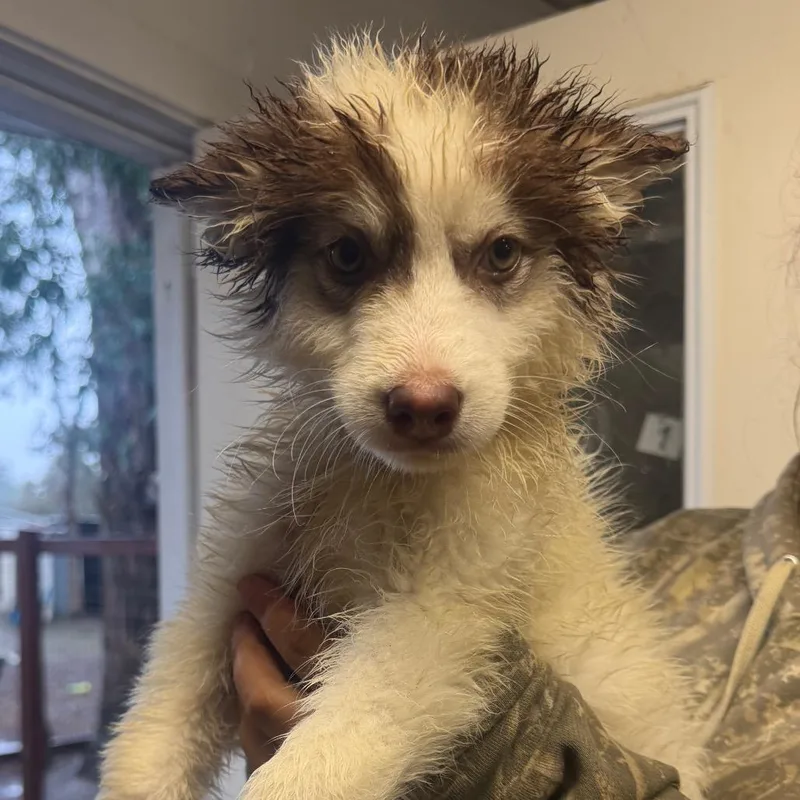
The Alaskan Klee Kai is a young companion breed that came out of Alaska in the 1970s, a husky look in a smaller frame. Siberian Husky, Schipperke and American Eskimo Dog were added to bring the size down. Dogs come in toy, miniature and standard sizes, roughly 6 to 22 pounds, with a facial mask, erect ears, a curled tail and a double coat.

Many Klee Kai are reserved with strangers but devoted to their own people, and they're clever, vocal and quick to chase small animals. They shed moderately all year and blow their coat about twice a year, so regular brushing helps. Dogs vary, so a dog's own habits matter more than the breed description.

Weight
6–22 lbs
Height
12–17 in
Lifespan
12–16 yrs
Temperament
Alert, Curious, Intelligent, Energetic
Group
Miscellaneous
Shedding
Moderate to High

Owning a Klee Kai in Honolulu

Having a Klee Kai in Honolulu

Klee Kai pack husky-style brains and stamina into a small frame. Daily exercise, a talkative streak, a prey drive and a thick double coat matter most in Honolulu, where condo living and year-round warmth shape the routine.

Temperament

Many Klee Kai are devoted and playful with family but reserved with strangers, so a busy elevator or crowded sidewalk can unsettle a poorly socialized dog. Expect howls and chatter. Small animals can trigger chasing, and some dogs are picky about other dogs. Patient, early socialization helps, though each dog differs.
Exercise Needs

Plan on a brisk walk or two plus play every day, and add mental work like puzzle toys. In Honolulu, walk at dawn or after sunset, when pavement is cooler, and use off-leash areas like Kalo Place or Hawaiʻi Kai for running. These dogs jump and bolt, so keep the leash secure.

Health Considerations

Documented concerns include juvenile cataracts, liver disease, heart problems, thyroid issues and factor VII deficiency, an inherited clotting disorder with a DNA test. Small dogs can have slipping kneecaps. A veterinarian can check eyes and knees and discuss clotting risk before surgery. In Honolulu, also ask about leptospirosis vaccination.

Living Space

A Klee Kai's small size suits Honolulu condos and townhomes if daily exercise is covered. Vocal habits can test thin walls, and elevators and lobbies call for calm leash manners. In a house, such as in Hawaiʻi Kai or Mililani, tall, dig-proof fencing matters, since these dogs climb and jump well.

What it costs to own a Klee Kai in Honolulu

ExpenseTypical costPer year
Food$20 to $45 per month$240 to $540
Pet insurance$35 to $70 per month$420 to $840
Routine vet care$200 to $400 per year$200 to $400
Other*$475 to $1,250 per year$475 to $1,250
Estimated yearly total (after year one)$1,335 to $3,030

Other costs are estimates and vary with size, age and health.

* Flea, tick and heartworm prevention, a dental cleaning allowance, toys and bedding, and extra brushing when the double coat sheds out; Honolulu has no dog license.

Adopt a Klee Kai in Honolulu.

Now that you know more, let’s find you a new best friend. These rescues and shelters below have dogs available in and near Honolulu.

Rescues and Shelters in or near Honolulu

Oʻahu's adoption groups range from a large open-admission shelter to foster-based dog rescues, and their listings change often. Here are the rescues & shelters in the Honolulu area with dogs available for adoption, worth asking whether a Klee Kai is coming in.

Frequently Asked Questions

Yes, you can own a Klee Kai in Honolulu. No known breed bans apply, and dangerous-dog status depends on a dog's behavior, not its breed. Dogs 3 months and older need a registered microchip, though Honolulu doesn't require a dog license. Keep your dog leashed off your property and read your lease or association rules.

For off-leash running, try Kalo Place Mini Park in Mōʻiliʻili, the Elaine Dobashi Hawaiʻi Kai Dog Park or Kahua O Waikalua in Kāneʻohe. Leashed dogs are welcome at Kailua Beach Park and Sandy Beach, and on state trails marked dog-friendly, such as Makiki Valley Loop. Diamond Head doesn't allow dogs, and Klee Kai bolt, so keep the leash secure.

Yes, a Klee Kai's size suits a Honolulu studio if daily exercise is covered. The bigger issue is noise: barking or howling counts as a nuisance after ten continuous minutes, or half an hour of on-and-off noise. Walks before work, puzzle toys and a steady routine help. Standard-sized dogs near 22 pounds feel tighter than toys.

Only if your Klee Kai fits a small closed carrier. TheBus and Skyline allow pets only in an enclosed carrier on your lap or under the seat, so toy and some miniature dogs may qualify while standard sizes up to 22 pounds likely won't. Service animals are exempt. Practice carrier time at home first, since a wary dog may find crowds stressful.

Yes, with sensible routines. Honolulu summers reach the upper 80s, and nights only cool to about 75°F, so a Klee Kai's double coat holds heat. Walk at dawn or after sunset, avoid hot pavement and sand, offer shade and water, and rest in air conditioning midday. Never leave your dog in a parked car.

Sometimes, but only on patios. Since August 2025, Hawaiʻi lets restaurants allow pet dogs in outdoor dining areas, but participation is optional and the dog can't pass through the interior. Look for posted signage. Indoor dining rooms remain off-limits. A wary Klee Kai may be happiest with a quiet corner and a chew.

Plan on brushing a few times a week, and daily while your Klee Kai blows its coat about twice a year. Honolulu's year-round warmth means moderate shedding in every season. Don't shave the double coat, which helps shield against sun. Professional grooming is optional and fits within the $475 to $1,250 yearly Other costs.

Alaskan Klee Kai come in three sizes: toy dogs stand up to 13 inches at the shoulder, miniatures over 13 to 15 inches, and standards over 15 to 17 inches. Weights typically run from under 10 pounds for toys to about 16 to 22 pounds for standards. Even within a litter, puppies can grow into different size varieties.

An Alaskan Klee Kai is a small, husky-like companion dog developed in Alaska in the 1970s from Alaskan Husky, Siberian Husky, Schipperke and American Eskimo Dog lines. It has a facial mask, erect ears, a curled tail and a double coat, and comes in three sizes. Many are energetic, intelligent and vocal, and often reserved with strangers.

Plan on roughly $1,335 to $3,030 a year for a Klee Kai in Honolulu: food at $20 to $45 a month, insurance at $35 to $70 a month, routine vet care at $200 to $400, and $475 to $1,250 for other items like parasite prevention and dental care. Emergencies and boarding cost extra.