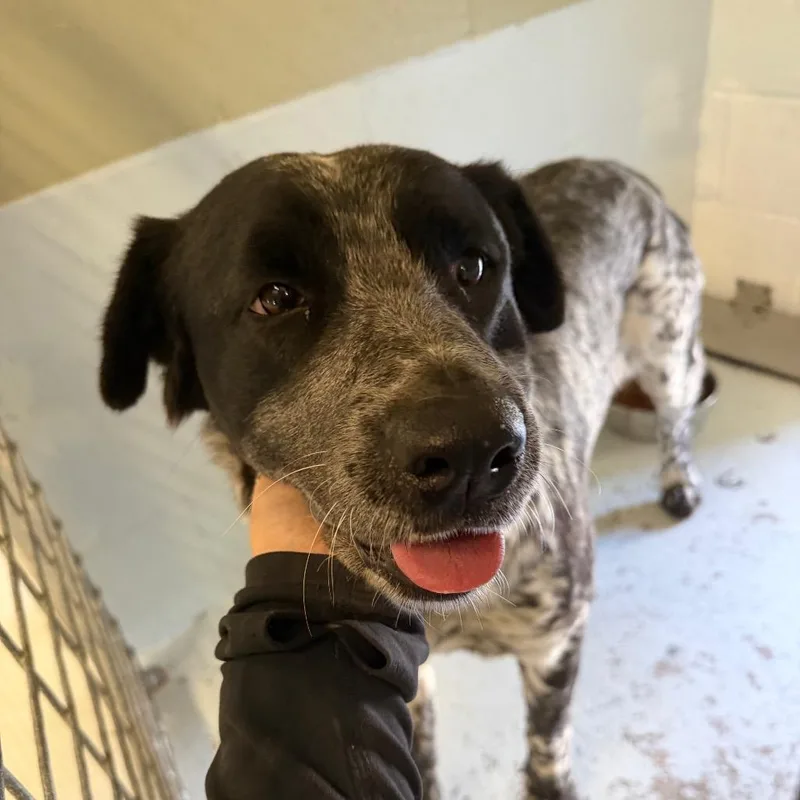
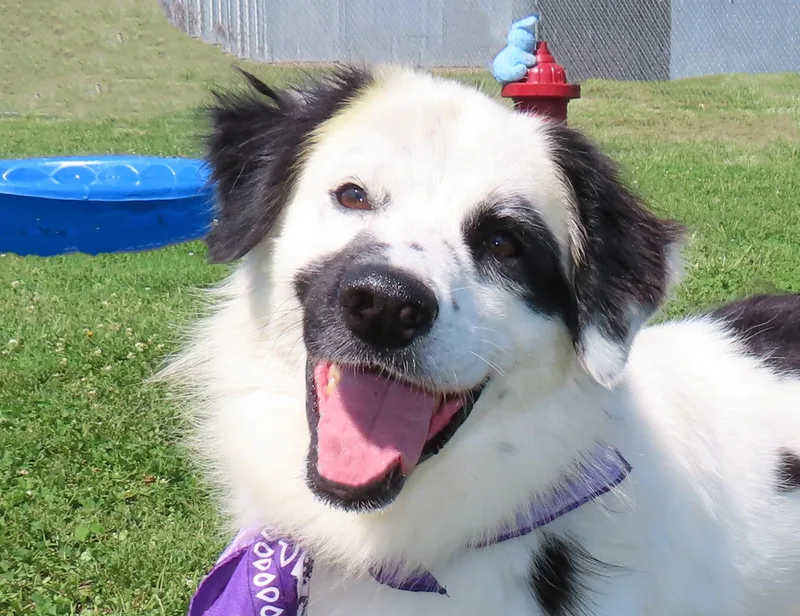
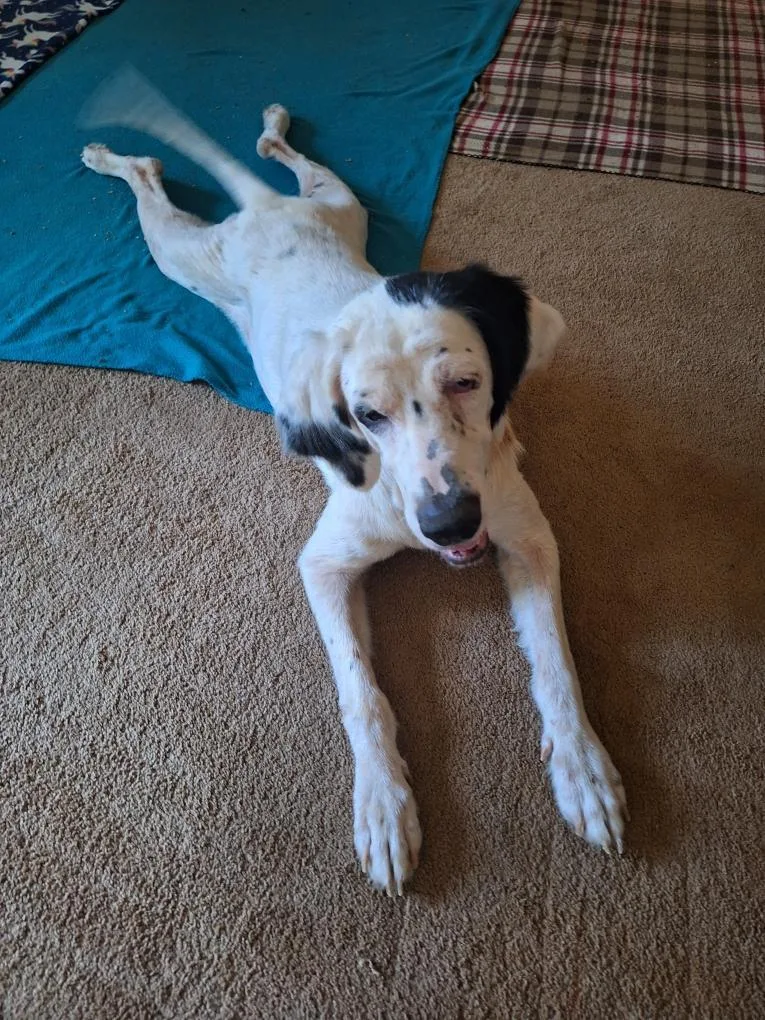
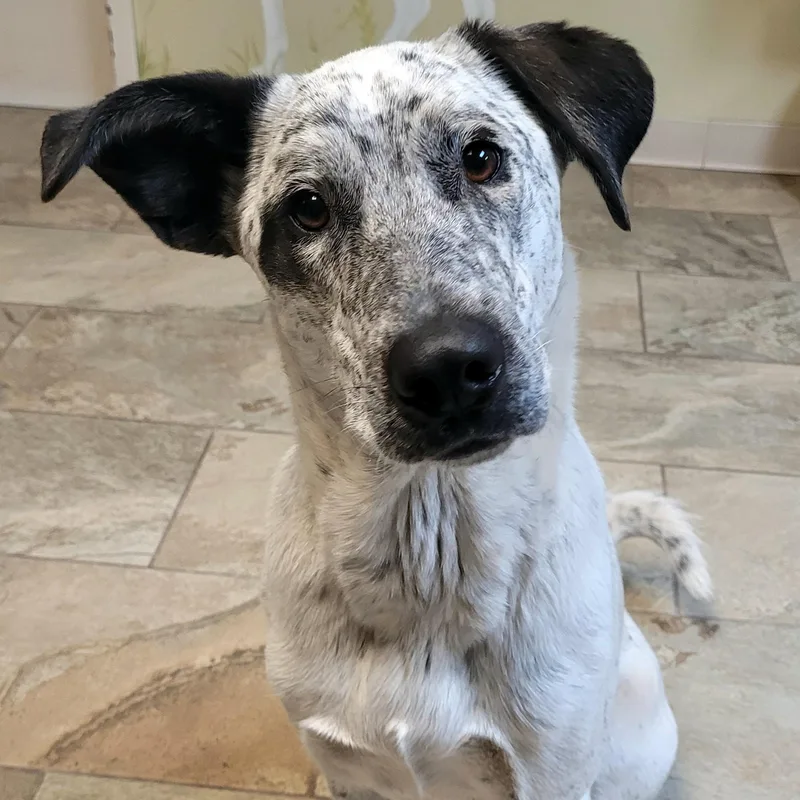
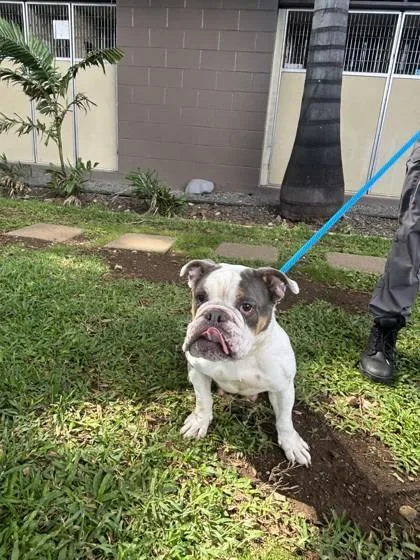
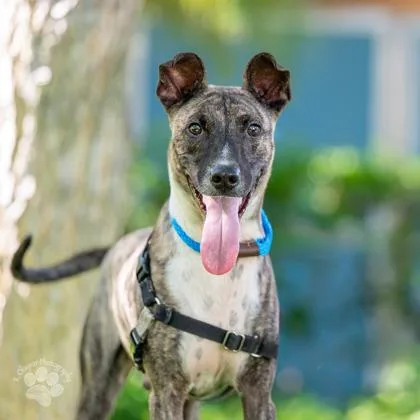
English Setter Dogs for Adoption in Honolulu, HI

Your guide to finding and caring for an English Setter in Honolulu

English Setters do well in Honolulu if there's somewhere to run, which makes Hawaiʻi Kai's single-family streets and dog park a natural fit. They're gentle and sociable, so neighbors and other dogs rarely faze them. The catch is daily exercise: a setter wants a real run, not just a lap of the block, and a long feathered coat is happier on shaded sidewalks than on hot afternoon pavement. A condo in Kakaʻako can work for an owner who gets out early every day.

51 English Setters available in Honolulu and nationwide

Bring home an English Setter

While we don't have enough dogs near Honolulu, keep in mind that many rescues may offer transport.

English Setters Available for Adoption Near Honolulu

About the English Setter breed

English Setters were developed on English country estates roughly four centuries ago to range ahead of hunters, find game birds by scent and freeze, or "set," until the hunter caught up. Their long, silky coat is flecked in a pattern called belton, in blue, orange, lemon, liver or tricolor, with feathering on the ears, chest, legs and tail.

Setters are sweet and mellow indoors and lively outdoors, and many stay puppyish for two or three years. Show-type dogs run larger and heavier-coated, while field-type dogs are leaner and more driven, so two setters can differ a lot. In Honolulu, plan for daily running room, weekly brushing and a coat that needs rinsing and drying after humid, sandy or muddy outings.

Weight
45–80 lbs
Height
23–27 in
Lifespan
10–13 yrs
Temperament
Gentle, Friendly, Energetic
Group
Sporting
Shedding
Moderate

Owning an English Setter in Honolulu

Having an English Setter in Honolulu

A setter pairs a soft, people-loving nature with a bird dog's stamina and nose. In Honolulu, the practical questions are where the dog will run, how it handles humid heat, and whether your home leaves room for a large, feathered dog.

Temperament

English Setters tend to be gentle, affectionate and friendly with people and other dogs, which helps in a city of shared elevators, busy sidewalks and crowded dog parks. They can be sensitive and a little stubborn, so patient, positive training works best. Temperament varies from dog to dog, and many stay boisterous for years.

Exercise Needs

Plan on a vigorous daily run or a long walk, and more for field-type dogs. In Honolulu that means early mornings or evenings, ideally at a fenced off-leash park, since a setter's bird drive limits off-leash reliability elsewhere. Wait until about two years old before long, high-impact runs, because joints mature slowly.

Health Considerations

Setters can be prone to hip and elbow dysplasia, congenital deafness, hypothyroidism and bloat, so a veterinarian should check hearing and joints. Long ears hold moisture in Honolulu's humidity, so check them regularly. Leptospirosis is a local concern for dogs, so ask a vet about the vaccine and keep your setter out of streams and standing water.

Living Space

A 45- to 80-pound setter is happiest with a fenced yard or nearby running room, such as a house in Mililani or Hawaiʻi Kai. Condos in town can work if the dog gets daily exercise outside the building. Indoors, most are calm and want to be near their people. Expect shed hair, a tail at table height and a feathered coat that tracks in sand.

What it costs to own an English Setter in Honolulu

ExpenseTypical costPer year
Food$55 to $110 per month$660 to $1,320
Pet insurance$65 to $130 per month$780 to $1,560
Routine vet care$250 to $500 per year$250 to $500
Other*$925 to $2,350 per year$925 to $2,350
Estimated yearly total (after year one)$2,615 to $5,730

Other costs are estimates and vary with size, age and health.

* Flea, tick and heartworm prevention, a dental cleaning allowance, toys and bedding, and regular professional trims for the long feathered coat.

Adopt an English Setter in Honolulu.

Now that you know more, let’s find you a new best friend. These rescues and shelters below have dogs available in and near Honolulu.

Rescues and Shelters in or near Honolulu

Oʻahu's shelters and foster-based rescues care for many dogs, and the groups below list the dogs they currently have. Here are the rescues & shelters in the Honolulu area with dogs available for adoption, worth asking whether an English Setter is coming in.

Frequently Asked Questions

Yes, for active people who can give a setter daily running time and company. Setters are friendly and adaptable, but they don't like long days alone, and their bird drive means off-leash time belongs in fenced areas. Honolulu's year-round warmth rewards early and late outings. If you're away most of the day or can't commit to daily exercise, another breed may suit better.

Yes. Honolulu has no known breed bans, and under state law a dog's breed isn't considered in deciding whether it's dangerous. Beyond the registered microchip, the rules are practical: a household limit of ten dogs and state limits on tethering, including no tow chains and no choke or prong collars. A single setter is well within them.

Yes, with sensible routines. Honolulu summers reach the upper 80s, and about 32 days a year hit 90°F or higher, mostly July through September. Humidity, strong sun and hot pavement are the main risks for a long-coated setter. Exercise at dawn or after sunset, offer shade and fresh water, and never leave a setter in a parked car.

Kahua O Waikalua in Kāneʻohe and the Hawaiʻi Kai dog park offer off-leash running, and most City dog parks close one weekday morning for maintenance. Kailua Beach Park and Sandy Beach allow leashed dogs. Kuliʻouʻou Ridge Trail and Makiki Valley Loop are leashed-dog hikes, but the state trail map's dog filter shows which trails currently allow dogs.

Yes, if you can meet a setter's exercise needs outside the building. Many Honolulu condos and apartments have their own size limits, so make sure the lease allows a large dog. Plan on long walks and regular trips to off-leash spots, which suit town dwellers in Kakaʻako. A setter left bored indoors may bark or get destructive.

Not unless the dog is a service animal. TheBus and Skyline allow pets only in a small enclosed carrier held on your lap or placed under the seat, and a 45- to 80-pound setter is far too big for that. Plan on walking or driving for outings. Service animals are permitted and stay at your feet.

Sometimes, on outdoor patios. Since August 2025, Hawaiʻi lets restaurants allow pet dogs in outdoor or lanai dining areas, but each restaurant chooses whether to participate, and the dog can't pass through the interior. Indoor dining rooms remain off-limits. Tuck a setter's tail and feathering out of the aisle and bring a mat.

Brush a setter at least weekly and bathe about every four to six weeks. Honolulu's humidity and sandy, muddy outings mean extra rinsing and drying of the feathering and ears. Don't shave the coat for the heat. Regular trims by a groomer, counted in the yearly Other costs on this page, keep it manageable, and check behind the ears for mats.

Yes, English Setters shed a moderate amount year-round, with somewhat heavier seasonal shedding. Their long, silky coat and feathering release hair onto floors and furniture and also pick up burrs and tangles. Brushing at least once a week, plus a bath every month or so, keeps shedding manageable and helps prevent uncomfortable mats from forming.

A setter typically costs roughly $2,600 to $5,700 a year. Food runs $55 to $110 a month, pet insurance $65 to $130 a month, routine vet care $250 to $500 a year, and other costs such as grooming, prevention and dental care $925 to $2,350 a year. Honolulu has no dog license fee.