Dogue de Bordeaux Dogs for Adoption in Honolulu, HI

Your guide to finding and caring for a Dogue de Bordeaux in Honolulu

A Dogue de Bordeaux fits Honolulu best in a home with real floor space, like the single-family streets of Hawaiʻi Kai. The Elaine Dobashi dog park is in Hawaiʻi Kai, though a Dogue that's wary of other dogs may do better on a leashed walk. Dogues are calm indoors and happy with a moderate daily outing, but a 100-pound-plus dog needs a ground-floor unit or an elevator if you're in a Makiki apartment building. Humid afternoons wear this short-faced breed out fast, so plan on sunrise and sunset walks.

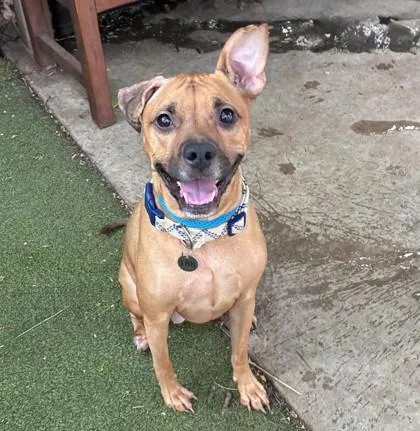
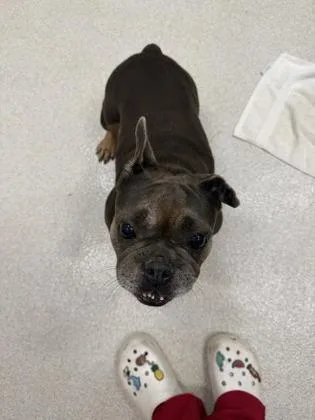
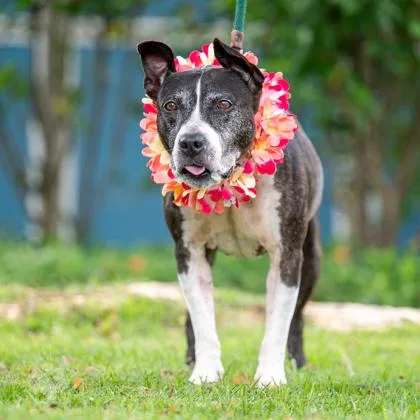
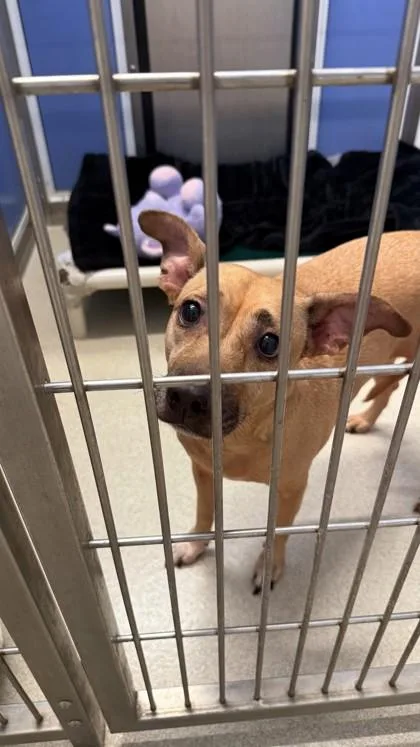
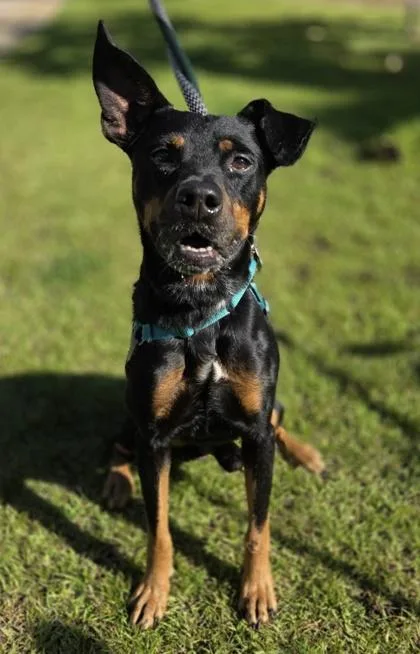
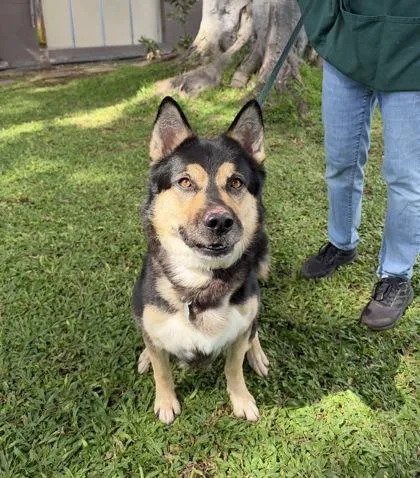
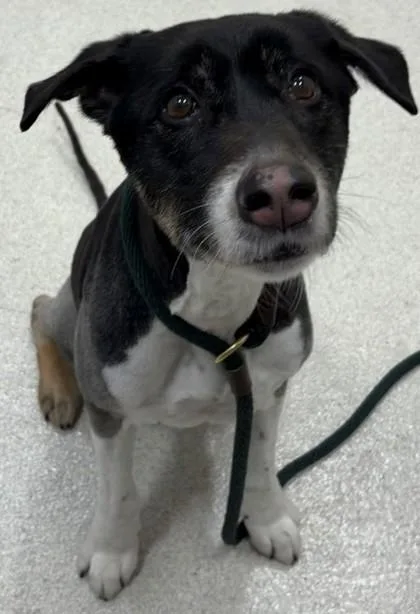
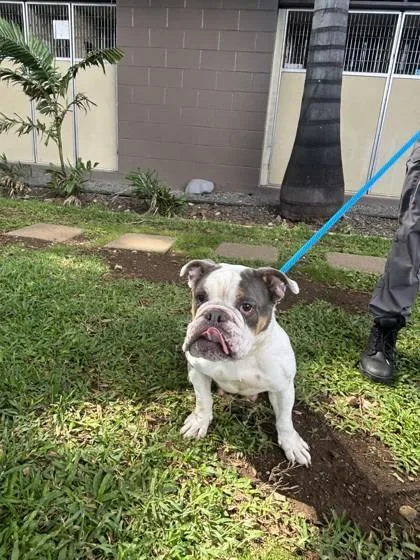
27 Dogue de Bordeaux available in Honolulu and nationwide

Find your forever Dogue de Bordeaux

While we don't have enough dogs near Honolulu, keep in mind that many rescues may offer transport.

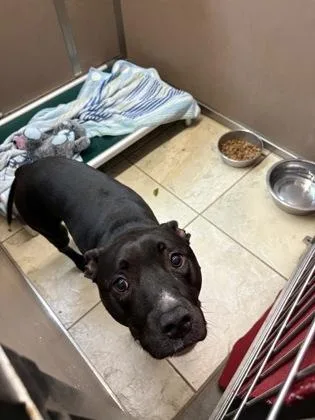
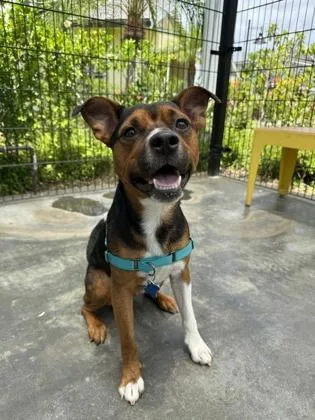
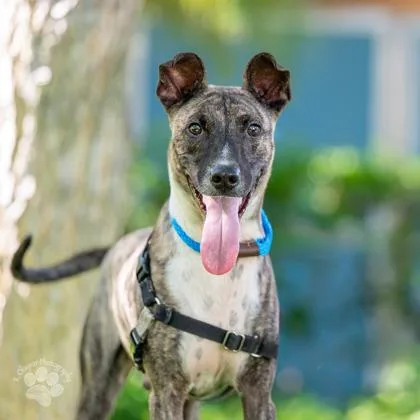
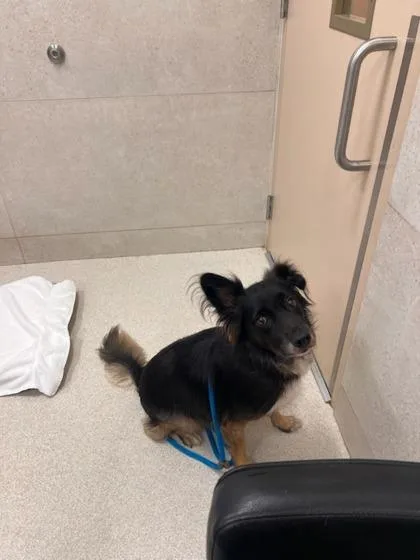
Dogue de Bordeaux Available for Adoption Near Honolulu

About the Dogue de Bordeaux breed

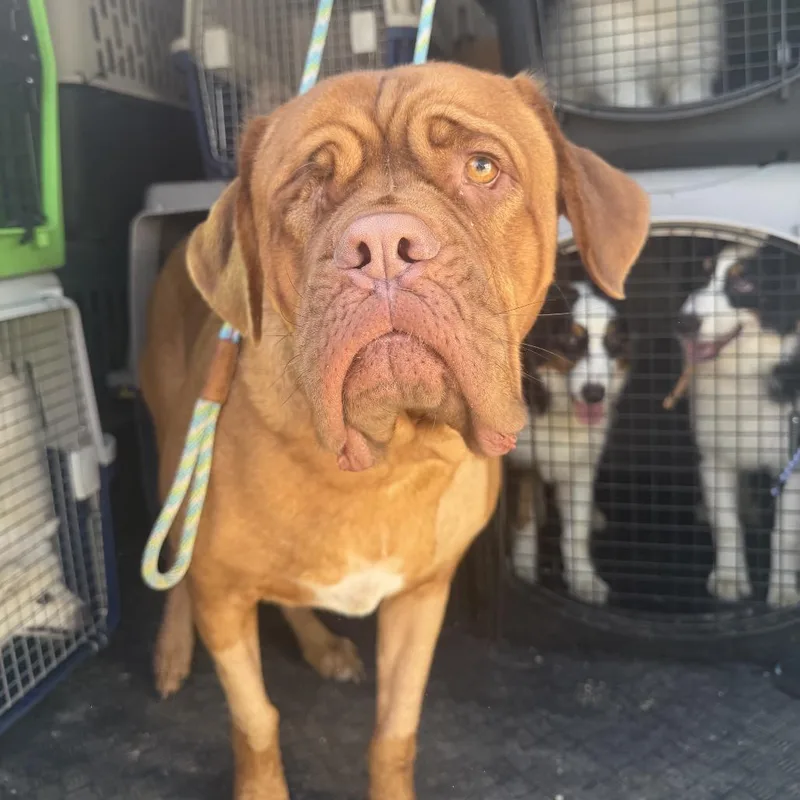
Often called the French Mastiff, the Dogue de Bordeaux is one of France's oldest breeds, long used as a guardian, drover and estate dog around Bordeaux. Numbers fell to a few hundred worldwide by the early 1980s, and many Americans first met one in the 1989 film Turner & Hooch. The coat is short and fawn to mahogany, the brow is wrinkled, and the head is proportionally among the largest of any dog.

Many Dogues are calm, sensitive and deeply attached to their families, but they're watchful with strangers and strong enough to need early, gentle, consistent training. In Honolulu, plan for heavy drool, heat sensitivity, giant-dog expenses and a lifespan that's often under ten years because of heart disease, cancer, bloat and joint problems. Each dog varies, so look closely at the personality of the one you're considering.

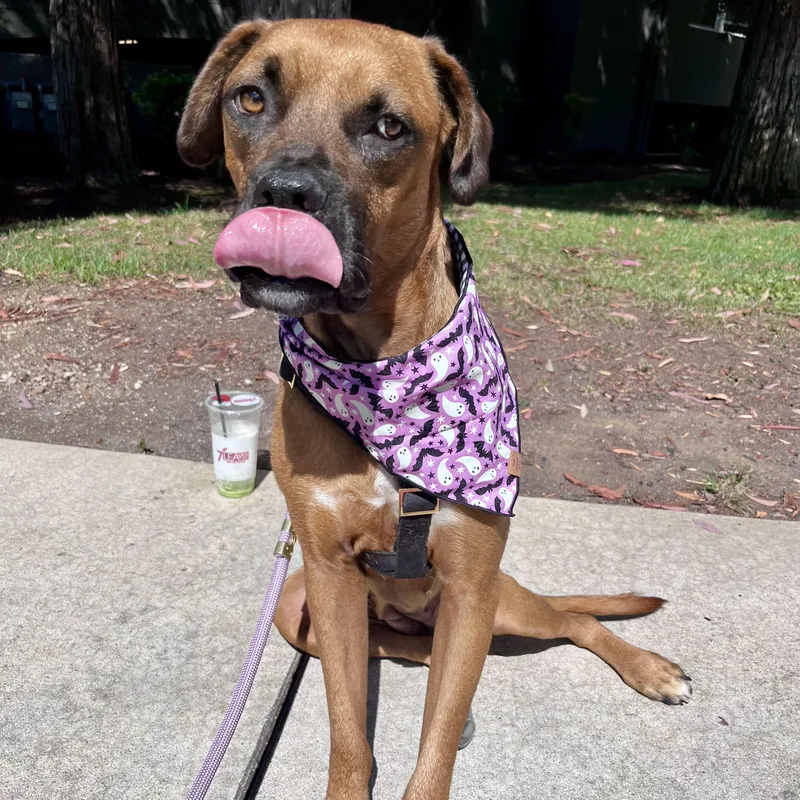
Weight
99–145 lbs
Height
23–27 in
Lifespan
5–9 yrs
Temperament
Protective, Loyal, Calm, Devoted
Group
Working
Shedding
Moderate to High

Owning a Dogue de Bordeaux in Honolulu

Having a Dogue de Bordeaux in Honolulu

Drool, heat sensitivity, health risks and early training shape daily life with a Dogue more than exercise does. In Honolulu, steady warmth and humid air make cooling and walk timing the biggest adjustments for most households.

Temperament

Dogues tend to be affectionate, calm and devoted, and they're naturally watchful with strangers. On a busy Honolulu sidewalk or in a crowded condo elevator, steady leash manners and early socialization matter. They respond to gentle, reward-based guidance, while harsh training backfires with a sensitive dog. Temperament varies from dog to dog.

Exercise Needs

Adults need moderate exercise: a daily walk or two, short play sessions and some puzzle work. Do it around sunrise or after sunset, and favor shade or grass, since asphalt and sand get hot. Puppies should stay low-impact until about 18 months. Skip long runs, because this short-faced breed overheats quickly.

Health Considerations

Serious risks include heart disease, cancer, bloat, hip and elbow dysplasia and breathing trouble tied to the short face, and skin folds need regular cleaning. In Honolulu, keep a Dogue out of streams and floodwater, where leptospirosis spreads, and ask a veterinarian about the vaccine. Schedule a vet exam soon after adoption.

Living Space

A Dogue can do well in a house or apartment with room to stretch out and air conditioning. Honolulu has many condo towers and walk-ups, so look for elevator access or a ground floor, since stairs are hard on heavy joints. A fenced yard helps, and this is an indoor family dog.

What it costs to own a Dogue de Bordeaux in Honolulu

ExpenseTypical costPer year
Food$80 to $160 per month$960 to $1,920
Pet insurance$85 to $170 per month$1,020 to $2,040
Routine vet care$250 to $500 per year$250 to $500
Other*$575 to $1,650 per year$575 to $1,650
Estimated yearly total (after year one)$2,805 to $6,110

Other costs are estimates and vary with size, age and health.

* Giant-size flea, tick and heartworm prevention, a dental cleaning allowance, sturdy toys and bedding, basic coat care, and skin-fold care and joint supplements; Honolulu requires a microchip rather than a dog license.

Adopt a Dogue de Bordeaux in Honolulu.

Now that you know more, let’s find you a new best friend. These rescues and shelters below have dogs available in and near Honolulu.

Rescues and Shelters in or near Honolulu

Honolulu's shelters and rescues, from a large open-admission humane society to foster-based groups, work with dogs of many sizes and breeds. Here are the rescues & shelters in the Honolulu area with dogs available for adoption, worth asking whether a Dogue de Bordeaux is coming in.

Frequently Asked Questions

Yes. No breed ban is known in Honolulu, and state dangerous-dog law says breed can't be considered, so status depends on a dog's behavior. You'll need a registered microchip for a dog 3 months or older, a leash off your property, and a building that accepts a giant breed. Barking for ten minutes straight can also count as a nuisance.

Yes, if the building allows a giant breed and the unit stays cool. Dogues are fairly calm indoors, but they're heavy and drool a lot, so favor a ground floor or an elevator plus air conditioning. Hawaiʻi caps a pet deposit at one month's rent on top of the regular deposit, refundable within 14 days, but weight limits vary by building.

With care, yes. Honolulu summers are steady rather than extreme, but humidity, strong sun and warm nights are hard on a short-faced giant breed. Keep the home air-conditioned, walk at sunrise or after sunset, avoid roughly 11 a.m. to 3 p.m., and carry water. Hot pavement and sand can burn paws, and heavy panting needs a veterinarian right away.

Start with short, shaded, leashed outings. Makiki Valley Loop and Mānoa Falls Trail are reported as leashed-dog hikes, so turn back early in the heat, and Kapiʻolani Park's perimeter is open to leashed dogs but not its interior. Check the state trail map first, skip Diamond Head, which bans pets, and stay out of streams.

No, unless the dog is a service animal. TheBus allows pets only in a small enclosed container on your lap or under the seat, and Skyline requires a cage or carrier small enough to go under the seat or on your lap. A Dogue weighs 99 pounds or more, so plan on a car or on walking to nearby spots.

Sometimes, on patios only. Since August 2025, Hawaiʻi lets restaurants allow pet dogs in outdoor dining areas, but each restaurant chooses whether to participate, and dogs can't walk through the interior to get there. Indoor dining rooms stay off-limits. A Dogue takes up floor space and drools, so pick a shaded corner table and bring a mat and water.

Not much, but the skin folds need attention. In Honolulu's warm, humid air, wipe and dry facial wrinkles daily or at least weekly to prevent infection, use a rubber curry on the year-round shedding, and bathe about every four weeks. Most of this is done at home, so the cost falls within the Other line on this page rather than a regular grooming bill.

A Dogue de Bordeaux is not inherently dangerous, but it is a powerful guardian breed whose size and protective instincts demand responsible handling. Most are gentle and affectionate with their families. Poor socialization, rough training or weak containment raise the risk of problems with strangers or other dogs. Early training and an experienced owner make a big difference.

The Dogue de Bordeaux is not banned nationally in the United States, but some cities, landlords, homeowners associations and insurers restrict mastiff-type or large guardian breeds. A few jurisdictions abroad also place it on restricted-dog lists. Before adopting, check local ordinances, your lease and your homeowner's or renter's insurance policy to avoid surprises.

Expect roughly $2,800 to $6,100 a year for a Dogue in Honolulu: food about $80–$160 a month, insurance about $85–$170 a month, routine vet care $250–$500 and other costs $575–$1,650 a year. Giant-breed food, medicine and insurance drive the total, and treatment for heart, joint or bloat problems would come on top.