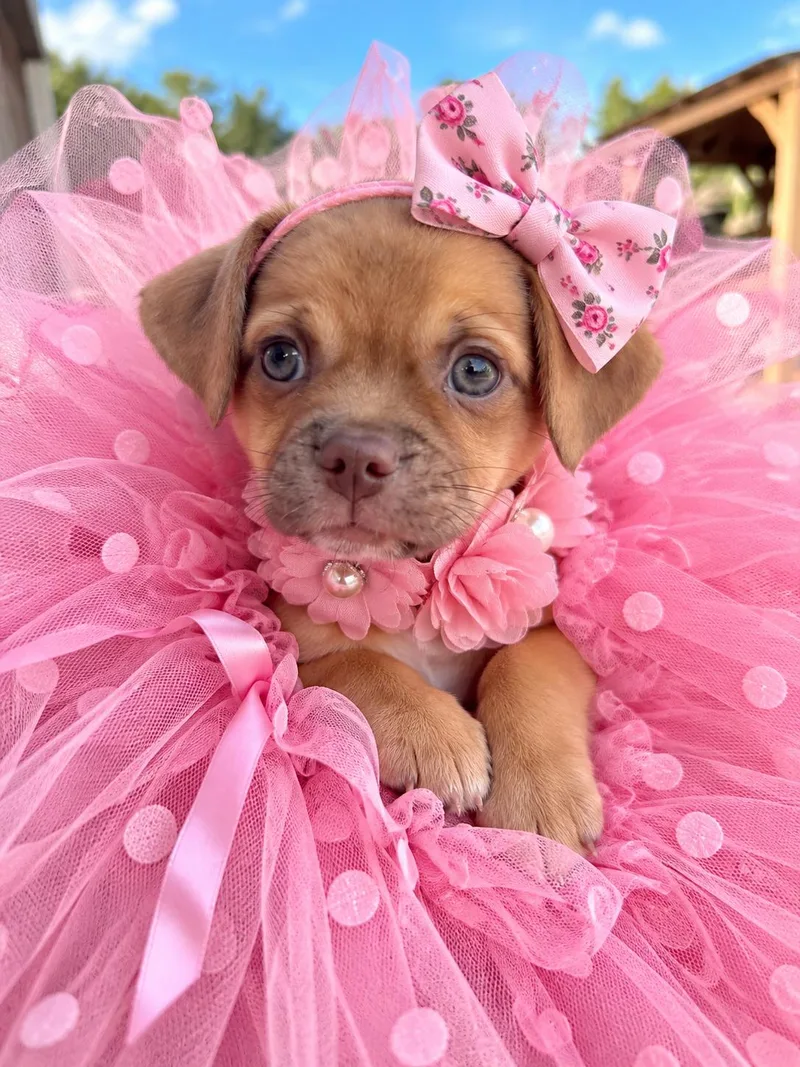
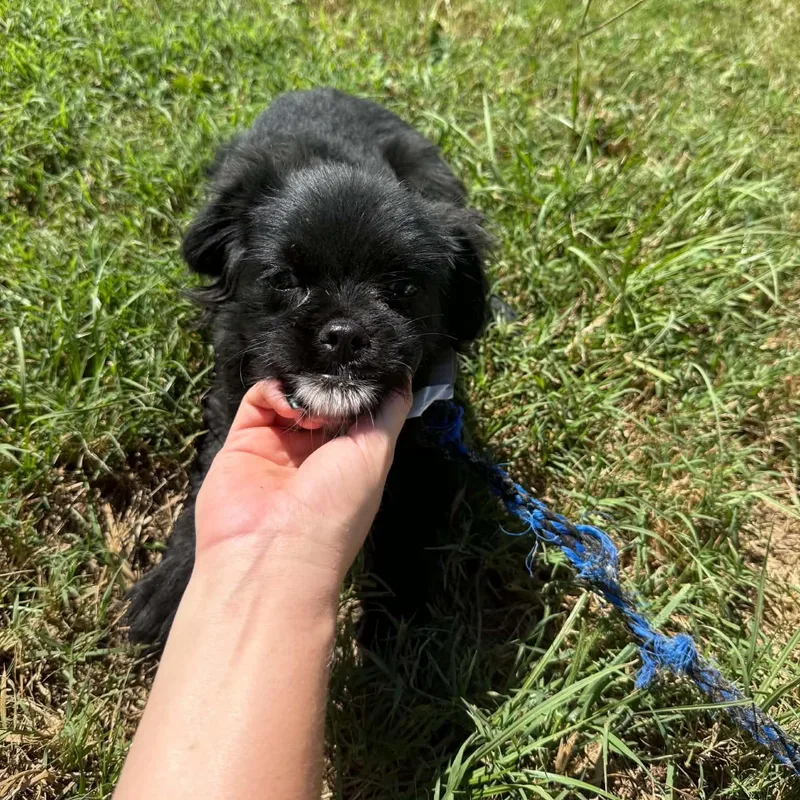
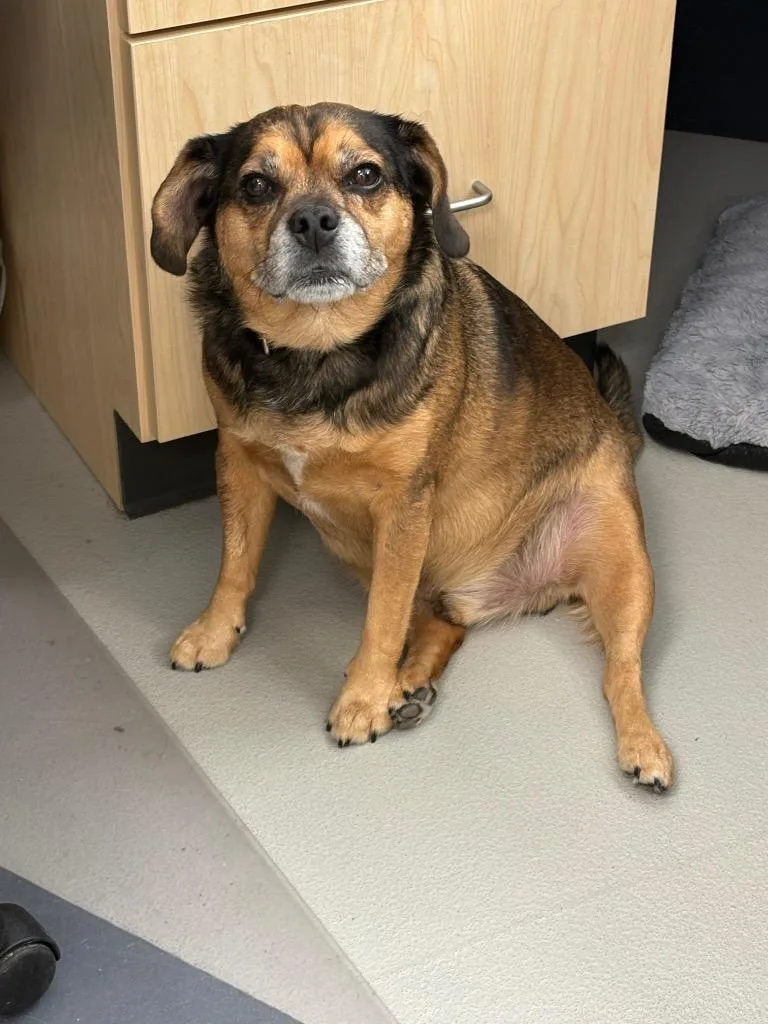
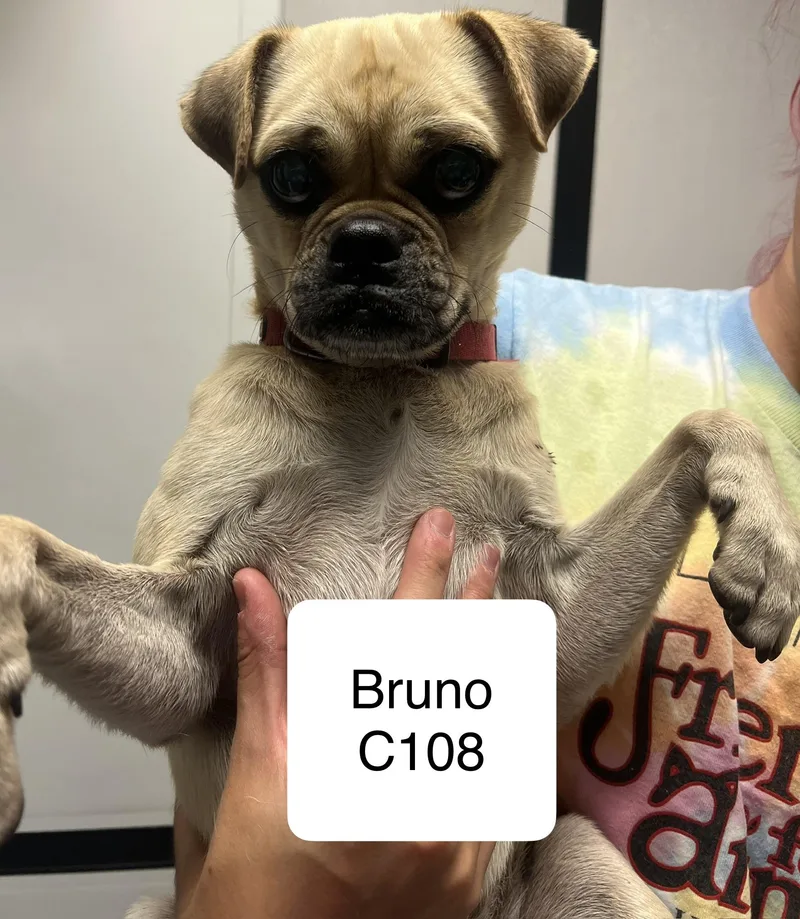
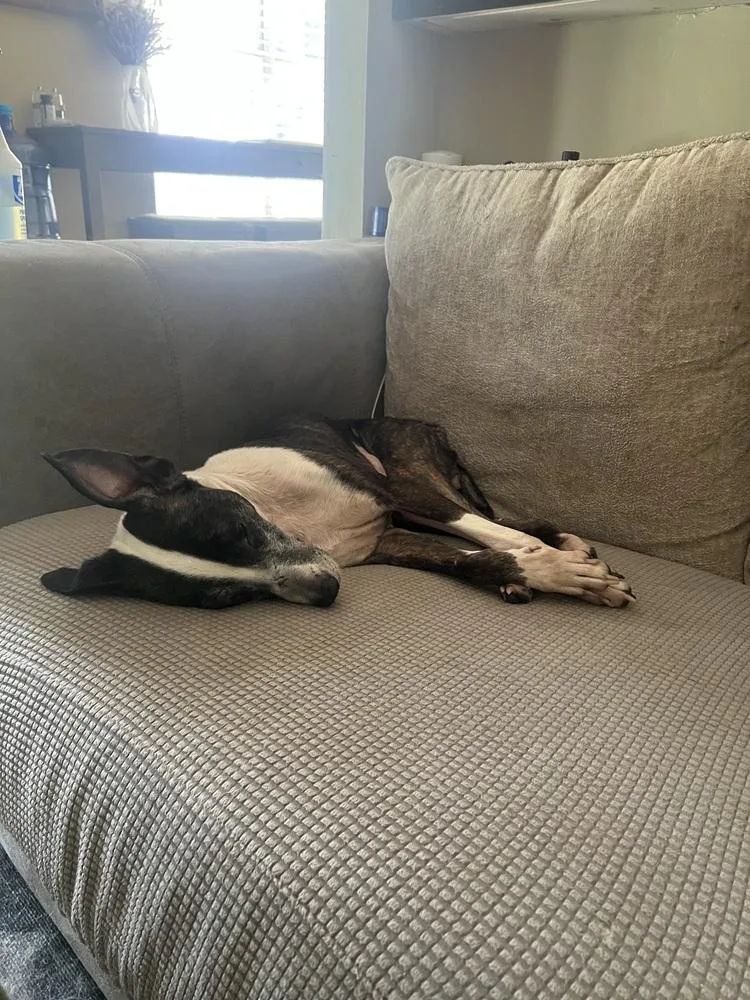
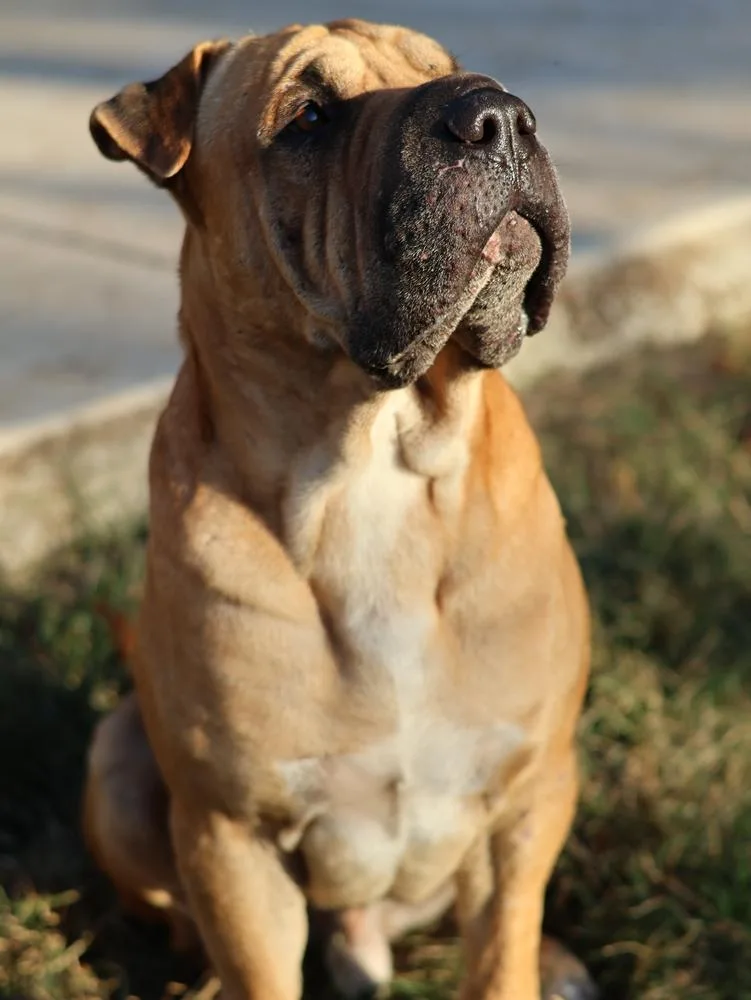
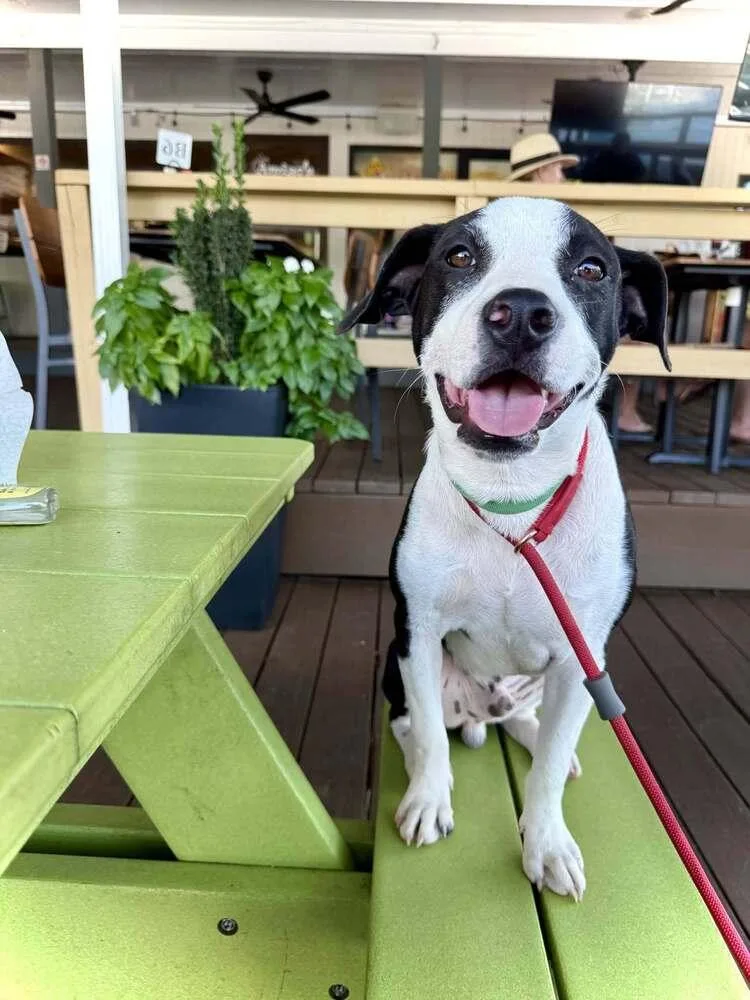
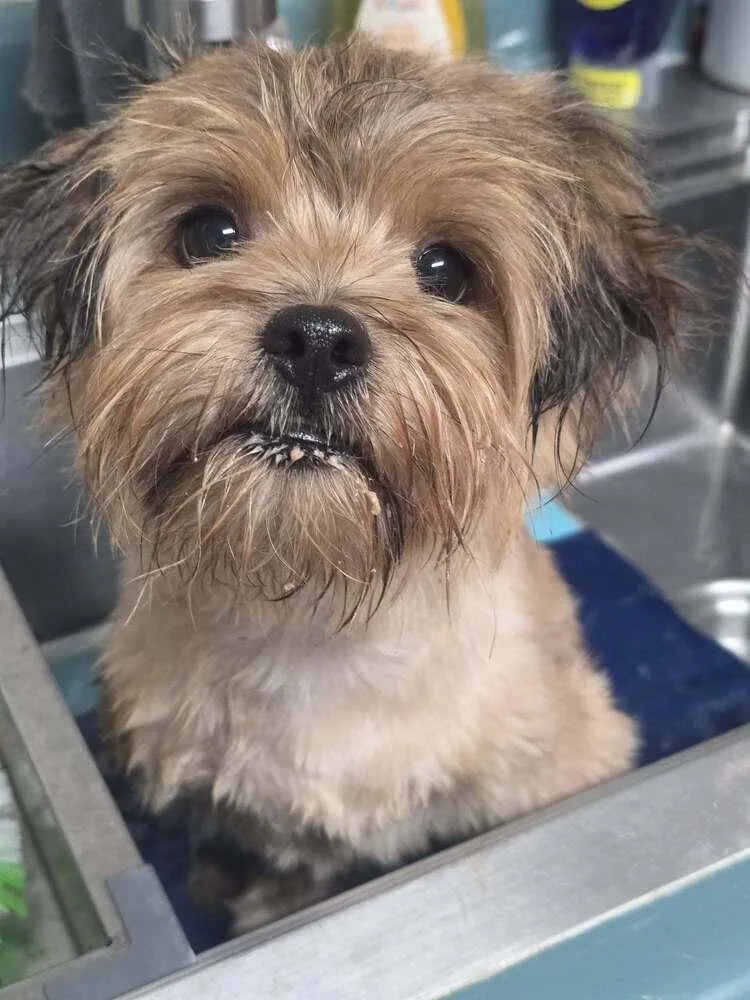
Pug dog

Pug Dogs for Adoption in Tunnel Hill, GA

Your guide to finding and caring for a Pug in Tunnel Hill

866 Pugs available in Tunnel Hill and nationwide

Your Pug is waiting

While we don't have enough dogs near Tunnel Hill, keep in mind that many rescues may offer transport.

Pugs Available for Adoption Near Tunnel Hill

About the Pug breed

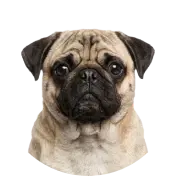
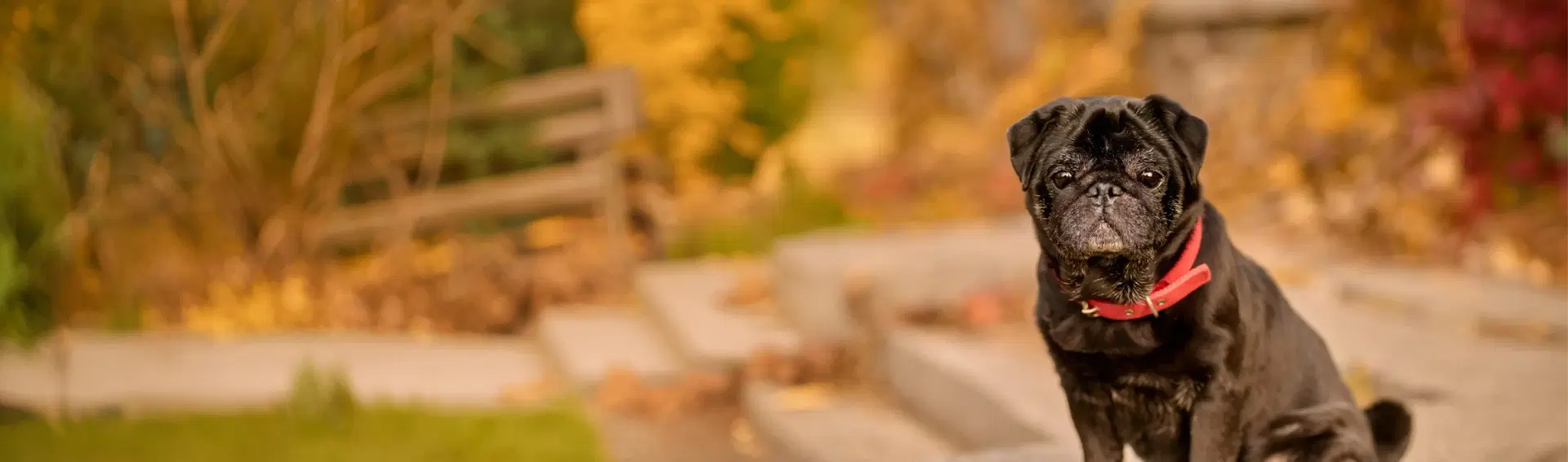
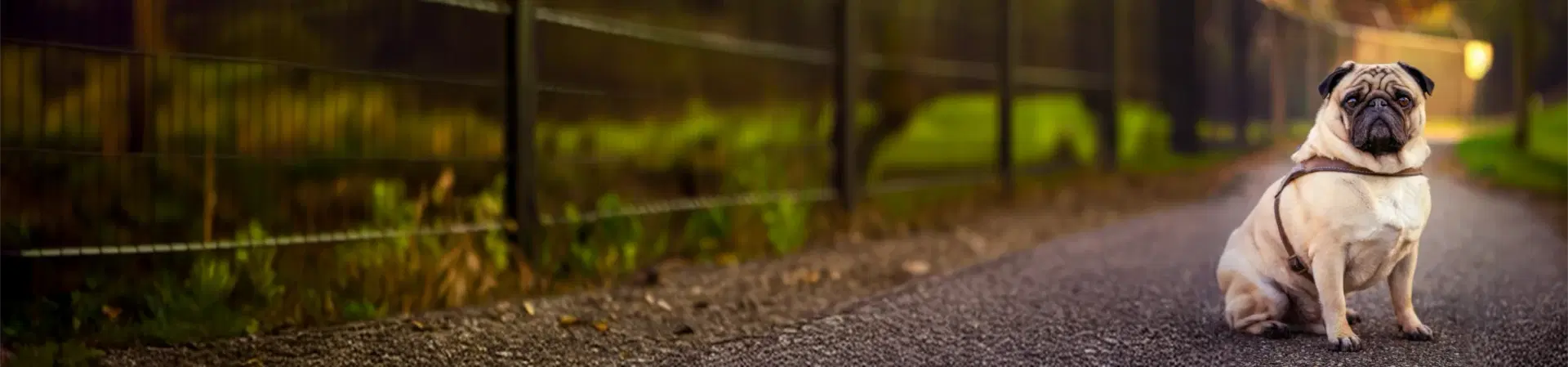
Pugs were companions from the start. Their ancestors lived at the Chinese imperial court, and Dutch traders carried them to Europe in the sixteenth century, where they became favorites of the House of Orange and, later, Queen Victoria. The modern Pug is a square, muscular little dog with a large round head, deep facial wrinkles, big dark eyes and a tail curled tightly over the hip, in fawn with a black mask or solid black.

Many Pugs are even-tempered, funny and devoted, happiest following their people from room to room. That charm comes with real care needs. The flat face makes breathing harder, so heat, hard exercise and extra weight are genuine risks, and the short coat sheds far more than most adopters expect. Skin folds and prominent eyes also need regular attention.

Weight
14–18 lbs
Height
10–13 in
Lifespan
11–15 yrs
Temperament
Charming, Playful, Affectionate
Group
Toy
Shedding
High

Owning a Pug in Tunnel Hill

Having a Pug in Tunnel Hill

A Pug packs a big personality into a small, sturdy body, and most of its care revolves around that short muzzle. Knowing how the breed's sociable nature, modest exercise needs and breathing limits play out day to day helps adopters plan realistically.

Temperament

Pugs tend to be sociable, gentle and eager for company, and many get along with children, visitors and other pets. Their sturdiness makes them more forgiving with kids than fragile toy breeds. Some can be stubborn about training or housetraining, so short, upbeat sessions with food rewards usually work best. Individual history still matters most.

Exercise Needs

Most Pugs are content with a couple of short walks and some indoor play each day. Their airways limit hard exercise, so avoid heat, humidity and long runs, and stop if breathing turns noisy or labored. A harness puts less pressure on the throat than a collar. Sniffing games and food puzzles add gentle mental exercise.

Health Considerations

Pugs are prone to brachycephalic airway problems, overheating, eye injuries and dry eye, skin-fold infections, obesity, hip dysplasia and spinal malformations, and some develop Pug dog encephalitis. Keeping a Pug lean eases its breathing and joints. Have a veterinarian check the airways and eyes, and plan for regular veterinary checks of eyes, skin and weight.

Living Space

A Pug adapts well to apartments and small homes, since it needs little room and is not a big barker. What matters most is climate control: it should live indoors with air conditioning in warm weather and never be left outside or in a car. Ramps or steps help a heavier Pug reach furniture safely.

What it costs to own a Pug

ExpenseTypical costPer year
Adoption fee$300, one time$300 in year one
Food$20 to $45 per month$240 to $540
Pet insurance$40 to $85 per month$480 to $1,020
Routine vet care$200 to $400 per year$200 to $400
Other*$640 to $1,740 per year$640 to $1,740
Estimated yearly total (after year one)$1,560 to $3,700
First-year total (with adoption fee)$1,860 to $4,000

Adoption fee is the fee on Pug listings in Tunnel Hill on GetBuddy today. Other costs are national averages for Pugs; we don't have costs specific to Tunnel Hill yet.

* Flea, tick and heartworm prevention, a dental care allowance for a crowded small mouth, a dog license, toys and bedding, brushing and baths for heavy shedding, and skin-fold cleaning supplies; license fees vary by city.

Pug dog

Adopt a Pug in Tunnel Hill.

Now that you know more, let’s find you a new best friend. These rescues and shelters below currently have Pugs available.

Rescues in Tunnel Hill with Pugs Available

Here are the rescues & shelters in the Tunnel Hill area where you can find Pugs and other dogs available for adoption.

Frequently Asked Questions

A Pug is a small companion dog from China with a flat, wrinkled face, large dark eyes, a curled tail and a compact, muscular body. Pugs belong to the American Kennel Club's Toy Group and usually weigh 14 to 18 pounds. Many are affectionate, comical and people-focused, though their short muzzle brings breathing and heat sensitivities that owners need to manage.

A Pug looks square and solid, with a large round head, deep wrinkles across the forehead, a short blunt muzzle and big, round dark eyes. Its small ears fold forward or back, and its tail curls tightly over the hip, sometimes in a double curl. The short, glossy coat is fawn with a black mask and ears, or solid black.

Pugs were bred to be companions. Their ancestors were lap dogs for Chinese emperors and their households, kept for affection rather than hunting, herding or guarding. That purpose carried on in Europe, where they became popular with royal and noble families. Centuries of selection for closeness to people explain why many Pugs follow their owners everywhere and dislike being left alone.

Yes, Pugs can be very good dogs for people who want an affectionate, easygoing companion and can manage their health needs. Many are friendly with family, guests and other pets, and they need only modest exercise. The trade-offs are heavy shedding, snoring, heat sensitivity and higher vet costs tied to their flat faces, eyes and weight.

No, Pugs were not bred to hunt lions. That idea is a myth, possibly mixed up with lion symbolism attached to other Chinese breeds or with large hunting dogs elsewhere. Pugs were developed as small palace companions in China, and nothing about their build suits hunting large animals. Their short muzzles make strenuous chasing difficult even for modern, healthy Pugs.

Yes, Pugs are classic lap dogs. They were bred to sit with their people, and many enjoy cuddling on the sofa, sleeping close by and trailing family members around the house. They are heavier and sturdier than many toy breeds, so a lap Pug is a solid little weight. Some Pugs are more independent, depending on personality and history.

Yes, Pugs originated in China, where short-muzzled companion dogs were kept at the imperial court for centuries. Dutch traders brought them to Europe in the sixteenth century, and the breed was later refined in the Netherlands and Britain before reaching the United States in the nineteenth century. The American Kennel Club recognized the Pug in 1885.

Yes, in the same way every domestic dog is. All dog breeds, from Great Danes to Pugs, trace back to ancient wolf populations, and dogs and gray wolves share a common ancestor. The Pug's small size, flat face and curled tail are the result of thousands of years of domestication and centuries of selective breeding, not a separate lineage.

No one knows for certain why Pugs got their name. One popular theory links it to marmoset monkeys, nicknamed pugs in eighteenth-century England, because of the dog's flat, expressive face. Another ties it to an old English term of endearment for a small pet or imp. The word pug-dog appears in English writing by the mid-1700s.

We have 1 rescue with Pugs available: The Rescue House . You can see every rescue with Pugs available in the list above these questions, or scroll to the top to see the Pugs near Tunnel Hill.

Find Pugs in Nearby Cities

Expand your search to find Pugs available for adoption near Tunnel Hill.

Explore Other Breeds in Tunnel Hill

Looking for a different breed? Browse other dogs available for adoption in Tunnel Hill.