Schnoodle Dogs for Adoption in Tifton, GA

Your guide to finding and caring for a Schnoodle in Tifton

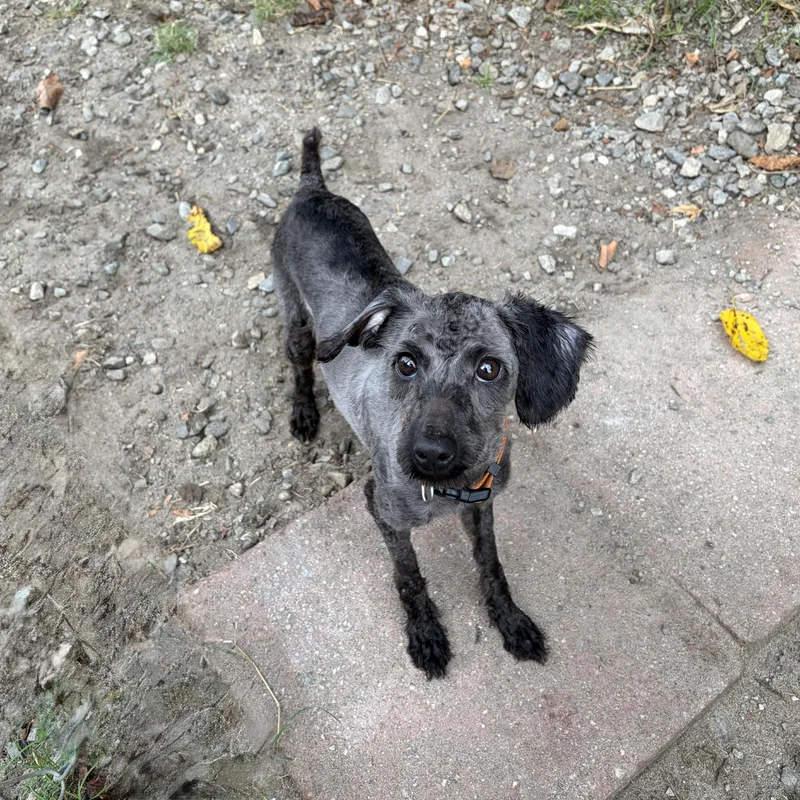
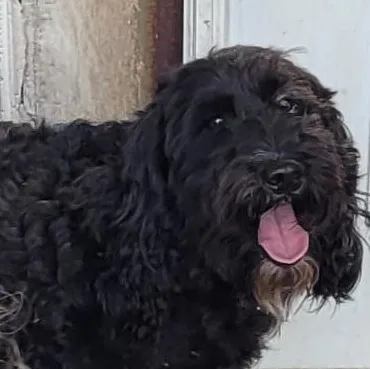
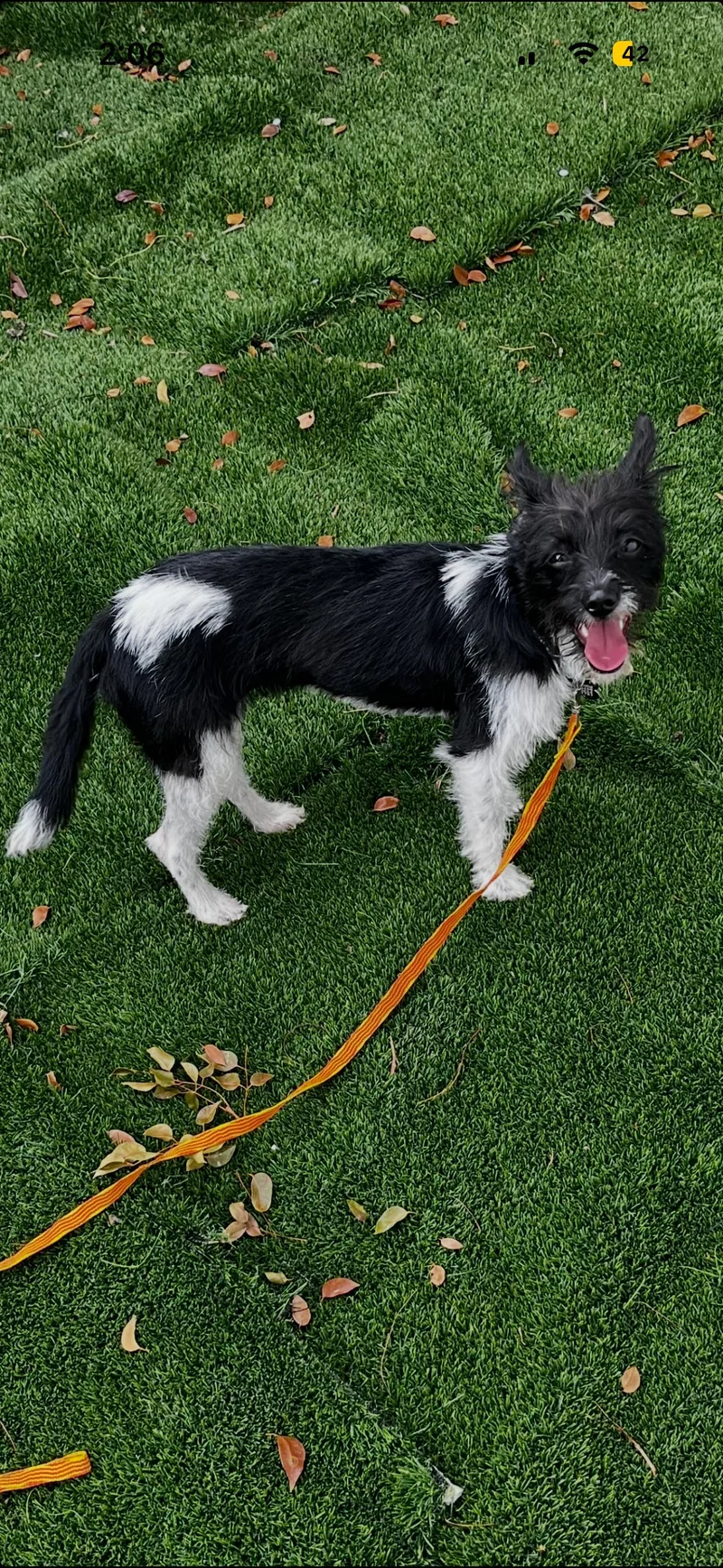
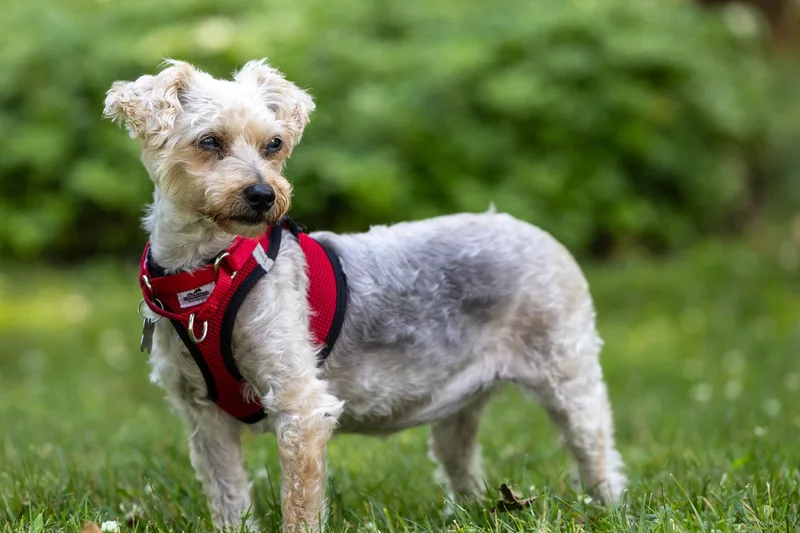
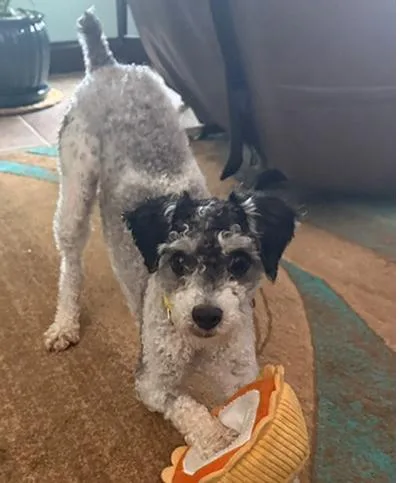
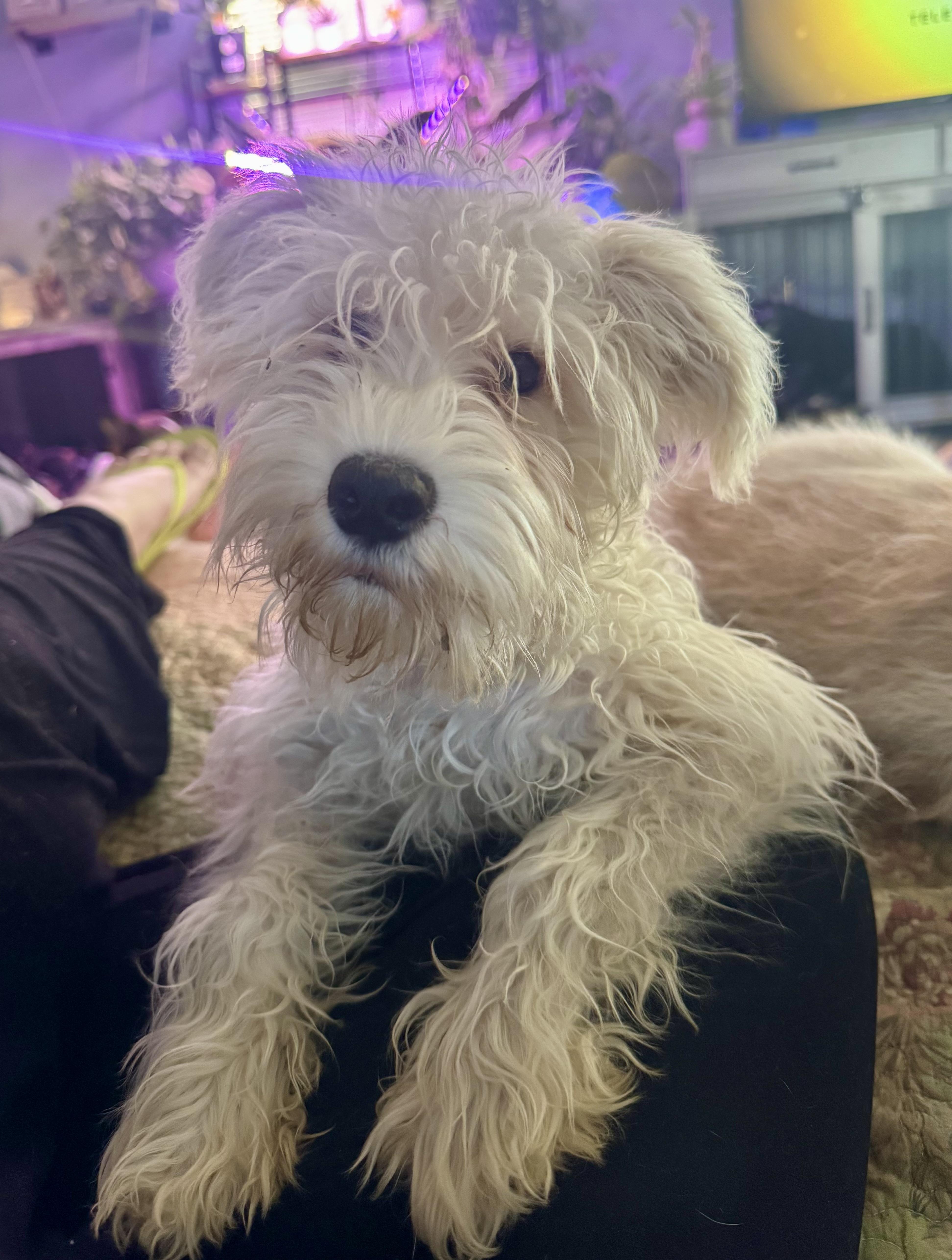
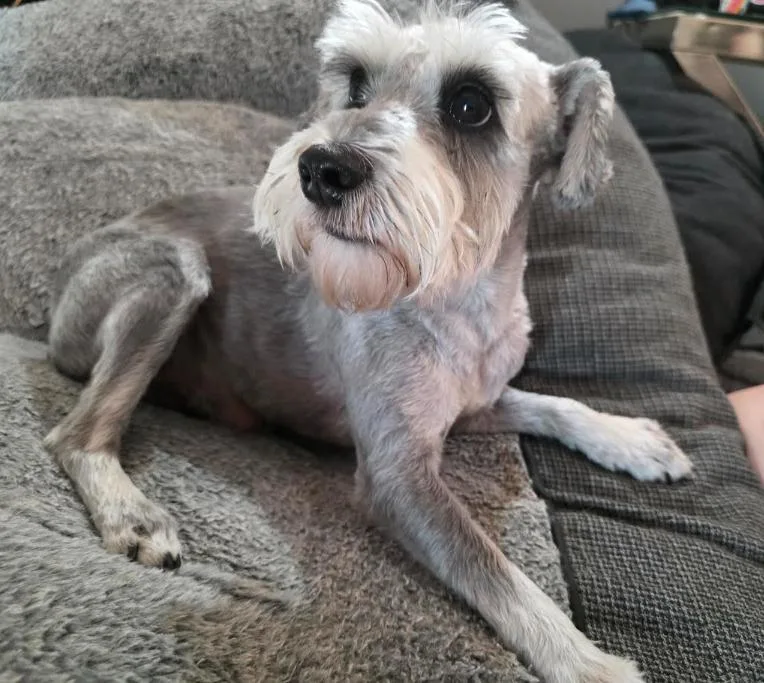
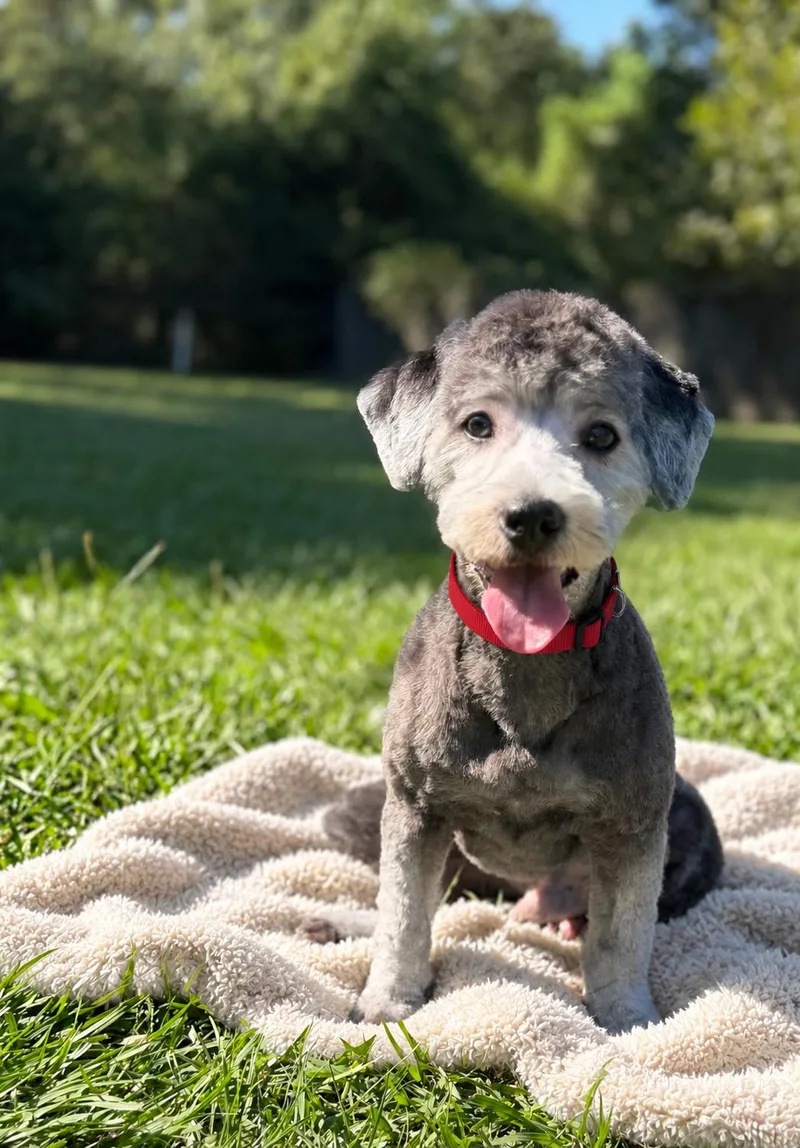
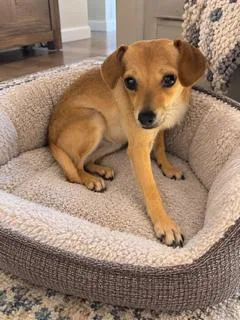
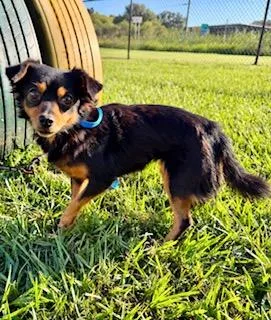
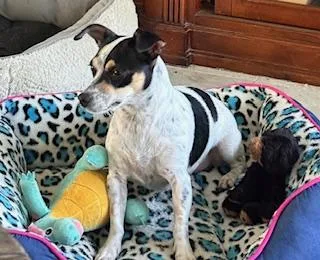
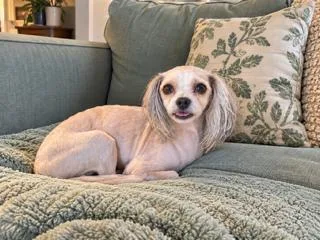
30 Schnoodles available in Tifton and nationwide

Open your home to a Schnoodle

While we don't have enough dogs near Tifton, keep in mind that many rescues may offer transport.

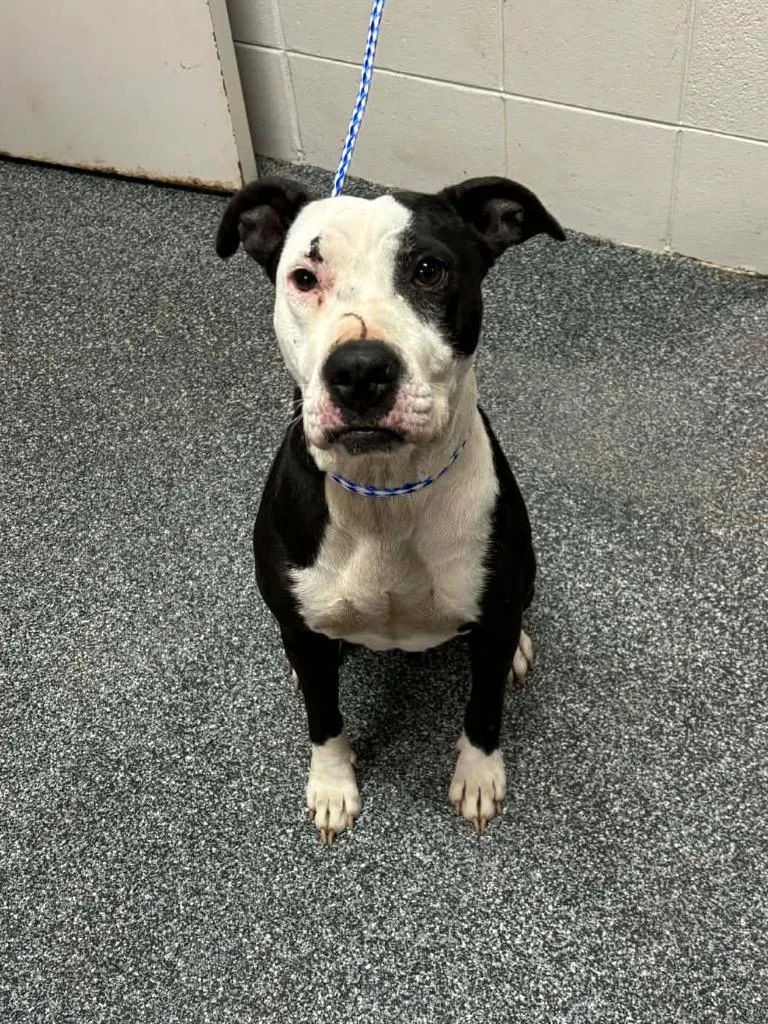
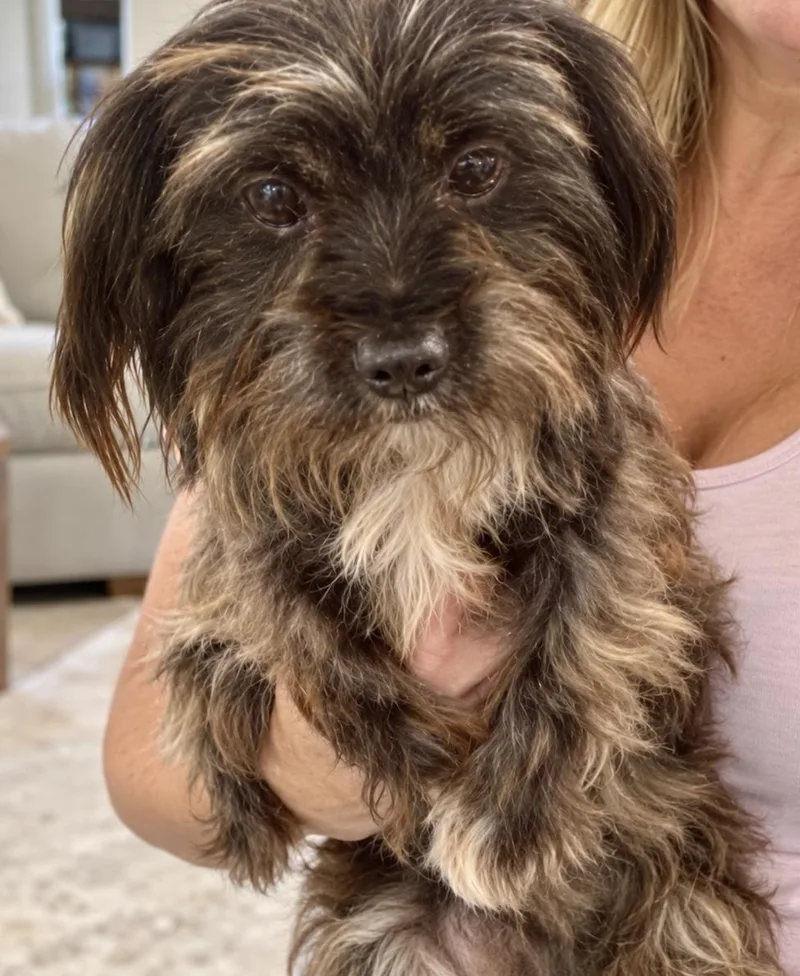
Schnoodles Available for Adoption Near Tifton

About the Schnoodle breed

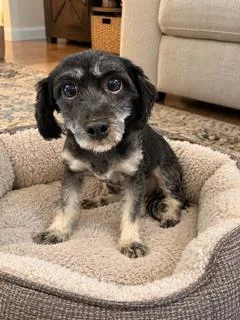
A Schnoodle is a cross between a Schnauzer and a Poodle, bred in the United States as a companion dog since around the 1980s. Because either parent can be a toy, miniature, standard or giant variety, Schnoodles range from lapdogs of about 10 pounds to sturdy dogs over 60, though the miniature cross is the one most often seen. Most have a wavy to curly, low-shedding coat and many keep the Schnauzer's bushy eyebrows and beard.

As a crossbreed, a Schnoodle has no breed standard, so looks, size and personality vary even within a litter. Many are bright, playful and closely bonded to their people, with a watchful Schnauzer streak that shows up as barking at the door. Adopters should plan for professional grooming every month or two, daily activity for body and mind, and steady, reward-based training.

Weight
10–75 lbs
Height
10–26 in
Lifespan
10–15 yrs
Temperament
Intelligent, Playful, Affectionate, Alert
Shedding
Low

Owning a Schnoodle in Tifton

Having a Schnoodle in Tifton

Schnoodles blend two clever, people-focused breeds, so most of what matters day to day comes down to brains, coat and size. Knowing how alertness, grooming and parent-breed health risks play out helps adopters match a Schnoodle to their household.

Temperament

Many Schnoodles are affectionate, playful and eager to be part of family life, and they often enjoy learning tricks. The Schnauzer side can add alert barking, a stubborn streak and interest in chasing small animals. Personality varies with parentage and background, so watch how a particular dog behaves with visitors, children and pets.

Exercise Needs

Most Schnoodles need daily walks plus active play, and larger standard and giant crosses need more vigorous outlets than minis. Mental work counts as much as miles: puzzle feeders, scent games and short training sessions help curb boredom barking and chewing. Adjust intensity to the dog's size, age and joints rather than a fixed schedule.

Health Considerations

Schnoodles can inherit problems from either parent, including hip and elbow dysplasia, kneecap dislocation in small dogs, eye disease, epilepsy, diabetes and the pancreatitis that Miniature Schnauzers are prone to. Bloat is a concern in larger crosses. Small mouths are prone to dental disease, so tooth care matters. Review records and screening with a veterinarian.

Living Space

Miniature Schnoodles often adapt well to apartments when they get regular walks and play, while standard and giant crosses appreciate more room and a secure yard. Barking at hallway noises can be an issue in shared buildings, so early training helps. Every size does best living indoors with its family rather than alone outside.

What it costs to own a Schnoodle

ExpenseTypical costPer year
Adoption fee$500, one time$500 in year one
Food$20 to $45 per month$240 to $540
Pet insurance$40 to $85 per month$480 to $1,020
Routine vet care$200 to $400 per year$200 to $400
Other*$940 to $2,340 per year$940 to $2,340
Estimated yearly total (after year one)$1,860 to $4,300
First-year total (with adoption fee)$2,360 to $4,800

Adoption fee is the fee on Schnoodle listings in Tifton on GetBuddy today. Other costs are national averages for Schnoodles; we don't have costs specific to Tifton yet.

* Professional grooming every 4–8 weeks, dental cleanings, flea, tick and heartworm prevention, a dog license, and toys and bedding; larger Schnoodles cost more and license fees vary by city.

Adopt a Schnoodle in Tifton.

Now that you know more, let’s find you a new best friend. These rescues and shelters below currently have Schnoodles available.

Rescues in Tifton with Schnoodles Available

Here are the rescues & shelters in the Tifton area where you can find Schnoodles and other dogs available for adoption.

Frequently Asked Questions

A Schnoodle is a crossbreed of a Schnauzer and a Poodle, developed as a companion dog in the United States since roughly the 1980s. Depending on the parents' sizes, it can be small, medium or large. Most have a wavy or curly, low-shedding coat, a bearded face and a lively, people-oriented personality, though crossbreeds vary more than purebreds.

No dog is truly hypoallergenic, Schnoodles included. Their low-shedding coat may leave less hair around the house, which some people with mild allergies tolerate better, but allergens also come from dander, saliva and urine. Reactions differ from dog to dog, so spend time with the specific Schnoodle before adopting if anyone at home has allergies.

A Schnoodle usually has a sturdy, square-ish body, a wavy to curly coat and a face framed by Schnauzer-style eyebrows and a beard. Coats come in black, gray, white, cream, apricot, brown and parti or phantom patterns. Ears typically fold over. Because it is a cross, one Schnoodle may look Poodle-like while another resembles a scruffy Schnauzer.

Schnoodles range from about 10 pounds to over 60 pounds, depending on which Schnauzer and Poodle varieties were crossed. Miniature Schnoodles, the most common type, typically weigh around 10 to 20 pounds and stand roughly 10 to 15 inches tall. Standard crosses are medium-sized, while giant Schnoodles can reach about 25 inches and 75 pounds.

Schnoodles typically live about 10 to 15 years, and smaller ones often reach the upper end of that range. Lifespan depends on size, parent-breed health risks and care. Keeping a Schnoodle lean, staying on top of dental care and scheduling regular veterinary exams give any individual dog the best chance at a long, comfortable life.

A Schnoodle puppy usually looks like a small, fluffy teddy bear with a soft, wavy coat and a rounded face. The adult coat texture develops over the first year, and some puppies' colors lighten or gray as they mature, a trait from the Poodle side. Beards and eyebrows become more pronounced with age and grooming.

Many Schnoodles do bark a fair amount, largely thanks to the Schnauzer's watchdog heritage. They often announce visitors, delivery trucks and unfamiliar sounds. The amount varies by individual, and boredom makes it worse. Daily exercise, mental enrichment and teaching a quiet cue with rewards usually keep barking at a manageable level.

Schnoodles are often good dogs for people who want a smart, affectionate companion with a low-shedding coat. They tend to bond closely and enjoy training and play. Their needs are real, though: regular professional grooming, daily activity and patient handling of barking or stubbornness. Meeting an individual dog tells you more than the breed label does.

Most Schnoodles weigh between about 10 and 75 pounds, a wide range that reflects the parents' sizes. Miniature Schnoodles commonly weigh 10 to 20 pounds, standard crosses about 30 to 60, and giant crosses up to around 75. Rather than a target number, veterinarians judge a healthy weight by body condition, with ribs easy to feel under a light fat layer.

We have 1 rescue with Schnoodles available: Simply Grace Rescue. You can see every rescue with Schnoodles available in the list above these questions, or scroll to the top to see the Schnoodles near Tifton.

Find Schnoodles in Nearby Cities

Expand your search to find Schnoodles available for adoption near Tifton.