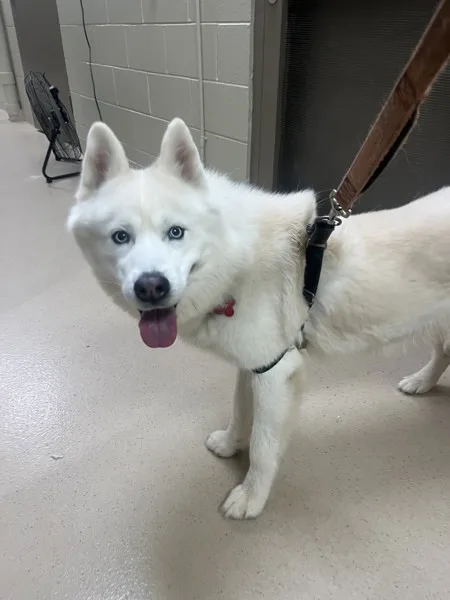
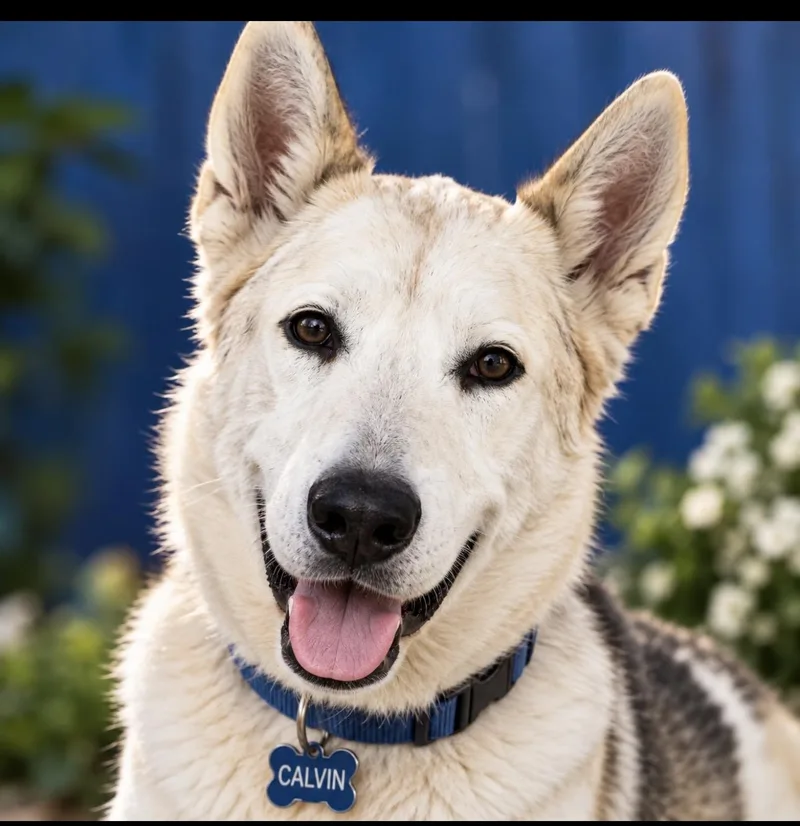
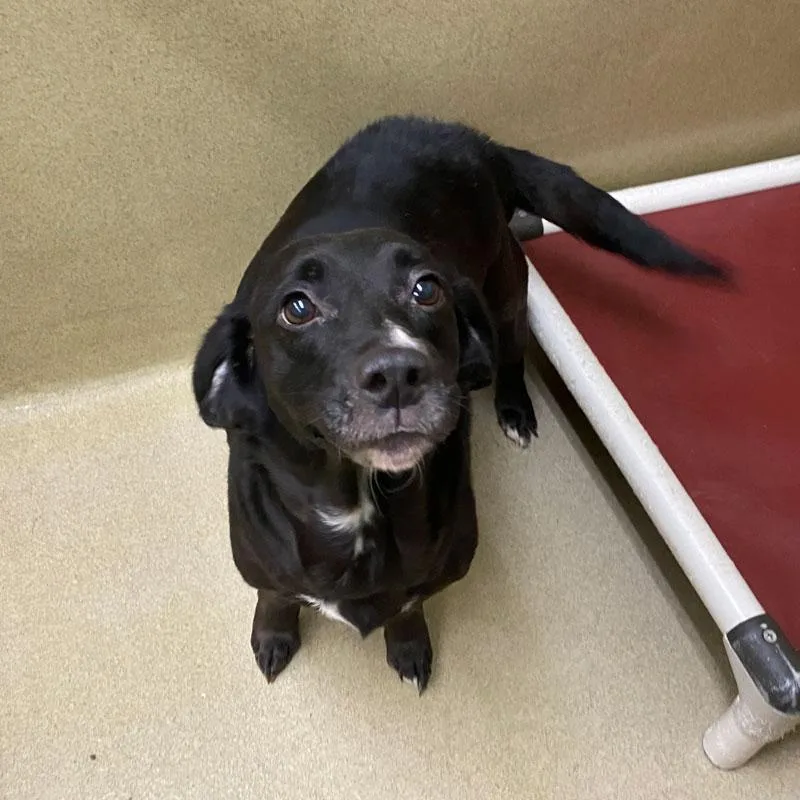
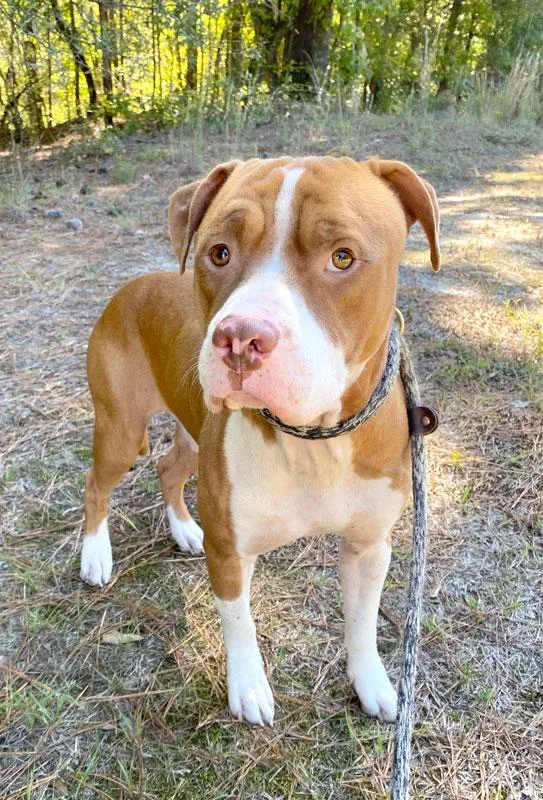
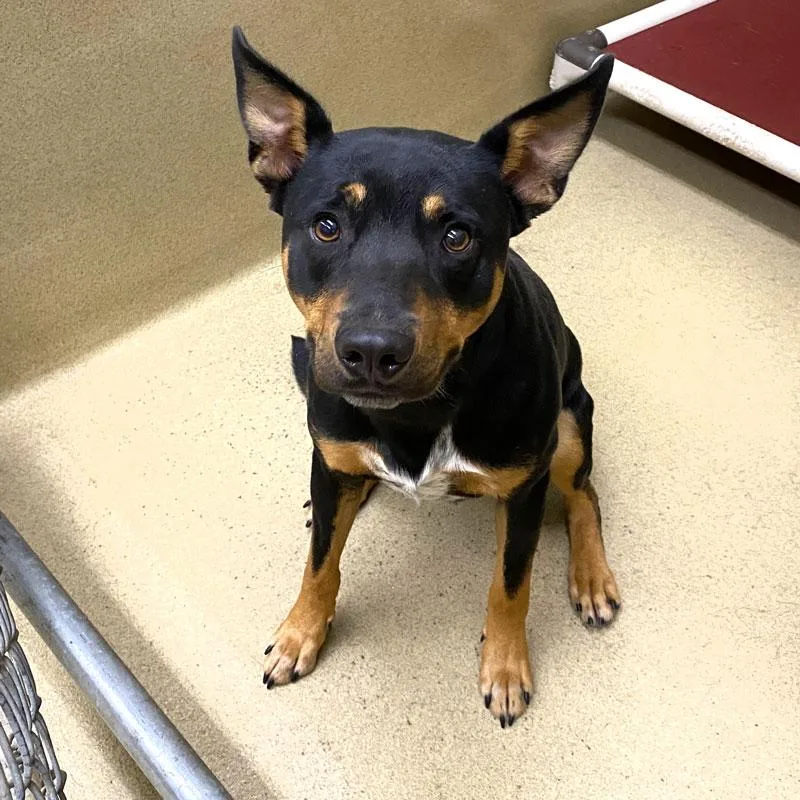
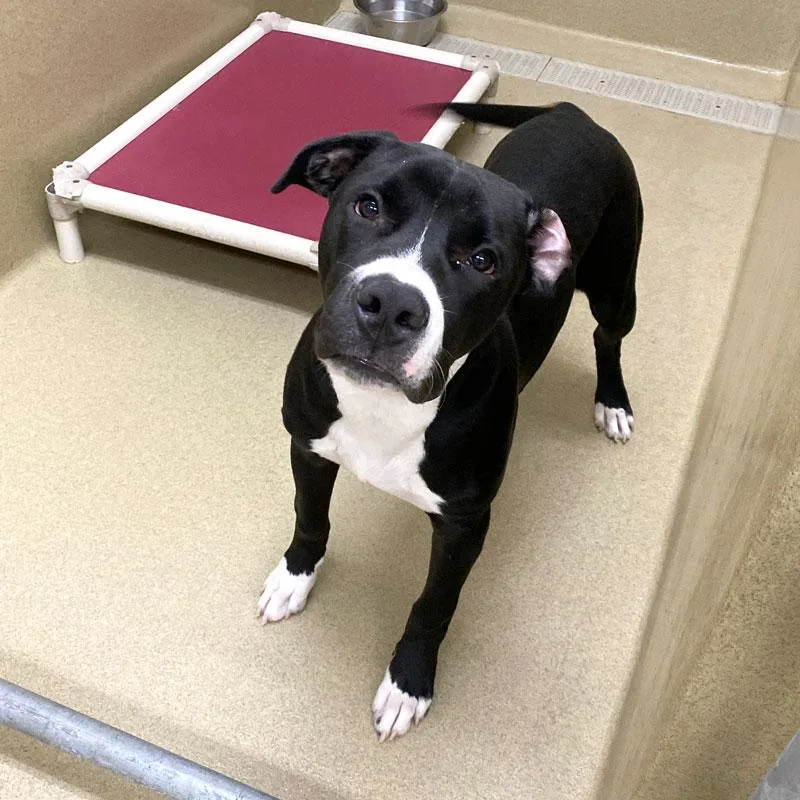
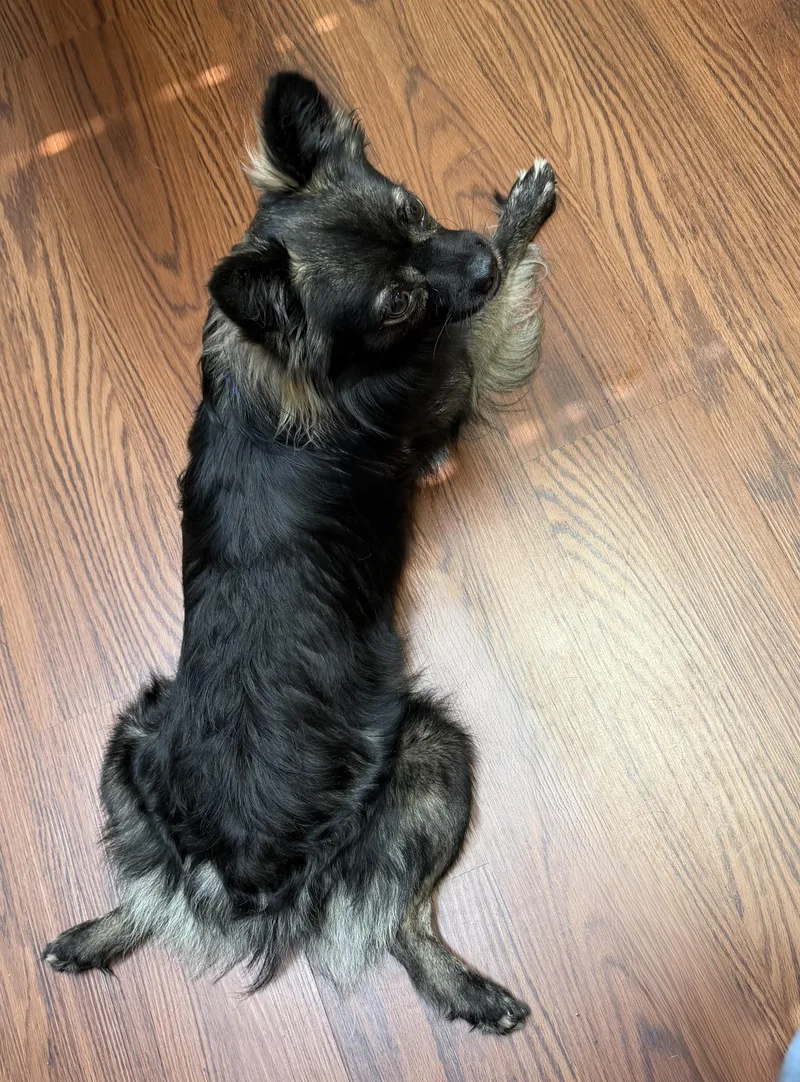
Siberian Husky Dogs for Adoption in Monroe, GA

Your guide to finding and caring for a Siberian Husky in Monroe

1835 Siberian Huskies available in Monroe and nationwide

Open your home to a Siberian Husky

Siberian Huskies Available for Adoption Near Monroe

About the Siberian Husky breed

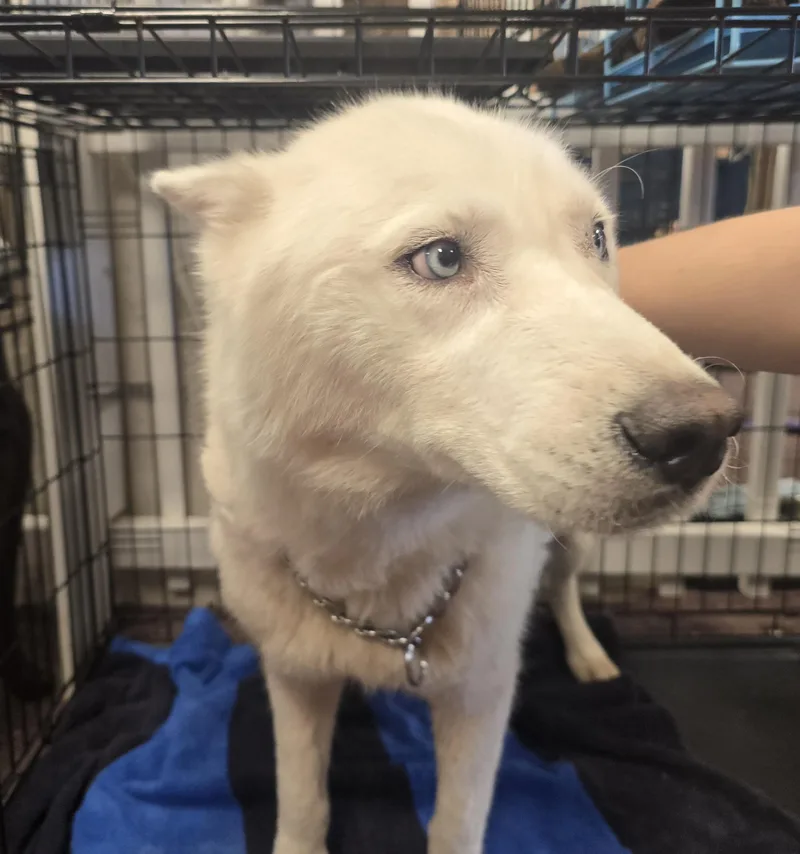
Sled dogs kept by the Chukchi people of northeastern Siberia are the ancestors of the Siberian Husky, a medium-sized working breed built to pull light loads over long distances in a team. Imported to Alaska in the early 1900s for sled racing, Huskies became famous through the 1925 serum run to Nome. Their erect ears, brush tail, thick double coat and brown, blue or mismatched eyes give them a striking, wolf-like look.

Many Huskies are friendly, gentle and playful with almost everyone, which makes them poor guard dogs but sociable companions. They were bred to run and think for themselves, so they often roam if given the chance, howl, dig and test fences. Adopters should be ready for vigorous daily exercise, secure containment, patient training and two heavy coat sheds a year, plus a dog that does best with company.

Weight
35–60 lbs
Height
20–24 in
Lifespan
11–14 yrs
Temperament
Friendly, Energetic, Independent
Group
Working
Shedding
High

Owning a Siberian Husky in Monroe

Having a Siberian Husky in Monroe

Huskies combine sled-dog stamina and a free-thinking streak with an easygoing, people-friendly nature. Their need to run, talent for escaping and heavy coat blowouts matter as much as their good looks when deciding whether a particular Husky fits your daily life.

Temperament

Siberian Huskies are often outgoing, gentle and playful, and many greet strangers as friends rather than guarding the home. They usually enjoy other dogs, but a strong prey drive can put cats and small pets at risk. Their independence can read as stubbornness. An adopted Husky's history with kids, dogs and cats is the best guide.

Exercise Needs

This breed was made to run for hours, so most Huskies need vigorous daily exercise such as long walks, jogging, hiking, canicross or harness sports. Mental work matters too: puzzle toys, training and scent games curb boredom. Few Huskies have reliable recall, so on-leash exercise or securely fenced areas are safest, and hot weather means exercising during cool hours.

Health Considerations

Huskies are generally robust, but eye conditions such as juvenile cataracts, corneal dystrophy and progressive retinal atrophy occur in the breed, and the breed club recommends eye and hip screening. Some develop a zinc-responsive skin condition. Their thick coat raises heatstroke risk. Regular veterinary checkups and attention to eyes and skin help catch problems early.

Living Space

A Husky can live in a house or apartment if its exercise needs are met daily, but a securely fenced yard is a real help. Many dig under or climb over short fences, so tall, buried or reinforced fencing is common advice. They do best indoors with company, and air conditioning makes warm months safer.

What it costs to own a Siberian Husky

ExpenseTypical costPer year
Adoption fee$50, one time$50 in year one
Food$35 to $70 per month$420 to $840
Pet insurance$45 to $85 per month$540 to $1,020
Routine vet care$225 to $450 per year$225 to $450
Other*$540 to $1,390 per year$540 to $1,390
Estimated yearly total (after year one)$1,725 to $3,700
First-year total (with adoption fee)$1,775 to $3,750

Adoption fee is the fee on Siberian Husky listings in Monroe on GetBuddy today. Other costs are national averages for Siberian Huskies; we don't have costs specific to Monroe yet.

* Flea, tick and heartworm prevention, a dental cleaning allowance, a dog license, toys and bedding, and brushing tools and baths for twice-yearly coat blowouts; license fees vary by city.

Adopt a Siberian Husky in Monroe.

Now that you know more, let’s find you a new best friend. These rescues and shelters below currently have Siberian Huskies available.

Rescues in Monroe with Siberian Huskies Available

Here are the rescues & shelters in the Monroe area where you can find Siberian Huskies and other dogs available for adoption.

Frequently Asked Questions

A Siberian Husky is a medium-sized working dog developed as a sled dog in northeastern Siberia. Huskies weigh about 35 to 60 pounds and have a thick double coat, erect ears and often striking blue or mismatched eyes. They are known for endurance, friendliness and independence, and they need plenty of exercise, secure fencing and company to thrive.

A Siberian Husky looks like a compact, athletic sled dog with a thick medium-length coat, triangular upright ears and a bushy tail often carried in a curve over the back. Coats range from black, gray, red and sable to pure white, often with a facial mask. Their almond-shaped eyes can be brown, blue, one of each or partly both.

Siberian Huskies are medium-sized dogs. Males usually stand about 21 to 23.5 inches at the shoulder and weigh 45 to 60 pounds, while females stand about 20 to 22 inches and weigh 35 to 50 pounds. The breed is meant to be lean and light on its feet, so a heavy, bulky Husky may be overweight or part Malamute.

Siberian Huskies tend to be friendly, gentle, playful and outgoing, often greeting strangers warmly. They are also independent thinkers that may ignore commands when something more interesting appears, and many are mischievous and vocal, preferring howls to barks. Most enjoy company and other dogs. Individual personalities vary, so meeting a specific Husky matters.

Siberian Huskies come from the Chukchi Peninsula in far northeastern Siberia, where the Chukchi people bred them as sled dogs and companions. Fur traders brought them to Alaska starting around 1908 for sled racing, and the breed was developed further in North America. The American Kennel Club recognized the Siberian Husky in 1930.

Siberian Huskies were bred to pull sleds in teams, carrying light loads at moderate speeds over long distances in freezing conditions. The Chukchi people relied on them for transport and kept them close as family dogs. That background explains the breed's stamina, love of running, sociability with other dogs and tendency to think independently.

Siberian Huskies need a lot of exercise, secure fencing and companionship. Many are escape artists with a strong urge to run, so off-leash time is risky. They shed heavily twice a year, often howl, may dig, and can chase small animals. In return, many are friendly, playful and gentle. They suit active people who enjoy a strong-willed dog.

Siberian Huskies are usually lively, sociable and full of energy, with a playful, sometimes clownish streak. They tend to love people and other dogs but are not especially eager to obey. Expect a dog that likes to run, explore and talk with howls and yips. Without enough exercise, many become destructive, so daily activity is essential.

Siberian Huskies typically live about 11 to 14 years. A large UK study found an average lifespan of about 12 years. Lean body condition, regular exercise, eye checks and routine veterinary care help a Husky live a long, healthy life. Like any breed, individual lifespan depends on genetics, care and luck.

We have 1 rescue with Siberian Huskies available: Walton County Animal Control. You can see every rescue with Siberian Huskies available in the list above these questions, or scroll to the top to see the Siberian Huskies near Monroe.