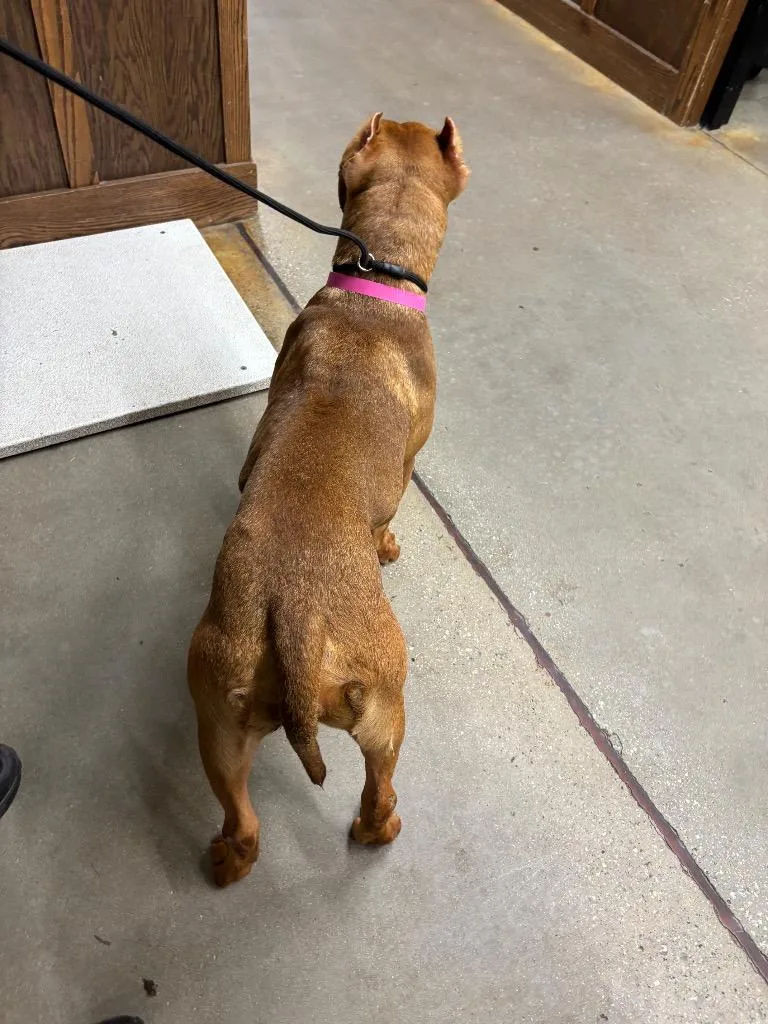
Lakeland Terrier Dogs for Adoption in Douglasville, GA

Your guide to finding and caring for a Lakeland Terrier in Douglasville

9662 dogs similar to Lakeland Terrier available in Douglasville and nationwide

A Lakeland Terrier is ready for you

Lakeland Terriers and Similar Breeds Available for Adoption Near Douglasville

About the Lakeland Terrier breed

Farmers and fell hunts in England's Lake District needed a terrier tough and narrow enough to follow foxes into rocky dens, yet leggy enough to keep up with hounds across steep, stony hills. The Lakeland Terrier grew out of those working dogs, descending from old Fell and Black and Tan terriers, and it was formally recognized in Britain in the 1920s and by the AKC in 1934. It remains uncommon in both countries today.

Lakelands are compact, square-built dogs with a wiry double coat in colors such as black and tan, blue, red, wheaten or grizzle, and a rectangular trimmed head. Many are bold, cheerful and confident, with a strong independent streak and a terrier's love of digging and chasing. They tend to suit active adopters who enjoy training with a sense of humor and can keep up with regular coat care.

Weight
14–17 lbs
Height
13–15 in
Lifespan
12–16 yrs
Temperament
Bold, Friendly, Confident
Group
Terrier
Shedding
Low

Owning a Lakeland Terrier in Douglasville

Having a Lakeland Terrier in Douglasville

A Lakeland Terrier brings working-terrier confidence, energy and wit to a small, tidy package. How its independence, exercise needs, low-shedding wire coat and generally good health play out at home helps adopters decide if a Lakeland suits them.

Temperament

Lakeland Terriers are often outgoing, playful and affectionate with family, and some are reserved with strangers at first. They are intelligent but independent, with what owners often call selective hearing. Many can be scrappy with unfamiliar dogs and keen to chase small animals. Early socialization and upbeat, varied training help channel their confidence.

Exercise Needs

Most Lakelands need around an hour of activity daily, such as brisk walks, fetch and supervised exploring. They also need jobs for their minds: trick training, scent games, puzzle toys, agility or earthdog activities. A bored Lakeland is likely to dig, bark or invent mischief, so mental exercise matters as much as physical activity.

Health Considerations

Lakeland Terriers are generally long-lived and healthy, and a large UK study found an average lifespan above 14 years. Reported concerns include dental disease, patellar luxation, primary lens luxation and Legg-Calve-Perthes disease. Regular dental care, a healthy weight and routine veterinary checkups help.

Living Space

A Lakeland can live happily in an apartment or a house if it gets daily exercise and mental stimulation. A securely fenced yard is useful, but many will dig under or climb fences, so supervision matters. Their low-shedding coat suits tidy homes, and they generally do best living indoors as part of the family.

What it costs to own a Lakeland Terrier

ExpenseTypical costPer year
Food$20 to $45 per month$240 to $540
Pet insurance$35 to $70 per month$420 to $840
Routine vet care$200 to $400 per year$200 to $400
Other*$940 to $2,340 per year$940 to $2,340
Estimated yearly total (after year one)$1,800 to $4,120

Other costs are national averages for Lakeland Terriers; we don't have costs specific to Douglasville yet.

* Flea, tick and heartworm prevention, a higher dental allowance for a small breed prone to dental disease, a dog license, toys and bedding, and professional hand-stripping or clipping of the wire coat; license fees vary by city.

Adopt a Lakeland Terrier in Douglasville.

Now that you know more, let’s find you a new best friend. These rescues and shelters below currently have Lakeland Terriers available.

Rescues in Douglasville with Lakeland Terriers Available

Here are the rescues & shelters in the Douglasville area where you can find Lakeland Terriers and other dogs available for adoption.

Frequently Asked Questions

You groom a Lakeland Terrier by brushing and combing its wiry coat weekly and removing dead hair through hand-stripping or, for many pets, clipping every few months. Trim the face to keep the beard and eyebrows tidy, keep nails short and clean teeth regularly. Clipping is easier but softens the coat's harsh texture and can fade its color.

A Lakeland Terrier is a small dog, typically standing about 13 to 15 inches at the shoulder and weighing around 14 to 17 pounds. The breed standard's ideal male is about 14.5 inches tall and 17 pounds, with females up to an inch shorter. Lakelands are square and leggy, so they look sturdier than their weight suggests.

A Lakeland Terrier is a compact, square-built terrier with a wiry coat, a rectangular head with a beard and eyebrows, small folded V-shaped ears and a high-set, upright tail. Colors include black and tan, blue and tan, red, wheaten, liver, red grizzle and solid blue or black. Its overall look is neat, alert and workmanlike.

A Lakeland Terrier is a small working terrier from England's Lake District, bred to hunt foxes among rocky hills alongside hound packs. It has a wiry, low-shedding coat and a confident, cheerful personality. Recognized by the AKC in 1934, the breed is uncommon in the United States and ranked 157th of 202 breeds in 2025 registrations.

Yes, Lakeland Terriers have a double coat. The outer coat is hard and wiry, while the undercoat is soft and close to the skin. This combination protected working dogs from rain, cold and thorny undergrowth. Hand-stripping maintains the harsh outer layer, while regular clipping tends to let the softer undercoat take over the texture.

Lakeland Terriers shed very little. Their wiry coat holds dead hair rather than dropping it around the house, which is why it needs to be removed by hand-stripping, plucking or clipping. That makes the breed a good fit for people who dislike hair on furniture, though no dog is truly hypoallergenic and allergies vary by individual.

Lakeland Terriers typically live about 12 to 16 years, and a large UK study found an average life expectancy of 14.2 years, above the average for purebred dogs. Good dental care, a lean body condition and regular veterinary checkups help them reach those long lifespans. Many stay lively and playful well into their senior years.

Most Lakeland Terriers need around an hour of exercise a day, split between brisk walks, active play and time to explore safely. They also benefit from daily mental work such as training, puzzle feeders or scent games. Puppies need shorter, frequent sessions, while seniors may slow down. Too little activity often leads to digging, barking and mischief.

A typical adult Lakeland Terrier eats roughly three-quarters to one and a quarter cups of good-quality dry food a day, split into two meals, though the right amount depends on the food's calories, the dog's age and activity. Start with the label's guidance and adjust to body condition. Treats should stay under about 10 percent of daily calories.

We have 1 rescue with Lakeland Terriers available: BullyWag, Inc.. You can see every rescue with Lakeland Terriers available in the list above these questions.