German Spitz Dogs for Adoption in Cumming, GA

Your guide to finding and caring for a German Spitz in Cumming

884 dogs similar to German Spitz available in Cumming and nationwide

A German Spitz is ready for you

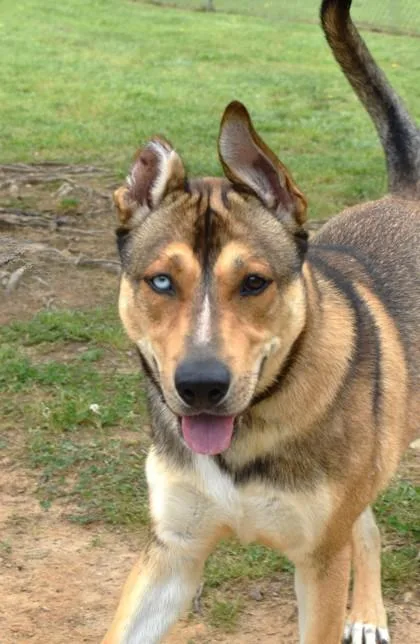
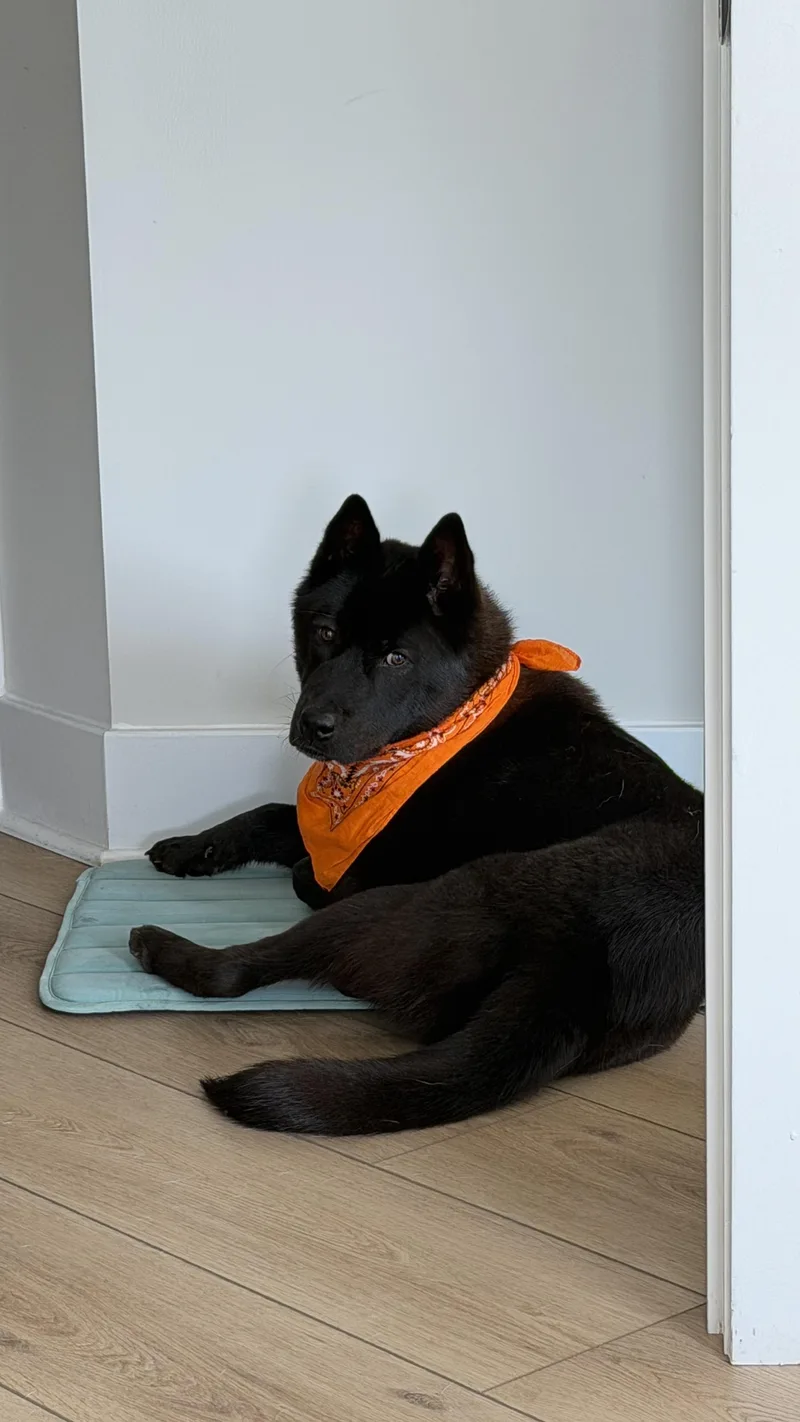
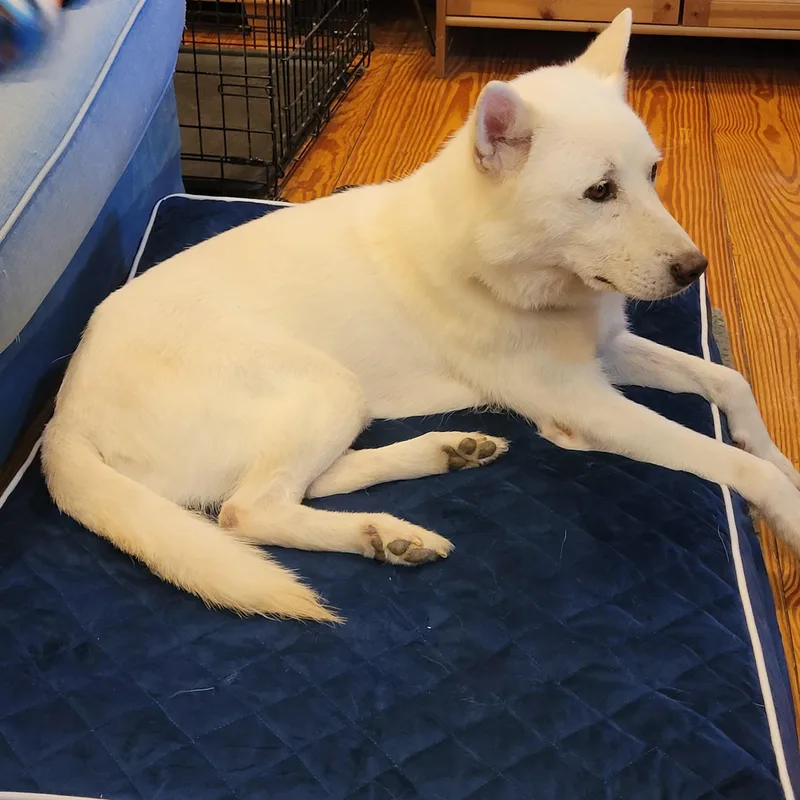
German Spitzs and Similar Breeds Available for Adoption Near Cumming

About the German Spitz breed

With its fox-like face, pricked ears, stand-off coat and plumed tail curled over the back, the German Spitz looks like a slightly larger, longer-legged Pomeranian, and the two are closely related. The international breed standard calls the Spitz family the oldest dog type in Central Europe, kept for centuries on German farms and in towns as watchdogs. In the US, the name usually means the Klein and Mittel sizes, roughly 9 to 15 inches tall.

Many German Spitz are lively, alert and deeply attached to their people, with a natural wariness of strangers and little hunting drive. That makes them attentive companions and keen doorbell announcers, so barking needs early, patient training. Their thick double coat sheds heavily in season and needs regular brushing, but otherwise they are hardy, adaptable little dogs that often stay playful well into their teens.


Weight
10–25 lbs
Height
9–16 in
Lifespan
13–15 yrs
Temperament
Lively, Alert, Devoted
Group
Non-Sporting
Shedding
High

Owning a German Spitz in Cumming

Having a German Spitz in Cumming

A German Spitz packs a watchdog's alertness, a companion's devotion and a big, fluffy coat into a small body. Those traits shape everyday life, from how much barking to expect to how often the brush comes out, so the details below help adopters plan realistically.

Temperament

German Spitz tend to be cheerful, attentive and very attached to their families, often following a favorite person from room to room. Many are reserved with strangers and quick to sound an alarm. They usually learn readily with gentle, reward-based training, though some become pushy or yappy without boundaries. A rescue dog's history with children and other pets matters most.

Exercise Needs

Most German Spitz need moderate daily exercise: a couple of brisk walks plus play in a safe area. They enjoy learning tricks, scent games and short obedience sessions, which tire their busy minds as well as their legs. Many cope well with cold weather but tire faster in heat, so plan summer outings for cooler hours.

Health Considerations

The standard describes the German Spitz as robust and long-lived, and many reach their teens. Small spitz types can still be affected by kneecap dislocation, progressive retinal atrophy, epilepsy and dental disease, so regular tooth care matters. Keep the coat brushed to the skin to spot skin problems early, and ask a veterinarian to check knees and eyes.

Living Space

A German Spitz can live happily in an apartment or a house, provided it gets daily walks and plenty of company. The bigger challenge in shared buildings is barking at hallway noise, which training and management can reduce. A fenced yard is a bonus. Expect tufts of undercoat around the home during shedding season.

What it costs to own a German Spitz

ExpenseTypical costPer year
Food$20 to $45 per month$240 to $540
Pet insurance$35 to $70 per month$420 to $840
Routine vet care$200 to $400 per year$200 to $400
Other*$490 to $1,290 per year$490 to $1,290
Estimated yearly total (after year one)$1,350 to $3,070

Other costs are national averages for German Spitzs; we don't have costs specific to Cumming yet.

* Flea, tick and heartworm prevention, a dental cleaning allowance, a dog license, toys and bedding, and brushing tools and baths for a heavy-shedding double coat; license fees vary by city.

Adopt a German Spitz in Cumming.

Now that you know more, let’s find you a new best friend. These rescues and shelters below currently have German Spitzs available.

Frequently Asked Questions

German Spitz seen in the US are small dogs. The Klein usually stands about 9 to 11.5 inches at the shoulder and the Mittel about 12 to 15 inches, with most adults weighing roughly 10 to 25 pounds depending on size and build. Their profuse coat makes them look bigger than they are. Larger German Spitz varieties exist in Europe but are rare here.

German Spitz commonly live about 13 to 15 years, and the breed standard lists longevity among its outstanding traits. Some reach 16 or more with good care. Dental care, a lean weight and regular checkups on knees and eyes help support a long life. Individual lifespan still depends on genetics, health history and luck, so treat any figure as an average.

A German Spitz is a small, fluffy spitz-type dog from Germany, kept for centuries as a watchdog and companion. It has a wedge-shaped fox-like head, small upright ears, a thick ruff and a bushy tail carried over the back. The breed comes in several sizes, and the smallest, the Toy Spitz, is known in English-speaking countries as the Pomeranian.

Yes, German Spitz shed quite a lot. Their dense, cottony undercoat sheds lightly year-round and heavily once or twice a year, when it comes out in clumps for a few weeks. Brushing two or three times a week, and daily during a coat blow, keeps mats and hair under control. Patchy hair loss or thinning outside shedding season deserves a veterinary check.

Spitz is the German word for pointed or peaked. It describes the family of dogs with pointed muzzles, sharply pricked ears and curled tails, a look shared by many northern breeds. In German, Spitz is also used as a general name for these dogs, so German Spitz simply means the pointed-eared dog of Germany, and its sizes carry German names like Klein and Mittel.

No, German Spitz are not hypoallergenic. Their thick double coat sheds plenty of hair, and all dogs produce allergens in skin flakes, saliva and urine regardless of coat. Some allergy sufferers do better with a small dog that is brushed and bathed often, but it is wise to spend extended time with a specific German Spitz before adopting if anyone has allergies.

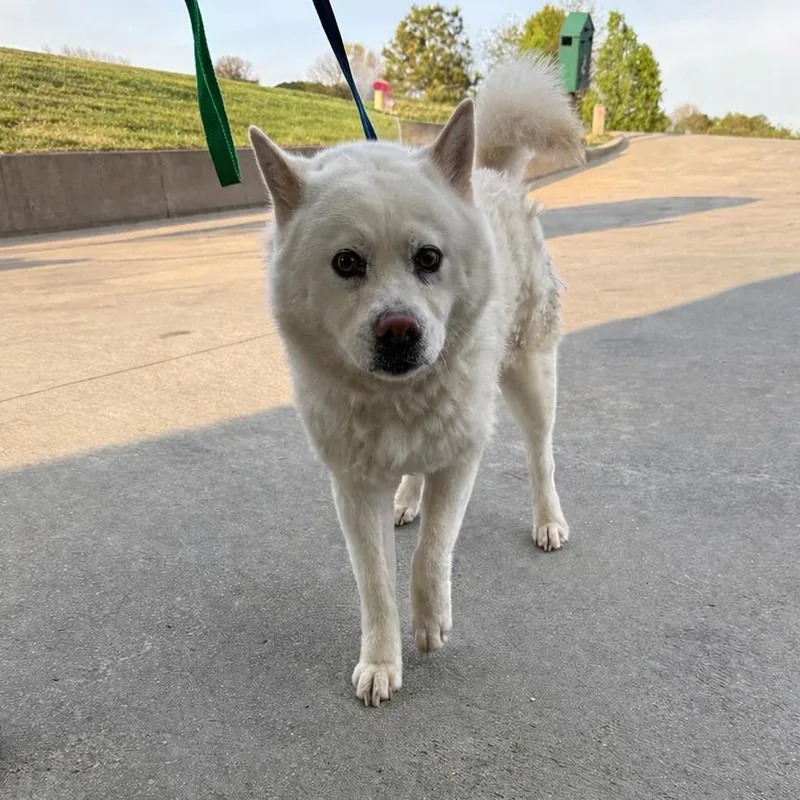
A German Spitz is a compact, square little dog with a fox-like head, dark almond eyes, small triangular upright ears and a thick mane around the neck. Its long, straight coat stands off the body over a woolly undercoat, and the plumed tail curls over the back. Colors include white, black, brown, orange, gray-shaded, cream, sable and patched coats.

German Spitz were bred mainly as watchdogs and companions. On farms, vineyards and in towns, they stayed close to home and barked loudly at strangers rather than roaming or hunting, and the breed standard notes their lack of hunting instinct. Over time, smaller sizes became favored house companions, including among European royalty, which is how the Pomeranian developed from the same stock.

German Spitz are not considered an aggressive breed, and the breed standard disqualifies aggressive or overly shy dogs. Many are wary of strangers and will bark or keep their distance, which can be mistaken for aggression. Poor socialization, fear or pain can lead any small dog to growl or snap, so gradual introductions and respectful handling make a real difference.

We have 1 rescue with German Spitzs available: Hero Dog Rescue. You can see every rescue with German Spitzs available in the list above these questions.