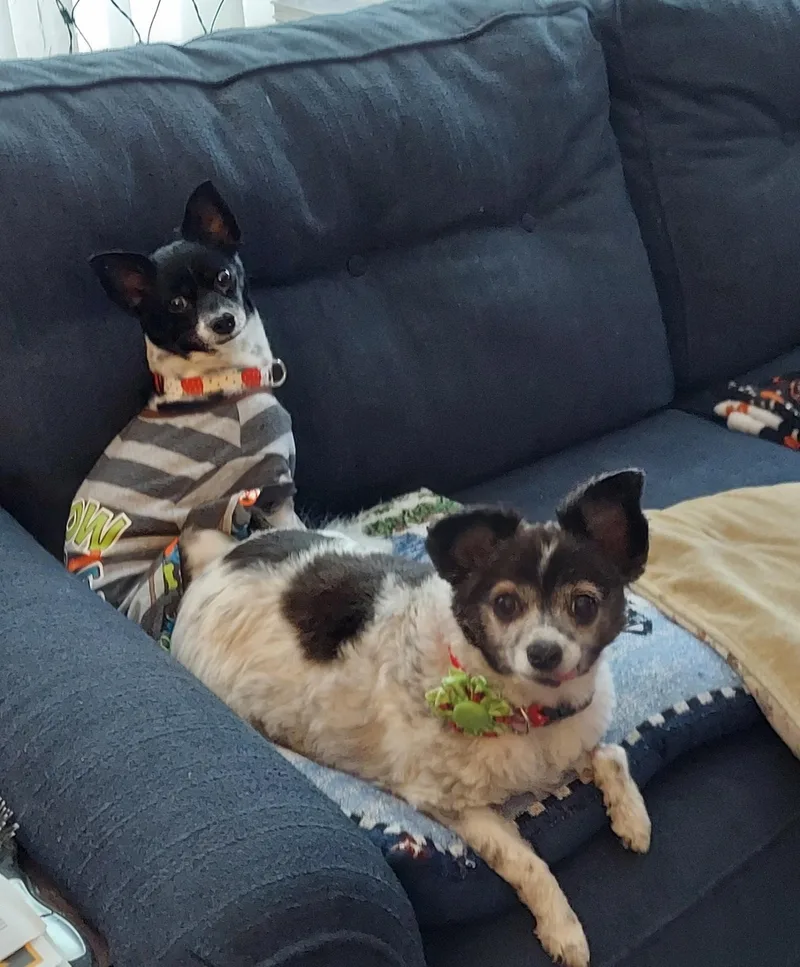
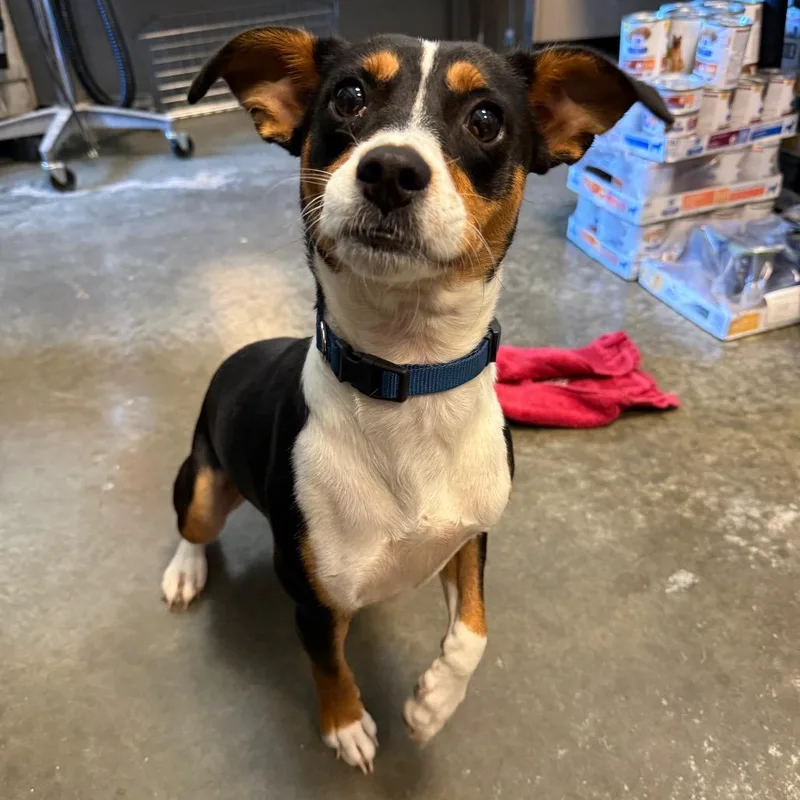
German Pinscher Dogs for Adoption in Wilmington, DE

Your guide to finding and caring for a German Pinscher in Wilmington

German Pinschers suit Wilmington's rowhouse blocks and park paths if their people can give them a real workout every day. A morning loop around Union Park Gardens' curved parkway or past the East Side's brick rowhouses gets a Pinscher's nose and legs going, and an off-leash session at Brandywine Park burns off the rest. They're watchful, so expect a bark when the doorbell rings. Many are happiest with someone home for much of the day, and freezing winter nights mean a sweater by the door.

68 German Pinschers available in Wilmington and nationwide

Give a German Pinscher a home

While we don't have enough dogs near Wilmington, keep in mind that many rescues may offer transport.

German Pinschers Available for Adoption Near Wilmington

About the German Pinscher breed

The German Pinscher is a medium-sized farm dog from Germany, kept in stables to catch rats and guard carriages. It's the smooth-coated cousin of the Standard Schnauzer and helped give rise to the Doberman and Miniature Pinscher. The breed nearly disappeared after World War II and remains uncommon, so most people have never met one. Adults stand 17 to 20 inches and weigh roughly 25 to 45 pounds, with a short, glossy coat in red or black and rust.

Pinschers are alert, quick-witted and determined, usually affectionate with their families and watchful with strangers. Prey drive is strong, so squirrels along a Wilmington park path can be tempting, and many test rules to see what they can get away with. Shedding is low to moderate, and weekly brushing is usually enough. Dogs vary, but most do best with daily exercise, firm, kind training and plenty of company.


Weight
25–45 lbs
Height
17–20 in
Lifespan
12–14 yrs
Temperament
Alert, Energetic, Intelligent, Protective
Group
Working
Shedding
Low to Moderate

Owning a German Pinscher in Wilmington

Having a German Pinscher in Wilmington

German Pinschers pair a ratter's quick reactions with a watchdog's vigilance and a wash-and-wear coat. In Wilmington, their energy, prey drive and thin coat shape the daily routine more than anything else, from walk length to winter gear.

Temperament

Pinschers tend to be confident, curious and closely bonded to their families, often wary of strangers until introduced. Many are playful at home but quick to test boundaries, and some are pushy with other dogs. On city blocks where people and dogs pass the door all day, early socialization and calm, consistent training help channel their alertness.

Exercise Needs

Most need a brisk daily walk plus time to run and use their brains, through fetch, flirt-pole games, scent work or training sessions. Wilmington's leashed paths, like the Northern Delaware Greenway, suit walks, while Brandywine and Rockford parks have off-leash areas. Prey drive can override recall, so keep the leash on until the boundary.

Health Considerations

Pinschers are generally sturdy, but hip dysplasia, cataracts and von Willebrand's disease, an inherited bleeding disorder, are documented in the breed. Because it affects clotting, a veterinarian should know a dog's status before any surgery. Regular checkups, with the hips and eyes examined, help catch problems early. Delaware requires rabies vaccination from 6 months.

Living Space

A German Pinscher can live in an apartment or a rowhouse as long as daily exercise is covered. A fenced yard helps, but this agile breed can clear low fences, so check the height. The short coat gives little protection from cold, so a Pinscher belongs indoors with the family, with a sweater for winter walks.

What it costs to own a German Pinscher in Wilmington

ExpenseTypical costPer year
Food$35 to $70 per month$420 to $840
Pet insurance$45 to $85 per month$540 to $1,020
Routine vet care$225 to $450 per year$225 to $450
Other*$435 to $1,165 per year$435 to $1,165
Estimated yearly total (after year one)$1,620 to $3,475

Other costs are estimates and vary with size, age and health.

* The Delaware dog license ($10 a year for a spayed or neutered dog), flea, tick and heartworm prevention, a dental cleaning allowance, toys and bedding, and occasional baths and brushing.

Adopt a German Pinscher in Wilmington.

Now that you know more, let’s find you a new best friend. These rescues and shelters below have dogs available in and near Wilmington.

Rescues and Shelters in or near Wilmington

Shelters and rescues in Wilmington and nearby New Castle care for dogs of every breed, size and mix. Here are the rescues & shelters in the Wilmington area with dogs available for adoption, worth asking whether a German Pinscher is coming in.

Frequently Asked Questions

Yes, you can own a German Pinscher in Wilmington, and no known city rules single out the breed. Delaware also bars declaring a dog dangerous based on breed alone. You'll need a state dog license once the dog is 6 months old, a rabies vaccination and a leash in public. Some landlords and insurers set their own limits, so confirm those before adopting.

Rockford Park and Brandywine Park are the best bets, since both have off-leash areas where dogs must stay leashed until the boundary. Elsewhere in city parks, dogs stay on leash, and Brandywine's playground, zoo and picnic areas are off-limits. The Northern Delaware Greenway and the 1.2-mile Riverwalk suit leashed walks, which fit a Pinscher's strong prey drive.

Yes, a German Pinscher can handle Wilmington's winter if it lives indoors and has a sweater or coat. The short coat gives little insulation, and about 90 nights a year reach freezing. Keep walks brief on the coldest days, wipe salt off paws, and avoid leaving the dog outside unattended, which Delaware law restricts in hazardous weather.

Yes, a German Pinscher can live in an apartment in Wilmington when its daily exercise is covered. Plan on brisk walks plus play or training games indoors. This alert breed may bark at hallway noise, and Delaware's barking rule applies after 15 continuous minutes, so practice short absences early and build up gradually.

Not on DART First State buses, which ask riders to leave pets at home, with an exception for guide dogs. SEPTA Regional Rail from the Wilmington station requires pets to be in a carrier, which a Pinscher at 25 to 45 pounds may be too big for. Most outings with this breed are easier on foot or by car.

Yes, but only on patios, and only where the restaurant chooses to allow dogs. Delaware law lets restaurants admit leashed dogs in outdoor seating, while indoor dining rooms stay closed to pets other than service animals. A Pinscher that is wary of strangers or chases squirrels will be easier on a quiet patio with a short leash.

Very little: a weekly brushing and an occasional bath cover most of it. The short, smooth coat sheds low to moderate amounts, and Wilmington's seasons don't change that routine much. In winter, wipe salt from paws and keep nails trimmed. Home baths and brushing fall under the Other costs on this page, so a professional groomer isn't essential.

Yes, German Pinschers shed, but only lightly to moderately. Their short, smooth coat drops small hairs year-round, with slightly more during seasonal changes. Weekly brushing with a rubber curry or grooming mitt removes most loose hair and keeps the coat shiny. Compared with double-coated breeds, cleanup is easy, though short hairs can still cling to fabric.

German Pinschers are not aggressive by nature, and the breed standard penalizes unprovoked attacks. They are fearless, protective and wary of strangers, though, and some can be pushy or reactive with other dogs. Good socialization from an early age, steady training and enough exercise make a big difference. An adopted adult's history is the best guide to its behavior.

Expect roughly $1,600 to $3,500 a year for a German Pinscher in Wilmington, based on food at $35 to $70 a month, insurance at $45 to $85 a month, routine vet care at $225 to $450 a year, and other costs of $435 to $1,165 a year. Low grooming needs help keep the total down. Illness or emergencies can push it higher.