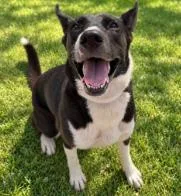
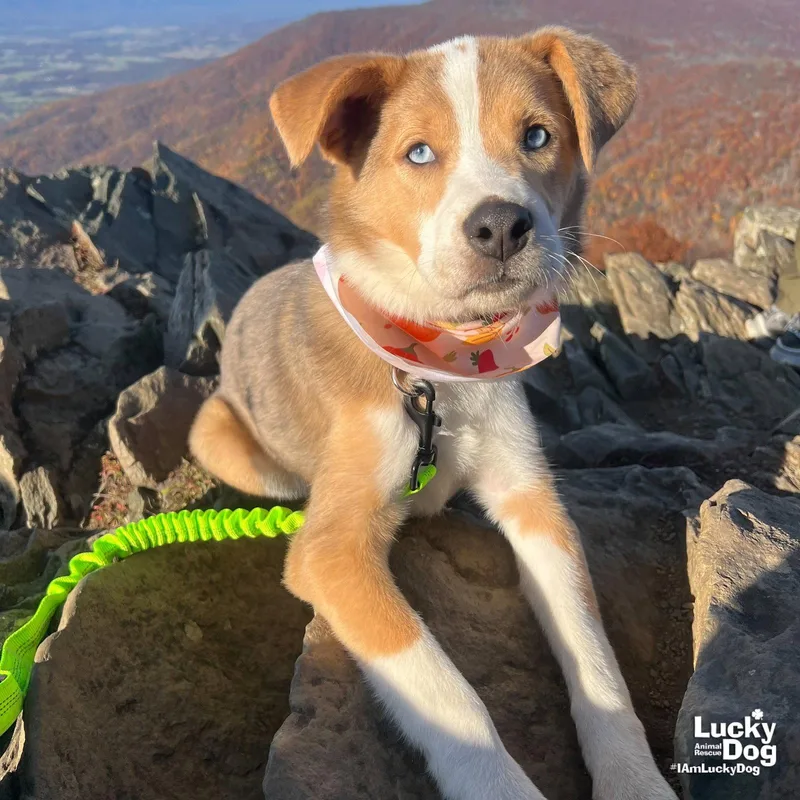
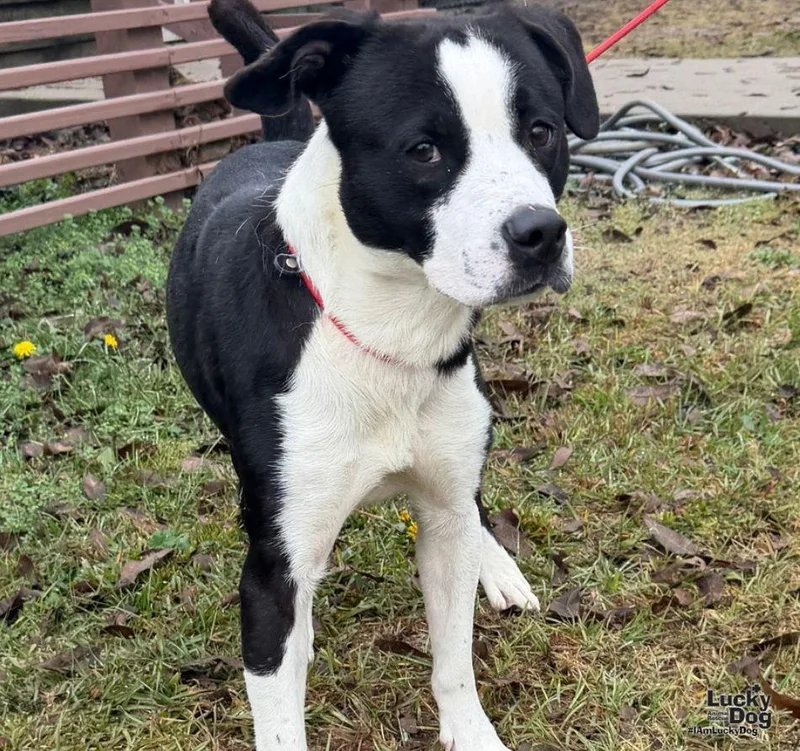
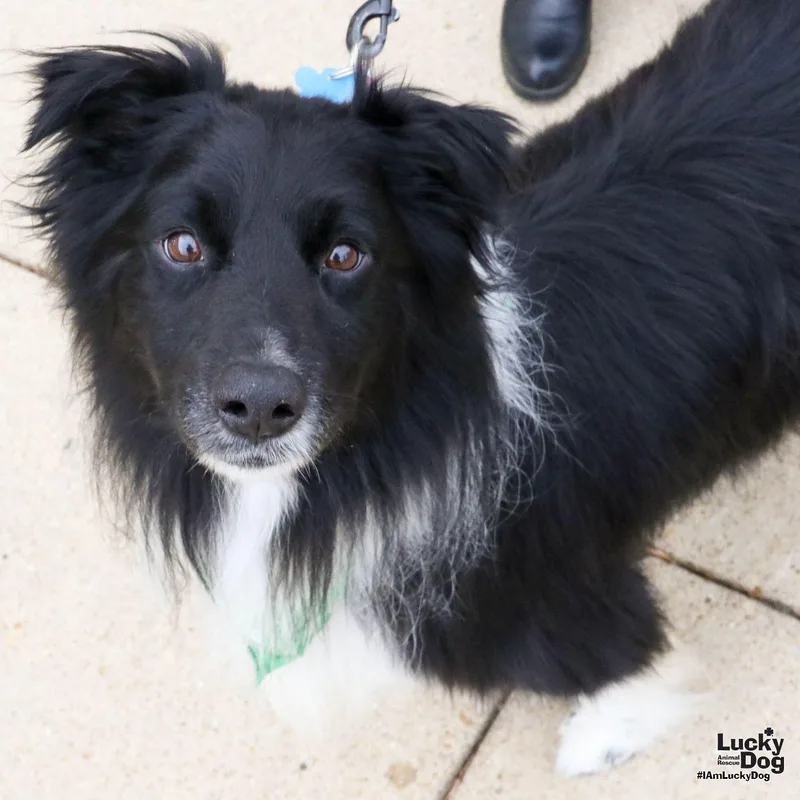
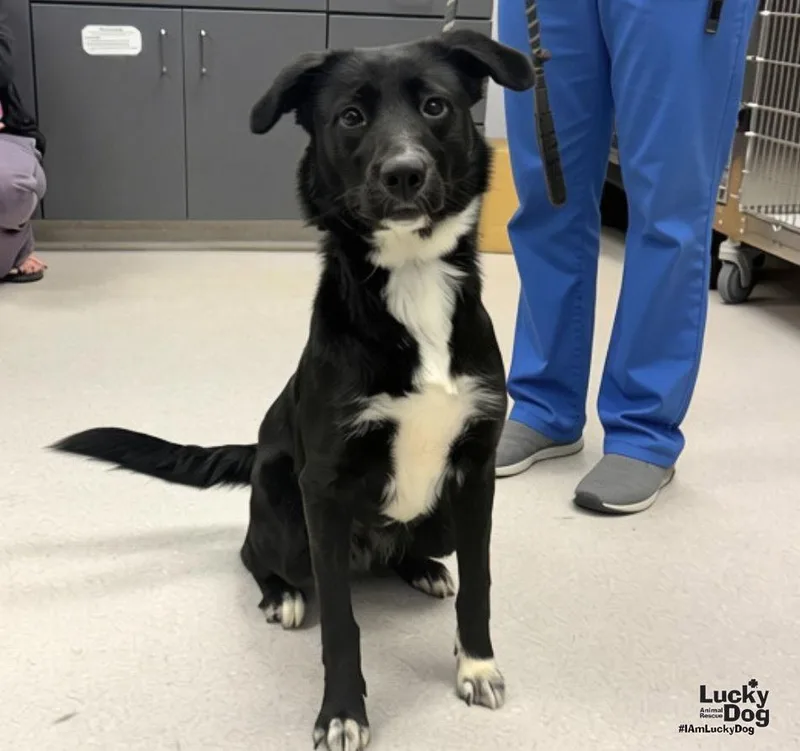
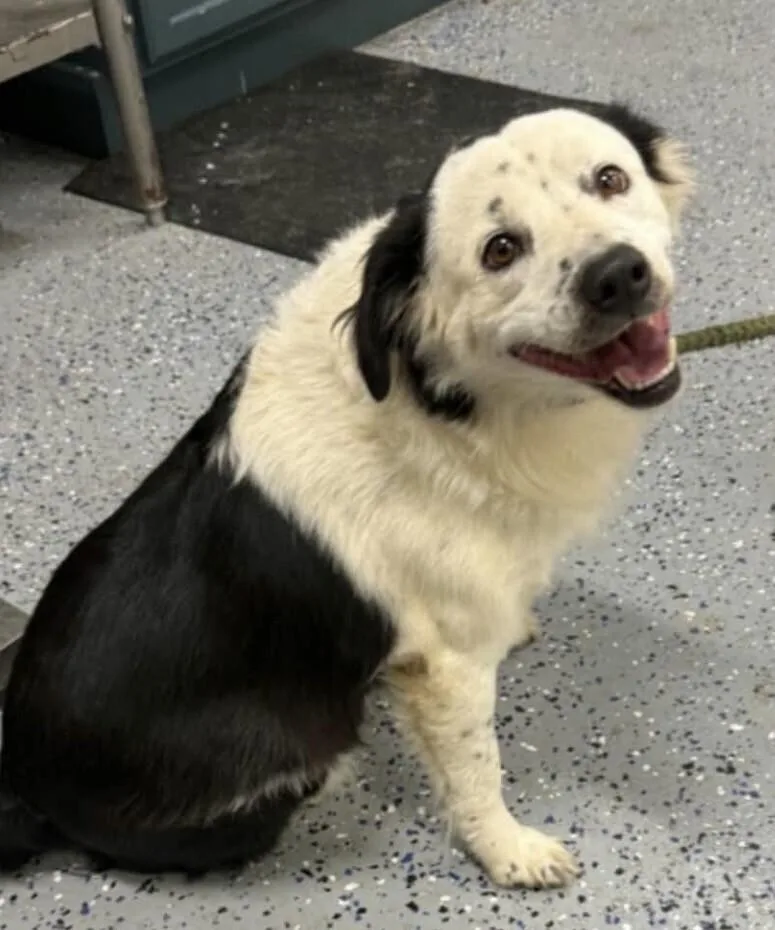
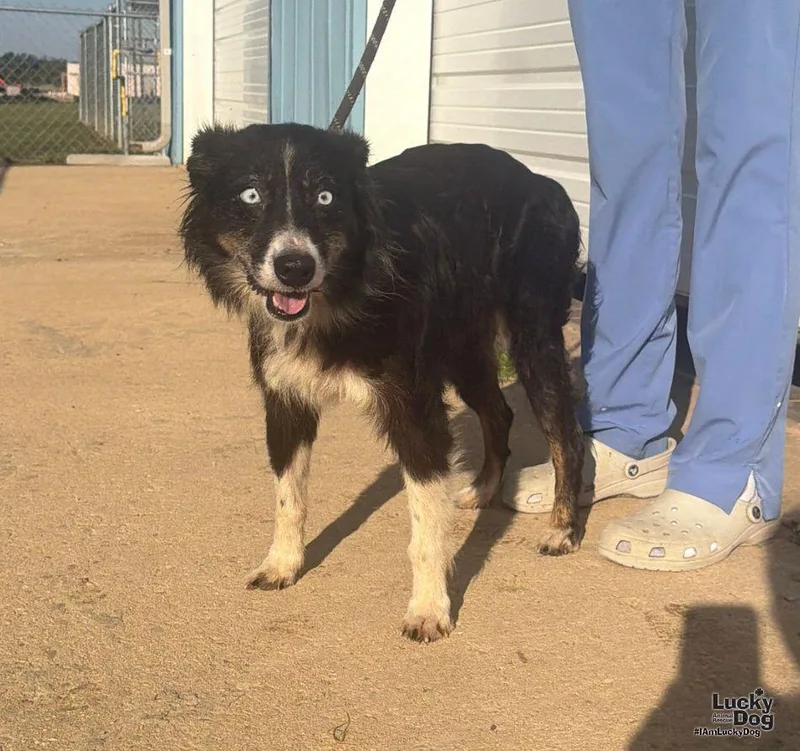
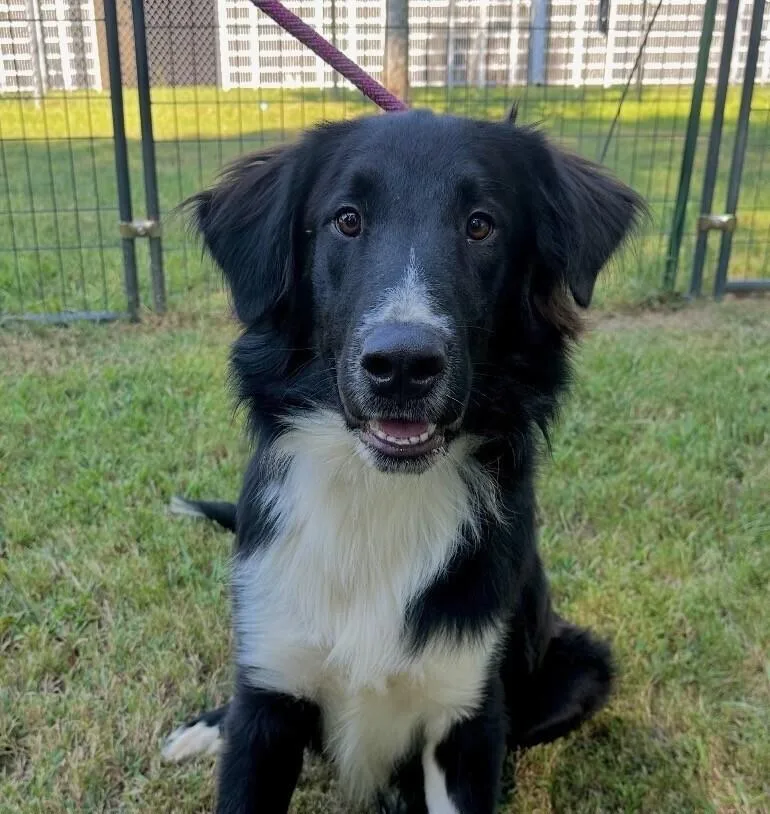
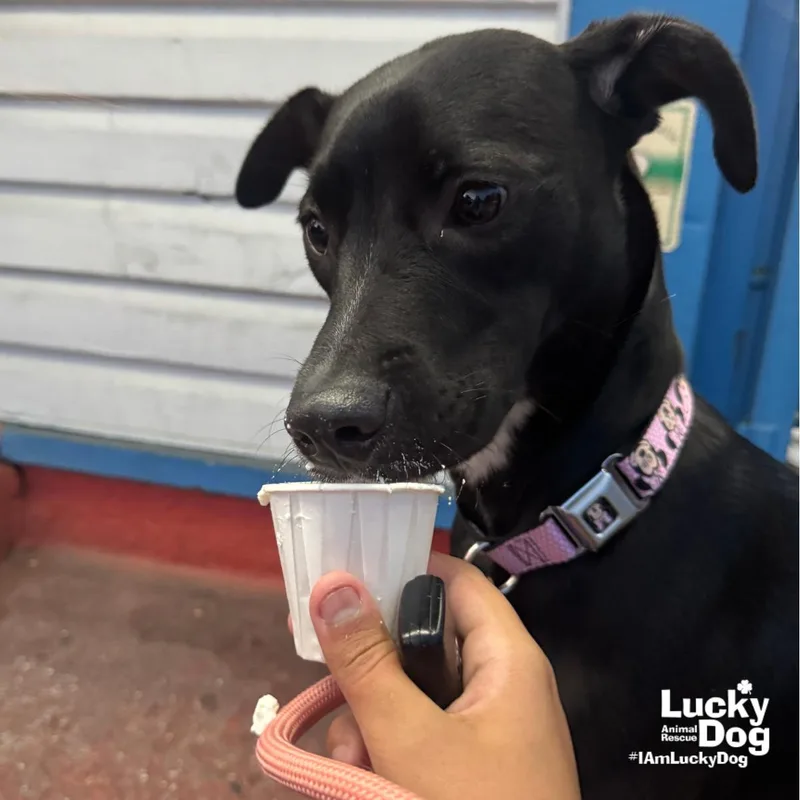
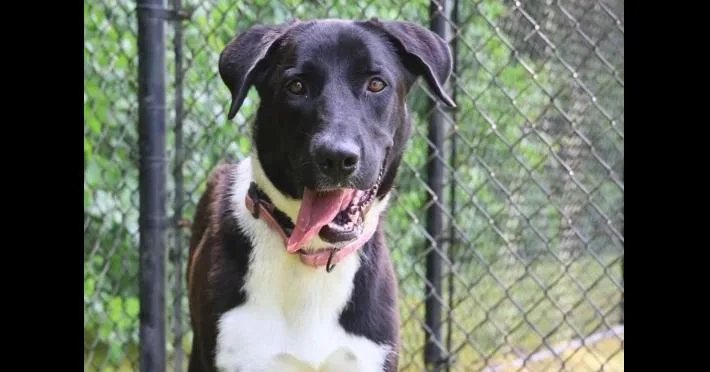
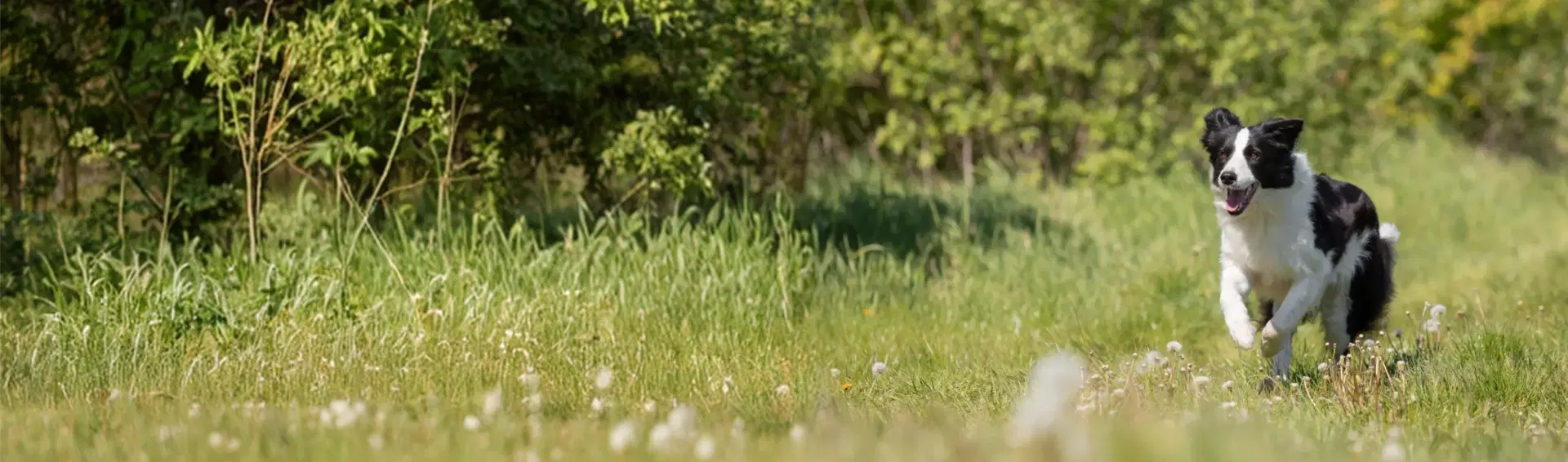
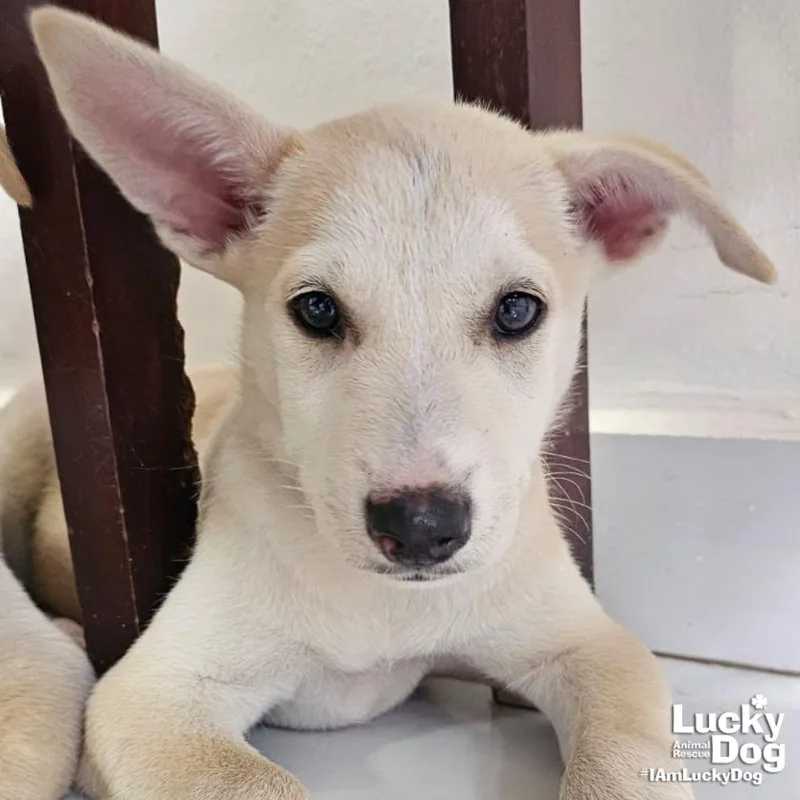
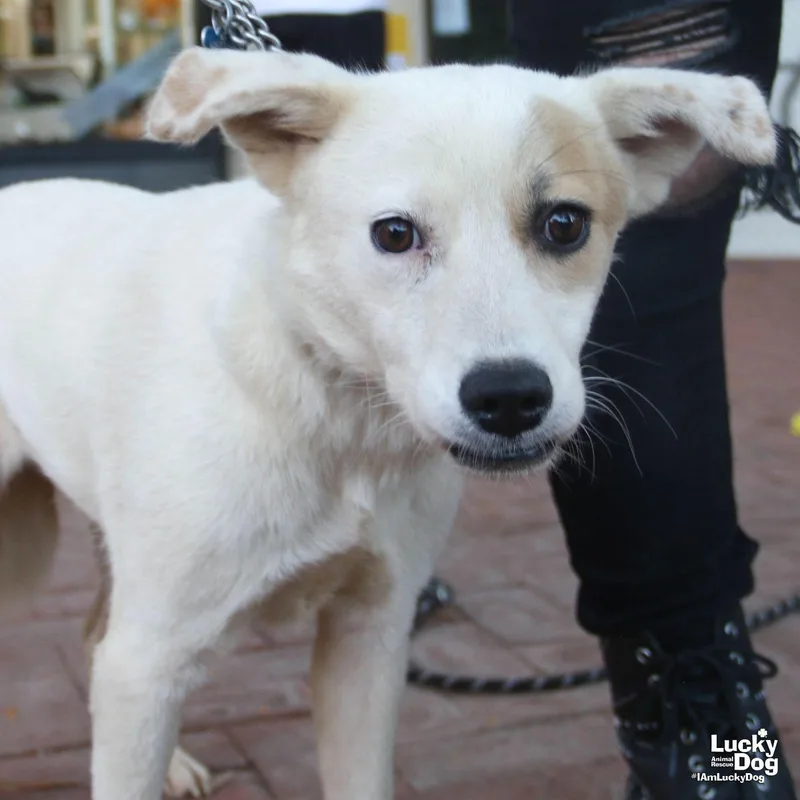
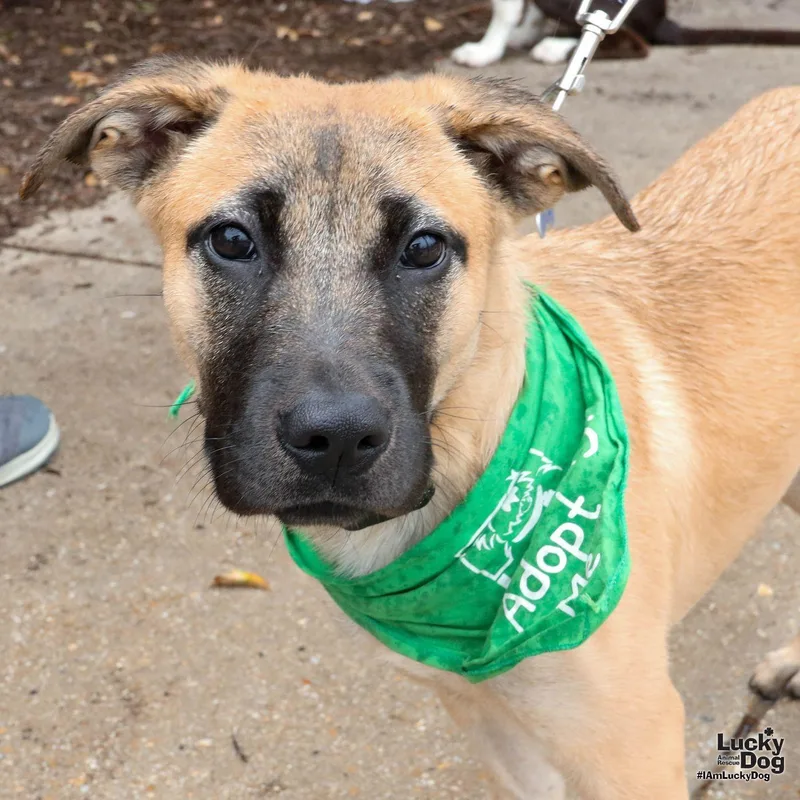
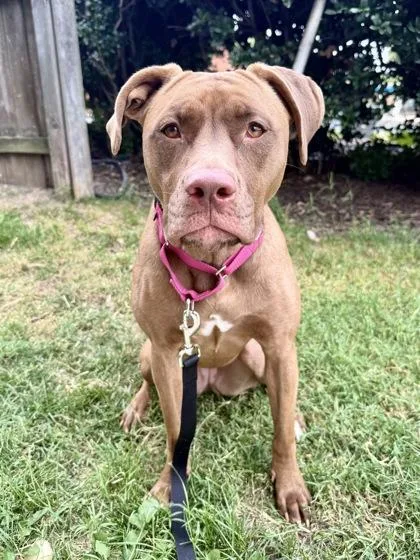
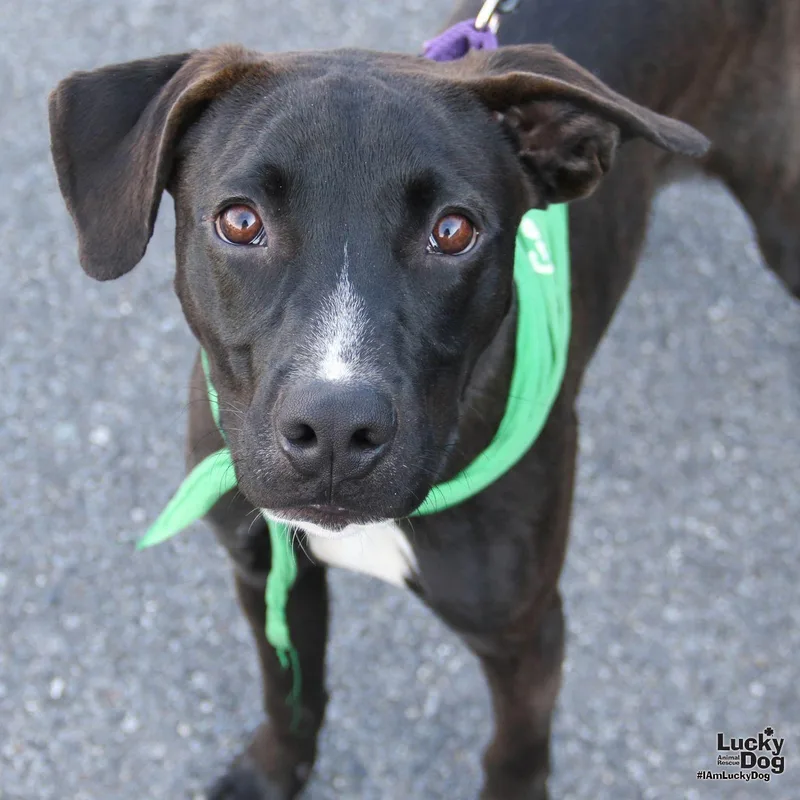
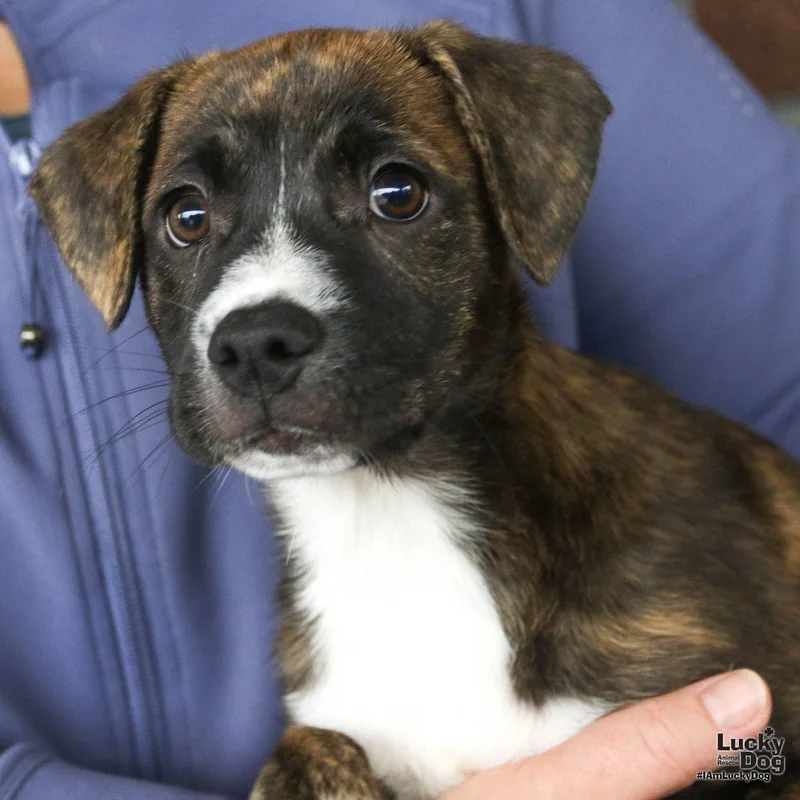
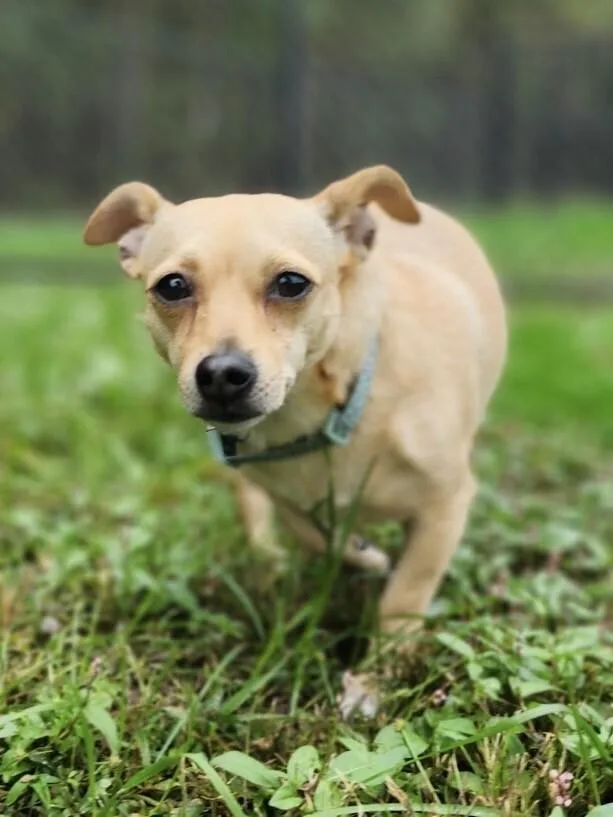
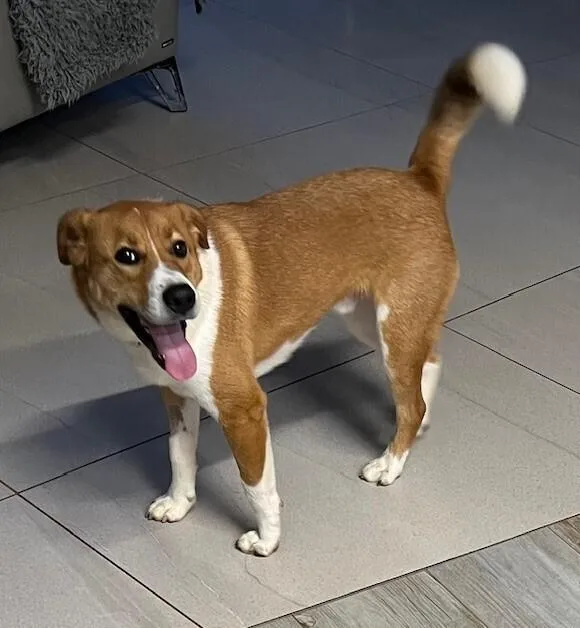
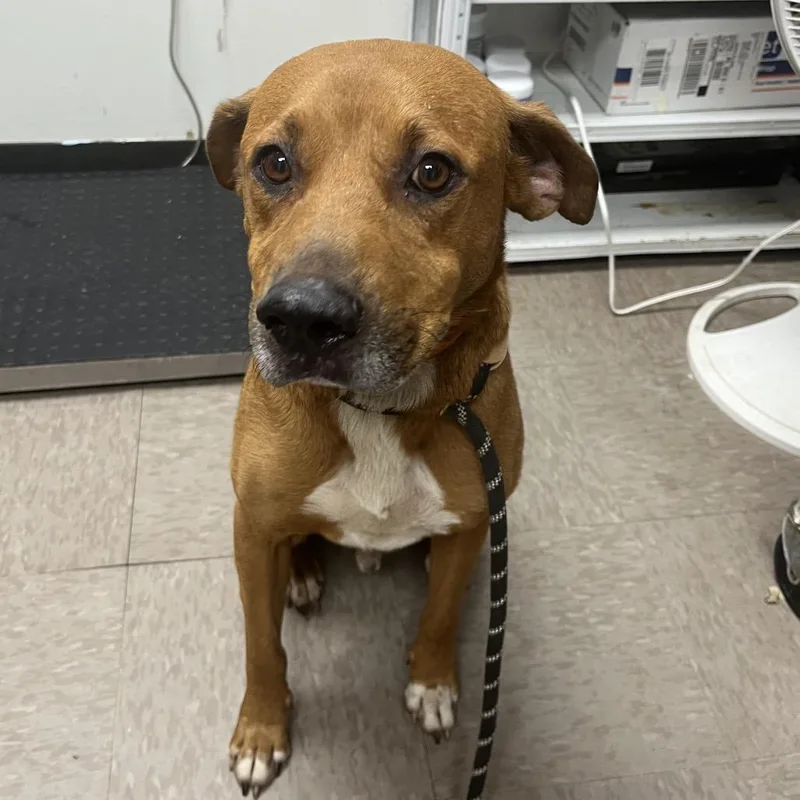
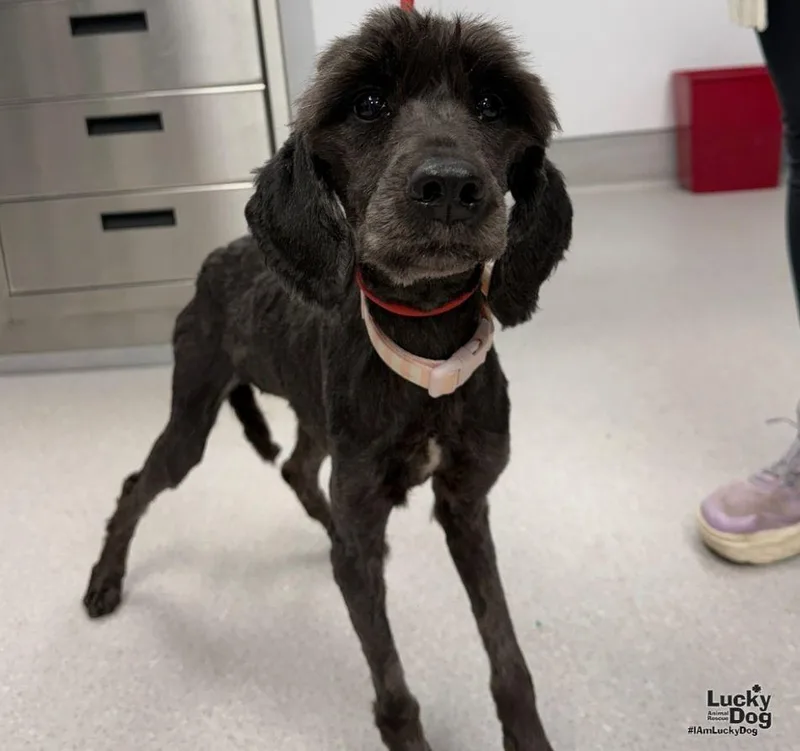
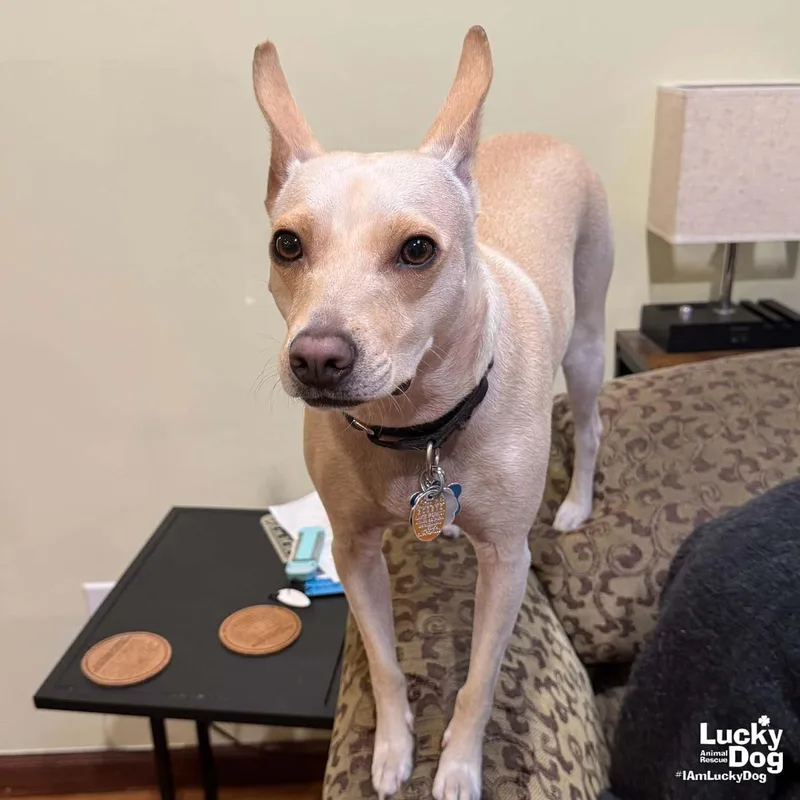
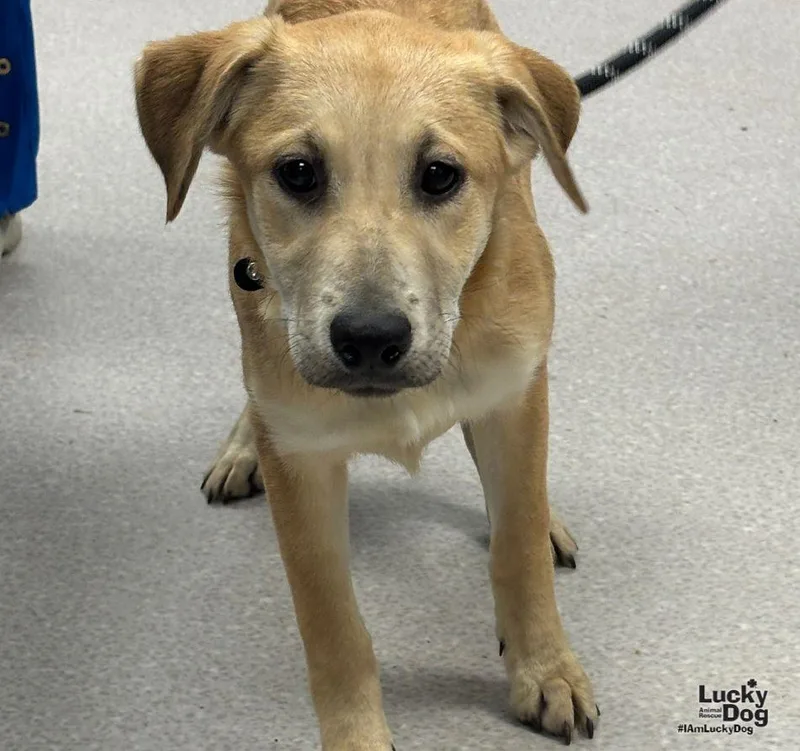
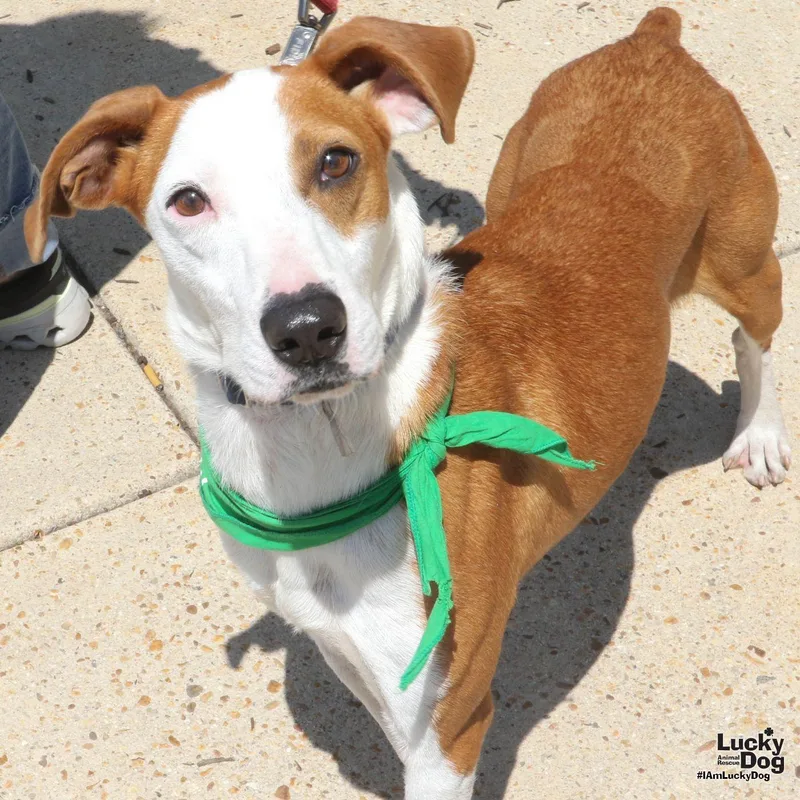
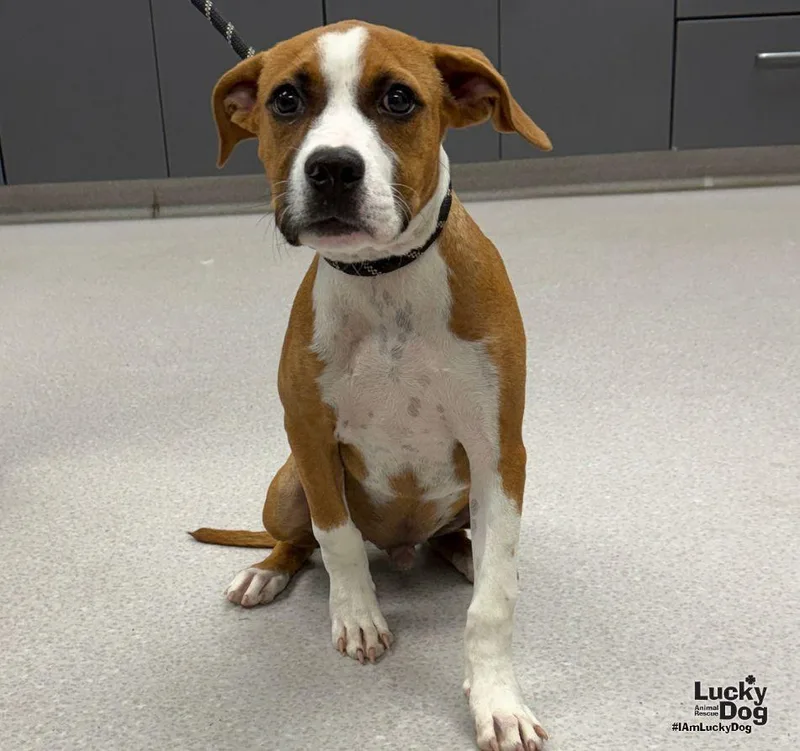
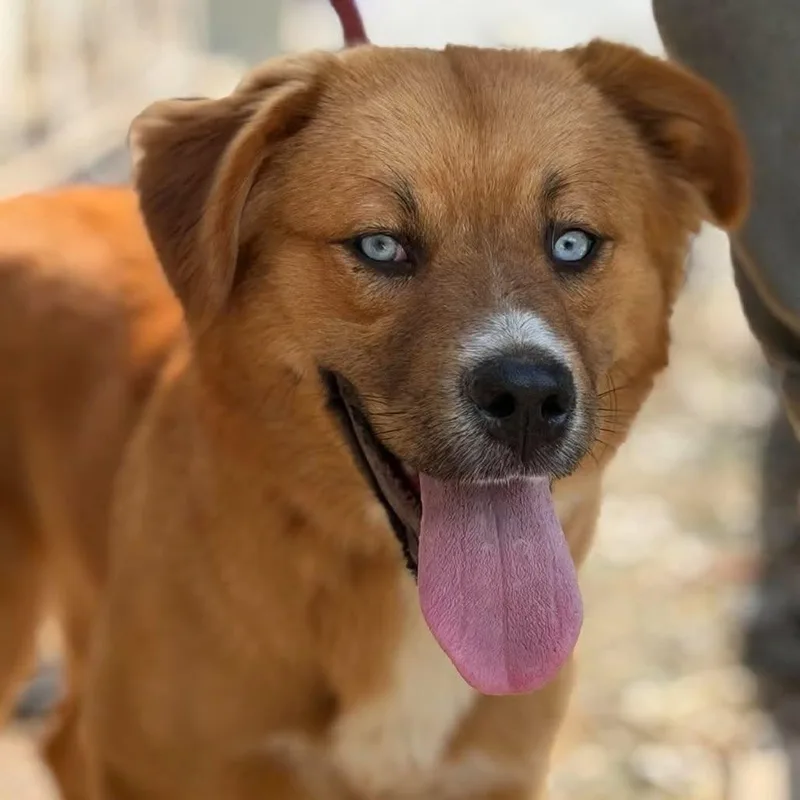
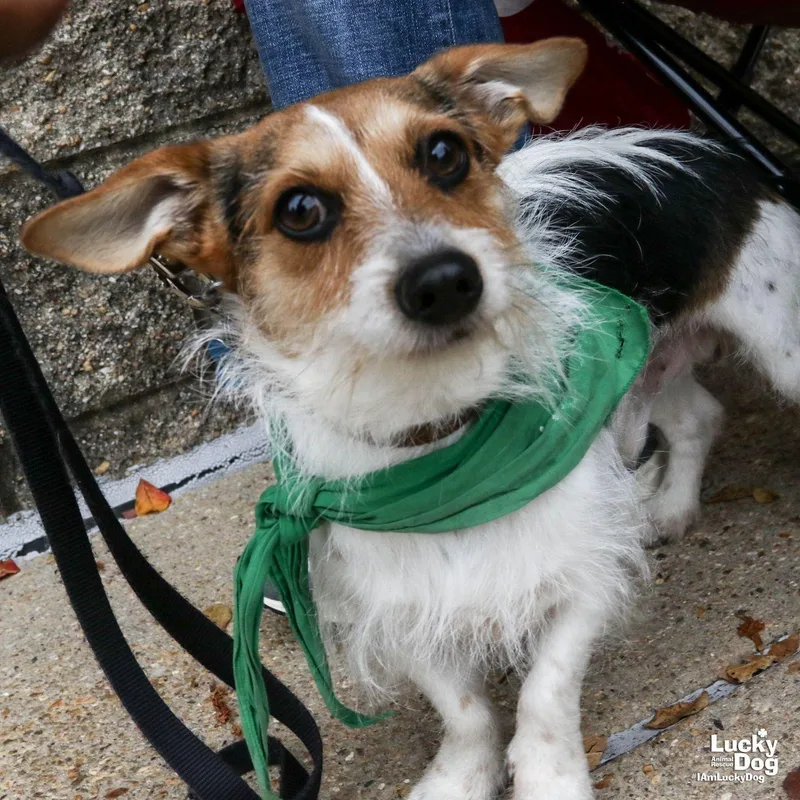
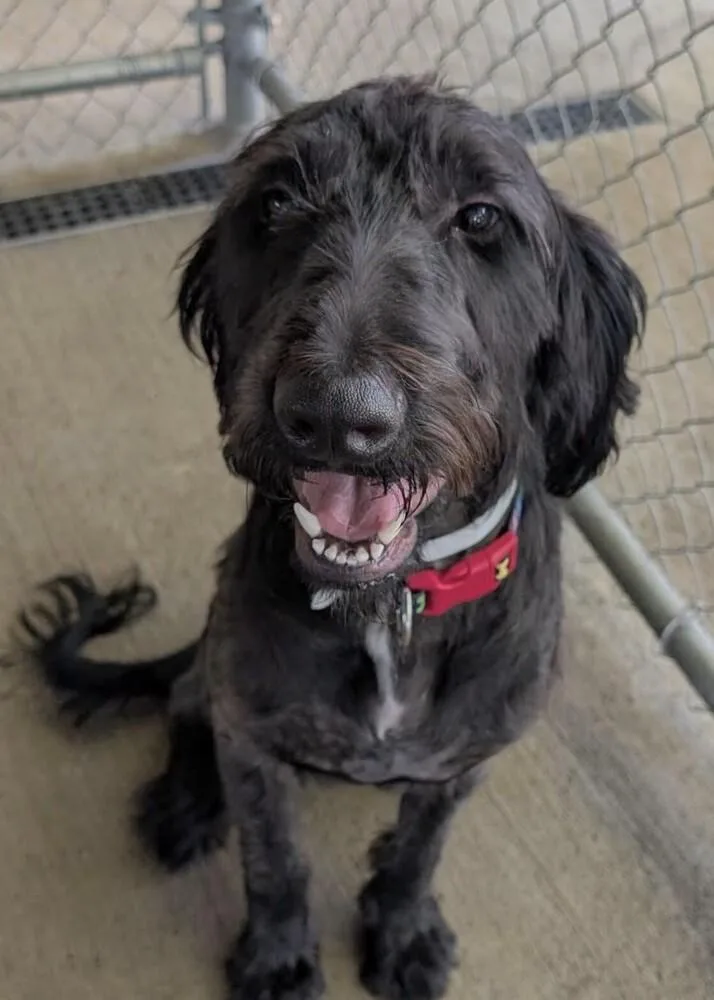
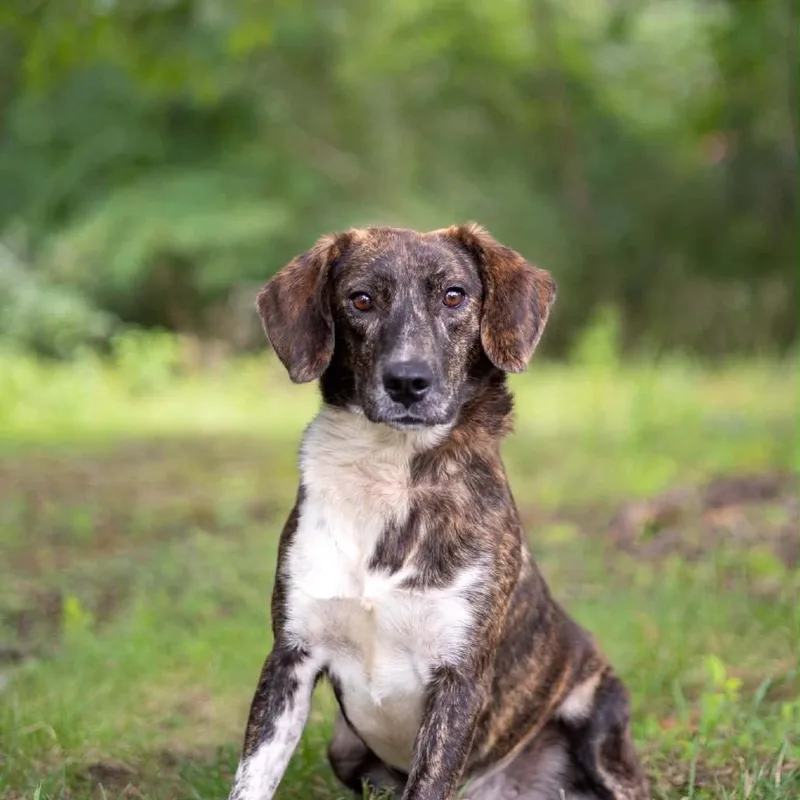
Border Collie dog

Border Collie Dogs for Adoption in Washington, DC

Your guide to finding and caring for a Border Collie in DC

A Border Collie fits Washington best in a place like Brookland, where single-family lots and rowhouses sit close to the Metropolitan Branch Trail. That mix gives a dog room to stretch out and a quiet spot to settle afterward. Border Collies are quick, tuned in and happiest with a job, so plan on a long outing every day plus training games at home. Fort Dupont Park's wooded trails make a good weekend change of pace, and summer humidity means early-morning runs.

10 Border Collies available for adoption in Washington

Fall for a Border Collie

Border Collies Available for Adoption in Washington

About the Border Collie breed

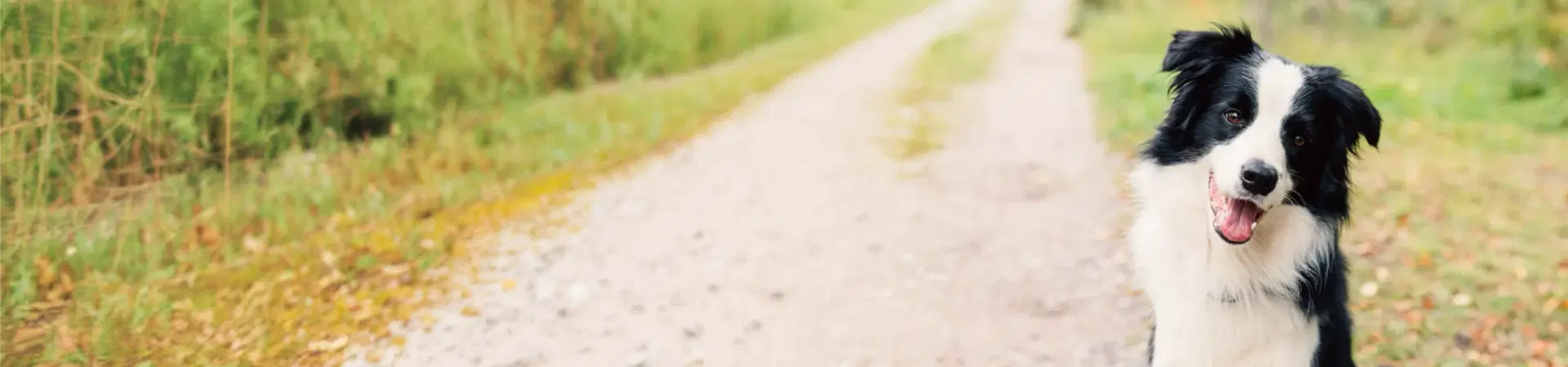
Border Collies come from the hills along the Anglo-Scottish border, where shepherds relied on them to gather sheep with speed, a fixed stare and very little instruction. They're medium-sized, usually 30 to 55 pounds, with a rough or smooth double coat that most often shows up in black and white but comes in many other colors.

Many are eager, fast learners that bond closely with their people, and that same drive needs an outlet. In a dense city like Washington, it helps to build a routine around structured leash walks, trick training and puzzle toys. Some Border Collies are reserved with strangers and take time to settle on crowded sidewalks. Dogs vary, so read each listing for the details of that dog.

Weight
30–55 lbs
Height
18–22 in
Lifespan
12–15 yrs
Temperament
Intelligent, Energetic, Athletic, Loyal
Group
Herding
Shedding
Moderate

Owning a Border Collie in Washington

Having a Border Collie in DC

Border Collies pair a sharp working mind with an athletic build, so the real question is how much training and activity your routine allows. In Washington, that means planning around trails, dog parks and hot summer days.

Temperament

Border Collies tend to be intelligent, intense and closely tuned in to their people, though some are reserved with strangers or sensitive to noise. Herding instinct can show up as staring, circling or chasing bikes, joggers and children, which matters on busy DC sidewalks and shared trails. Reward-based training channels that focus well.

Exercise Needs

Most Border Collies need an hour or more of vigorous activity each day plus real mental work. In Washington, that can mean fetch or a training session at a DPR dog park, leashed trail time in Rock Creek Park, and puzzle toys or scent games at home on rainy days.

Health Considerations

Border Collies can carry collie eye anomaly, MDR1 drug sensitivity, epilepsy, hip dysplasia and deafness, and DNA tests exist for several of these. A veterinarian can check eyes, hips and hearing and run MDR1 testing, which matters before certain medications. Year-round parasite prevention is wise, since ticks and mosquitoes are active through the warm months.

Living Space

In Washington, a Border Collie can work in a rowhouse or apartment if the owner commits to hours of daily activity, though a fenced yard in places like Brookland or Hillcrest helps. Space never replaces exercise. Secure fencing and a leash matter because some dogs chase bikes and cars.

What it costs to own a Border Collie in Washington

ExpenseTypical costPer year
Adoption fee$400, one time$400 in year one
Food$35 to $70 per month$420 to $840
Pet insurance$45 to $85 per month$540 to $1,020
Routine vet care$225 to $450 per year$225 to $450
Other*$540 to $1,365 per year$540 to $1,365
Estimated yearly total (after year one)$1,725 to $3,675
First-year total (with adoption fee)$2,125 to $4,075

Adoption fee is the fee on Border Collie listings in Washington on GetBuddy today. Other costs are estimates and vary with size, age and health.

* The $15 Washington dog license for a spayed or neutered dog, flea, tick and heartworm prevention, a dental cleaning allowance, toys, puzzles and bedding, and brushing and baths for a seasonally shedding double coat.

Border Collie dog

Adopt a Border Collie in Washington.

Now that you know more, let’s find you a new best friend. These rescues and shelters below currently have Border Collies available.

Rescues in Washington with Border Collies Available

Washington's shelter and rescue community includes a city adoption center in Ivy City and several foster-based groups. Here are the rescues & shelters in the DC area where you can find Border Collies and other dogs available for adoption.

Frequently Asked Questions

Yes, for active people. A Border Collie does well in Washington when its owner can offer a long daily outing, training and mental games, and a plan for hot summers. Trails, 20 DPR dog parks and walkable neighborhoods help. Long workdays away from home with little time for exercise are the usual mismatch, though each dog's needs vary.

Often yes, if the owner commits to hours of daily activity. With roughly 58% of DC households renting, many dogs live in apartments and rowhouses. Plan on morning and evening outings, a dog park visit and puzzle toys for indoor days. Boredom, more than size, causes barking and chewing, so exercise comes first. Confirm the building's pet terms before signing.

Fenced DPR dog parks such as Walter Pierce, Upshur and Alethia Tanner Park give off-leash running, with a license, vaccinations and dog-park tag required. For leashed trail time, try Rock Creek Park, Fort Dupont Park or the Anacostia Riverwalk Trail, where leashes must be six feet or shorter. Watch for cyclists on shared paths if your dog likes to chase.

Yes, with precautions. DC summers bring humid highs near 88°F and around 40 days at 90°F or more. Exercise at dawn or after dark, carry water, and rest in air conditioning midday. DC law bars leaving a dog outdoors unattended more than 15 minutes above 90°F, and parked cars can become dangerous within minutes.

Yes. DC has no breed ban, and dangerous-dog rules look at a dog's behavior, not its breed. You'll need rabies and distemper vaccines after four months, an annual license ($15 if spayed or neutered, $50 if not), and a leash outside dog parks. Households with seven or more animals need a hobby permit.

Usually not. Metrorail and Metrobus allow pets only in a closed carrier small enough to carry, and at 30 to 55 pounds a Border Collie won't fit. Only service animals ride unconfined. The DC Streetcar also requires a crate. Plan on walking or driving to parks and trails instead.

Only to patios that choose to allow dogs. DC law lets restaurants and bars welcome dogs on outdoor patios and sidewalk cafés, and they must post a sign. Keep your dog leashed and never unattended; indoor dining rooms are off-limits. A Border Collie that stares at passersby may need practice settling under the table first.

Brushing once or twice a week keeps most Border Collies tidy, and daily during the heavy shedding in spring and fall. Washington's humid summers and muddy trails mean occasional baths, but the double coat shouldn't be shaved. Most owners handle this at home, and the grooming allowance sits inside the $540 to $1,365 yearly Other costs.

We have 3 rescues with Border Collies available: Lucky Dog Animal Rescue, K-9 Lifesavers and Humane Rescue Alliance. You can see every rescue with Border Collies available in the list above these questions, or scroll to the top to see the Border Collies in Washington.

Expect food at about $35 to $70 a month, pet insurance at $45 to $85 a month, routine vet care at $225 to $450 a year, and other costs of $540 to $1,365 a year for parasite prevention, dental care, the license, supplies and coat care. Adoption fees vary by listing and appear on this page.