English Setter Dogs for Adoption in Denver, CO

Your guide to finding and caring for an English Setter in Denver

English Setters fit Denver best when there's room to run, and a neighborhood like Central Park makes that easy. Its walkable streets, Westerly Creek and the Sand Creek Greenway give a setter miles of leashed walking, while the Greenway and Willow Bark dog parks offer fenced space to let loose. Setters are sweet and mellow indoors, but they need that daily run. If you're thinking of adopting one in Denver, picture long weekends on the High Line Canal and a nap on the kitchen floor afterward.

51 English Setters available in Denver and nationwide

Bring home an English Setter

While we don't have enough dogs near Denver, keep in mind that many rescues may offer transport.

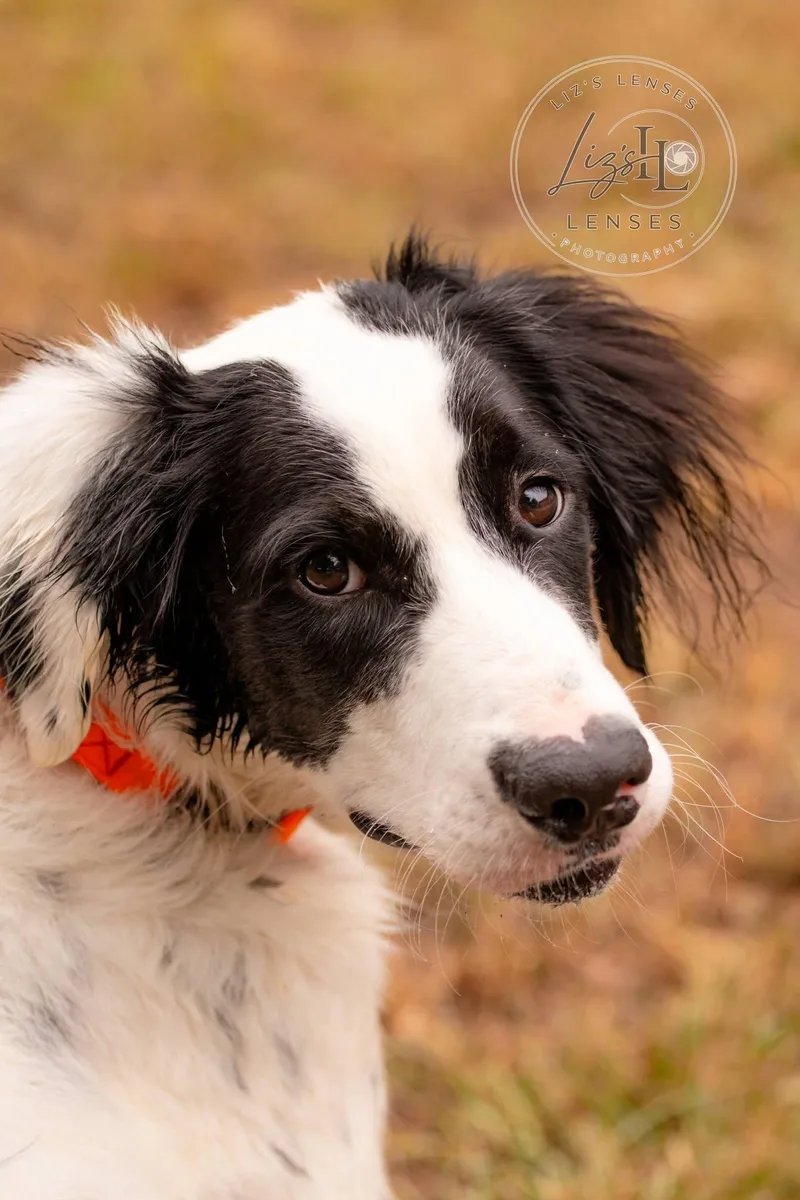
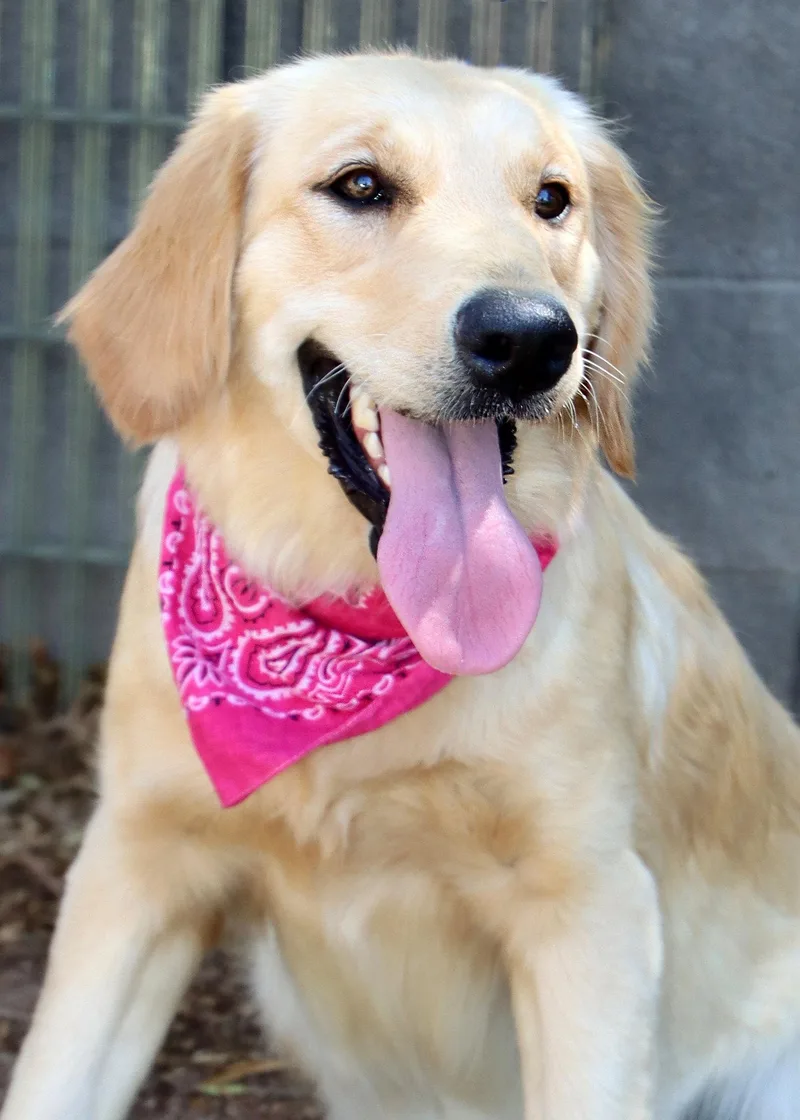
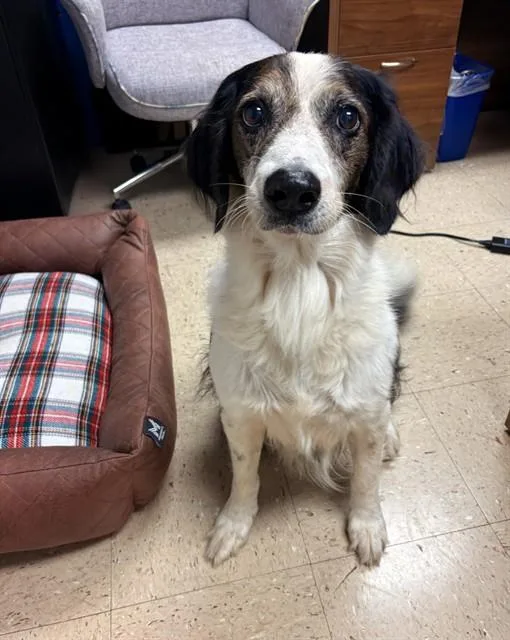
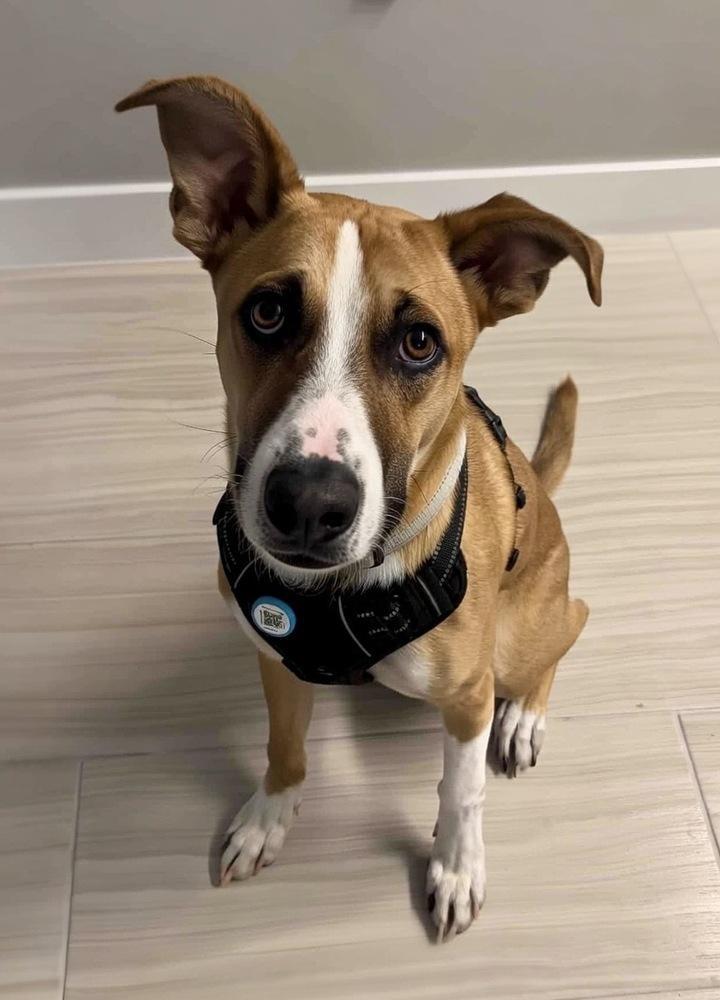
English Setters Available for Adoption Near Denver

About the English Setter breed

English Setters were developed on English country estates roughly four centuries ago to range ahead of hunters, find game birds by scent and freeze, or "set," until the hunter arrived. Their long, silky coat is flecked in a pattern called belton, in blue, orange, lemon, liver or tricolor.

Show-type setters tend to be larger and heavier-coated, while field-type setters are often smaller, leaner and more driven, so two setters can differ a lot. In Denver that matters: a field-type dog may want miles on the Cherry Creek Trail, while a show-type may settle for a long morning walk and a nap. Most are sweet and sociable, but many take two or three years to mature, so patience pays off.

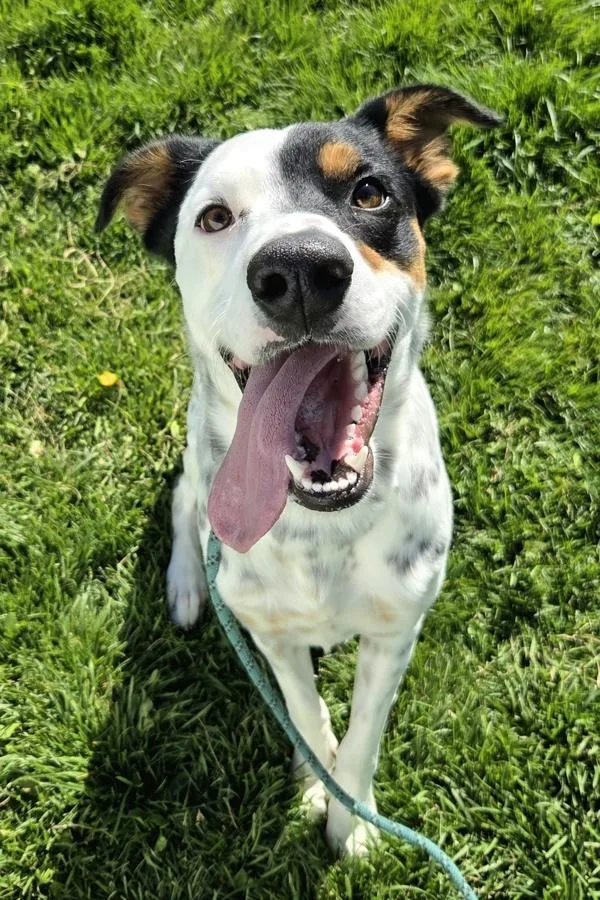
Weight
45–80 lbs
Height
23–27 in
Lifespan
10–13 yrs
Temperament
Gentle, Friendly, Energetic
Group
Sporting
Shedding
Moderate

Owning an English Setter in Denver

Having an English Setter in Denver

English Setters pair a bird dog's stamina with a soft, people-loving streak. In Denver, the big questions are daily running room, whether you have a fenced yard or a firm walking routine, and how you feel about weekly brushing and a slow-maturing dog.

Temperament

Setters are usually gentle, friendly and sociable, which helps on busy Denver greenways and at dog parks. Many stay boisterous for years and can be sensitive, so patient, positive training works best. Strong bird interest means birds near park lakes may pull hard on a leash. Temperament varies from dog to dog.

Exercise Needs

Plan on vigorous exercise every day. Outside Denver's fenced dog parks, every park, trail and greenway is leash-only, so a setter's long runs happen on leash or in a secure fenced space. Young setters do better with free play than long, high-impact runs before about two years old. Scent games help on stormy days.

Health Considerations

Hip and elbow dysplasia, congenital deafness, hypothyroidism and bloat can affect setters, and their long ears need regular checks. A veterinarian can test a setter's hearing and explain bloat warning signs. After salty winter walks or brushy trails, check the paws, ears and feathering.

Living Space

Denver's mix of apartments, condos and houses with yards gives a setter options, but a securely fenced yard makes daily life easier. In an apartment, guaranteed running time elsewhere is essential. Indoors, most setters are calm and want to be near people. Expect shed hair, burr-collecting feathers and a tail at table height.

What it costs to own an English Setter in Denver

ExpenseTypical costPer year
Food$55 to $110 per month$660 to $1,320
Pet insurance$65 to $130 per month$780 to $1,560
Routine vet care$250 to $500 per year$250 to $500
Other*$940 to $2,390 per year$940 to $2,390
Estimated yearly total (after year one)$2,630 to $5,770

Other costs are estimates and vary with size, age and health.

* The Denver dog license, flea, tick and heartworm prevention, dental cleanings, toys and bedding, and professional trims for the long feathered coat.

Adopt an English Setter in Denver.

Now that you know more, let’s find you a new best friend. These rescues and shelters below have dogs available in and near Denver.

Frequently Asked Questions

Mostly no. RTD allows only service animals and small pets in carriers on its buses and trains, and it publishes no size limit for pets. A full-grown English Setter, at 45 to 80 pounds, won't fit in a carrier, so plan on walking, driving or a dog-friendly ride. Check current RTD rules before any trip.

Yes, most can. Denver has about 156 freezing nights a year and roughly 49 inches of snow, but afternoons usually warm into the mid-40s, and a setter's feathered coat copes well. Don't shave it. Rinse or wipe ice, snow and salt from paws and legs after walks, and use pet-friendly ice melts at home.

For leashed miles, try the High Line Canal, the Cherry Creek Trail, Washington Park and City Park. For off-leash play, Denver has 17 fenced dog parks, including Railyard, but dogs need a city license, a rabies tag and either spay/neuter or an intact permit. Handlers can bring two dogs at most, and children 10 and under aren't allowed.

Yes. Denver's breed-specific rules cover only American Pit Bull Terriers, American Staffordshire Terriers and Staffordshire Bull Terriers, so English Setters aren't restricted. Your setter needs a city license, a rabies vaccination and spay/neuter by six months, unless you hold an intact permit. Households can have up to five dogs and cats, no more than three of them dogs.

It can be, if you're active and home often. Denver's greenways, trails and fenced dog parks give a setter room to run, and the climate allows year-round outings. Setters struggle with long days alone. Plan quiet indoor space on July 4th, since all fireworks are illegal in Denver but still heard, and license and microchip your dog.

Only to some patios. Denver restaurants can choose to allow leashed dogs on qualifying outdoor patios, and dogs are never allowed inside. Dogs must stay at least 15 feet from food handling areas and off seats and tables. Look for a posted sign, and tuck that sweeping setter tail out of the way.

Plan on brushing at least weekly, and after muddy spring walks or burr-filled fall trails. Wipe paws and feathering in winter to clear salt and ice, and skip shaving in any season, since the coat helps manage temperature. Regular professional trims are part of the grooming costs in the Other line of the cost table.

Yes, English Setters shed a moderate amount year-round, with somewhat heavier seasonal shedding. Their long, silky coat and feathering release hair onto floors and furniture and also pick up burrs and tangles. Brushing at least once a week, plus a bath every month or so, keeps shedding manageable and helps prevent uncomfortable mats from forming.

English Setters often make lovely family dogs for active households. Many are affectionate, gentle and tolerant, and they usually get along well with visitors and other dogs. Their exuberance can bowl over small children, and they need daily running time and company. Families who are home often and enjoy outdoor activity tend to be the best match.

Plan on roughly $2,600 to $5,800 a year for an English Setter in Denver: $55 to $110 a month for food, $65 to $130 a month for insurance, $250 to $500 for routine vet care, and $940 to $2,390 for other costs, driven mostly by professional grooming. Adoption fees come from the listings.