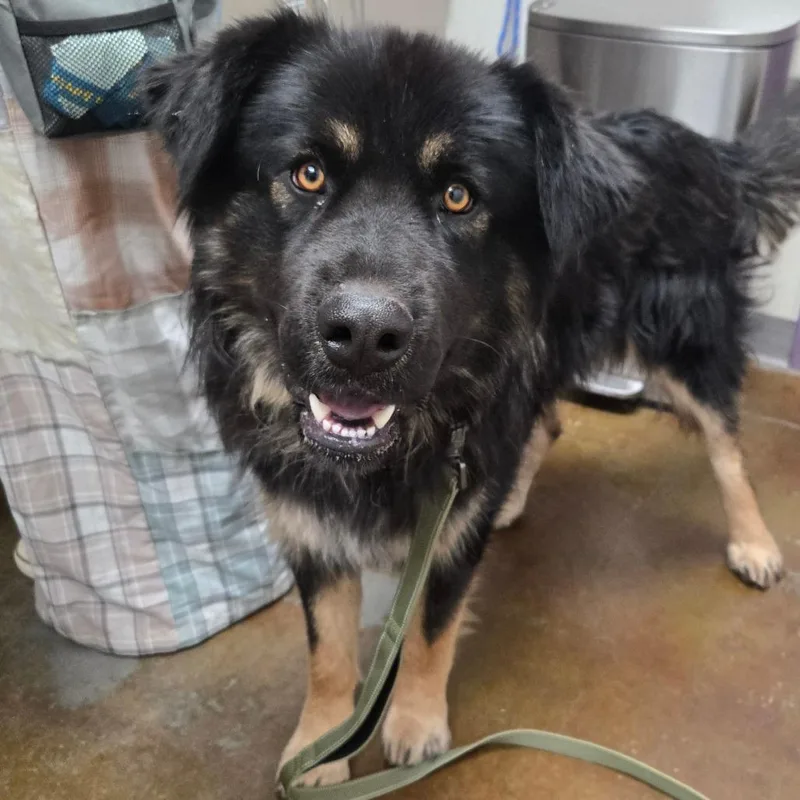
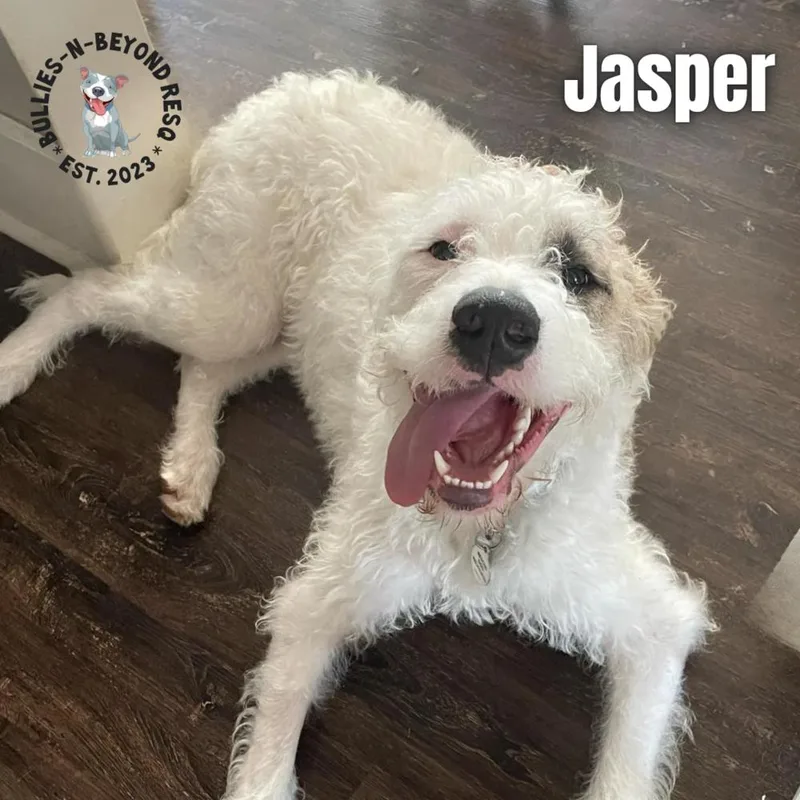
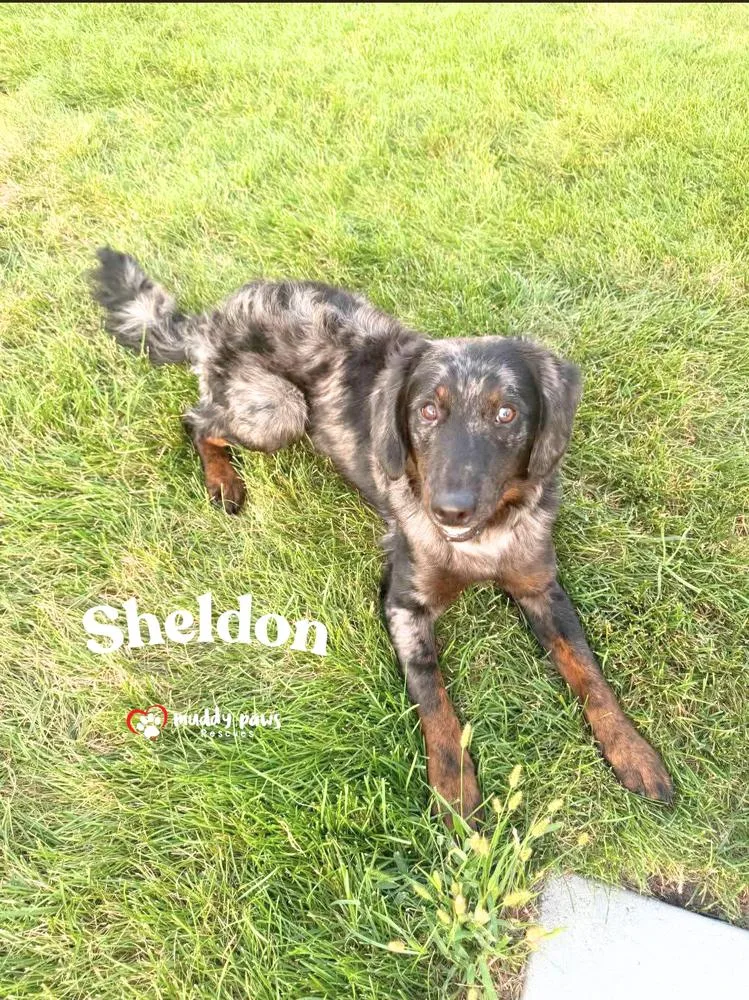
Bernese Mountain Dogs for Adoption in Denver, CO

Your guide to finding and caring for a Bernese Mountain Dog in Denver

A Bernese Mountain Dog fits best in the roomier parts of Denver, where a yard gives a very big dog space to stretch out. Park Hill's deep front setbacks and the leashed paths along Sand Creek in Central Park make easy daily walks. Berners are gentle, but they shed heavily and run hot, so 87-degree summer afternoons are best spent indoors. Plan on a big bed and a good vacuum.

131 Bernese Mountain Dogs available in Denver and nationwide

Adopt a Bernese Mountain Dog today

While we don't have enough dogs near Denver, keep in mind that many rescues may offer transport.

Bernese Mountain Dogs Available for Adoption Near Denver

About the Bernese Mountain Dog breed

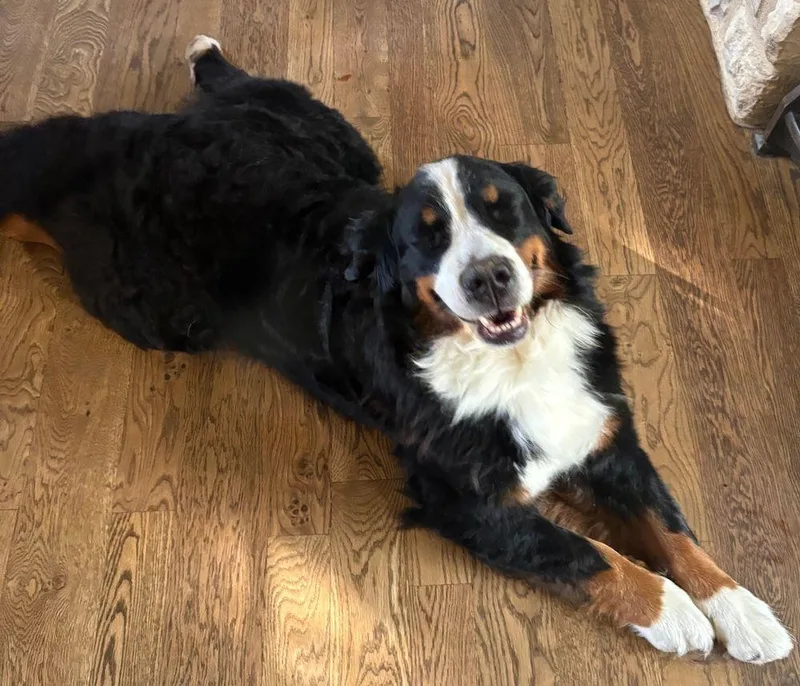
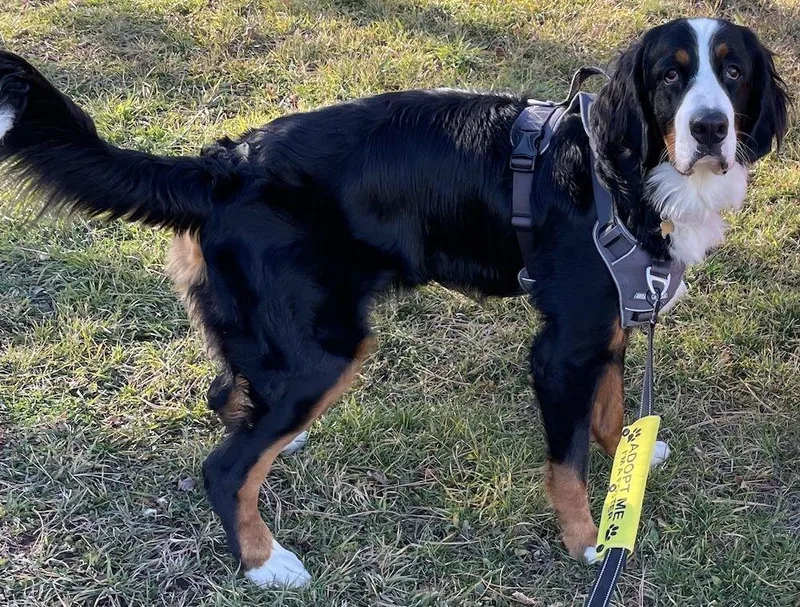
Bernese Mountain Dogs come from the Swiss canton of Bern, where farmers used them to pull milk and cheese carts, drive cattle and guard the farmyard. They're the only long-coated Swiss mountain breed, with a black coat, rust markings, a white blaze and a white chest cross. Most weigh 70 to 115 pounds.

Berners are usually gentle, affectionate and eager to please, though some are reserved with strangers. They're built for cool mountain weather, so Denver's cold, dry winters suit them better than its summers. Expect heavy shedding, a lifespan of roughly 7 to 10 years, and a dog that needs early leash training, because a pulling adult is hard to manage on a busy Denver street.

Weight
70–115 lbs
Height
23–28 in
Lifespan
7–10 yrs
Temperament
Gentle, Affectionate, Calm
Group
Working
Shedding
High

Owning a Bernese Mountain Dog in Denver

Having a Bernese Mountain Dog in Denver

Berners are people-focused gentle giants, and their thick coat and heat sensitivity matter in Denver's sunny, dry climate. Health risks, especially cancer and joint problems, shape long-term care as much as their easygoing nature does.

Temperament

Berners tend to be patient, affectionate and devoted to their families, and many get along with respectful kids and other pets. Some are shy or aloof with strangers. On busy Denver greenways and park paths, early practice with polite greetings and loose-leash walking matters for a dog this size. A dog's own history says more than the breed.
Exercise Needs

Plan on one or two good walks a day plus some play. Outside Denver's 17 fenced dog parks, every park and trail is leash-only, so Washington Park, City Park and the High Line Canal make natural routes. Keep harder exercise to cool mornings and evenings, and skip long runs for growing puppies.

Health Considerations

Berners face high rates of cancer, especially histiocytic sarcoma, along with hip and elbow dysplasia, kidney disease and bloat. Keeping a Berner lean protects its joints, and regular vet checkups catch problems early. In Denver's strong summer sun, watch for heavy panting, drooling or sudden tiredness, which can signal heat trouble.

Living Space

A Berner does best in a home with a secure yard, such as the larger lots in Hampden South or the single-family streets of Park Hill. Apartments can work with an elevator, daily walks and a cool, air-conditioned unit, though a giant dog fills a small space quickly. Expect fur everywhere.

What it costs to own a Bernese Mountain Dog in Denver

ExpenseTypical costPer year
Food$80 to $160 per month$960 to $1,920
Pet insurance$85 to $170 per month$1,020 to $2,040
Routine vet care$250 to $500 per year$250 to $500
Other*$690 to $1,890 per year$690 to $1,890
Estimated yearly total (after year one)$2,920 to $6,350

Other costs are estimates and vary with size, age and health.

* The Denver dog license ($15 for one year or $40 for three), flea, tick and heartworm prevention, a dental cleaning allowance, coat care for heavy shedding, joint supplements, and large bedding and toys.

Adopt a Bernese Mountain Dog in Denver.

Now that you know more, let’s find you a new best friend. These rescues and shelters below have dogs available in and near Denver.

Rescues and Shelters in or near Denver

Denver's adoption community includes a city shelter and nonprofit rescues that place dogs of every size in homes. Here are the rescues & shelters in the Denver area with dogs available for adoption, worth asking whether a Bernese Mountain Dog is coming in.

Frequently Asked Questions

Yes, for many households. Denver's cold winters and cool nights suit a Berner's thick coat, and the city's leashed greenways and fenced dog parks give a big dog places to move. The tradeoffs are hot summer afternoons, heavy shedding and housing that fits a giant dog. A home with a yard or an air-conditioned unit makes it easier.

Yes, with planning. Denver reaches 90°F on roughly 46 days a year, but nights cool to the upper 50s, so early-morning and evening walks work well. Skip midday outings, test pavement with your hand for 10 seconds, provide shade and cool indoor space, and never leave a Berner in a parked car. Heatstroke needs an emergency vet.

Yes. Denver's breed-restricted permit applies only to American Pit Bull Terriers, American Staffordshire Terriers and Staffordshire Bull Terriers, not Berners. You'll still need a Denver license, a rabies vaccination and spay/neuter for dogs over 6 months, and households are limited to five animals, no more than three of them dogs.

Leashed walks suit a Berner well. Washington Park, City Park, Sloan's Lake and the High Line Canal offer room to stroll, and the Cherry Creek Trail runs for miles. Outside the 17 fenced dog parks, Denver requires leashes everywhere. Go early in summer, and keep your dog out of lakes under algae warnings.

Mostly no. RTD allows only service animals and small pets in carriers on its buses and trains, and a Berner is far too big for a carrier. Plan on car travel for vet visits and outings, with the dog secured inside the vehicle and never loose in a truck bed.

Only to some patios. Denver restaurants can choose to allow leashed dogs on qualifying outdoor patios, never indoors. Dogs must stay off furniture and at least 15 feet from food service stations, and staff can't touch them. A Berner takes up a lot of floor, so pick a roomy patio, ideally shaded in summer.

Plan on brushing once or twice a week, and daily during heavy sheds, which often come as the seasons change. Don't shave a Berner in Denver's winters, and skip it in summer too, since the coat helps insulate. Coat care is counted in the Other costs of $690 to $1,890 a year.

A Bernese Mountain Dog is a large to giant Swiss working breed originally used on farms to pull carts, drive cattle and guard property. It has a long, tricolored coat of black, rust and white and a sturdy, powerful build. Berners are known for their gentle, affectionate nature, though their lifespan is shorter than many breeds.

A Bernese Mountain Dog has a thick, moderately long coat that is jet black with rich rust markings over the eyes, on the cheeks, chest and legs, and white on the face, chest, feet and tail tip. The white chest marking often forms an inverted cross. They have a broad head, dark brown eyes and triangular drop ears.

Expect roughly $2,900 to $6,350 a year for a Berner in Denver, counting food, insurance, routine vet care and other costs. Food runs $80 to $160 a month and insurance $85 to $170, reflecting the breed's size and health risks. Routine vet care is $250 to $500 a year, and other costs add $690 to $1,890.

Find Bernese Mountain Dogs in Nearby Cities

Expand your search to find Bernese Mountain Dogs available for adoption near Denver.