Australian Terrier Dogs for Adoption in Denver, CO

Your guide to finding and caring for an Australian Terrier in Denver

An Australian Terrier suits Denver's walkable neighborhoods, small enough for a Baker bungalow or a Capitol Hill condo but sturdy enough for a long loop. Aussies are alert and chatty, so every delivery driver in the hallway may get announced. Mornings around Washington Park or along the High Line Canal burn off that terrier energy, and a leash is required on every path. Most Aussies like being underfoot, which fits people who are home often.

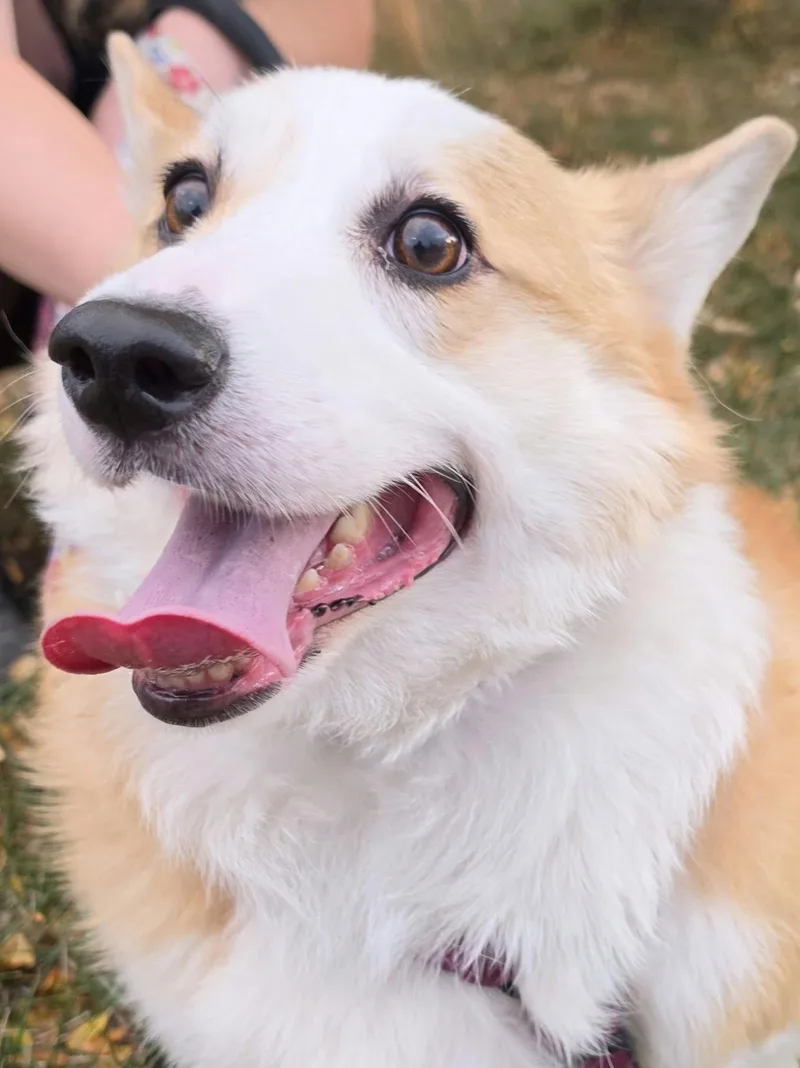
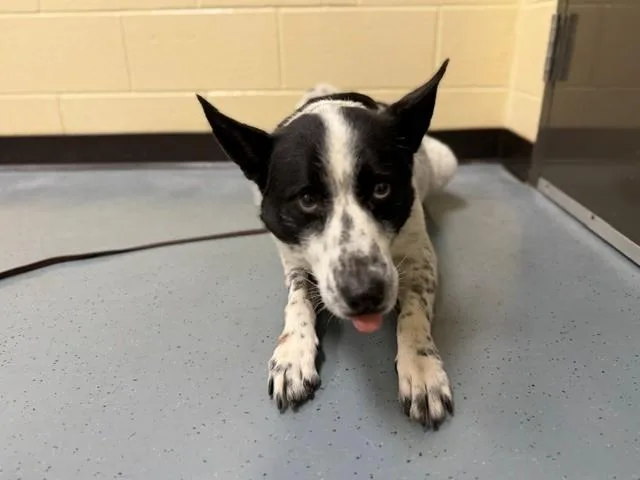
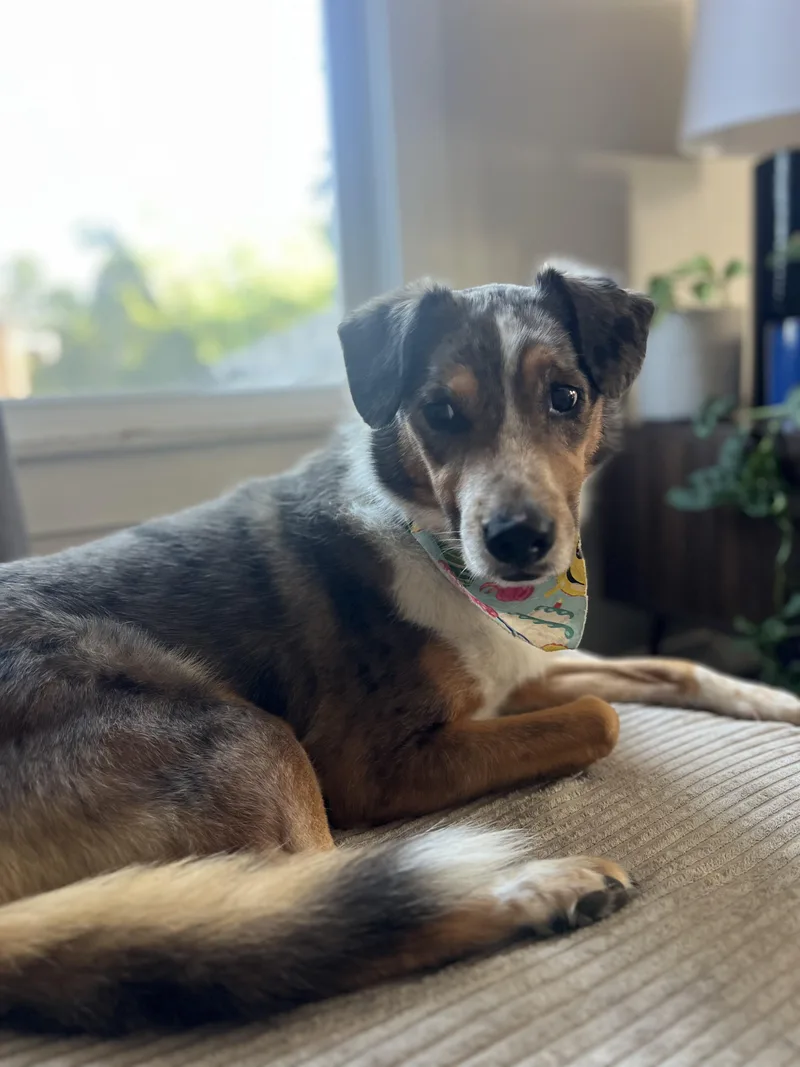
30 Australian Terriers available in Denver and nationwide

Give an Australian Terrier a home

While we don't have enough dogs near Denver, keep in mind that many rescues may offer transport.

Australian Terriers Available for Adoption Near Denver

About the Australian Terrier breed

The Australian Terrier was developed in 1800s Australia from rough-coated British terriers, working as a ratter, snake killer and station watchdog. It was the first native Australian breed recognized, and the AKC accepted it in 1960. Aussies stand 10 to 11 inches tall, are long in the body, weigh roughly 14 to 20 pounds, and wear a harsh blue-and-tan, sandy or red coat with a ruff and a soft topknot.

Low shedding is handy in a small Denver home, but temperament matters more than looks. Many Aussies are confident, affectionate and quick to bark, and their drive to chase squirrels and other small animals is strong. Dogs vary, so a dog's own personality counts for as much as the breed's reputation.

Weight
14–20 lbs
Height
10–11 in
Lifespan
11–15 yrs
Temperament
Spirited, Courageous, Alert
Group
Terrier
Shedding
Low

Owning an Australian Terrier in Denver

Having an Australian Terrier in Denver

Aussies pair a small frame with a big terrier personality. In Denver, the main questions are noise in shared buildings, getting enough daily activity on leashed routes, and whether a secure yard or steady routine keeps that chasing instinct in check.

Temperament

Many Australian Terriers are self-assured, affectionate and alert, and they tend to announce anything unusual. In Denver's denser neighborhoods that can mean barking at footsteps in the hall, and the city's barking rule covers persistent barking, so early training helps. Watch how a dog reacts to noise, visitors and other pets.

Exercise Needs

Plan on daily walks plus play that lets an Aussie chase, sniff and think. Denver's greenways, like the High Line Canal and Cherry Creek Trail, offer leashed mileage, and fenced dog parks allow off-leash time for licensed, vaccinated dogs. Puzzle toys and short training games fill in on snowy or stormy days.

Health Considerations

Australian Terriers are generally sturdy, but luxating patellas, Legg-Calve-Perthes disease, diabetes, allergies, ear infections and eye problems turn up in the breed. Keep an Aussie lean, and watch for limping, extra thirst or scratching. A veterinarian can check knees, ears and eyes at regular visits, and Denver requires rabies vaccination after six months.

Living Space

A small Aussie fits Denver's condos, bungalows and apartments when exercise is reliable. Thin walls and shared hallways make barking the main challenge. If there's a yard, make the fence secure, since Aussies dig and bolt after squirrels. They want to live indoors with their people.

What it costs to own an Australian Terrier in Denver

ExpenseTypical costPer year
Food$20 to $45 per month$240 to $540
Pet insurance$35 to $70 per month$420 to $840
Routine vet care$200 to $400 per year$200 to $400
Other*$490 to $1,290 per year$490 to $1,290
Estimated yearly total (after year one)$1,350 to $3,070

Other costs are estimates and vary with size, age and health.

* The Denver dog license, flea, tick and heartworm prevention, a dental cleaning allowance, toys and bedding, and brushing and plucking of the harsh coat.

Adopt an Australian Terrier in Denver.

Now that you know more, let’s find you a new best friend. These rescues and shelters below have dogs available in and near Denver.

Rescues and Shelters in or near Denver

These Denver-area shelters and rescues list adoptable dogs, and listings change often, so check back on this page. Here are the rescues & shelters in the Denver area with dogs available for adoption, worth asking whether an Australian Terrier is coming in.

Frequently Asked Questions

Yes, Australian Terriers aren't among the breeds Denver restricts. Dogs six months and older need a Denver license and rabies vaccination, and must be spayed or neutered unless the owner holds an intact permit. A household can have up to five dogs and cats combined, with no more than three dogs. Expect leash rules and barking limits too.

Often, yes, for people who walk daily and are home a fair amount. Denver's greenways and dry, sunny weather give an Aussie plenty of leashed mileage, and its small size suits condos and bungalows. Barking in shared buildings and the urge to chase squirrels need training, so expect some work. Each dog's personality varies.

Generally yes. Denver winter afternoons usually warm into the mid-40s, and the Aussie's harsh double coat adds protection. Nights drop to freezing on many days, so wipe off snow, ice and salt after walks, don't shave the coat, and consider a sweater for seniors. After a big storm, snow can be belly-deep, so keep outings short.

For off-leash play, try fenced city dog parks like Railyard, the only lighted one. Dogs must be licensed, rabies-tagged and spayed or neutered, with two dogs per handler. For leashed walks, Washington Park, City Park, the High Line Canal and the Cherry Creek Trail work well. Everywhere outside dog parks is leash-only.

Only in a carrier. RTD allows pets on buses and trains only if they're small and kept in a carrier, apart from service animals. RTD gives no size limit, but at 14 to 20 pounds an Aussie needs a roomy one. On commuter rail, such as the A Line, the carrier stays on the floor or your lap, not a seat.

Only to patios, and only at restaurants that choose to allow dogs. Denver rules require leashed dogs with current vaccination tags on a qualifying unroofed patio with its own outside entrance. Dogs can never go inside, must stay off furniture and 15 feet from food service areas, and staff can't touch them.

Plan on weekly brushing and a periodic tidy of loose hair. Denver's dry air and gritty snow-melt mean wiping paws and checking the coat after winter walks. Skip shaving, which softens the harsh coat, in summer and winter alike. In summer, early walks and shade matter more than a short cut. Grooming costs are part of the Other line in the cost table.

Yes, Australian Terriers are often excellent pets for people who want a small dog with a big, busy personality. Many are affectionate, adaptable and trainable, and they bond closely with their families. The trade-offs are a tendency to bark, a strong urge to chase small animals and a need for daily exercise and mental activity to stay settled.

Australian Terriers typically live about 11 to 15 years. Some sources put the average closer to 11 or 12, with females often living slightly longer than males. Keeping an Aussie lean, active and up to date on dental care and checkups gives the best chance of a long life, and conditions such as diabetes are easier to manage when caught early.

Expect roughly $20 to $45 a month for food, $35 to $70 for insurance, $200 to $400 a year for routine vet care, and $490 to $1,290 a year in other costs. Altogether that comes to about $1,350 to $3,070 a year.