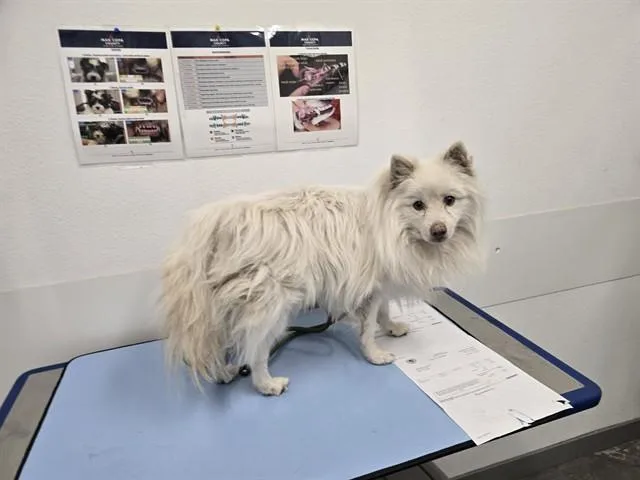
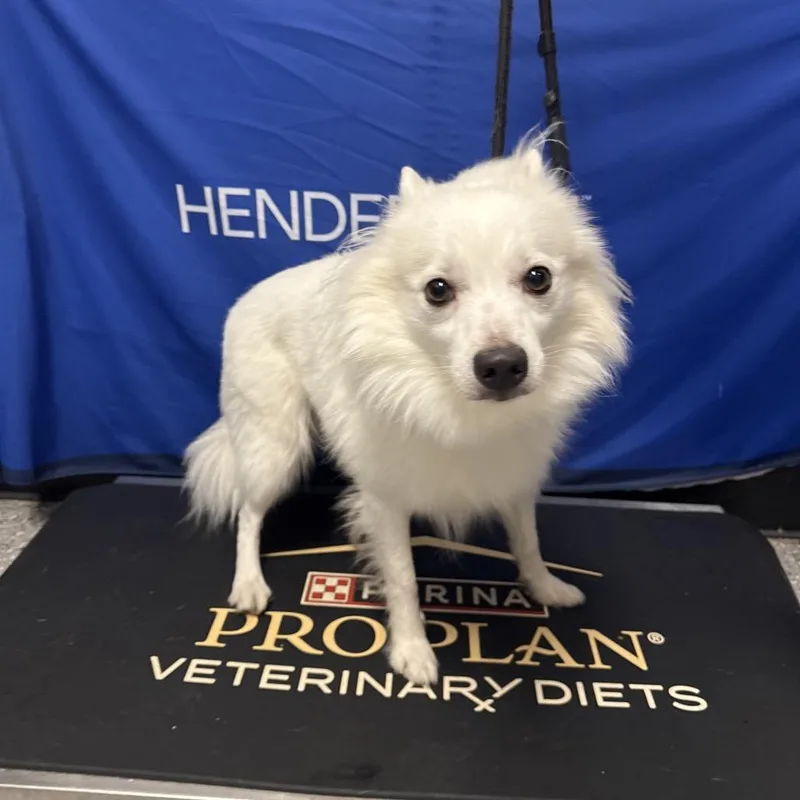
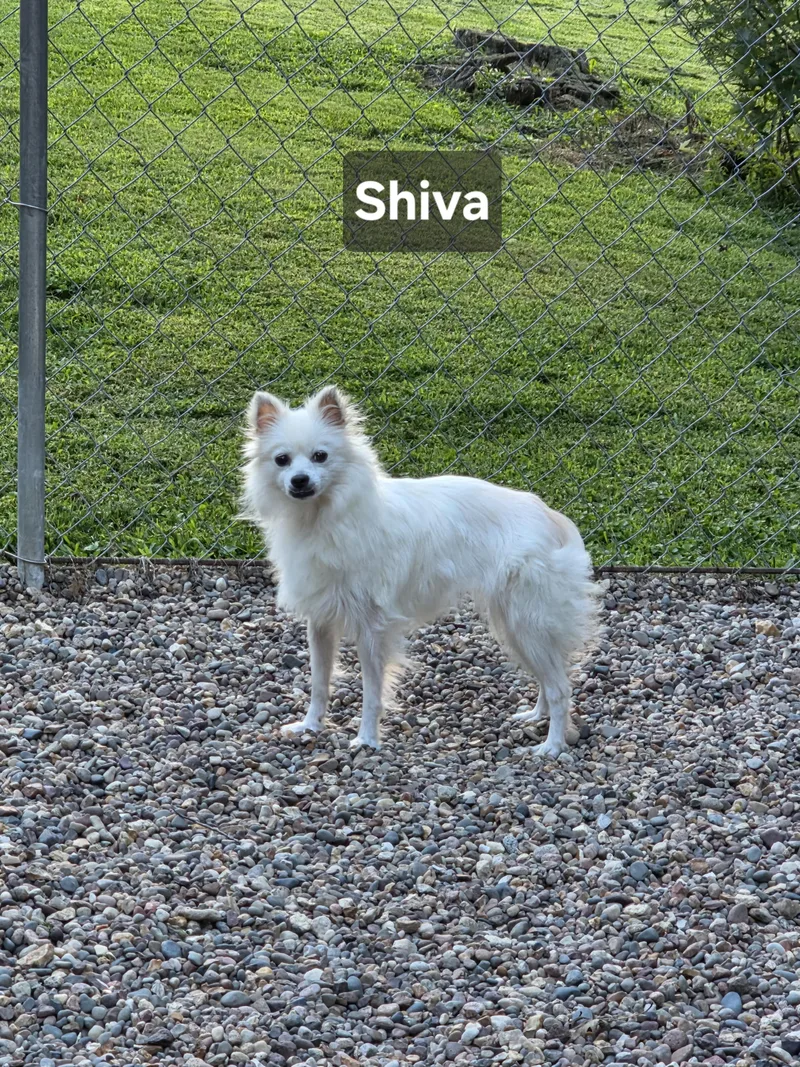
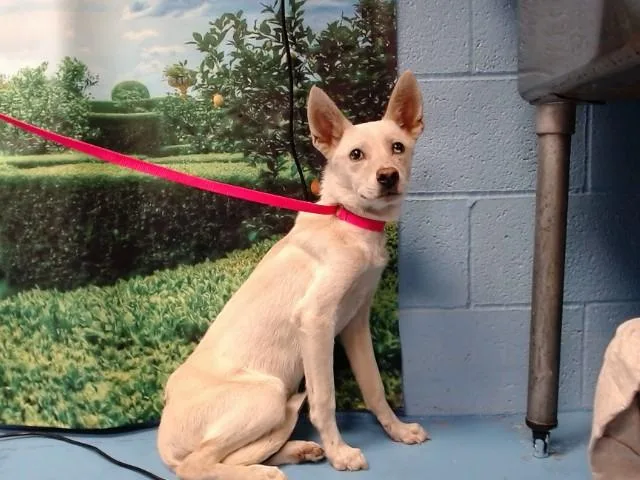
American Eskimo Dogs for Adoption in Denver, CO

Your guide to finding and caring for an American Eskimo Dog in Denver

An American Eskimo Dog fits Denver well, as long as you can live with some barking. Eskies are alert and chatty, so an apartment near Cheesman Park takes some training, while a Standard may be happier in a Hilltop or Central Park house with a yard. They enjoy snowy days and a long leashed walk around City Park, and they want company most of the day. Expect white fur on your dark winter coats, too.

64 American Eskimo Dogs available in Denver and nationwide

An American Eskimo Dog is ready for you

While we don't have enough dogs near Denver, keep in mind that many rescues may offer transport.

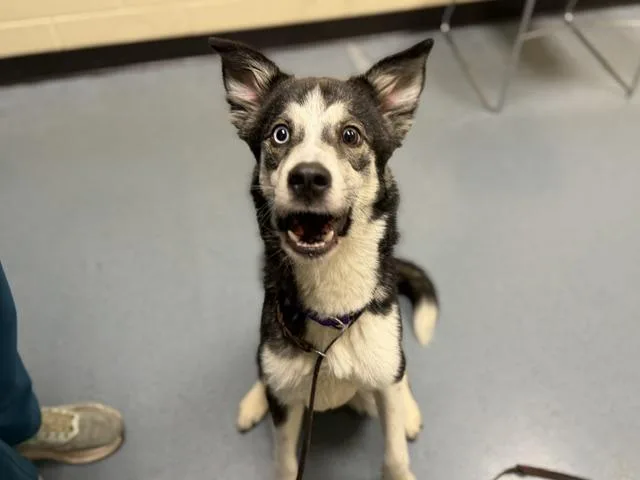
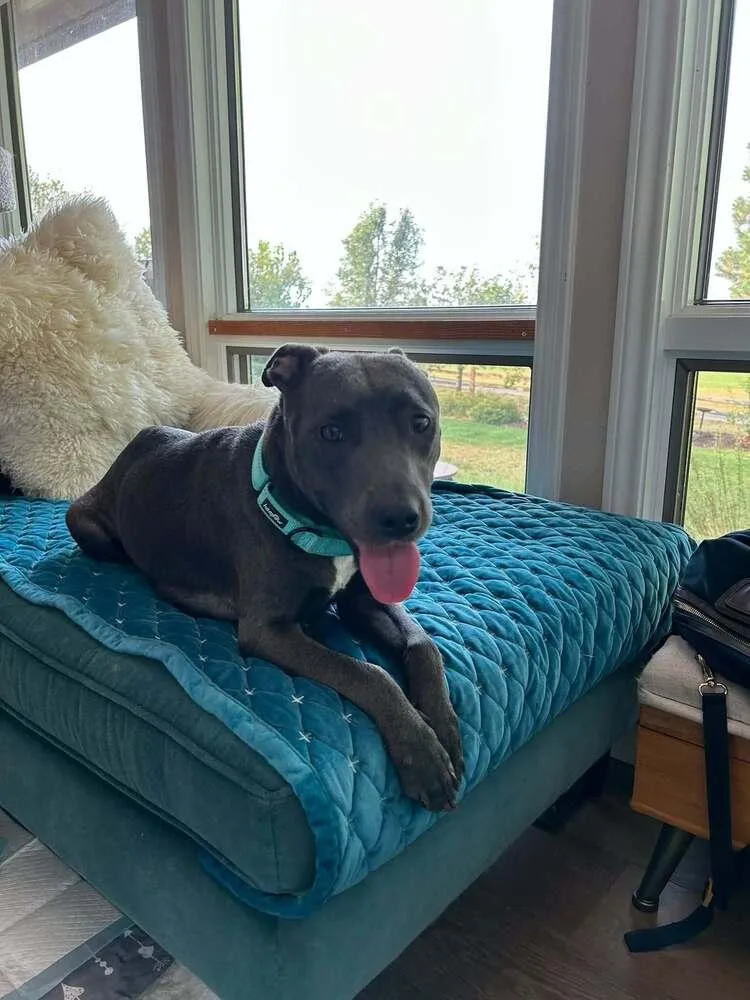
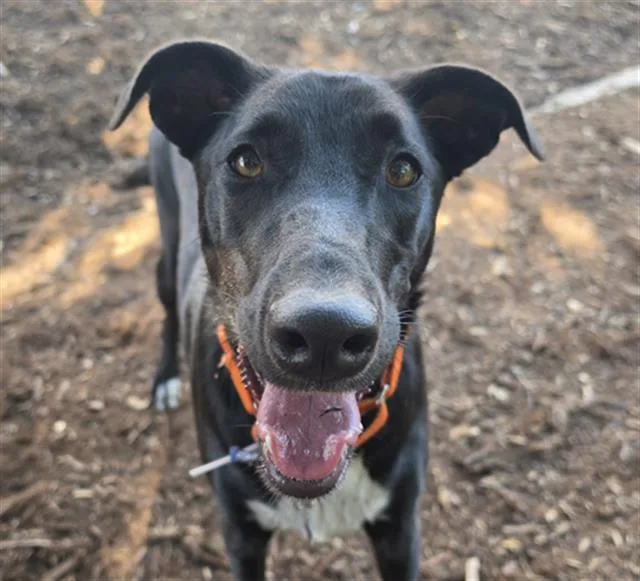
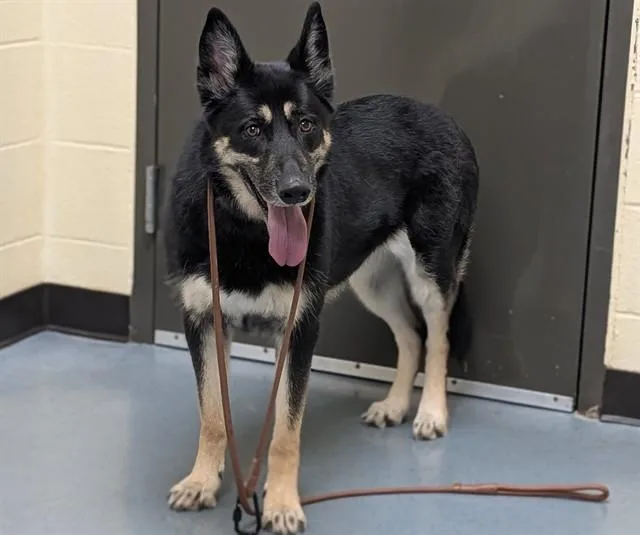
American Eskimo Dogs Available for Adoption Near Denver

About the American Eskimo Dog breed

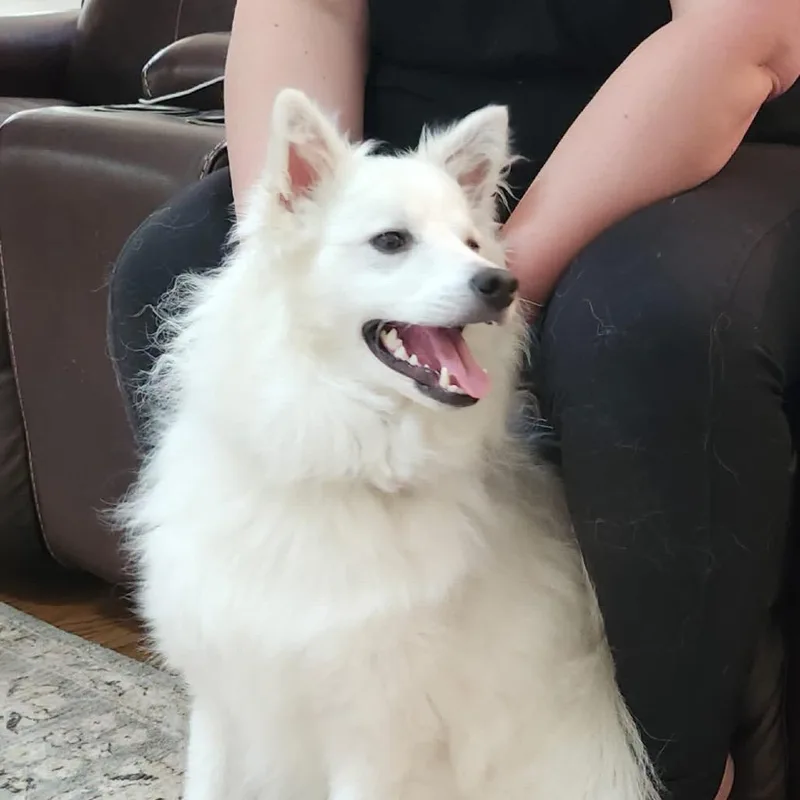
The American Eskimo Dog has no Arctic roots. It descends from white German Spitz dogs that immigrants brought to the US in the early 1900s, and the name changed during World War I. Eskies later became circus performers, which says a lot about how quick and trainable many of them are. They come in toy, miniature and standard sizes, roughly 6 to 35 pounds.

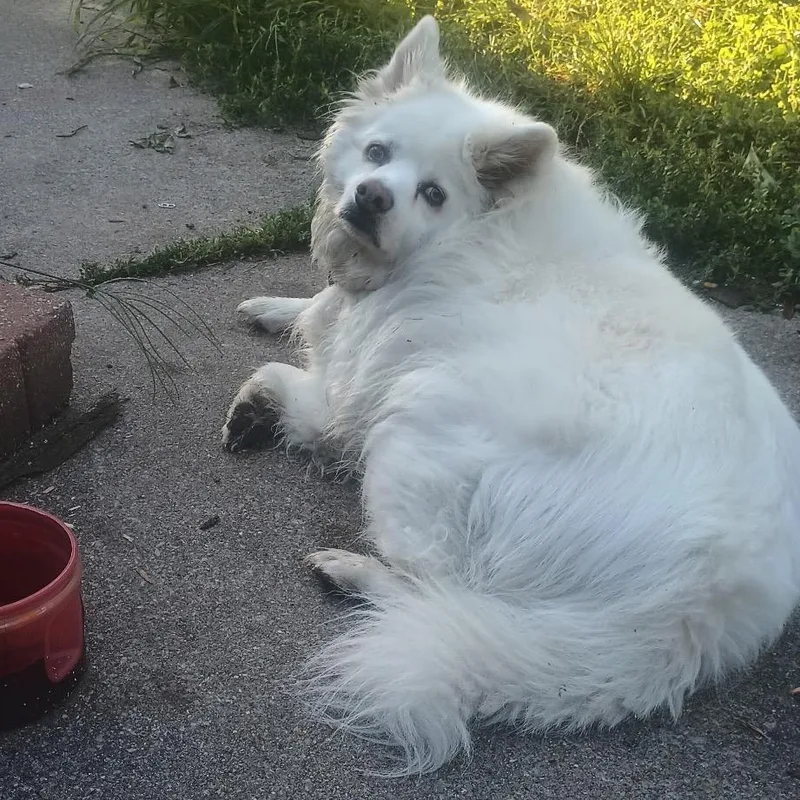
A dense white double coat, lion-like ruff and plumed tail make them striking, and they shed heavily, with a bigger blowout once or twice a year. Eskies are devoted to their families, often reserved with strangers and quick to sound the alarm. Plan for regular brushing, daily walks and enough company that a lonely dog doesn't turn to barking. Dogs vary, so temperament and energy differ from one Eskie to the next.

Weight
6–35 lbs
Height
9–19 in
Lifespan
13–15 yrs
Temperament
Intelligent, Alert, Playful, Vocal
Group
Non-Sporting
Shedding
High

Owning an American Eskimo Dog in Denver

Having an American Eskimo Dog in Denver

Eskies are smart, showy and attached to their people. In Denver, the big questions are barking in shared buildings, a coat that sheds year-round, and giving a clever dog enough daily exercise and attention, whether you live downtown or in a house with a yard.

Temperament

Many Eskies are bright, playful and affectionate with family, and wary of strangers. They notice every footstep in a hallway or elevator, so early socialization and calm, positive training help in Denver's apartment buildings and busy parks. Dogs vary, and a dog's background and training shape how reserved or vocal it becomes.

Exercise Needs

Plan on daily walks plus play or training, with Standards needing more than Toys. Denver's leash-only trails, like the High Line Canal and Cherry Creek Trail, make good routes, and the city's off-leash dog parks allow ball games. Puzzle toys and trick practice cover stormy or icy days.

Health Considerations

Eskies can develop progressive retinal atrophy, hip dysplasia, kneecap luxation, juvenile cataracts and diabetes, and smaller dogs may get Legg-Calvé-Perthes disease. Have a veterinarian check the eyes and joints early and keep up yearly exams. Denver's dry air can aggravate itchy skin, so mention any scratching or tear staining at visits.

Living Space

Toy and Miniature Eskies often do well in Denver condos and apartments, though barking can bother close neighbors. Standards usually appreciate a yard, like those at many Central Park or Hilltop homes. All of them want to live indoors with their family and not be left alone for long hours.

What it costs to own an American Eskimo Dog in Denver

ExpenseTypical costPer year
Food$20 to $45 per month$240 to $540
Pet insurance$35 to $70 per month$420 to $840
Routine vet care$200 to $400 per year$200 to $400
Other*$490 to $1,290 per year$490 to $1,290
Estimated yearly total (after year one)$1,350 to $3,070

Other costs are estimates and vary with size, age and health.

* The Denver dog license, a dental cleaning allowance, flea, tick and heartworm prevention, grooming and brushing supplies for the double coat, and toys and bedding.

Adopt an American Eskimo Dog in Denver.

Now that you know more, let’s find you a new best friend. These rescues and shelters below have dogs available in and near Denver.

Rescues and Shelters in or near Denver

Denver's shelters and rescues care for many small and medium dogs, and the ones listed below share their adoptable pets here. Here are the rescues & shelters in the Denver area with dogs available for adoption, worth asking whether an American Eskimo Dog is coming in.

Frequently Asked Questions

Often, yes, for people who enjoy daily walks and are home a fair amount. Denver's cold, dry winters and cool summer nights suit the double coat, and the city's many leashed trails give plenty of outings. The tradeoffs are barking in shared buildings, heavy shedding and hot afternoons from June to August. Dogs vary, so consider each dog's own energy and habits.

Yes. Denver's breed-specific permit applies only to pit bull–type dogs, not Eskies. Dogs over six months must be licensed, vaccinated against rabies and spayed or neutered, and a household can have up to five animals, no more than three of them dogs. Plan to keep your Eskie leashed everywhere except a fenced dog park.

Yes, especially Toy and Miniature Eskies in dense areas like Capitol Hill or Union Station. Barking at hallway noise is the usual snag, so practice quiet cues, use rugs and white noise, and give a long daily walk. Standards in apartments need longer outings and more indoor play to stay settled.

For leashed walks, try the High Line Canal, Cherry Creek Trail, Washington Park and Sloan's Lake, and keep your dog out of park lakes during posted algae warnings. Off-leash dog parks allow two dogs per handler and no children 10 or under. Cherry Creek State Park, just outside the city, has a fenced off-leash area that needs a pass.

Mostly yes. Nights drop to freezing on about 156 days a year, which an Eskie's coat handles well, and summer nights cool off even after hot days. About 46 days a year reach 90°F, so walk early or late and provide shade and water. Hail and thunderstorms in late spring and summer can rattle sensitive dogs.

Only to patios. Denver restaurants can choose to allow leashed dogs on qualifying unroofed patios, never indoors, and signs must say whether dogs are welcome. Dogs must stay off seats and tables and at least 15 feet from food service stations. An Eskie that barks at passersby may be happier waiting at home.

Only if small enough for a carrier. RTD allows small pets in carriers on its buses and trains, but other than service animals, larger pets aren't permitted. Toy and Miniature Eskies may fit, while Standards generally won't. Denver has no subway, and on commuter rail a crated pet must stay on the floor or your lap.

Plan on brushing a few times a week, and daily during the heavy sheds in spring and fall, with a bath every month or two. Don't shave the coat, even in summer, since it insulates against sun and heat. Professional grooming and brushing supplies fall under the Other line in the cost table.

American Eskimo Dogs typically live about 13 to 15 years, and some reach their late teens. Smaller toy and miniature Eskies often live slightly longer than standards, as is common in dogs. Good nutrition, a healthy weight, dental care and regular veterinary checkups help, and early screening for eye disease and diabetes can catch problems before they become serious.

Expect roughly $20 to $45 a month for food and $35 to $70 for insurance, plus $200 to $400 a year for routine vet care. Other yearly costs, including the license, parasite prevention, dental care and grooming, run about $490 to $1,290. That totals around $1,350 to $3,070 a year, with Toy Eskies near the low end.