Pomsky Dogs for Adoption in Thousand Oaks, CA

Your guide to finding and caring for a Pomsky in Thousand Oaks

23 Pomskies available in Thousand Oaks and nationwide

Adopt a Pomsky today

While we don't have enough dogs near Thousand Oaks, keep in mind that many rescues may offer transport.

Pomskies Available for Adoption Near Thousand Oaks

About the Pomsky breed

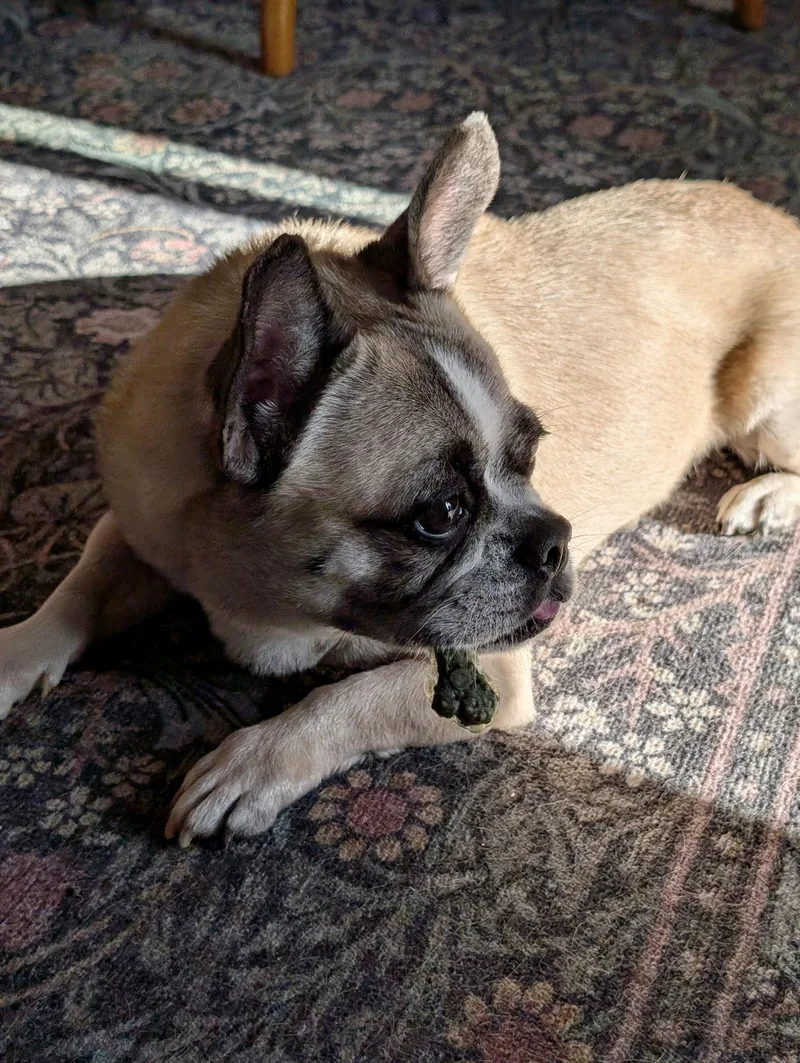
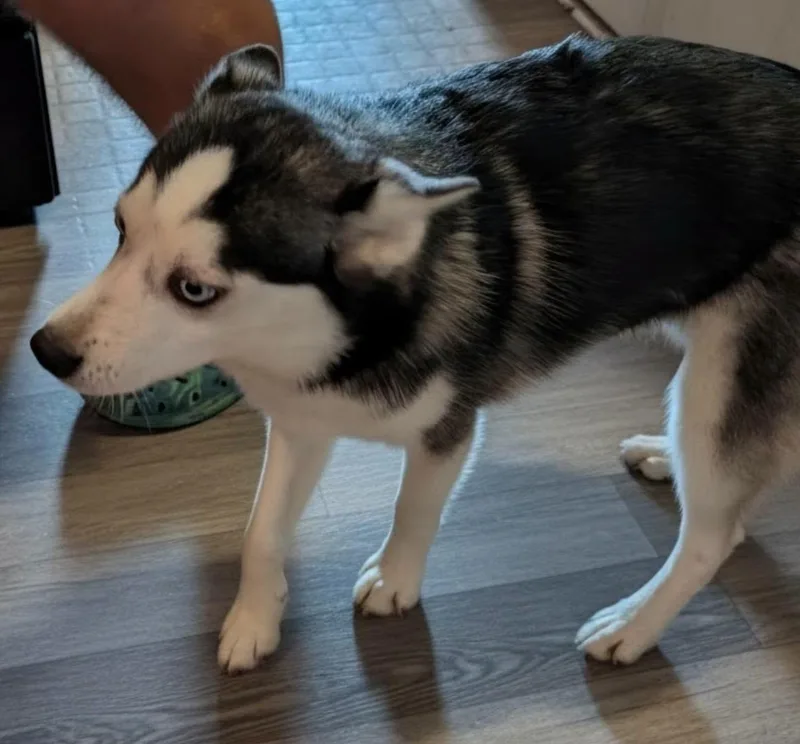
A Pomsky is a cross between a Pomeranian and a Siberian Husky, one of the newest designer dogs. Interest took off around 2011 and the first litters followed in about 2012. Because the parents differ so much in size, first-generation puppies are usually born to a Husky mother through artificial insemination. Many Pomskies look like a compact Husky, with a plush double coat, a masked face, upright ears and a curled tail, but generation and genetics make adult size and looks hard to predict.

Pomskies tend to be bright, playful and strongly attached to their people, with a Husky's talkative streak and a Pomeranian's boldness. They can be stubborn, loud and prone to separation anxiety, and their coats shed heavily. No major kennel club recognizes them, and a fair number end up in shelters and rescues, often as young adults whose energy outgrew expectations.

Weight
15–30 lbs
Height
10–15 in
Lifespan
12–15 yrs
Temperament
Playful, Energetic, Vocal
Shedding
High

Owning a Pomsky in Thousand Oaks

Having a Pomsky in Thousand Oaks

Pomskies pack sled-dog energy and a big voice into a small, fluffy body, so they are often more dog than people expect. Understanding their training needs, exercise and heavy shedding helps adopters judge whether a particular Pomsky's personality fits their household.

Temperament

Many Pomskies are affectionate, clever and devoted to their families, often following one favorite person around. They can also be stubborn, bossy and quick to bark or howl. Some are wary of strangers, and puppies may be nippy. Because the mix varies so much, an adult Pomsky's known history tells you more than its parent breeds do.

Exercise Needs

Most Pomskies need daily walks plus active play, and many enjoy hikes once grown. Mental work matters as much as miles: puzzle feeders, short training games and sniffing walks help prevent chewing, digging and noise. Their Husky side can make them escape artists who bolt after small animals, so leashes and secure fencing are wise.

Health Considerations

As a young cross, Pomskies have little long-term health data, so they may inherit problems from either parent. Patellar luxation, hip dysplasia, eye disease, collapsing trachea, allergies and dental disease are among the concerns raised. Extremely small Pomskies may face added risks. Ask for any health records and plan regular dental care and checkups.

Living Space

A Pomsky's small size lets it fit an apartment or a house, but its energy and voice matter more than square footage. Neighbors may hear the howling, and a bored Pomsky can get destructive. A home with daily company, plenty of activity and a secure yard or reliable leash walks tends to suit them. Hot climates call for extra care.

What it costs to own a Pomsky

ExpenseTypical costPer year
Food$20 to $45 per month$240 to $540
Pet insurance$40 to $85 per month$480 to $1,020
Routine vet care$200 to $400 per year$200 to $400
Other*$490 to $1,290 per year$490 to $1,290
Estimated yearly total (after year one)$1,410 to $3,250

Other costs are national averages for Pomskies; we don't have costs specific to Thousand Oaks yet.

* Flea, tick and heartworm prevention, a dental cleaning allowance, a dog license, toys and bedding, and frequent brushing for a heavily shedding double coat; license fees vary by city.

Adopt a Pomsky in Thousand Oaks.

Now that you know more, let’s find you a new best friend. These rescues and shelters below currently have Pomskies available.

Frequently Asked Questions

A Pomsky is a crossbreed of a Pomeranian and a Siberian Husky, developed in the United States in the early 2010s. Many look like a small Husky with a fluffy double coat, upright ears and a curled tail. They are lively, vocal and attached to their people. Pomskies are not a recognized breed, so size and personality vary widely.

Pomskies typically live about 12 to 15 years, in line with their Pomeranian and Siberian Husky parents. Because the cross is only around a decade old, there is little long-term data on lifespan. Good weight control, dental care and regular veterinary checkups give a Pomsky its best chance at a long, healthy life.

Pomskies can be good dogs for owners prepared for their energy and personality. Many are affectionate, smart and fun, but they can also be stubborn, loud and heavy shedders who struggle when left alone. They tend to do best with experienced or committed owners who will train consistently and keep them busy. The individual dog's temperament matters most.

Most Pomskies grow to about 15 to 30 pounds and stand roughly 10 to 15 inches at the shoulder. Size varies a lot, since puppies can take after either parent and later generations differ from first-generation crosses. Some stay under 15 pounds while others top 30. An adult Pomsky's measurements are far more reliable than any puppy estimate.

Pomskies often look like a miniature Siberian Husky, with a thick double coat, a fox-like face, pointed upright ears and a plumed tail curling over the back. Many have Husky-style facial masks in gray, black, red or brown with white, and eyes can be blue, brown or one of each. Others look more like a large, fluffy Pomeranian.

Pomskies can be good family dogs, especially with older children who play gently and respect their space. Their energy suits active households, but some are nippy, mouthy or protective of food and toys, and very young kids may find them too much. Supervision and training help. Meeting a specific Pomsky with your family shows whether it is a good match.

Yes, Pomskies are generally smart, since both Pomeranians and Siberian Huskies are intelligent breeds. They learn quickly, solve problems and figure out how to open gates or reach food. That cleverness comes with a stubborn, independent streak, so they may ignore commands that seem pointless. Short, varied, reward-based sessions keep them interested and cooperative.

Many veterinarians and animal advocates raise ethical concerns about how Pomskies are produced. First-generation litters usually require artificial insemination because the parents differ so much in size, and the cross has no breed standard or required health testing. Adopting a Pomsky from a shelter or rescue avoids supporting those practices while giving a dog that already exists a home.

No, Pomskies are not hypoallergenic. Both parent breeds have dense double coats, so Pomskies shed year-round and drop large amounts of undercoat a couple of times a year. Like all dogs, they also produce allergens in dander and saliva. People with allergies should spend extended time around a particular Pomsky before adopting and plan for frequent vacuuming.

We have 1 rescue with Pomskies available: Saving Gizmo’s Friends. You can see every rescue with Pomskies available in the list above these questions, or scroll to the top to see the Pomskies near Thousand Oaks.