German Pinscher Dogs for Adoption in Anchorage, AK

Your guide to finding and caring for a German Pinscher in Anchorage

German Pinschers fit Anchorage best with owners who'll walk them year-round, dark mornings included. At 25 to 45 pounds, they're easy to house in a Fairview apartment, and the Chester Creek Trail is close for a brisk daily loop. They're alert, quick and always watching, so a bored one gets noisy or creative. They also chase anything small, which matters on a trail where a moose may be around the next bend. Keep the leash short and the walks long.

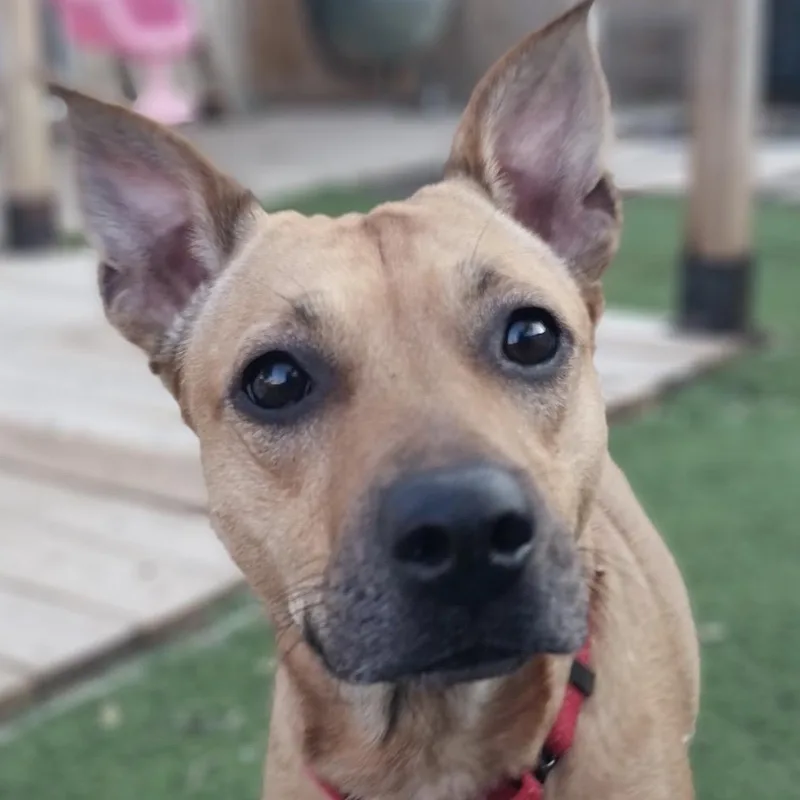
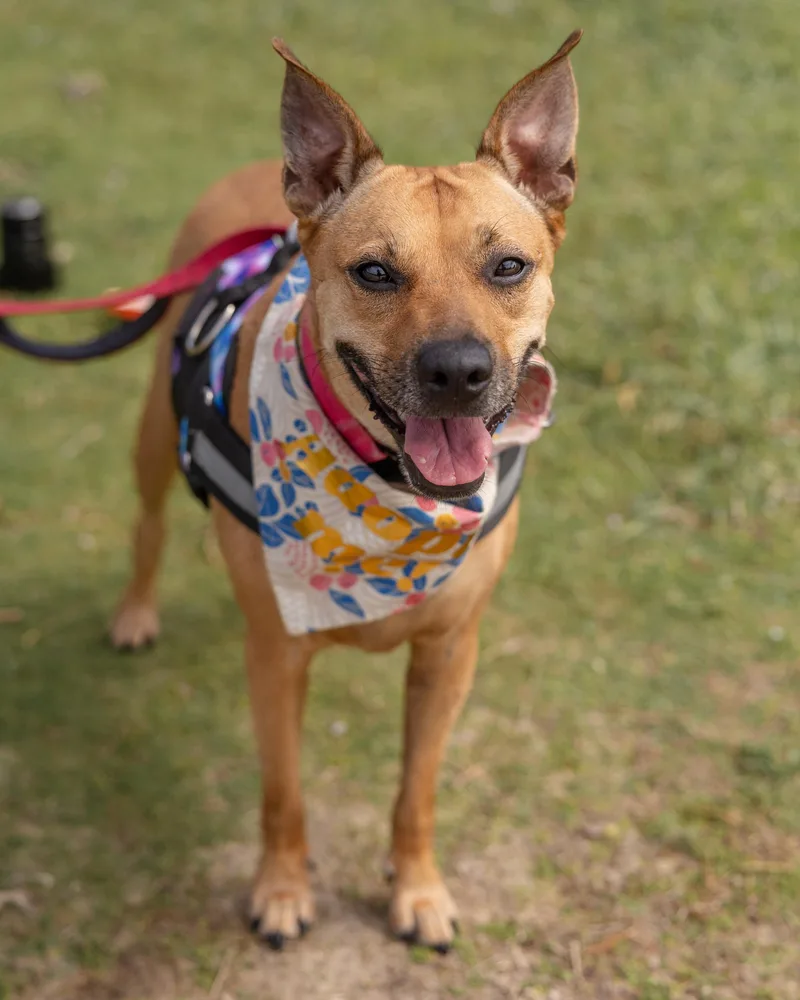
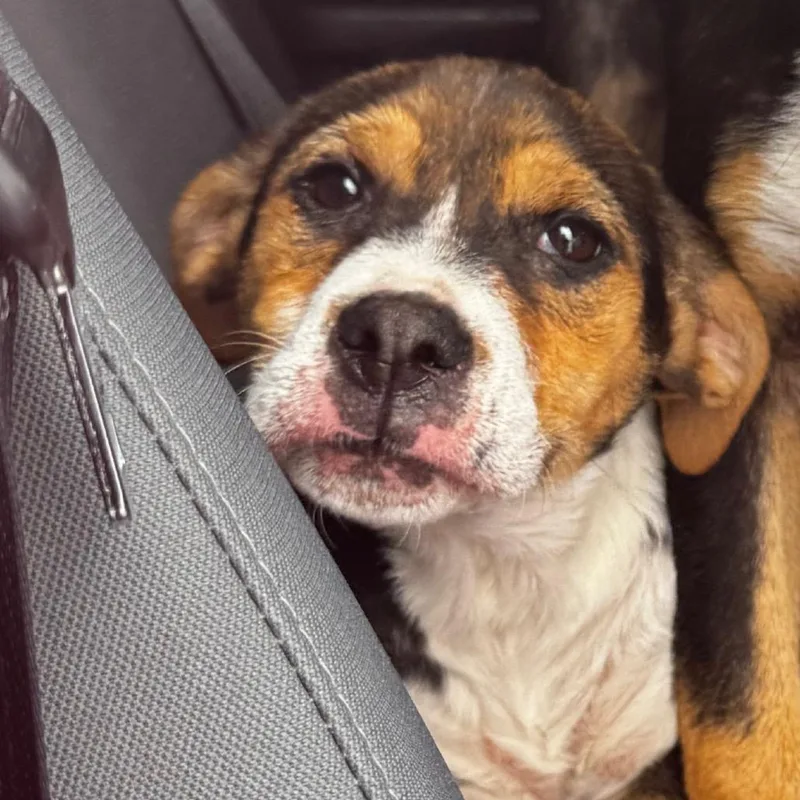
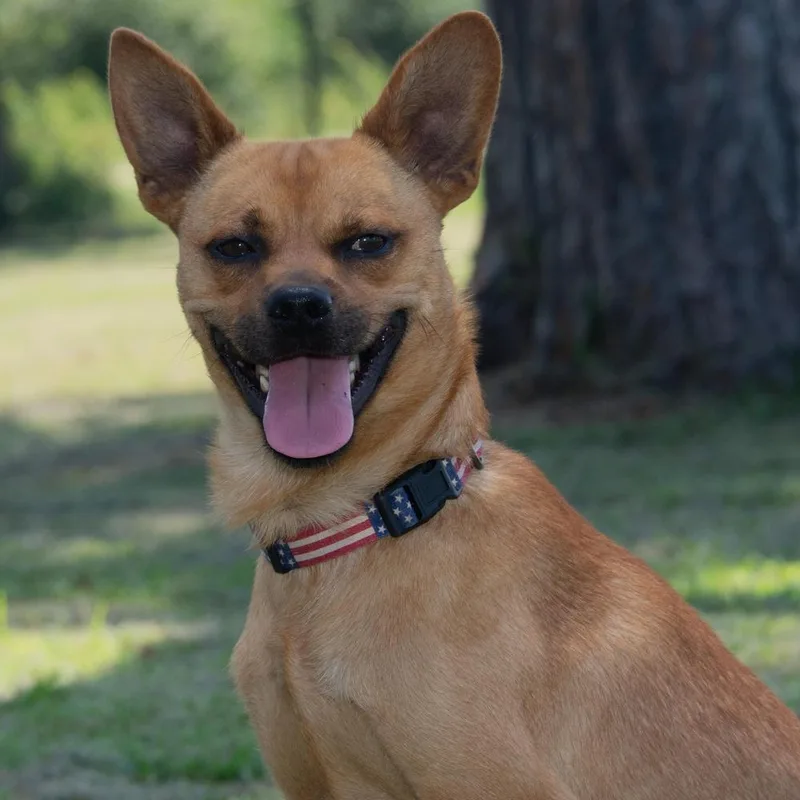
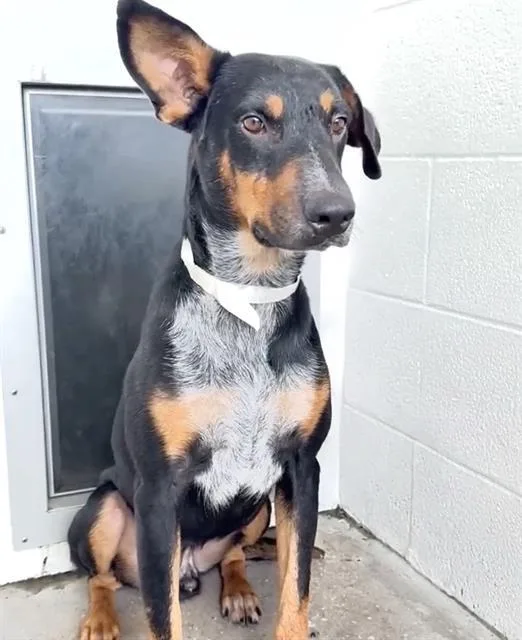
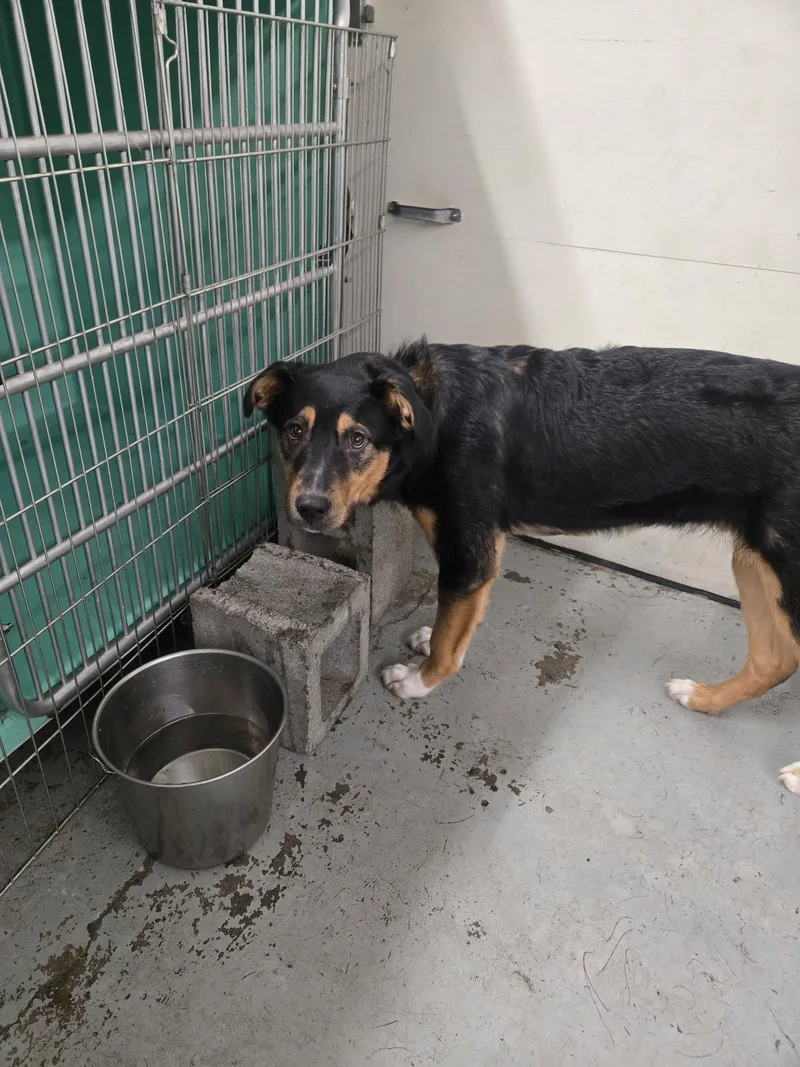
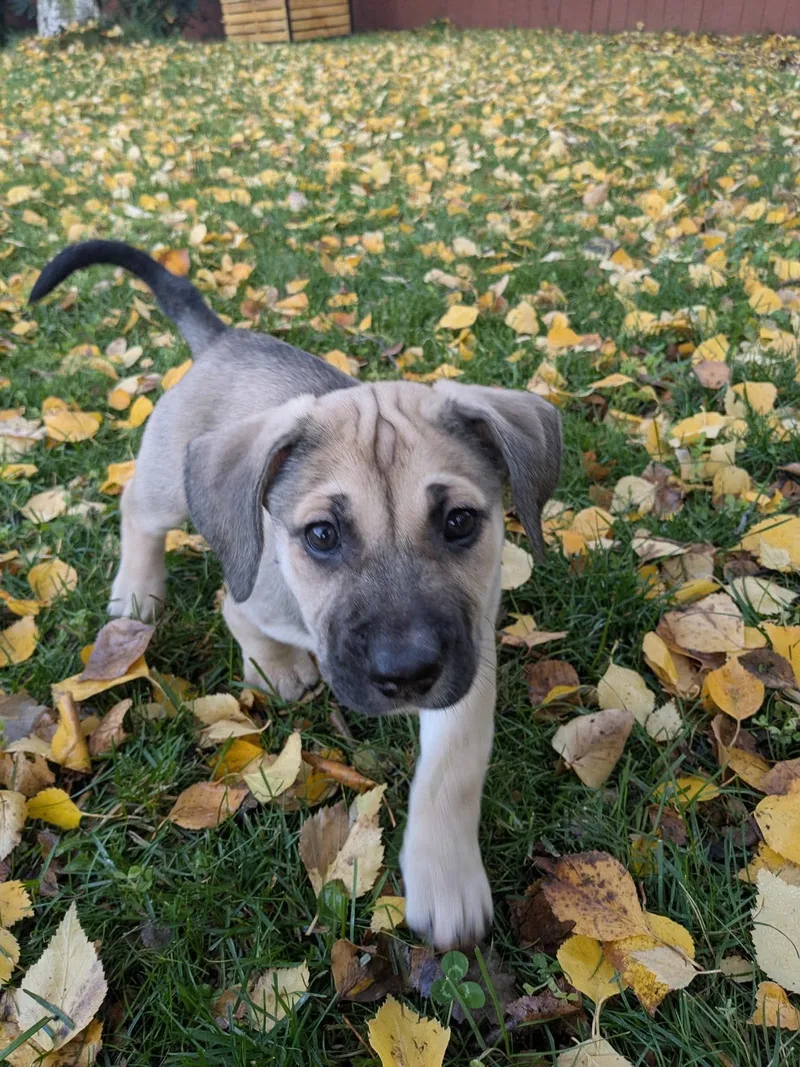
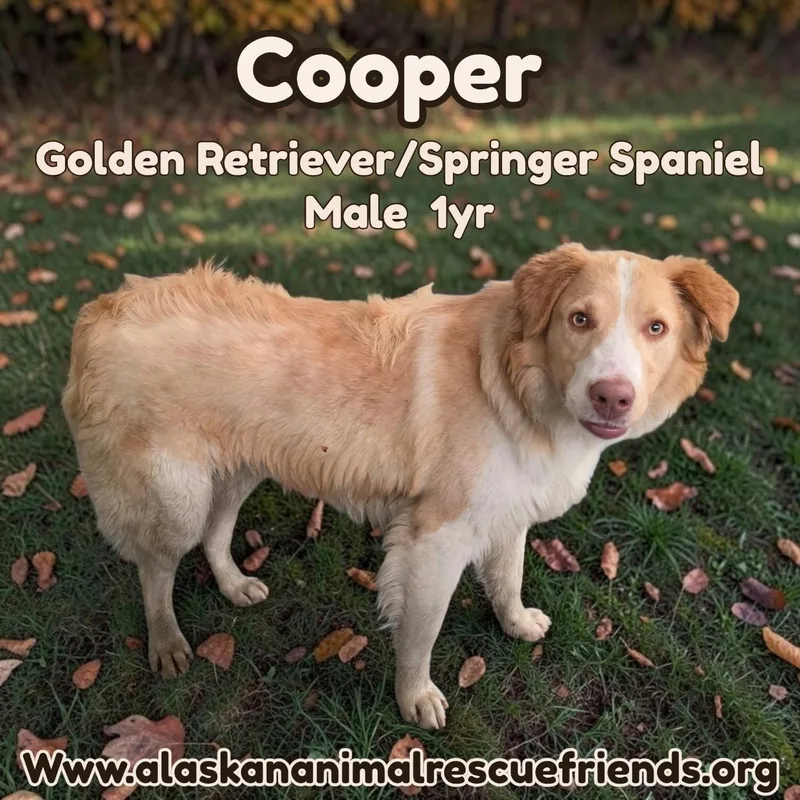
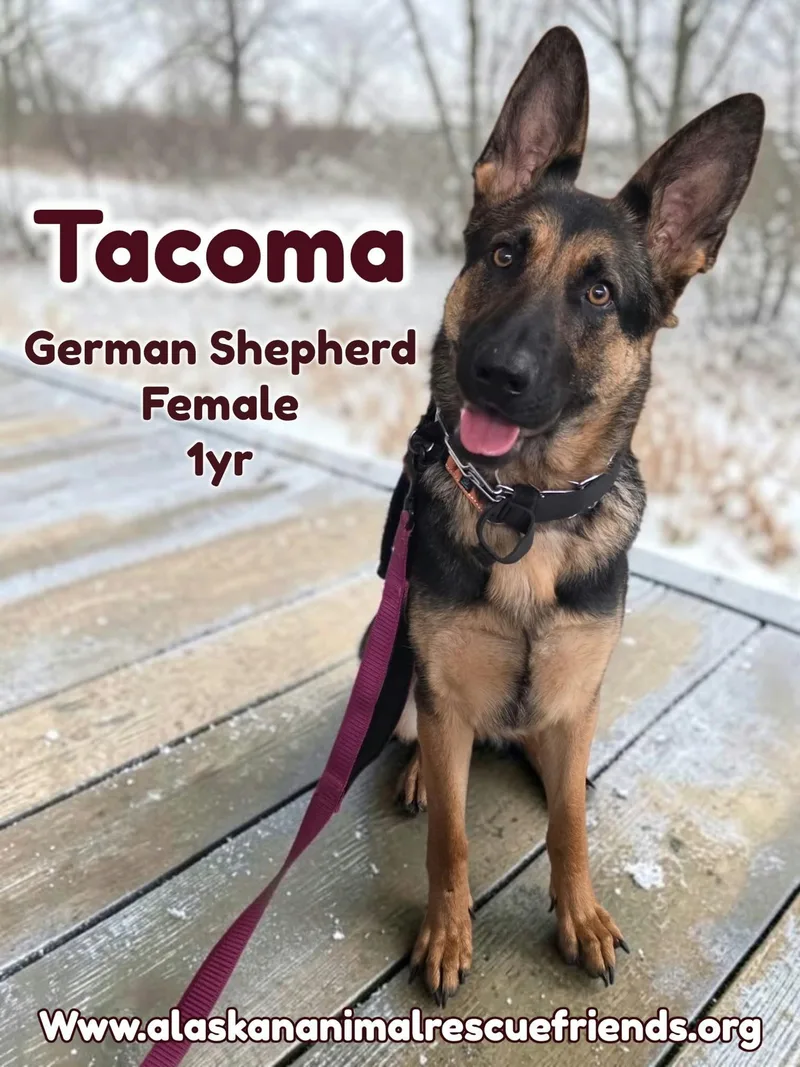
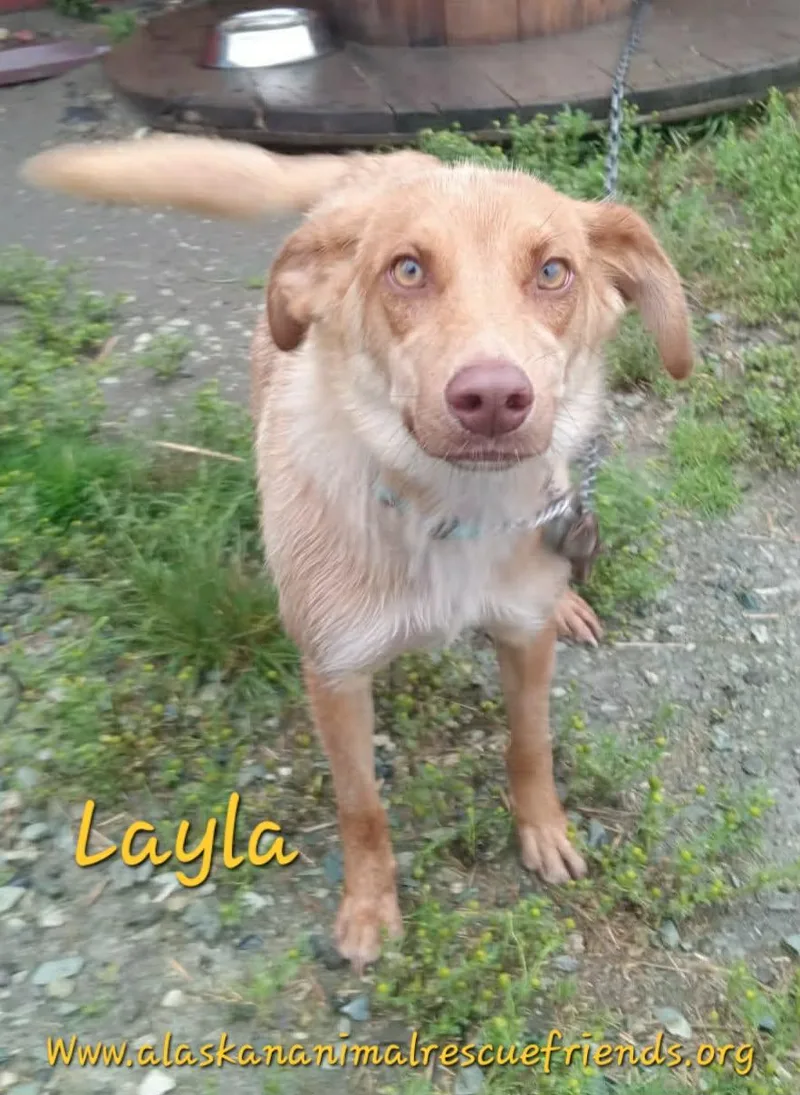
68 German Pinschers available in Anchorage and nationwide

Give a German Pinscher a home

While we don't have enough dogs near Anchorage, keep in mind that many rescues may offer transport.

German Pinschers Available for Adoption Near Anchorage

About the German Pinscher breed

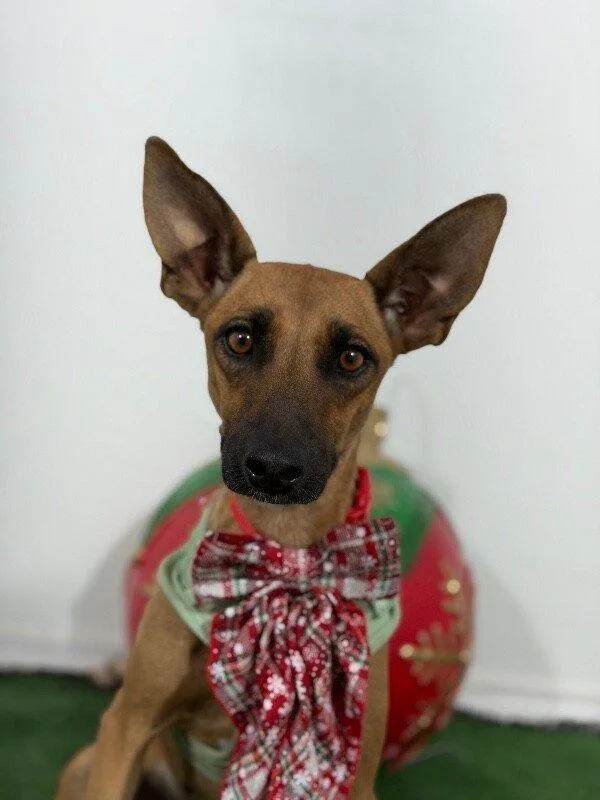
The German Pinscher is a sleek, medium-sized German farm dog, originally kept to catch rats in stables and guard carriages. It's the smooth-coated cousin of the Standard Schnauzer and helped give rise to the Doberman and Miniature Pinscher. The breed nearly vanished after World War II and remains uncommon today, with a short, glossy coat in red or black and rust over a square, muscular frame.

German Pinschers are often described as alert, fearless and quick-witted, affectionate with family and watchful with strangers. That ratting heritage brings a strong prey drive and plenty of determination. In Anchorage, those traits show up as a dog who wants a job on winter walks and needs a firm leash around wildlife. Dogs vary, and many turn out playful, devoted and easy to groom.

Weight
25–45 lbs
Height
17–20 in
Lifespan
12–14 yrs
Temperament
Alert, Energetic, Intelligent, Protective
Group
Working
Shedding
Low to Moderate

Owning a German Pinscher in Anchorage

Having a German Pinscher in Anchorage

This is a quick-reacting, watchful dog with an easy short coat. Its energy, independence and prey drive decide how much exercise and training it needs, and Anchorage's cold, dark winters add a few gear and routine considerations.

Temperament

German Pinschers are typically confident, curious and closely bonded to their families, often wary of strangers until introduced. Many are playful at home but test boundaries, and some push other dogs. With moose and bears in town, calm training and early socialization matter, since a keyed-up dog on a trail can be hard to settle.

Exercise Needs

Most need a brisk daily walk plus time to run and use their brains, such as fetch, flirt-pole games, scent work or agility. Dogs must be leashed outside designated off-leash areas in Anchorage, so the city's fenced off-leash parks are handy for real running. Indoor games fill dark winter days.

Health Considerations

Hip dysplasia, cataracts and von Willebrand's disease, an inherited bleeding disorder, are documented in the breed. A veterinarian can check hips and eyes and review clotting status before any surgery. Packed snow and ice melt are hard on paws, so wipe them after walks and watch for cracking or redness.

Living Space

A German Pinscher can live in an apartment or a house when daily exercise is covered. This agile breed can clear low fences, so a yard needs tall, secure fencing. Its short coat gives little protection from Anchorage cold, so it lives indoors with the family and may need a coat on winter outings.

What it costs to own a German Pinscher in Anchorage

ExpenseTypical costPer year
Food$35 to $70 per month$420 to $840
Pet insurance$45 to $85 per month$540 to $1,020
Routine vet care$225 to $450 per year$225 to $450
Other*$440 to $1,173 per year$440 to $1,173
Estimated yearly total (after year one)$1,625 to $3,483

Other costs are estimates and vary with size, age and health.

* The Anchorage dog license ($15 a year if spayed or neutered, $23 if not), flea, tick and heartworm prevention, a dental cleaning allowance, toys and bedding, and occasional baths and brushing.

Adopt a German Pinscher in Anchorage.

Now that you know more, let’s find you a new best friend. These rescues and shelters below have dogs available in and near Anchorage.

Rescues and Shelters in or near Anchorage

Anchorage has a city shelter and several rescues, and the ones below list dogs looking for homes. Here are the rescues & shelters in the Anchorage area with dogs available for adoption, worth asking whether a German Pinscher is coming in.

Frequently Asked Questions

Yes, with preparation. A German Pinscher's short coat offers little insulation, and Anchorage winters bring highs around 25°F, lows near 13°F and some sub-zero nights. Use a fitted coat and boots, keep outdoor time short in the deepest cold, and walk with a light or reflective gear because December days are short. Indoor games help burn energy.

Yes. Anchorage has no known breed-specific rules, and its dangerous-dog system is based on a dog's behavior, not its breed. Dogs four months and older need a city license and current rabies vaccination, and anyone with four or more dogs needs a multi-animal facility license. Landlords and insurers may set their own breed policies.

For off-leash running, try Russian Jack Springs Park or one of the city's fenced off-leash parks. Chester Creek Trail and the Tony Knowles Coastal Trail suit leashed walks. Moose and bears use these areas, so keep a German Pinscher leashed and close, since prey drive can override recall when something small or large moves.

Only in limited cases. Anchorage has People Mover buses but no subway, and pets are reported to ride in closed carriers. A German Pinscher usually weighs 25 to 45 pounds, too big for most carriers, so plan on driving or walking. Service animals are treated differently. Check current rules with People Mover before riding.

Yes, if its exercise is covered. A German Pinscher's medium size suits many Anchorage apartments, but the breed is alert and can get noisy when bored, and city code allows barking citations after five minutes without a break. Daily walks, puzzle games and quiet-time training help. Confirm the building's pet policy and deposit before signing.

Very little. The short, smooth coat needs a weekly brush and an occasional bath, and shedding is low to moderate. Winter care matters more: wipe paws after walks to remove ice melt and check for cracked pads. Grooming is a small part of yearly Other costs, since most owners handle it at home.

Usually not. Alaska's food code bars pet animals from food establishments, with exceptions for service animals, and patio policies vary by restaurant, so don't count on seating. Outdoor trails and events are an easier way to include a German Pinscher in your day, and meals out are best done without the dog.

Yes, German Pinschers shed, but only lightly to moderately. Their short, smooth coat drops small hairs year-round, with slightly more during seasonal changes. Weekly brushing with a rubber curry or grooming mitt removes most loose hair and keeps the coat shiny. Compared with double-coated breeds, cleanup is easy, though short hairs can still cling to fabric.

German Pinschers are not aggressive by nature, and the breed standard penalizes unprovoked attacks. They are fearless, protective and wary of strangers, though, and some can be pushy or reactive with other dogs. Good socialization from an early age, steady training and enough exercise make a big difference. An adopted adult's history is the best guide to its behavior.

Expect roughly $1,600 to $3,500 a year for a German Pinscher in Anchorage, covering food, insurance, routine vet care and other costs. Food runs $35 to $70 a month, insurance $45 to $85 a month, routine vet care $225 to $450 a year, and other items $440 to $1,173 a year.