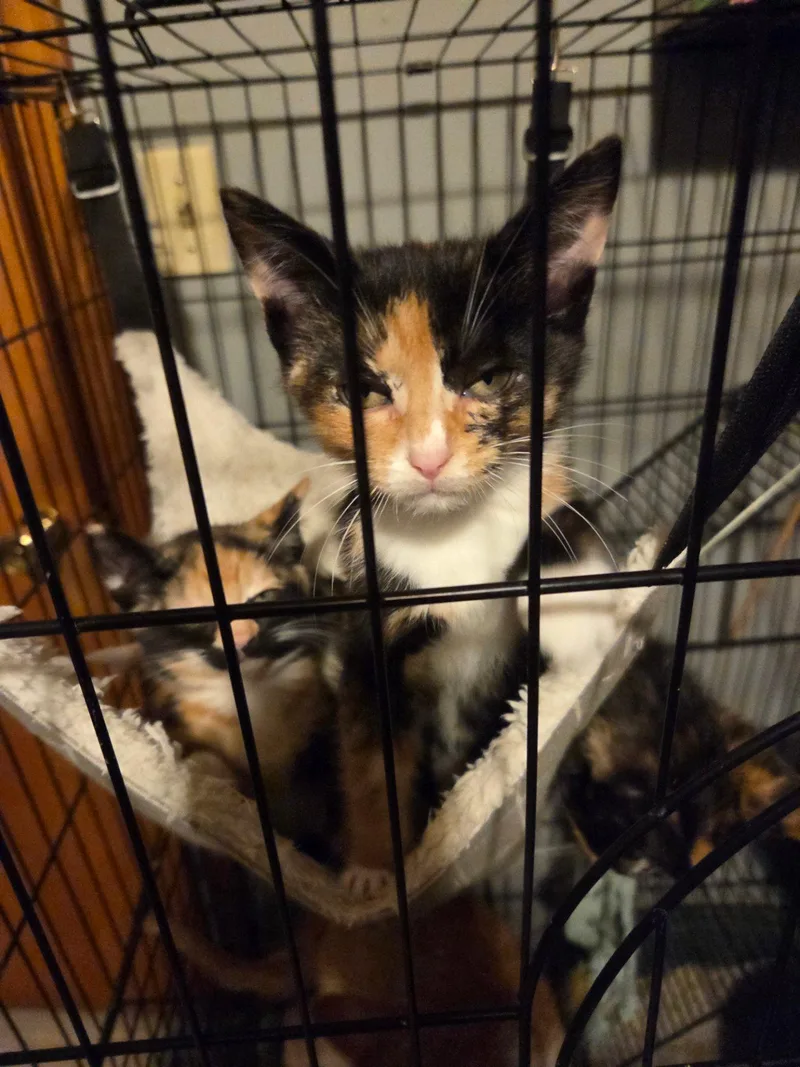
Ocicat Cats for Adoption in Charleston, WV

Your guide to finding and caring for an Ocicat in Charleston

An Ocicat suits a Charleston household where someone is home a good part of the day. In a brick East End apartment or a South Hills split-level, these social, athletic cats want company and somewhere to climb, and they'll often meet guests at the door. Many learn fetch and harness walking, so a quiet Kanawha City side street can work for a short supervised outing. The short spotted coat needs little more than weekly brushing.

18 Ocicats available in Charleston and nationwide

Say hello to your Ocicat

While we don't have enough cats near Charleston, keep in mind that many rescues may offer transport.

Ocicats Available for Adoption Near Charleston

About the Ocicat breed

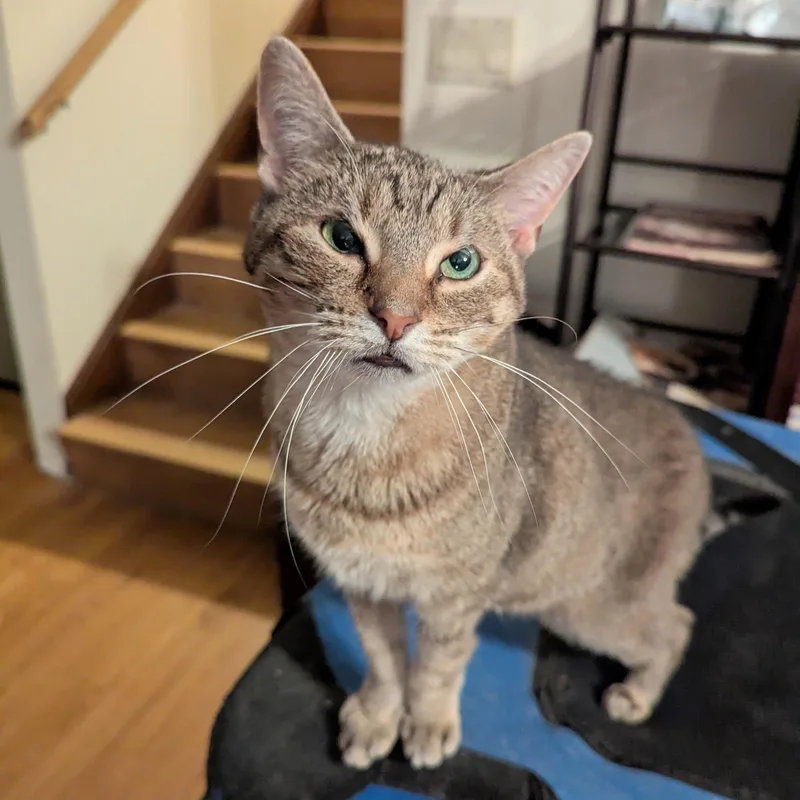
The Ocicat is a fully domestic breed that started in Michigan in 1964, when a pairing of Abyssinian and Siamese cats produced a spotted kitten that looked like a tiny ocelot. American Shorthairs were added later for size and silver coloring. Adults usually weigh 6 to 15 pounds and feel heavier than they look, thanks to a muscular build. The satiny coat comes in twelve colors, all with thumbprint spots.

Ocicats are often called dog-like. They tend to be devoted, curious about visitors and quick to learn games and simple cues. Most want daily play and company, and some struggle with long hours alone. In Charleston, that fits people who work from home, keep flexible schedules or already share the house with another playful pet.

Weight
6–15 lbs
Height
9–11 in
Lifespan
12–18 yrs
Temperament
Social, Active, Intelligent, Devoted
Shedding
Low to Moderate

Owning an Ocicat in Charleston

Having an Ocicat in Charleston

Ocicats are social, athletic and smart, so their needs revolve around company, play and climbing space. In Charleston, that mostly means a home where someone is around often and there's room to explore up high. Each cat's history and personality still vary.

Temperament

Ocicats are typically outgoing, confident and attached to their people, and many greet visitors instead of hiding. They usually dislike long stretches alone and may get vocal or anxious. Many get along with other cats and cat-friendly dogs after slow introductions, though each cat's background shapes how it handles change.

Exercise Needs

Plan on daily interactive play: wand toys, fetch, puzzle feeders and a tall cat tree. Many Ocicats take to a harness, but black bears turn up in Charleston neighborhoods such as Kanawha City and South Hills, so keep outdoor time short, supervised and close to your door.

Health Considerations

Ocicats can inherit conditions including hypertrophic cardiomyopathy, renal amyloidosis, pyruvate kinase deficiency and progressive retinal atrophy, though many cats are never affected. A veterinarian can go over a cat's records and recommend screening. Yearly exams, dental care and a healthy weight help catch problems early.

Living Space

Ocicats adapt well to apartments and houses alike, as long as they have vertical space, toys and company. Charleston's older East End apartment buildings and hillside houses in South Hills both work. Window perches, shelves and a sturdy cat tree matter more than square footage, and indoor living keeps them safest.

What it costs to own an Ocicat in Charleston

ExpenseTypical costPer year
Food$25 to $50 per month$300 to $600
Pet insurance$30 to $60 per month$360 to $720
Routine vet care$150 to $350 per year$150 to $350
Other*$450 to $1,150 per year$450 to $1,150
Estimated yearly total (after year one)$1,260 to $2,820

Other costs are estimates and vary with size, age and health.

* Litter, flea prevention, a dental cleaning allowance, toys, scratchers and climbing furniture, and minimal home grooming.

Adopt an Ocicat in Charleston.

Now that you know more, let’s find you a new best friend. These rescues and shelters below have cats available in and near Charleston.

Rescues and Shelters in or near Charleston

The Kanawha-Charleston Humane Association has served the city since 1935, and its adoptions include spay/neuter, vaccines and a microchip. Here are the rescues & shelters in the Charleston area with cats available for adoption, worth asking whether an Ocicat is coming in.

Frequently Asked Questions

Yes. Charleston has no known breed-specific rule for cats, and the Ocicat is a fully domestic breed. Cats must be vaccinated against rabies at six months old. The city's two-per-home limit applies to dogs, not cats, and there's no known cat license. Confirm that your lease allows cats before you apply.

Yes, if the apartment offers vertical space and company. Ocicats are active, so a tall cat tree, window perch and daily play matter more than square footage. About 37% of Charleston households rent, and landlords set their own pet terms, so get any cat fees or deposits in writing.

It can be, particularly for people who are home often or work flexible hours. Ocicats want company and daily play, and they handle apartments and hillside houses well. Winter ice and power outages call for a warm indoor plan, while summer needs a cool home. A cat left alone all day may struggle.

Mostly, because Ocicats live indoors. Winters are cold, with about 94 freezing nights and 31.5 inches of snow a year, and their short coat gives little insulation. Summers reach the mid-80s and turn humid. A heated or cooled home, warm beds and a carrier for outages keep an Ocicat comfortable.

For a harness-trained Ocicat, Kanawha State Forest allows leashed pets on its foot trails, Cato Park has hiking trails on the West Side, and Haddad Riverfront Park offers paths along the Kanawha River. Keep outings short and supervised, since bears and off-leash dogs can appear, and skip Magic Island when the river is high.

No. Kanawha Valley Regional Transportation Authority route timetables list no pets among the rider rules, though federal law allows service animals. For vet visits, plan on a car and a secure, well-ventilated carrier. Ocicats are active, so let your cat get used to the carrier at home first.

Very little. The short, satiny coat needs about a weekly brushing, a bit more when indoor winter heat dries the coat or during seasonal shedding. Grooming is minimal at home, so it adds little to the yearly Other costs, which are mostly litter, flea prevention, dental care and supplies. Keep up nail trims and teeth care.

An Ocicat is a domestic cat breed with a spotted coat that resembles a wild ocelot, though it has no wild ancestry. It was developed in the 1960s from Abyssinian, Siamese and American Shorthair cats. Ocicats are muscular, medium to large and come in twelve colors. Many are social, trainable and often called dog-like in personality.

No, Ocicats are not hypoallergenic. Their short, close-lying coat sheds lightly, but cat allergies are triggered mainly by proteins in saliva and skin that all cats produce. Some allergic people tolerate low-shedding cats better than others, but there is no guarantee. Spend extended time with the specific cat, and talk with your doctor, before adopting.

Expect roughly $55 to $110 a month for food and insurance combined, $150 to $350 a year for routine vet care, and $450 to $1,150 a year for other costs such as litter, flea prevention, dental care and supplies. That puts a typical year at about $1,260 to $2,820, before emergencies.

Explore Other Breeds in Charleston

Looking for a different breed? Browse other cats available for adoption in Charleston.