Chinchilla Cats for Adoption in Milwaukee, WI

Your guide to finding and caring for a Chinchilla in Milwaukee

Chinchilla cats suit Milwaukee's older flats and duplexes, where a calm lap cat and a sunny window are about all they ask for. The bungalows and Polish flats of Riverwest have plenty of quiet corners for one, and so do the two-story frame houses around Jackson Park. The silver coat needs a comb every day, so you'll want a spot to do it. They're indoor cats, happy to watch the street from a perch while the lake wind does whatever it likes.

224 cats similar to Chinchilla available in Milwaukee and nationwide

Give a Chinchilla cat a home

While we don't have enough cats near Milwaukee, keep in mind that many rescues may offer transport.

Chinchillas and Similar Breeds Available for Adoption Near Milwaukee

About the Chinchilla breed

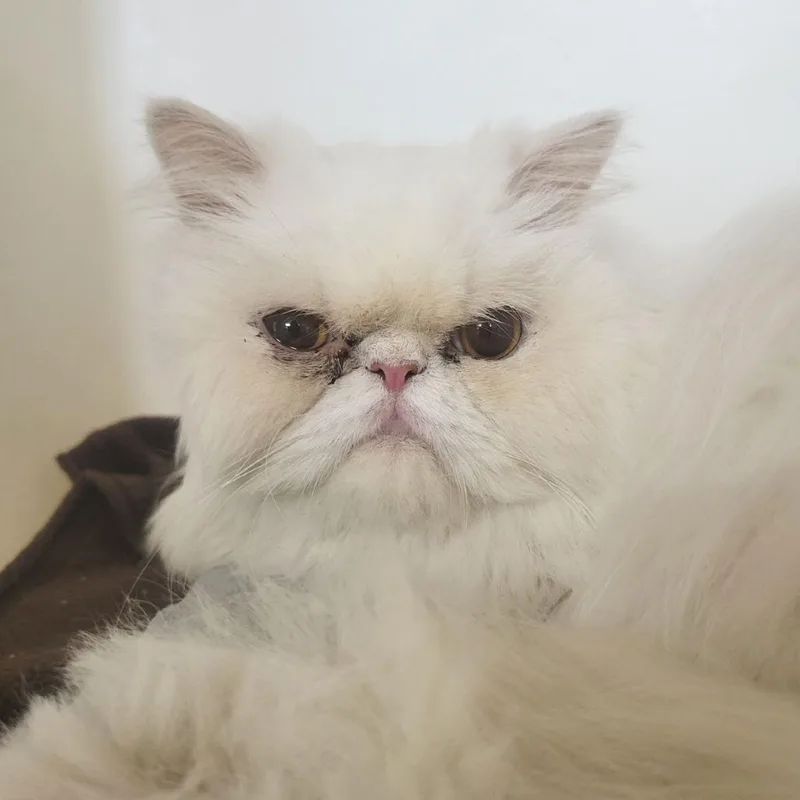
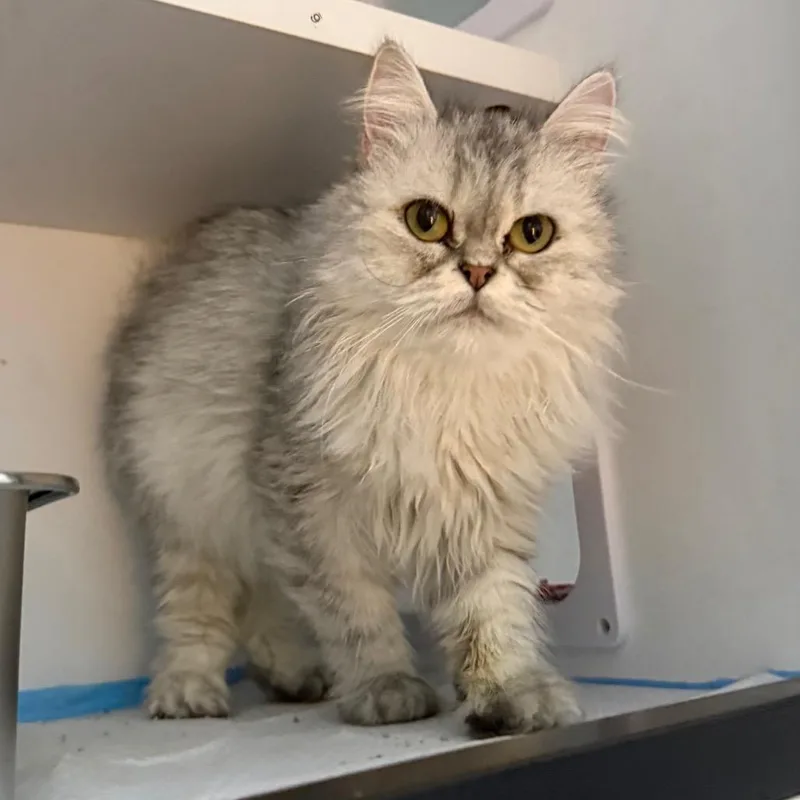
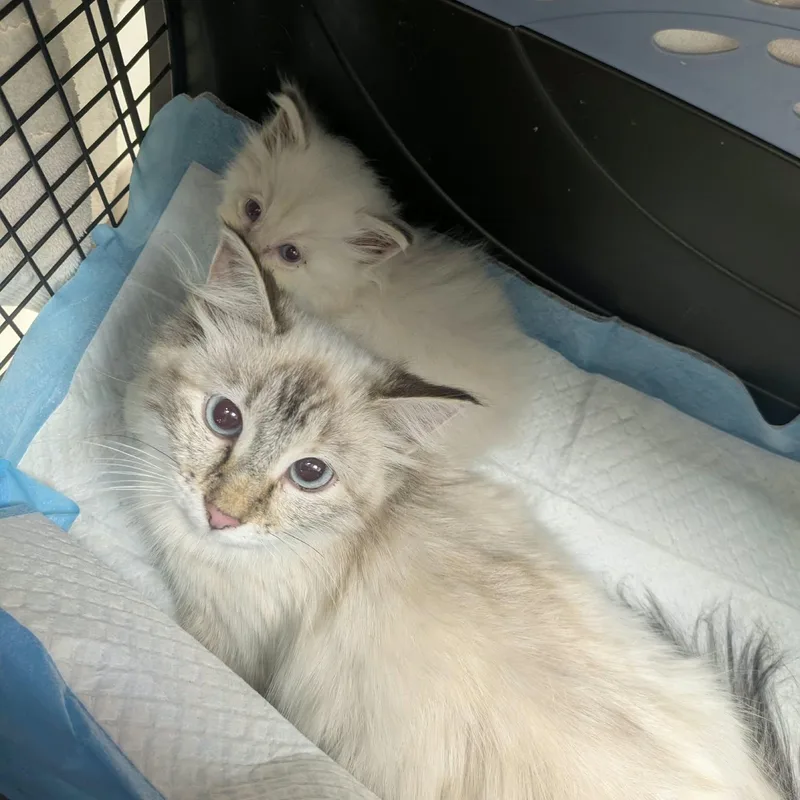
The Chinchilla is a Persian color more than a separate breed: each long white hair is tipped in black, which gives the coat its frosted-silver shimmer. The look goes back to an English cat named Silver Lambkin, born in 1882. Green or blue-green eyes with dark rims complete it, and kittens often start with blue eyes and faint tabby markings that fade as the tipping comes in.

Many Chinchillas share the Persian's calm, quiet, gentle manner and do best in predictable homes, though every cat varies. In Milwaukee, that fits a quiet apartment or duplex with a cool, comfortable room. The coat is the main commitment, with daily combing, regular baths and gentle face cleaning. Adopters should also plan for Persian health risks, including kidney disease and the breathing and eye problems that come with a flatter face.

Weight
7–12 lbs
Height
10–15 in
Lifespan
12–15 yrs
Temperament
Calm, Gentle, Sweet, Quiet
Shedding
High

Owning a Chinchilla in Milwaukee

Having a Chinchilla in Milwaukee

Chinchillas pair a showy silver coat with a mellow, home-loving nature. The cards below cover temperament, activity, health and space, with Milwaukee's rental housing and long, cold winters in mind. Expect the grooming routine to shape daily life more than anything else.

Temperament

Chinchillas tend to be placid and affectionate, happy to lounge nearby rather than climb the curtains. Many prefer quiet households and may hide from loud noise or boisterous children. In a Milwaukee duplex with upstairs neighbors, a calm routine and a quiet retreat room help. Each cat differs, so watch how a cat handles petting, visitors and other pets.

Exercise Needs

Most Chinchillas need only modest activity, but a few short play sessions a day keep weight in check, which matters through the long indoor winter. Wand toys, rolling balls and treat puzzles suit them. Low cat trees and floor-level toys work better than tall towers. Keep play gentle in warm rooms, since flat-faced cats overheat easily.

Health Considerations

Persian-type cats can inherit polycystic kidney disease, and flatter faces bring breathing trouble, tear staining, eye problems and dental crowding. Heart disease is also seen. Wipe the eyes daily and keep regular vet visits. A veterinarian can check the kidneys, heart, teeth and breathing soon after adoption and catch problems early.

Living Space

Apartments suit Chinchillas well, which is handy in a city of flats, duplexes and bungalows. They need a comfortable resting spot, an easy-access litter box and a place to be groomed more than room to roam. Keep the home cool in summer, since flat-faced cats handle heat poorly. Indoor living also protects the coat.

What it costs to own a Chinchilla in Milwaukee

ExpenseTypical costPer year
Food$25 to $50 per month$300 to $600
Pet insurance$30 to $60 per month$360 to $720
Routine vet care$150 to $350 per year$150 to $350
Other*$812 to $2,024 per year$812 to $2,024
Estimated yearly total (after year one)$1,622 to $3,694

Other costs are estimates and vary with size, age and health.

* The Milwaukee County cat license, litter, professional grooming or sanitary clips, flea prevention, a dental cleaning allowance, daily eye and face care supplies, and toys.

Adopt a Chinchilla in Milwaukee.

Now that you know more, let’s find you a new best friend. These rescues and shelters below have cats available in and near Milwaukee.

Frequently Asked Questions

Yes. Milwaukee has no breed-specific rules, and the main requirements are a county license for cats over five months old, a current rabies certificate and a registered microchip. Chinchillas are usually Persian or Persian-mix longhairs, so listings may use any of those labels. Watch the listings on this page, or save a search to hear about new cats.

Yes, Chinchillas are among the easier cats for Milwaukee apartments. They're calm, quiet and content with a window perch and a tidy grooming spot. Pick a unit that stays cool in summer, since flat-faced cats overheat, and secure screens on upper-floor windows. Daily combing and an easy-access litter box matter more than square footage.

Yes, as indoor cats. Their dense coat copes with cool rooms, and Milwaukee's winter lows around 17°F matter mostly for drafty spots and for any cat that slips outside. Give a Chinchilla a warm bed away from windows and keep combing, since long coats mat. A registered microchip helps if one bolts through a door.

Yes, in a carrier. MCTS buses allow animals only in a closed carrier that fits on your lap, and The Hop streetcar allows small pets in a cage or crate that fits on your lap. Milwaukee has no subway. A soft-sided carrier usually fits a 7 to 12 pound Chinchilla, and current MCTS fares are worth checking before you ride.

Plan on combing daily, with regular baths and daily eye and face wiping. Milwaukee's spring and fall coat changes bring heavier shedding, so mats form faster then. Many owners add occasional professional grooming or sanitary clips. Those costs, along with grooming supplies, fall under the Other line of the cost table on this page.

It can be, for someone home often enough to comb the coat daily and keep a quiet routine. Cold winters keep a Chinchilla comfortably indoors, and summers rarely turn hot, though a fan or air conditioning helps. Households with frequent loud gatherings may suit a sturdier, more outgoing cat better.

A Chinchilla cat is typically a Persian, or Persian-type longhair, with a silver-tipped coat: white hair with black only at the very tips, which gives a sparkling silver effect. Most registries consider it a Persian color variety rather than a separate breed. Chinchillas usually have green or blue-green eyes outlined in dark pigment and the Persian's calm, gentle personality.

Chinchilla cats typically live about 12 to 15 years, similar to other Persians, and some reach their late teens with good care. Insurance data suggests Persians as a group have a median lifespan somewhat over 12 years. Kidney disease is a major factor, so screening, a healthy weight and regular veterinary checkups help a Chinchilla live as long as possible.

Yes, Chinchilla cats often make lovely pets for calm households. Many are affectionate, quiet and gentle, happy to lounge near their people and undemanding about activity. The trade-offs are significant grooming, a tendency toward eye and breathing issues linked to their flatter faces, and possible kidney disease. They suit adopters who enjoy daily grooming routines and a peaceful home.

Expect roughly $1,620 to $3,700 a year for a Chinchilla in Milwaukee. That covers food at $25 to $50 a month, insurance at $30 to $60 a month, routine vet care at $150 to $350 a year, and $812 to $2,024 a year in other costs. Grooming, litter and dental care drive the higher end.