Burmese Cats for Adoption in Milwaukee, WI

Your guide to finding and caring for a Burmese in Milwaukee

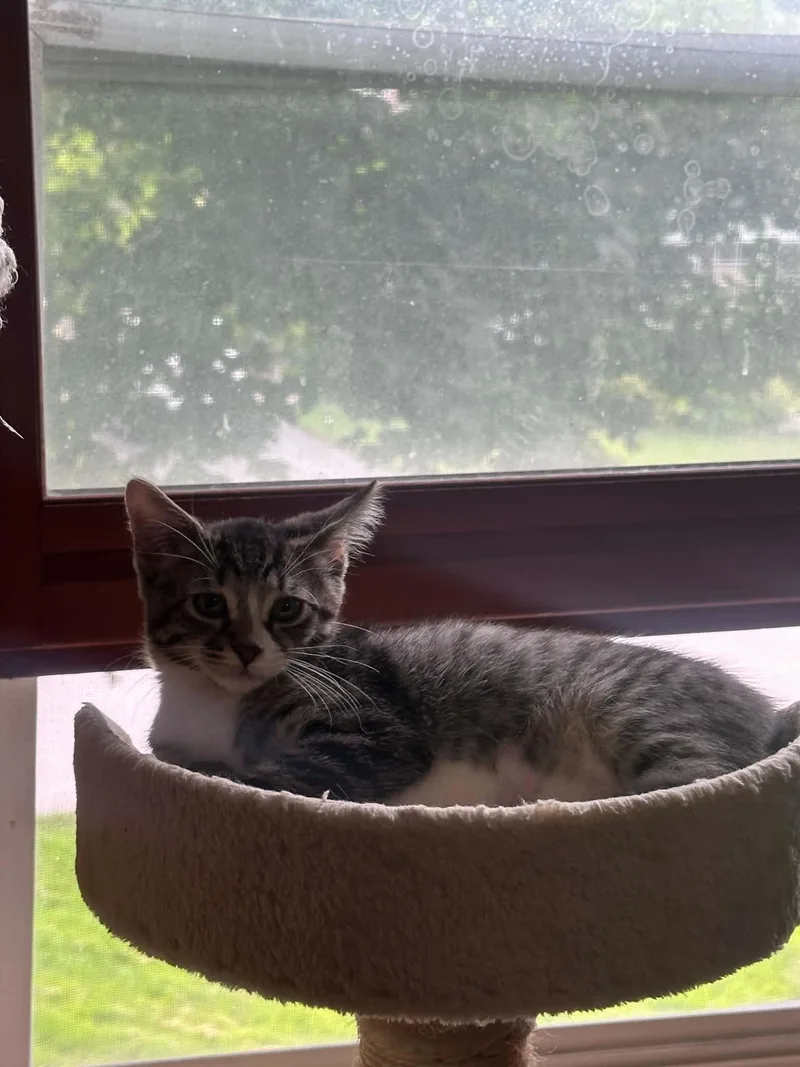
A Burmese suits Milwaukee's older flats and bungalows well, since this cat wants to be wherever you are. In Riverwest, where duplexes and bungalows are common, or in the Arts and Crafts houses of Washington Heights, a Burmese will claim the sunniest front window and follow you from room to room. They stay playful well into adulthood, so plan on daily wand-toy sessions, especially on long January evenings. They like company, so they do best when someone is home often.

24 Burmese available in Milwaukee and nationwide

Find your Burmese

While we don't have enough cats near Milwaukee, keep in mind that many rescues may offer transport.

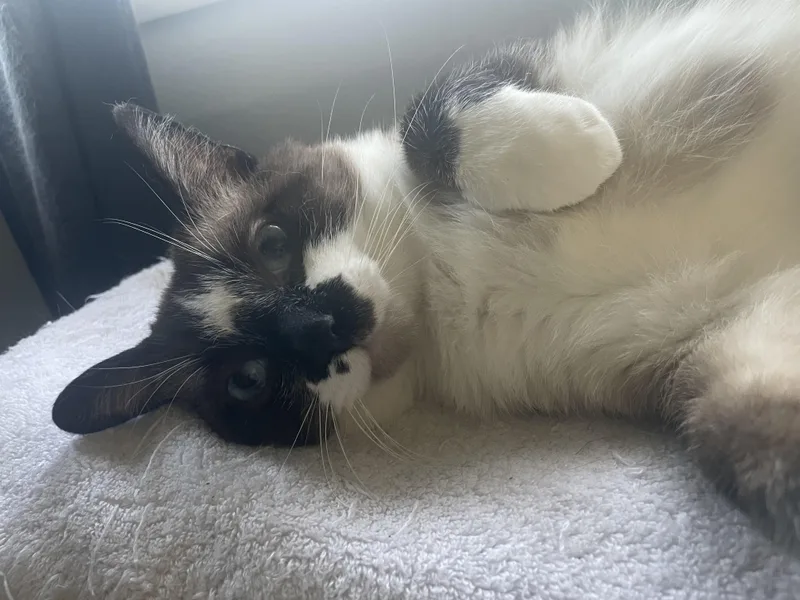
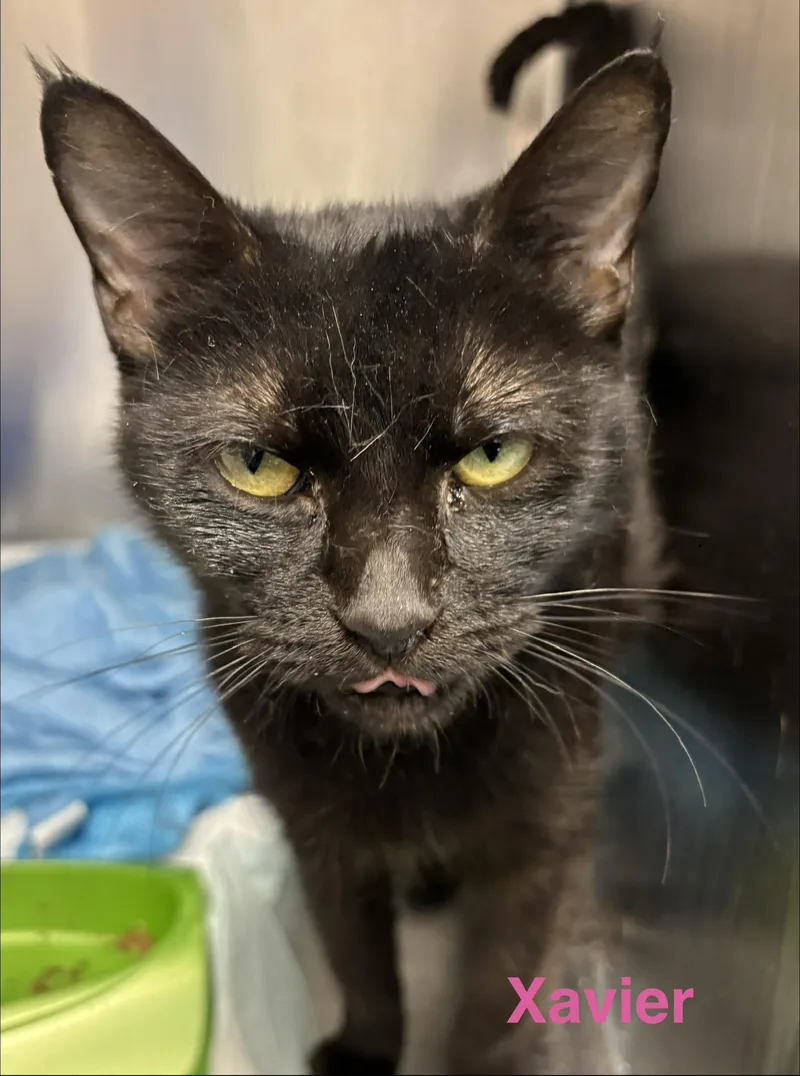
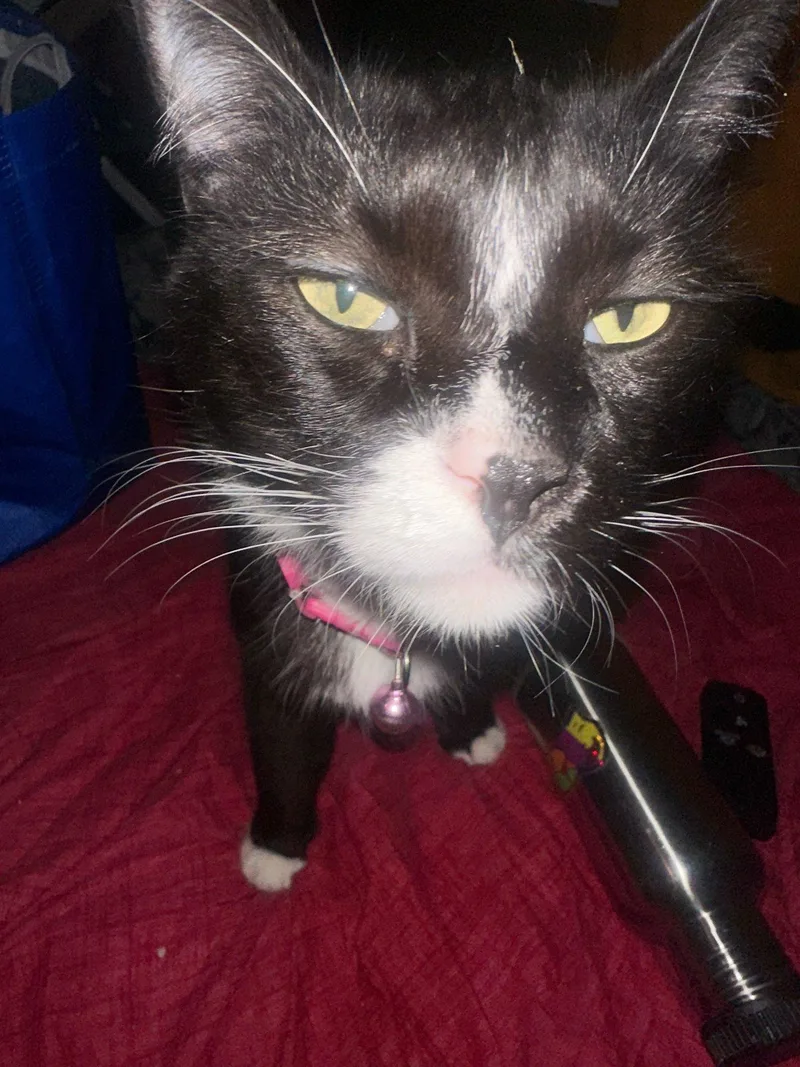
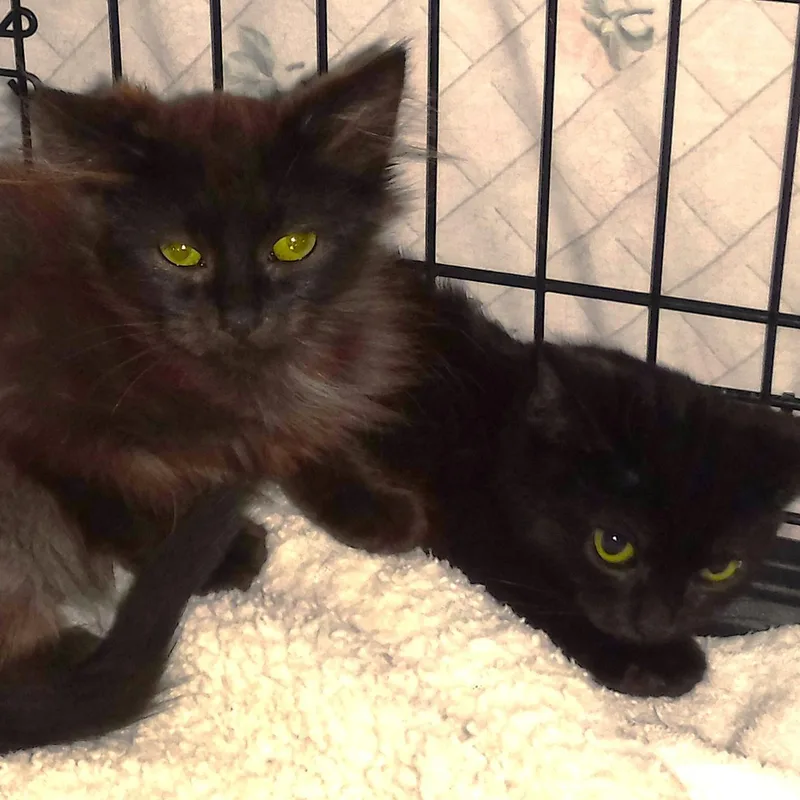
Burmese Available for Adoption Near Milwaukee

About the Burmese breed

Nearly every Burmese in America traces back to Wong Mau, a walnut-brown cat brought from Southeast Asia to San Francisco in 1930 and paired with Siamese cats to establish the line. The breed is compact, muscular and heavier than it looks, usually 8 to 13 pounds, with a short, glossy, satin-like coat and large gold eyes. Sable brown is the classic color, with champagne, blue and platinum also common.

That short coat takes only a weekly rubber-brush pass, so grooming rarely gets in the way of a busy schedule. What a Burmese asks for instead is time: these cats are people-focused and tend to suit homes where someone is around often or another pet offers company. Adopters should also know about a few inherited conditions, including diabetes, and that adult cats vary in personality.

Weight
8–13 lbs
Height
9–11 in
Lifespan
12–17 yrs
Temperament
Affectionate, Social, Playful
Shedding
Low

Owning a Burmese in Milwaukee

Having a Burmese in Milwaukee

A Burmese is a dense, satin-coated cat with a big need for company, lifelong playfulness, very easy grooming and a few breed-linked health risks. Those traits shape how well one fits a Milwaukee household's schedule, especially through long winters spent indoors.

Temperament

Burmese tend to be affectionate, sociable and curious, often described as dog-like for following people around and learning games. Many spread their affection across the whole family and get along with respectful children and cat-friendly dogs. They'll speak up for attention, though usually softly. Personalities vary, especially in adult cats, so spend time with the cat before deciding.
Exercise Needs

Most Burmese stay playful well past kittenhood. Plan on daily interactive play with wand toys and fetch-style games, plus puzzle feeders to keep a clever mind busy. Because Milwaukee winters keep cats indoors for months, a sturdy cat tree or wall shelves matter, since Burmese love to leap and climb.

Health Considerations

Burmese can be predisposed to diabetes, low potassium that causes periodic weakness, feline orofacial pain syndrome and, in some lines, a severe inherited head defect seen in kittens. The breed also has low genetic diversity. Keeping a Burmese lean, watching for excess thirst or weakness, and scheduling regular vet checkups with blood work as the cat ages helps catch problems early.

Living Space

A Burmese adapts well to a small apartment or a larger house as long as it has company, play and vertical space to climb. It usually does best as an indoor cat, with a secure window perch for watching the street. Many cope poorly with long hours alone, so a second compatible pet can help.

What it costs to own a Burmese in Milwaukee

ExpenseTypical costPer year
Food$25 to $50 per month$300 to $600
Pet insurance$30 to $60 per month$360 to $720
Routine vet care$150 to $350 per year$150 to $350
Other*$462 to $1,174 per year$462 to $1,174
Estimated yearly total (after year one)$1,272 to $2,844

Other costs are estimates and vary with size, age and health.

* The Milwaukee County cat license ($12 if spayed or neutered, $24 if not), litter, flea prevention, a dental cleaning allowance, toys, scratchers and climbing furniture, and minimal grooming for the short, satin coat.

Adopt a Burmese in Milwaukee.

Now that you know more, let’s find you a new best friend. These rescues and shelters below have cats available in and near Milwaukee.

Frequently Asked Questions

Yes, a Burmese fits Milwaukee well if someone is home a fair amount or another pet keeps it company. Long winters mean most of the cat's play happens indoors, so you'll want time for daily wand-toy sessions and a good cat tree. A Burmese left alone all day, every day, may struggle.

Yes, Burmese adapt well to apartments because they care more about company and play than square footage. Give the cat a window perch, a sturdy cat tree and plenty of scratchers, and confirm the building's pet terms in your lease first. Milwaukee's many duplexes and older flats offer good window light for a Burmese.

Burmese can handle a Milwaukee winter as indoor cats, but they shouldn't be left outside. The city sees about 123 freezing nights and roughly 49 inches of snow a year, and the short coat offers little insulation. Provide a warm bed away from drafts and a heated spot to curl up in.

Yes, but only in a closed carrier that fits on your lap. That's the rule on MCTS buses, including CONNECT 1, and on The Hop streetcar. Milwaukee has no subway. At 8 to 13 pounds, most Burmese fit a lap-sized carrier, which makes vet trips by bus realistic. Check current fares with MCTS.

A weekly pass with a rubber brush is usually enough for a Burmese, since the short, satin coat sheds lightly and has little undercoat. Milwaukee's dry heated indoor air in winter doesn't change that much. Professional grooming is rarely needed, so it adds little to the yearly Other costs. Add regular nail trims and tooth care.

A Burmese is a medium-sized, muscular shorthaired cat known for a glossy, satin-like coat, gold eyes and a famously people-oriented personality. Most American Burmese trace back to a single brown cat, Wong Mau, brought to San Francisco in 1930. They are playful, social and affectionate, and they come in sable, champagne, blue, platinum and other colors.

The name Burmese simply means from Burma, the country now called Myanmar. It refers to where the breed's foundation cat, Wong Mau, was believed to come from, in the region near the border between Burma and Thailand. Brown cats resembling the Burmese are thought to appear in old Thai cat manuscripts, long before the modern breed was developed in America.

Burmese cats are moderately vocal. They usually speak up when they want attention, food or company, but they are generally quieter than their Siamese relatives, with softer, sweeter voices. Many hold chatty conversations with their people and greet them at the door. Individual cats vary, and some are quite talkative while others rarely meow.

Burmese cats are safest kept indoors, with outdoor time limited to a secure catio, an enclosed garden or a harness and leash. Their trusting, people-loving nature can lead them to approach strangers, cars or other animals. Indoor living also lowers risks from traffic, disease and parasites. Window perches and play help satisfy their curiosity.

Plan on roughly $1,270 to $2,840 a year for a Burmese in Milwaukee. That covers food at $25 to $50 a month, insurance at $30 to $60 a month, routine vet care at $150 to $350 a year, and $462 to $1,174 in other yearly costs, including the county license, litter and dental care.

Find Burmese in Nearby Cities

Expand your search to find Burmese available for adoption near Milwaukee.