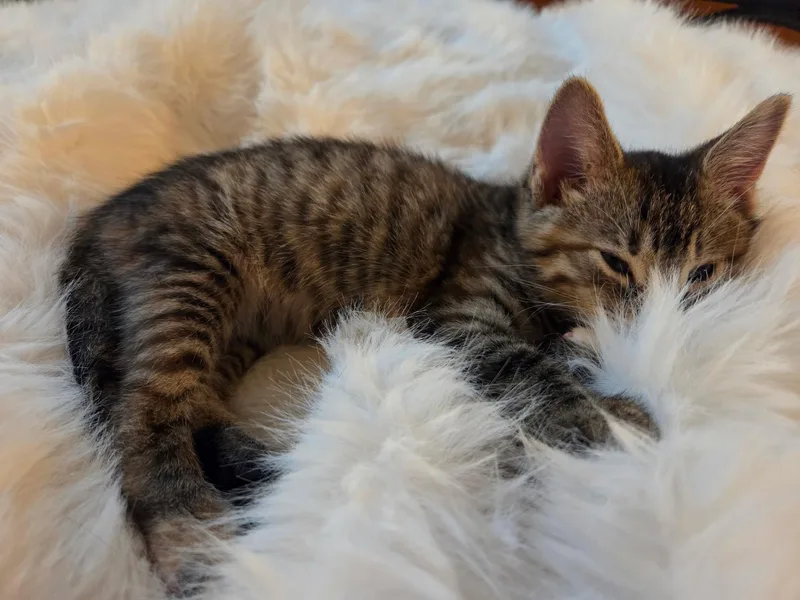
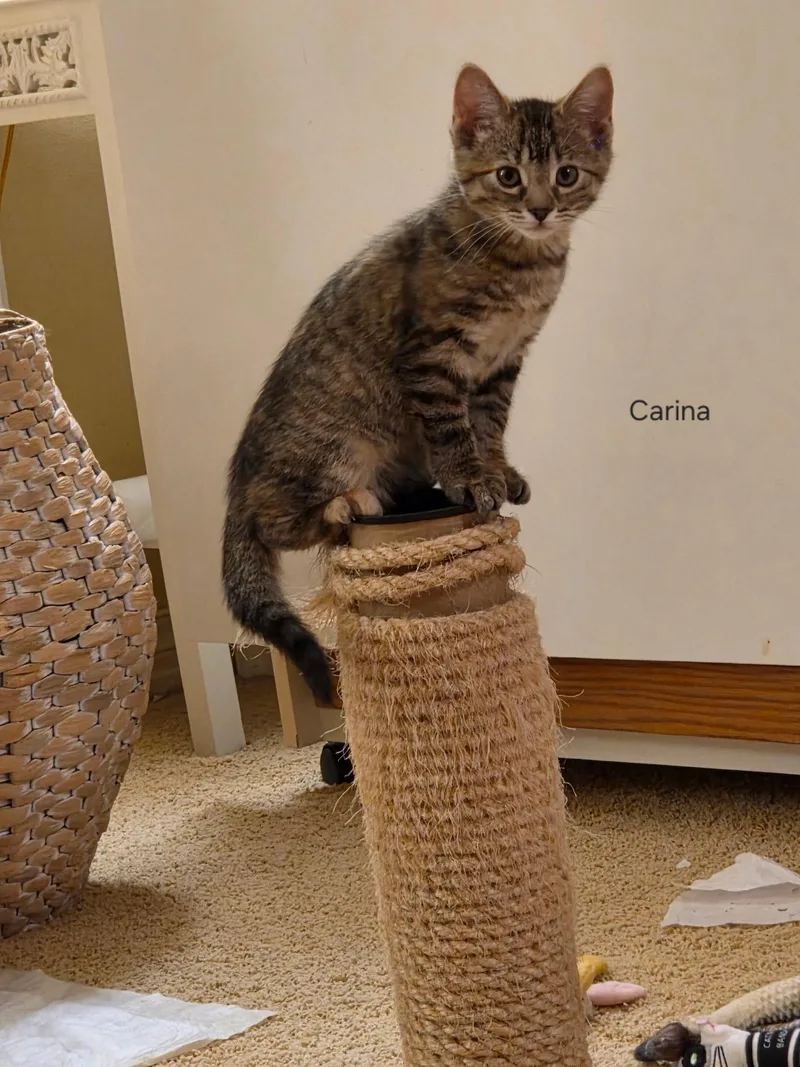
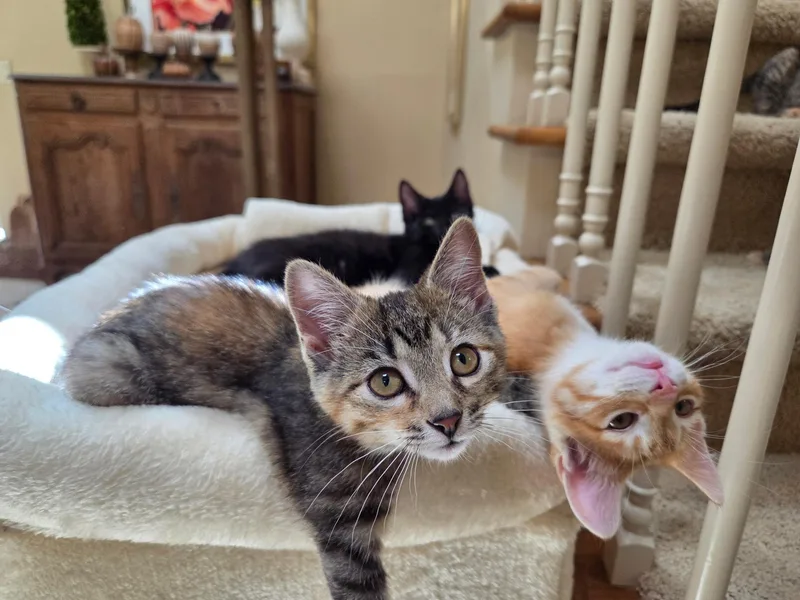
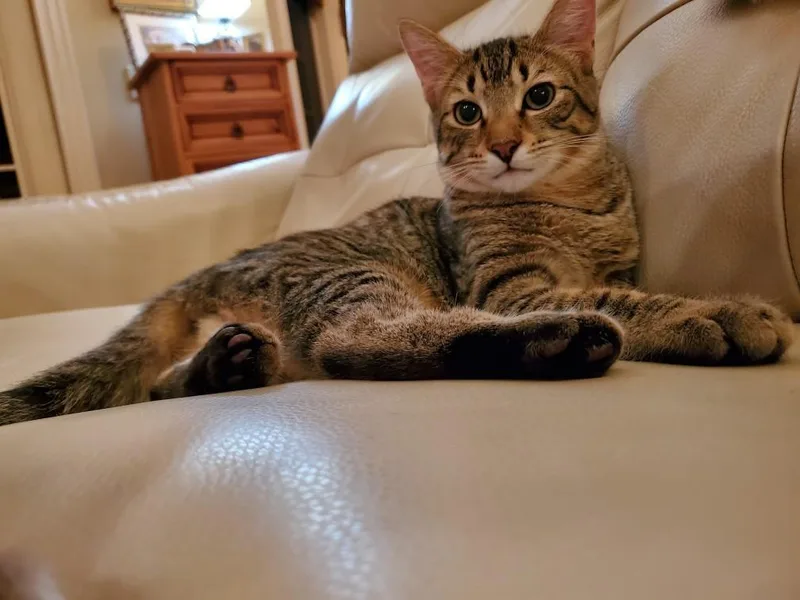
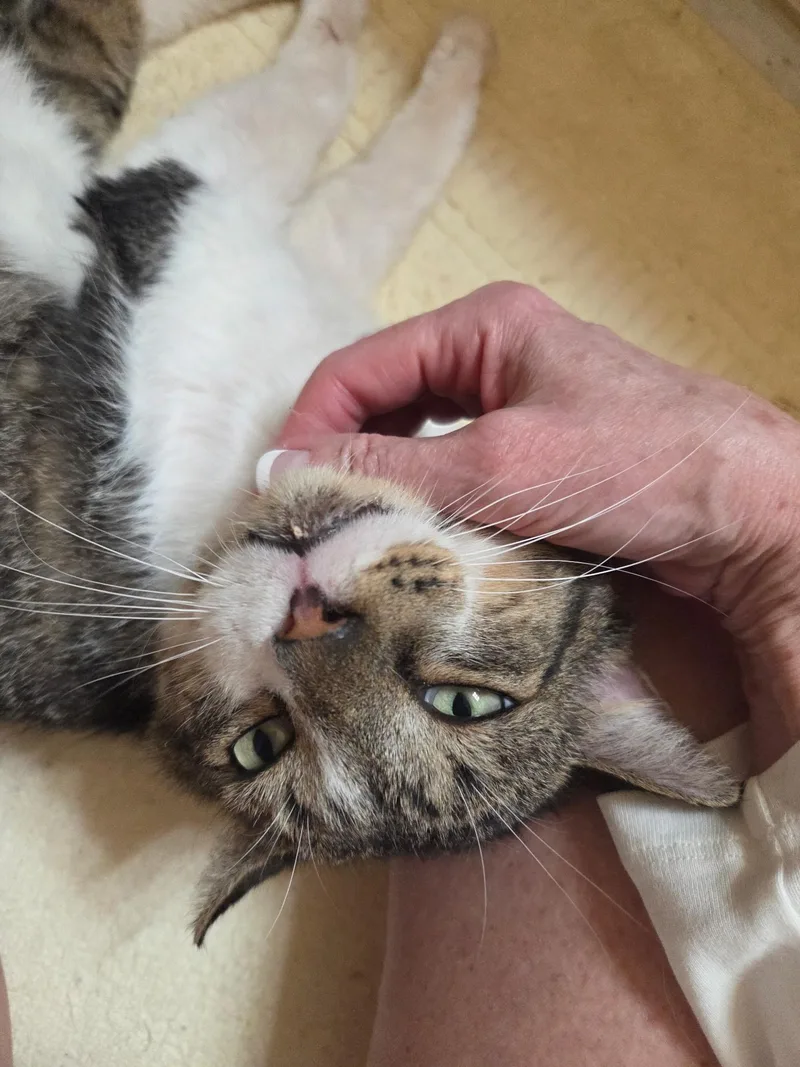
Domestic Short Hair Cats for Adoption in Kenosha, WI

Your guide to finding and caring for a Domestic Short Hair in Kenosha

A Domestic Short Hair fits Kenosha's mix of single-family homes, duplexes and small apartment buildings without much fuss. In Uptown or around Lincoln Park, a sunny window perch and a few play sessions a day are often enough for an indoor cat. DSH isn't a breed, just a short-coated cat of mixed ancestry, so personalities run from lap-sitter to shy watcher. Long winters mean more indoor time, which makes a cat tree by the window worth setting up.

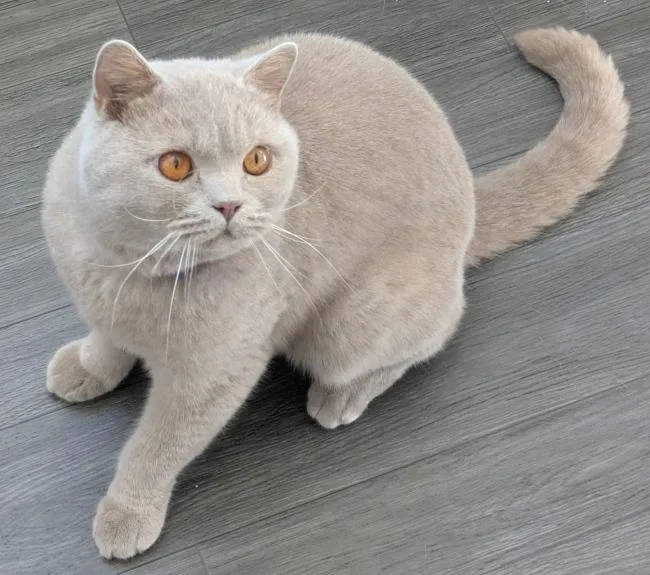
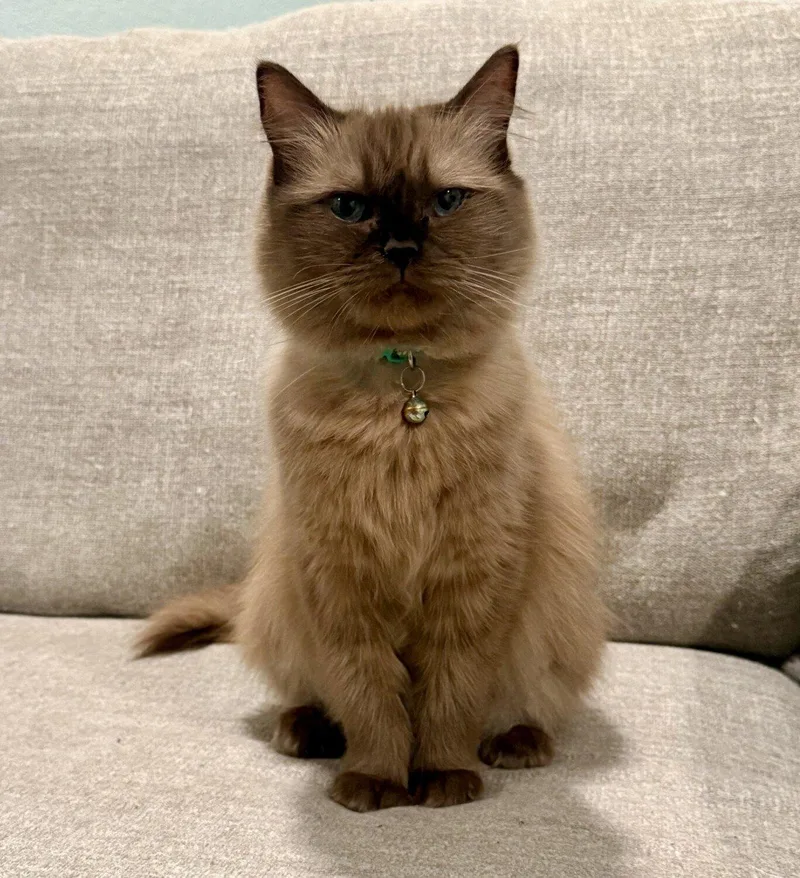
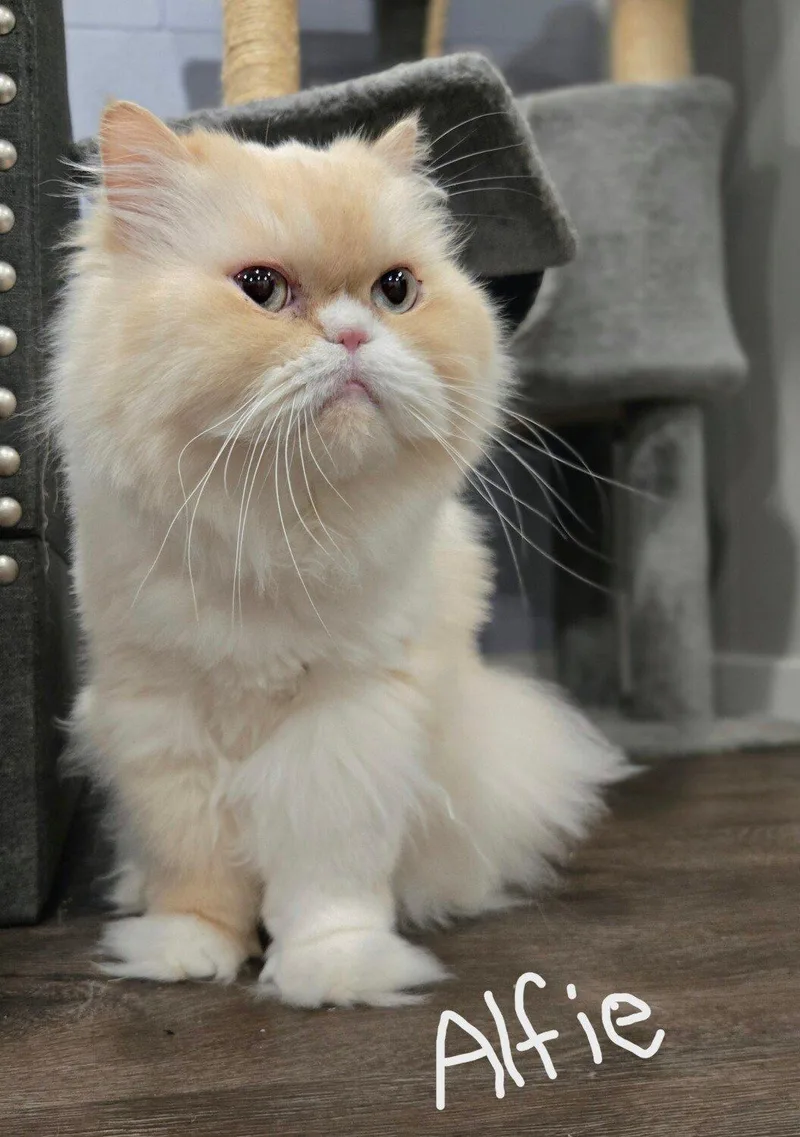
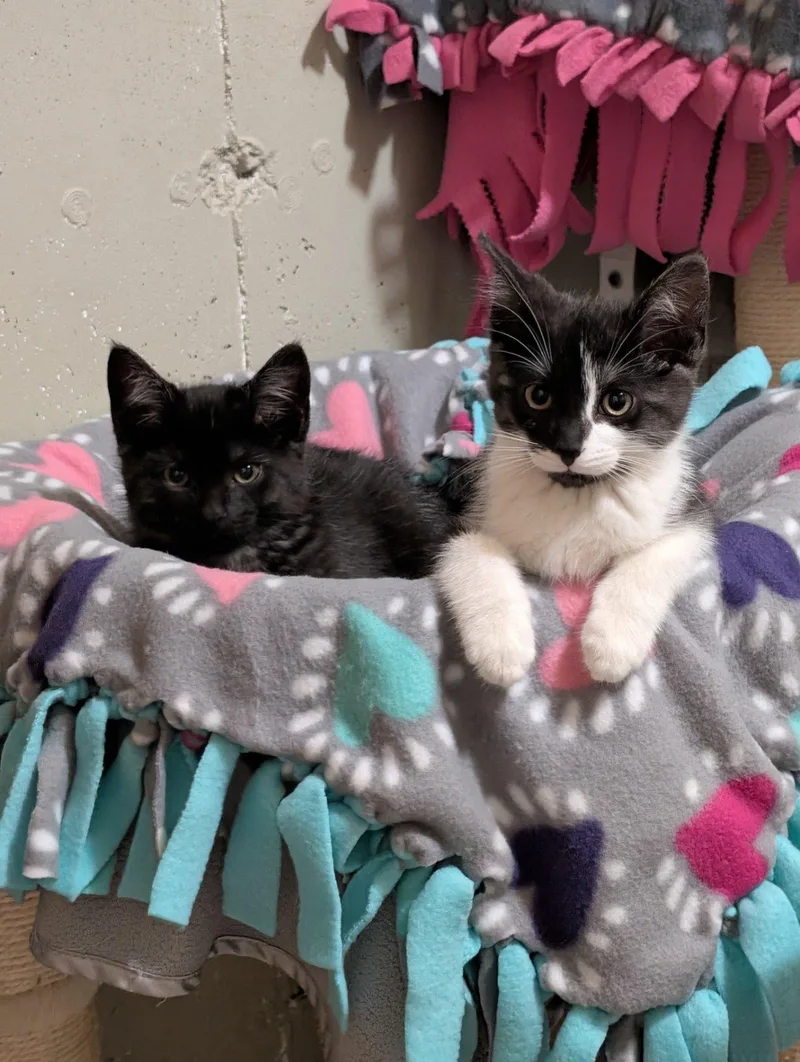
17 Domestic Short Hairs available for adoption in Kenosha

Find your Domestic Short Hair

Domestic Short Hairs Available for Adoption in Kenosha

About the Domestic Short Hair breed

Domestic Short Hair is a description rather than a breed: a short-coated cat of mixed or unknown ancestry, and the most common kind of cat in American homes. Records often shorten it to DSH. These cats come in every color and pattern, from tabby and tuxedo to calico and solid black, and most are medium-sized, roughly 6 to 14 pounds.

Because the gene pool is so wide, personality varies more than looks do. Some DSH cats are lap cats, some are chatty, and some are happiest watching from a high shelf. In Kenosha, where cats are licensed and count toward a household pet limit, a cat's age and energy will tell you more than coat type. The short coat only needs a weekly brushing.

Weight
6–14 lbs
Height
8–10 in
Lifespan
12–18 yrs
Temperament
Adaptable, Curious, Affectionate
Shedding
Moderate

Owning a Domestic Short Hair in Kenosha

Having a Domestic Short Hair in Kenosha

DSH cats share a practical short coat, but little else is fixed. Age, energy and sociability differ from cat to cat, so the pets listed on this page are best compared one by one, with Kenosha's cold winters and housing mix in mind.

Temperament

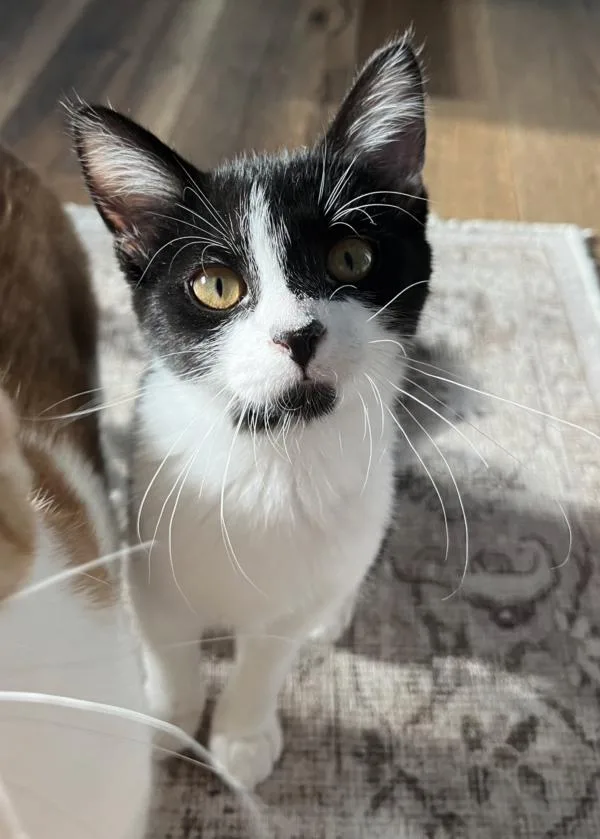
DSH cats range from outgoing lap cats to quiet observers. Many adapt to new homes, other cats and calm dogs after gradual introductions. Kittens tend to be bold and playful, while adults show settled personalities. In a Kenosha duplex or apartment, a confident cat may enjoy street activity from a window, while a shy one wants a hiding spot.
Exercise Needs

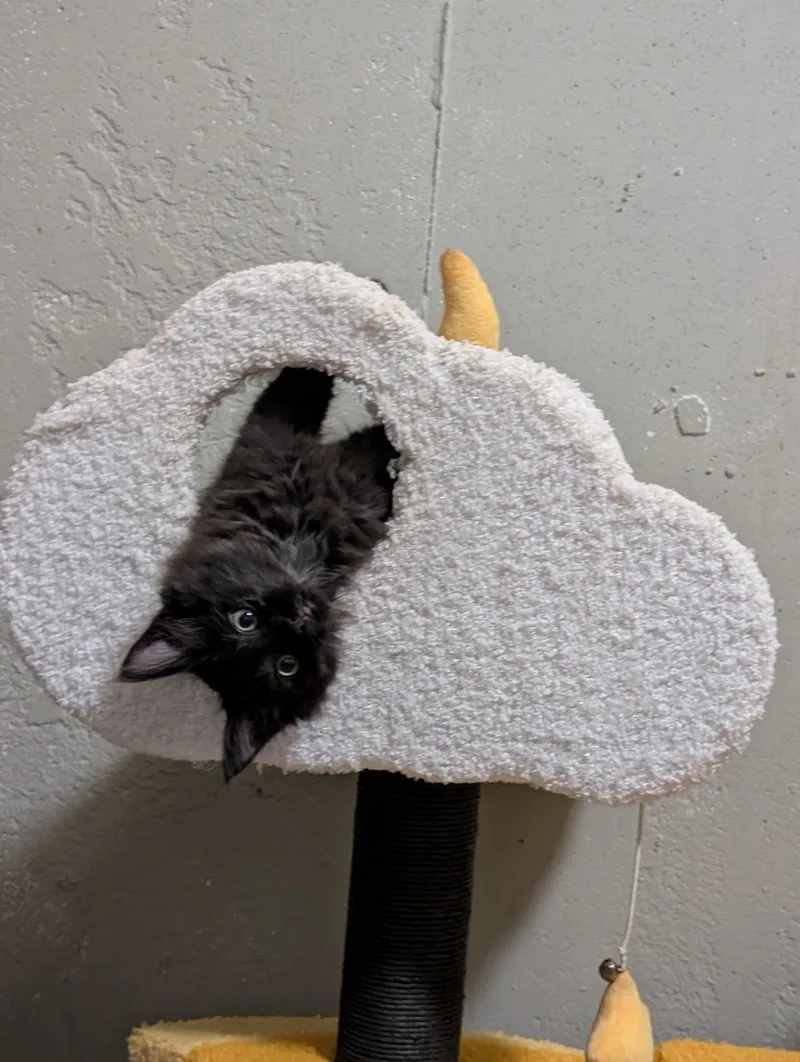
Daily interactive play keeps indoor cats fit. Wand toys, chase games and food puzzles use up energy, and young cats may want several short bursts a day. With Kenosha's long winters keeping everyone inside, add climbing shelves, a window perch and scratching posts so stimulation doesn't depend on the weather.

Health Considerations

DSH cats can get obesity, dental disease and urinary problems, and older cats often face kidney disease, hyperthyroidism and diabetes. Mixed ancestry may lower some inherited risks but doesn't remove common feline ones. A Kenosha veterinarian can check weight, teeth and bloodwork at wellness visits, and the city's rabies vaccination requirement for cats keeps shots on schedule.

Living Space

DSH cats usually do well in the apartments, duplexes and single-family homes that make up Kenosha's housing. Climbing shelves, scratchers, quiet retreats and a clean litter box matter more than square footage. Keep window screens secure, since falls from upper-floor windows and balconies happen, and keep the cat indoors or in a secure enclosure.

What it costs to own a Domestic Short Hair in Kenosha

ExpenseTypical costPer year
Adoption fee$90 to $100, one time$90 to $100 in year one
Food$25 to $50 per month$300 to $600
Pet insurance$20 to $45 per month$240 to $540
Routine vet care$150 to $350 per year$150 to $350
Other*$450 to $1,150 per year$450 to $1,150
Estimated yearly total (after year one)$1,140 to $2,640
First-year total (with adoption fee)$1,230 to $2,740

Adoption fee is the range of fees on Domestic Short Hair listings in Kenosha on GetBuddy today. Other costs are estimates and vary with size, age and health.

* Litter, the annual City of Kenosha cat license, flea prevention, a dental cleaning allowance, toys, scratchers and other supplies, and minimal home grooming.

Adopt a Domestic Short Hair in Kenosha.

Now that you know more, let’s find you a new best friend. These rescues and shelters below currently have Domestic Short Hairs available.

Rescues in Kenosha with Domestic Short Hairs Available

Kenosha's rescue community includes the Wisconsin Humane Society's Kenosha Campus, serving the whole county. Here are the rescues & shelters in the Kenosha area where you can find Domestic Short Hairs and other cats available for adoption.

Frequently Asked Questions

Yes. Kenosha has no known restriction on cat types, and a DSH cat needs an annual city license, current rabies vaccination and a license tag unless microchipped. Keep the household within three dogs and cats combined, or five with a pet fancier permit. DSH cats are the most common cats in shelters, so watch the listings on this page and save a search for new arrivals.

Usually, yes, as long as the home works for an indoor cat through the winter. Kenosha's mix of houses, duplexes and apartments suits a cat that gets daily play, a window perch and a litter box in a quiet spot. Cats vary, so compare age and energy: kittens need more play, while seniors often prefer calm routines and sunny windows.

Yes. DSH cats adapt well to apartments, duplexes and small buildings, which Kenosha has plenty of. Floor space matters less than a tall cat tree, scratchers, a window perch and a litter box away from noisy appliances. Get pet permission in writing before signing, confirm any pet rent or deposit, and make sure upper-floor window screens fit snugly.

Yes, indoor DSH cats handle Kenosha winters well. Short coats give little protection against subzero nights, lake wind and ice, so keep cats inside with a warm bed away from drafts. Rock salt can irritate paws, so wipe them after any outdoor time, such as the walk to a vet appointment, and keep play sessions going daily.

Small ones can, in a carrier. Kenosha Area Transit has limited pets to animals in cages that fit on a lap, apart from service animals. Metra's Kenosha line allows small pets in enclosed carriers that fit on a lap or under the seat, though crews can refuse them on crowded trains. Check current rules and fares before riding.

Generally no. Wisconsin's food code lets restaurants admit only dogs to outdoor patios, and only when the restaurant opts in and posts a sign, so cats don't qualify. Plan on leaving your cat at home. A cat is happiest with a window perch and a steady routine, and carrier trips are best saved for the vet.

Very little. A weekly brushing handles loose hair, and a couple of sessions a week help in spring and fall, when coats shed more. Most DSH cats never need a groomer, so the yearly Other budget of $450 to $1,150 goes mostly to litter, flea prevention and a dental cleaning allowance.

Domestic shorthair cats typically live about 12 to 18 years, and many indoor cats reach their late teens or early twenties. Large UK veterinary studies have found mixed-breed cats tend to live slightly longer than pedigreed cats on average. Spaying or neutering, indoor living, a healthy weight, dental care and regular checkups all help a cat enjoy a longer life.

We have 2 rescues with Domestic Short Hairs available: Kenosha Forgotten Friends,Inc and Specialty Purebred Cat Rescue. You can see every rescue with Domestic Short Hairs available in the list above these questions, or scroll to the top to see the Domestic Short Hairs in Kenosha.

Expect roughly $25 to $50 a month for food, $20 to $45 for optional insurance, and $150 to $350 a year for routine vet care. Other costs, including litter, flea prevention, a dental cleaning allowance, supplies and the annual city license, add about $450 to $1,150 a year.

Explore Other Breeds in Kenosha

Looking for a different breed? Browse other cats available for adoption in Kenosha.