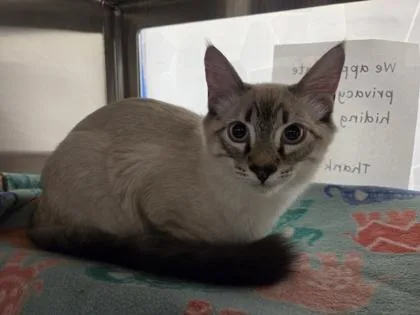
Dilute Tortoiseshell Cats for Adoption in Seattle, WA

Your guide to finding and caring for a Dilute Tortoiseshell in Seattle

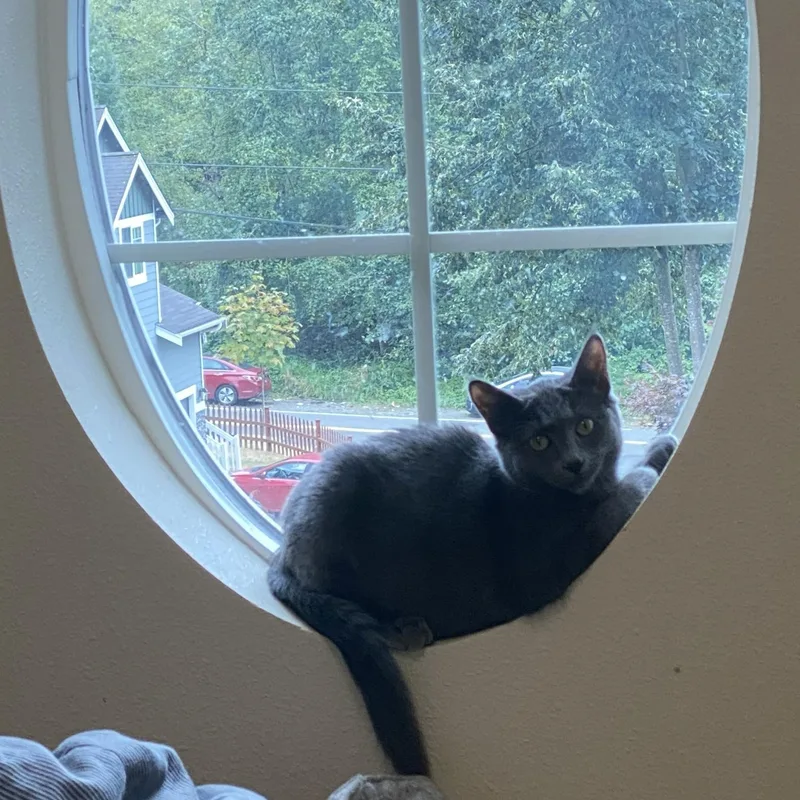
A dilute tortoiseshell cat suits Seattle's apartment buildings well, because most of the fun happens at a window. In a Columbia City townhome or a Wallingford apartment, a perch facing the street keeps a cat busy through the long gray stretches of winter. The blue-gray and cream coat is a color pattern, not a breed, so these cats vary a lot: some are shy, some bold. Most live happily indoors, which also keeps them clear of the coyotes that turn up in Seattle's wooded parks.

275 Dilute Tortoiseshells available in Seattle and nationwide

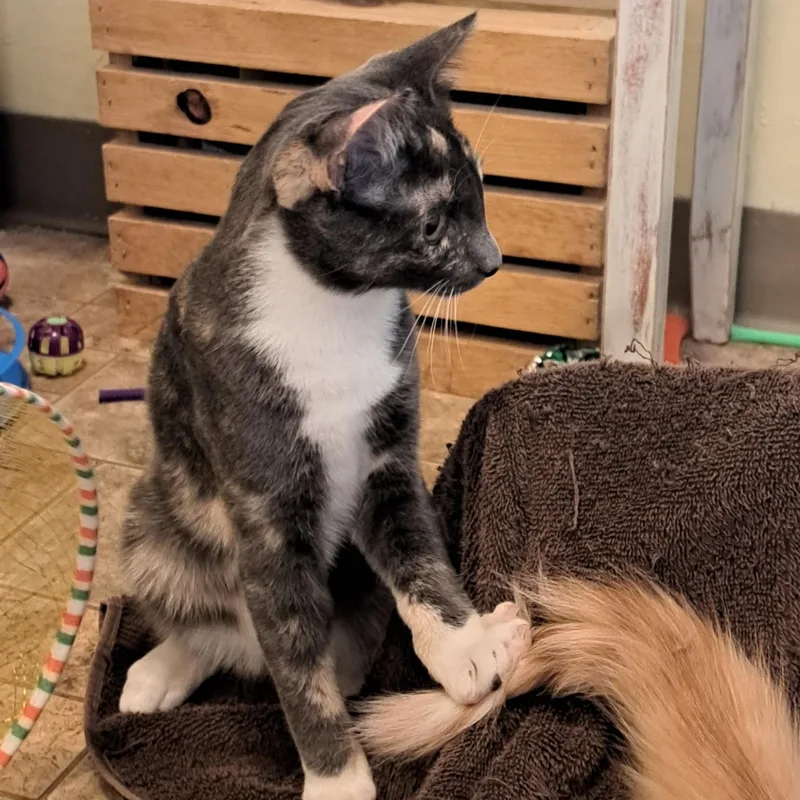
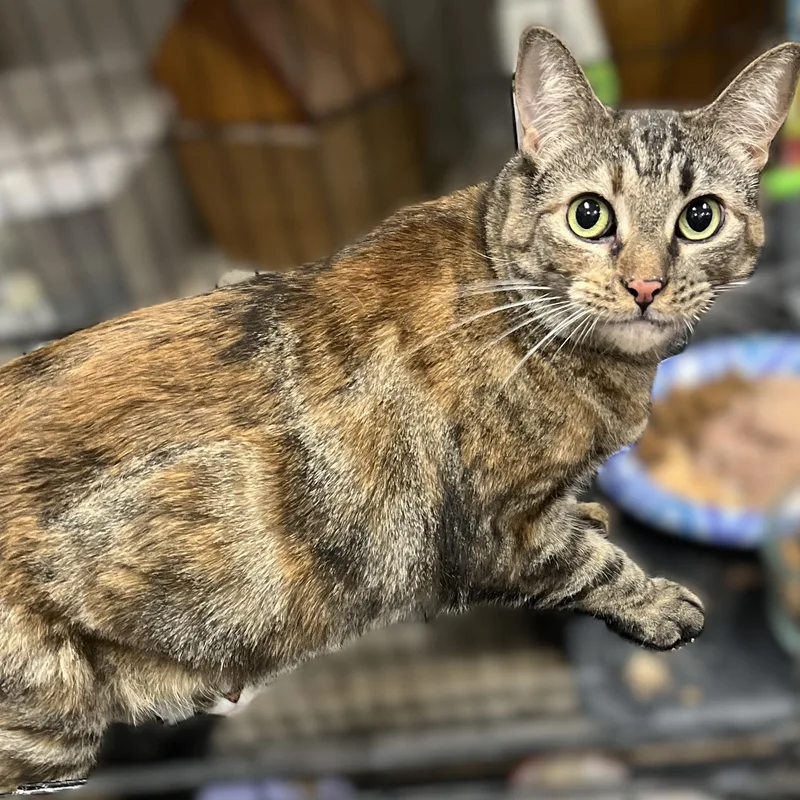
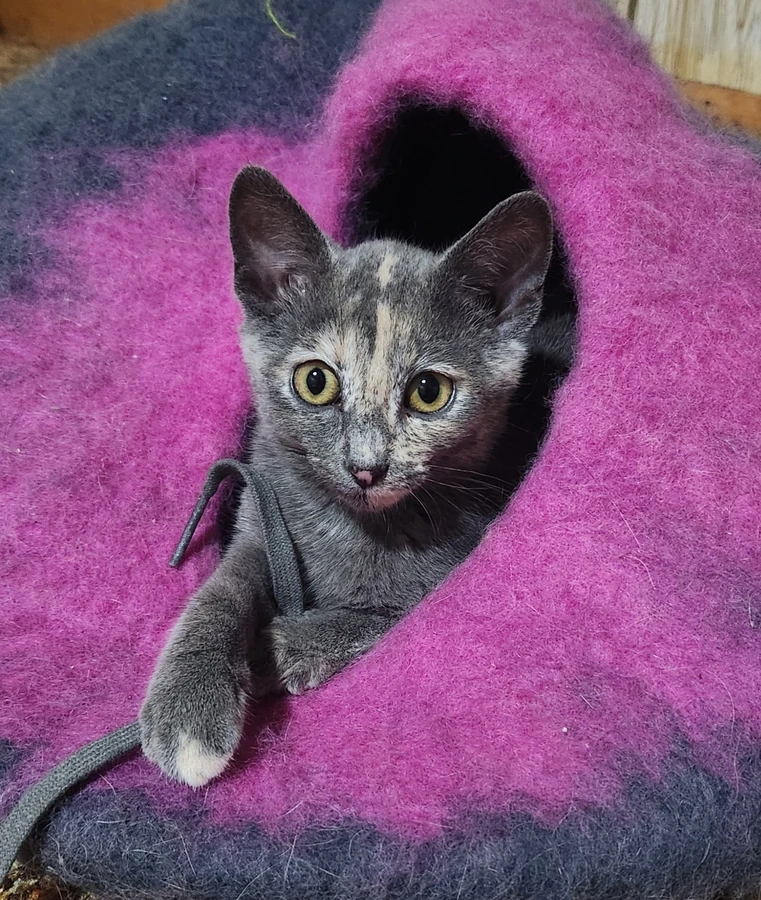
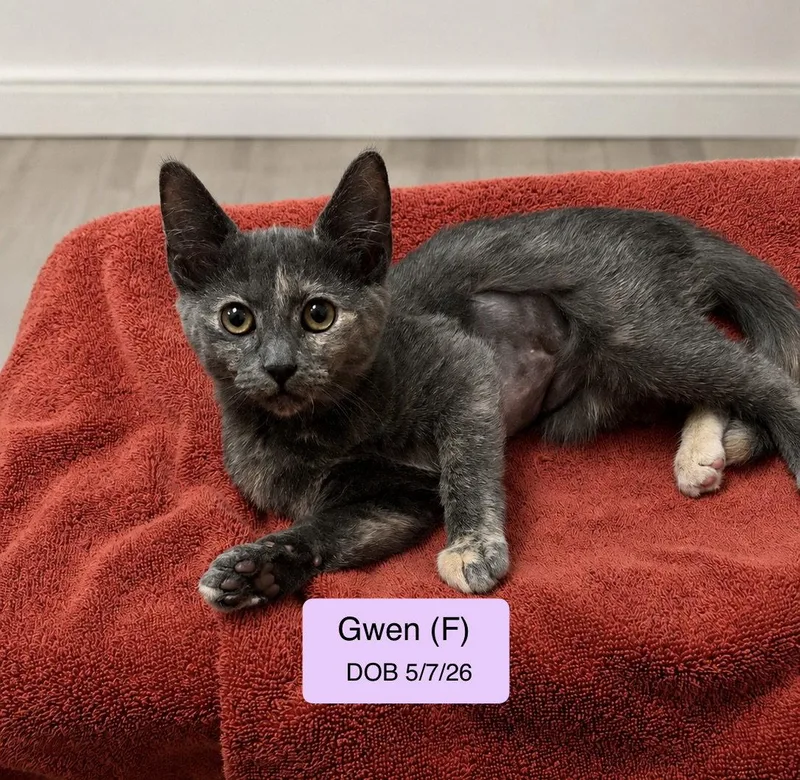
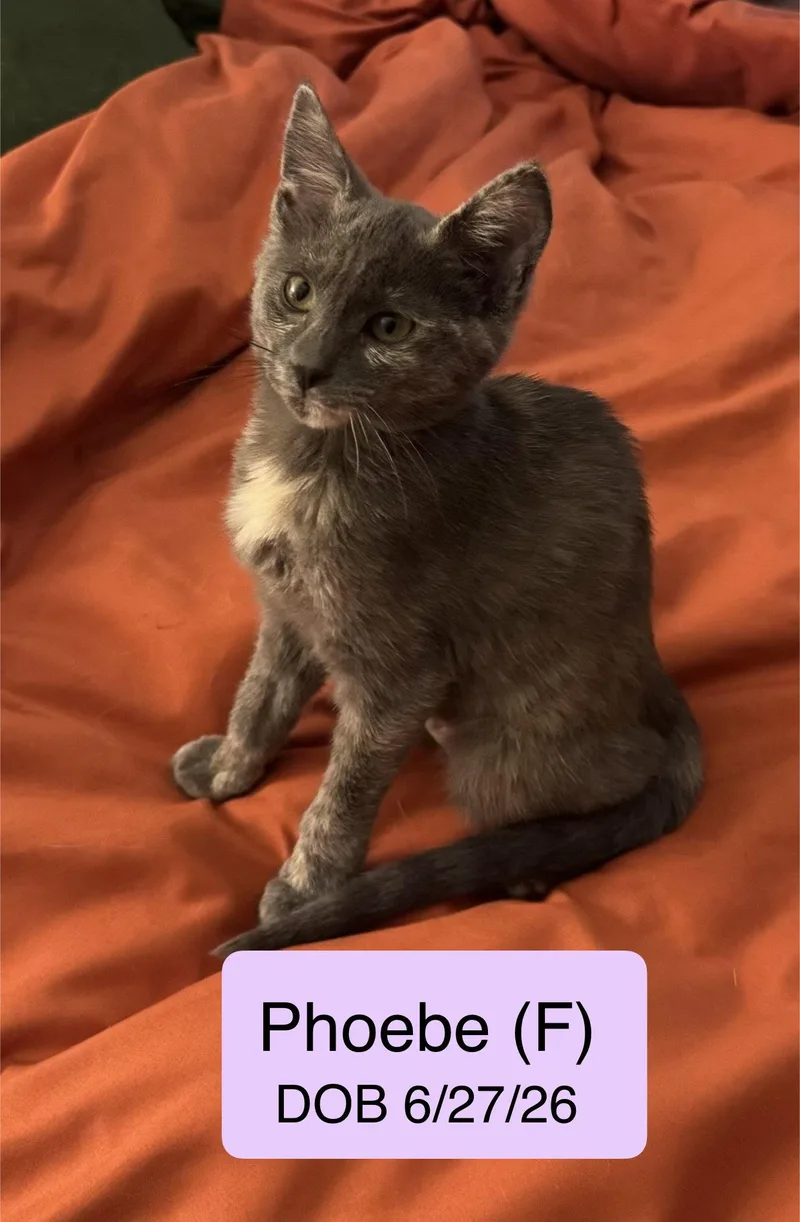
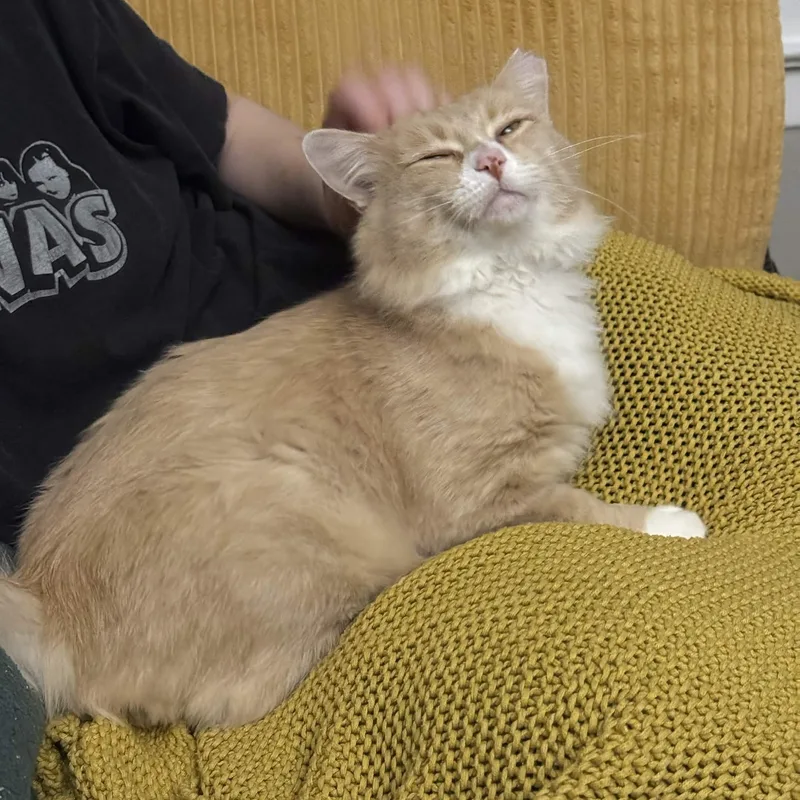
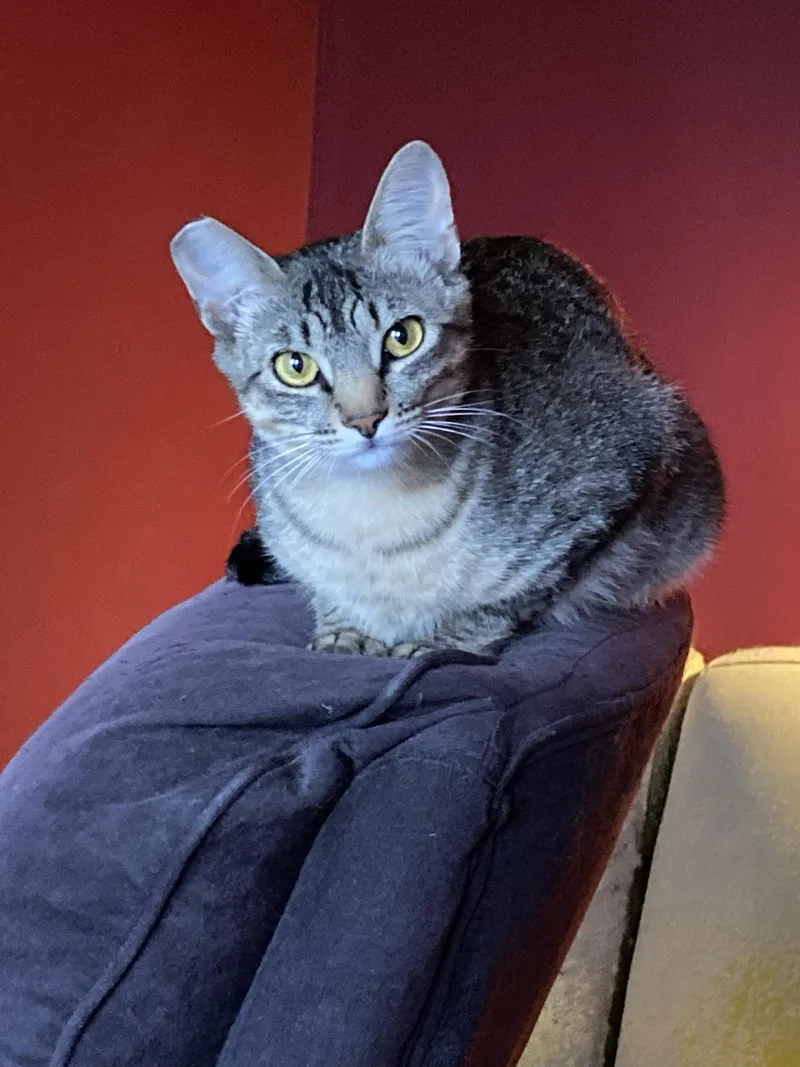
Meet your next Dilute Tortie

While we don't have enough cats near Seattle, keep in mind that many rescues may offer transport.

Dilute Tortoiseshells Available for Adoption Near Seattle

About the Dilute Tortoiseshell breed

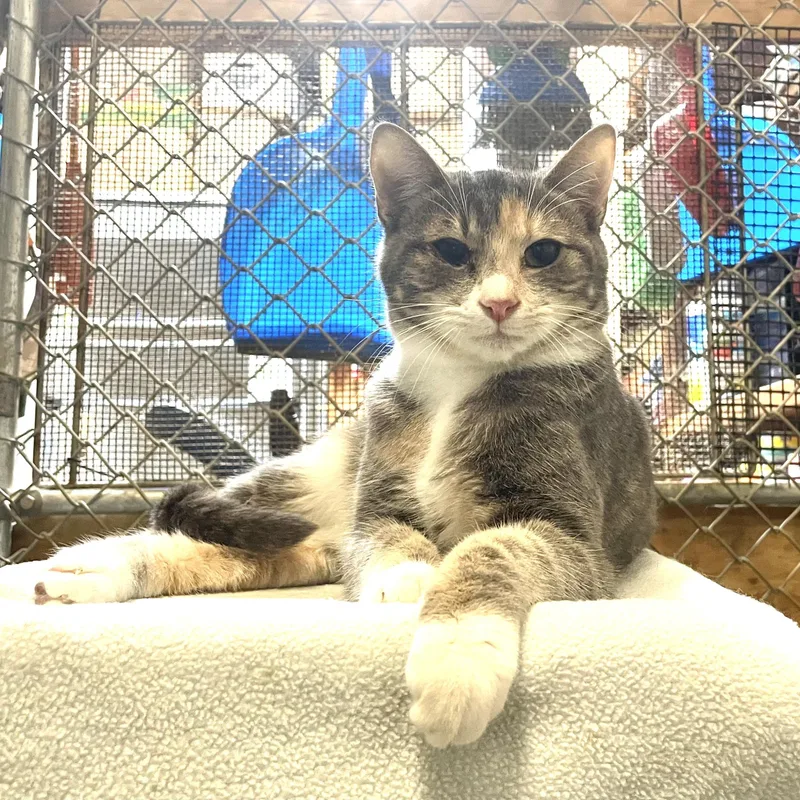
A dilute tortoiseshell is a coat pattern rather than a breed. Instead of black and orange, the cat shows blue-gray and cream in patches or a soft marbled blend, a look that comes from a recessive dilution gene. The tortie pattern is tied to the X chromosome, so nearly all of these cats are female.

Most dilute torties you'll meet are domestic shorthairs or longhairs, medium-sized cats of roughly 6 to 14 pounds that often live 12 to 18 years. Shedding is moderate, and longhaired cats need more brushing. Folklore about "tortitude" has little evidence behind it, so what a cat is like depends on its age, history and personality, not its colors. Time spent with a cat tells you far more than the coat.

Weight
6–14 lbs
Height
8–10 in
Lifespan
12–18 yrs
Temperament
Affectionate, Independent, Curious
Shedding
Moderate

Owning a Dilute Tortoiseshell in Seattle

Having a Dilute Tortoiseshell in Seattle

Coat color tells you little about a cat, so these notes cover what's typical for the domestic cats that wear this pattern, with a Seattle angle: rainy-day play, indoor safety and apartment life matter far more than the blue-cream fur.

Temperament

Dilute torties range from shy to bold and from lap cats to independent explorers. In a Seattle apartment, a curious cat often enjoys watching rain, birds and street life from a window. Because the coat predicts little, notice how a cat behaves around you, and give a shy cat a quiet room and time to settle.

Exercise Needs

Plan a couple of daily play sessions with wand toys, balls or puzzle feeders, longer for kittens and young adults. Seattle's wet days make indoor play the main routine, so add a tall cat tree, shelves or a window perch for climbing. Older cats do well with shorter, gentler games.

Health Considerations

The coat pattern itself carries no known health risk in female cats, though the rare males are usually XXY and may have extra concerns. Routine checkups, dental care, parasite prevention and a healthy weight matter most. Keeping a cat indoors also guards against coyotes, which wildlife officials say are common in Seattle's larger wooded green spaces.

Living Space

These cats do well in Seattle apartments, condos and houses as long as there are scratching posts, perches and hiding spots. Shy cats settle best in calm homes, while confident ones handle busy households. Longhaired cats need regular brushing. Window access matters in a rainy city, so a safe, screened view helps.

What it costs to own a Dilute Tortoiseshell in Seattle

ExpenseTypical costPer year
Food$25 to $50 per month$300 to $600
Pet insurance$20 to $45 per month$240 to $540
Routine vet care$150 to $350 per year$150 to $350
Other*$480 to $1,180 per year$480 to $1,180
Estimated yearly total (after year one)$1,170 to $2,670

Other costs are estimates and vary with size, age and health.

* The $30 Seattle license for a spayed or neutered cat, litter, flea prevention, a dental cleaning allowance, toys and supplies, and home grooming.

Adopt a Dilute Tortoiseshell in Seattle.

Now that you know more, let’s find you a new best friend. These rescues and shelters below have cats available in and near Seattle.

Rescues and Shelters in or near Seattle

Seattle's adoption community includes a city shelter and nonprofit rescues that place cats of all ages, colors and personalities. Here are the rescues & shelters in the Seattle area with cats available for adoption, worth asking whether a Dilute Tortoiseshell is coming in.

Frequently Asked Questions

Yes, Seattle has no breed bans, and Washington law limits them statewide, so adopting a dilute tortoiseshell cat is straightforward. You'll need a city license, $30 for a spayed or neutered cat, and a household is generally limited to three dogs and cats combined on a typical lot. Availability changes often, so watch the listings on this page and save a search.

Yes, in a carrier. Sound Transit allows pets in small containers, and the King County Water Taxi and Washington State Ferries accept cats in enclosed carriers or crates. King County Metro says pets other than dogs must be in a carrier, with no fare. Pick a sturdy, ventilated carrier a cat can't push open, and keep it on your lap or the floor.

Yes, for indoor cats Seattle's climate is easy: winters are cool and damp, summers are short and mild, and measurable rain falls on roughly 86 to 95 days a year. The main risks are rare heat waves, wildfire smoke and windstorm power outages. Keep a dilute tortie indoors, offer water and cool spots in summer, and keep a carrier ready.

Yes, most dilute torties adapt well to apartments. Because Seattle's rainy season means more indoor time, look for a unit with a bright window and room for a cat tree, scratching posts and a hiding spot. Quiet cats often prefer calm buildings, while confident ones handle noise better, so match the cat's personality to your home.

It can be, if you're happy with an indoor cat and daily play. Dilute torties range from shy to bold, so fit depends on the cat's personality and your routine more than its coat. With Seattle's wet winters, wand-toy sessions and window views carry a lot of weight, and quieter cats suit calm homes while bolder ones suit busier households.

It depends on coat length. Shorthaired cats usually need a brush once or twice a week, and longhaired cats a few times a week to prevent mats. Seattle's damp weather matters mainly if a cat slips outside, so towel-dry wet fur. Most grooming happens at home, which the yearly Other costs of $480 to $1,180 already cover.

A tortoiseshell cat is a cat with a coat pattern, not a breed, that mixes black-based and orange-based colors in patches or a mottled blend with little or no white. The dilute version shows blue-gray and cream instead. The pattern appears in domestic shorthairs and many purebreds, and because of its genetics nearly all tortoiseshells are female.

Almost all tortoiseshell cats are female, but not every single one. The orange and black color genes sit on the X chromosome, and a cat needs two X chromosomes to show both colors together. Females have two, so they can be torties. A tortoiseshell male is possible only through rare genetic exceptions, such as carrying an extra X chromosome.

No, tortoiseshell cats are not rare. The pattern is common among domestic cats, and shelters regularly have torties available for adoption. What is rare is a male tortoiseshell, which occurs in only about one in every few thousand. Dilute torties are less common than standard black-and-orange ones because dilution is recessive, but they are far from unusual.

Expect roughly $1,170 to $2,670 a year for a dilute tortie in Seattle. That covers food at $25 to $50 a month, insurance at $20 to $45 a month, routine vet care of $150 to $350 a year and other costs of $480 to $1,180 a year. Actual spending varies with the cat's age, coat and health.

Find Dilute Tortoiseshells in Nearby Cities

Expand your search to find Dilute Tortoiseshells available for adoption near Seattle.

Explore Other Breeds in Seattle

Looking for a different breed? Browse other cats available for adoption in Seattle.