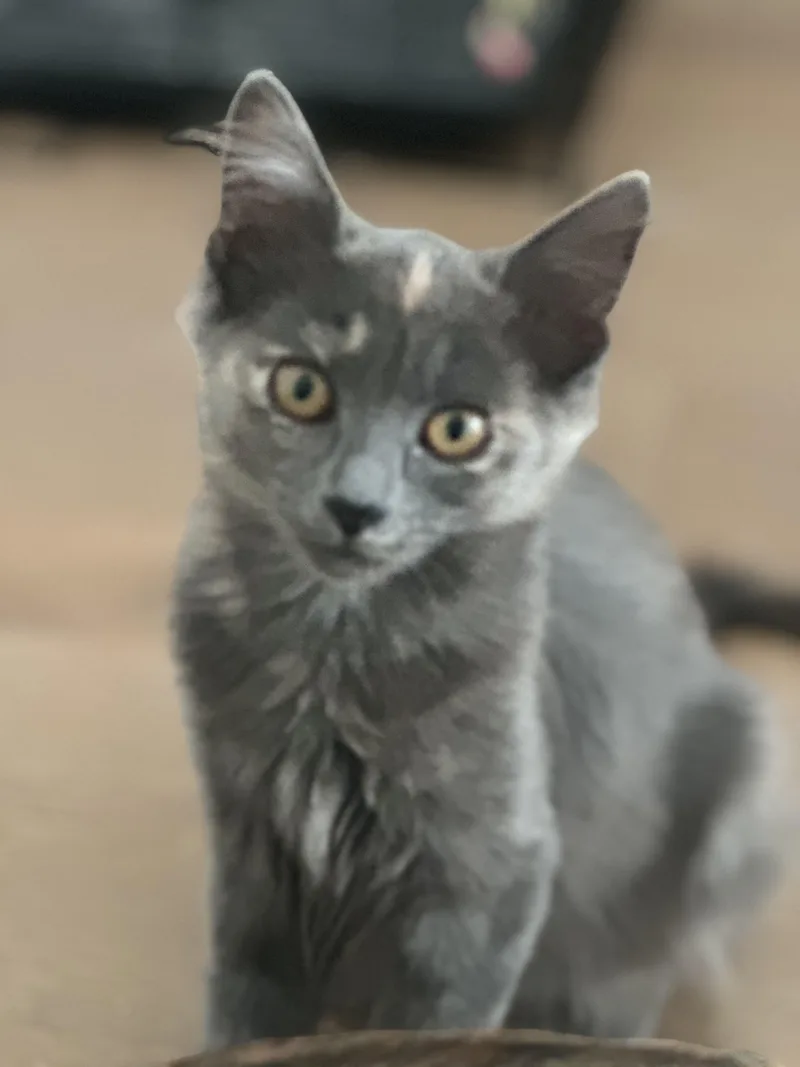
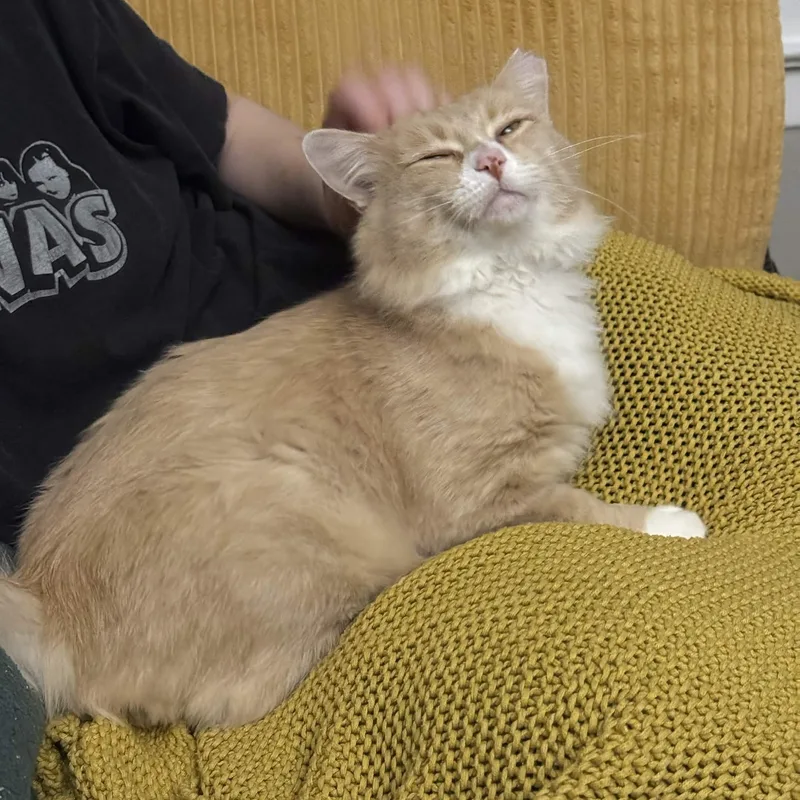
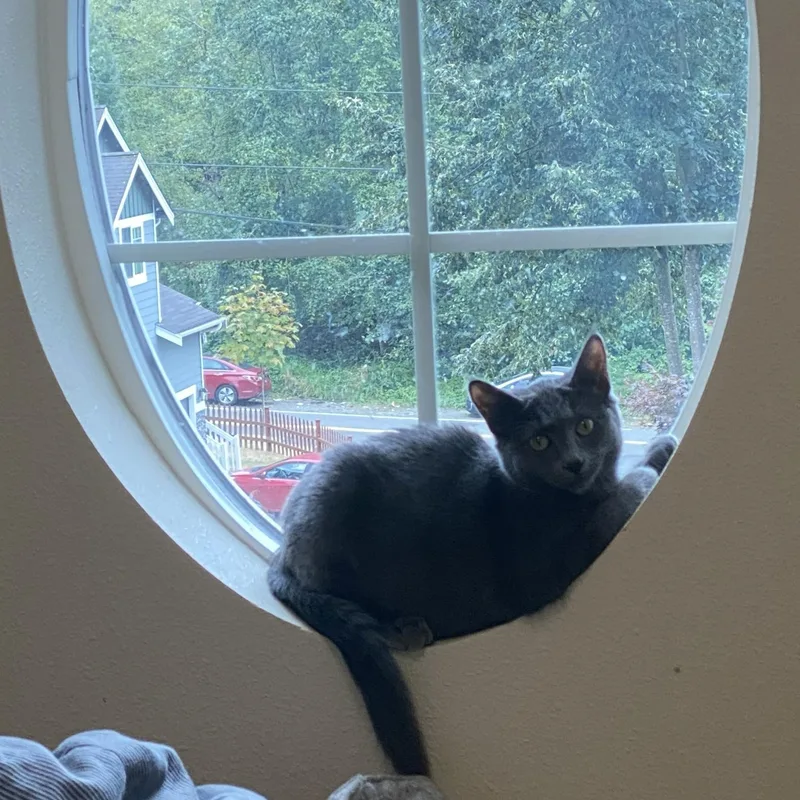
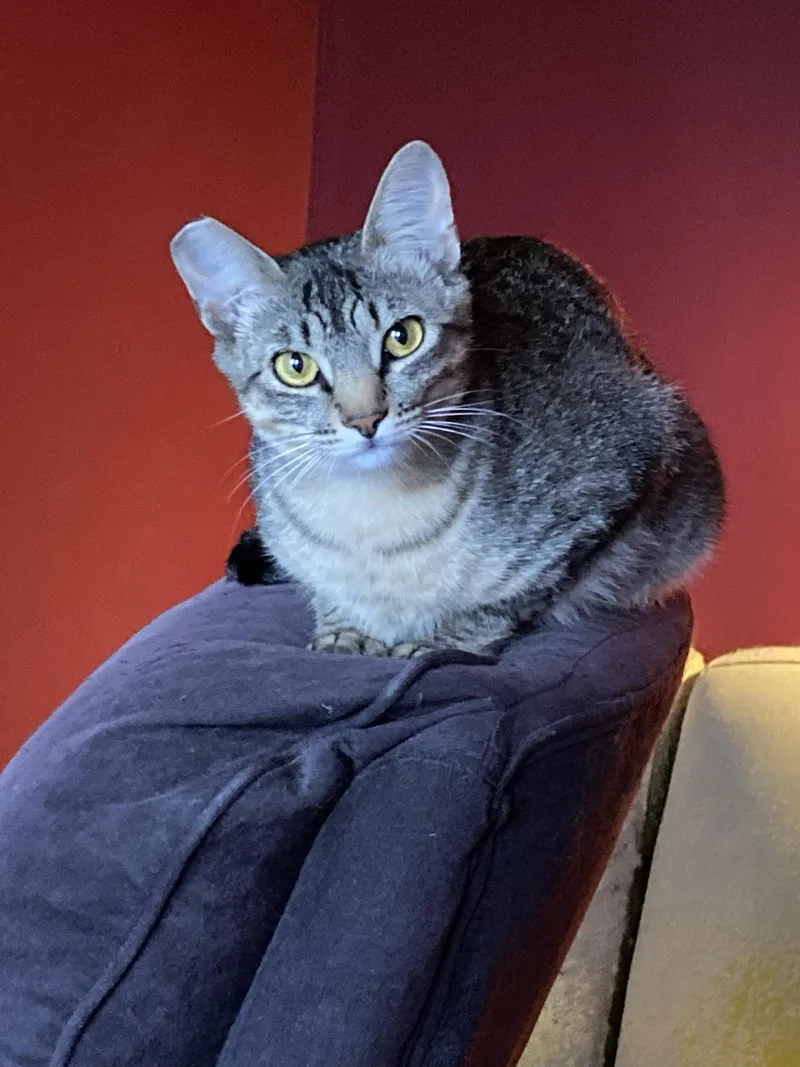
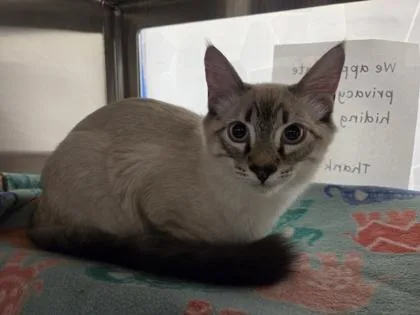
Dilute Calico Cats for Adoption in Seattle, WA

Your guide to finding and caring for a Dilute Calico in Seattle

A dilute calico suits Seattle apartment life because her coat says nothing about how much room she needs. In a Belltown high-rise or a Columbia City bungalow, she'll mostly want a sunny window perch, a wand toy and a quiet corner to retreat to. Rainy days push most cats into indoor play anyway. Neighborhood coyote reports in Magnolia and Montlake are a good reason to keep her inside, with a catio or a harness walk for fresh air.

247 Dilute Calicos available in Seattle and nationwide

Say hello to your Dilute Calico

While we don't have enough cats near Seattle, keep in mind that many rescues may offer transport.

Dilute Calicos Available for Adoption Near Seattle

About the Dilute Calico breed

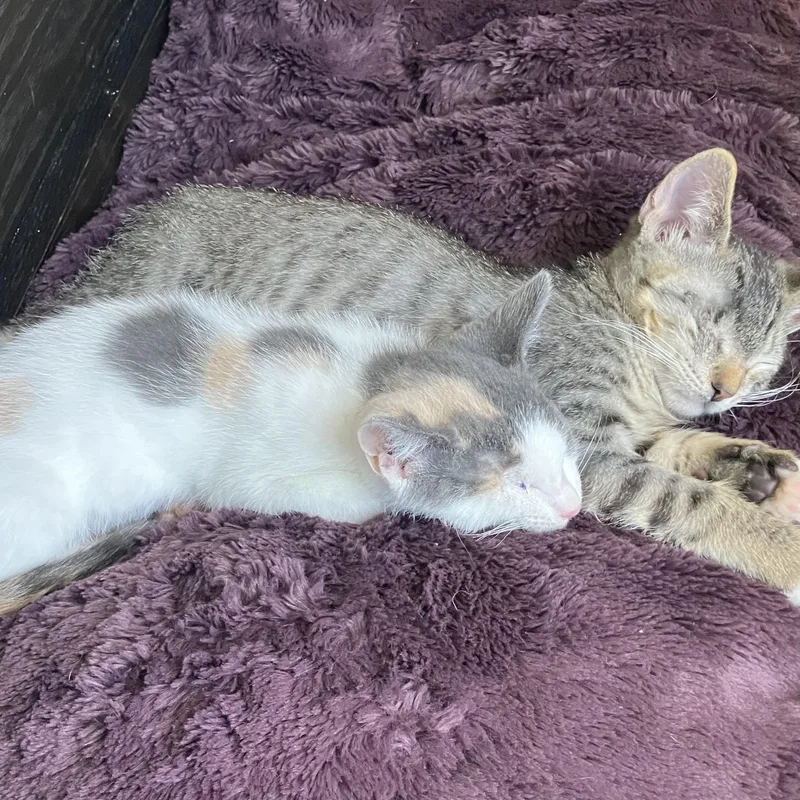
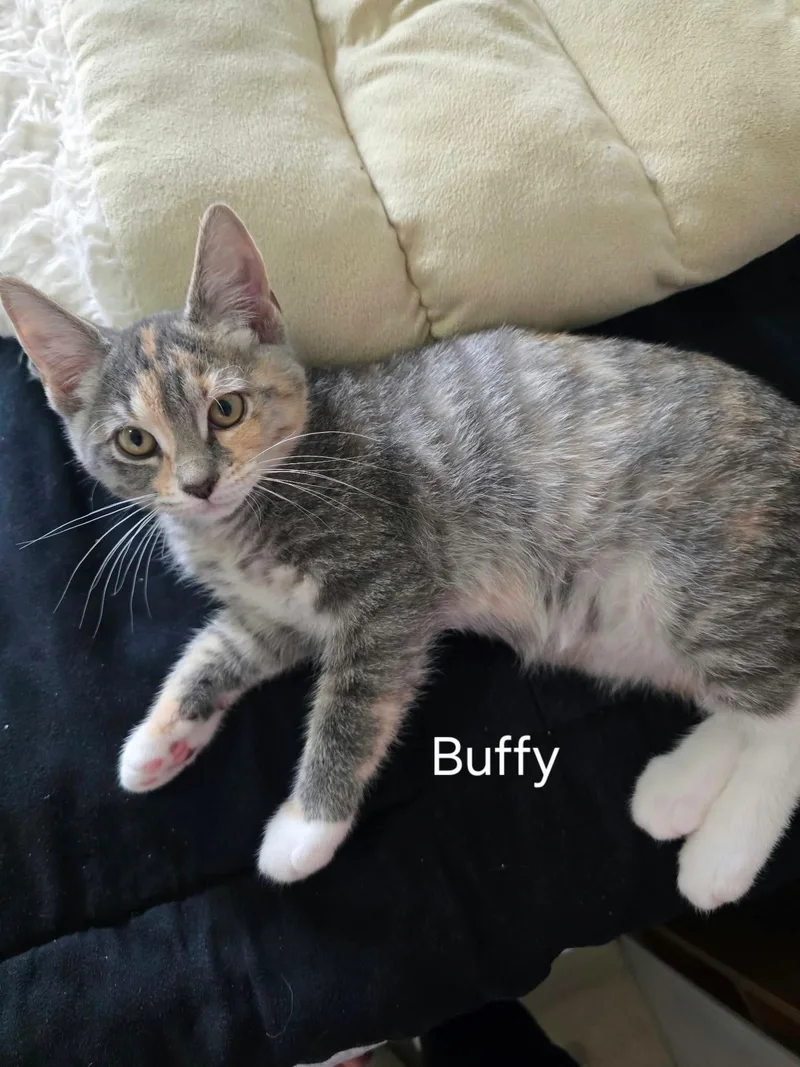
Dilute calico describes a coat, not a breed: white with soft blue-gray and cream patches, the pastel cousin of the black, orange and white calico. The look comes from a recessive dilution gene, and because the orange gene sits on the X chromosome, nearly all dilute calicos are female. Most are domestic shorthairs or longhairs, usually medium-sized cats of about 6 to 14 pounds who live 12 to 18 years.

Color says little about personality, so a dilute calico might be shy, bold, cuddly or independent. In a city where most cats live indoors, age and temperament matter more than pattern: a settled adult often shows her personality right away, while a kitten is still developing. Shedding is moderate, and long-haired cats need brushing a few times a week.

Weight
6–14 lbs
Height
8–10 in
Lifespan
12–18 yrs
Temperament
Affectionate, Curious, Independent
Shedding
Moderate

Owning a Dilute Calico in Seattle

Having a Dilute Calico in Seattle

Dilute calicos are usually medium-sized, moderately shedding indoor cats, and most are female domestic cats. In Seattle, the practical questions are space, play, routine vet care and keeping the cat safely inside, rather than anything tied to coat color.

Temperament

Coat color doesn't set personality, so dilute calicos range from affectionate and curious to independent or reserved. Seattle's gray, rainy stretches suit a cat who enjoys lap time and indoor play, but a shy cat can do well in a quiet apartment too. Notice how the cat reacts to handling and noise when you meet her.

Exercise Needs

Plan on daily play: a wand toy, chasing games and a puzzle feeder keep a dilute calico active and help control weight. Kittens and young adults want more, while seniors prefer short sessions. On wet Seattle days, a window perch, a cat tree or a harness outing to a fenced yard or catio fills the gap.

Health Considerations

The coat pattern itself causes no health problems in female cats, so care follows age and background: yearly exams, dental checks and weight control. The rare male calicos are usually XXY and may have extra health concerns. Keeping the cat indoors also avoids Seattle's coyotes and traffic, and a veterinarian can check teeth, weight and heart.

Living Space

A dilute calico adapts to a Capitol Hill apartment or a Beacon Hill house as long as there are scratching posts, climbing spaces and a hideaway. Dense neighborhoods have plenty of apartments, and a window perch gives a cat a good view of the street. Long-haired cats need room for regular brushing.

What it costs to own a Dilute Calico in Seattle

ExpenseTypical costPer year
Food$25 to $50 per month$300 to $600
Pet insurance$20 to $45 per month$240 to $540
Routine vet care$150 to $350 per year$150 to $350
Other*$480 to $1,180 per year$480 to $1,180
Estimated yearly total (after year one)$1,170 to $2,670

Other costs are estimates and vary with size, age and health.

* The $30 Seattle license for a spayed or neutered cat, litter, flea prevention, a dental cleaning allowance, toys and supplies, and home grooming.

Adopt a Dilute Calico in Seattle.

Now that you know more, let’s find you a new best friend. These rescues and shelters below have cats available in and near Seattle.

Rescues and Shelters in or near Seattle

Seattle's shelters and rescues care for cats of every age, and calico patterns turn up often among them. Here are the rescues & shelters in the Seattle area with cats available for adoption, worth asking whether a Dilute Calico is coming in.

Frequently Asked Questions

Yes, you can. Seattle has no breed bans, and a coat color isn't regulated anyway. Your cat needs a city license and a rabies vaccination. Households can keep up to three dogs and cats combined on a typical city lot, so count your current pets before adopting. Spay or neuter surgery also keeps the license at the lower altered rate.

Yes, a Dilute Calico usually does well in a Seattle apartment, because her needs depend on age and personality, not coat. Offer a window perch, a scratching post and daily play. Get any pet deposit or pet rent written into your rental agreement, and keep screens secure on upper floors so a curious cat can't slip out.

Yes, in a carrier. King County Metro lets cats ride in a carrier without a fare, and Sound Transit allows pets carried in small containers. The King County Water Taxi and Washington State Ferries also require cats to stay in an enclosed carrier or crate. Choose a sturdy, well-ventilated carrier and practice with it at home first.

Mostly yes. Seattle's winters are cool and damp rather than frozen, and summers are mild, so an indoor Dilute Calico stays comfortable year-round. The main risks are rare heat waves, late-summer wildfire smoke and windstorm power outages. Keep cool water out, a shaded resting spot ready and a packed carrier near the door.

Often, yes, if you want an indoor companion and can offer daily play. Seattle's rainy stretches suit a cat who enjoys window watching and lap time, but personalities vary, so look for a cat whose energy matches your routine. Plan to keep her inside, since traffic and coyotes make free roaming risky in most neighborhoods.

Short-haired Dilute Calicos need a quick weekly brushing, while long-haired ones do better with brushing several times a week to prevent mats. Seattle's damp weather matters mostly if a cat goes outside, so dry the coat and wipe paws afterward. Home grooming is already counted in the yearly Other costs, and most cats don't need professional grooming.

Almost all calico cats are female. The genes for orange and black coat color sit on the X chromosome, and a cat needs two X chromosomes to show both colors at once. Females have two X chromosomes; males normally have one. Rare male calicos usually carry an extra X chromosome and are estimated at roughly 1 in 3,000 calicos.

A calico cat is a cat with a three-color coat of white plus patches of black-based and orange-based color. Calico is a color pattern, not a breed, and it appears in domestic cats and many purebred breeds. Dilute calicos show blue-gray and cream instead of black and orange. Nearly all calicos are female.

Yes, calico cats can be male, but it is very rare. Most male calicos have an extra X chromosome, written XXY, which lets them carry both orange and black color genes. A few are chimeras, formed when two embryos fuse. Male calicos are almost always sterile and may have additional health concerns.

Expect roughly $25 to $50 a month for food, $20 to $45 for optional insurance, $150 to $350 a year for routine vet care, and about $480 to $1,180 a year for litter, parasite prevention, dental care, supplies and the city license. Costs vary with the cat's size, coat and health.

Explore Other Breeds in Seattle

Looking for a different breed? Browse other cats available for adoption in Seattle.