Devon Rex Cats for Adoption in Seattle, WA

Your guide to finding and caring for a Devon Rex in Seattle

A Devon Rex fits Seattle apartment life well, since it wants your company far more than a yard. In a Belltown tower or a Wallingford bungalow, this curly-coated cat will claim the sunniest window and follow you from room to room. Seattle's gray, damp months suit an indoor cat that hates being cold, as long as there's a heated bed and a tall perch by the glass. Expect plenty of lap time, because Devons don't love long, empty days.

17 cats similar to Devon Rex available in Seattle and nationwide

Find your forever Devon Rex

While we don't have enough cats near Seattle, keep in mind that many rescues may offer transport.

Devon Rexes and Similar Breeds Available for Adoption Near Seattle

About the Devon Rex breed

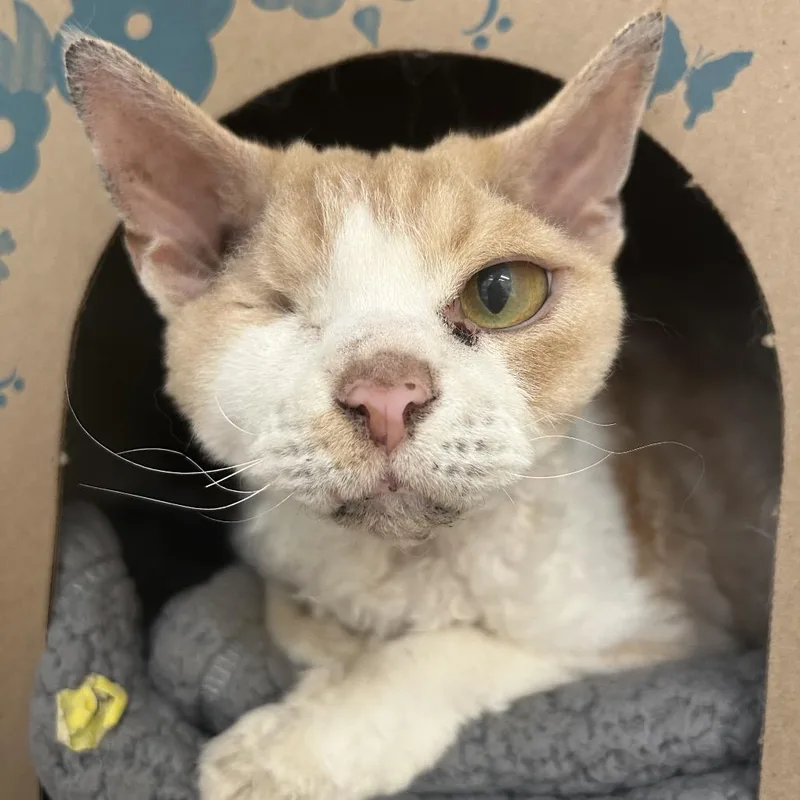
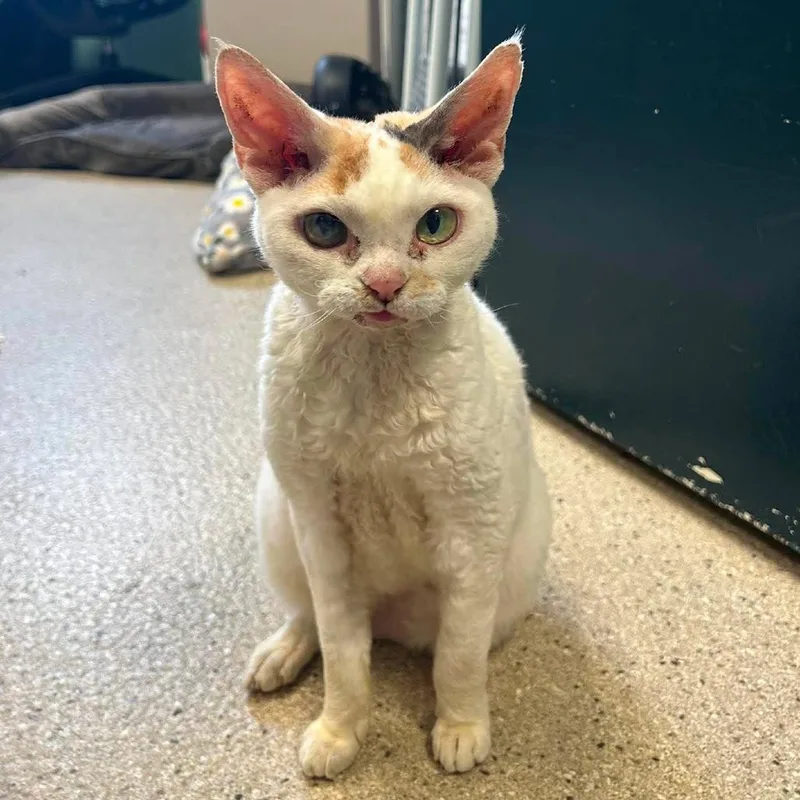
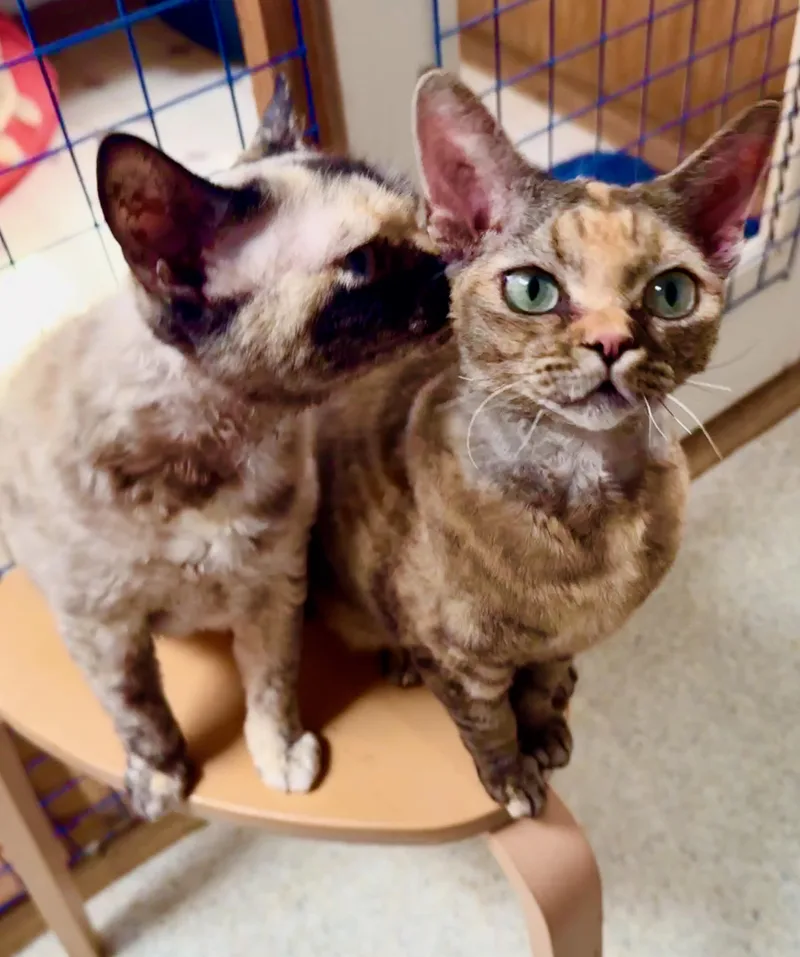
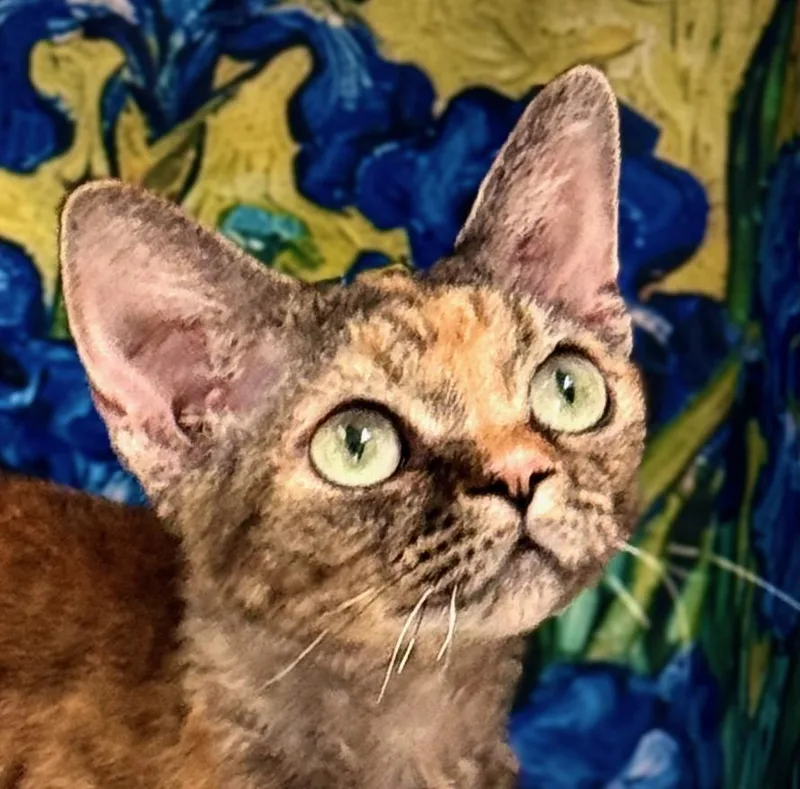
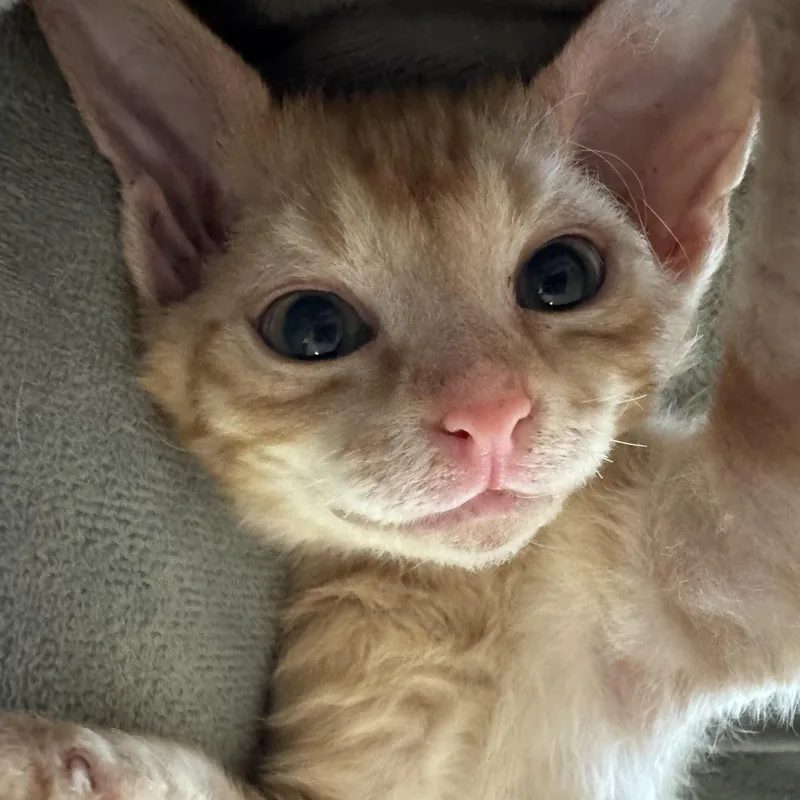
The Devon Rex began around 1960 in Devon, England, with a curly-coated kitten named Kirlee whose wavy fur turned out to come from a different gene than the Cornish Rex's. Oversized ears, big eyes and a soft, sparse, rippling coat give it an elfin look, often with short, crinkled whiskers.

Devons are playful, food-motivated cats that perch on shoulders and join whatever you're doing. They shed less than most cats, though they aren't hypoallergenic, and the thin coat means extra care with warmth, oily skin and waxy ears. In a Seattle apartment, that adds up to a lively indoor companion who needs shelves to climb, toys to chase and someone around often.

Weight
5–10 lbs
Height
10–12 in
Lifespan
9–15 yrs
Temperament
Playful, Affectionate, Curious
Shedding
Low

Owning a Devon Rex in Seattle

Having a Devon Rex in Seattle

Devon Rex cats pair high energy with a fragile, thin coat, so care centers on warmth, play and regular vet visits. In Seattle's apartments and rainy seasons, that mostly means an indoor life with plenty of vertical space and company.

Temperament

Devon Rexes are usually clownish, curious and glued to their people, so they do best in Seattle homes where someone is around often or a friendly companion pet lives. Many enjoy respectful children and cat-friendly dogs. Breed tendencies aren't guarantees, and each cat's personality differs, so spend time with a cat before deciding.
Exercise Needs

Plan on daily interactive play: wand toys, puzzle feeders, a tall cat tree and short treat-based training sessions. Seattle's rainy days make indoor routines essential, and a window perch gives a good bird-watching outlet. Many Devons learn to fetch. Steady activity also helps keep these food-loving cats at a healthy weight.

Health Considerations

Devons can carry a hereditary muscle disorder that has a DNA test, and heart disease, kneecap problems and skin yeast infections are also reported. Oily skin and waxy ears need regular attention, and Seattle's damp weather makes thorough drying after any bath worthwhile. A veterinarian can check the heart and knees at a first visit.

Living Space

Devons suit Seattle's many apartments and condos, provided there's vertical space such as shelves and a cat tree, plus toys and company. Keep them indoors or in a secure catio, since coyotes are reported in several neighborhoods and a thin coat offers little protection from cold rain.

What it costs to own a Devon Rex in Seattle

ExpenseTypical costPer year
Food$20 to $40 per month$240 to $480
Pet insurance$25 to $50 per month$300 to $600
Routine vet care$150 to $350 per year$150 to $350
Other*$530 to $1,380 per year$530 to $1,380
Estimated yearly total (after year one)$1,220 to $2,810

Other costs are estimates and vary with size, age and health.

* The $30 Seattle license for a spayed or neutered cat, flea prevention, a dental cleaning allowance, litter, toys and bedding, light coat care, and ear cleaning, baths and warm bedding for a thin-coated cat.

Adopt a Devon Rex in Seattle.

Now that you know more, let’s find you a new best friend. These rescues and shelters below have cats available in and near Seattle.

Rescues and Shelters in or near Seattle

The shelters and rescues below care for Seattle-area cats and are the ones currently listed on this page. Here are the rescues & shelters in the Seattle area with cats available for adoption, worth asking whether a Devon Rex is coming in.

Frequently Asked Questions

Yes. Seattle requires a city license for every cat, and Washington requires rabies vaccination. The main practical limit is household size: a typical city lot can have up to three dogs and cats combined. Cats don't have to be leashed, but they can't be a nuisance to neighbors, so keep a Devon Rex indoors or in an enclosed space.

Yes, a Devon Rex generally does well in a Seattle apartment because it needs company and climbing space more than square footage. Add wall shelves, a tall cat tree and a window perch, and plan daily play. Landlords can set their own pet rules, such as limiting the number of pets, so read the lease before adopting.

It can be, if you're home a fair amount. Seattle's rainy, indoor-leaning months suit a cat that wants to sit on your lap, and short, mild summers rarely overheat a Devon. It's a harder fit if your days away are long, since Devons tend to dislike being alone. Plan on play, warmth and an indoor life.

Yes, as indoor cats. Seattle winters are cool and damp rather than frozen, which suits a Devon Rex if it has heated pads, blankets and a sunny perch. Outdoor time is the problem, since the thin coat gives little protection. Snow or windstorms occasionally cause outages on the hilly streets, so keep extra blankets and a carrier ready.

Yes, in a carrier. King County Metro buses allow cats in a carrier with no fare, and Sound Transit allows pets in small containers on Link light rail and its buses. The King County Water Taxi requires an enclosed carrier, and Washington State Ferries want cats crated or in a carrier. Keep the carrier on your lap or the floor, not on a seat.

Very little coat grooming, but some skin and ear care. Skip brushing, which can break the fragile coat, and stroke with your hand or a soft cloth instead. Seattle's damp weather means drying your cat thoroughly after any bath, and ears need regular cleaning with a vet-approved solution. Home care keeps grooming costs a small part of the yearly Other estimate.

No, Devon Rex cats are not hypoallergenic, and the CFA cat registry says so directly. They shed less than most cats, but the main cat allergen comes from saliva and skin glands, not hair alone. Some people with mild allergies find Devons easier to live with, but spending extended time with a specific cat before adopting is the safest approach.

A Devon Rex is a small, slender cat breed from England with a short, wavy, soft coat, very large ears and big eyes. It developed from a curly-coated kitten found in Devon around 1960. Devons are known for playful, people-loving personalities and are often described as acting more like dogs or monkeys than typical aloof cats.

Yes, Devon Rex cats shed, but much less than most cats. Their coat is short and sparse, with fewer guard hairs, so loose hair is less noticeable around the home. Some Devons go through thinner phases, particularly as kittens. Bald patches with redness, scabs or itching are not normal shedding and should be checked by a veterinarian.

Budget roughly $20–$40 a month for food and $25–$50 for insurance, plus $150–$350 a year for routine vet care and $530–$1,380 a year for other costs such as the license, litter, flea prevention and dental care. Together that's about $1,200–$2,800 a year, before any unexpected vet bills.

Explore Other Breeds in Seattle

Looking for a different breed? Browse other cats available for adoption in Seattle.