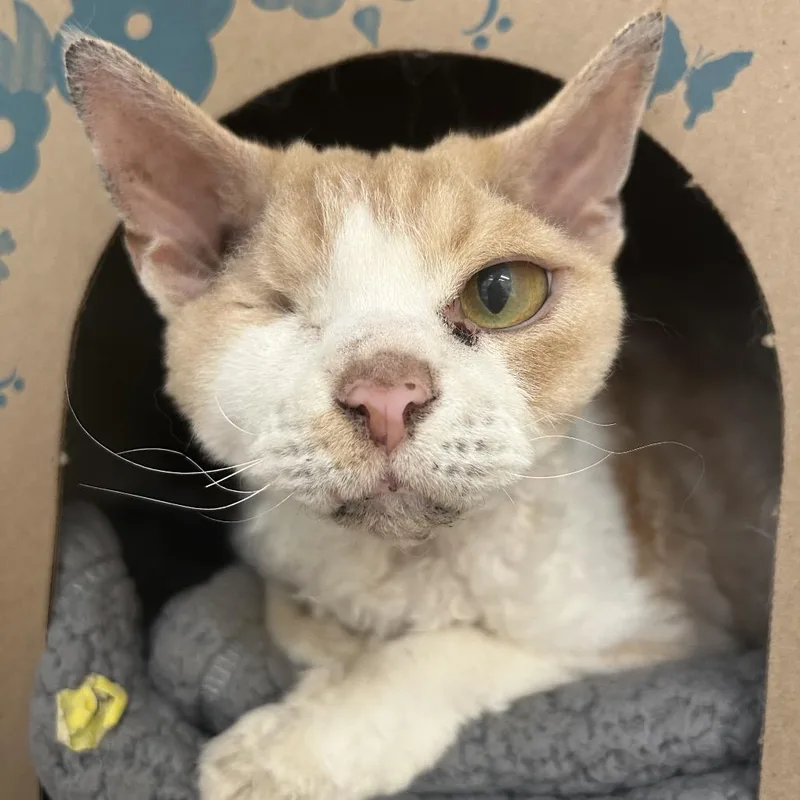
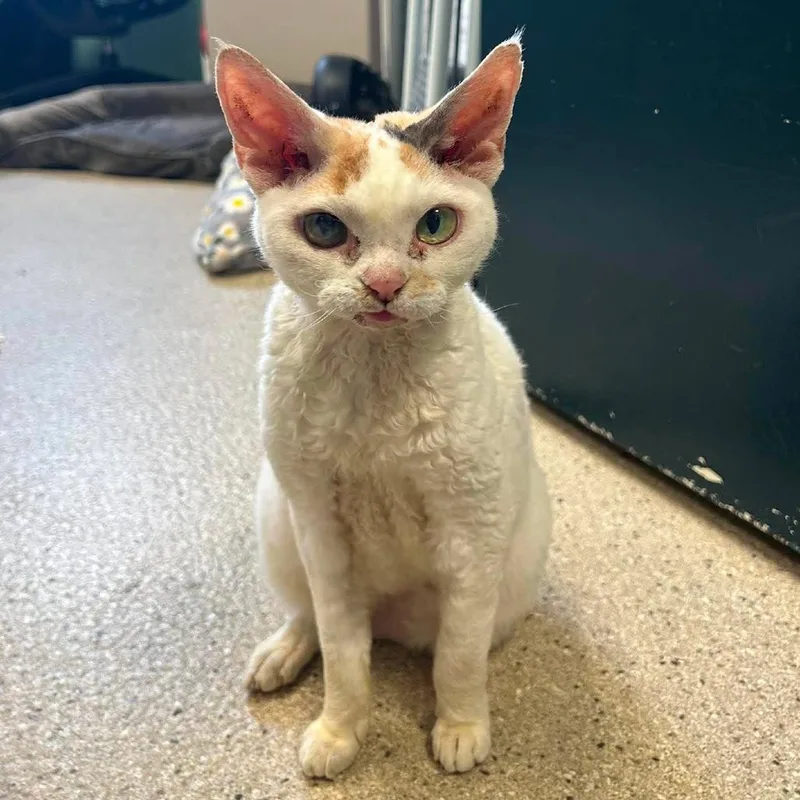
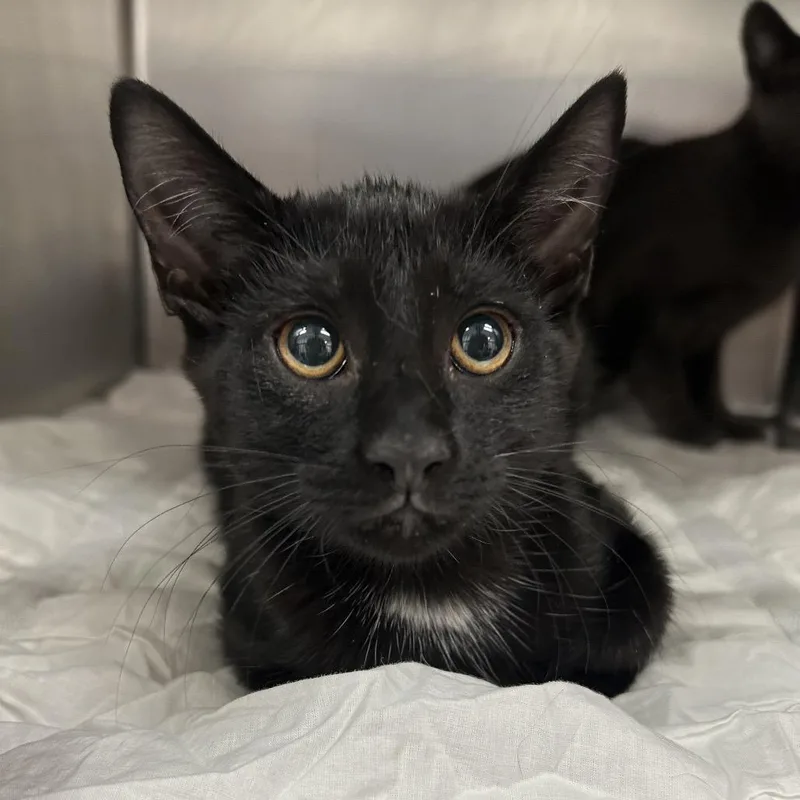
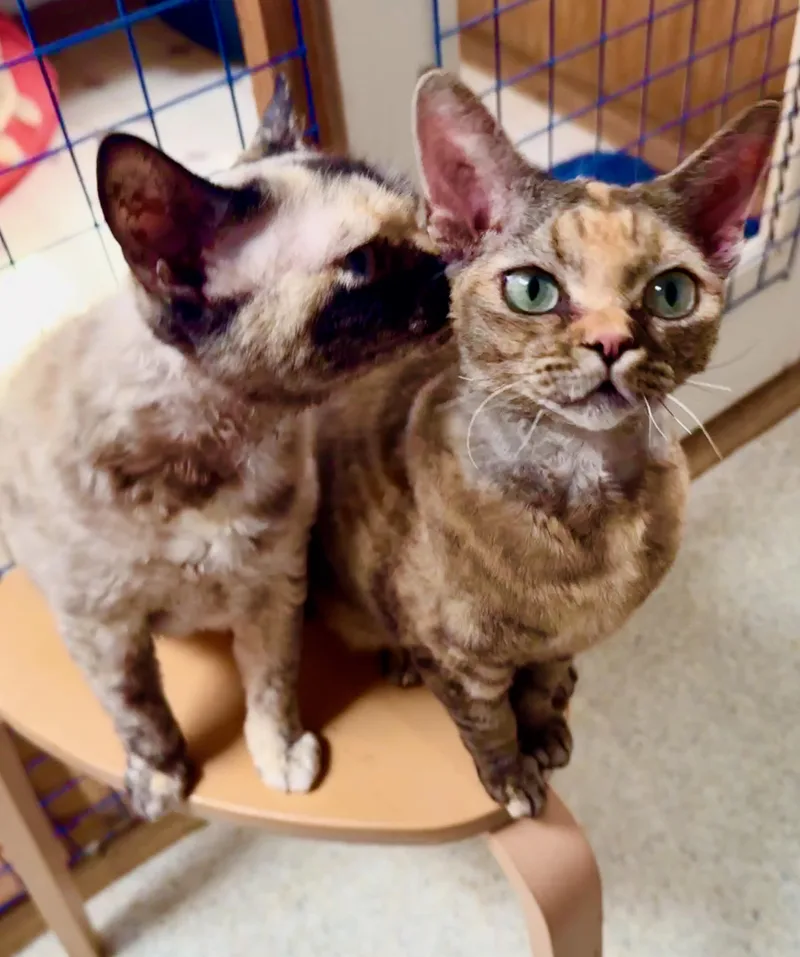
Cornish Rex Cats for Adoption in Seattle, WA

Your guide to finding and caring for a Cornish Rex in Seattle

A Cornish Rex fits Seattle apartment life well, as long as the place stays warm. The thin, down-only coat gives little insulation, so a cozy Belltown condo or a Wallingford bungalow with a heated bed by the window suits one better than a drafty old house. These cats are playful and want company, so they do best with someone home often or a companion pet. Expect daily wand-toy sessions, plus a tall cat tree where the Rex can watch the rain.

18 cats similar to Cornish Rex available in Seattle and nationwide

Fall for a Cornish Rex

While we don't have enough cats near Seattle, keep in mind that many rescues may offer transport.

Cornish Rexes and Similar Breeds Available for Adoption Near Seattle

About the Cornish Rex breed

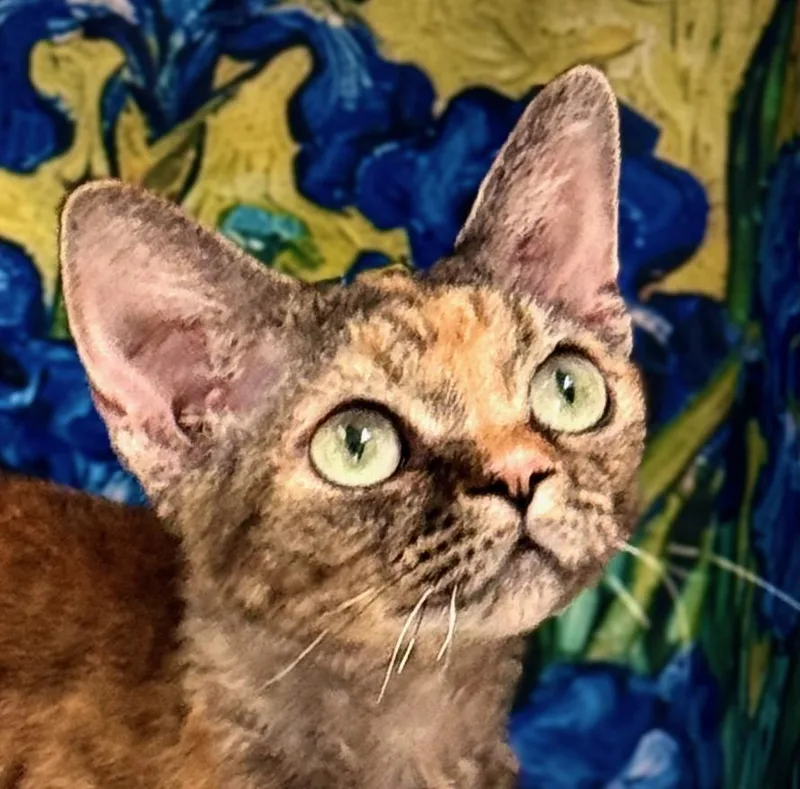
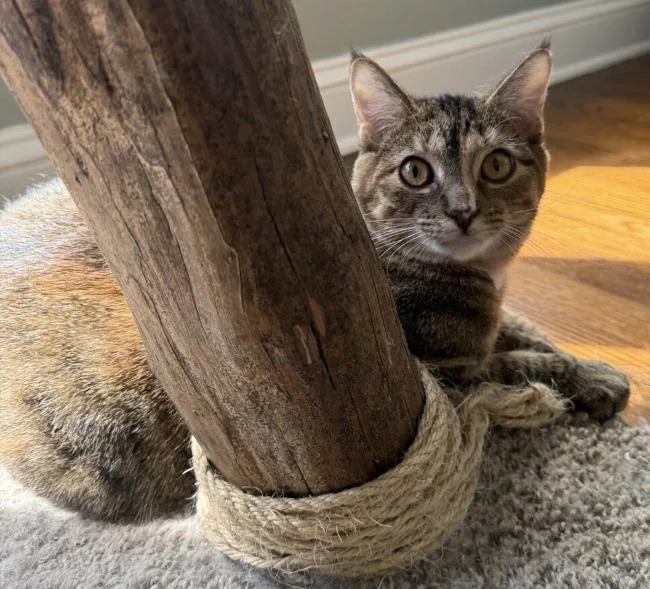
The Cornish Rex began in 1950 with a curly-coated kitten born on a farm in Cornwall, England. The coat comes from a natural recessive mutation and has only the soft down layer, so it lies in tight waves that feel like suede. Add a lean, arched body, long legs, an egg-shaped head and very large ears, and the look is unmistakable. Most weigh 6 to 10 pounds.

Many Cornish Rexes stay kitten-like well into adulthood. They fetch, follow their people from room to room and look for warm laps. The coat sheds little, but it isn't hypoallergenic, and it protects poorly against cold and sun. In Seattle's damp months that means a warm indoor home, occasional baths and regular ear cleaning. Like any cat, each Rex has its own personality.

Weight
6–10 lbs
Height
8–12 in
Lifespan
11–15 yrs
Temperament
Active, Affectionate, Playful, Curious
Shedding
Low

Owning a Cornish Rex in Seattle

Having a Cornish Rex in Seattle

A Cornish Rex pairs a high-energy, people-focused personality with a coat that offers little warmth. In Seattle, that mostly comes down to daily play, indoor warmth and routine skin and ear care.

Temperament

Cornish Rexes are often affectionate, curious and playful, and many stay close to their people. They tend to enjoy company, so long days alone can be hard on them, and some get pushy when bored. Each cat is different, so judge the cat in front of you rather than the breed reputation.

Exercise Needs

Plan on several short, interactive play sessions a day with wand toys, balls or fetch. A tall cat tree by a window gives a Rex room to climb and something to watch on rainy days. Food puzzles keep a clever mind busy. Since these cats should stay indoors, play is their main outlet.

Health Considerations

Hypertrophic cardiomyopathy and progressive retinal atrophy have been reported in the breed, so a veterinarian can check the heart and eyes during a first exam. The thin coat can lead to oily skin and waxy ears. Many Rexes have big appetites, so measure meals and keep up regular checkups.

Living Space

Seattle's mix of apartments and houses can both work for a Rex. What matters is warmth, vertical space and company. Heated beds, blankets and a sunny windowsill help through the cool months. Keep a Rex fully indoors, and use secure window screens if you open windows for fresh air.

What it costs to own a Cornish Rex in Seattle

ExpenseTypical costPer year
Food$20 to $40 per month$240 to $480
Pet insurance$25 to $50 per month$300 to $600
Routine vet care$150 to $350 per year$150 to $350
Other*$530 to $1,380 per year$530 to $1,380
Estimated yearly total (after year one)$1,220 to $2,810

Other costs are estimates and vary with size, age and health.

* The $30 Seattle cat license for a spayed or neutered cat, litter, parasite prevention, a dental cleaning allowance, toys and scratchers, bath and ear-care supplies, and warm bedding or sweaters for a thin coat.

Adopt a Cornish Rex in Seattle.

Now that you know more, let’s find you a new best friend. These rescues and shelters below have cats available in and near Seattle.

Rescues and Shelters in or near Seattle

Seattle's shelters and rescues care for cats of all ages, and these are the ones listing adoptable pets on this page. Here are the rescues & shelters in the Seattle area with cats available for adoption, worth asking whether a Cornish Rex is coming in.

Frequently Asked Questions

Yes. Seattle has no breed bans, and the main requirement is a city license, $30 a year for a spayed or neutered cat. A household can have up to three dogs and cats combined on a typical lot. Renters should check their lease for pet limits and pet rent. Cornish Rexes are uncommon, so watch the listings on this page.

Yes. A Cornish Rex is a small cat that does well in an apartment when it has warmth, climbing space and company. A tall cat tree, a window perch and daily play sessions matter more than square footage. Renters should know that Seattle bans nonrefundable pet fees, though landlords can still charge pet rent.

Yes, for an indoor Rex. Seattle's winters are cool and damp, about 38 to 48°F, and summers are short and mild, so extreme weather is uncommon. Because the thin coat offers little insulation, warmth is the priority: heated beds, blankets and a cozy windowsill. Plan for the occasional heat wave or power outage with shade, water and extra blankets.

It can be, for someone who is home often and enjoys play. Seattle's cool, rainy months are good for indoor games, and a Rex will happily share a lap and a heated blanket. It's a harder fit for long workdays away or a chilly, drafty home. A companion pet can help, and each cat's personality varies.

Brushing is rarely needed, but plan a bath every week or two as oils build up on the thin coat, and clean the ears weekly. Seattle's damp air doesn't change that for an indoor cat, but towel-dry thoroughly, avoid blow dryers and keep the room warm. Bath and ear-care supplies fit within the yearly Other costs.

Yes, in a carrier. King County Metro allows cats and other non-dog pets in a carrier at no fare, and Sound Transit allows pets in small containers. Water taxi cats must be in an enclosed carrier. Keep the carrier closed, add a blanket since a Rex chills easily, and keep trips short on cold, wet days.

No, Cornish Rex cats are not hypoallergenic. The main cat allergen, a protein called Fel d 1, comes from saliva and skin glands rather than hair, and Cornish Rex cats produce it like other cats. Because they shed little, some people with mild allergies report fewer symptoms. Spend time with a specific cat before adopting to test your reaction.

A Cornish Rex is a small, slender cat breed from Cornwall, England, known for its short, wavy coat made only of soft down hair. It has large ears, a long arched body, long legs and an egg-shaped head. Cornish Rex cats are typically active, affectionate and playful, and they need indoor living, warmth and plenty of attention.

Cornish Rex cats shed very little. They lack the outer guard hairs and middle awn hairs most cats have, so their short, curly down coat drops far less hair around the home. Light shedding still happens, and the coat can thin seasonally. Instead of brushing, many owners just stroke the coat or wipe it with a soft cloth.

Budget roughly $1,200 to $2,800 a year for a Cornish Rex in Seattle. That covers food at $20 to $40 a month, insurance at $25 to $50 a month, routine vet care at $150 to $350 a year, and other costs at $530 to $1,380 a year, including the city license.

Explore Other Breeds in Seattle

Looking for a different breed? Browse other cats available for adoption in Seattle.